50,000 March in Brazil to Celebrate Death of Fossil Fuel Industry at COP30

. . SUSTAINABLE DEVELOPMENT . .

An article by Jon Queally from Common Dreams (reprinted according to Creative Commons (CC BY-NC-ND 3.0)

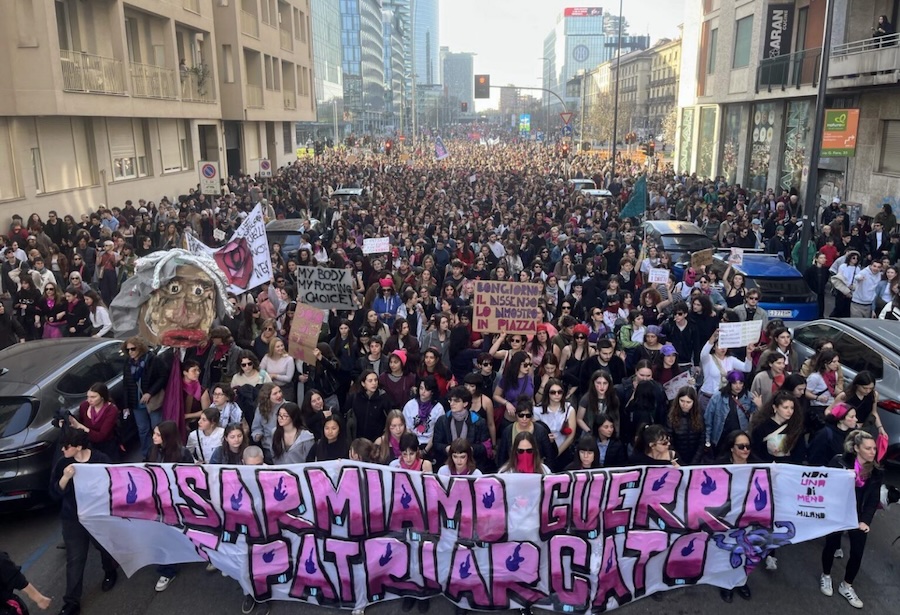
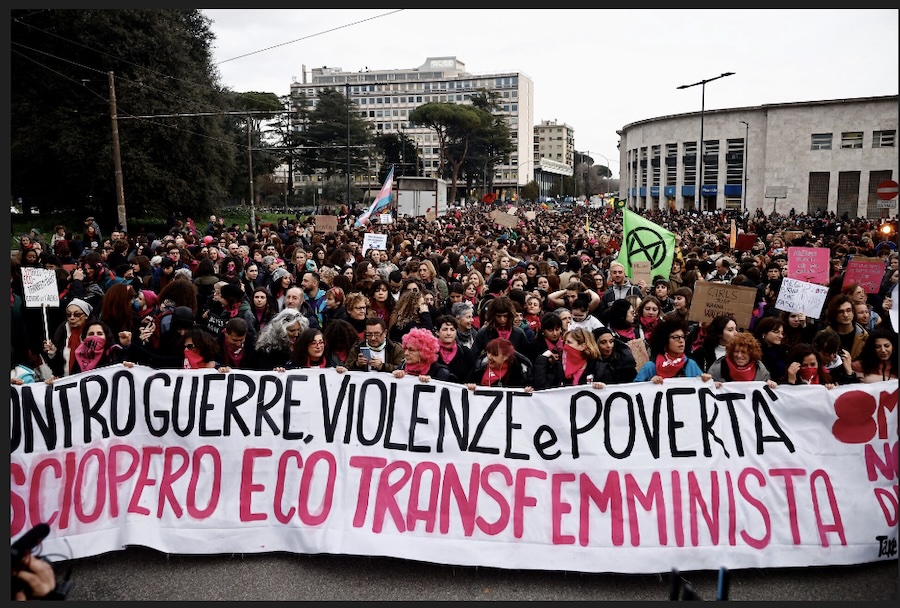
An estimated 50,000 people took to the streets of Belém do Pará, Brazil on Saturday to demonstrate outside the halls of the United Nations annual climate summit, holding a “Great People’s March” and makeshift “Funeral for Fossil Fuels” as they demanded a just transition toward a more renewable energy system and egalitarian economy.

Organized by civil society organizations and Indigenous Peoples groups from Brazil and beyond, the tens of thousands who marched outside the thirtieth Conference of the Parties (COP30) summit called for an end to the rapacious greed of the oil, gas, and coal companies as they advocated for big polluters to pay for the large-scale damage their businesses have caused worldwide over the last century.

“We are tens of thousands here today, on the streets of Belém, to show negotiators at COP30 that this is what people power looks like,” said Carolina Pasquali, executive director of Greenpeace Brazil, said as the march took hold. “Yesterday we found out that one in every 25 COP30 participants is a fossil fuel lobbyist, proportionally a 12% increase from last year’s COP. How can the climate crisis be solved while those creating it are influencing the talks and delaying decisions? The people are getting fed up–enough talking, we need action and we need it now.”

The report by the Kick Big Polluters Out coalition last week showed that at least 1,600 lobbyists from the fossil fuel industry are present at the conference, making it the second-largest delegation overall, second only to Brazil’s, the host nation.

“It’s common sense that you cannot solve a problem by giving power to those who caused it,” said Jax Bongon from the Philippines-based IBON International, a member of the coalition, in a Friday statement. “Yet three decades and 30 COPs later, more than 1,500 fossil fuel lobbyists are roaming the climate talks as if they belong here. It is infuriating to watch their influence deepen year after year, making a mockery of the process and of the communities suffering its consequences.”

While the overwhelming presence of fossil fuel lobbyists has once again diminished hopes that anything worthwhile will emerge from the conference, the tens of thousands in the streets on Saturday represented the ongoing determination of the global climate movement.

(article continued in right column)

Question for this article:

Sustainable Development Summits of States, What are the results?

(Article continued from the left column)

João Talocchi, co-founder of Alianza Potência Energética Latin America, one of the key groups behind the “Funeral for Fossil Fuels” portion of the day’s action—which included mock caskets for the oil, gas, and coal companies alongside parades of jungle animals, wind turbines, and solar panels representing what’s at stake and the better path forward—noted the key leadership of Indigenous groups from across the Global South.

“From the Global South to the world, we are showing what a fair and courageous energy transition must look like,” said Talochhi.

Ilan Zugman, director of 350.org in Latin America and the Caribbean, noted the significance of the demonstration, including the symbolism of the funeral procession.

“We march symbolically burying fossil fuels because they are the root of the crisis threatening our lives,” explained Zugman. “Humanity already knows the way forward: clean energy, climate justice, and respect for the peoples who protect life. What is missing is political courage to break once and for all with oil, gas, and coal. It is time to put these old fuels where they belong—in the ground of history.”

With the COP30 at its midway point, climate activists warn that not nearly enough progress is being made, with the outsized influence of the fossil fuel industry one of the key reasons that governments, year after year and decade after decade, continue to drag their feet when it comes to taking the kind of aggressive actions to stem the climate crisis that scientists and experts say is necessary.

“We are taking to the streets because, while governments are not acting fast enough to make polluters pay for their climate damages at COP30, extreme weather events continue to wreak havoc across the globe,” said Abdoulaye Diallo, co-head of Greenpeace International’s “Make Polluters Pay” campaign. “That is why we are here, carrying the climate polluters bill, showing the projected economic damages of more than $5 trillion from the emissions of just five oil and gas companies over the last decade.”

“Fossil fuel companies are destroying our planet, and people are paying the price,” said Diallo. “Negotiators must wake up to the growing public and political pressure to make polluters pay, and agree to new polluter taxes in the final COP30 outcome.”

(Editor’s note: Another demonstration specifically criticized Brazil’s decision to allow oil prospecting in the Amazon. According to UN News, “Around 90 Indigenous people from the Munduruku Indigenous group staged a peaceful protest early Friday, blocking the main entrance to the Blue Zone – the restricted area set aside for negotiators – at COP30 in Belém. . . COP30 Executive Director Ana Toni described the demonstrations as “legitimate” and confirmed that the government is listening. Protesters were directed to meet with the Minister of Indigenous Peoples, Sônia Guajajara, and the Minister of the Environment and Climate Change, Marina Silva.)

– – – – – –

If you wish to make a comment on this article, you may write to coordinator@cpnn-world.org with the title “Comment on (name of article)” and we will put your comment on line. Because of the flood of spam, we have discontinued the direct application of comments.

New York: Mamdani’s Win Proves That Hope Is Power

.. DEMOCRATIC PARTICIPATION ..

An article by Frances Moore Lappé and Corinna Rhum from Common Dreams

Zohran Mamdani’s stunning victory on Tuesday is a bright light in this otherwise terrifying political time, and the messages propelling his political ascendance offer many lessons. One particularly is music to our ears—indeed, it’s a song we’ve long been singing. We’ll let the words from his acceptance speech  speak for themselves:

“Tonight we have spoken in a clear voice. Hope is alive. Hope is a decision that tens of thousands of New Yorkers made day after day, volunteer shift after volunteer shift, despite attack ad after attack ad. And, while we cast our ballots alone, we choose hope together: hope over tyranny. Hope over big money and small ideas. Hope over despair. We won because New Yorkers allowed themselves to hope that the impossible could be made possible.”

Right on!

Mr. Mamdani’s message is both powerful and incisive. To launch his campaign to become mayor of our largest city required hope—and great courage. A long-shot candidate—a 34-year-old South Asian Muslim and democratic socialist assemblyman—he is a departure from mayoral convention.

Nevertheless, he, and a dedicated team of volunteers, took the plunge, pouring heart and soul into one of the most impressive grassroots campaigns. Mr. Mamdani’s candidacy was an act of hope—rooted not only in a belief in the necessity of his ideas and capacity to govern but also of hope that the political landscape would embrace a leader like him.

We must challenge ourselves to hope! Why not run for office with a bold, hope-infused platform? Volunteer for a candidate we believe in? And cast our votes for a different and better future?

(continued in right column)

Questions related to this article:

How can culture of peace be developed at the municipal level?

The struggle for human rights, is it gathering force in the USA?

(continued from left column)

And that hope turned into victory—justifying itself. Adamantly and consistently, he worked to convince voters that a better New York is achievable—that hope need not be an abstract and ephemeral feeling but rooted in actual political possibility.

Doing so, Mr. Mamdani championed the concerns New Yorkers—but, really, most Americans—feel acutely: our affordability crisis in housing, food, and healthcare; the burden of wages failing to keep up with cost of living; the immense struggle required just to survive. At every step of his campaign, he addressed these deep structural problems with real, innovative policy solutions. He didn’t ask voters to find hope from his politicking. Rather, he offered real grounds for belief.

We have long said that hope is power. Mr. Mamdani’s political success is evidence of this truth.

So perhaps the most important takeaway from Mr. Mamdani’s campaign is this: Hope grounded in possibility is the fuel for democracy. We find this a particularly powerful line from Mr. Mamdani’s acceptance speech: “We won because we insisted that no longer would politics be something that is done to us. Now, it is something that we do.” This sentiment is, indeed, the crux of hope’s power. When we believe, the door to action opens. We become agents capable of making real the changes we so desperately. As Mr. Mamdani says, politics is not done to us, but what we do.

This spirit is contagious and key to fighting back successfully against the Trump administration’s fascist policies and reversing widespread democratic backsliding. We must challenge ourselves to hope! Why not run for office with a bold, hope-infused platform? Volunteer for a candidate we believe in? And cast our votes for a different and better future?

Organizations including Run for Something empower us to step up and consider ourselves as changemakers, and several other national groups such as Common Cause and Indivisible provide clear paths for citizen action. Who knows what may come from taking the next hopeful step in your community, whether its electoral or any other form of advocacy.

Remember hope is not for “wimps.” It requires courage to do what we thought we could not do. The root of the word courage is the French word for heart, “coeur.” So, when you step up and feel yours pounding, don’t doubt. It’s just your heart cheering you on!

Leading with hope, we can build the engaged and just “living democracy” we want and know is essential. We can become proud of our country again.
– – – – – –

If you wish to make a comment on this article, you may write to coordinator@cpnn-world.org with the title “Comment on (name of article)” and we will put your comment on line. Because of the flood of spam, we have discontinued the direct application of comments.
Starting the swing back in Connecticut

. HUMAN RIGHTS .

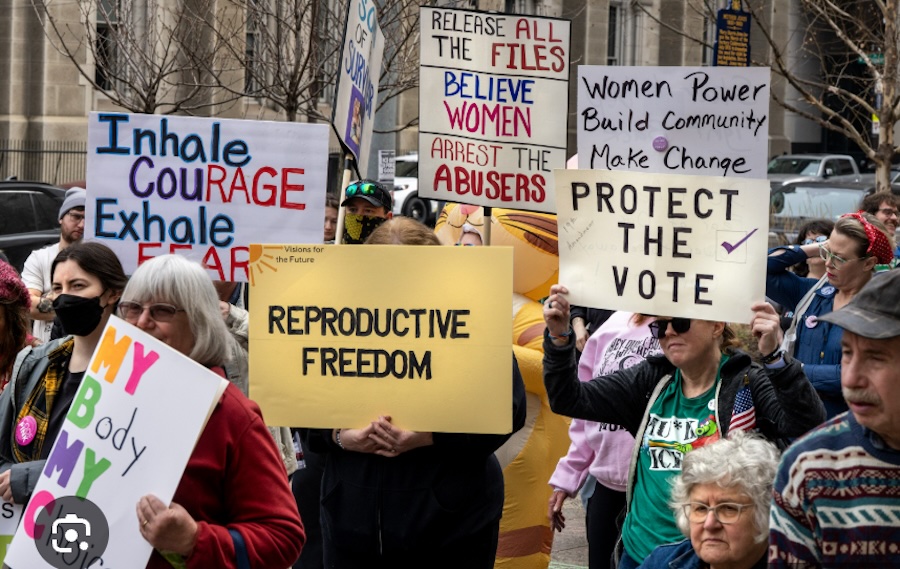
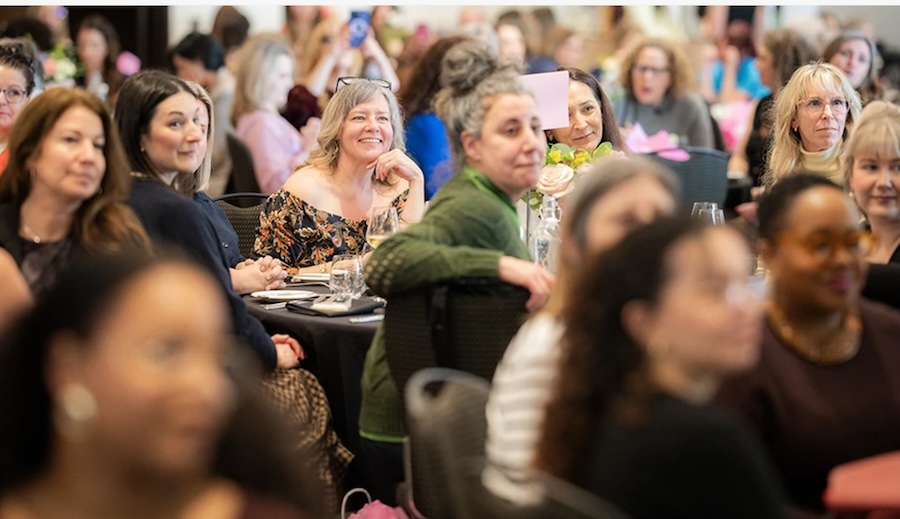
We received the following photo from a friend in Connecticut, with the comment, “there’s a start of the swing back here.  We are still hopeful that we will see, eventually, that sanity, compassion and peace outweigh the current dissolution of our society.”


(click on image to enlarge)

Questions related to this article:

The struggle for human rights, is it gathering force in the USA?

– – – – – –

If you wish to make a comment on this article, you may write to coordinator@cpnn-world.org with the title “Comment on (name of article)” and we will put your comment on line. Because of the flood of spam, we have discontinued the direct application of comments.
English bulletin November 1, 2025

. THE MOVEMENT KEEPS GROWING .

The menace of the culture of war continues to grow, but, in response, the peoples’ movements for peace and justice also keeps growing.

In one of the largest single-day nationwide demonstrations in U.S. history, nearly seven million Americans took to the streets on October 8, 2 million more than June, in over 2,700 cities and towns for the No Kings Day of Peaceful Action.

In response to this historic day of action, the No Kings Coalition issued the following statement: “Today, millions of Americans stood together to reject authoritarianism and remind the world that our democracy belongs to the people, not to one man’s ambition,” said Ezra Levin and Leah Greenberg, Co-Founders, Indivisible. “Authoritarians want us to believe resistance is futile, but every person who turned out today proved the opposite. This movement isn’t about a single protest; it’s about a growing chorus of Americans who refuse to be ruled. Trump may want a crown, but in this country, there are no kings.”

At CPNN we carried photos of demonstrations in all 50 of the United States, including those in small towns where a high percentage of the population turned out. In many cases, these were towns where the majority had voted for Trump.

Among the speakers was Senator Bernie Sanders. In a recent article, he said “History has always taught us that real change never takes place from the top on down. It always occurs from the bottom on up. It occurs when ordinary people get sick and tired of oppression and injustice—and fight back. That is the history of the founding of our nation, the abolitionist movement, the labor movement, the civil rights movement, the women’s movement and more.”

What will come next? There is even talk of a general strike in the United States.

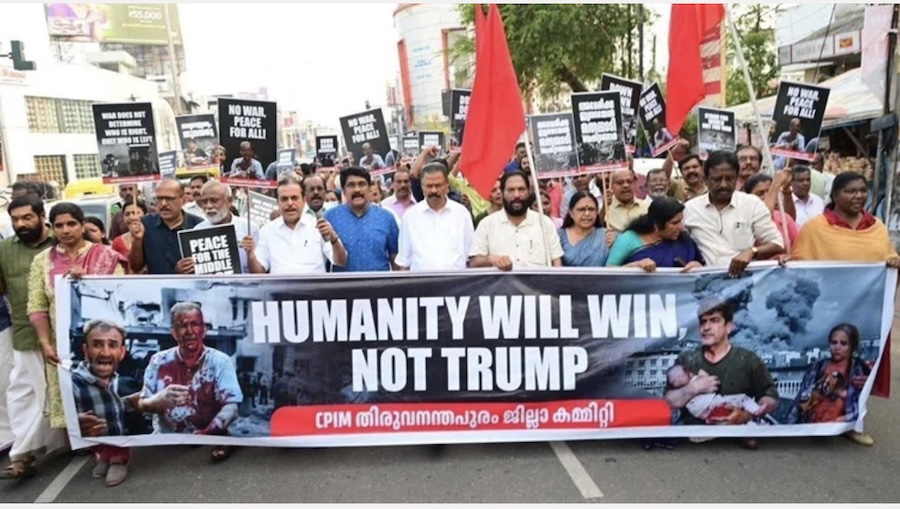
In Europe there were massive demonstrations in solidarity with the Palestinian people who are being massacred in the Israeli genocide.

In London, the Palestine Solidarity Campaign, organised demonstrations against Israel’s genocide in Gaza, along with the Muslim Association of Britain, Friends of Al Aqsa and Palestinian Forum in Britain among others. More than 600,000 people joined the march on October 11. Protestors carried Palestinian flags, banners calling for an end to UK arms sales to Israel and placards demanding accountability.

In Spain, tens of thousands of students walked out of classrooms in cities and towns across Spain on Thursday, October 2, to protest Israel’s ongoing US-backed genocide in Gaza and abduction of Global Sumud Flotilla members, dozens of whom are Spanish. Demonstrations took part in at least 39 cities and towns, varied in size from small groups to thousands who turned out in Barcelona and the capital Madrid, where students held banners with messages like “Stop Everything to Stop the Genocide,” “All Eyes on the Global Sumud Flotilla,” and “Free Palestine!”

In Italy, on September 22, approximately one million people across Italy staged a general strike in support of Palestine and the Global Sumud Flotilla, offering a vision of solidarity sharply at odds with the one displayed by European leaders at the United Nations . Ports, train stations, and major junctions were shut down as workers, many of whom members of the grassroots union Unione Sindacale di Base (USB), brought the country to a halt.

In Paris, an international mass meeting against war and genocide took place on Sunday, October 5. Four thousand people, including delegations from nineteen countries, filled out the Dome de Paris. The arena was a sea of Palestine flags and flags of socialist and anti-war organisations.

As Palestinian activist Mazin Qumsiyeh explains,”this global uprising (intifada) will not stop until freedom, justice, and equality are attained.” because the temporary ceasefire in Gaza and the release of some Palestinians in a prisoner exchange is not a “peace agreement”. Instead, it is a fake “peace agreement” and what needs to be done is to apply boycotts, divestments, sanctions (BDS) on this rogue state that violates the International conventions (Geneva convention, Conventions against Apartheid and Genocide). BDS was used against apartheid South Africa and needs to be applied here also. (see bdsmovement.net.

HUMAN RIGHTS

Again in the USA: No Kings Rallies in all 50 States

SUSTAINABLE DEVELOPMENT

Global Campaign to Demand Climate Justice (DCJ)

DEMOCRATIC PARTICIPATION
<
Mayors for Peace Action Plan (2025–2029)
WOMEN’S EQUALITY

The Struggle for Peace of Syrian Women, ICIP Peace in Progress Award 2025

TOLERANCE & SOLIDARITY

More than half a million march in London to demand lasting peace in Gaza

EDUCATION FOR PEACE

Mexico: Equality and Inclusion Secretariat and Viral Network Launch Call for Participation in the “Hip Hop for Peace” Project

DISARMAMENT & SECURITY

When Maria Corina Machado Wins the Nobel Peace Prize, “Peace” Has Lost Its Meaning

FREE FLOW OF INFORMATION

Spain: Four Days of Activities for Peace


Spain: Four Days of Activities for Peace

FREE FLOW OF INFORMATION .

An article by Gabriel Aguirre in World Beyond War

Barcelona, Spain was the location of a meeting of various organizations and activists organized by the Delàs Center for Peace and the International Peace Bureau — of which World BEYOND War is a member.


Conference of the International Peace Bureau

On Thursday, October 23, a peace conference was organized, which had the title “Pacifism in Times of Genocide and Rearmament.” At the event activists from Palestine, researchers, and representatives of organizations shared their reflections on the current global political context. For his part, Gabriel Aguirre, organizer for Latin America of World BEYOND War, shared the urgency of raising the complaint against the current threats by the U.S. government in the Caribbean, through the militarization of this area with the aim of militarily attacking Venezuela.

The event continued on Friday with the use of working groups that addressed thematic axes related to: “Global Disarmament and Militarization”, “Geopolitical Changes and reform of Global governance”, “Solidarity with Palestine and the People who are victims of militarization around the world”, and “Peace, Climate, Social and Gender Justice.” These spaces served to exchange visions and build proposals for common actions.

(article continued in right column)

Question related to this article:

Where in the world can we find good leadership today?

(article continued from left column)

During the weekend of October 25 and 26, the triennial meeting of the International Peace Bureau was held, with the objective of evaluating the work, and advancing in strategic planning.

During this meeting the global situation was also evaluated, where Gabriel Aguirre was able to mention the serious situation of militarization in Latin America, through the deployment of troops in several countries, and more recently in the Caribbean, with the presence of warships, nuclear-capable submarines, with the support of the Southern Command and the IV Fleet, as well as the use of United States and NATO military bases on the continent, this should undoubtedly alert the global peace movement to speak about the true interests of this deployment protected by the false narrative of combating drug cartels. U.S. actions have the goal of seizing strategic resources in Latin America. The collective call of all attendees was to reinforce solidarity with all of Latin America and particularly Venezuela and Colombia.

In recent days, we have shared a petition to denounce the current situation in the Caribbean, if you have not yet signed it we ask that you do so here.

The activity also highlighted Spain’s role in responding negatively to the United States’ desire to increase the military budgets of NATO members.

– – – – – –

If you wish to make a comment on this article, you may write to coordinator@cpnn-world.org with the title “Comment on (name of article)” and we will put your comment on line. Because of the flood of spam, we have discontinued the direct application of comments.
Mexico: Equality and Inclusion Secretariat and Viral Network Launch Call for Participation in the “Hip Hop for Peace” Project

EDUCATION FOR PEACE .

An article from the Government of the State of Nuevo León

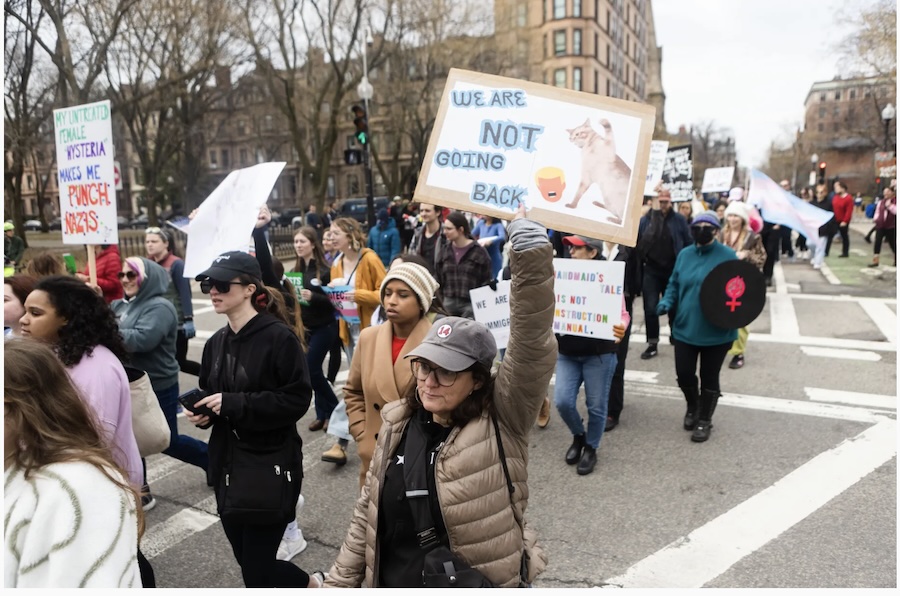
To promote support for urban culture, community participation, and violence prevention, the Secretariat of Equality and Inclusion, the Secretariat of Public Security, the Viral Network organization, and the Bendito Estilo collective have invited young people and urban artists from across the country to participate in the national project “Hip Hop for Peace.”

At a press conference held at the Independencia Community Center, Martha Herrera, Secretary of Equality and Inclusion, Pablo Almuli Cassigoli, Project Coordinator for Red Viral, and Jesús Héctor Grijalva, State Advisor on Penitentiary Policy, presented the project that seeks to empower young people and make them protagonists of social change.

The head of the Secretariat of Equality and Inclusion emphasized that the event aims to cultivate peace through artistic expression.

“This is the first time since the Government of Nuevo León has embraced urban culture, that we have managed to use Hip Hop as a public policy tool, as a reintegration strategy, and as an engine for building peace,” explained Martha Herrera.

She added that the voice of young people through music transforms communities from exclusion to integration. The call for applications is primarily aimed at young people throughout Mexico in contexts of exclusion or risk, young people in prisons and community centers in Nuevo León, neighborhood collectives, established artists, teachers, cultural promoters, and anyone who believes in the power of art as a response to violence.

The program seeks to combat the stigma surrounding Hip Hop and channel emotions that rarely find other legitimate spaces for expression, through the creation of original songs with a message of peace.

(Click here for the original article in Spanish.)

(Article continued in the right column)

Question for this article:

What place does music have in the peace movement?

Is there progress towards a culture of peace in Mexico?

(Article continued from the left column)

The goal is to assemble a diverse team in each state that combines different disciplines of hip hop: rap, music production, audiovisual production, and graffiti.

During the press conference, the local artists of the Hip Hop for Peace collective were presented: El Jaiper, Chilo Carranza, Nexxo Emme, Tinta Prieta Damisela, Marily Mach, Giga Timba, and Danriv. Representing Community Centers will be the group “BETA HOUSE,” comprised of Ricardo Gerardo Argaiz Garcia “RK,” Roberto Carlos Cruz Martínez “Tyago Cruz,” and Luis Alfredo Moreno Maldonado “Ploki Moreno,” as well as solo artists Marvin Alexis García Cida “Zoket,” José Luis Martínez Bermea “Relyan Bermea,” Raúl Darío Villanueva González “Radio 24 Siete,” and Iván Yahir Castillo Ibarra “Enece.”

The Hip-Hop for Peace project is a joint effort led by Red VIRAL and the Bendito Estilo collective, in partnership with the United Nations (UN), the National Commission for Mental Health and Addictions (CONASAMA), Youth Integration Centers (CIJ), the Secretariat of Security and Citizen Protection through the Decentralized Administrative Body for Prevention and Social Rehabilitation, and the Mexican Institute of Industrial Property.

Additionally, at the local level, state human rights commissions, security secretariats through state prison systems, cultural secretariats, youth institutes, as well as civil associations and representatives of the private sector have joined the initiative.

Young people, urban artists, collectives, and anyone interested in the call for submissions can send their original song, which should include a message of peace and be up to 5 minutes long.

Participants must send their name, state, age, discipline, and a sample of their work before October 20th to hiphopporlapaz@gmail.com.

– – – – – –

If you wish to make a comment on this article, you may write to coordinator@cpnn-world.org with the title “Comment on (name of article)” and we will put your comment on line. Because of the flood of spam, we have discontinued the direct application of comments.
World Social Forum Heads to Benin: A Comeback for African Civil Society?

FREE FLOW OF INFORMATION

Articles from Peace Magazine and Habitat International Coalition

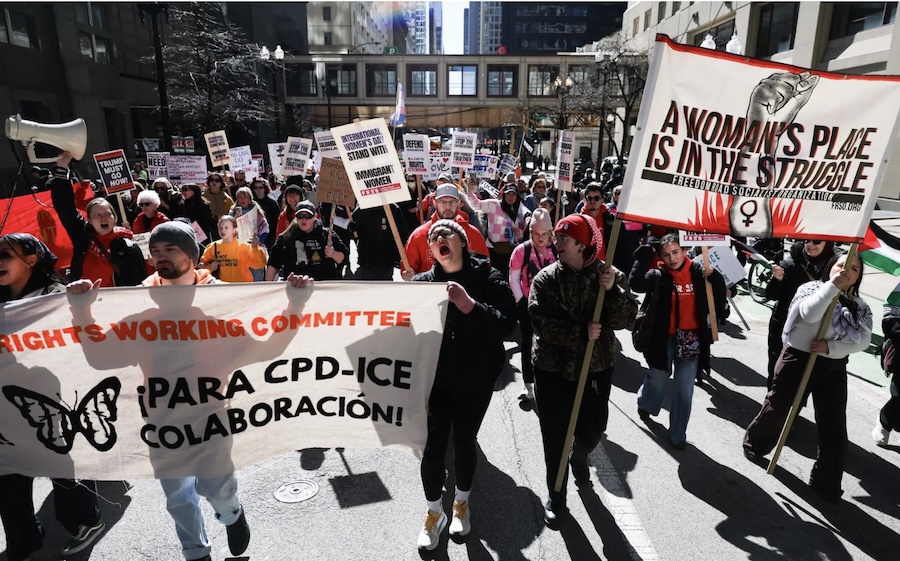
Next year’s World Social Forum (WSF) will take place August 4–8 in Cotonou, the capital of Benin. It will mark the seventeenth edition of the global gathering since the first was held in Porto Alegre, Brazil, in 2001. The Benin forum represents a revival of African civil society, which has struggled in recent years”.


Unlike the corporate-driven World Economic Forum (WEF) in Davos, the WSF has always positioned itself as its counterpoint: a space for grassroots movements, activists, and civil society organizations (CSOs) to network across borders, debate urgent global issues, and share alternative visions for development.

This time, the spotlight falls on Benin, a small West African nation tasked by the WSF International Board with hosting duties. Civil society groups in the region lobbied hard for it, securing government backing—and even commitments to expand the Cotonou airport and other infrastructure— to accommodate the expected flood of participants.


For many, the Benin forum represents a revival of African civil society, which has struggled in recent years under political repression, funding shortages, and organizational challenges. Previous WSFs in Africa were held in Mali (2006), Kenya (2007), Senegal (2011), and Tunisia (2013). But why choose Benin, a relatively small and little-known state among Africa’s 54 countries?


The answer lies partly in its geography and history. Benin—home to 15 million people—sits between Nigeria, Burkina Faso, Niger, and Togo. To the north, Burkina Faso, Niger, and Mali have banded together as the Alliance of Sahel States (AES), a bloc of military-led governments gaining notoriety for their populist stances, anti-French rhetoric, and growing alignment with Russia.

(Article continued in right column)

Question for this article:

World Social Forums, Advancing the Global Movement for a Culture of Peace?

(Article continued from left column)


By contrast, Benin’s story is one of peaceful transition. The country moved from a MarxistLeninist regime to a multiparty democracy, and today boasts more than 300 active NGOs across sectors. For advocates, it’s a promising setting at a moment when Africa is asserting more autonomy and experimenting with indigenous forms of governance. For more details, visit FSM 2026.

– – –

From November 20–21, 2024, the Global Convergence for the Struggle for Land and Water (CGLTE-OA) held a pivotal workshop in Cotonou, Benin, setting the stage for the highly anticipated 2026 World Social Forum (WSF). Bringing together key stakeholders, including traditional leaders, trade unions, and civil society organizations, the event sought to evaluate progress, galvanize support, and establish structures to ensure the success of the forum. HIC participated in this encounter represented by HIC African Coordinator, Desmond Chiese. . . .

The 2026 World Social Forum promises to be a landmark event, addressing critical global challenges while fostering dialogue and collaboration for sustainable development. With the structures and strategies laid out during this workshop, CGLTE-OA and its partners are poised to make this forum an enduring legacy of progress, inclusion, and global solidarity.

Stay tuned for updates as we count down to WSF 2026 in Cotonou!

– – – – – –

If you wish to make a comment on this article, you may write to coordinator@cpnn-world.org with the title “Comment on (name of article)” and we will put your comment on line. Because of the flood of spam, we have discontinued the direct application of comments.

Week of Action for Peace and Climate Justice

. . SUSTAINABLE DEVELOPMENT . .

Excerpts from the website of Climate Militarism

The Week of Action for Peace and Climate Justice was launched in 2024 and runs yearly, involving a wide range of events and actions organised by groups around the world, from webinars to advocacy events to digital publications to demonstrations. 

Working together, we will:

° Raise public awareness of the links between war, militarism/militarisation, social and climate injustice;

° Build connections between peace, climate and justice movements;

° And build momentum for collective action and policy making against militarism and for social and climate justice.

You can take part in the Week of Action from anywhere, by organising your own event, publication or action for peace and climate justice, or by promoting existing campaigns that address the WoA themes. Use the key resources on this website, especially the toolkit, to help you plan your event/action, and contact us for any other support.

The first-ever Global Week of Action for Peace & Climate Justice in 2024 brought together activists, students, researchers, and communities from every corner of the globe to demand an end to the militarised systems fuelling climate breakdown. Over the course of just one week — from 21 to 28 September — more than 60 coordinated events took place across at least 20 countries and five continents, creating a global wave of awareness and action. 

The second Global Week of Action for Peace & Climate Justice took place September 15-21, 2025 and included events around the world as listed here.

The Week of Action for Peace and Climate Justice is being facilitated by a sub-committee of the Arms, Militarism and Climate Justice Working Group, including International Peace Bureau (IPB), Peace Boat, Stop Wapenhandel, War Resisters International (WRI), Scientists for Global Responsibility (SGR), The Conflict and Environment Observatory (CEOBS) and Transnational Institute (TNI). The wider global mobilisation effort taking place in September (see (see website here) is coordinated in part by the Climate Action Network (CAN), 350.org, Asian People’s Movement on Debt and Development (APMDD), War on Want, Global Campaign to Demand Climate Justice (DCJ) and the Climate Clock.

(Editor’s note: See CPNN article here about the Global Campaign to Demand Climate Justice (DCJ).)

(article continued in right column)

Question for this article:

Despite the vested interests of companies and governments, Can we make progress toward sustainable development?

(Article continued from the left column)

Why?

War and militarism are causing climate breakdown and consuming essential resources needed to address social, climate and ecological crises. Next to taking lives and devastating whole communities, the build-up and use of armed force destroys lands and ecosystems, polluting waters, soils and air and leaving behind toxic remnants and unexploded weapons that cause harm to generations long after conflicts end. The world’s militaries account for 5.5% of global greenhouse gas emissions: if they were a country, they would be the world’s fourth largest national emitter. And still, militaries remain exempt from global reporting and reduction agreements. Further, military industries depend on vast amounts of metals, minerals and fossil fuels; the US military is the single largest institutional fossil fuel consumer in the world. Indeed, fossil-energy fuels both wars and climate disaster – and the shareholders profiting from fossil fuel extraction are closely linked with those profiting from global arms, mining and tech industries. Together, they drive global violence and injustice. 

But some people argue militarism is part of the solution: that we need harder borders, more arms and bigger armies to cope with climate breakdown. They claim that war can be made green – but this is a false solution. Today’s escalation of armed, social and ecological harms share systemic roots and must be tackled together. Ecologies of harm require ecologies of resistance. 

And we do have alternatives that can both protect ourselves and the planet. It is vital that movements for peace, social and climate justice understand the connections between our causes and work together for a world that values the safety and wellbeing of everyone; foregrounding people and planet over power and profit. No climate justice without social justice and neither without demilitarisation! 

Why Now?

In September, world leaders will meet at the UN General Assembly — just six weeks before the UN Climate Conference COP30 in Brazil. We are at a crossroads. 2025 must be a turning point for a just transition, for peace, and for real democracy. Right now, powerful governments are sliding toward authoritarianism, engaging in brinkmanship and reversing decades of progress. Multilateral commitments to climate action as well as arms control and disarmament are being weakened or abandoned. Big Business – including fossil fuel, arms, tech, mining and agrifood companies – and their lobbyists have more influence than the people. Frontline communities suffer the most — yet are shut out of the decisions that shape their lives. Leaders should take direction from communities, not corporations. 

This is our moment to draw the line — and take back our future from those who profit by destroying it.

– – – – – –

If you wish to make a comment on this article, you may write to coordinator@cpnn-world.org with the title “Comment on (name of article)” and we will put your comment on line. Because of the flood of spam, we have discontinued the direct application of comments.
Global Campaign to Demand Climate Justice (DCJ) 

. SUSTAINABLE DEVELOPMENT . .

Information from the Global Campaign to Demand Climate Justice

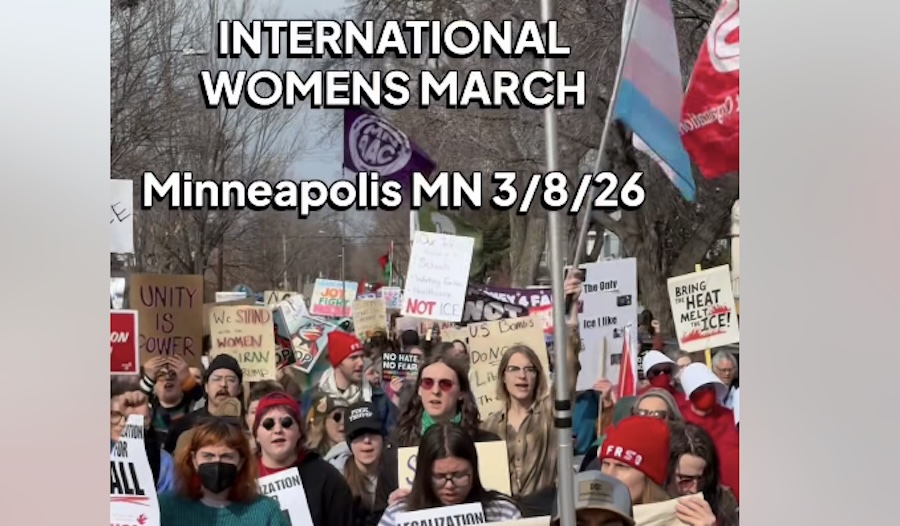
The Global Campaign to Demand Climate Justice (DCJ) is a network of over 200 climate justice groups and organisations working at international, regional and local level on climate justice and related realities.

DCJ was formed in 2012 in Bangkok, with 200 groups agreeing to a common platform and mission, with the intention of being a campaign vehicle to collectivise Global South grassroots voices. It focuses on bringing on groups and organiszations together rather than unaffiliated individuals.

Since then, DCJ has been campaigning on Energy transformation (through the Reclaim Power mobiliszations), Just Transition, Climate Finance, False and Real Solutions, anti-militariszation, food systems, land rights and equitable access to resources including clean air, water and energy. DCJ is the convener of climate justice groups in the United Nations Framework Convention on Climate Change, where DCJ makes up one half of the Environmental NGO (ENGO) Constituency alongside Climate Action Network (CAN).

To become a member, an organization needs to fill out a form and inform the Global Coordinator. The form includes an explicit endorsement to DCJ’s Platform document.

What we are fighting For

Fight for the transformation of energy systems

An end to dirty and harmful energy; a fulfilment of peoples’ rights to energy for their basic needs;

A swift change to public and community renewable and clean energy;

An end to the excessive and wasteful energy consumption by corporations and elites.

Fight for food sovereignty, for peoples’ rights to sufficient, healthy and appropriate food and sustainable food systems

The promotion of sustainable climate change resilient agriculture and agro-ecology;

Democratic access to land and land-based resources;

The rights of small food producers;

The recognition of women’s roles and rights in agriculture, aquaculture, fishing and pastoral systems;

Farmers’ control of seed diversity;
The global re-organization of food production and trade towards prioritizing consumption of locally produced food.

Fight for peoples’ rights to sufficient, affordable, clean, quality water

For the sustainable, equitable and democratic us and management of water resources;

For the protection of water sources and watersheds from extractive industries, dirty and harmful energy projects.

Fight for just transitions for all workers beginning with those in the dirty and harmful energy industries

Create jobs for building climate resilience and bringing down greenhouse gas emissions;

Defend and ensure the fulfillment of the rights of all working people including gender and reproductive rights;

Provide sustainable, decent and climate change resilient livelihoods and jobs for all.

Fight for people’s safety and security of homes and livelihoods from climate disasters

The rights of climate-displaced peoples and climate migrants;

Community managed programs for adaptation, resilience building and renewable energy systems in disaster response and reconstruction efforts;

The end to corporate domination and profiteering from disaster relief and reconstruction.

Fight for the social, political, economic, cultural and reproductive rights and empowerment of all of our people and communities

Including indigenous peoples, workers, farmers, pastoralists, fishers, urban and rural poor, women and LGBT, children and youth, migrants, refugees, stateless, unemployed, landless, seniors, differently abled – and their equitable rights to and responsibility for the commons.

And the delivery of climate finance as part of these reparations.

(article continued in right column)

Question for this article:

Despite the vested interests of companies and governments, Can we make progress toward sustainable development?

(Article continued from the left column)

Fight for reparations for climate debt owed by those most responsible for climate change

Fight for the mobilization and delivery of climate finance

By all states as part of their obligations to attend to the needs and welfare of their citizens; Ensure that climate finance is allocated and used equitably, democratically and appropriate to its purposes.

Fight for the end to deception and false solutions

In mitigation and adaptation (“maladaptation”) such as offsets and carbon trading, marketbased approaches to forests (REDD) and agriculture (“Climate Smart”), soil and water, large-scale geo-engineering, and techno-fixes, nuclear energy, mega hydro dams, agro-fuels, “clean” coal, GMOs, the waste to energy incineration industry, large-scale “re-modeling”;

Stop corporate and private finance capture of climate programs.

Fight for the end to policies, decisions and measures by governments, elites, institutions and corporations (domestic, regional and global) that increase the vulnerabilities of people and planet to impacts of climate change

Such as logging and deforestation, destruction and corporate takeover of forests and mangroves by dirty and harmful industries, unregulated extractive industries, monocropping plantations, trade liberalization, privatization of essential services, discriminatory and harmful migration and border policies, discrimination of women, seniors, children indigenous groups, ethnic communities, poor families and communities.

Fight to stop the commodification and financialization of nature and nature’s functions

Fight for an international climate agreement that is rooted in science, equity and justice

Based on historical responsibility; without offsets and loopholes; aimed at limiting temperature rise to well below 1.5º C;

Ensuring delivery of finance and technology and other mechanisms to empower people and communities to build resilience and deal with loss and damage.

International Members

ActionAid
Africa Trade Network
African Water Network (AWN)
Alternatives Asia
Asia/Pacific Network on Food Sovereignty (APNFS)
Asia/Pacific Forum on Women Law and Development (APWLD)
Asian Regional Exchanges for New Alernatives (ARENA)
Campana Mesoamericana para la Justicia Climatica
Corporate Accountability
Corporate Accountability & Public Participation Africa (CAPPA)
Biofuelwatch
Earth in Brackets [Earth]
ETC Group
FERN
Focus on the Global South
Friends of the Earth International
Gastivists
Global Alliance for Incinerator Alternatives GAIA
Global Forest Coalition (GFC)
Ibon International
Iniciativa Construyendo Puentes – Redes Latinoamericanas frente al Cambio Climatico
International Campaign on Climate Refugees’ Rights
International Indigenous Peoples Movement for Self Determination and Liberation (IPMSDL)
International Lawyers.org
Jubilee South – Asia/Pacific Movement on Debt and Development (JSAPMDD)
LDC Watch International
Migrant Forum Asia (MFA)
Oil Change International
Push Europe
Social Watch International
South Asia Alliance for Poverty Eradication (SAAPE)
South Asian Dialogues on Ecological Democracy
Southern and Eastern African Trade Information and Negotiations Institute (SEATINI)
Third World Network (TWN)
The Transnational Institute (TNI)
350.org
War on Want
WOMIN
World Council of Churches
Young Friends of the Earth Europe

Regional Members

See lists here from Africa (39), Latin America (29), Asia and the Pacific 119), North America and Europe (30).

– – – – – –

If you wish to make a comment on this article, you may write to coordinator@cpnn-world.org with the title “Comment on (name of article)” and we will put your comment on line. Because of the flood of spam, we have discontinued the direct application of comments.
Report of the 2025 Nyéléni Global Forum on Food Sovereignty and Global Solidarity

. . SUSTAINABLE DEVELOPMENT . .

An article by Ecehan Balta in Internationalist Standpoint

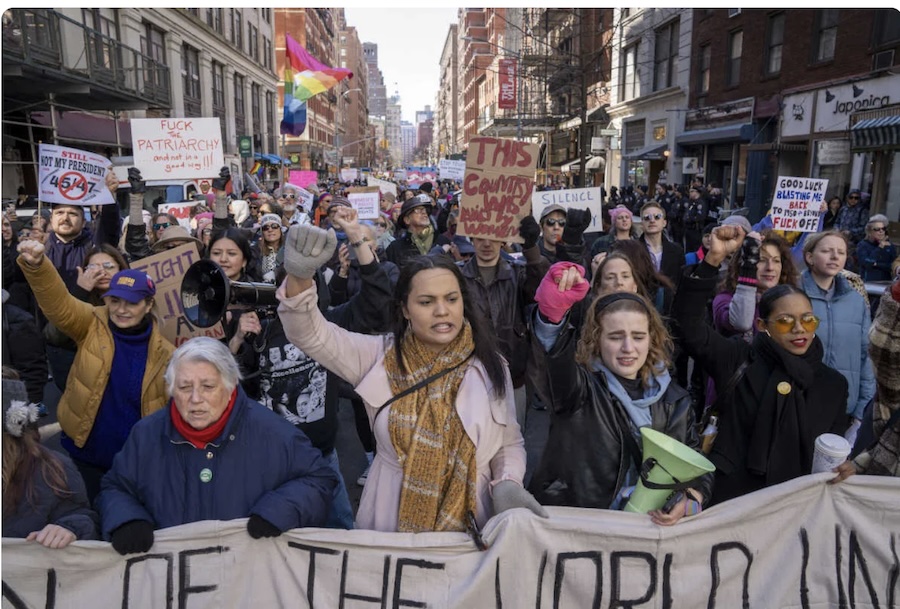
From 6–14 September 2025, the 3rd 

Historical Continuity: From 2007 to 2015 and 2025

The 2007 Nyéléni Forum in Mali marked the global proclamation of food sovereignty. The declaration adopted there emphasized the right of peoples to define their own food and agricultural systems, the collective control over seeds, land, and water, the recognition of women’s roles, and resistance to market-based food aid (Nyéléni Declaration, 2007/2008).

The 2015 forum in Derio, Basque Country, expanded food sovereignty beyond rural production, integrating the experiences of urban consumers, migrant workers, and climate movements. Agroecology was broadened by the practices of cooperatives, short food chains, and climate justice. Strong feminist perspectives also came to the fore.
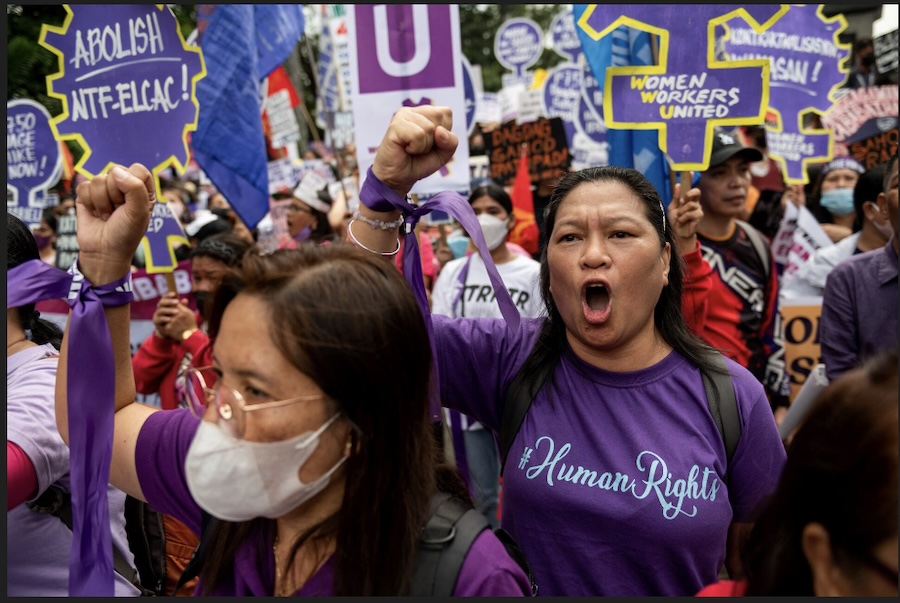
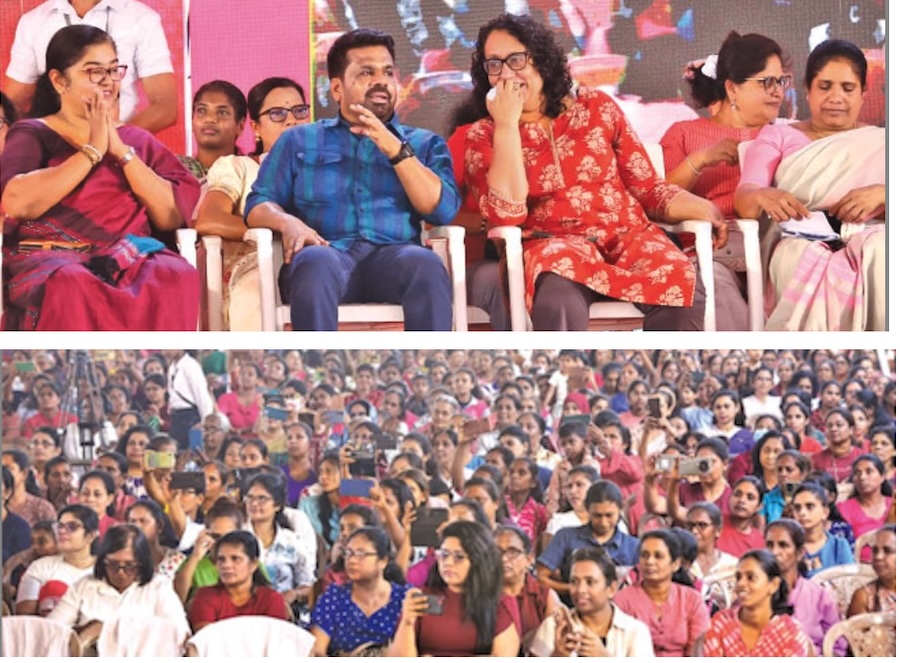
The 2025 forum in Kandy, Sri Lanka, inherited these foundations but introduced new dimensions: the global debt crisis, debates on energy democracy, the centrality of care work and social reproduction, and the Palestinian question. Food sovereignty was thus redefined not as a sectoral issue limited to agriculture, but as an anticapitalist program for social transformation.

Regional Assemblies: Building a Shared Agenda

The political horizon of Kandy was shaped by two years of preparatory regional meetings.

° Asia and Pacific: The statement “Asia at a Turning Point” highlighted how debt crises and climate disasters were destroying people’s food systems across the region. The choice of Sri Lanka as host was deeply symbolic.

* Africa: Land grabbing, drought, and hunger were framed as a combined crisis. Food sovereignty was articulated as the continuation of postcolonial struggles for independence.

°,Latin America and the Caribbean: Land occupations by the MST, indigenous rights, and agroecological practices were highlighted, while the “rights of Pachamama” entered constitutional debates.

° Europe and Central Asia: Farmers’ uprisings, the exploitation of migrant labor, and climate justice were central themes, alongside debates on cooperatives and solidarity economies.

° Near East and North Africa (NENA): Palestine was placed at the center. The use of food as a weapon of war, the blockade, and the destruction of agriculture under occupation were foregrounded.

° North America: Indigenous struggles for land, the exploitation of migrant workers, and food justice movements became the focus.

These different emphases converged in Kandy, laying the groundwork for a common front of systemic transformation.

Food Sovereignty: Agroecology, Commons and Social Reproduction

Food sovereignty is not merely a policy to eradicate hunger or ensure access to food. It must be distinguished from food security, which focuses on the availability and affordability of food in the market. Food sovereignty, by contrast, places at its center the right of peoples to define their own food systems, safeguard their cultural practices, and sustain their ways of life. Thus, it is not only about combating hunger but also about sovereignty, self-management, and collective control over the means of life.

Within this framework, agroecology emerges as the concrete foundation of food sovereignty. Agroecology preserves biodiversity, sustains local knowledge systems, avoids chemical dependency, and prioritizes solidarity. Small-scale farmers, coastal fishers, nomadic pastoralists, and especially women producers stand at its core. In the forum, agroecology was defined not as a mere technical practice but as a way for peoples to reproduce life against capitalism—a form of ecological, social, and cultural resistance.

One of the strongest conceptual contributions of Nyéléni 2025 was the Food as a Commons perspective. This approach redefines food not as a commodity but as a shared resource managed by collective will. Seed banks, community-supported agriculture, producer and consumer cooperatives, and solidarity finance mechanisms embody this approach. Commoning practices articulate collective control over the production, distribution, and reproduction of food.

Food sovereignty finds its true meaning when combined with the solidarity economy. As debated in the forum, solidarity economy initiatives—cooperatives, short supply chains, local markets, and community-based finance models—enable people to build their own food systems independently of market and state impositions. Food sovereignty is therefore not merely an agricultural model but also the assertion of people’s right to reconstruct their economic relations.

With the strong input of feminist movements, food sovereignty was also framed as a question of social reproduction. The invisible labor of women in kitchens, fields, and markets was recognized as the backbone of food systems. Without women’s unpaid labor, neither production, distribution, nor nutrition could be sustained in its current form. Food sovereignty thus became inseparable from the struggle to dismantle the patriarchal division of labor and achieve women’s emancipation. The forum redefined food sovereignty by integrating agroecology, commons, solidarity economy, and the feminist perspective of social reproduction.

Energy Sovereignty or Energy Democracy?

Another central debate concerned how to name struggles over energy.

The notion of “energy sovereignty” evokes the rhetoric of national sovereignty. While it is sometimes used to strengthen the hand of states against corporations, it also risks justifying authoritarian energy policies and fossil fuel dependency. Today, many governments promote mega-dams, nuclear plants, and fossil projects in the name of “sovereignty.”

“Energy democracy,” by contrast, centers on people’s control over energy production and distribution, direct participation in decision-making, and democratic planning. Energy cooperatives, municipal renewable investments, and community-based models are its concrete tools.

(Article continued in right column)

Question for this article:

What is the relation between movements for food sovereignty and the global movement for a culture of peace?

(Article continued from left column)

From the perspective of Nyéléni, the concept worth defending is energy democracy. It is based on participation and equality, respects ecological limits, centers the interests of workers, women, and local communities, and resists recolonization by breaking away from interstate power rivalries. For food, “sovereignty” is the right concept because it refers directly to the source of life; for energy, “democracy and planning” are more accurate, as energy is the infrastructure of life and only democratic planning can ensure a just transition.

For all this to be achievable, of course, energy production, distribution and all relevant sectors must be brought into public ownership.

Sri Lanka: The Debt Crisis and the Paradox of a “Socialist” Government

Sri Lanka was a symbolic host for the forum, as its recent history reflected the stakes of food sovereignty in stark terms. In 2022, the country suffered a massive economic collapse: foreign reserves dried up, food and fuel imports stalled, and millions took to the streets in unprecedented uprisings, forcing the government to resign. In the 2024 elections, the National People’s Power (NPP) coalition came to power. Led by Anura Kumara Dissanayake, the NPP was widely described in the international press as a “socialist government.”

Yet the new administration refused  to cancel the agreements with the IMF. The restructuring program imposed by the IMF brought severe austerity measures that deeply affected daily life. Public spending was cut, agricultural and food subsidies were drastically reduced, and support for fertilizer and seeds was curtailed, pushing many small farmers out of production. Rising import prices further weakened local production, while the liberalization of energy prices increased production costs and limited poor households’ access to electricity and fuel.

As a result, dependence on imports grew. But with scarce foreign reserves, imported food prices fluctuated sharply, rendering basic staples inaccessible to many families. In the forum, Sri Lankan peasant movements emphasized that the IMF program was not only economically destructive but also devastating for food sovereignty, stripping communities of the capacity to sustain their own food systems and locking the country into external dependency.

The crisis extended beyond production into social reproduction. Cuts in public services—healthcare, education, social support—intensified the burden on women, who bore the brunt both through unpaid care work at home and as cheap labor in the market. Feminist delegates stressed how IMF-imposed policies reinforced patriarchal divisions of labor and exacerbated the invisible weight carried by women.

Sri Lanka thus became a powerful lesson at Nyéléni 2025. A government described as “socialist” aligning itself with the IMF underscored that food sovereignty cannot be achieved through agroecology and local practices alone, but requires direct confrontation with the global financial system and its local lackeys. Debt traps restrict governments from implementing pro-people policies, undermine local production, and deny people the possibility of building self-managed food systems. The Sri Lankan experience revealed food sovereignty to be, at its core, also an anti-debt and anti-neoliberal struggle.

Palestinian Solidarity: Food as a Weapon of War

Palestine was the strongest unifying theme of the forum. In Gaza, Israel’s systematic destruction of farmland, restrictions on fishing, control of water resources, and blockades on basic foods revealed how food itself had been turned into a weapon of war.

In Kandy, a march in solidarity with Palestine had been planned. Yet foreign delegates were barred from participating after, in the words of a member of the Sri Lankan organizing committee, “a call from the very top.” Despite this restriction and the tensions it created within the forum, Sri Lankans themselves carried out a strong and meaningful march, making solidarity visible in the streets.

This sharpened the political spirit of the forum. Palestinian solidarity demonstrated that food sovereignty is not merely an agricultural or policy question but part of a global, anti-colonial struggle.

Conclusion: A Shared?? Political Agenda for Systemic Transformation

Nyéléni 2025 powerfully asserted that reclaiming collective control over food and energy systems is essential not only to end hunger but also to build a new social order against the multiple crises of capitalism. One of the forum’s most significant contributions was to articulate food and energy as distinct yet interlinked spheres of struggle, each demanding the self-determination of peoples.

Yet despite this radical discourse, frequent references to United Nations frameworks—on sustainability, human rights, and climate—sparked a major debate. On the one hand, the UN, reduced almost to the level of an international NGO, was seen as incapable of producing genuine transformation. On the other, relying even at the level of advocacy on UN documents raised questions about the coherence of the forum’s political determination.

This tension had historical roots. The first Nyéléni forum and subsequent struggles paved the way for the adoption of the UN Declaration on the Rights of Peasants (UNDROP, 2018). Similarly, the long struggle of Indigenous peoples contributed to the adoption of the UN Declaration on the Rights of Indigenous Peoples (UNDRIP, 2007). These achievements fostered a sense of confidence—that popular forums could indeed influence global instruments. Yet Nyéléni 2025 also made visible the risk that such confidence may be misleading. For, while UNDROP and UNDRIP were products of people’s struggles, in practice states often ignored them, or they became tools for boosting the legitimacy of discredited capitalist fora without effecting real change.
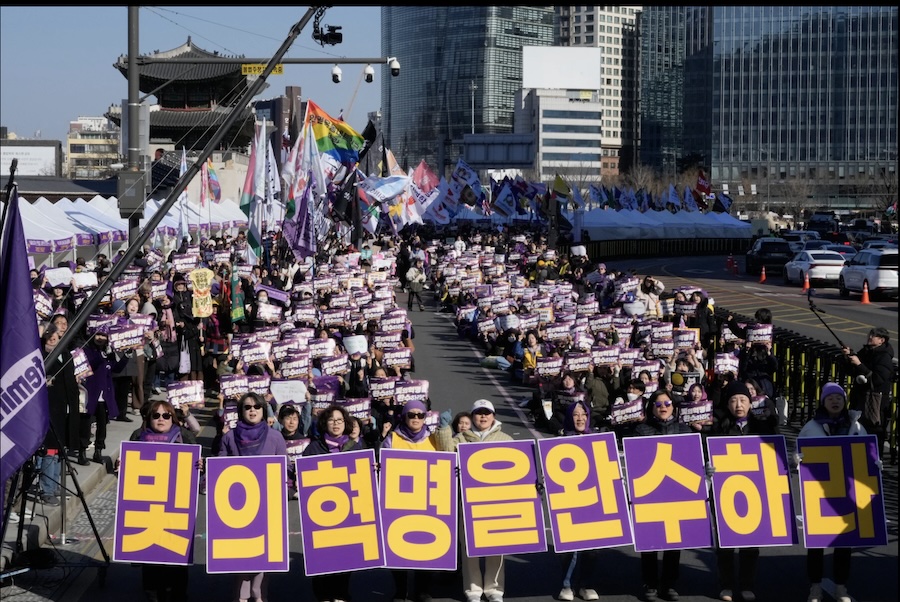
Hence one of the critical questions raised was: Can a forum that claims an anticapitalist path legitimately reference institutions that are themselves pillars of capitalism and imperialism? For us, the answer lay in building alternatives from below with a prospect of systemic (socialist) change, rooted in mass self-organisation of the workers and the poor. Otherwise, this carries the risk of dulling the radical edge of food sovereignty and embedding it within the very system it seeks to overcome.

Nyéléni 2025 did not resolve all these contradictions but made them explicit. And perhaps this was its most important contribution: rather than concealing internal tensions, the forum laid them bare. The challenge moving forward is to determine whether the “global legitimacy” produced by the UN serves people’s struggles, or whether it ultimately undermines their independence.

As the main slogan of the forum declared:

Systemic Transformation: Now or Never.

– – – – – –

If you wish to make a comment on this article, you may write to coordinator@cpnn-world.org with the title “Comment on (name of article)” and we will put your comment on line. Because of the flood of spam, we have discontinued the direct application of comments.