Category Archives: HUMAN RIGHTS

India: Cockroach Democracy: Unarmed and Dangerous

. HUMAN RIGHTS .

An article by Arundhati Roy in Transcend Media Service

The student-led protests that have convulsed the Indian capital this week are showing us a different future for India and spreading to other cities, as organisers call for nationwide demonstrations tomorrow, 24 July. The cautious hope stirred by this youth uprising – and the Modi government’s desperate struggle to contain it.

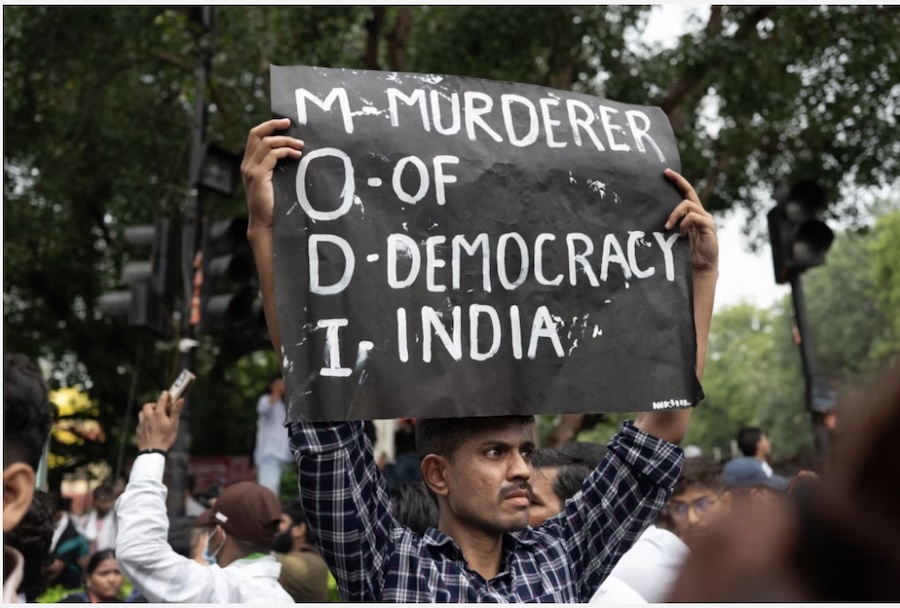
For the first time in years, it feels wonderful to be Indian. Just when hope seemed lost, they came. Young roaches riding in on the rain. The progeny of the unholy union between a judge  and a joke.


Photo by Gayatri N.

We all know the story, but here it is, for the record. In response to an arrogant, contemptuous comment  by the Chief Justice of India, Surya Kant, calling some unemployed young Indians cockroaches, Abhijeet Dipke, a student living in Boston, posted a comment on Instagram: “What if all cockroaches come together?” Millions responded. And thus was born the Cockroach Janta Party. Dipke became the Pied Piper of cockroaches. Its first demand was the resignation of Dharmendra Pradhan, the education minister who sits smugly atop a corrupt, rotten ministry under which public exam papers are regularly leaked. An estimated 152 since 2014, according to opposition parties. These leaks have devastated the lives of millions of young people who spent years preparing for these exams, some of whose parents have had to sell their land or homes to support their children’s studies and pay the fee for the right to appear for these exams. A novel form of legal extortion. After the recent leak of the exam paper for medical college admissions, 12 distressed students died by suicide.

As cockroach anger grew into an online tsunami, Dipke returned from Boston on 6 June and went straight from the airport to Delhi’s famous protest grounds at Jantar Mantar. Sonam Wangchuk, the well-known activist and education reformer from Ladakh joined him and declared an indefinite hunger strike. Six university students – Neha Bora, Manish Kumar, Aameen Amitosh, Danish Ali, Hrishikesh and Deepak, members of the All India Students Association (AISA), the student wing of the Communist Party of India (Liberation) – declared they would fast too, and took up position on an adjacent stage. Protests began in other cities. As the condition of those on fast grew critical, the young roaches who had swamped the internet began to show up at Jantar Mantar for real. The Cockroach Janta Party announced that on 20 July, the day parliament was to open for its monsoon session, they would march on Parliament. Two days before the planned march, Sonam Wangchuk was snatched off the stage by the police and held in detention, first in a government hospital, and later at his wife’s insistence, in a private hospital. He still remains on fast. On the morning of 20 July, the day of the march, the AISA students ended their fast.

The cockroaches took the capital city by storm. They came by train, by bus, by air, by metro, their numbers increasing by the hour. Hours before the first rays of sun lightened Delhi’s monsoon skies, they began to pour into Jantar Mantar in the tens of thousands. By sunrise it was clear that a generation of desperate and furious young people, who have seen their future snuffed out before their eyes, intended to reclaim what their parents and grandparents’ generations had conceded: our dignity as a people and as a country. Our rights as citizens of a democracy. The protesters exorcised the corrosive fear that has become second nature to us all with their sheer courage and grace. And humour. By the end of the day it was clear that the protest had become about something far bigger than what the protesters or their leaders were demanding. Dharmendra Pradhan is small change now. The stakes are far bigger. The rot in the whole system of governance, from top to bottom, is clearly visible and has begun to stink like a decomposing corpse. Even the tiniest of the cockroaches, some no more than seven or eight years old, were able to clearly articulate that.

Despite the quick and almost clandestine appointment of a new police chief days before the march, and despite worried whispers about the terrifying proficiency of our terrifying home minister, both the police and the home ministry completely miscalculated the scale of the tsunami that engulfed Delhi on 20 July.

They tried everything. They blocked buses and roads and metro stations. It didn’t help. They tried to jam the internet. But the young roaches – creatures of the internet – somehow subverted that effort with a deluge of memes and videos that made you laugh and cry at once. In Delhi, of all the places in the world, young women who were part of the protest said that they felt safe in the crowd – although some complained about being groped by the police. We saw Muslims, Hindus, Christians, Sikhs, Buddhists, people belonging to every caste and class coming together, helping each other, protecting each other as they faced down the police. Instead of lecturing us, or giving us grand speeches, they showed us, demonstrated for us, the possible India, the beautiful India of our dreams.

To deal with this danger, the police welded together their yellow metal barricades, and brought their tried and tested props: trucks full of stones, and pre-damaged vehicles in the hope that they could make it look as though the young people had turned violent and the police were acting in self-defence. They brought in an army of plainclothes goons  armed with batons and clubs. To prepare for action, the Rapid Action Force (RAF) removed their name-tags  from their uniforms. The faithful mainstream TV channels were lined up, primed to report the lies. (Some jumped the gun and began to report things that hadn’t happened yet. News in India tends to be about the future, not the present.) Nothing worked. The police and RAF swung their lathis wildly, broke children’s heads and fractured limbs. They fired tear gas. But the young kept marching. Straight towards parliament. Straight to where they said they would go.

As they approached, security forces took position, their AK47s aimed at the unarmed students. Still, the cockroaches marched. And as they marched, they stripped away any remnants of the velvet glove that masks the government’s iron fist and exposed the current regime for what it is and always has been. A fascist iron fist. A confederacy of brutes with no capacity to understand the history and the diversity of the country which it governs. People who only know how to hate, but have no idea how to love. Or think.

As the marchers approached, our brave, boastful prime minister was whisked away to safety. Members of Parliament were prevented from leaving the gleaming new Samvidhan Sansad building whose whole purpose seems to be to undermine the constitution daily.

By evening the police had broken the main stage at the protest site. By night the people had reclaimed it once again. As the police withdrew for the night the cockroaches gave them a standing ovation. For beating children. Wah Modi ji! Wah!

It’s silly to expect major political change to come from this. But to dismiss it as just a heady moment would be obtuse. It’s no surprise that the wires and live-screaming TV channels are burning up with gossip and innuendo and conspiracy theories about foreign-funding and CIA plots. Speaking as a proud andolanjeevi  (Modi’s derisive name for people like me), I confess that when it all began, I was wary too. I worried that we were heading into another Anna Hazare moment – that so-called anti-corruption movement, which, regardless of its early intentions, eventually gifted us three terms of being ruled by a political party that has destroyed every institution in this country, one that sees no separation between itself as a political party and the government of India, one that respects neither the country nor its citizens, and one that has shamed us internationally and brought India to its knees.

(Article continued in right column)

Questions related to this article:

How effective are mass protest marches?

Is there a renewed movement of solidarity by the new generation?

(Article continued from left column)

But my suspicions about the Cockroach Janata Party were allayed when I saw the hostility of the mainstream media towards them. That, to me, was the first and most reassuring sign. I was thrilled that Abhijeet Dipke was from a Dalit community, and even more thrilled that that wasn’t what anybody was focused on. Everything changed for me when I heard him say, “If my name had been Khalid, or if I were a Muslim, I would have been in jail by now.” He had the courage to call out the vulgarity of how things actually work in India – the fact that in our country everything (including and especially the law) does not apply equally to everybody. Everything depends entirely on your religion, caste, class, ethnicity and gender. It was a profound observation, simply made. For him to say this publicly, when even opposition politicians will only say “minority community” instead of “Muslim” for fear of a “Hindu backlash” made me head for Jantar Mantar right away. I also knew that when Dipke picked the name “Khalid” he could well have been speaking of Umar Khalid, the JNU scholar who, along with Sharjeel Imam and many others, has been in prison without trial for close to six years now. Umar’s crime? Urging protesters to remain non-violent during the 2020 protests against the Citizenship Amendment Act, even while Delhi was convulsed by a spate of arson, murder and mosque-burning instigated by Hindu vigilante goons watched over by the benign, and occasionally participating police. Appeal after appeal for bail was turned down by judges who seem to have lost the courage to do, or even understand, what is right.

As the cockroaches marched and their numbers burgeoned, I caught myself thinking: Thank goodness they aren’t mostly Muslim, or Sikh, or Christian or Adivasi. They would have been flattened, killed, shot, jailed. Thank heaven they aren’t Kashmiri. They might have been blinded (although some did receive their share of pellet-like injuries). Thank goodness they are mostly Hindu. That’s how sad this moment is in India. However, things could change in a minute. We are in what they call a “developing situation”. Reports are coming in of thousands of paramilitary troops  being flown in from other states. We don’t know what the coming days will bring.

Where does all this leave us? Unlike the Anna Hazare movement which had weeks of frenzied, non-stop 24×7 coverage on hysterical, corporate owned TV channels, the Cockroach Janata Party has only itself and the internet to bank on. Unlike the Anna movement, which had been penetrated and taken over by the Rashtriya Swayamsevak Sangh, with the Modi-led BJP massing at the gates, fully prepared to capitalise electorally on the TV-generated frenzy, the cockroaches have no organised opposition parties waiting in the wings, poised to take things further. The spontaneous rage we are witnessing will dissipate unless some real political work begins. Unless adults and opposition parties stop their jockeying and petty squabbling and show some solidarity. The government knows that this is unlikely. It remains unmoved because it feels that all it needs to do is wait. States have the power to wait. People don’t.

At this moment the cockroach uprising is one of several protests taking place across India. Adivasis in Madhya Pradesh are protesting the Ken-Betwa river-linking project. Villagers in Uttarakhand are protesting the mass felling of trees. People are protesting the environmental desecration of the Greater Nicobar Islands. Manipur is boiling. Jobs are disappearing. Prices are soaring. Fury is building. And the BJP-RSS’s ‘God’ game is getting exposed for what it always has been. A hoax. A gangster-driven gold-rush. The looting of the Ram Temple in Ayodhya  has given us a bad Bollywood script which is playing out before our eyes: sleek godmen and corrupt politicians building hotels, accumulating real-estate, driving around in SUVs, fattened on the faith of the poor and unsuspecting. The tentacles of corruption and daylight robbery snaking all the way up to the top.

Can cockroach energy pull us out of this pit? Not easy. A quick look at the outcome of people’s movements in India is not encouraging. It’s a potted history of shrinking ambitions and broken dreams. In the sixties and seventies various movements – including the armed rebellion by the Naxalites – demanded the redistribution of wealth and land to the tiller. They were crushed. In the eighties and nineties, social movements, most famously the Narmada Bachao Andolan and later the Maoists in Andhra Pradesh, Chhattisgarh and Jharkhand fought against the displacement of farmers and indigenous tribespeople from their land. In other words, they were asking for what the poor still had to not be snatched away. They were crushed too. By the 2000s, they had been reduced to being grateful for the National Rural Employment Guarantee Act (NREGA). The right to three months’ employment at minimum wages – an amount which works out to the price of a good meal at an expensive restaurant in a city. That too has been shelved by this regime, and replaced with survival level rations – bags of provisions with Modi’s face on them – thrown contemptuously at people, like alms to beggars from moving cars, in return for gratitude and votes. As the economy flounders, even this is in jeopardy.

Today, in 2026, we have been reduced to fighting for our right to vote and our citizenship. The Citizenship Amendment Act (CAA) and the National Register of Citizenship (NRC) are a Hindu Rashtra version of the 1935 Nuremberg laws, under which German citizens were granted citizenship by the Third Reich depending on their “legacy papers”. (How many in India have these papers?) The anti-CAA-NRC moment faded away after the mass protests led to the murder of protesters and the incarceration of activists. But the protests caused the government to slow down the implementation of those new laws.

But now the CAA-NRC, which many correctly believed was aimed mostly at Muslims, has returned, disguised as the SIR (Special Intensive Revision) of electoral rolls. We have casually been informed that even our passports are not proof  of citizenship. Millions are being struck off electoral rolls. The whole country is desperately searching for “legacy papers”. We don’t know where we stand. Are we legitimate? Illegitimate? Do we have rights? Which of us belongs in those massive detention centres being constructed for “doubtful citizens”? Will we spend our days running from Tribunal to Tribunal? Fascists love chaos and confusion.

Our panic and anguish may lead us to pin too much hope on the cockroach uprising. Some have already compared it to the uprising of young people that led to regime change in Bangladesh, Nepal and Sri Lanka. But India is too vast a country for that to happen. Others compare it to the movement led by Jayaprakash Narayan that toppled Indira Gandhi in 1977. These comparisons are not helpful. The Cockroach Janta Party is neither of those things. It is a thing of its own. A unique product of its times. It is vulnerable young people up against a vicious, vindictive government that has shown itself to be merciless to those who oppose it. Revenge is surely being planned and will be visited on those it sees as the main instigators.

How does a regime which is clearly becoming hugely unpopular have the confidence to not make any concessions to the people who voted for it? Probably because it feels it has successfully gamed the election business. It has captured the machinery. The Election Commission is flawed in its very composition and can no longer be counted upon to be neutral. The electronic voting machines have been managed, the electoral rolls now exclude millions of real people and include millions of phantom names, the bureaucracy that oversees elections have shown themselves to be utterly complicit, the courts can be depended upon to delay or turn a blind eye to egregious malpractice, the police have no idea what neutrality is, the press genuflects each time someone in power clicks their fingers. Constituencies are going to be re-mapped to make sure that it is always Advantage BJP. What does the ruling party have to fear? Why should it listen to anyone? It is the richest political party on earth, backed by the richest industrialists in the world. It can buy anything. And anyone. Or so it believes.

But can this game last forever? Can all the people be fooled all the time? Can a country with a population of a billion-and-a-half be dragged around like a corpse forever? It cannot. The cockroaches are out and about. The farmers have begun marching to Delhi  once more, this time to protest the India-US trade deal – the death warrant the government of India has slavishly agreed to sign  on their behalf. The borders of the city have been sealed but that is unlikely to stop them. Perhaps the rest of us can take lessons from our farmers and our cockroaches on how to become a little dangerous. The young have given us a gift. It is up to us all, every one of us to make what they have done matter.

Once a prime minister flees physically, it can’t be long before he has to flee politically.

But this regime will not go easily. It will not tolerate being humiliated on the streets of the capital. We are likely to see blood. Young tempers are fraying. How long will it be before someone in that youthful, fired-up crowd loses their cool and provides the police an excuse to open fire? They will do everything they can to break us. We must do everything we can to stop them.

– – – – – –

If you wish to make a comment on this article, you may write to coordinator@cpnn-world.org with the title “Comment on (name of article)” and we will put your comment on line. Because of the flood of spam, we have discontinued the direct application of comments.

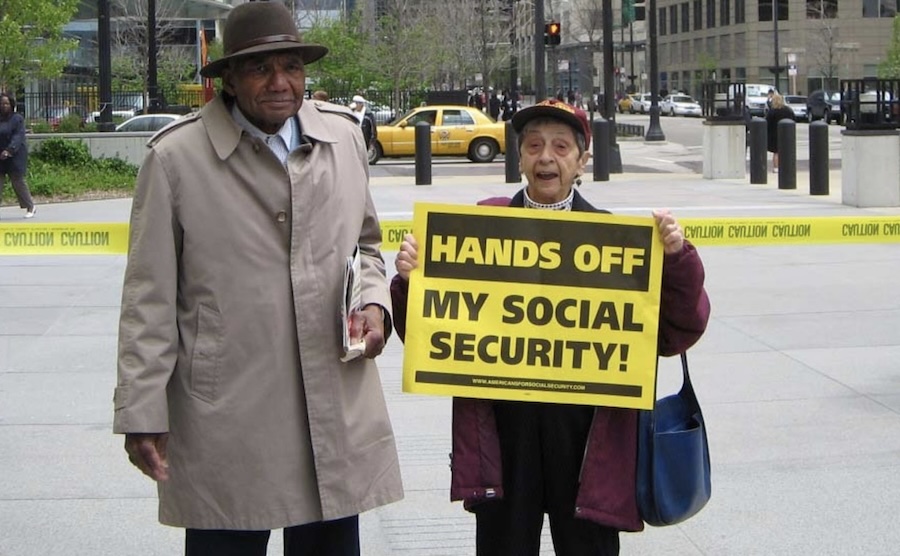
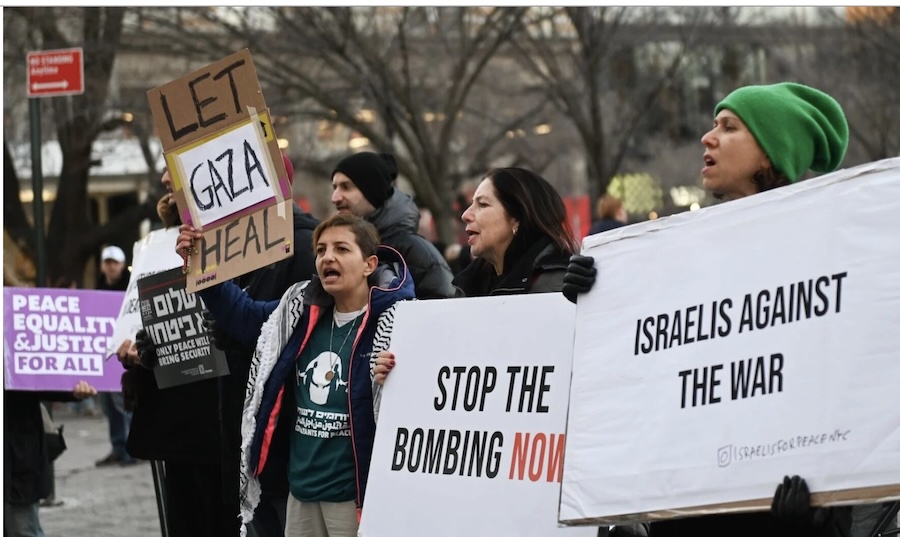
US: UN High Commissioner for Human Rights alarmed at deaths in ICE custody, calls for urgent preventive action

…. HUMAN RIGHTS ….

An press release from the United Nations Office of the Commissioner for Human Rights

UN High Commissioner for Human Rights Volker Türk on Friday [June 26] urged prompt action to prevent further loss of life in U.S. Immigration and Customs Enforcement (ICE) custody and called for independent investigations into all deaths under ICE custody.

Türk said that it is alarming that, according to US Government official data, in the first five months of this year, 18 people had died in ICE detention. A further case of death in ICE custody has been reported this month. In 2025, a total of 33 deaths were registered, compared with 11 in 2024.

The lack of transparency and clarity surrounding the circumstances of these deaths in custody undermines accountability for them, the High Commissioner added.


ICE detention centre in Newark, New Jersey on June 6, 2026 © RYAN MURPHY / AFP

“I call for prompt, independent, impartial and effective investigations into all deaths in ICE custody. Those responsible for violations of the law must be held to account, and the rights of the victims’ families to truth, justice and reparation and guarantees of non-recurrence must be upheld,” said Türk.

These deaths occurred in a context of broad expansion of the US immigration detention system, with ICE currently holding over 60,000 individuals compared to approximately 40,000 in early 2025, according to the latest official data. There are plans to further increase the detention capacity up to 90,000 people by the end of 2026.

Detainees, who include entire families with children, and medically vulnerable people, are frequently reported to face inhuman conditions of detention and treatment, including inadequate healthcare and food, and exposure to disease outbreaks in overcrowded facilities. There have been concerning allegations regarding the use of force. Additionally, five of the officially reported deaths in 2026 were classified as suicides.

A lack of information regarding the whereabouts of detainees during transfers has been reported, causing significant distress among families, while prolonged uncertainty surrounding legal status and processes contributes to psychological distress among detainees.

(Article continued in the right column)

Question related to this article:

What is the state of human rights in the world today?

(Article continued from the left column)

Türk also expressed alarm over the reported use of solitary confinement, which should be an exceptional measure, and, particularly when prolonged or indefinite, could amount to cruel, inhuman or degrading treatment.

“All these factors exacerbate vulnerability and raise serious concerns as to whether some of these deaths in ICE custody could have been prevented,” said the High Commissioner.

He stressed that alternatives to detention should be prioritized. Immigration detention should be an exceptional measure of last resort and should generally be avoided for people with significant medical or mental health conditions, as well as pregnant women. Regardless of their immigration status or that of their parents, children should not be subjected to immigration detention.

US immigration authorities must ensure that their detention facilities comply with international human rights norms and standards. This includes upholding dignity, avoiding overcrowding, providing timely access to healthcare, including mental health services, family notification, consular assistance, legal representation, and necessary interpretation services for all individuals in immigration detention.

The High Commissioner urged the full restoration and strengthening of independent oversight mechanisms for immigration detention, highlighting their importance as a key safeguard against abuse. He also stressed the crucial role of Congressional bodies in overseeing immigration enforcement practices and associated public funding, to ensure better compliance with international human rights law.

Türk strongly denounced the continued dehumanisation and criminalisation of migrants and refugees. He expressed support for all those who continue to advocate for dignity, fairness, and the protection of their human rights, including lawyers, journalists, faith-based organisations, and civil society groups.

He emphasised that no one should be sent back to a place where they could face serious human rights violations or other irreversible harm.

For more information and media requests, please contact:
In Geneva
: Ravina Shamdasani – ravina.shamdasani@un.org
    
Marta Hurtado – marta.hurtadogomez@un.org

In New York
: Laura Gelbert – gelbert@un.org
WhatsApp
X: @UNHumanRights

Facebook: unitednationshumanrights
Instagram: @unitednationshumanrights

– – – – – –

If you wish to make a comment on this article, you may write to coordinator@cpnn-world.org with the title “Comment on (name of article)” and we will put your comment on line. Because of the flood of spam, we have discontinued the direct application of comments.
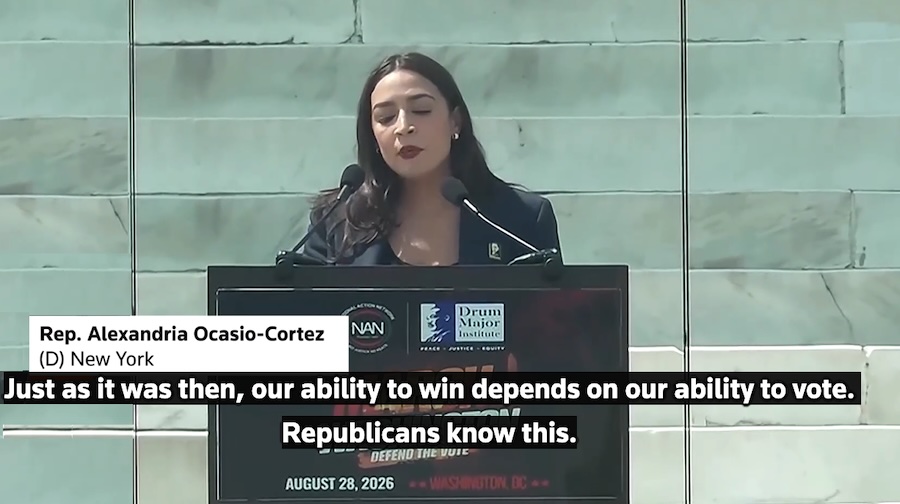
Edgar Morin deplores “the world’s silence in the face of the carnage in Gaza”

FREE FLOW OF INFORMATION

An article from L’Orient le Jour (translation by CPNN)

(Editor’s note: Edgar Morin passed away on May 29, 2026, at the age of 104 years.)

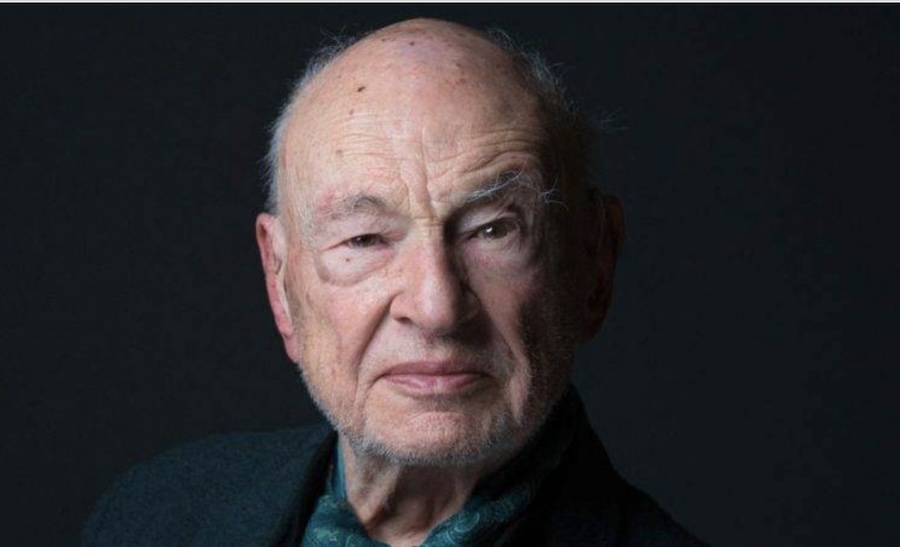
While Edgar Morin’s public appearances are rare, this one will undoubtedly remain one of his most striking. “I am both stunned and outraged by the fact that those who represent the descendants of a people who have been persecuted for centuries (…) can not only colonize an entire people (…) but, in addition, after the massacre of October 7, have committed a veritable, massive carnage against the people of Gaza.”


An extremely popular intellectual figure in France, Edgar Morin is the author of a transdisciplinary body of work translated into 27 languages ​​and published in 42 countries. Photo AFP)

With shining eyes and a high-pitched voice, emphasizing each word, the 102-year-old French philosopher and sociologist delivered a short plea on Saturday, February 10 [ 2024], to a packed house at the Marrakech African Book Festival, where he was the guest of honor, deploring “a horrific tragedy.” The Israeli offensive has killed more than 28,000 people in Gaza since the start of the war more than four months ago, according to the Hamas-run Ministry of Health.

(Article continued in the column on the right)

(Click here for the original version in French)

Questions related to this article:

How can we carry forward the work of the great peace and justice activists who went before us?

How can we best express solidarity with the people of Gaza?

(Article continued from the column on the left)

Jewish Resistance Fighter

The message is all the more powerful because it comes from the son of Jewish immigrants from Thessaloniki, born Edgar Nahoum, who joined the Resistance in 1943 as a lieutenant in the Free French Forces formed by General de Gaulle, later adopting his Resistance name, Morin. Influenced by Marx, this man, who studied philosophy, psychology, sociology, and the history of political science, has always aspired to become what he calls a “humanologist,” or to understand what it means to be human by combining different fields of knowledge.

The excerpt in question has been shared tens of thousands of times on X, where the intellectual’s humanity has been widely praised, including by some French political figures on the left. “Edgar Morin thinks and speaks truthfully on behalf of all those who still possess a human touch in the face of the genocide in Gaza,” lauded Jean-Luc Mélenchon, leader of La France Insoumise (LFI), on X. “A century and a perspective still capable of indignation, of condemning the silences,” tweeted Olivier Faure, First Secretary of the Socialist Party.

In a recent opinion piece in Le Monde, Edgar Morin had already addressed the tragedy in Gaza, while also expressing alarm at the proliferation of conflicts worldwide and climate change. “Crises feed off one another in a kind of multi-faceted ecological, economic, political, social, and civilizational crisis that is steadily intensifying,” he wrote, before calling for “fundamental resistance of the mind” against “hatred and contempt.”

In his final address, the sociologist denounced “the silence of the world, the silence of the United States, protectors of Israel, the silence of the Arab states, the silence of the European states that claim to be defenders of culture, humanity, and human rights.” He concluded: “The only thing left, if we cannot resist in a concrete way, is to bear witness.”

– – – – – –

If you wish to make a comment on this article, you may write to coordinator@cpnn-world.org with the title “Comment on (name of article)” and we will put your comment on line. Because of the flood of spam, we have discontinued the direct application of comments.
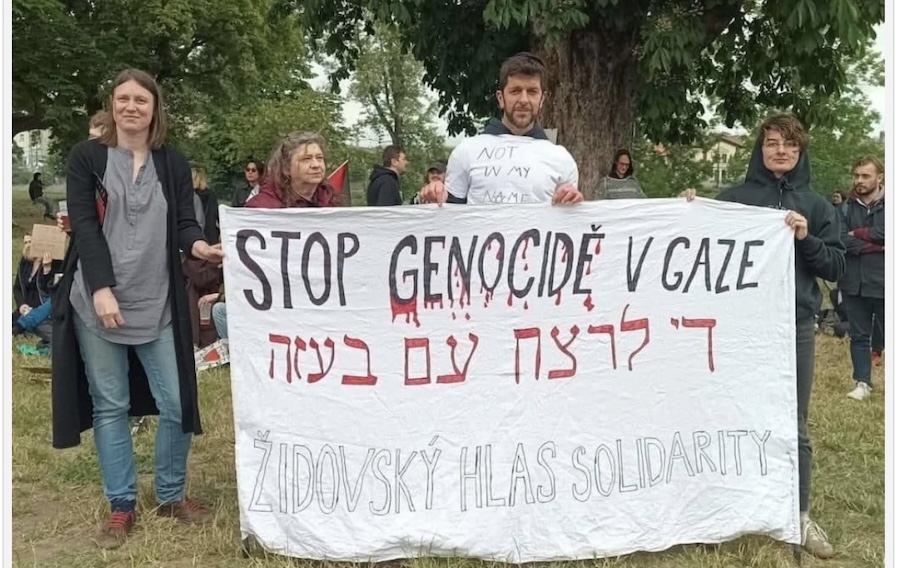
‘A Voice That Upholds the Conscience of the World’: Spain Honors Francesca Albanese for Efforts to Stop Gaza Genocide

. HUMAN RIGHTS . .

An article by Stephen Prager in Common Dreams (licensed under Creative Commons CC BY-NC-ND 3.0)

Spanish Prime Minister Pedro Sánchez honored  Francesca Albanese, the United Nations special rapporteur on Palestine, on Thursday, in a display of solidarity as she faces sanctions from the United States over her outspoken advocacy against Israel’s genocide in Gaza.

Citing her work to document human rights violations over more than two years of conflict, Sánchez awarded Albanese the Order of Civil Merit, a knighthood granted to Spanish and foreign citizens for extraordinary services benefiting the state or society.

“Public responsibility… entails the moral obligation not to look the other way,” Sánchez said in a social media post. “It is an honor to award the Order of Civil Merit to a voice that upholds the conscience of the world: Francesca Albanese.”

Earlier this week, Sánchez petitioned  the European Commission to intervene to stop compliance with the Trump administration’s efforts to punish Albanese, as well as members of the International Criminal Court who have brought arrest warrants  against Israeli Prime Minister Benjamin Netanyahu and former Defense Minister Yoav Gallant.

(continued in right column)

Question related to this article:
 
How can we best express solidarity with the people of Gaza?

Where in the world can we find good leadership today?

(continued from left column)

Albanese, an Italian legal scholar, has held the role of special rapporteur since 2022, a year before Israel launched a war in Gaza in response to a Hamas-led attack on October 7, 2023. Human rights organizations  and UN experts  have described Israel’s assault as a genocide.

In March 2024, Albanese released  the UN’s first major public report, making the legal case that there are “reasonable grounds” to believe a genocide was being committed, referring to a litany of statements by Israeli officials establishing intent to destroy the Palestinian population.

In addition to documenting Israel’s actions, she has published  research demonstrating the “complicity” of nations that supply weapons and other support to Israel in what she has called a “collective crime” that they should also face responsibility for.

According to official estimates, at least 72,000 Palestinians have been killed  since October 2023, many of them women and children, while independent analyses suggest the death toll is much higher, in part due to the near-total destruction of health and other public infrastructure.

Many of the buildings in Gaza have been destroyed by over two years of relentless bombings, leaving most of its 2.1 million people displaced  and living in tent cities.

Albanese told  a Spanish broadcaster that the US and other nations attempting to punish her and other international authorities for speaking out against atrocities in Gaza were “like an international mafia.”

“They want to silence everyone who demands an end to genocide, an end to the crimes,” she said.

– – – – – –

If you wish to make a comment on this article, you may write to coordinator@cpnn-world.org with the title “Comment on (name of article)” and we will put your comment on line. Because of the flood of spam, we have discontinued the direct application of comments.
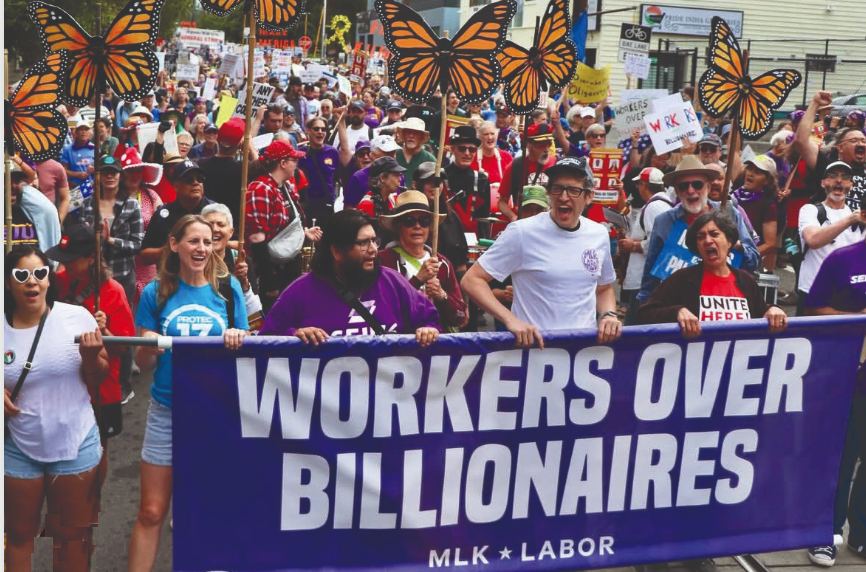
‘Workers Over Billionaires’: Over 3,000 Events Planned for May Day Across US

. HUMAN RIGHTS .

An article by Brad Reed from Common Dreams (reprinted according to Creative Commons CC BY-NC-ND 3.0).

A broad coalition of organizations is banding together to stage thousands of planned May Day events across the US based around the theme of building an economy for “workers over billionaires.”

May Day Strong, an initiative anchored by 500 labor and community organizations, is set to host more than 3,000 events throughout the country to demand higher taxes on the wealthiest Americans, an end to US Immigration Customs Enforcement (ICE) and the war with Iran, and an expansion of democracy over corporate rule.

Organizers of the events are asking participants to refrain from engaging in any economic activity on May 1, which means “no work, no school, no shopping.” This particular action was inspired by the one-day general strike that residents of Minneapolis waged in January to protest against the occupy of their city by federal immigration enforcement officers.

Photo from Labor Day mobilization last year

Flagship demonstrations will be held in major US cities from coast to coast, with thousands of smaller events scheduled to take place in all 50 states.

Neidi Dominguez, executive director of Organized Power in Numbers, said the rallies are being organized to ensure “our tax dollars going to good jobs, schools, and housing, not to sending federal agents into our cities to attack our neighbors.”

Rebecca Winter, executive director of Mass 50501, framed the events as a way for Americans to exert economic leverage to protest injustice.

“The American people are done grinding to get by while our tax dollars fund wars abroad and concentration camps at home,” said Winter. “We pay more for everything while those in power cash in. On May 1, we hit back with our wallets—no work, no school, no shopping. We the people are the economy, and we decide when it stops.”

Greg Nammacher, president of Minnesota-based Service Employees International Union Local 26, drew on the Minneapolis experience to explain what the May Day protests are trying to achieve.

“In January in Minnesota this year we experienced the power when community and workers act together to defend our rights and shared values,” Nammacher said. “This May Day is a chance for us locally, and nationally, to build on those lessons: We are ready to fight to protect our families and our cities from the billionaire agenda of division and hate.”

Angelica Salas, executive director of the Coalition for Humane Immigrant Rights (CHIRLA), said the protests would also highlight inhumane US immigration policies and demand a pathway to citizenship for undocumented immigrants.

“On May Day, we rise because worker justice is immigrant justice,” Salas said. “It’s been 40 years since the last time this nation recognized the contributions of immigrants by approving a pathway to citizenship. And it’s been 20 years since La Gran Marcha—when millions of people took to the streets to reject exclusion, racism, and criminalization of immigrant communities—and we are still facing the same forces, especially under the Trump administration.”

(Article continued in the right column)

Questions related to this article:

The struggle for human rights, is it gathering force in the USA?

How can we be sure to get news about peace demonstrations?

(Article continued from the left column)

Braxton Winston, president of the North Carolina State AFL-CIO, described the demonstrations as a good way to bring new people into the movement and strengthen future actions.

“Now is the time to build coalitions between unorganized workers, unions, and community members for mass actions to disrupt the well-organized, joint efforts of corporations and the White House to exploit American workers,” Winston said. “The actions we take on International Workers Day are about building the political, social, community, and labor coalitions needed to disrupt the status quo. The power we flex this May Day will fuel our unwavering commitment to building a bigger, more effective, unified labor movement to win victories for working families.”

. . . . COALITION . . . .

The coalition for May Day Strong lists many hundreds of sponsors.

These include the two leading sponsors of the NoKings demonstrations that have drawn huge crowds in the past two years:

Indivisible
MoveOn

As should be expected from the fact that Mayday is the traditional celebration of workers, there are many sponsors from the labor movement, led by the national associations of teachers and professors :

AAUP, American Association of University Professors
AFT, American Federation of Teachers
APWU, American Postal Workers Union
Jobs with Justice
National Nurses United
NEA, National Education Association
Starbucks Workers United
United Steelworkers of America
USSW, Union of Southern Service Workers
VSEA, Vermont State Employees Association

Other major American trade unions are not represented nationally, but by a few locals:

AFSCME, American Federation of State, City and Municipal Employees
CWA, Communication Workers of America
IBEW, International Brotherhood of Electrical Workers
IBT, International Brotherhood of Teamsters
SEIU, Service Employees International Union
UAW, United Auto Workers
UFCW, United Food and Commercial Workers
UNITE HERE

Other important sponsors include:

50501
CODEPINK
Common Cause
Democratic Socialists of America
Fridays for Future, USA
Greenpeace USA
United States Student Association

– – – – – –

If you wish to make a comment on this article, you may write to coordinator@cpnn-world.org with the title “Comment on (name of article)” and we will put your comment on line. Because of the flood of spam, we have discontinued the direct application of comments.

70+ Boats Launch Historic Global Sumud Flotilla to Gaza in Bold Solidarity Stand

. HUMAN RIGHTS .

An article from Telesur English

The Global Sumud Flotilla is departing today [April 14] from the Port of Barcelona in what organizers describe as the largest civilian-led maritime initiative in history aimed at breaking Israel’s long-standing blockade of the Gaza Strip.

Comprising more than 70 boats and over 3,000 participants from more than 100 countries, the fleet includes a dedicated medical contingent of 1,000 healthcare professionals carrying essential supplies for Gaza’s devastated health system.

Saif Abukeshek, the Palestinian activist based in Barcelona and spokesperson for the Global Sumud Flotilla, has emphasized that this is a peaceful civilian action responding to ongoing aggressions against Palestinian and Lebanese populations.

Over 70 vessels and thousands of international volunteers are sailing to pressure governments worldwide.

The mission combines sea and land components, including solidarity convoys from Asia and North Africa.

Greenpeace’s Arctic Sunrise and Open Arms vessels are joining the effort from Barcelona.

This Spring 2026 mission builds directly on previous attempts, including the 2025 Global Sumud Flotilla that was intercepted by Israeli forces.

The Global Sumud Flotilla Mission: Scale and Objectives

The Global Sumud Flotilla represents a coordinated alliance of four major coalitions: the Global Sumud Flotilla itself, the Global Freedom and Sumud Flotilla, Thousand Madleens to Gaza, and the Freedom Flotilla Coalition.

Organizers state the goal is to deliver humanitarian aid, assert the right of navigation in international waters, and highlight the dire conditions in Gaza more than six months after a fragile ceasefire took effect in October 2025.

Saif Abukeshek has described the flotilla as “civilian boats” in response to what he calls systematic human rights violations in the Middle East, including continued strikes in Lebanon and restrictions in Gaza despite the truce.

The fleet carries medical supplies, food, and reconstruction materials while featuring doctors, engineers, legal experts, and activists ready to establish an unarmed protective presence if permitted.

Medical fleet of 1,000 professionals targets Gaza’s collapsed healthcare infrastructure.

Participants include parliamentarians, journalists, and civil society leaders from every continent.

The mission seeks to open a humanitarian sea corridor and challenge the 19-year blockade.

→ External link: Amnesty International: States must ensure safe passage for Global Sumud Flotilla

→ External link: Freedom Flotilla Coalition joint statement on largest flotilla yet

Historical Context of Efforts to Break the Gaza Blockade

Maritime activism to challenge Israel’s blockade of Gaza dates back to 2008 with the Free Gaza Movement, which successfully delivered aid in several voyages before 2010.

The 2010 Freedom Flotilla, including the MV Mavi Marmara, ended in tragedy when Israeli forces raided the vessels in international waters, resulting in nine activist deaths and widespread international condemnation.

Subsequent attempts — Freedom Flotilla II in 2011, III in 2015, the Women’s Boat in 2016, and multiple missions through 2018 — were all intercepted, with activists detained and deported.

In 2025, smaller missions like the Madleen and Handala faced drone attacks and boarding in international waters. The first large-scale Global Sumud Flotilla in September-October 2025 involved over 40 vessels and 500 participants but was fully intercepted, with hundreds detained.

(continued in right column)

Question related to this article:
 
How can we best express solidarity with the people of Gaza?

(continued from left column)

No flotilla has reached Gaza since 2010 despite repeated non-violent efforts.

The 2025 Global Sumud Flotilla marked the largest attempt until this 2026 spring mission.
Patterns show consistent Israeli interceptions, even in international waters, drawing UN and human rights criticism.

These actions have consistently raised global awareness about the blockade’s humanitarian impact, even when physically prevented from docking.

Current Situation in Gaza Six Months into the Fragile Ceasefire

The October 10, 2025 ceasefire, brokered with international involvement, promised a halt to major hostilities, hostage-prisoner exchanges, and increased aid flows. Yet Gaza remains in a state of “neither war nor peace.”

Official Palestinian sources report more than 2,073 Israeli violations between October 2025 and March 2026, including airstrikes and incursions, resulting in over 700 Palestinian deaths — the majority civilians.

Aid deliveries have fallen far short of commitments, with only about 21% of planned trucks entering. Reconstruction has barely begun, and restrictions on “dual-use” materials continue to hinder recovery.

Over 60% of children under two face food poverty amid persistent malnutrition.

Nearly 60% of the Gaza Strip remains a no-go zone under Israeli military control.

Thousands of pregnant women and breastfeeding mothers suffer from acute malnutrition.

The health system lies in ruins, with limited medical evacuations and ongoing shortages of medicine and equipment.

Geopolitical Context and Broader Regional Implications

The launch of the Global Sumud Flotilla occurs against a backdrop of fragile truces across the Middle East. A short-lived US-Iran ceasefire announced in early April 2026 followed intense strikes that disrupted regional stability, affecting aid routes and energy supplies.

Continued Israeli operations in Lebanon, even during truce periods, and tensions involving Iran have compounded the crisis. These dynamics underscore how the Gaza blockade fits into wider patterns of conflict and external intervention.

Civilian initiatives like the flotilla highlight growing frustration with governmental inaction.

By asserting rights under international law, participants aim to pressure states to fulfill obligations regarding humanitarian access and accountability.

The blockade, now in its 19th year, is widely viewed as unlawful by human rights organizations.

International Court of Justice provisional measures remain unheeded.

Grassroots movements fill the vacuum left by stalled diplomacy.

This mission tests the commitment of the international community to protect non-violent activists and enforce humanitarian principles amid shifting alliances.

Challenges Ahead and Potential Impact of the Global Sumud Flotilla

Organizers have prepared for possible interceptions, framing the effort as a legal and moral challenge rather than confrontation. Past experiences show risks of detention, equipment seizure, and physical harm.

Yet the unprecedented scale — uniting diverse coalitions and drawing support from figures across civil society — amplifies its potential to influence public opinion and policy debates in Europe, the Americas, and beyond.

Success or high-visibility failure could bolster calls for lifting the blockade entirely.

Medical and reconstruction teams signal a focus on long-term solidarity.

The flotilla exposes the gap between international rhetoric and action on Palestine.
Amnesty International has urged states to guarantee safe passage, warning against repeats of 2025 abuses.

In a region marked by unresolved conflicts, the Global Sumud Flotilla keeps the humanitarian cost of the blockade in sharp focus. It demands justice, dignity, and an end to collective punishment for Gaza’s two million residents.

As vessels leave Barcelona today, the world watches whether this bold civilian stand will mark a turning point or another chapter in the long struggle for Palestinian rights.

– – – – – –

If you wish to make a comment on this article, you may write to coordinator@cpnn-world.org with the title “Comment on (name of article)” and we will put your comment on line. Because of the flood of spam, we have discontinued the direct application of comments.
‘No Kings!’ 8 Million Rally Against Trump in Largest Single-Day Protest in US History

. HUMAN RIGHTS .

An article by Brad Reed in Common Dreams (reprinted according to Creative Commons CC BY-NC-ND 3.0)

Millions of American across all 50 states on Saturday rallied against President Donald Trump and his authoritarian agenda during nationwide No Kings protests.

The flagship No Kings rally in Minneapolis, which organizers Indivisible estimated drew over 200,000 demonstrators, featured speeches from Minnesota Gov. Tim Walz and US Sen. Bernie Sanders (I-Vt.), Rep. Ilhan Omar (D-Minn.), and actress Jane Fonda, as well as a special performance from rock icon Bruce Springsteen, who performed “Streets of Minneapolis,” a song he wrote in tribute of slain protesters Renee Good and Alex Pretti.

Organizers called it “the largest single-day nationwide demonstrations in US history,” with an estimate 8 million people coming out for events in communities and cities nationwide.


Video of rallies

(Article continued in the right column)

Questions related to this article:

The struggle for human rights, is it gathering force in the USA?

How can we be sure to get news about peace demonstrations?

(Article continued from the left column)

From major cities to rural towns that have never seen mobilizations like this before, protesters made clear that in America, we don’t do kings,“ the No Kings coalition said in a statement.

“This is what it looks like when a movement grows—not just in size, but in reach, in courage, and in more people who see themselves as part of this movement,” the organizers said. “The American people are fed up with this administration’s power grabs, an illegal war that Congress and the public haven’t approved, and the continued attempts to stifle our freedoms. We’re not waiting for change; we’re making it.”

The rally in Minneapolis was one of more than 3,300 No Kings events across the US and internationally, and aerial video footage showed massive crowds gathered for demonstrations in cities including Washington, DC, New York City, Boston, Philadelphia, Chicago, and San Diego.

In San Francisco, thousands of anti-Trump activists gathered on a local beach to form a human sign that read, “Trump must go now! No ICE, no wars, no lies, no kings.”

However, No Kings rallies weren’t just held in major US cities. In a series of social media posts, Indivisible co-founder Leah Greenberg collected photos and videos of No Kings events in communities including Arvada, Colorado, Madison, New Jersey, and St. Augustine, Florida, as well as international No Kings events held in London and Madrid.

Attendance estimates for Saturday’s No Kings protests were not available as of this writing. Polling analyst G. Elliott Morris estimated that the previous No Kings event, held in October, drew at least 5 million people nationwide, making it likely “the largest single-day political protest ever.”

– – – – – –

If you wish to make a comment on this article, you may write to coordinator@cpnn-world.org with the title “Comment on (name of article)” and we will put your comment on line. Because of the flood of spam, we have discontinued the direct application of comments.

USA: 3,000+ No Kings Protests to ‘Reject Corruption, Senseless War, and Division’ on March 28

. HUMAN RIGHTS .

An article by Jessica Corbett in Common Dreams

As President Donald Trump on Wednesday continued to wage war on Iran, threaten Cuba, and push his mass deportation agenda across the United States, people nationwide were preparing for the next round of No Kings protests  on Saturday, March 28.


People participate in a “No Kings” national day of protest in Boston, Massachusetts, on October 18, 2025. (Photo by Joseph Prezioso / AFP via Getty Images)

“Just months ago, millions of people took to the streets across thousands of events to say no to Trump’s abuses of power, and today that movement is only growing,” noted Ezra Levin, co-executive director of Indivisible, one of the organizing groups, in a statement.

There were more than 2,100 demonstrations during the coalition’s first day of action last June. Then, over 2,700 events were held last October. As of Wednesday, just 10 days away from the upcoming mobilization, more than 3,000 events are planned.

The ralllies will follow Trump’s deployment of agents with Customs and Border Protection as well as Immigration and Customs Enforcement to Minnesota’s Twin Cities—where CBP and ICE fatally shot two Minnesotans and violated the rights of many more. Local protests and national outrage led to a drawdown, but critics fear similar invasions of other US cities.

“With every ICE raid, every escalation abroad, and every abuse of power at home, Americans are rising up in opposition to Trump’s attempt to rule through fear and force. Each day Trump crosses a new red line, and more people are deciding they’ve had enough,” said Levin. “That is why people across the country are organizing, showing up for their neighbors, and making one thing unmistakably clear: We are done with the corruption, the cruelty, and the authoritarianism.”

Naveed Shah, political director of Common Defense, highlighted that while “we’ve watched citizens killed in the streets by militarized forces” in recent months, the Trump administration has also “dragged us deeper into war: sending brave American service members into harm’s way and leaving their families to carry the weight of that loss.”

In addition to partnering with Israel to launch a war of choice in Iran, Trump this year has sent US forces to abduct Venezuelan President Nicolás Maduro, deployed troops to Ecuador for a joint campaign against “narco-terrorists,” continued to bomb boats allegedly trafficking drugs in international waters, and engaged in “economic warfare” against Cuba while repeatedly threatening to take over the island.

“On March 28, we will come together to show that our communities reject corruption, senseless war, and division,” declared MoveOn Civic Action executive director Katie Bethell.

(Article continued in the right column)

Questions related to this article:

The struggle for human rights, is it gathering force in the USA?

(Article continued from the left column)

Human Rights Campaign President Kelley Robinson similarly said that “millions of us will come together to reject the attacks on LGBTQ+ people, the deadly occupation of our cities, and the assaults on our freedoms and demand a nation that lives up to its promise.”

Other advocacy and labor groups in the No Kings coalition include the ACLU, American Federation of Teachers (AFT), 50501, League of Conservation Voters, National Education Association, National Nurses United, Public Citizen, Service Employees International Union, and United We Dream.

“This unprecedented mobilization is the American people saying NO to President Trump’s violent, inhumane treatment of our immigrant neighbors, attacks on our freedom of speech and voting rights, and the weaponization of the federal government,” said Deirdre Schifeling, the ACLU’s chief political and advocacy officer.

At Trump’s direction, Senate Republicans are trying to send the so-called SAVE America Act, a voter suppression bill already approved by the GOP-controlled House of Representatives, to the president’s desk. Opponents warn that the legislation would disenfranchise eligible voters who lack access to proof-of-citizenship documents.

“Trump has promoted violence, hatred, lawlessness, and chaos across the country, proving time and time again that he is not a leader,” argued Public Citizen co-president Lisa Gilbert. “As we approach our country’s 250th birthday, we urge all fellow Americans to join the No Kings movement as a show of patriotism and a vision of the country we deserve.”

Next week’s protests are scheduled just over seven months before the November midterm elections, which will determine whether Trump’s Republican Party keeps control of Congress. The GOP has used its slim majorities in both chambers to impose a 2025 budget package—the One Big Beautiful Bill Act—to pass new tax giveaways to the ultrawealthy while cutting key federal food and healthcare benefits for working-class Americans.

As billionaires enjoy some benefits of GOP policies, working people across the country are struggling with the cost of gasoline, groceries, healthcare, housing, and more. Trump’s contested tariffs and war on Iran are exacerbating the affordability crisis.

“America is at an inflection point. Our communities are hurting. People are afraid, and they can’t afford basic necessities. It’s time the administration listened and helped them build a better life rather than stoking hate and fear,” said AFT president Randi Weingarten. “That’s why record numbers of us will again take to the streets on March 28 to protect our neighbors, schools, and hospitals from the illegal actions of a wannabe king.”

– – – – – –

If you wish to make a comment on this article, you may write to coordinator@cpnn-world.org with the title “Comment on (name of article)” and we will put your comment on line. Because of the flood of spam, we have discontinued the direct application of comments.
USA: More Than 250 Groups Oppose Additional Spending on Trump’s Illegal Iran War

. HUMAN RIGHTS .

An article from Common Dreams (reprinted according to Creative Commons CC BY-NC-ND 3.0)

Members of Congress should vote against any additional funding for President Donald Trump’s unconstitutional war on Iran, 251 groups said today in a letter sent to Congress. Waging a war of choice that costs an estimated $1 billion a day not only fails to address the economic squeeze and health care crisis facing Americans, but diverts federal funding from an array of urgent domestic priorities. The letter was led by Public Citizen, Win Without War, MoveOn, and the American Civil Liberties Union (ACLU).


“By launching a war against Iran, Trump has violated the Constitution, defied international law, flouted the will of the American people, and has put millions of lives across the region at risk. A vote for President Trump’s Pentagon supplemental funding package would be a vote to commit the U.S. even further to this crisis, which has already killed seven U.S. servicemembers and nearly 2,000 people from across the region, and which endangers the lives of many more,” the letter reads.

The Pentagon’s budget now totals more than $1 trillion, after an extra $150 billion the agency received in the GOP’s reconciliation bill. A supplemental worth $50 billion would be enough to restore food assistance for four million Americans, establish universal pre-K education, and pay for the annual construction of more than 100,000 units of housing. The groups maintain that this illegal war with Iran cannot be an excuse to fund more weapons instead of priorities here at home.

Other prominent signatories to the letter include Oxfam America, the Service Employees International Union, National Nurses United, the Council on American-Islamic Relations, the National Organization for Women, the Union of Concerned Scientists, J Street, Greenpeace, Friends of the Earth, Indivisible, Common Cause, Jewish Voice for Peace, Rising Majority, and Working Families Power.

(Article continued in the right column)

Questions related to this article:

The struggle for human rights, is it gathering force in the USA?

(Article continued from the left column)

“More money for the Pentagon will serve to extend and escalate an illegal, unpopular, and devastating war – as well as pave the way for still more Pentagon funding requests,” said Robert Weissman, co-president of Public Citizen. “The money wasted on this war should instead be invested in meeting the economic squeeze felt by everyday Americans. The $11.3 billion spent on the first six days of the war would, for example, be enough to restore food benefits to the four million people losing them due to the tax and budget reconciliation bill.”

“President Trump’s illegal war has already shown the costs war imposes — American servicemembers killed and injured, thousands of civilians killed in fighting, skyrocketing oil prices, a conflict spiraling over a dozen countries in unexpected ways, and more. That’s exactly why it’s so crucial that the decision to go to war not rest on one person’s impulses. Congress must not fund the continuation of this unconstitutional war,” said Christopher Anders, director of ACLU’s Technology and Democracy Division.

“Every penny wasted on bombing children and families in Iran would be better spent on health care and affordable housing in America. Secretary Hegseth and President Trump are ready to spend trillions on another forever war that nobody asked for, but they won’t lift a finger to lower costs here at home,” said Sara Haghdoosti, chief of program for MoveOn Civic Action. “A vote for supplemental spending is a vote to continue the war in Iran, and Congress must listen to the vast majority of Americans and stop the reckless spending and bloodshed.”

“People across the U.S. already hate Trump’s illegal war in Iran, and they’re not going to like it any better if Congress wastes $50 billion more of their money on it,” said Shayna Lewis, deputy director of Win Without War. “It’s outrageous that Trump is even asking for more money to spend on bombs when his spiraling war is killing civilians abroad and driving up prices for everyone at home, all with no end in sight. Congress should tell Trump clearly: not one more penny for this foolish, destructive war.”

– – – – – –

If you wish to make a comment on this article, you may write to coordinator@cpnn-world.org with the title “Comment on (name of article)” and we will put your comment on line. Because of the flood of spam, we have discontinued the direct application of comments.

Jesse Jackson, Civil Rights Leader Who Fought for Economic Justice, Dies at 84

. HUMAN RIGHTS .

Articles by Jake Johnson in Common Dreams and by Dean Baker in Common Dreams ( reprinted according to a Creative Commons Attribution 4.0 International License)

Rev. Jesse Jackson, a renowned civil rights activist and two-time US presidential candidate who pushed for a multiracial movement united around the common fight for economic justice, has died at the age of 84, his family announced in a statement on Tuesday.

“Our father was a servant leader—not only to our family, but to the oppressed, the voiceless, and the overlooked around the world,” said Jackson’s family. “We shared him with the world, and in return, the world became part of our extended family. His unwavering belief in justice, equality, and love uplifted millions, and we ask you to honor his memory by continuing the fight for the values he lived by.”

The family’s statement does not specify a cause of death, saying Jackson “died peacefully” on Tuesday morning. Jackson was formally diagnosed with progressive supranuclear palsy last year after managing the condition for more than a decade.

After taking part in and organizing sit-ins and other civil rights actions as a university student, Jackson worked alongside Rev. Martin Luther King Jr. at the Southern Christian Leadership Conference (SCLC) and was later elevated to national director of SCLC’s economic arm, Operation Breadbasket.

Jackson ran unsuccessfully for the Democratic presidential nomination in 1984 and 1988, amassing more than 10 million votes across both campaigns—making him, up to that time, the most successful Black presidential candidate in US history.

In his 1984 speech at the Democratic National Convention, Jackson made the case for a “Rainbow Coalition” organized around a common mission: “to feed the hungry; to clothe the naked; to house the homeless; to teach the illiterate; to provide jobs for the jobless; and to choose the human race over the nuclear race.”

“We must leave racial battleground and come to economic common ground and moral higher ground,” said Jackson. “America, our time has come. We come from disgrace to amazing grace.”

(Article two)

It would be hard to overstate Jesse Jackson’s importance in opening up American politics and society, not just to Black Americans, but also to Hispanics, and the LGTBQ community. It is probably difficult for younger people to imagine, and even old-timers like myself to remember, how bad discrimination was in the not very distant past.

When Jackson ran the first time in 1984, and even the second time in 1988, there was not a single Black governor in the United States. There had been no Black governors since the end of Reconstruction. There were also no Black senators.

The only Black person to serve in the Senate since Reconstruction was a Republican, Edward Brooke, who was elected in Massachusetts. When Carol Mosley Braun got elected to the Senate from Illinois in 1992, it was widely noted that she was first Black women to be elected to the Senate. She was also the first Black Democrat to be elected to the Senate.

It wasn’t just in politics; Blacks were largely excluded from the top reaches in most areas. I recall when I was a grad student at the University of Michigan in the 1980s. There we just two Black tenured professors in the whole university. There was a similar story in corporate America.

This was a period of serious upward redistribution and the losers, as in most people, were not happy campers. Jackson spoke to those people.

Jackson’s campaign didn’t turn things around by itself, but it certainly helped to spur momentum for larger changes. Back then people seriously debated whether a Black person could be elected president in the United States. Jackson’s campaign raised that question in a very serious way.

(Article continued in the column on the right)

Questions related to this article:

How can we carry forward the work of the great peace and justice activists who went before us?

(Article continued from the column on the left)

Barack Obama (the second Black Democrat to be elected to the Senate) answered that question definitively two decades later. While President Obama is obviously an enormously talented politician, without Jackson’s campaigns it is hard to envision Obama ever having been a serious presidential contender.

And Jackson was serious about a “rainbow coalition.” He also helped open the door for Hispanics, for Arab and Muslim Americans, and for the LGBTQ community. At a time when there were no openly gay or lesbian members of Congress, and even liberals were afraid to be associated with anyone who was openly gay, Jackson stood out in offering a welcome mat.

Jackson also pushed a powerful economic message. At a time when Ronald Reagan was busy cutting taxes for the rich and cutting back social programs, and trade was devastating large parts of the industrial Midwest, Jackson was advocating a populist agenda that focused on building up the poor and the working class. His message resonated with many white workers who felt abandoned by the mainstream of the Democratic Party, and even many farmers who were devastated by over-valued dollar in the early and mid-1980s.

There is a bizarre revisionism that has gained currency among people who pass for intellectuals that says the baby boomers grew up in Golden Age in the 1970s and 1980s. The unemployment rate averaged over 7% from 1974 to 1992. The median wage actually fell from 1973 to the mid-1990s. This was a period of serious upward redistribution and the losers, as in most people, were not happy campers. Jackson spoke to those people.

I had the opportunity to work in Jackson’s campaign in Michigan in 1988, and I still remember it as one of the high points of my life. Even though Jackson had vastly outperformed anyone’s expectations in the early primaries (probably even his own), he was not taken seriously in the Michigan race. Most of the pundits considered it a race between the frontrunner Michael Dukakis and Congressman Dick Gephardt, who had strong union support. As it turned out Jackson handily beat both, getting an absolute majority of the votes cast in the state.

In my own congressional district, which centered on Ann Arbor, all the party leaders lined up for Dukakis. The Jackson campaign was composed of a number of people who worked in less prestigious jobs, like salesclerks and custodians, and grad students like me. It really was a multiracial coalition.

We managed to totally outwork the party hacks. First, because it was a caucus and not a primary, it meant that people would not go to their regular precincts to cast their votes. We made sure that our supporters had a neatly coded map that told them where their voting site was.

Also, since it was a caucus and not a primary, the state’s usual rules on being registered 30 days ahead of an election did not apply. We had a deputy registrar at every voting site who would register people who had not previously registered.

We also made a point of having all our workers knocking on doors on election day and offering to drive people to the polls who needed a ride. The Dukakis people were all standing around the voting sites, handing out literature with their big Dukakis buttons, apparently not realizing that anyone who showed up had already decided how to vote.

I remember talking to a reporter late that night after the size of Jackson’s victory became clear. Up until that point, there had been numerous pieces in the media asking, “What does Jesse Jackson really want?” as though the idea that a Black person wanting to be president was absurd on its face.

I couldn’t resist having a little fun. I pointed out that with his big victory in Michigan, Jackson was now ahead in both votes cast and delegates. I said that I think we have to start asking what Michael Dukakis really wants.

Anyhow, the high didn’t last. The party closed ranks behind Dukakis, and he won the nomination. He then lost decisively to George Bush in the fall. His margin of defeat was larger than in any election since then.

All the gains of the last four decades are now on the line, as Donald Trump and his white supremacist gang look to turn back the clock. We have the battle of our lives on our hands right now.

But Jesse Jackson was a huge player in the changes that created the America that Donald Trump wants to destroy. He had serious flaws, like any great political leader, but for now we should remember the enormous impact he had in making this a better country.

(Editor’s note: In the darkest times, it was Jesse Jackson who exhorted us to “keep hope alive!”)

– – – – – –

If you wish to make a comment on this article, you may write to coordinator@cpnn-world.org with the title “Comment on (name of article)” and we will put your comment on line. Because of the flood of spam, we have discontinued the direct application of comments.