Tag Archives: South Asia

Nepal Peace Walk: A Journey towards Loving Kindness through Mindful Moments

FREE FLOW OF INFORMATION .

An article by Biswo Ulak

In 2015, the Global Peace Index highlighted a decline in global peace, marked by rising terrorism, growing refugee crises, and increasing inequality. At the same time, Nepal was recovering from a decade-long armed conflict while continuing to face political instability, economic challenges, and social uncertainty despite the adoption of the 2015 Constitution. In response to these challenges, the Nepal Peace Walk emerged as a cultural journey that welcomes people of all religions, races, nationalities, and backgrounds to celebrate diversity, heritage, and human connection. Through mindful walking, cultural exchange, and community engagement, the initiative promotes healing, dialogue, tolerance, reconciliation, and unity by connecting participants with heritage sites, local communities, and shared human values.

Origin of Peace Walk

An informal group of cultural activists and peace advocates, including Biswo Ulak, spiritual leader Naresh Prasad Manandhar, and campaigners such as Deva Sainju, Palden Lama, Anil Raj Bajracharya, Subarna Shrestha, Chandra Badan Bijukchhe, Rajaram Karmacharya, Sunita Shahi, and Hem Kumar Shrestha, along with many like-minded individuals, came together to launch a symbolic Peace Walk promoting peace and coexistence. The journey begins at Swayambhunath, which has a history spanning over 3,000 years and continues to Namo Buddha Temple, a site with more than 6,000 years of history associated with compassion and selfless sacrifice through the story of Prince Mahasattva.

Inspired by Nepal’s cultural heritage, the route passes through historic settlements and sacred sites including Pashupatinath Temple, Boudhanath Stupa, Bhaktapur, and Panauti, symbolizing cultural continuity, dialogue, reconciliation, and peace.

Focus of the Journey

The Nepal Peace Walk and Peace Festival aims to celebrate cultural diversity, promote social engagement, and strengthen the tourism industry, contributing peace and harmony in society through:

Sharing the inspiring, often untold history of Avayadan—the spirit of selfless compassion—with the world, to help promote the value of saving lives, supporting ecological balance in nature, and raising awareness about organ donation as a modern reflection of this noble tradition.

Promoting the value of peace, unity, harmony and healing to help ease internal conflicts and foster awareness of the vital need to preserve our shared human civilization.

This walk is not a search for peace, but a gentle reminder that peace has always been with us. Through times of challenge, loss, and solitude, it has remained present, patiently awaiting our awareness. As we walk together in shared purpose, our steps offer an invitation to pause, reflect, and reconnect with the peace that lives within each person. May this collective journey unfold like the sunrise after a long night, bringing renewed understanding, quiet strength, and hope for a more harmonious and compassionate world.

Commencing the Movement

The movement began on Nepal New Year, 16 April 2017, with a bicycle rally organized in collaboration with World Cycle Tour. The journey connected the historic Swayambhunath Stupa and Namo Buddha Temple, promoting peace, compassion, and cultural harmony. What started with an expectation of 80 participants grew into a powerful gathering of more than 160 cyclists from diverse backgrounds, united through shared movement and human connection. This experience inspired a deeper vision — transforming fast-paced rallies into mindful cultural journeys focused on reflection, community bonding, cultural exchange, and the spread of peace through meaningful shared experiences.

Nepal Peace Walk

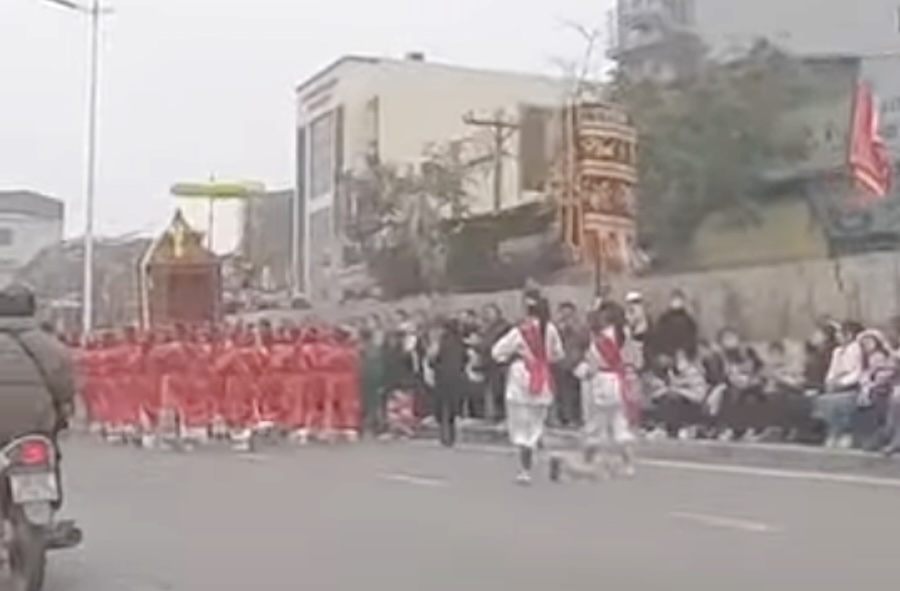
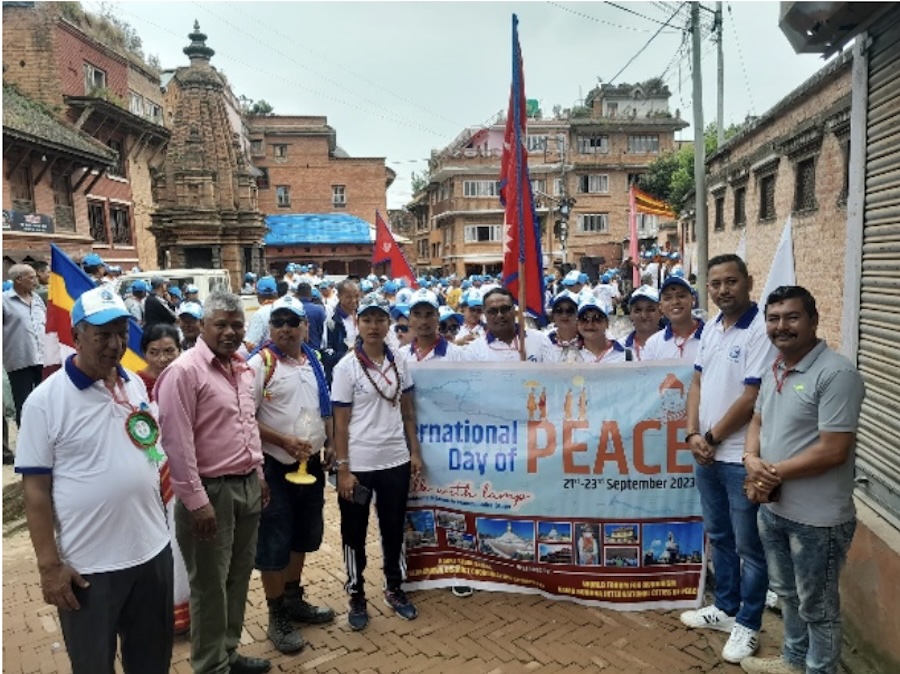
The first Walk with the Cultural Peace Lamp was held from 21–23 September 2017 to celebrate the International Day of Peace. The three-day journey connected Swayambhu Stupa and Namo Buddha Temple, promoting peace, compassion, and cultural harmony. Along the route, participants stayed at the historic Muni Vihar in Bhaktapur and Dhyanakuti Vihar in Banepa, experiencing local traditions, spiritual reflection, and meaningful cultural exchange that strengthened unity among communities.

The event was successfully organized by the GCPW team, inspired by the momentum of the April 2017 Bicycle Rally. In 2018, Tergar Monastery helped expand the peace movement with support from Education Foundation on Buddhism (EFoB), Namo Buddha International Cities of Peace (NBCP), and World Forum for Buddhists (WFfB). Together, these organizations strengthened the initiative into an ongoing platform promoting peace, compassion, cultural preservation, and global solidarity, which continued in the following years.

Question related to this article:

How can we be sure to get news about peace demonstrations?

(article continued from left column)

Resilience in the Time of Pandemic

During the COVID-19 pandemic in 2020 and 2021, large public peace talks were paused due to health restrictions. Despite these challenges, local communities, heritage sites, and peace organizations continued organizing small-scale and symbolic programs under the message “Peace Energy to Fight Aagainst COVID-19.” Through community support, reflection, and peace activities at sacred and cultural sites, these initiatives spread hope, compassion, healing, and solidarity, proving that human connection and the spirit of peace can endure even in difficult times.

Restoration of the Campaign

In 2022, after two years of pandemic restrictions, Education Foundation on Buddhism (EFoB) successfully revived the Walk with the Cultural Peace Lamp, reconnecting communities through peace, culture, and compassion. The return of the journey was warmly welcomed by local communities and symbolized resilience, healing, and renewed social harmony.

In 2023, the campaign reached a major milestone under the leadership of Kavre Sewa Samaj, in collaboration with World Forum for Buddhists (WFfB) and Namo Buddha International Cities of Peace (NBICP). What began with only five walkers from Boudhanath gradually grew into a powerful movement, with more than 1,500 participants joining the final walk from Panauti to Namo Buddha Temple, reflecting growing public support for peace, cultural unity, and community connection.

For more about Nepal’s cultural peace initiatives and destinations, visit https://peacetourist.com/nepal/. The community participation and highlights of the 2023 walk can also be viewed through Facebook Reel @GCPW Nepal.

International Recognition and Expansion

Nepal, a beautiful Himalayan nation between India and China, is renowned for its rich biodiversity, ancient cultural heritage, and breathtaking landscapes. In 2024, the Nepal Peace Walk programme, led by World Forum for Buddhists with support from partner organizations, was officially launched through an international webinar, generating strong global engagement among peace advocates, cultural communities, and international participants. The programme was officially launched on June 2024 through an international webinar, which created significant momentum and engagement among peace advocates, cultural organizations, and global participants.

The 2024 Nepal Peace Walk brought together 120 participants from 8 countries across Asia, Europe, and the United States, making it one of the most internationally diverse gatherings in the programme’s history. Beyond a physical journey, the walk became a platform for intercultural dialogue, friendship, peacebuilding, and community connection, while digital outreach and documentary coverage expanded its global visibility and impact.

In 2025, the Nepal Peace Walk programme was organized in two phases due to the Dashain festival in Nepal. The first phase, the Peace Festival, was held on 21 September 2025 at Patan Durbar Square, bringing together cultural performers and peace advocates for the International Day of Peace. The second phase, held from 3–5 November 2025, covered nearly 70 kilometers from Swayambhu Mahachaitya to Namo Buddha Temple and attracted over 100 participants, reflecting growing support for peacebuilding, cultural exchange, and community connection.

Looking Ahead: 2026 and Beyond

The success of the 2024 and 2025 Nepal Peace Walk programmes highlighted the growing importance of deeper connections between international participants and local communities through cultural exchange, shared learning, and meaningful human interaction. In a world facing conflict, division, and uncertainty, the Nepal Peace Walk promotes peacebuilding through mindful walking, cultural understanding, and compassionate community engagement.

Building on this momentum, the 2026 programme will feature a Peace Festival at Patan Durbar Square on 21 September, followed by a five-day Cultural Peace Walk from 21–25 November, connecting sacred and cultural heritage sites including Swayambhu Mahachaitya and Namo Buddha Temple. Open to people from all backgrounds, the initiative encourages peace, dialogue, compassion, and global solidarity through shared cultural experiences and mindful journeys.

Together, We Walk for Peace

The Nepal Peace Walk is a living expression of peace, compassion, and cultural harmony that brings together people from different cultures, communities, and nations in a shared journey toward understanding and unity. Inspired by the timeless values of empathy, selflessness, and mutual respect, the walk promotes dialogue, cultural preservation, and humanitarian awareness. The spirit of modern organ transplantation in health science reflects the ancient compassion demonstrated by Avayadan Prince Mahasattva over 6000 years ago, symbolizing the profound act of giving life to others. In a world increasingly affected by conflict, division, and social challenges, the Nepal Peace Walk serves as a powerful reminder that lasting peace begins with mindful steps, compassionate hearts, and the willingness of humanity to walk together toward a shared and harmonious future.

For more information about the Nepal Peace Walk, participation opportunities, partnerships, or event details, please contact GCPW.Nepal@gmail.com

– – – – – –

If you wish to make a comment on this article, you may write to coordinator@cpnn-world.org with the title “Comment on (name of article)” and we will put your comment on line. Because of the flood of spam, we have discontinued the direct application of comments.

International Women’s Day: Asia and Pacific

. WOMEN’S EQUALITY . .

A press survey by CPNN

Here are the results from Asia and the Pacific

AUSTRALIA


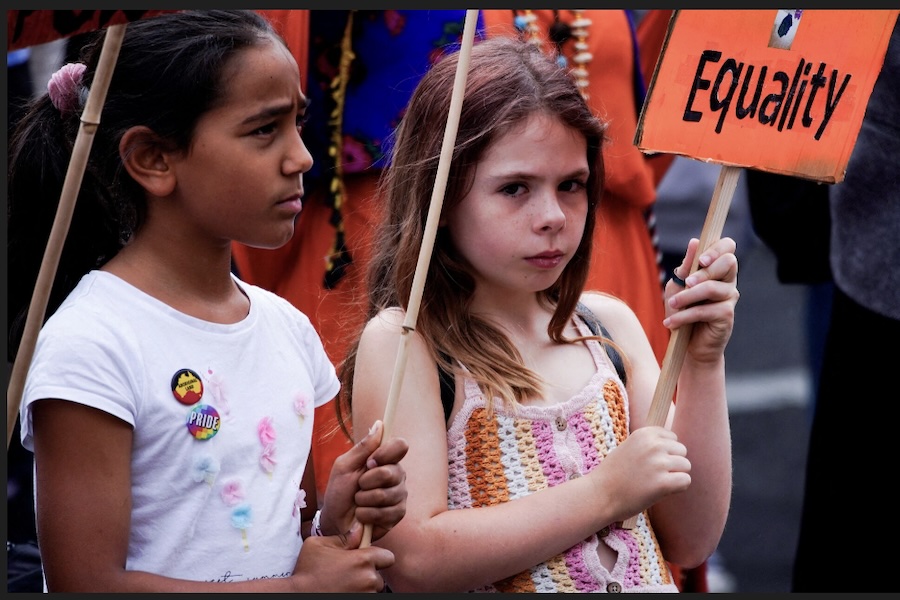
Children participate in an International Women’s Day demonstration, in Melbourne, Australia, March 8, 2023. REUTERS/Sandra Sanders

BANGLADESH


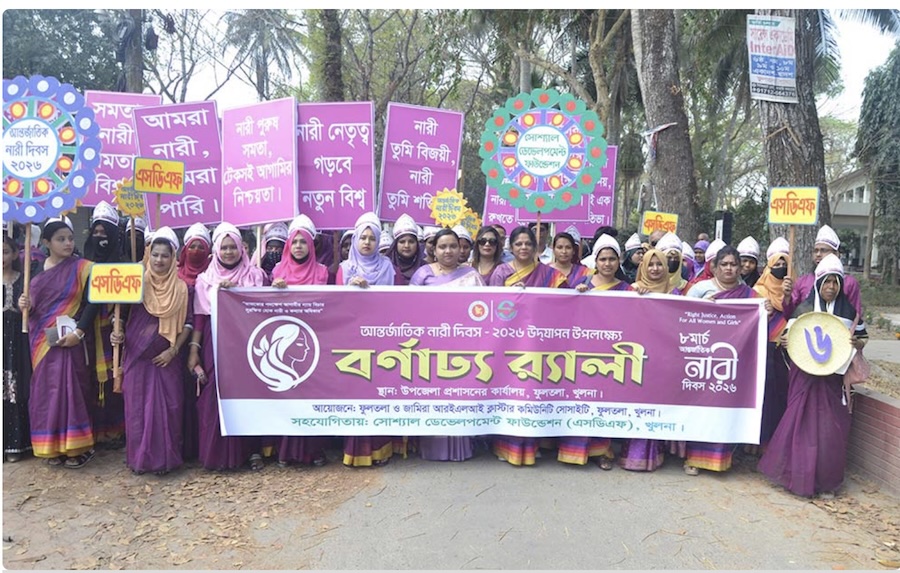
International Women’s Day was celebrated on Saturday with enthusiasm and diverse programmes across the districts including Gopalganj, Laxmipur, Joypurhat, Khulna, Pirojpur, and Rajbari. The events highlighted women’s empowerment, rights, and social contributions, bringing together government officials, civil society leaders, and local communities.

BANGLADESH, SARIAKANDI


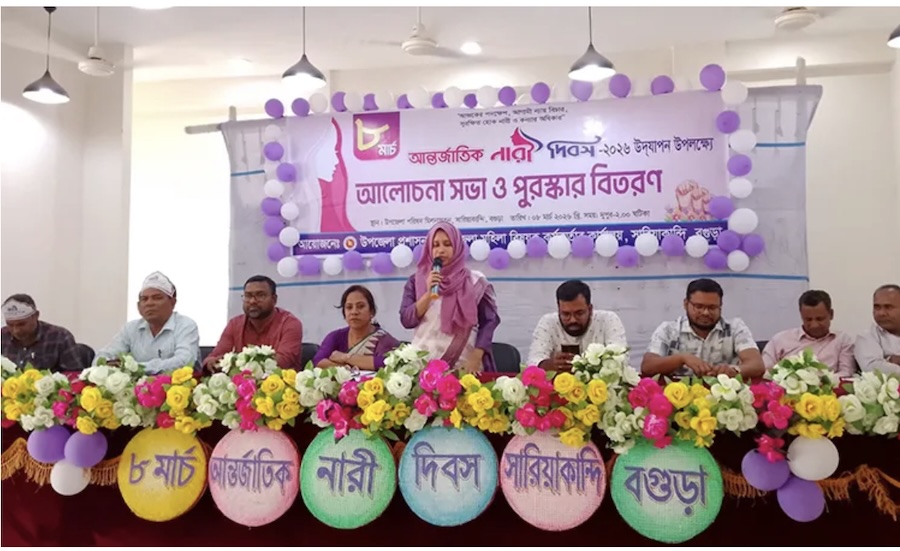
Various programmes were organized in Sariakandi of Bogura to celebrate International Women’s Day. On Sunday afternoon (March 8), a colorful rally started from the Upazila Parishad premises and marched through key roads of the town. A discussion meeting was later held at the auditorium of the Sariakandi Upazila Parishad.

CAMBODIA


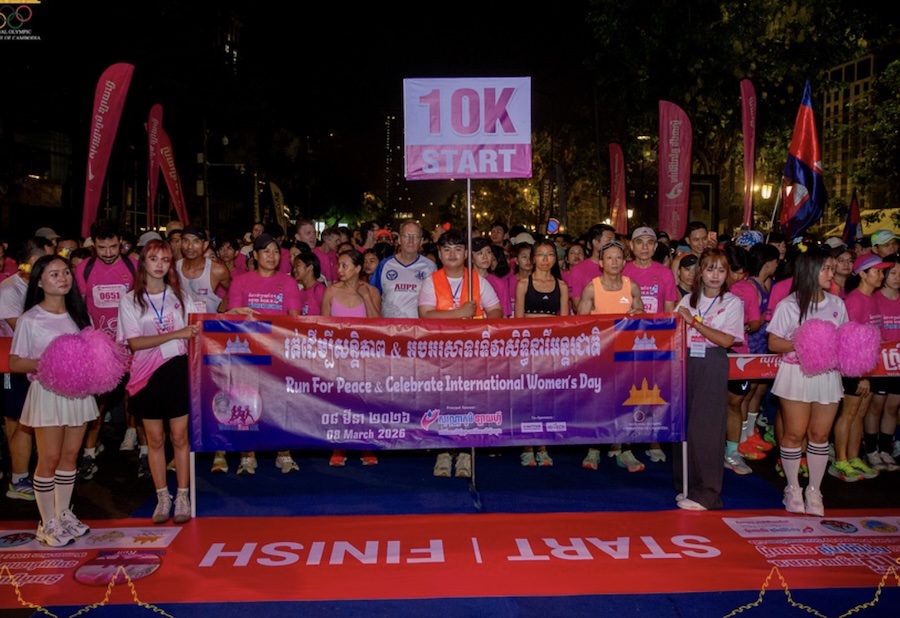
Phnom Penh, Cambodia, March 9, 2026: The National Olympic Committee of Cambodia reports that around 4,000 people took part in a Women’s Day Run to celebrate International Women’s Day on Sunday, March 8.

CHINA


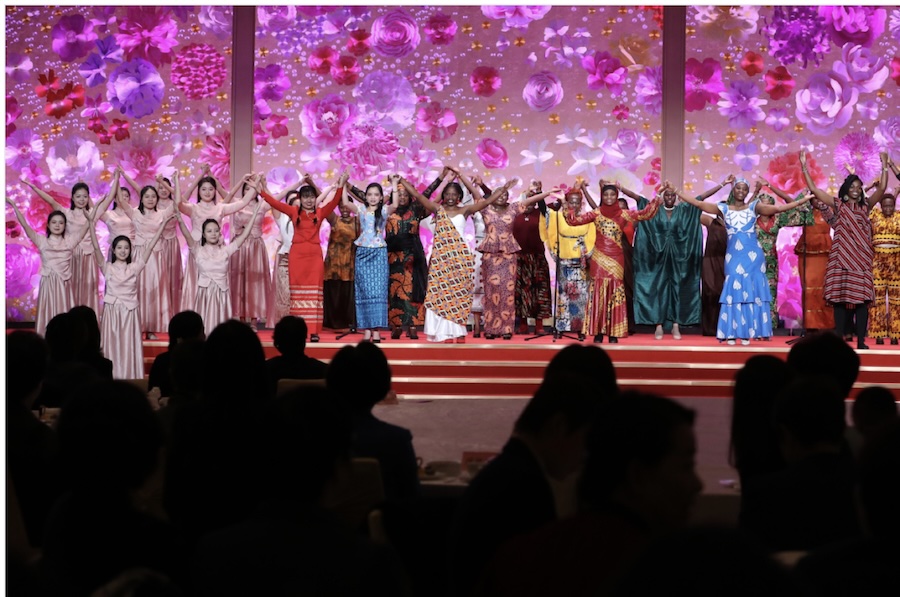
In celebration of International Women’s Day, falling on Sunday this year, the All-China Women’s Federation hosted a reception in Beijing on Friday, highlighting China’s commitment to advancing global women’s causes. The reception was attended by about 1,000 women from various sectors in China, as well as female representatives from international organizations and foreign embassies.

INDIA


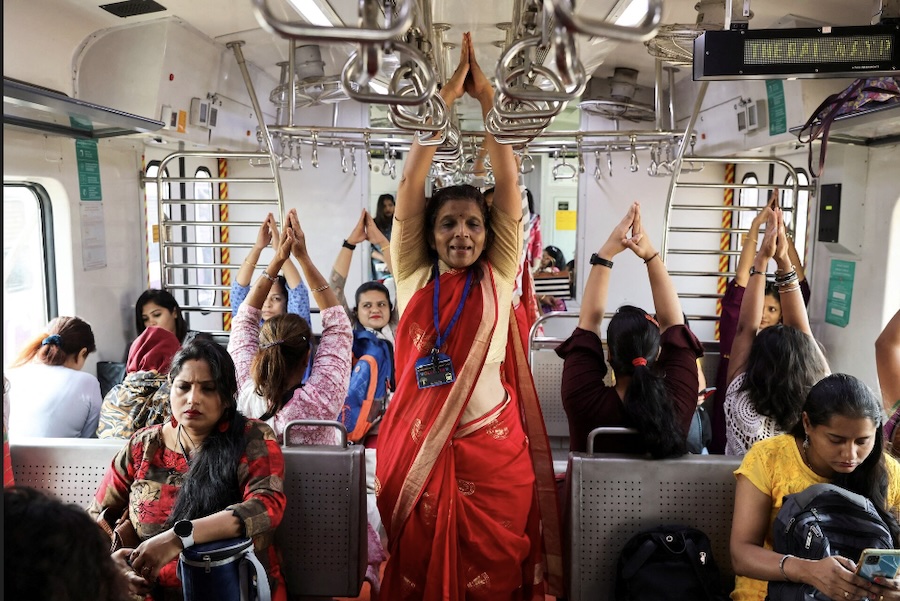
Women practice yoga in a local train on the occasion of International Women’s Day in Mumbai, India, March 8, 2023. REUTERS/Francis Mascarenhas

INDONESIA


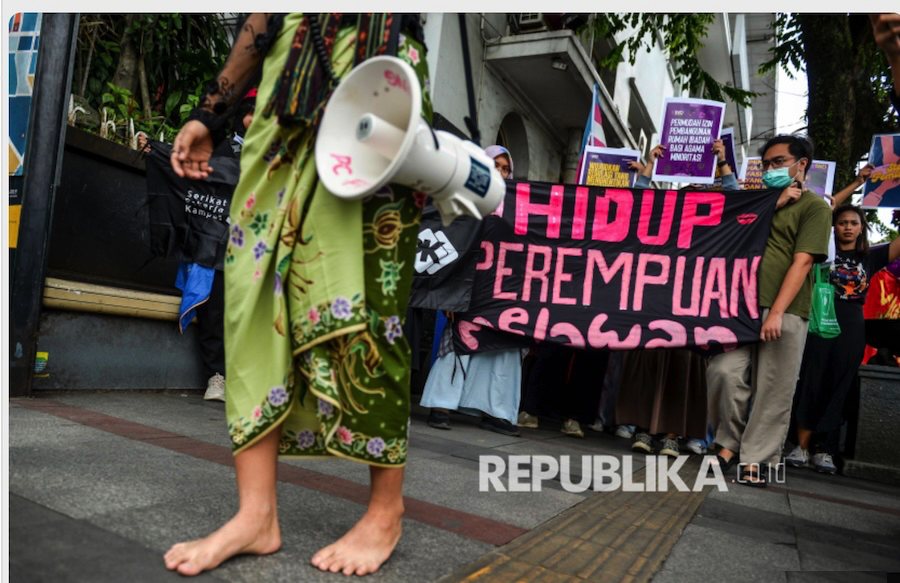
Protesters from the Puan Knot Alliance marched during a demonstration commemorating International Women’s Day on Jalan Asia Afrika, Bandung, West Java, Sunday (March 8, 2026). They demanded the government end the militarization of the public sphere and military interference in civilian policies, including food and social programs, and revoke policies and practices that criminalize the people, activists, workers, and women through the Criminal Code and Criminal Procedure Code. (Photo Antara Photo/Raisan Al Farisi)

Question related to this article:
 
International Women’s Day

JAPAN


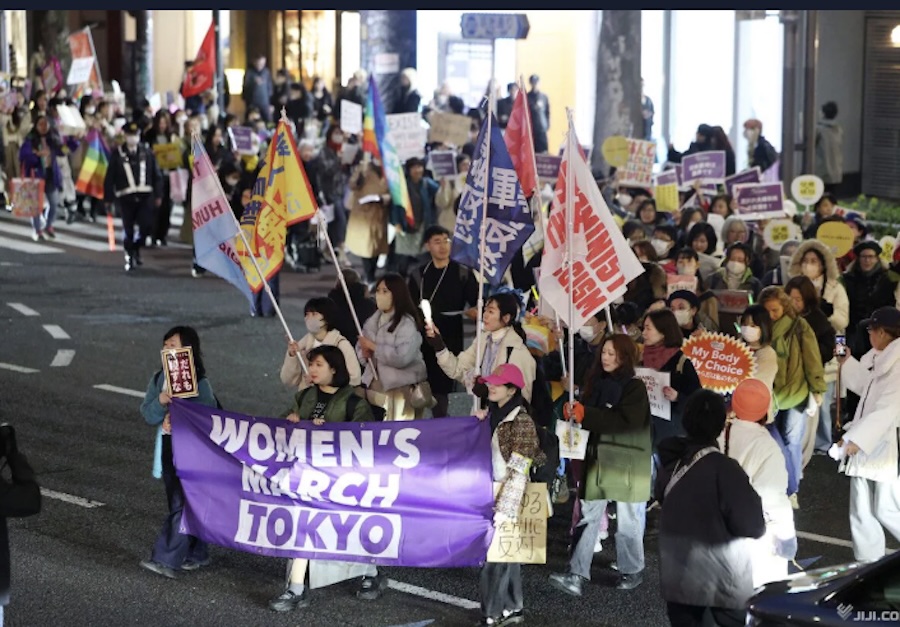
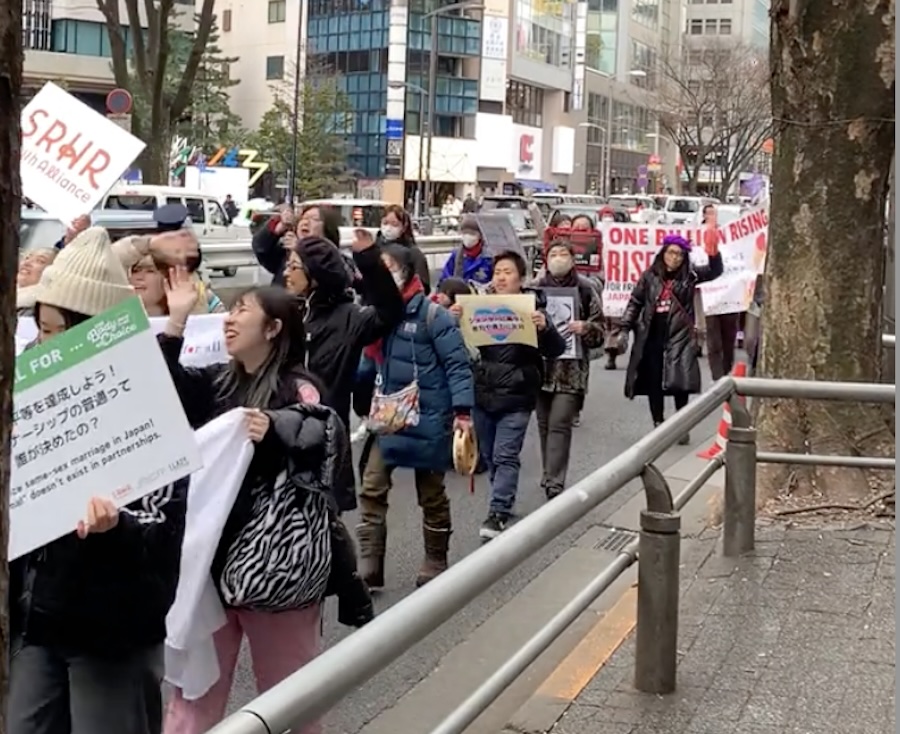
“Women’s March Tokyo,” a protest march against sexual violence and discrimination toward women, was held in Tokyo’s Shibuya Ward on International Women’s Day on Sunday.

KAZAKHSTAN


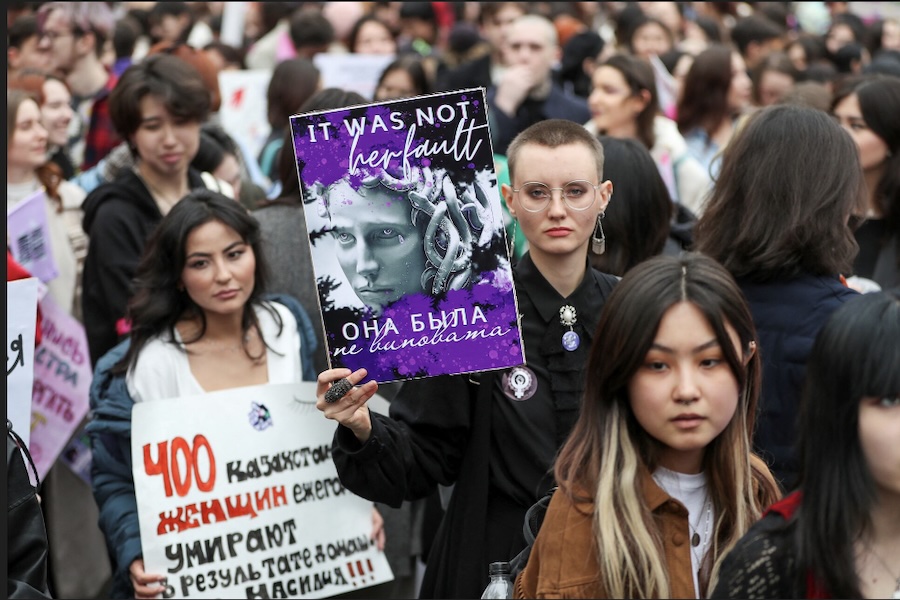
Activists hold a rally to support women’s rights on International Women’s Day in Almaty, Kazakhstan, March 8, 2023. REUTERS/Pavel Mikheyev

NORTH KOREA


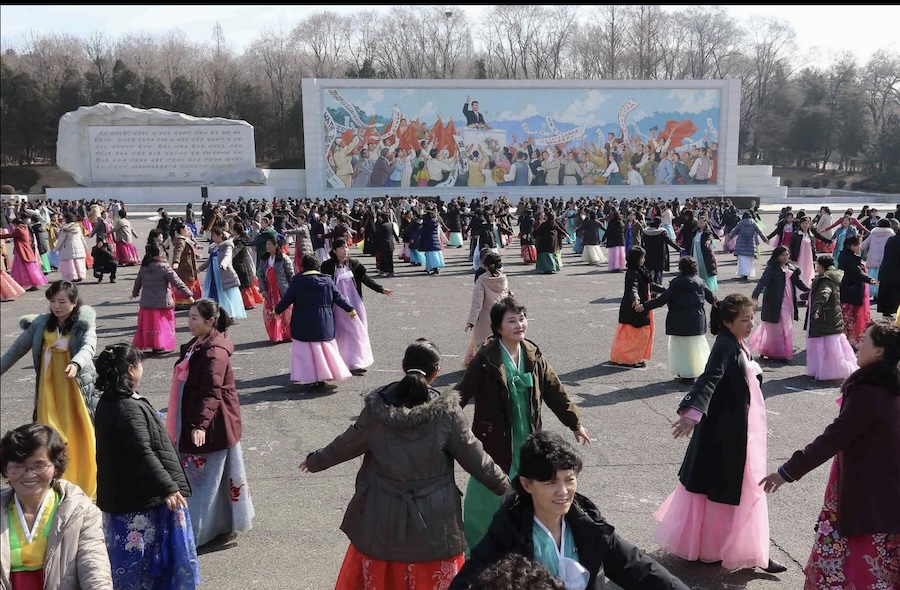
North Korean women dance on the occasion of the International Women’s Day in Moranbong District, Pyongyang, North Korea Sunday, March 8, 2026. (AP Photo/Jon Chol Jin)

PHILIPPINES


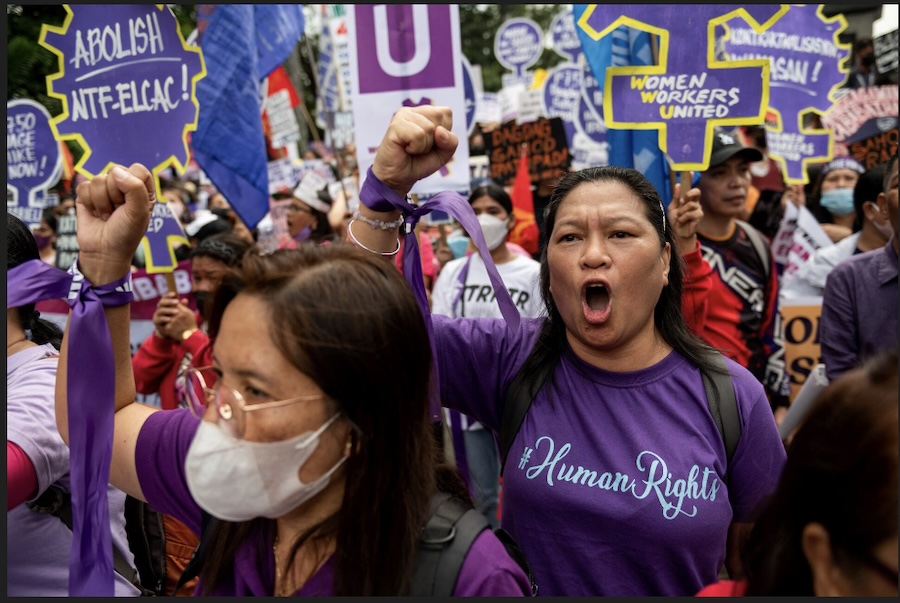
Filipino women and activists raise their fist during a protest on Women’s Day, in Manila, Philippines, March 8, 2023. REUTERS/Lisa Marie David

SOUTH KOREA


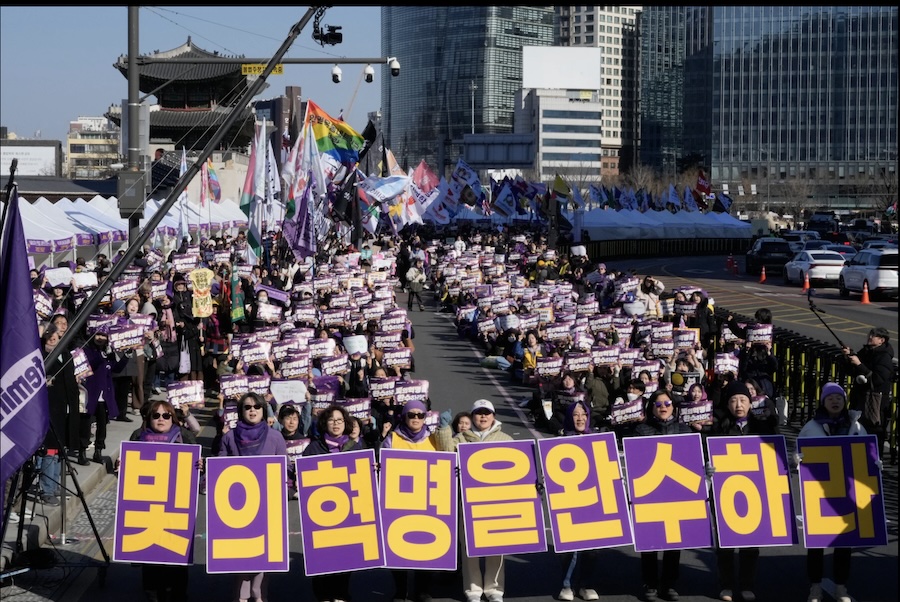
South Korean activists gather a day ahead of International Women’s Day in Seoul, South Korea, Saturday, March 7, 2026. The banners read “Complete the revolution of light.” (AP Photo/Ahn Young-joon)

SRI LANKA


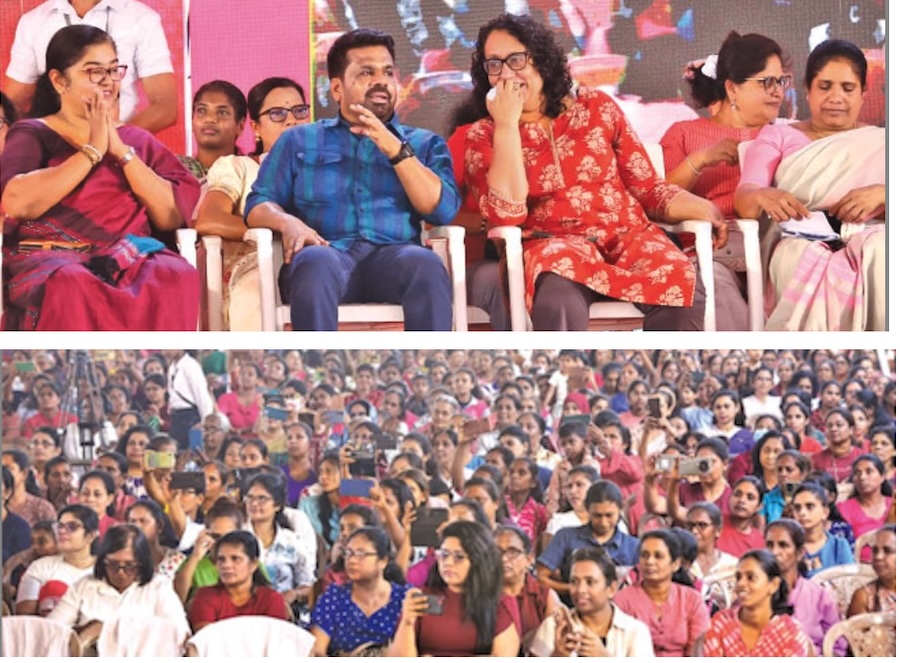
President Anura Kumara Dissanayake on Sunday said Sri Lanka will be branded before the world as a nation that has taken up the banner of humanity in any conflict that arises in the world. The President was speaking at the International Women’s Day celebration held at the P. D. Sirisena Stadium in Colombo on Sunday. The event was organised by the National People’s Power under the theme “When She Rises – the Nation Rises” .

VIETNAM


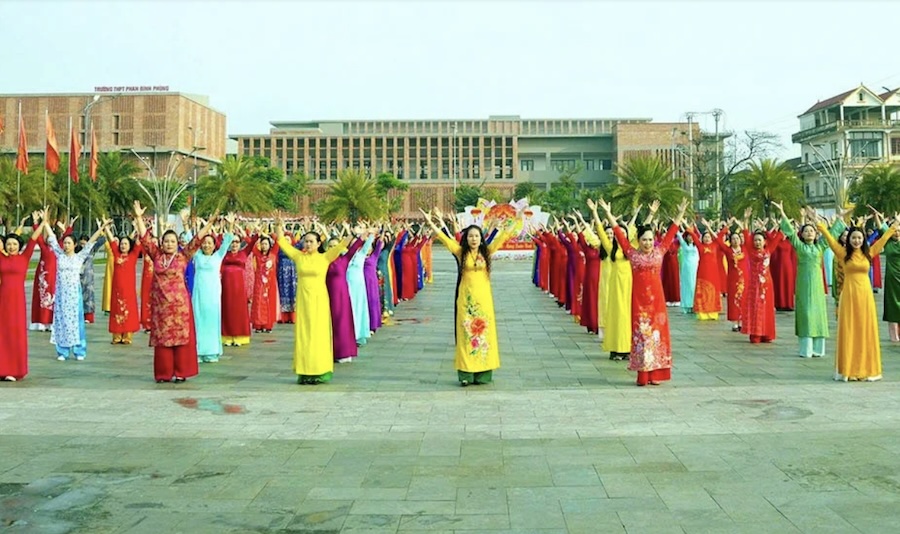
In response to the “Ao Dai Week” 2026, celebrating the 116th anniversary of International Women’s Day (March 8, 1910 – March 8, 2026), on the morning of March 8, Women’s Union branches in many communes and wards throughout the province simultaneously organized Ao Dai fashion shows, with the participation of thousands of members.

– – – – – –

If you wish to make a comment on this article, you may write to coordinator@cpnn-world.org with the title “Comment on (name of article)” and we will put your comment on line. Because of the flood of spam, we have discontinued the direct application of comments.

Spirit of Vasudhaiva Kutumbakam leads Interfaith Harmony Week

. TOLERANCE & SOLIDARITY .

An article from AWAZ The Voice

World Interfaith Harmony Week will be observed globally from February 1 to 7, 2026, continuing a tradition that inspires unity across faiths and nations. First proposed by King Abdullah II of Jordan at the United Nations General Assembly in September 2010, it was adopted through a UN Resolution on October 20.

The resolution affirmed that mutual understanding and interfaith dialogue are essential for a culture of peace and invited all people, regardless of belief, to celebrate through the inclusive principle of “Love of God and Love of the Neighbour,” or “Love of the Good and Love of the Neighbour.” Since the first observance in 2011, the movement has become a worldwide call for coexistence and compassion.

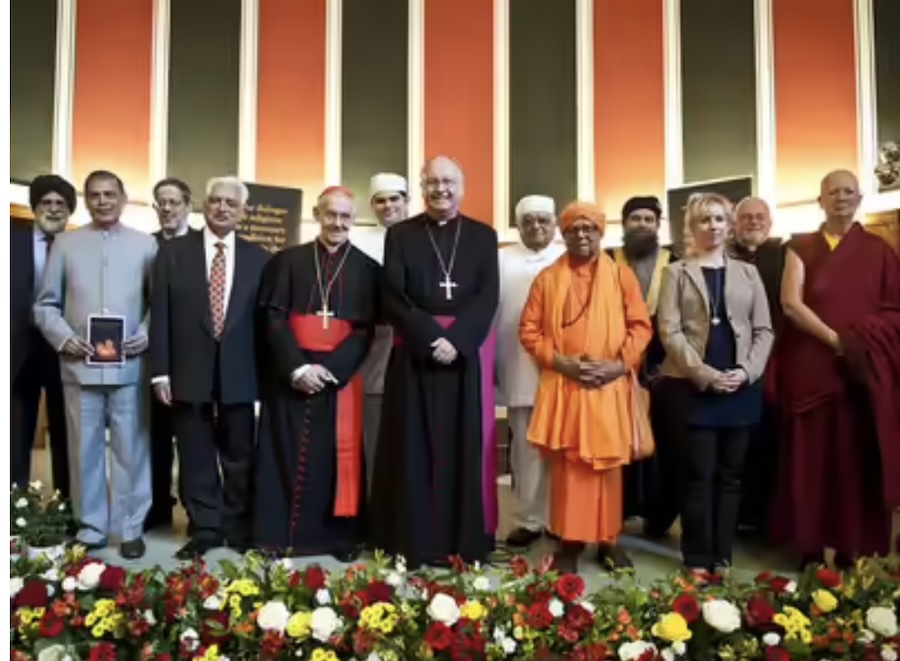
The 2025 observance in Delhi was a luminous reflection of India’s pluralistic spirit. Organised by the Global Peace Foundation (GPF) India, the three-day Interfaith Conclave 2025 combined India’s ancient wisdom of Vasudhaiva Kutumbakam—the world is one family—with contemporary peacebuilding frameworks. Leaders from Hindu, Buddhist, Muslim, Christian, Jain, Sikh, and Parsi traditions gathered to reaffirm faith’s unifying role in a divided world.

The conclave opened with Dr Markandey Rai, Chairman of GPF India, invoking India’s civilizational ethos of unity beyond boundaries. Goswami Sushil Ji Maharaj, convener of the Bhartiya Sarv Dharm Sansad, recalled Swami Vivekananda’s 1893 address at the Chicago Parliament of Religions as a timeless message of harmony. Speakers such as Bhikkhu Sanghasena, Fr. Rajakumar Joseph, Imam Faizan Muneer, and Swami Sarvalokananda highlighted shared moral values—truth, service, and compassion—that transcend religious identity.

What distinguished the Delhi observance was the participation of youth and creative engagement. A pre-event poster competition, Art for Harmony, invited young artists to visualise peace, while workshops on “Skills for Interfaith Dialogue” trained students in empathy and respectful communication. Youth-led roundtables on peacebuilding showed how dialogue, when combined with action, can transform communities. These initiatives align with global best practices that link interfaith learning to arts, service, and civic participation.

Across the world, interfaith dialogue has evolved into a vital tool for peace. The United Nations promotes it through the Alliance of Civilisations and UNESCO’s intercultural programs. Regional examples abound: Indonesia’s grassroots Forum Kerukunan Umat Beragama promotes local religious cooperation;

(continued in right column)

Question related to this article:
 
How can different faiths work together for understanding and harmony?

(continued from left column)

Europe’s institutional frameworks like the UK Inter Faith Network support structured engagement; and Nigeria’s Interfaith Mediation Centre unites pastors and imams to rebuild communities torn by conflict.

 Such models demonstrate that spiritual traditions can strengthen reconciliation and social trust.

India’s role in this global movement remains distinctive. Its history is shaped by inclusion—Ashoka’s tolerance, Akbar’s Din-i-Ilahi, Guru Nanak’s universalism, and Gandhi’s interfaith prayers. In an era of polarisation, India’s constitutional promise of fraternity remains its guiding light. The 2025 conclave reaffirmed that harmony means not passive tolerance but active collaboration—religious leaders and citizens working together for education, the environment, and women’s empowerment.

Globally, youth have become key agents of peace. Studies show that interfaith exposure in early years nurtures empathy and reduces prejudice. GPF India’s initiatives—Youth Peace Clubs and Indo-Pacific Peace Forums—reflect this belief that harmony must grow from communities, not be imposed from above.

As the world prepares for Interfaith Harmony Week 2026, the Delhi conclave stands as a reminder that dialogue rooted in shared values can heal divisions. It also showed that interfaith cooperation is not an idealistic aspiration but a practical necessity in a world confronting identity conflicts, environmental degradation, and social fragmentation. The Indian vision of Vasudhaiva Kutumbakam, echoed in the G20 theme “One Earth, One Family, One Future,” gives fresh meaning to this universal movement for peace.

When Interfaith Harmony Week 2026 unfolds from February 1 to 7, temples, mosques, churches, gurdwaras, and monasteries around the world will again open their doors in friendship. In classrooms and communities, art, music, and service will reaffirm that peace begins with the heart that listens.

The lamps of faith that light Delhi and distant cities alike will remind humanity that beyond every difference lies the same yearning for goodness.

In a time when the world struggles to rediscover empathy, India’s example offers a moral compass—showing that harmony is not a dream but a daily practice. As people of every faith join hands to celebrate this week, they affirm the simple truth that when love of the good guides our actions, humanity indeed becomes one family—a message of hope for a world learning again to live as one.

The author, Pallab Bhattacharyya, is the former Police Chief of Assam.

(Editor’s note: Interfaith Harmony Week is formally supported by the Arab League.)

– – – – – –

If you wish to make a comment on this article, you may write to coordinator@cpnn-world.org with the title “Comment on (name of article)” and we will put your comment on line. Because of the flood of spam, we have discontinued the direct application of comments.

Report of the 2025 Nyéléni Global Forum on Food Sovereignty and Global Solidarity

. . SUSTAINABLE DEVELOPMENT . .

An article by Ecehan Balta in Internationalist Standpoint

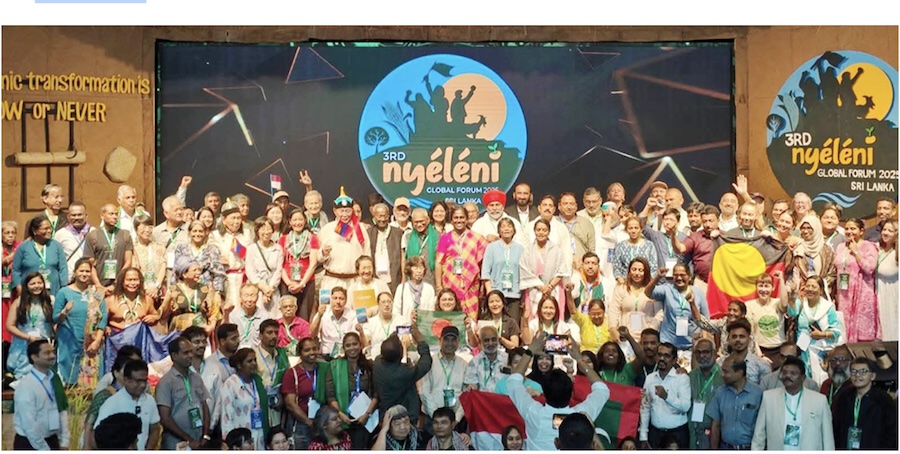
From 6–14 September 2025, the 3rd 
Historical Continuity: From 2007 to 2015 and 2025

The 2007 Nyéléni Forum in Mali marked the global proclamation of food sovereignty. The declaration adopted there emphasized the right of peoples to define their own food and agricultural systems, the collective control over seeds, land, and water, the recognition of women’s roles, and resistance to market-based food aid (Nyéléni Declaration, 2007/2008).

The 2015 forum in Derio, Basque Country, expanded food sovereignty beyond rural production, integrating the experiences of urban consumers, migrant workers, and climate movements. Agroecology was broadened by the practices of cooperatives, short food chains, and climate justice. Strong feminist perspectives also came to the fore.

The 2025 forum in Kandy, Sri Lanka, inherited these foundations but introduced new dimensions: the global debt crisis, debates on energy democracy, the centrality of care work and social reproduction, and the Palestinian question. Food sovereignty was thus redefined not as a sectoral issue limited to agriculture, but as an anticapitalist program for social transformation.

Regional Assemblies: Building a Shared Agenda

The political horizon of Kandy was shaped by two years of preparatory regional meetings.

° Asia and Pacific: The statement “Asia at a Turning Point” highlighted how debt crises and climate disasters were destroying people’s food systems across the region. The choice of Sri Lanka as host was deeply symbolic.

* Africa: Land grabbing, drought, and hunger were framed as a combined crisis. Food sovereignty was articulated as the continuation of postcolonial struggles for independence.

°,Latin America and the Caribbean: Land occupations by the MST, indigenous rights, and agroecological practices were highlighted, while the “rights of Pachamama” entered constitutional debates.

° Europe and Central Asia: Farmers’ uprisings, the exploitation of migrant labor, and climate justice were central themes, alongside debates on cooperatives and solidarity economies.

° Near East and North Africa (NENA): Palestine was placed at the center. The use of food as a weapon of war, the blockade, and the destruction of agriculture under occupation were foregrounded.

° North America: Indigenous struggles for land, the exploitation of migrant workers, and food justice movements became the focus.

These different emphases converged in Kandy, laying the groundwork for a common front of systemic transformation.

Food Sovereignty: Agroecology, Commons and Social Reproduction

Food sovereignty is not merely a policy to eradicate hunger or ensure access to food. It must be distinguished from food security, which focuses on the availability and affordability of food in the market. Food sovereignty, by contrast, places at its center the right of peoples to define their own food systems, safeguard their cultural practices, and sustain their ways of life. Thus, it is not only about combating hunger but also about sovereignty, self-management, and collective control over the means of life.

Within this framework, agroecology emerges as the concrete foundation of food sovereignty. Agroecology preserves biodiversity, sustains local knowledge systems, avoids chemical dependency, and prioritizes solidarity. Small-scale farmers, coastal fishers, nomadic pastoralists, and especially women producers stand at its core. In the forum, agroecology was defined not as a mere technical practice but as a way for peoples to reproduce life against capitalism—a form of ecological, social, and cultural resistance.

One of the strongest conceptual contributions of Nyéléni 2025 was the Food as a Commons perspective. This approach redefines food not as a commodity but as a shared resource managed by collective will. Seed banks, community-supported agriculture, producer and consumer cooperatives, and solidarity finance mechanisms embody this approach. Commoning practices articulate collective control over the production, distribution, and reproduction of food.

Food sovereignty finds its true meaning when combined with the solidarity economy. As debated in the forum, solidarity economy initiatives—cooperatives, short supply chains, local markets, and community-based finance models—enable people to build their own food systems independently of market and state impositions. Food sovereignty is therefore not merely an agricultural model but also the assertion of people’s right to reconstruct their economic relations.

With the strong input of feminist movements, food sovereignty was also framed as a question of social reproduction. The invisible labor of women in kitchens, fields, and markets was recognized as the backbone of food systems. Without women’s unpaid labor, neither production, distribution, nor nutrition could be sustained in its current form. Food sovereignty thus became inseparable from the struggle to dismantle the patriarchal division of labor and achieve women’s emancipation. The forum redefined food sovereignty by integrating agroecology, commons, solidarity economy, and the feminist perspective of social reproduction.

Energy Sovereignty or Energy Democracy?

Another central debate concerned how to name struggles over energy.

The notion of “energy sovereignty” evokes the rhetoric of national sovereignty. While it is sometimes used to strengthen the hand of states against corporations, it also risks justifying authoritarian energy policies and fossil fuel dependency. Today, many governments promote mega-dams, nuclear plants, and fossil projects in the name of “sovereignty.”

“Energy democracy,” by contrast, centers on people’s control over energy production and distribution, direct participation in decision-making, and democratic planning. Energy cooperatives, municipal renewable investments, and community-based models are its concrete tools.

(Article continued in right column)

Question for this article:

What is the relation between movements for food sovereignty and the global movement for a culture of peace?

(Article continued from left column)

From the perspective of Nyéléni, the concept worth defending is energy democracy. It is based on participation and equality, respects ecological limits, centers the interests of workers, women, and local communities, and resists recolonization by breaking away from interstate power rivalries. For food, “sovereignty” is the right concept because it refers directly to the source of life; for energy, “democracy and planning” are more accurate, as energy is the infrastructure of life and only democratic planning can ensure a just transition.

For all this to be achievable, of course, energy production, distribution and all relevant sectors must be brought into public ownership.

Sri Lanka: The Debt Crisis and the Paradox of a “Socialist” Government

Sri Lanka was a symbolic host for the forum, as its recent history reflected the stakes of food sovereignty in stark terms. In 2022, the country suffered a massive economic collapse: foreign reserves dried up, food and fuel imports stalled, and millions took to the streets in unprecedented uprisings, forcing the government to resign. In the 2024 elections, the National People’s Power (NPP) coalition came to power. Led by Anura Kumara Dissanayake, the NPP was widely described in the international press as a “socialist government.”

Yet the new administration refused  to cancel the agreements with the IMF. The restructuring program imposed by the IMF brought severe austerity measures that deeply affected daily life. Public spending was cut, agricultural and food subsidies were drastically reduced, and support for fertilizer and seeds was curtailed, pushing many small farmers out of production. Rising import prices further weakened local production, while the liberalization of energy prices increased production costs and limited poor households’ access to electricity and fuel.

As a result, dependence on imports grew. But with scarce foreign reserves, imported food prices fluctuated sharply, rendering basic staples inaccessible to many families. In the forum, Sri Lankan peasant movements emphasized that the IMF program was not only economically destructive but also devastating for food sovereignty, stripping communities of the capacity to sustain their own food systems and locking the country into external dependency.

The crisis extended beyond production into social reproduction. Cuts in public services—healthcare, education, social support—intensified the burden on women, who bore the brunt both through unpaid care work at home and as cheap labor in the market. Feminist delegates stressed how IMF-imposed policies reinforced patriarchal divisions of labor and exacerbated the invisible weight carried by women.

Sri Lanka thus became a powerful lesson at Nyéléni 2025. A government described as “socialist” aligning itself with the IMF underscored that food sovereignty cannot be achieved through agroecology and local practices alone, but requires direct confrontation with the global financial system and its local lackeys. Debt traps restrict governments from implementing pro-people policies, undermine local production, and deny people the possibility of building self-managed food systems. The Sri Lankan experience revealed food sovereignty to be, at its core, also an anti-debt and anti-neoliberal struggle.

Palestinian Solidarity: Food as a Weapon of War

Palestine was the strongest unifying theme of the forum. In Gaza, Israel’s systematic destruction of farmland, restrictions on fishing, control of water resources, and blockades on basic foods revealed how food itself had been turned into a weapon of war.

In Kandy, a march in solidarity with Palestine had been planned. Yet foreign delegates were barred from participating after, in the words of a member of the Sri Lankan organizing committee, “a call from the very top.” Despite this restriction and the tensions it created within the forum, Sri Lankans themselves carried out a strong and meaningful march, making solidarity visible in the streets.

This sharpened the political spirit of the forum. Palestinian solidarity demonstrated that food sovereignty is not merely an agricultural or policy question but part of a global, anti-colonial struggle.

Conclusion: A Shared?? Political Agenda for Systemic Transformation

Nyéléni 2025 powerfully asserted that reclaiming collective control over food and energy systems is essential not only to end hunger but also to build a new social order against the multiple crises of capitalism. One of the forum’s most significant contributions was to articulate food and energy as distinct yet interlinked spheres of struggle, each demanding the self-determination of peoples.

Yet despite this radical discourse, frequent references to United Nations frameworks—on sustainability, human rights, and climate—sparked a major debate. On the one hand, the UN, reduced almost to the level of an international NGO, was seen as incapable of producing genuine transformation. On the other, relying even at the level of advocacy on UN documents raised questions about the coherence of the forum’s political determination.

This tension had historical roots. The first Nyéléni forum and subsequent struggles paved the way for the adoption of the UN Declaration on the Rights of Peasants (UNDROP, 2018). Similarly, the long struggle of Indigenous peoples contributed to the adoption of the UN Declaration on the Rights of Indigenous Peoples (UNDRIP, 2007). These achievements fostered a sense of confidence—that popular forums could indeed influence global instruments. Yet Nyéléni 2025 also made visible the risk that such confidence may be misleading. For, while UNDROP and UNDRIP were products of people’s struggles, in practice states often ignored them, or they became tools for boosting the legitimacy of discredited capitalist fora without effecting real change.

Hence one of the critical questions raised was: Can a forum that claims an anticapitalist path legitimately reference institutions that are themselves pillars of capitalism and imperialism? For us, the answer lay in building alternatives from below with a prospect of systemic (socialist) change, rooted in mass self-organisation of the workers and the poor. Otherwise, this carries the risk of dulling the radical edge of food sovereignty and embedding it within the very system it seeks to overcome.

Nyéléni 2025 did not resolve all these contradictions but made them explicit. And perhaps this was its most important contribution: rather than concealing internal tensions, the forum laid them bare. The challenge moving forward is to determine whether the “global legitimacy” produced by the UN serves people’s struggles, or whether it ultimately undermines their independence.

As the main slogan of the forum declared:

Systemic Transformation: Now or Never.

– – – – – –

If you wish to make a comment on this article, you may write to coordinator@cpnn-world.org with the title “Comment on (name of article)” and we will put your comment on line. Because of the flood of spam, we have discontinued the direct application of comments.
India: The call for peace resonated at the Baha’i House Indore as the International Peace Day was celebrated with enthusiasm

FREE FLOW OF INFORMATION .

An article from Sanjeevni Today (translated from Hindi by Google translator)

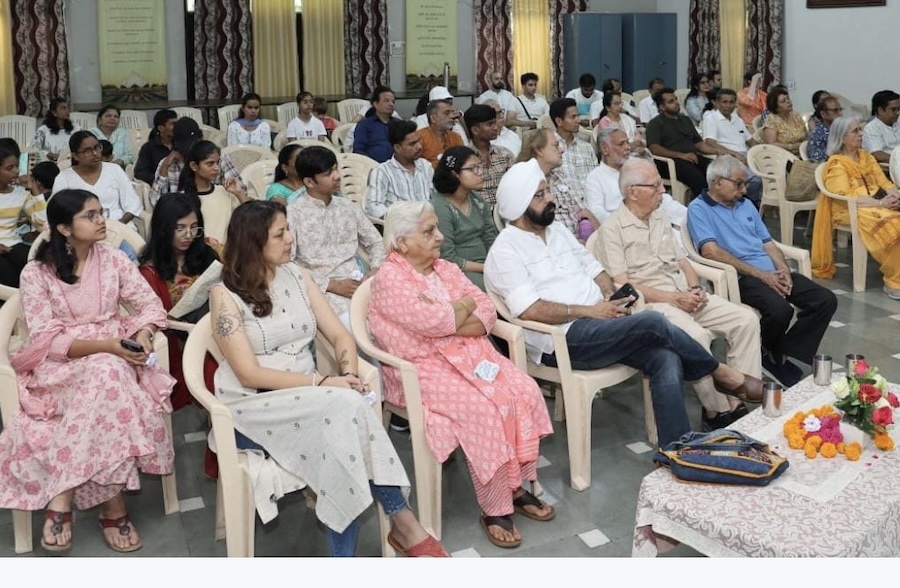
21 September 2025. An inspiring and heart-touching program was organized at the Baha’i House in Indore on the occasion of International Day of Peace, in which the Baha’i community brought people of all religions and faiths on one platform and spread the message of peace. Music, meditation, and a collective peace pledge made the event unforgettable.


(Click on image to enlarge)

Keynote speaker and Peace Ambassador Dr. Gurmeet Singh Narang inspired the audience with his address, “Inner Peace, Outer Peace,” saying, “Peace begins in our hearts. It flows outward in the form of love, compassion, and activism toward nature and all living things.” His words installed a deep sense of peace in the audience.

(article continued in right column)

Question related to this article:

What is happening for the International Day of Peace?

(article continued from left column)

The captivating performance by Sangeet Gurukul filled the atmosphere with a sense of harmony and peace. Mrs. Tahira Jadhav, representative of the Baha’i community, shared her thoughts, saying “True peace is the inner strength that keeps us steady and calm even amidst the storms of life.”

A special hightlight of the program was an inspiring quote from ‘Abdu’l Baha: “When the thought of war comes, oppose it with a powerful thought of peace; a thought of hatred must be destroyed by a powerful thought of love.” This quote inspired everyone to follow the path of peace and love.

The highlight of the event was the collective Peace Pledge, in which all the participants pledged to cultivate inner peace, promote dialogue, and protect nature and all living creatures. This was followed by a 30-second collective silence and a prayer for world peace, which filled everyone’s mind with a deep sense of peace.

The presence of Padma Shri Janak Palta ad Ujjwal Swami, renowned for his laughter yoga, added to the grandeur of the event. The event played a vital role in instilling in the people of Indore the importance of peace, unity, and love.

– – – – – –

If you wish to make a comment on this article, you may write to coordinator@cpnn-world.org with the title “Comment on (name of article)” and we will put your comment on line. Because of the flood of spam, we have discontinued the direct application of comments.
Urgent Call for Peace Launched by Indian and Pakistani Feminists

. . WOMEN’S EQUALITY . .

An article from Presse Gauche (translation by CPNN)

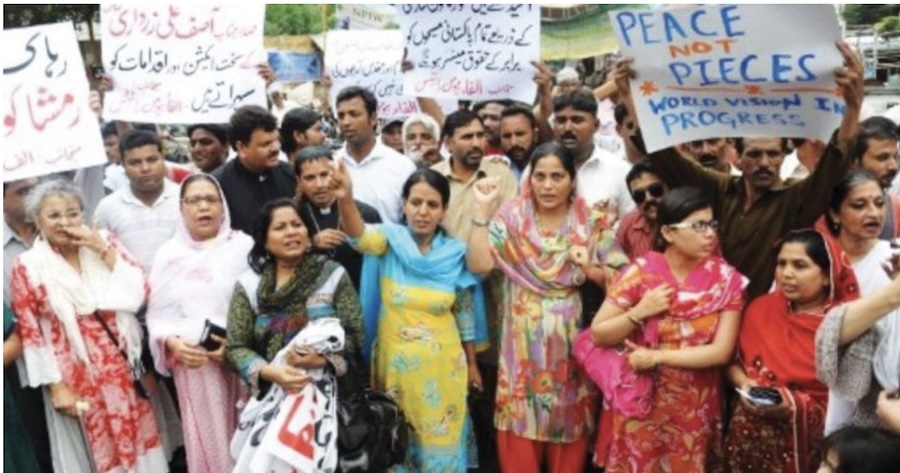
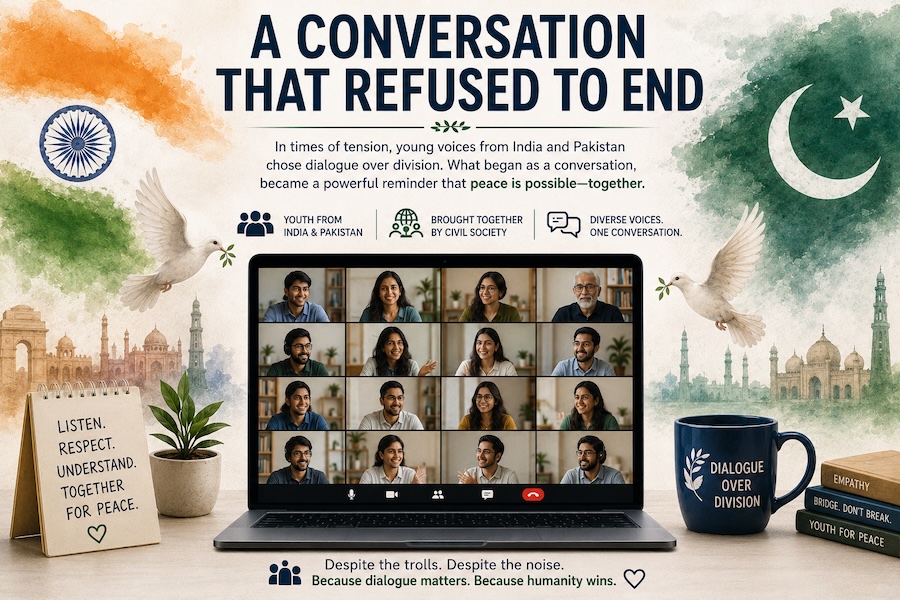
We, feminists of India and Pakistan, unequivocally welcome the ceasefire declared by our two nations today. The tension and escalation of the past two weeks remind us how fragile peace is. The ceasefire also vindicates the calls for de-escalation and peace made by thousands of ordinary people on both sides of the border. While we hope for an absolute cessation of hostilities, we are mindful of recent events.

From Between the lines and the words

The ceasefire is only the first step in the long march towards justice and peace.

We condemn the Pahalgam terrorist attack that killed 25 tourists from different parts of India and one from Nepal who came to visit Kashmir. A local person also lost their life in the Pahalgam attack. These targeted attacks have widened the communal divide between Muslims and Hindus in India and have been exploited to incite hatred, fear, and collective punishment.

In the aftermath of the Pahalgam attack, it is women—including mothers, daughters, sisters, and wives—who bear the unbearable burden of grief. Instead of respecting and sharing it, it has been weaponized and subjected to police surveillance—especially when people refuse to follow the script of hate.

Himanshi Narwal, the young widow of one of the slain victims, is among the survivors who, despite unimaginable pain, found the strength to call for peace. She asked people not to direct their rage at Kashmiris and Muslims who, like her, are trapped in a cycle of violence they did not create. For this simple act of humanity, she was trolled, vilified, and attacked by lurking nationalists more devoted to bloodlust than truth.

Linking the terrorist attack to Pakistan, India immediately suspended the Indus Waters Treaty and resumed hydroelectric projects and dam construction previously restricted by the treaty. Both sides canceled short-term visas for visitors. We witnessed heartbreaking scenes at the Attari-Wagah border, where Indian and Pakistani women with the “wrong” passports were forced to hand over their children to their husbands before crossing into “their countries,” causing unfathomable distress for the women themselves, their children, and their families. Fourteen days later, India carried out airstrikes and Pakistan retaliated, followed by drone strikes from both sides.

Disinformation campaigns on both sides made the truth difficult to ascertain. One thing is certain: the loss of life, widespread fear, and escalating violence add to the potential terror of the grave and irreversible consequences that tensions between the two nuclear powers could have for populations throughout South Asia.

As feminists, we are fundamentally against war and militarism. We denounce the war economy that thrives on violence and destruction, as well as the deeply patriarchal structures that fuel and sustain it. The fact that the Indian operation was dubbed Sindoor, a deeply patriarchal gesture, is a stark reminder of the misogynistic propaganda employed by both sides. Between loved ones, there are also many other private and specific symbols, of which Sindoor, for some women, could be one. But when Sindoor becomes a battle cry, it erases and weaponizes pain, and reduces women to bodies upon which masculinist nationalist fantasies of conquest, violence, and rape are constructed.

(Article continued in right column)

(Click here for the original article in French).

Questions related to this article:

Do women have a special role to play in the peace movement?

(Article continued from left column)

The past year has been marked by a surge in violence around the world, with devastating images from Gaza and other conflict zones becoming a daily occurrence, tragically desensitizing many to the true horrors of armed conflict. The Indian and Pakistani governments and opinion makers appear oblivious to the catastrophic consequences of war and the immense devastation it would cause. Only those who manufacture and sell weapons systems to our governments will profit from war. War reinforces, exacerbates, and perpetuates existing inequalities, disproportionately affecting women, sexual and religious minorities, and children. These hostilities distract from what people really need: education, health, employment, social protection, security, and well-being.

We, feminists from India and Pakistan, firmly believe that war is never a solution. We call for the dismantling of power structures that fuel violence. The logic of war—rooted in nationalism, toxic masculinity, and colonial-era borders—must be rejected. In both countries, women activists, journalists, and peacebuilders have long advocated for dialogue, de-escalation, and diplomacy. Yet our voices are consistently sidelined and overwhelmed by the inflammatory rhetoric and assertive militarism that dominate the public sphere.

We call on the governments of India and Pakistan to:

* Consolidate the May 10 ceasefire, renounce cross-border violations, and defuse rising tensions by keeping channels of communication open;

* Jointly launch an investigation, with international representatives, into the Pahalgam attack to bring the perpetrators to justice.

* Refrain from unilateral actions such as the termination of the Indus Waters Treaty;

* Prioritize and engage in dialogue and diplomacy to resolve differences;

* Work towards resolving the central political issue of Kashmir, which is at the heart of the conflict.

We urge feminists around the world to raise their voices in solidarity and join us in resisting war and building peace. There is no time or space for complacency.

Saheli Women’s Resource Centre, New Delhi, India; Women’s Action Forum (WAF), All Chapters, Pakistan; Aurat March, Lahore, Pakistan; All India Democratic Women’s Association, India.

Individual endorsements (in alphabetical order): Abha Bhaiyya, Aisha Gazdar, Amar Sindhu, Amrita Chhachi, Anita Pinjani, Anuradha Banerji, Arfana Mallah, Avantika Tewari, Ayesha Kidwai, Beena Sarwar, Chayanika Shah, Devangana Kalita, Elaine Alam, Farrah Taufiq, Farida Shaheed, Gulbadan Javed, Haseen Musarat, Huma Ahmed-Ghosh, Humaira Rahman, Iram Hashmi, Kalyani Menon Sen, Kavita Krishnan, Kausar Khan, Khawar Mumtaz, Lalita Ramdas, Madhu Bhushan, Maimoona Mollah, Malka Khan, Maria Rasheed, Mariam Dhawale, Meera Sanghamitra, Nageen Hyat, Naheed Aziz, Najam Panhwar, Natasha Narwal, Naseem Jalbani, Nasim Jalbani, Nasreen Azhar, Neelam Hussain, Nighat Said Khan, Nivedita Menon, Nuscie Jamil, Nuzhat Shirin, Pamela Philipose, Pratiksha Baxi, Raheema Panhwar, Rashida Dohad, Riffat Aziz, Rita Manchanda, Ritu Menon, Roshmi Goswami, Rozina Junejo, Rukhsana Rashid, Saba Gul Khattak, Safia Noor, Salima Hashmi, Samina Jabbar, Samina Omar Asghar Khan, Shabnam Hashmi, Shad Begum, Sheeba Chhachi, Shahnaz Rouse, Simi Kamal, Smita Gupta, Soonha Abro, Sumaira Ishfaq, Syeda Hamid, Tahira Abdullah, Tasneem Ahmar, Uma Chakravarti, Urvashi Butalia, Uzma Noorani, Vani Subramanian, Vanita Mukherjee.
– – – – – –

If you wish to make a comment on this article, you may write to coordinator@cpnn-world.org with the title “Comment on (name of article)” and we will put your comment on line. Because of the flood of spam, we have discontinued the direct application of comments.
International Women’s Day: Africa and Asia

. WOMEN’S EQUALITY . .

A press survey by CPNN

Here are the photos from Africa and Asia.

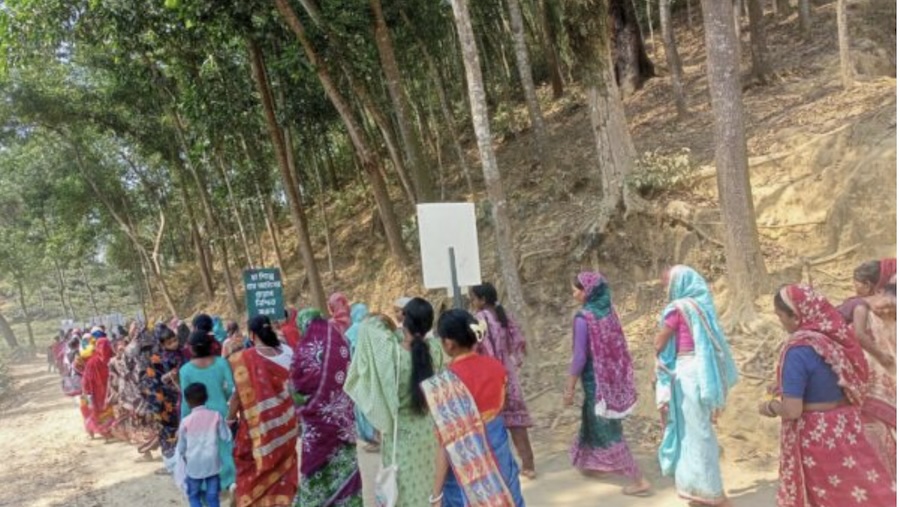
BANGLADESH, SYLHET

Ethnic Community Development Organization (ECDO) observed International Women’s Day 2025 at the Hiluachhara Tea Garden.

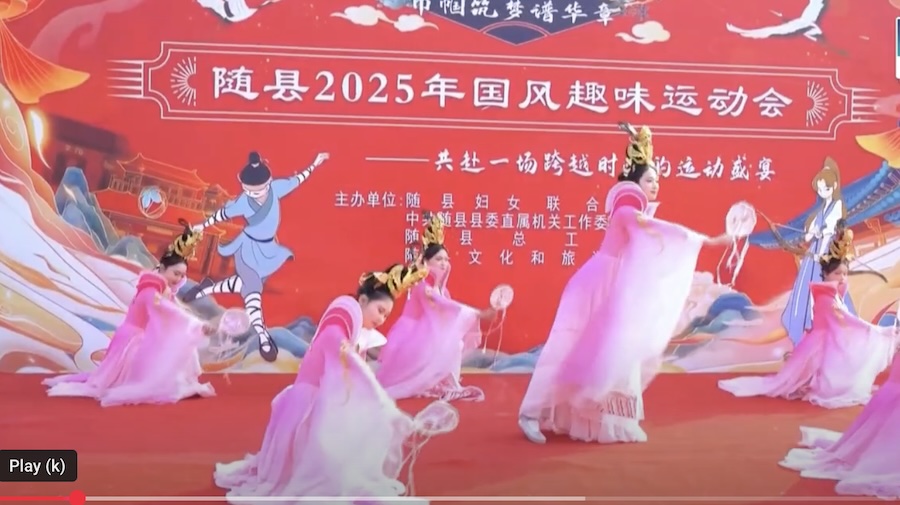
CHINA

China Celebrates International Women’s Day with Cultural & Career Events | AG15 (YouTube)

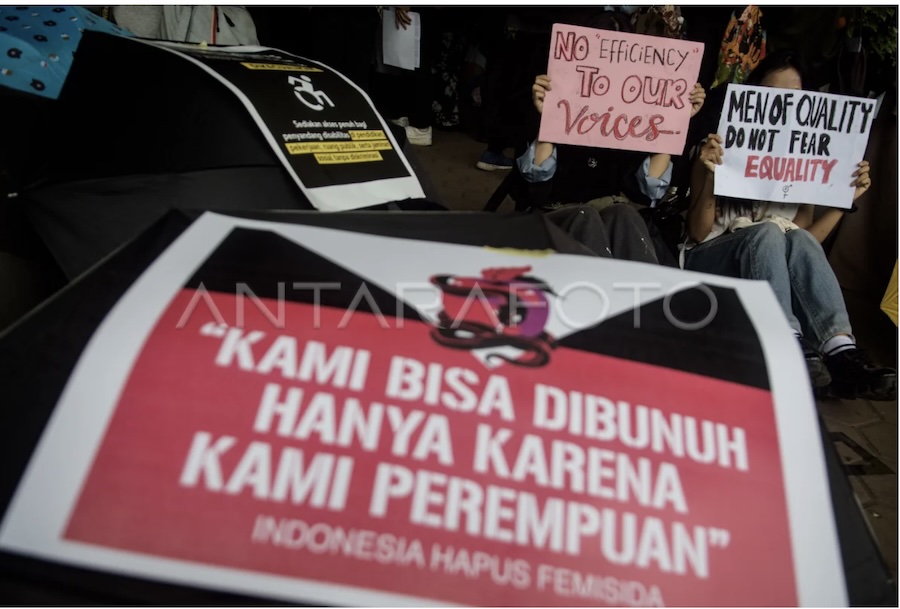
INDONESIA, BANDUNG
“We can be killed just because we are women. Indonesia must eliminate femicide” (Antarafoto)

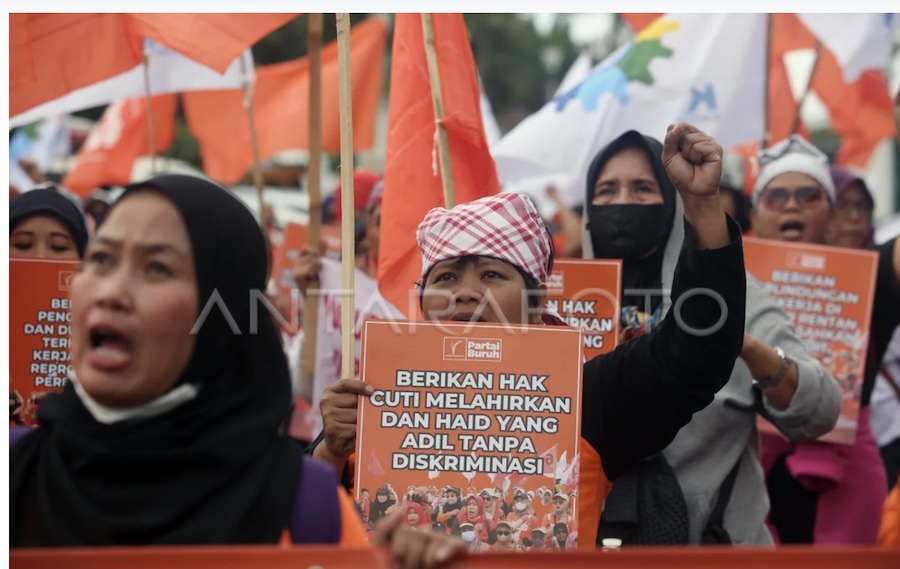
INDONESIA, JAKARTA
“Provide fair maternity and menstrual leave rights without discrimination” (Antarafoto)

JAPAN, TOKYO

Happy International Women’s Day from Tokyo! (TikTok)

NIGERIA, ABUJA

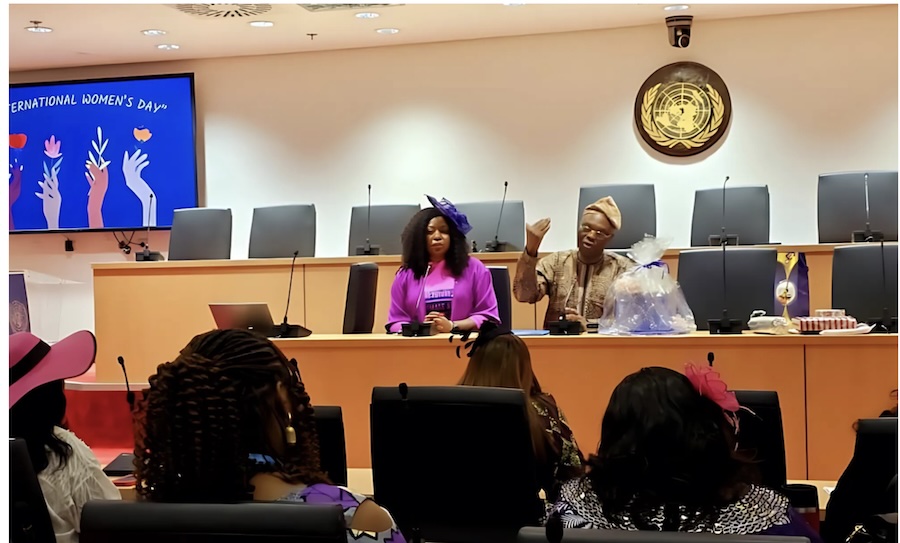
On 7 March 2025, the WHO Nigeria offices buzzed with energy as staff joined the global celebration of International Women’s Day: “commitment to gender equality and empowerment as essential drivers of health for all.”

NIGERIA, LAGOS

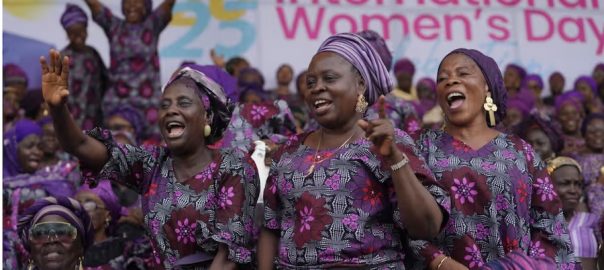
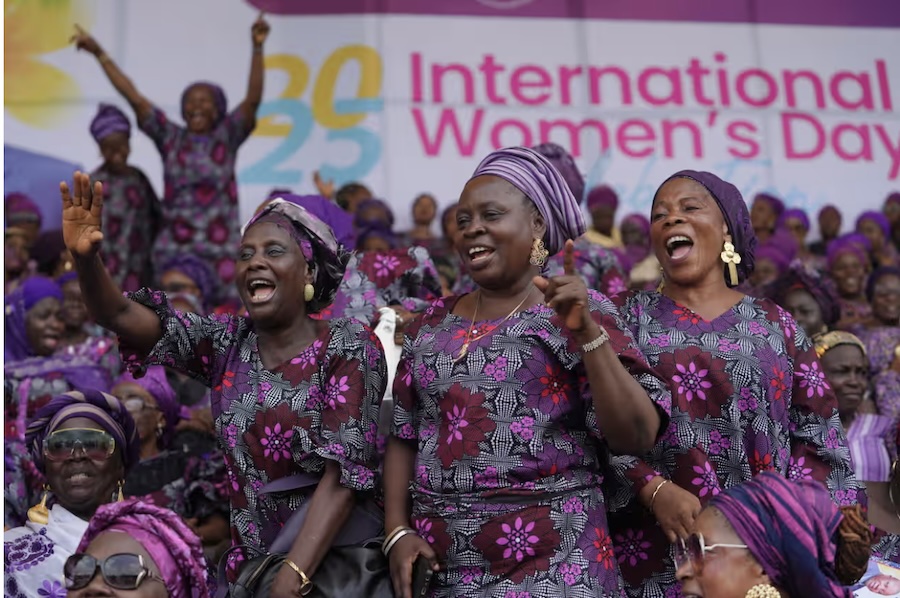
In the Nigerian capital of Lagos, thousands of women gathered at the Mobolaji Johnson stadium, dancing and signing and celebrating their womanhood. Many were dressed in purple, the traditional color of the women’s liberation movement. Photograph: Sunday Alamba/AP. (The Guardian)

Question related to this article:
 
International Women’s Day

Prospects for progress in women’s equality, what are the short and long term prospects?

PAKISTAN, ISLAMABAD

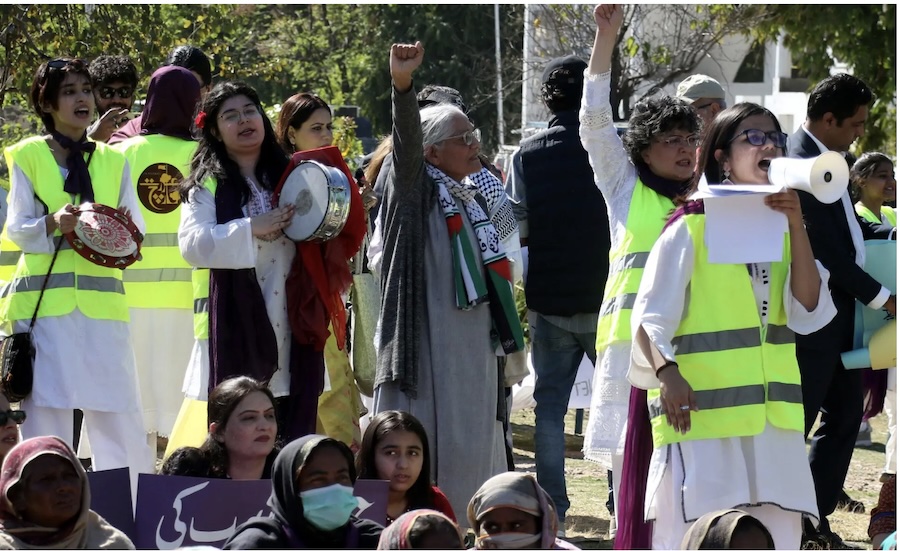
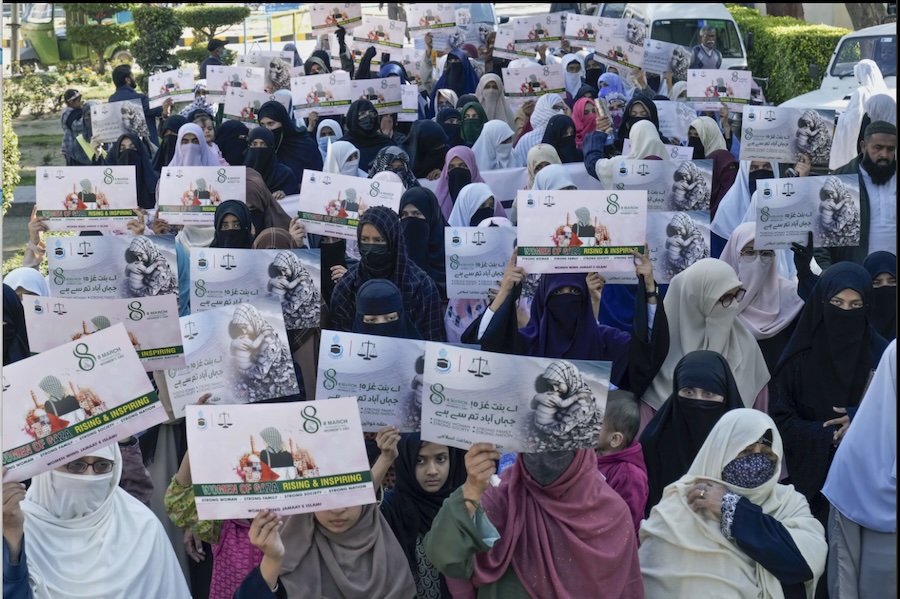
Women participate in an Aurat March held to mark International Women’s Day in Islamabad, Pakistan, Mar. 8, 2025. EFE/EPA/SOHAIL SHAHZAD 78595. (EFE)

PAKISTAN, LAHORE

Supporters of a religious party ‘Jamaat-e-Islami’ gather in support of women of Gaza, marking International Women’s Day, in Lahore, Pakistan, Saturday, March 8, 2025. (AP Photo/K.M Chaudary) (Associated Press News)

PHILIPPINES, MANILA

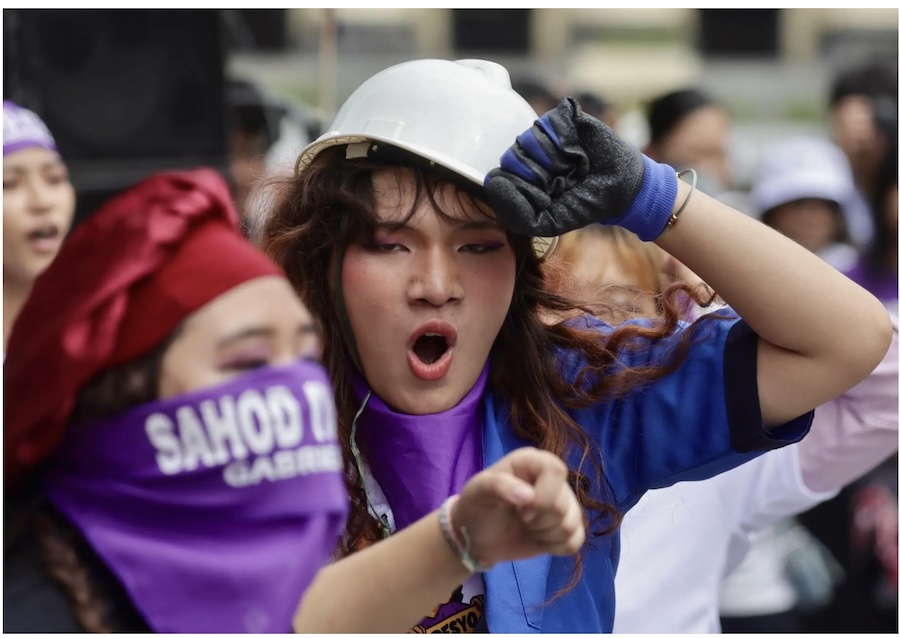
Members of women’s rights group, ‘Gabriela’, perform to mark International Women’s Day in Manila, Philippines, Mar. 8, 2025. EFE/EPA/FRANCIS R. MALASIG. (EFE)

SRI LANKA

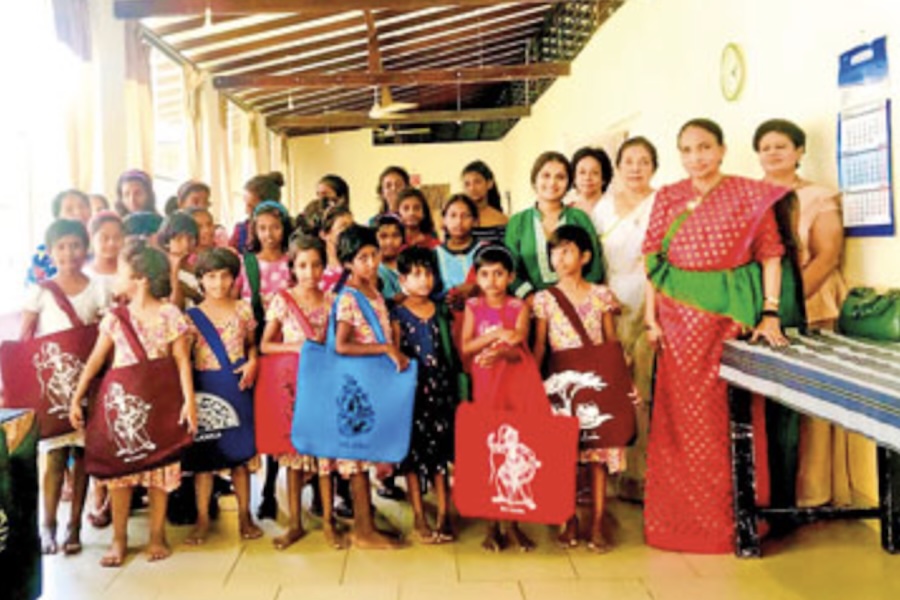
he 84-year-old Sri Lanka Federation of University Women, under its President Colonel Dr Udula Krishnaratne, ably supported by her team – celebrated International Women’s Day. The programme was intended to promote education for girls from the primary to the tertiary levels, provide better sustenance to needy families and ease economic hardship, and help improve the overall health of women and girls. (Sunday Times)

THAILAND, BANGKOK

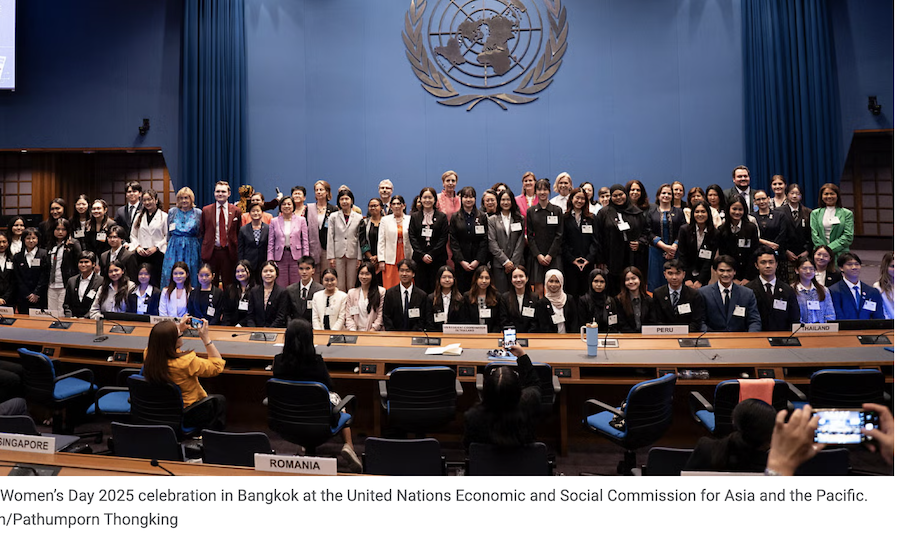
Under the theme “For ALL Women and Girls: Rights, Equality, Empowerment,” the spotlight was on youth at the International Women’s Day 2025 celebration in Bangkok. (UN Women)

VIETNAM, HANOI

International Women’s Day parade in Hanoi, Vietnam. (YouTube)

Search for Common Ground supports midwife care in Afghanistan

. . WOMEN’S EQUALITY . .

Received at CPNN by email from Search for Common Ground

The Taliban recently decreed that women and girls are no longer permitted to receive technical medical education (previously an exception to the standing ban on girls’ schooling), which includes midwifery, nursing, dentistry, and other medical professions. This shift will have significant impacts on women’s access to healthcare and means that there is now zero access to higher education for Afghan women.

In light of these changes, women trained as midwives are now more essential than ever. To address a growing need, our team in Afghanistan worked with experienced midwives to establish 10 midwife-led units in November 2024.


Frame from Search for Common Ground video

These brave and talented women are carrying the responsibility to protect maternal and reproductive health in a country where women often have few options.

(article continued in right column)

Question related to this article:

Protecting women and girls against violence, Is progress being made?

(article continued from left column)

Key highlights of the units include:

° Fully equipped facilities providing all medical tools and resources for comprehensive midwifery services
° Educational materials to guide women on family planning and maternal health
° Knowledgeable, professional staff of midwives offering expert advice and quality care
° Community outreach to engage local leaders and residents, raising awareness of services.

Afghan women often carry invisible burdens—fear, isolation, and uncertainty about the future. Yet, even in the face of these challenges, they are finding ways to bring hope to each other.

But the journey is far from over. Afghanistan has the highest rate of infant mortality in the world, and the eighth-highest rate of maternal mortality. Women’s access to healthcare remains dire, and with escalating challenges, the need for support is greater than ever.

Every donation carries the potential to save lives and offer a future where Afghan women and their families are not left behind.

In Afghanistan, our team is courageously carrying hope for a healthier tomorrow. Will you carry that hope with us?

– – – – – –

If you wish to make a comment on this article, you may write to coordinator@cpnn-world.org with the title “Comment on (name of article)” and we will put your comment on line. Because of the flood of spam, we have discontinued the direct application of comments.
Team of the Third World March for Peace and NonViolence entered Nepal

DISARMAMENT & SECURITY .

An article by Tulsi Sigdel for Pressenza

A corps of the ‘3rd World March for Peace Team’ entered Nepal under the lead of Rafael de la Rubia, a great humanist from Spain, accompanied by prominent Humanist Peace Volunteers from UK, Italy, Australia, India and Bangladesh.

(article continued in right column)

(Click here for the article in French or click here for the article in Spanish.)

Question for this article:

The World March for Peace and Nonviolence: What is its history and its effects?

(article continued from left column)

The Humanist Team of Nepal joined the international champions of peace and began their march yesterday from the cultural city of Tokha, in Kathmandu, where they were received by municipal officials in their facilities.

There, the local authorities handed over a “Token of Love” to the group of visitors as a sign of support and appreciation for the message they are carrying. In reciprocity, the activists gave the municipal officials documents on the meaning of this worldwide action. Finally, a march was held through the streets.

The four-day march will continue today at Bouddha, TU-Kirtipur, Budhanilkantha and finally to Banepa and Dhulikhel cities. Then, the activists will cross to Pakistan, Sri Lanka and India.
– – – – – –

If you wish to make a comment on this article, you may write to coordinator@cpnn-world.org with the title “Comment on (name of article)” and we will put your comment on line. Because of the flood of spam, we have discontinued the direct application of comments.
‘Keep Your Eye On Calendar, Palestine Will Be Free’: Arundhati Roy’s PEN Pinter Prize Speech

. . HUMAN RIGHTS . .

An article from the Timeline Daily

“They fight on because they know that one day—From the river to the sea Palestine will be Free. It will. Keep your eye on your calendar. Not on your clock. That’s how the people – not the generals – the people fighting for their liberation measure time,” asserts Arundhati Roy, the noted Indian author and activist, during her PEN Pinter Prize acceptance speech delivered on October 10 at the British Library.

After announcing her name for the prize that English PEN established as an annual award in honor of playwright Harold Pinter, Roy declared her share of the prize money will be donated to the Palestinian Children’s Relief Fund.

During her award acceptance speech after he thanked the members of English PEN and the jury for the Prize, Roy began by greeting Egyptian author and activist, Alaa Abd El-Fattah, writer of courage, and her fellow awardee. She said she was speaking of her friends and comrades in prison in India—lawyers, academics, students, journalists – Umar Khalid, Gulfisha Fatima, Khalid Saifi, Sharjeel Imam, Rona Wilson, Surendra Gadling, Mahesh Raut we well as thousands of incarcerated people in Kashmir and across the country.

Speaking about the ongoing Israeli offensive in Gaza, the Indian author said the US and Israel unflinching ongoing “televised genocide in Gaza and now Lebanon in defence of a colonial occupation and an Apartheid state”

Describing the fatalities of over 42000 lives including women and children, Roy stated the US and Europe have prepared the ground for another situation to assuage their collective guilt for their early years of indifference towards one genocide—the Nazi extermination of millions of European Jews.

“Hostilities could end right this minute. Israeli hostages could be freed, and Palestinian prisoners could be released. The negotiations with Hamas and the other Palestinian stakeholders that must inevitably follow the war could instead take place now and prevent the suffering of millions of people,” she affirmed.

The Indian author goes on saying that like every state that has carried out ethnic cleansing and genocide in history, “Zionists in Israel – who believe themselves to be “the chosen people”—began b by dehumanising Palestinians” before driving them off their land and murdering them.

Roy quoted statements of former Israeli ministers to show how the Jewish state treated Palestinians as a justification to dehumanise them. Former Israeli Prime Minister Menachem Begin called Palestinians ‘two-legged beasts’. Yitzhak Rabin called them ‘grasshoppers’ who ‘could be crushed’. Golda Meir, the fourth Prime Minister of Israel said ‘There was no such thing as Palestinians’.

(continued in right column)

Question related to this article:

Presenting the Palestinian side of the Middle East, Is it important for a culture of peace?

Where in the world can we find good leadership today?

(continued from left column).

Former British Prime Minister Winston Churchill, the so-called famous warrior against fascism, said, ‘I do not admit that the dog in the manger has the final right to the manger, even though he may have lain there for a very long time’ and then went on to declare that a ‘higher race’ had the final right to the manger. Once those two-legged beasts, grasshoppers, dogs and non-existent people were murdered, ethnically cleansed, and ghettoised, a new country was born, Roy said, quoting the zionists and their supporters

Roy went on how the West and their media support, arm, applaud Israel, despite floods of evidence for Israeli brutalities. “No wonder Israeli soldiers seem to have lost all sense of decency,” she says, adding that for them the history only began when the Hamas attack Israel on October 7, killing Israeli civilians, triggering the ongoing genocidal war.

“I refuse to play the condemnation game. Let me make myself clear. I do not tell oppressed people how to resist their oppression or who their allies should be,” Roy says. Noting that when US President Joe Biden met with Prime Minister Benjamin Netanyahu and the Israeli war cabinet during a visit to Israel in October 2023, he said, ‘I don’t believe you have to be a Jew to be a Zionist, and I am a Zionist,’ Roy says she is not going to  declare myself or define myself in any way that is narrower than her writing.

The celebrated Indian writer then poses some questions; I ask you, which of us sitting in this hall would willingly submit to the indignity that Palestinians in Gaza and the West Bank have been subjected to for decades? What peaceful means have the Palestinian people not tried? What compromise have they not accepted—other than the one that requires them to crawl on their knees and eat dirt?

Roy then asserts Israel is not fighting a war of self-defence. “It is fighting a war of aggression. A war to occupy more territory, to strengthen its Apartheid apparatus and tighten its control on Palestinian people and the region.”

Roy says not all the power and money, weapons and propaganda on earth can any longer hide the wound that is Palestine. She notes the polls to shows that majority of  the citizens in the countries whose governments enable the Israeli genocide have made it clear that they do not agree with their government’s support to the Zionist atrocities, including a younger generation of Jews. She cites increasing number of protest in the Europe against Israeli aggression in Gaza.

“The war that has now begun will be terrible. But it will eventually dismantle Israeli Apartheid. The whole world will be far safer for everyone – including for Jewish people – and far more just. It will be like pulling an arrow from our wounded heart,” the award winning author said, underscoring that the war could stop today if the US government withdrew its support of Israel.

“When Benjamin Netanyahu holds up a map of the Middle East in which Palestine has been erased and Israel stretches from the river to the sea, he is applauded as a visionary who is working to realize the dream of a Jewish homeland. But when Palestinians and their supporters chant ‘From the river to the sea, Palestine will be free’, they are accused of explicitly calling for the genocide of Jews,” Roy said.

The PEN Prize awardee concluded her speech expressing her conviction that From the river to the sea Palestine will be Free.

– – – – – –

If you wish to make a comment on this article, you may write to coordinator@cpnn-world.org with the title “Comment on (name of article)” and we will put your comment on line. Because of the flood of spam, we have discontinued the direct application of comments.