Tag Archives: Africa

Burkina Faso’s Ministry of Culture suspends all beauty pageants

. . WOMEN’S EQUALITY . .

An article from Radio France International

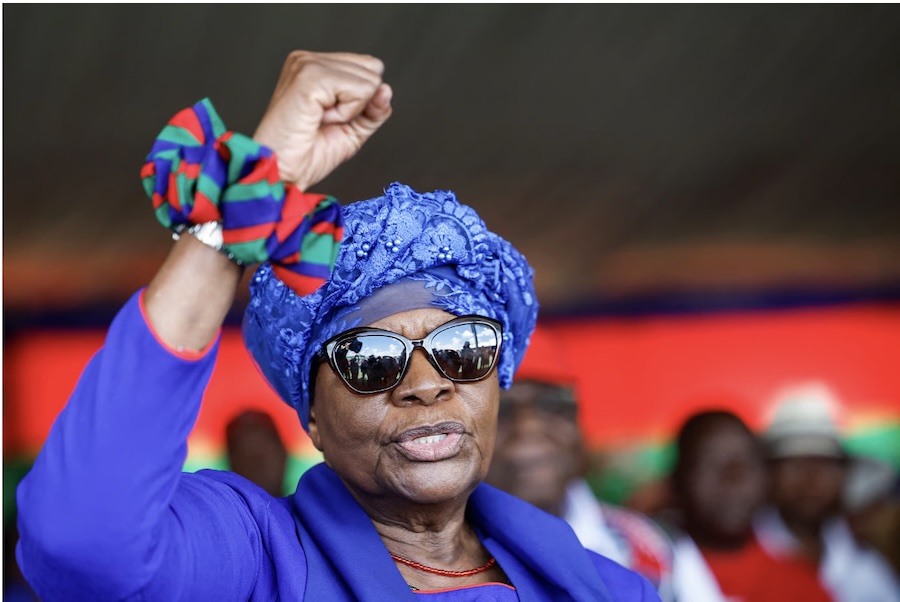
Beauty pageants in Burkina Faso have come to a halt. On Monday, June 8, the Ministry of Culture announced the suspension of all such competitions pending a review of how they are managed. Authorities cite the need to uphold national cultural values ​​and to align these events with the ideals of the popular progressive revolution.


Noélie Congo Salouka, Director General of Culture and Arts for Burkina Faso. © Facebook/Ministry of Communication, Culture, Arts and Tourism of Burkina Faso

Beauty queens and pageant contestants will no longer appear on stage in Burkina Faso until further notice. The authorities’ goal is to preserve “Burkinabe cultural identity” and “ensure respect for moral values.”

(Article continued in right column)

(click here for the original article in French.)

Question related to this article:

Protecting women and girls against violence, Is progress being made?

The new military governments in Africa: Are they promoting a culture of peace?

(Article continued from left column)

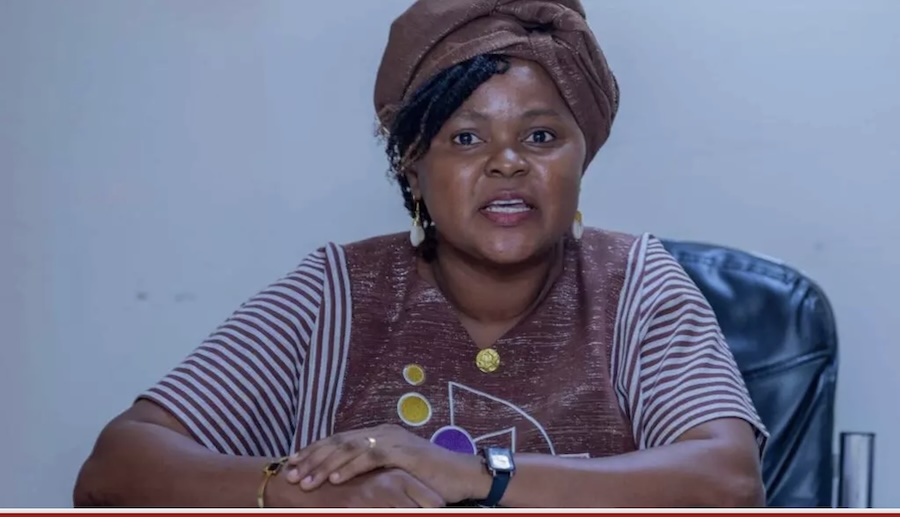
In her statement, Noélie Congo Salouka, Director General of Culture and Arts, explains that this pause is intended to allow for a review of the regulatory framework governing these events, with the aim of imposing stricter controls on their organization. In the meantime, no further permits will be issued.

Criticism

However, within the events sector, the decision came as no surprise. In recent months, beauty pageants had drawn increasing criticism, with some members of the public faulting them for focusing solely on the physical appearance of young women. Sponsors had also become scarcer, putting organizers in financial difficulty.

The fact remains that this suspension threatens to destabilize an entire economic ecosystem: communication agencies, stylists, fashion designers, artists, and performance venues will all be affected while the authorities define a new framework for these competitions.

– – – – – –

If you wish to make a comment on this article, you may write to coordinator@cpnn-world.org with the title “Comment on (name of article)” and we will put your comment on line. Because of the flood of spam, we have discontinued the direct application of comments.
African Youth Advancing the Sustainable Development Goals and AU Agenda 2063: From Dialogue to Action

. . SUSTAINABLE DEVELOPMENT . .

Special to CPNN from Winner Ogogo

“Beyond the borders that separate us lies a shared purpose, to build an Africa that is peaceful, inclusive, innovative, and driven by the potential of its young people.”

This vision came alive at the 6th African Youth SDGs Summit, held in Accra, Ghana, from 23–25 July 2026, where young leaders, policymakers, innovators, and development practitioners from across the continent gathered to advance conversations on sustainable development and the aspirations of the African Union’s Agenda 2063.

The summit reinforced an important reality: Africa’s youth are not merely beneficiaries of development, they are active contributors, innovators, and leaders driving solutions within their communities.

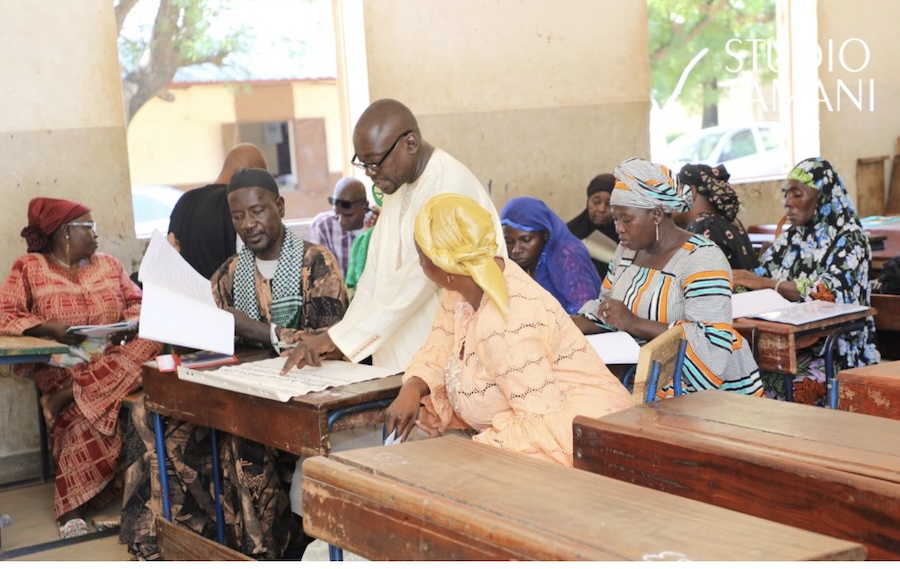
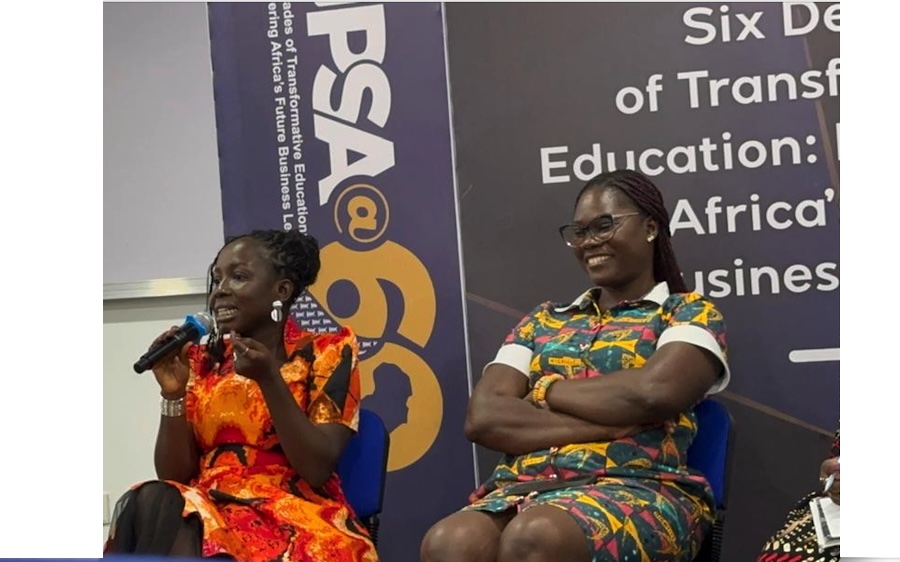
Among the voices contributing to these continental conversations was Winner Ogogo, a Nigerian peacebuilder, communication specialist, and Founder of the Humanitarian Advocacy Peace and Education Initiative (HAPEI). As a panel speaker, she joined fellow leaders in the session, “Breaking Barriers: Unlocking the Full Potential of Women and Marginalized Voices,” where discussions centered on creating inclusive systems that enable women and marginalized communities to fully participate in Africa’s development.

Drawing from her experience in grassroots peacebuilding and youth empowerment, Winner emphasized that sustainable development cannot be achieved without intentional inclusion.

Every voice counts

“When every voice counts, every solution becomes stronger. True inclusion goes beyond representation, it requires creating opportunities for meaningful participation and shared leadership.”

(article continued in right column)

(Click here for an article on this subject in French.)

Question for this article:

Can the African Union help bring a culture of peace to Africa?

(article continued from left column)

She further stressed that if Africa is truly committed to the promise of leaving no one behind, then governments, institutions, civil society organizations, and development partners must move beyond symbolic participation. Young people, women, persons with disabilities, indigenous communities, rural populations, and other underrepresented groups must be recognized as partners in shaping policies, designing programmes, and making decisions that directly affect their lives.

The panel highlighted that empowering women and marginalized communities is not solely a matter of social justice; it is a strategic investment in Africa’s peace, economic growth, innovation, and sustainable development. Inclusive societies are more resilient, more prosperous, and better positioned to address the complex challenges facing the continent.

For lasting change

Reflecting on the discussions, Winner concluded:

“Lasting change happens when we move beyond consultation to genuine collaboration, where communities are not merely beneficiaries of development but co-creators of the future we seek to build.”

Beyond the formal sessions, the summit fostered collaboration among delegates from across Africa, creating opportunities for cross-border partnerships, cultural exchange, and shared learning. These interactions reflected the spirit of Pan-Africanism envisioned in Agenda 2063 – an Africa driven by its people, where collaboration, innovation, and unity become the foundation for sustainable progress.

As Africa accelerates efforts toward achieving the Sustainable Development Goals and realizing the aspirations of Agenda 2063, one message emerged clearly from the summit: the continent’s greatest resource is its people, particularly its young people. Investing in youth leadership, promoting gender equality, and ensuring inclusive participation are no longer optional, they are essential for building the peaceful, prosperous, and inclusive Africa we all envision.

The future of Africa will not be shaped by aspirations alone. It will be shaped by young people who are willing to lead, collaborate, and transform ideas into action, one community, one partnership, and one solution at a time.

– – – – – –

If you wish to make a comment on this article, you may write to coordinator@cpnn-world.org with the title “Comment on (name of article)” and we will put your comment on line. Because of the flood of spam, we have discontinued the direct application of comments.
The China–Gulf axis is reshaping renewable energy in the Global South

.. SUSTAINABLE DEVELOPMENT ..

An article by Safa Joudeh in the East Asia Forum (reprinted according to Creative Commons Attribution-NonCommercial-NoDerivs 4.0 International

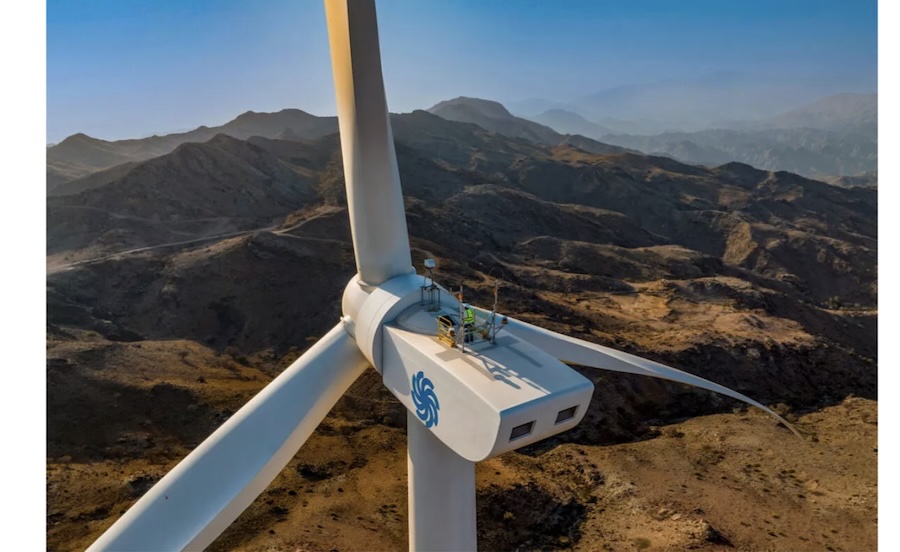
The United Arab Emirates and China are jointly delivering utility-scale wind and solar projects, with the former providing diplomatic access and financial firepower and the latter delivering the technology and construction.

In late 2025, the UAE-based company Global South Utilities launched 50-megawatt solar projects in the Central African Republic and Madagascar with Chinese firms supplying core technology. In early 2026, UAE state-owned renewable energy giant Masdar signed an agreement to build and operate the 300-megawatt Guzar Solar and Battery Energy Storage Project in Uzbekistan, again using Chinese photovoltaic modules and battery storage systems.


From Argentina to Costa Rica and Chile, Masdar is looking to replicate this model through partnerships with Latin American state-run energy projects, with China serving as the critical enabler anchoring supply chains, co-financing deals and deploying infrastructure at scale.

This pattern of China–UAE cooperation is likely to accelerate as global energy markets remain volatile following the US–Israeli war on Iran. Governments across the Global South are seeking to diversify into renewable energy sources, creating new market opportunities for emerging players. While this pattern first emerged due to energy disruptions in the wake of the pandemic, increased volatility in global energy markets in the wake of the US–Israeli war on Iran promises to further accelerate this trend

The China–UAE renewable energy axis is more than a commercial partnership. It is a convergence of state-capitalist models that is reshaping energy transitions in the Global South. By jointly expanding their global energy engagements, China and the UAE are systematically extending their strategic and commercial footprints in global energy markets, and in doing so ushering in an increasingly multipolar global energy order.

Fossil fuels still supply nearly 60 per cent of global electricity generation, with nuclear accounting for 9 per cent and renewables around one third. But the balance is beginning to shift, as renewables now drive nearly three-quarters of the year-on-year growth in electricity generation — even as fossil-fuel output continues to rise.

The drivers are largely economic. Hybrid solar and wind systems combined with battery storage can now deliver electricity at costs competitive with coal and gas. With financing and infrastructure support, green transitions are not only viable but financially rational.

Geopolitical shocks have strengthened this shift, beginning with the disruption to global oil and gas markets following international sanctions on Russia after its invasion of Ukraine in 2022. The closure of the Strait of Hormuz, which supplies 80 per cent of crude oil and 90 per cent of liquefied natural gas bound for Asian markets, has triggered a severe oil supply shock.

(Continued in right column)

Question for this article:

Are we making progress in renewable energy?

(Continued from left column)

Policy responses have been contradictory. Some governments have sought to ensure fossil fuel accessibility by ramping up coal output and reinstating energy subsidies. But the crisis has also accelerated a longer-term reorientation. India is fast-tracking its wind and solar pipelines alongside emergency coal measures, while Indonesia has ordered 100 gigawatts of solar capacity and is targeting full vehicle electrification. The Philippines has also fast-tracked 1.5 gigawatts of renewable projects to secure domestic power delivery.

Against this backdrop, Chinese and Gulf companies, primarily from Saudi Arabia and the UAE, are positioned to supply renewable energy infrastructure. As the world’s largest green technology producer, China already holds a structural advantage. It controls 80–90 per cent of global solar photovoltaic manufacturing capacity while Chinese firms account for 78 per cent of the global wind turbine market. Chinese firms are also dominant in lithium-ion battery production and the processing of rare earth elements and critical minerals.

A decade of state-backed investment has driven solar photovoltaic and battery production costs down by 90 per cent, eroding the market share of Western companies like Vestas and Siemens and making Chinese firms dominant global suppliers of reliable, low-cost energy technologies.

But rising trade barriers in the West and parts of Asia, along with geopolitical tensions, have curtailed Chinese firms’ role as developers. China is responding by pivoting from developer to enabler, partnering with Gulf entities like Masdar, AMEA Power and Saudi Arabia’s Acwa to finance and develop projects that deploy Chinese technology.

The logic of the alliance is straightforward. Gulf sovereign wealth-backed developers collaborate with Chinese suppliers and contractors to construct renewable energy facilities. Gulf companies originate, design and manage projects, using diplomatic relationships to win concessions and secure financing. Chinese entities remain involved as suppliers and engineering, procurement and construction contractors. As structural demand surges in markets where the China–Gulf axis is active, these actors are positioned as the most competitive bidders for tenders across Asia, Africa and Latin America.

Masdar’s state backing gives it an exceptionally low cost of capital, enabling it to bid the lowest electricity tariffs seen in any emerging market and win government tenders across Asia, including in Uzbekistan and Indonesia. It has also set a record low solar tariff in Africa through a joint venture in Cote d’Ivoire.

Masdar relies on Chinese suppliers and contractors to win competitive tenders while bypassing Western manufacturers. The result is deeper entrenchment of Chinese technology and supply chains across Global South energy infrastructure.

The China–Gulf axis is reshaping who builds and finances renewable energy in the Global South. More importantly, it is also influencing where projects are built, on what political terms and within whose geostrategic orbit countries access and govern their energy future.

The International Energy Agency projects global renewable electricity capacity will expand by thousands of gigawatts by 2030, with global state-backed utilities positioned to dominate this landscape. The emerging risk is that the energy transition, conceived as an ecological project, is being consolidated into a new model of capital accumulation and infrastructure dependency, with a new set of state-backed green utility managers at its centre.

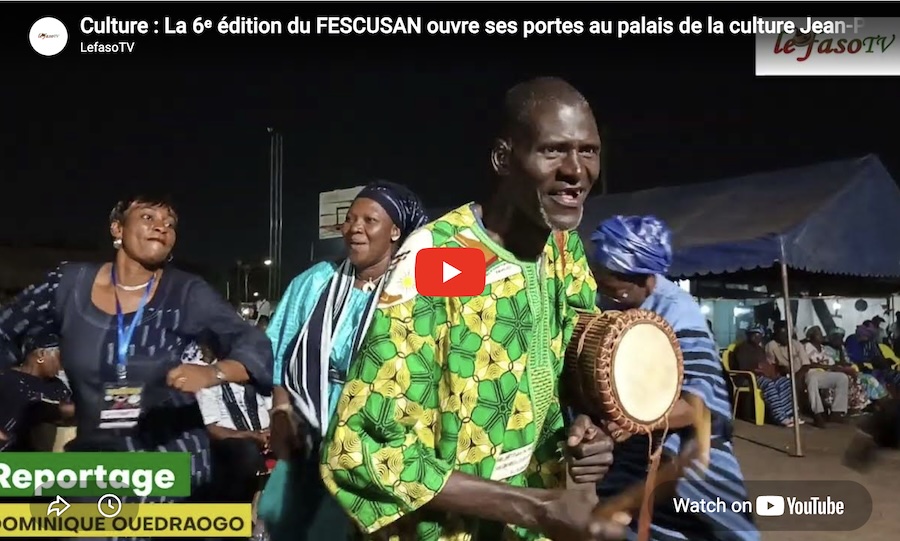
Burkina Faso/Culture: The 6th edition of FESCUSAN opens its doors at the Jean-Pierre Guingané Cultural Center

. . DEMOCRATIC PARTICIPATION . .

An article in Le Faso

The 6th edition of the San Culture Festival (FESCUSAN) officially opened on Thursday, May 28, 2026, in Ouagadougou. Scheduled to run until May 31 at the Jean-Pierre Guingané Cultural Center, the event highlights the cultural, artistic, and gastronomic values ​​of the San people.

Under the theme “Culture: A Factor of Peace and Unity in a Multiethnic Burkina Faso,” this edition brings together the sons and daughters of the San community to promote their rich cultural heritage within a context of social cohesion and… Living together. The Dafing (Marka) community is the guest of honor at this 6th edition.


Video

For four days, several cultural activities will punctuate the festival. Visitors will be able to discover traditional dances and songs, visit a craft exhibition, and also explore San cuisine, which will be featured throughout the event.

The organizers invite the people of Ouagadougou to come to the Jean-Pierre Guingané Cultural Center to discover the cultural specificities of the San people and share moments of fraternity around traditional Burkinabè values.

The festival’s promoter, who is also the president of the organizing committee, Urbain Toé, emphasized that this San cultural festival is not just a festive event but a place of remembrance, education, appreciation, and transmission. “At a time when the challenges of globalization threaten cultural homogeneity, it is our duty to preserve what our ancestors have given us.” “Our most precious legacy is our cultural identity,” he emphasized. According to him, the festival aims to showcase San culture in all its forms: language, traditional dances and music, crafts and weaving, gastronomy, and many other forms of knowledge.

Representing the Minister of Culture at the opening ceremony, Marguerite Douanio praised the festival’s importance in safeguarding and transmitting national cultural heritage. “The San people, through their language, social organization, and artistic and spiritual practices, have built an invaluable cultural heritage over centuries. FESCUSAN, now in its 6th edition, is a precious opportunity to revisit this wealth, revive it, share it, and above all, pass it on to younger generations. Through traditional dances and songs, masks, craft exhibitions, and local cuisine, this festival highlights everything that makes our heritage so grand and unique.” “This festival is a cultural event,” emphasized the representative of the Minister of Culture.

(article continued in right column)

(Click here for the French version of this article)

Question related to this article:


Can festivals help create peace at the community level?

(article continued from left column)

For her, this festival is also a platform for dialogue between the past and the present, between tradition and modernity, and between generations. “In a global context marked by globalization, it is imperative for each people to strengthen its cultural identity so as not to dissolve into a uniform mold. This festival therefore constitutes a strong and resolute response to this challenge of our time. I would like to emphasize here that culture is not a heritage frozen in the past. It is dynamic, evolving, and alive. It is also a factor in economic, social, and even political development. Cultural and creative industries offer opportunities for employment, income, and exchange. Traditional crafts, gastronomy, and musical instruments are export products and drivers of innovation.

That is why I am calling on young people: embrace your culture. Do not see it as mere folklore, but as a solid foundation upon which to build an authentic and prosperous future. Be proud of your heritage.” “Origins, names, languages, rites, and traditions. Progress does not mean abandoning oneself, but rather valuing who we are in harmony with others,” stated Ms. Douanio.

According to the sponsors’ representative, Mathieu Boro, the San community, through this festival, demonstrates once again its immense cultural richness, its resilience, and above all, its commitment to preserving, promoting, and transmitting its cultural identity to present and future generations. “In an increasingly globalized world, where cultures tend to become more uniform, it is imperative for each community to reclaim its roots, strengthen its sense of identity, and defend its tangible and intangible heritage.

This festival is therefore not just a simple celebration. It is an act of remembrance, an act of transmission.”

It is also a space for dialogue between generations, a bridge between the glorious past, the dynamic present, and the future we hope will be rich in values. These values ​​are not just words. They are at the heart of our traditional conflict management mechanisms. Before modern institutions were established, it was our traditional chiefs, our elders, our griots, our blacksmiths, who worked every day to maintain social peace, reconcile families, and prevent violence,” Mr. Boro explained.

For Céline Zina Bayé, representative of the Dafing community (Marka), true peace is not decreed solely through political agreements. Rather, it is built, step by step, in hearts and minds, through education, mutual respect, listening, and dialogue. “This is where culture plays an irreplaceable role.” Through music, dance, storytelling, proverbs, and traditional ceremonies, San culture teaches solidarity, justice, conviviality, and respect for others. Yes, peace can emerge from culture when it is used as a lever for inclusion, sharing, and unity. And this is how we will move from peace through culture to a true culture of peace. This requires a profound paradigm shift: considering culture not as a luxury or a distraction, but as a pillar of development, a tool for resilience, and a gentle weapon against violence and intolerance,” she noted. She concluded by thanking the organizers for the honor bestowed upon their community with this edition.

Through this cultural initiative, the festival organizers intend to contribute to strengthening national unity and promoting cultural diversity in Burkina Faso.

– – – – – –

If you wish to make a comment on this article, you may write to coordinator@cpnn-world.org with the title “Comment on (name of article)” and we will put your comment on line. Because of the flood of spam, we have discontinued the direct application of comments.
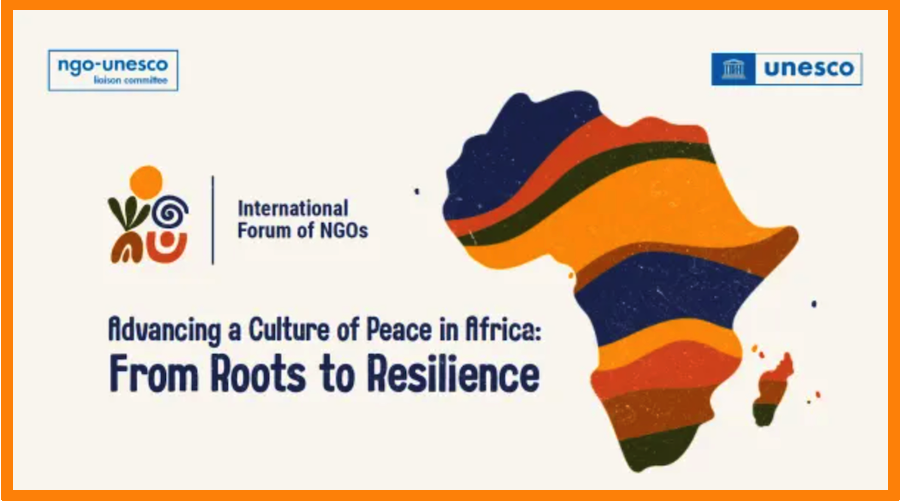
UNESCO International Forum of NGOs: Advancing a Culture of Peace in Africa

FREE FLOW OF INFORMATION

An announcement from UNESCO

UNESCO Headquarters, Paris | 19, 21 and 22 May 2026
Held in the framework of Africa Week 2026, the International Forum of NGOs will bring together representatives of Member States, the African Union, civil society, youth and UNESCO partners to advance dialogue and cooperation on building a Culture of Peace in Africa. The Forum will feature a high-level opening panel, thematic discussions and exchanges highlighting the role of civil society in advancing inclusive, peaceful and resilient societies, including through youth engagement, education, water cooperation, culture, inclusion and community-based approaches to social cohesion across the continent.

Excerpts from the Forum programme

Day 1 Tuesday, 19 May 2026

Official Opening

Remarks by Ms Åsa Regnér, Deputy Director-General of UNESCO

Remarks by Ms Svetlomira Stoyanova, Chairperson NGO-UNESCO Liaison Committee

Master of Ceremony: Mr Davide Grosso, NGO-UNESCO Liaison Committee

High-Level Panel: “Building a Culture of Peace in Africa – Lessons from the Past, Realities of the Present, Visions for the Future”

Moderator: Mr Julien Pellaux, Director of UNESCO’s Division for Partnerships

(Participants from UNESCO headquarters)

Question related to this article:

Will UNESCO once again play a role in the culture of peace?

Day 2 Thursday, 21 May 2026 (

Building Blocks of Peace: Water, Education and Youth

Introduction of the Forum by the NGO Forum co-chairs:

Session 1: “Water as a Catalyst for Cooperation: From Scarcity to Shared Security”

Moderator: Ms Svetlomira Stoyanova, Chairperson NGO-UNESCO Liaison Committee

(Videos presentations from South Africa and Algeria)

(Panel with participants from UNESCO headquarters and Zimbabwe)

Session 2: “Reimagining Education Systems as Engines of Peace”

Moderator: Ms Nisrine Ibn Abdeljalil (Morocco), Executive Director of the Moroccan Fondation for PreSchool (FMPS)

(Panel with participants from UNESCO headquarters, Togo, Kenya, Burundi and Senegal)

Session 3: “Youth as Co-Architects of Peace and Stability”

Moderator: Ms Melissa Mejía Flórez (Colombia), New Humanity, Communications Coordinator and Strategic Advisor

(Panel with participants from Brazil, Italy, DR Congo, Cameroon, Tanzania, France, Colombia and USA)

Day 3 Friday, 22 May 2026

Culture, Inclusion & Community-Based Peacebuilding

Session 4: “Fostering a Culture of Peace within Communities”

Moderator: Mr Davide Grosso, International Music Council, NGO-UNESCO Liaison Committee

(Panel with participants from Zimbabwe, African Union, Nigeria, Zimbabwe, Cameroon, South Africa and Togo.

Closing session

– – – – – –

If you wish to make a comment on this article, you may write to coordinator@cpnn-world.org with the title “Comment on (name of article)” and we will put your comment on line. Because of the flood of spam, we have discontinued the direct application of comments.
Burkina Faso: An inter-institutional cultural day to celebrate social cohesion 

. TOLERANCE & SOLIDARITY .

An article from the News Agency of Burkina Faso

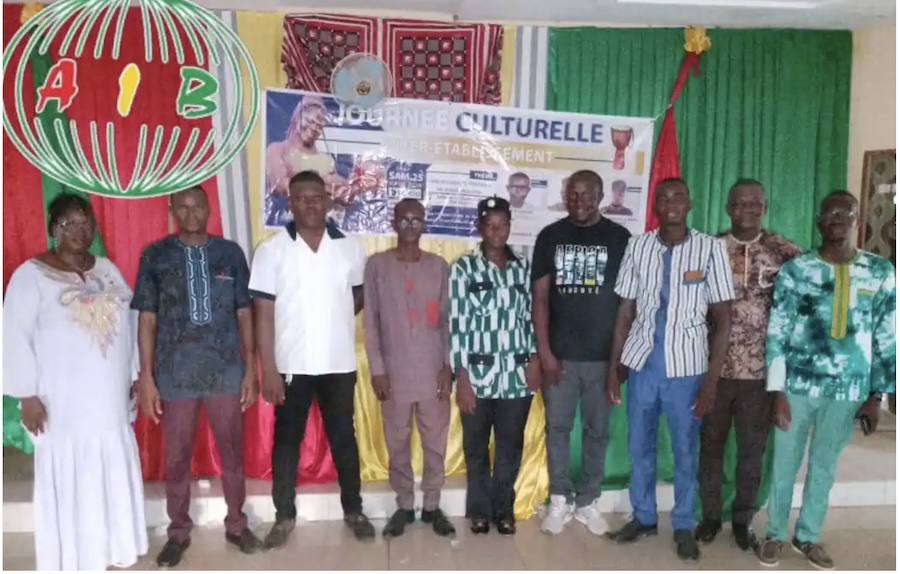
The youth of the commune of Kokologho celebrated, on Saturday, April 25, an inter-institutional cultural day under the banner of social cohesion. 
 
Organised around the theme “Responsible Youth, a Better Future”, this cultural immersion mobilized local, customary and school authorities in the town’s conference room.

The initiative, led by local educational stakeholders, has a clear objective: to strengthen resilience and cohesion among the people of Kokologho, the teaching staff, and the students. Beyond simply fostering interaction, it aims to stimulate civic engagement and solidarity among young people to build a peaceful future.

(Click here for the article in French.)

(continued in right column)

Question related to this article:
 
Youth initiatives for a culture of peace, How can we ensure they get the attention and funding they deserve?

(continued from left column)

The President of the Special Delegation (PDS) of Kokologho, guest of honor at the ceremony, expressed his satisfaction with the turnout. He commended the students’ creativity and the relevance of this initiative, which promotes community spirit in a context where unity is paramount.

For the event’s patron, His Majesty Naaba Sigri, this day is a lever for safeguarding local identity.

“This is a great joy for me. I commend the leaders who took this initiative to bring together students and the entire population for the preservation of culture. I ask the authorities to support these young people in their mission to promote academic excellence and solidarity,” he pleaded.
 
Echoing this sentiment, co-sponsor Cheick Abdoul Karim Sawadogo expressed his admiration for the youth’s enthusiasm. He stated that this strong mobilization for culture sends a powerful message in favor of tolerance and a culture of peace within the community.
 
The day was marked by various artistic performances, illustrating the richness of the cultural heritage of the Boulkiemdé province, under the benevolent gaze of religious and traditional leaders.

– – – – – –

If you wish to make a comment on this article, you may write to coordinator@cpnn-world.org with the title “Comment on United Nations Alliance of Civilizations” and we will put your comment on line. Because of the flood of spam, we have discontinued the direct application of comments.
Ouagadougou, Burkina Faso: Muslims and Christians United in a Collective Iftar for Peace

. TOLERANCE & SOLIDARITY .

An article from Burkina24 (translation by CPNN)

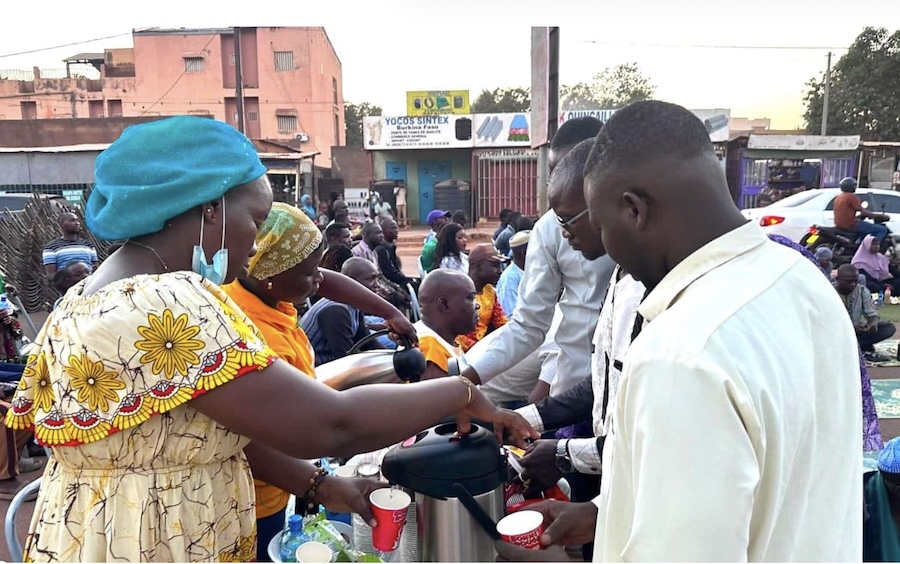
In Ouagadougou, interfaith fraternity was expressed around a shared table. On Friday, March 13, 2026, the Movement for a Culture of Peace and Love of the Homeland (MPAP), in collaboration with the Cheick Moaze Foundation for Social Cohesion, Peace, and Charity, organized a collective iftar bringing together Muslims, Christians, and members of other faiths.

This collective breaking of the fast of Ramadan is part of the “Stop Xtrem” project, a civic initiative aimed at preventing religious extremism and the violence that stems from it. Through this initiative, the organizers also hope to encourage dialogue between different faiths and promote a culture of tolerance and mutual respect.

According to them, fostering such opportunities for interaction helps to strengthen social cohesion and reinforce bonds of solidarity among the various segments of Burkinabè society.

The president of the Movement for a Culture of Peace and Love of the Homeland (MPAP), Paul Marie Zoma, expressed his satisfaction with the turnout during this spiritual period marked by both Ramadan for Muslims and Lent for Christians.

He stated that these two periods remind us of shared values ​​such as self-control, humility, forgiveness, generosity, and love of one’s neighbor.

(continued in right column)

(Click here for a French version of this article.)

Question related to this article:
 
How can different faiths work together for understanding and harmony?

(continued from left column)

“Our country has always been recognized for the quality of its interfaith coexistence.” This wealth must be preserved and strengthened. By sharing this moment, we send a message of hope, that of a united Burkina Faso, in solidarity and resolutely committed to the path of peace,” he affirmed.

Present at the ceremony, religious leader Cheikh Moaze also praised the initiative, which he considers a powerful symbol of fraternity. According to him, every believer must learn to accept others with respect and fairness. He reminded everyone that the Quran teaches Muslims to be just and benevolent towards all, including non-Muslims.

“We must learn to accept one another and respect our differences. We must break down the barriers between the children of Adam and Eve, for only God can judge His children,” he declared. From the Catholic Church, Paul Tiendrébeogo, president of the parish committee for interreligious dialogue, also welcomed this initiative, which promotes fraternity among believers. According to him, Ramadan and Lent are periods of purification and drawing closer to God.

“By sharing this moment of breaking the fast, we affirm together that peace begins with simple gestures: meeting, talking, sharing, and respecting one another. This is how we build a society founded on solidarity, fraternity, and love of country,” he declared.
Representing the Presidency of Burkina Faso, Dr. Samuel Kalkumdo, Minister-Advisor to the President, emphasized the fundamental unity of the Burkinabè people. According to him, beyond religious or ethnic affiliations, all must consider themselves members of the same nation.

“We are all sons and daughters of Burkina Faso,” he affirmed, praising the foresight of Captain Ibrahim Traoré and calling on the Burkinabè people to remain united behind him to build a strong and cohesive nation in the face of current challenges. The meeting was also attended by several traditional and religious leaders as well as civil authorities.

– – – – – –

If you wish to make a comment on this article, you may write to coordinator@cpnn-world.org with the title “Comment on (name of article)” and we will put your comment on line. Because of the flood of spam, we have discontinued the direct application of comments.

International Women’s Day: Africa

. WOMEN’S EQUALITY . .

A press survey by CPNN

Here are the results from Africa

AFRICAN UNION


The African Union Commission (AUC), through its Women, Gender and Youth Directorate (WGYD), commemorated the International Women’s Day 2026, under the theme “Honouring Women of the African Union: Voices, Work and Community,” recognising the diverse contributions of women across all levels of the institution. The celebration, held at the AU headquarters in Addis Ababa, highlighted the vital roles women play in sustaining the Union’s work.

BENIN


Benin authorities officially launched the activities of the 31st edition of International Women’s Day in Cotonou, in the presence of the Vice-President of the Republic, Mariam Chabi Talata.

BURKINA FASO


On the occasion of International Women’s Day, celebrated on Sunday, March 8, 2026, the President of Faso, Captain Ibrahim Traoré, addressed Burkinabe women via national television, outlining a concrete roadmap for their total emancipation.

ETHIOPIA


Ethiopian Airlines Group, the largest airline group in Africa, marked International Women’s Day with all women functioned flights to eight destinations, highlighting the airline’s 8 decades in service. Ethiopian celebrated the occasion and announced the launch of the flights at a grand event held on the evening of 07 March 2026 at Ethiopian Skylight Hotel, attended by government officials, the airline’s executives, women leaders, and women employees representing Ethiopian Airlines’ workforce and partner organizations. The all women functioned flights are operated to Cairo, Djibouti, Nairobi, Frankfurt, Accra, Mumbai, Windhoek, and Dire Dawa.

KENYA


International Women’s Day 2026 saw Kenya’s digital space transformed into a gallery of appreciation. From high-profile socialites to gospel icons and content creators, the nation’s celebrities took a break from their usual programming to honour the women who anchor their worlds. While the global theme focused on “Rights and Justice,” the Kenyan scene was deeply personal, highlighting the roles of mothers, daughters, and partners in the lives of the famous.

MALI


Celebration of International Women’s Day in Bandiagara, Mali. It was presided by the Prime Minister, Abdoulaye Maïga.

Question related to this article:
 
International Women’s Day

MOAZAMBIQUE


Former Mozambique first lady and Graca Machel Trust founder Graca Machel speaking during the International Women’s Day celebrations in Maputo Mozambique on March 9th 2026.
(Editor’s note: she organized the women’s movement of that country before going to South Africa to marry Nelson Mandela.)

NIGER


The Minister of Population, Social Action and National Solidarity, Ms. Sidikou Ramatou Djermakoye Seyni, presided over the launch ceremony of the 2026 International Women’s Day on Sunday, March 8, 2026, under the national theme: protection of the rights of women and girls in a context of refounding as a guarantee of lasting peace.

NIGERIA


Hundreds of women across Kosofe Federal Constituency in Lagos State on Sunday marked the 2026 International Women’s Day (IWD) with a solidarity walk from Maryland to Kosofe, celebrating women’s strength, unity, and achievements.

RWANDA


Rwanda celebrates International Women’s Day with walk and run in Kigali Rwanda, home to the world’s highest share of women in parliament.

SENEGAL


International Women’s Day celebrated by the APR women’s movement, linked to the political party of the President.

– – – – – –

If you wish to make a comment on this article, you may write to coordinator@cpnn-world.org with the title “Comment on (name of article)” and we will put your comment on line. Because of the flood of spam, we have discontinued the direct application of comments.

African Union: Our Aspirations for the Africa We Want

. . SUSTAINABLE DEVELOPMENT . .

An article from the African Union

Agenda 2063 seeks to deliver on a set of Seven Aspirations each with its own set of goals which if achieved will move Africa closer to achieving its vision for the year 2063. These 7 Aspirations reflect our desire for shared prosperity and well-being, for unity and integration, for a continent of free citizens and expanded horizons, where the full potential of women and youth are realised, and with freedom from fear, disease and want.

Aspiration 1: A prosperous Africa based on inclusive growth and sustainable development

We are determined to eradicate poverty in one generation and build shared prosperity through social and economic transformation of the continent.

Goals:

1. A high standard of living, quality of life and well-being for all

°ending poverty, inequalities of income and opportunity; job creation, especially addressing youth unemployment; facing up to the challenges of rapid population growth and urbanization, improvement of habitats and access to basic necessities of life – water, sanitation, electricity; providing social security and protection;

2. Well educated citizens and skills revolutions underpinned by science, technology and innovation

° developing Africa’s human and social capital (through an education and skills revolution emphasizing science and technology)

3. Healthy and well-nourished citizens

° expanding access to quality health care services, particularly for women and girls;

4. Transformed economies and jobs

° transforming Africa’s economies through beneficiation from Africa’s natural resources, manufacturing, industrialization and value addition, as well as raising productivity and competitiveness

5. Modern agriculture for increased proactivity and production

° radically transforming African agriculture to enable the continent to feed itself and be a major player as a net food exporter;

6. Blue/Ocean Economy for accelerated economic growth

° exploiting the vast potential of Africa’s blue/ocean economy;

7. Environmentally sustainable climate and resilient economies and communities

°putting in place measures to sustainably manage the continent’s rich biodiversity, forests, land and waters and using mainly adaptive measures to address climate change risks

Aspiration 2: An integrated continent, politically united and based on the ideals of Pan-Africanism and the vision of Africa’s Renaissance

Since 1963, the quest for African Unity has been inspired by the spirit of Pan Africanism, focusing on liberation, and political and economic independence. It is motivated by development based on self-reliance and self-determination of African people, with democratic and people-centred governance.

Goals:

1. United Africa (Federal/Confederate)

accelerating progress towards continental unity and ° integration for sustained growth, trade, exchanges of goods, services, free movement of people and capital through establishing a United Africa and fast tracking economic integration through the of the CFTA

2. World class infrastructure criss-crosses Africa

° improving connectivity through newer and bolder initiatives to link the continent by rail, road, sea and air; and developing regional and continental power pools, as well as ICT

3. Decolonisation

° remnants of colonialism will have ended and all African territories under occupation fully liberated. We shall take measures to expeditiously end the unlawful occupation of the Chagos Archipelago, the Comorian Island of Mayotte and affirming the right to self-determination of the people of Western Sahara.

Aspiration 3: An Africa of good governance, democracy, respect for human rights, justice and the rule of law

An Africa of good governance, democracy, respect for human rights, justice and the rule of law.

(article continued in right column)

(Click here for an article on this subject in French.)

Question for this article:

Can the African Union help bring a culture of peace to Africa?

(article continued from left column)

Africa shall have a universal culture of good governance, democratic values, gender equality, and respect for human rights, justice and the rule of law.

Goals:

1. Democratic values, practices, universal principles for human rights, justice and rule of law entrenched

° consolidating democratic gains and improving the quality of governance, respect for human rights and the rule of law;

2. Capable institutions and transformed leadership in place at all levels

° building strong institutions for a development state; and facilitating the emergence of development-oriented and visionary leadership in all spheres and at all levels.

Aspiration 4: A peaceful and secure Africa

Mechanisms for peaceful prevention and resolution of conflicts will be functional at all levels. As a first step, dialogue-centred conflict prevention and resolution will be actively promoted in such a way that by 2020 all guns will be silent. A culture of peace and tolerance shall be nurtured in Africa’s children and youth through peace education.

Goals:

1. Peace security and stability is preserved

° strengthening governance, accountability and transparency as a foundation for a peaceful Africa;

2. A stable and peaceful Africa

° strengthening mechanisms for securing peace and reconciliation at all levels, as well as addressing emerging threats to Africa’s peace and security

3. A fully functional and operational APSA

° putting in place strategies for the continent to finance her security needs.

Aspiration 5: An Africa with a strong cultural identity, common heritage, shared values and ethics

Pan-Africanism and the common history, destiny, identity, heritage, respect for religious diversity and consciousness of African people’s and her diaspora’s will be entrenched.

Goal:

1. Africa cultural renaissance is pre-eminent

° inculcating the spirit of Pan Africanism; tapping Africa’s rich heritage and culture to ensure that the creative arts are major contributors to Africa’s growth and transformation; and restoring and preserving Africa’s cultural heritage, including its languages.

Aspiration 6: An Africa, whose development is people-driven, relying on the potential of African people, especially its women and youth, and caring for children.

All the citizens of Africa will be actively involved in decision making in all aspects. Africa shall be an inclusive continent where no child, woman or man will be left behind or excluded, on the basis of gender, political affiliation, religion, ethnic affiliation, locality, age or other factors.

Goals:

1. Full gender equality in all spheres of life

° strengthening the role of Africa’s women through ensuring gender equality and parity in all spheres of life (political, economic and social); eliminating all forms of discrimination and violence against women and girls;

2. Engaged and empowered youth and children

° creating opportunities for Africa’s youth for self-realisation, access to health, education and jobs; ensuring safety and security for Africa’s children, and providing for early childhood development.

Aspiration 7: Africa as a strong, united, resilient and influential global player and partner. 

Africa shall be a strong, united, resilient, peaceful and influential global player and partner with a significant role in world affairs. We affirm the importance of African unity and solidarity in the face of continued external interference including, attempts to divide the continent and undue pressures and sanctions on some countries.

Goals:

1. Africa as a major partner in global affairs and peaceful co-existence

° improving Africa’s place in the global governance system (UN Security Council, financial institutions, global commons such as outer space);

2. Africa takes full responsibility for financing her development 

° improving Africa’s partnerships and refocusing them more strategically to respond to African priorities for growth and transformation; and ensuring that the continent has the right strategies to finance its own development and reducing aid dependency.

– – – – – –

If you wish to make a comment on this article, you may write to coordinator@cpnn-world.org with the title “Comment on (name of article)” and we will put your comment on line. Because of the flood of spam, we have discontinued the direct application of comments.

Tunis, Birth Place of the Name, ‘Africa’ hosts 6th Forum of Women, Peace and Security (WPS)

. WOMEN’S EQUALITY .

An article from the African Union

The African Union (AU) successfully convened the 6th High-Level Africa Forum on Women, Peace and Security (WPS) in Tunis, Tunisia. The Forum was held under the theme: “25 Years of UNSCR 1325: Leveraging Multilateral Diplomacy to Reinforce Africa’s Women, Peace and Security Agenda in a Shifting Global Order.”

In his opening remarks, delivered via video message, H.E. Mahmoud Ali Youssouf, Chairperson of the African Union Commission, paid tribute to the women of Sudan, standing firm amid conflict; the women of the Great Lakes region, persevering in protracted crises; and the women of the Sahel, who sustain communities despite insecurity and displacement. He concluded by asserting: “Their resilience reminds us that women are central pillars of peace and stability.”

Chairperson Youssouf reaffirmed the Commission’s unwavering commitment to the progress of this agenda, pledging to work in close collaboration with Member States, Regional Economic Communities, civil society, and partners to ensure that “our collective commitments deliver meaningful and measurable impact for women and girls”. He underlined.

Looking ahead, the Chairperson of the Commission stressed that the collective focus must shift to accountability, financing, and women’s leadership. He noted that the confluence of the 16 Days of Activism, the G20 declaration, and the adoption of the AU Convention on Ending Violence Against Women and Girls (CEVAWG) provides powerful momentum. This momentum, he urged, must be translated into concrete action that strengthens protection systems, deepens women’s participation in decision-making, and ensures that peace and security processes across Africa are truly inclusive.

The AUC Chairperson’s Special Envoy on Women, Peace and Security, H.E. Amb. Liberata Mulamula, asserted that Africa’s strength is rooted in solidarity, multilateralism, and collective action. She called for a renewed commitment to operationalizing WPS obligations, cautioning against backsliding, and emphasizing the necessity of ensuring that women’s voices—from grassroots communities to national leadership—shape policy and drive implementation.

Ambassador Mulamula highlighted the urgent need for accelerated ratification of the AU Convention on Ending Violence Against Women and Girls (CEVAWG), noting that only seven countries have signed to date and stressing that rapid ratification remains essential. Ultimately, she conveyed the expectation that the Forum will produce transformative, forward-looking outcomes to guide the next decade of the WPS agenda (2025–2035), building on past achievements while decisively tackling emerging challenges.

H.E. Mohamed Ali Nafti, Minister of Foreign Affairs and Immigration of Tunisians Abroad, reaffirmed Tunisia’s strong commitment to solidarity and multilateral cooperation, rooted in the nation’s historic role in supporting peace and stability across the continent. He emphasized that since its independence, Tunisia has been a distinguished regional model in advancing women’s rights, notably through the pioneering 1956 Personal Status Code.

(Article continued in right column)

Questions for this article

Can the women of Africa lead the continent to peace?

(Article continued from left column)

This progress has been continually strengthened, culminating in the 2022 Constitution, which enshrined equality and led to the appointment of the first female Head of Government in the country and the region. Minister Nafti concluded by stressing the urgent need to ensure women’s full and active participation in peace processes, recognizing them not just as victims of conflict, but as essential partners in shaping and sustaining peace.

In her address, H.E Sahle-Work Zewde, Former President of the Federal Democratic Republic of Ethiopia, stated that conflict continues to disproportionately impact women, who bear the primary burden of displacement and insecurity. She called on Member States and partners to expose and dismantle the economic systems that fuel instability, urging them to redirect political and financial resources toward achieving sustainable peace and human security. She concluded by stressing the importance of amplifying the often-overlooked contributions of women who serve as “silent architects of peace.”

H.E. Joyce Banda, Former President of the Republic of Malawi, and Chair of the SADC Panel of the Wise AWLN Champion reminded the Forum that UNSCR 1325 was a milestone in bringing women into global peace processes. African women have never shied away from leadership, their voices remain essential.

Hon. Justice Emeritus Effie Owuor noted that patterns of conflict are evolving, marked by new pressures and the increasing use of digital spaces to perpetrate harm. She emphasized that despite challenges such as shrinking resources and narrowing democratic space, African women continue to play vital roles as community leaders, mediators, and defenders of human dignity.

She underscored that sustainable peace hinges on strong prevention mechanisms, effective early mediation support, and the meaningful participation of women in all peace processes. She called for an immediate end to decision-making about women but without women, stressing that policies disconnected from everyday realities cannot lead to lasting peace.

H.E. Ms. Nyaradzayi called for the full inclusion of women in peacebuilding, governance, and security negotiations across Africa, highlighting Tunisia’s leadership in the WPS agenda. She urged the protection and dedicated resourcing of women peacebuilders and emphasized the importance of training the next generation of African women leaders. UN Women reaffirmed its full support for the African Union and its Member States in implementing and monitoring all Women, Peace and Security commitments.

Ms. Grace Kabayo highlighted Tunisia’s historic role in supporting the Pan-African Women’s Organization (PAWO) and called for the revitalization of the women’s movement across the continent. She expressed solidarity with African nations facing crises (including Tanzania, South Sudan, Burundi, and the DRC) and urged early intervention to prevent further destabilization. Drawing on her own experience, Kabayo stressed the necessity of strong, inclusive leadership and warned against complacency in defending women leaders. She ultimately called for African women to unite, strengthen PAWO’s legacy, and advocate collectively for peace, human rights, and democratic governance.

H.E. Ms. Asma Jebri, Minister of Family, Women, Childhood, and Seniors of Tunisia, officially declared the 6th High-Level Forum open. As the host nation’s representative for these critical issues, she underscored that strengthening the leadership of women must be a central and non-negotiable continental priority. By formally inaugurating the event, the Minister emphasized Tunisia’s commitment to setting the tone for a decade of accelerated action and reinforced the nation’s dedication to the Women, Peace and Security agenda.

– – – – – –

If you wish to make a comment on this article, you may write to coordinator@cpnn-world.org with the title “Comment on (name of article)” and we will put your comment on line. Because of the flood of spam, we have discontinued the direct application of comments.