South Africa’s G20 Women’s Shutdown – a turning point for ending gender-based violence and femicide

. . WOMEN’S EQUALITY . .

An article from UN Women

On 21 November, just days before the 16 Days of Activism Against Gender-Based Violence, South African women brought their country to a standstill with a powerful message: declare gender-based violence and femicide a national disaster.

At the Union Buildings lawns in Pretoria, the seat of government, thousands of protesters dressed in black with touches of purple began gathering in the morning of 21 November. Their voices rose in traditional songs of struggle – “Senzeni na?” (What have we done to deserve this?) and “Zizaw’ujik’izinto” (Things will change) – before culminating in a powerful moment at midday, when protesters lay on the ground in silence, honouring the memory of women that are killed every day in South Africa, according to data cited by the national nonprofit organization, Women for Change.

G20 Women’s Shutdown: Over one million signatures push government to act on gender-based violence and femicide

The timing was deliberate. As world leaders converged in Johannesburg for the G20 Summit, led by Women for Change, protesters seized the global spotlight to demand urgent action on a crisis that claims women’s and girls’ lives with devastating regularity. The protest, dubbed ‘the G20 Women’s Shutdown’, called for women to stay home from work, refrain from spending money, observe 15 minutes of silence to honour the memory of victims of femicide, and make their demands impossible to ignore. The movement’s purple-themed social media campaign echoed far beyond South Africa’s borders, with supporters worldwide changing their profile pictures in solidarity.

“I came here not only because I’ve got people that I know who have been victims of femicide and gender-based violence, but because this is a crisis. We see women dying every day and we need our voices to be heard”, said 28-year-old Lebogang Ntsia, standing among thousands at the Union Buildings. “Just as women many years ago protested here (against apartheid laws) and showed up for the changes that we are privileged to experience today, we also need to be the generation that steps up.”

The statistics paint a grim picture. The First South African National Gender-based Violence Study, released in 2024 and co-supported by UN Women, revealed that more than 1 in 3 women – 35.8 per cent of South African women – have experienced physical and/or sexual violence in their lifetime. The protest’s impact rippled nationwide as educational institutions observed the 15-minute silence, some major retailers paused operations, and the coordinated action caught global headlines.

The Government of South Africa declares gender-based violence a national disaster

Responding to the outcry amplified by over one million petition signatures, the Government has declared gender-based violence and femicide a national disaster – a move that will unlock additional resources and policy focus, ensuring the issue receives urgent attention it demands.

Speaking at the G20 Social Summit, President Cyril Ramaphosa said, “We have agreed, among all social partners, that we need to take extraordinary and concerted action – using every means at our disposal – to end this crisis”. Ramaphosa also emphasized that men and boys must actively challenge the attitudes and structures that normalize violence against women and girls.

UN Women Representative in South Africa Aleta Miller highlighted the human cost of the crisis: “They are mothers, daughters, sisters, friends – whose lives have been cut short or forever changed. Ending gender-based violence and femicide requires nothing less than a comprehensive, all-of-society approach.”

(Article continued in right column)

Question related to this article:

Protecting women and girls against violence, Is progress being made?

What role should men play to stop violence against women?

(Article continued from left column)

Global South presidencies drive new momentum for gender equality at the G20

The protest occurred as three consecutive G20 presidencies from the Global South – India (2023), Brazil (2024), and South Africa (2025) – have brought fresh momentum to the forum’s gender equality agenda, each building on the other’s work to advance women’s economic empowerment and safety.

India’s 2023 presidency marked a watershed moment by reframing the narrative from ‘women’s empowerment’ to ‘women-led development,’ creating the Women’s Empowerment Working Group and elevating gender equality from engagement groups to formal G20 architecture. Brazil’s 2024 presidency moved this vision into action by hosting the first-ever meeting of the Working Group and positioning the care economy at the heart of its agenda.

South Africa’s 2025 presidency, themed ‘Solidarity, Equality, and Sustainability’, arrived at a critical moment: five years before the 2030 deadline to achieve the Sustainable Development Goals and coinciding with the 30th anniversary of the Beijing Declaration and Platform for Action that put women’s equal rights and opportunities at the heart of meaningful progress for the planet and people. The presidency secured unprecedented African Union participation and expanded the agenda to include health equity, land rights, and agriculture, alongside existing priorities. The Women’s Empowerment Working Group, supported by UN Women, also focused on ending gender-based violence and femicide.

Yet significant gaps persist: most G20 countries remain far from achieving the 25 per cent reduction in labour force participation gaps between men and women; climate finance continues to bypass women, with only 1.7 per cent reaching small-scale producers in developing countries. And, no country in the world has eradicated violence against women and girls.

Leaders at G20 call for the engagement of men and boys in ending gender-based violence

As G20 Ministers gathered in Johannesburg, they recognized that addressing gender-based violence requires confronting its root causes.

The G20 Ministerial Dialogue on Positive Masculinities, held in October, brought together religious and traditional leaders, government officials, and civil society to discuss ways to address harmful social norms that fuel violence against women and girls. Deputy Minister Mmapaseka Steve Letsike told the assembly that “patriarchy is a human crisis, not merely a women’s issue.”

“Across countries, physical spaces or online contexts, the dominance of patriarchal masculinities is a common thread underlying the perpetration of gender-based violence,” said Anna Mutavati, UN Women Regional Director for East and Southern Africa at the G20 Ministerial Meeting. “Achieving gender equality requires the full engagement of all segments of society, including men and boys as strategic partners and advocates for change.”

Central to the G20’s recommendations was engaging men and boys as active agents of change in promoting positive masculinities. Ministers also emphasized that transforming harmful gender norms requires strengthening accountability mechanisms across all sectors, from religious institutions to judicial systems.

From commitments to action: A new generation demands extraordinary action during 16 Days of Activism

Since the 2018 Total Shutdown march, when women marched to the Johannesburg Stock Exchange demanding change, South Africa has developed comprehensive frameworks to address the crisis. The government launched the National Strategic Plan on Gender-based Violence and Femicide, dedicating approximately R21 billion (about USD 1.2 billion). New legislation includes the National Council on Gender-Based Violence and Femicide Bill, signed into law in May 2024.

As South Africa enters the 16 Days of Activism, the 21 November protests have set a powerful precedent, demonstrating that a new generation refuses to accept violence against women as inevitable, demanding that extraordinary measures match the extraordinary scale of the crisis.
 
– – – – – –

If you wish to make a comment on this article, you may write to coordinator@cpnn-world.org with the title “Comment on (name of article)” and we will put your comment on line. Because of the flood of spam, we have discontinued the direct application of comments.
Book review: When the World Sleeps

. TOLERANCE & SOLIDARITY .

A review from Penguin Random House

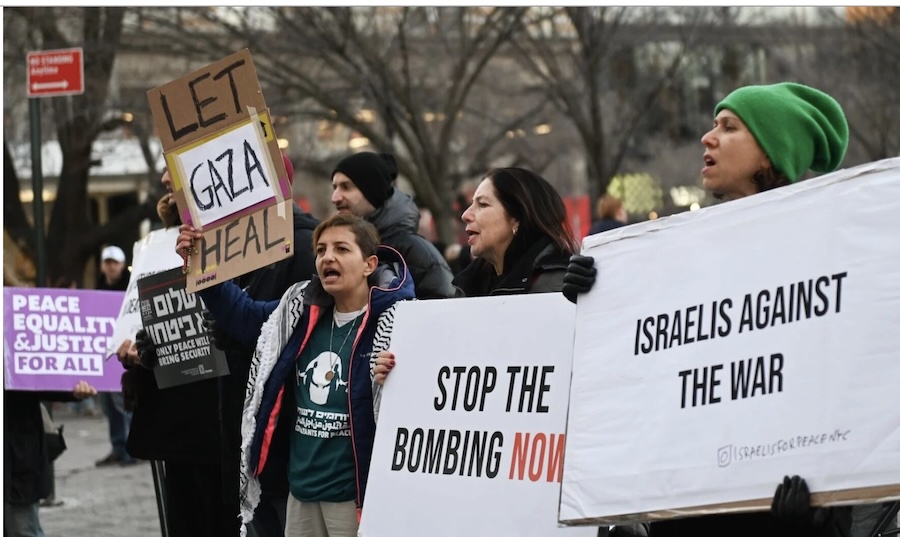
The first woman to serve as United Nations Special Rapporteur for the Occupied Palestinian Territory conveys the spirit of a people through 10 unforgettable stories of resilience and humanity.

(continued in right column)

Question related to this article:
 
How can we best express solidarity with the people of Gaza?

(continued from left column)

Francesca Albanese is the most lucid voice against Israel’s apartheid policies in Gaza and the West Bank, a voice that has been heard around the world when it comes to speaking the truth about the Palestinian genocide. In the wake of October 7, 2023, and Israel’s retaliatory war, the renowned Italian jurist has become a lightning rod for her staunch defense of human rights. 

Reflecting on her years living in Jerusalem and her personal and professional journey toward understanding the Palestinian struggle, Albanese pays tribute to 10 people whose profoundly affecting stories opened her eyes, from Hind Rajab, a young Palestinian girl killed by Israeli forces, to the remarkable Jewish scholars who acted as Albanese’s mentors: forensic architect Eyal Weizman, trauma expert Gabor Maté, and Holocaust historian Alon Confino.

When the World Sleeps is a courageous testimony of the harsh reality that Palestinians face. It raises critical questions about the past, present, and future of Palestine: What are the consequences of the occupation? Where is a refugee’s home? In what conditions do Palestinians live? And now that the end of the war seems to be getting closer, will there be a Palestinian state? Will Palestinians have the right to self-determination, and will they be able to live in peace, free at last from the coercion of Israel?

– – – – – –

If you wish to make a comment on this article, you may write to coordinator@cpnn-world.org with the title “Comment on (name of article)” and we will put your comment on line. Because of the flood of spam, we have discontinued the direct application of comments.
The Challenge of Making a Culture of Peace an Official Heritage in Africa

DISARMAMENT & SECURITY .

Excerpts from an announcement by Juste Joris Tindy-Poaty

ABSTRACT
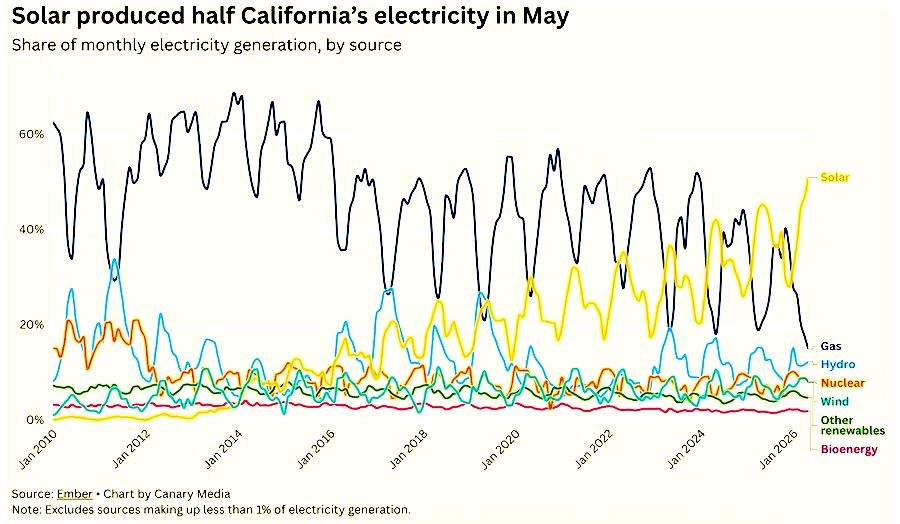
This is a call for contributions to a collective work on the theme of making a culture of peace an officla heritage in Africa. Using a multidisciplinary approach, this work aims to explore and highlight the various processes by which traditional and contemporary African societies have made and continue to make peace, and therefore the culture of peace, a heritage to be preserved and transmitted.

ANNOUNCEMENT

Report

Using a multidisciplinary approach, this collaborative book project aims to explore and highlight the various processes by which traditional and contemporary African societies have made and continue to make peace, and therefore the culture of peace, a heritage to be preserved and transmitted.

The expected contributions, including theoretical reflections, field research, case studies, and examples of best practices, will be organized into two parts: (i) Sources, foundations, and endogenous resources of the culture of peace; (ii) Impacts of external influences, hybridizations and resilience of endogenous practices, challenges, and issues of the culture of peace in contemporary African societies.

I – Sources, Foundations, and Endogenous Resources of a Culture of Peace

This first part will bring together contributions that examine and highlight not only the sources and endogenous foundations of a culture of peace, but also the resources through which African societies have, throughout the centuries, been able to embody and transmit, from generation to generation, the almost innate human disposition toward mutual aid and sociability; and also the meaning of a non-violent relationship and peaceful, symbiotic coexistence between humankind and nature.

The main themes of this first part of the book are as follows:

Theme 1: Culture of Peace: Endogenous Sources and Foundations

Inspired by UNESCO, the concept of a culture of peace is defined by the United Nations as consisting of “values, attitudes and behaviors which reflect and promote conviviality and sharing based on the principles of freedom, justice and democracy, all human rights, tolerance and solidarity, which reject violence and incline towards preventing conflicts by addressing their root causes and resolving problems through dialogue and negotiation, and which guarantee to all the full enjoyment of all rights and the means to participate fully in the development process of their society” (cf. UN General Assembly Resolution 52/13 of 15 January 1998).

How can this concept, as defined, be rooted in traditional African societies? What can be understood by “culture of peace” in the specific context of traditional African societies?

Theme 2: Culture of Peace, Oral Literary Heritage, and Social Practices/Customs/Prohibitions

African oral literary heritage is diverse and rich in tales, epics, songs, rituals, and short genres or proverbs (proverbs, maxims, sayings, etc.). All these constituent elements of African literary heritage, which fall under the art of storytelling, the “oral verbal art” (Ursula Baumgardt), are vehicles of our cultures and, at the same time, of our understanding of living together and peace. What are the elements of oral literatures and what are the practices, customs, and social prohibitions that, on a daily basis, contributed and continue to contribute, in these traditional and contemporary societies, to the prevention of antisocial behavior, the transmission of a prosocial culture, and the promotion of better living together in peace?

Theme 3: Culture of Peace and Endogenous Mechanisms for Conflict Transformation

What mechanisms were conceived and implemented in our traditional societies for conflict resolution and violence prevention, and for conflict transformation? And when violence was unavoidable, how did our traditional societies work towards restoring peace? What symbolic objects, songs, dances, or rituals were used for conflict prevention, reconciliation, and peacebuilding?

Theme 4: Culture of Peace and Traditional Ecology or Ethnoecology

Given that a culture of peace includes harmonious relationships between humans and their natural environment, what knowledge and practices, falling under the umbrella of “traditional ecology” or “ethnoecology” (P. Mouguiama-Daouda and A. Moussirou Mouyama, 2020), did our traditional societies use to preserve biodiversity and protect nature? Can this knowledge and these practices still contribute to environmental preservation and the fight against climate change today?

Theme 5: Institutions and Actors Custodians of the Endogenous Resources of a Culture of Peace

Given that peace is both an intangible and tangible heritage, what institutions and actors in our traditional societies were responsible for safeguarding, preserving, and transmitting a culture of peace? What was the place and role of women, guardians of traditions, in safeguarding, preserving and transmitting the culture of peace in traditional Africa?

II – Impacts of External Influences, Hybridization and Resilience of Endogenous Practices, Challenges and Issues of a Culture of Peace in Contemporary African Societies

Considering the impact of colonization, among other things, there are no longer any strictly traditional African societies. While contemporary African societies are heirs to traditional societies, they have been and continue to be built upon numerous exogenous contributions, such as imported religions (like Islam and Christianity). Consequently, it is clear that “current African identities are now being forged at the interface of cosmopolitanism and indigeneity.”

The themes that will constitute this second part of the book are as follows:

Theme 1: Endogenous Mechanisms and Practices of Peace Culture and Exogenous Influences

How effective and legitimate are endogenous mechanisms and practices of peace culture (such as traditional dialogue, mediation by elders, reconciliation rituals, chieftaincy systems, etc.) in pre-colonial and post-colonial contexts? What is the impact of exogenous models on these endogenous mechanisms and practices? Does this impact lead to the integration of these endogenous mechanisms and practices into formal judicial systems? How do endogenous mechanisms and practices of peace culture coexist with exogenous models? Are endogenous mechanisms and practices and exogenous models complementary, or must a choice be made between them? Are we witnessing resilient mechanisms and practices, or the creation of hybrid mechanisms and practices for conflict transformation?

Theme 2: Culture of Peace and the Challenges of Transitional Justice and Reconciliation

… Under what conditions can transitional justice be an effective and legitimate mechanism for restoring social cohesion and building lasting peace? In practical terms, how has this mechanism reconciled, and how can it reconcile, the opposition between formal and restorative justice and address the challenge of impunity? What is the role of collective memory and Truth and Reconciliation Commissions in collective healing and the prevention of future conflicts and violence?

(Article continued in right column)

(Click here for the original version in French

Questions related to this article:

Can a culture of peace be achieved in Africa through local indigenous training and participation?

(Article continued from left column)

Theme 3: Culture of Peace and the Democratic Challenge

… Conceived in its essence as a means of peaceful conflict resolution, is democracy in Africa doomed to foster a culture of violence and political instability? What solutions exist in Africa for effective and legitimate electoral mechanisms and systems? How can we initiate democratization processes in Africa that truly aim to consolidate political stability and establish a lasting culture of peace? What alternative systems to pluralist democracy exist to end the culture of violence and political instability in Africa?

Theme 4: Culture of Peace, Public Policies, and Development

… To speak of good governance as “the competence […] to effectively develop policies and ensure their implementation and the delivery of services” is undoubtedly to raise the issue of public policymaking for development. What place do the various political and institutional ecosystems give to the issue of developing and evaluating public policies? Is the creation of effective public policies a priority of national development agendas and a shared culture? Do science and its practitioners benefit, in all African states, from public recognition of their legitimacy to contribute to political decision-making? What is the role of endogenous public scientific research in public policymaking? Does each African state have a “science ecosystem for informing public policy” for sustainable development and peace? Are sustainable development and peace in African states objectives based on the prior construction of a long-term vision and the implementation of coherent and harmonized public policies?

Theme 5: Culture of Peace, Status and Role of Youth and Women

With young people representing 60% of the population in 2020, Africa was already the youngest continent in the world and will remain so until at least 2070 (AFD, 2020, p. 16). This youth demographic certainly poses challenges in terms of meeting social needs, but it is also potentially a lever for transformation and development. Women in Africa are also a potential lever for transformation and development. What is the status of young people and women, and what role do they already play in Africa in promoting and building a culture of peace (in its broadest sense: conflict and violence prevention and management, combating climate change, creating businesses and jobs, etc.)? How is Africa appropriating and implementing UN resolutions 1325 on the rights of women, peace and security, and 2250 on youth, peace and security? With regard to the rights of women and girls in particular, can we truly speak of peace and development without concrete achievements, or even significant progress, in gender equality? Where do African states stand with the implementation of SDG 5 (Achieve gender equality and empower all women and girls)?

Theme 6: Culture of Peace, Mental Health, and Individual Well-being

Before discussing peaceful relationships with other people or the natural environment, a culture of peace is first and foremost about inner peace. Being at peace with oneself means, in particular, being in good mental health, that is, being in “a state of well-being in which [one] can realize one’s own potential, cope with the normal stresses of life, work productively and fruitfully, and make a contribution to one’s community” (WHO, 2022, p. 2). With, according to the WHO, “about one in eight people worldwide [living] with a mental disorder” (2022), mental health is a global concern. Anxiety and depression, the most common mental health disorders, are the second leading cause of long-term disability. What is the state of mental health and well-being in Africa, within families (for children and parents), in schools and universities (for students), and in the workplace for all working individuals? What are the major challenges, consequences, and impacts of mental health in Africa for individuals and societies? What are the potential solutions for optimal mental well-being for individuals in the context of peaceful communities?

Theme 7: Culture of Peace, Education, Culture, Sport, and Media

If “peace is learned” (T. D’Ansembourg and D. Van Reybrouck, 2016), what role do the educational systems of contemporary African societies play in education for a culture of peace, considering both endogenous traditions and external influences? How is, or can, a culture of peace be taught or transmitted to younger generations, in formal and/or informal settings? Are there educational programs or community initiatives in this area? How can culture, sport and the media be involved in this requirement for education in a culture of peace in Africa?

Submission Guidelines

Proposals for contributions in French should be sent to the following addresses: jjtindypoaty@yahoo.fr; jrdoutsona@yahoo.fr; bbdndombi@gmail.com; celestineboupo2@yahoo.fr; nzamickaledamien@gmail.com before March 31, 2026.
Submitted as an abstract (in French and English) not exceeding 300 words with a maximum of 5 keywords, proposals will be reviewed by the Coordination and Editorial Committee, and responses will be sent to contributors according to the schedule below.
The final texts of the contributions will be reviewed by the Scientific and Reading Committee.
The proposal must indicate the relevant section and theme.

Contribution Submission Guidelines

Each contribution must adhere to the structure of a scientific article and be written in 12-point font, 1.5 line spacing (Times New Roman) for the main text and 10-point font (Times New Roman) for footnotes. The complete text of the contribution must not exceed 20 pages (including the bibliography).

Section headings should be numbered as follows:

1. First level, first title (Times 12 bold)
1.1. Second level (Times 12 bold italic)
1.2.1. Third level (Times 11 bold italic)
Below the title of the contribution, please include the author’s full name(s), affiliation(s), city, country, and email address.

References should be formatted according to APA style.

Each contribution must be accompanied by a bio-bibliography of no more than 200 words.

Call for contributions launched: November 10, 2025
Deadline for submitting the abstract of the proposed contribution: March 31, 2026
Deadline for notification of acceptance of the proposed contribution: May 31, 2026
Deadline for submitting the final text of the contribution: July 31, 2026
Publication date: December 2026

Coordination and Editorial Committee

General Coordinator: Dr. Juste Joris TINDY-POATY (Assistant Professor of Philosophy, École Normale Supérieure/Gabon; email address: jjtindypoaty@yahoo.fr; tel.: +241 74 24 44 80)

(Editor’s Note: For members of the Coordination Committee and the Scientific and Reading Committee, and for the bibliography, please consult the original here.)

– – – – – –

If you wish to make a comment on this article, you may write to coordinator@cpnn-world.org with the title “Comment on (name of article)” and we will put your comment on line. Because of the flood of spam, we have discontinued the direct application of comments.
France: Coop-médias Invests in 5 Independent Media Outlets

FREE FLOW OF INFORMATION . .

An article from Coop-Medias

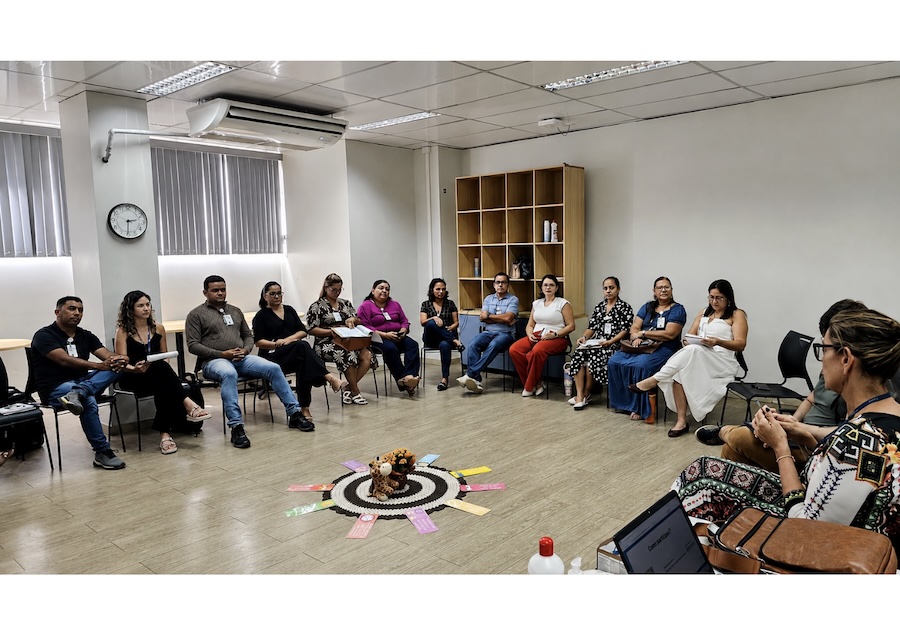
One year after its creation, Coop-médias, the citizen cooperative that supports, promotes, and defends independent media, has reached a key milestone in its mission to promote media pluralism: funding independent media outlets.

Basta!, Fracas, Marsactu, Street-Press, and Vert: these are the names of the first five media outlets supported by Coop-médias, one year before its launch in October 2024. From among the dozen or so projects submitted, these five outlets were chosen by the cooperative’s Board of Directors, which prioritized the potential to strengthen their business models as well as their impact on media pluralism and quality.


Why raise funds?

Largely underfunded by both public programs and the private banking system, independent media outlets struggle to invest in developing stable business models. Coop-médias addresses this need by raising citizen savings to finance media projects of general interest, essential for media pluralism.

(continued on right column)

(Click here for the French original of this article.)

Questions related to this article:

Free flow of information, How is it important for a culture of peace?

How can we develop the institutional framework for a culture of peace?

(continued from left column)

Indeed, thanks to its cooperative model based on citizen participation, pooling resources, and transparency, Coop-médias raised over €850,000 in its first year of operation, €250,000 of which will be allocated to this initial funding.

So, what exactly will they do with this money?

Basta! – €50,000 over 4 years: creation of an online portal for independent media offering an alternative to Google News with over 80 French and 250 international sources, to increase the visibility of the richness and diversity of the independent press.

Fracas – €55,000 over 7 years: funding for a new editorial format, a hybrid of traditional journalism and a manual, designed to encourage mobilization around major societal issues, beginning with the publication of a first special issue: “A Manual for Media Response.”

Marsactu – €30,000 over 5 years: complete overhaul of the community management system (subscribers, newsletters, social media, etc.) on a shared technical platform across multiple media outlets. Local independents to reduce dependence on Big Tech.

StreetPress  – €50,000 over 4 years: strengthening the media outlet’s economic tools with a view to increasing coverage of the far right in France and redesigning the website with an eco-design and digital commons approach that can benefit the ecosystem.

Vert  – €50,000 over 5 years: developing podcast content production and structuring the video department with the aim of creating new, innovative, and accessible formats to reach new audiences and strengthen its impact on environmental issues.
– – –

If you wish to make a comment on this article, you may write to coordinator@cpnn-world.org with the title “Comment on (name of article)” and we will put your comment on line. Because of the flood of spam, we have discontinued the direct application of comments.
Report from COP30

. . SUSTAINABLE DEVELOPMENT . .

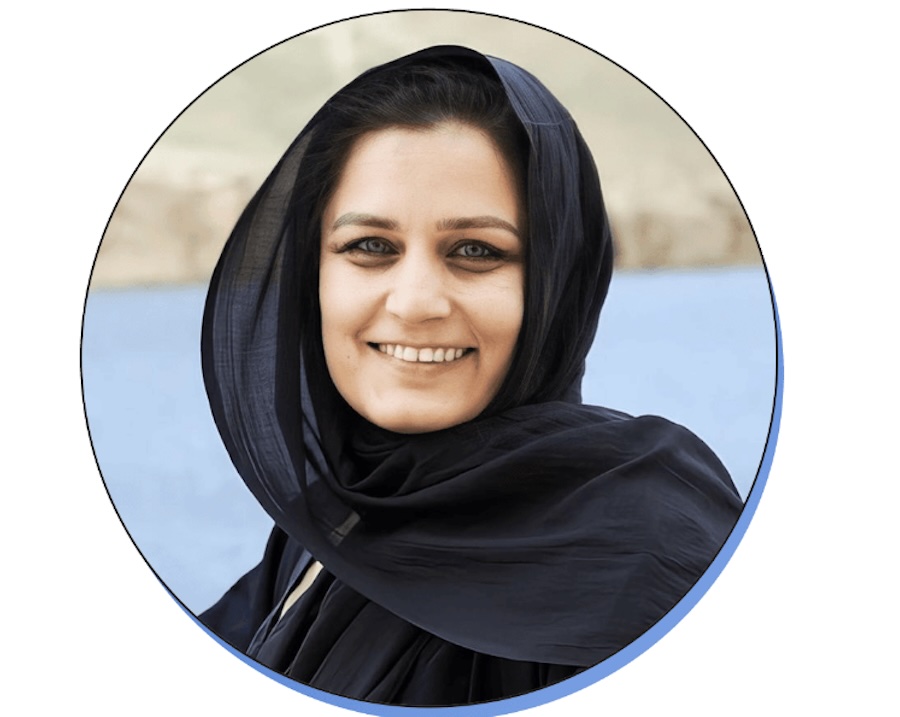
Article on the facebook page of Herbert Santo de Lima (member of the Culture of Peace Corporation that owns CPNN)

There goes the text:

COP30 is over. And even though I wasn’t in Belem last week, I followed everything from here between the meetings in the Chamber, the conversations about our Master Plan and the routine of the mandate.

Because, at the end of the day, what the world decides outside knocks directly on the doorstep of cities, including São Lourenço.

The feeling is two things: disappointment and, at the same time, a thread of hope.

The sad side first: once again the world has failed to make a clear deal to put a programmed end to fossil fuels. It was the move everyone was expecting, and he didn’t come. Pressure from producing countries blocked the text until the last minute. And that matters to us, yes — because if the global transition slows, cities need to speed ahead in planning, mobility, energy and smart land use.

(Click here for the original in Portuguese)

(article continued in right column)

Question for this article:

Sustainable Development Summits of States, What are the results?

(Article continued from the left column)

But there was also a moment that rekindled some light: Colombia refused to accept an empty lockdown. They insisted, pressured and forced the negotiation not to bury the issue. And the president of COP30, Andre Corrêa do Lago, has assumed there, publicly, that he will pull this agenda forward. Didn’t fix it but stayed alive. And in the global climate process, keeping alive is already a lot.

On the plus side, there’s been significant breakthrough in funding for adaptation and how to measure cities’ progress in protecting against extreme events. This helps us right here. Each indicator of these becomes an argument for us to defend stronger policies in the municipality.

And this is where our city, São Lourenço, comes in.

We’re writing the city’s future with the Master Plan. And the global message is simple: those who don’t prepare now will pay dearly later.
So, yeah, all that happened at COP30, I’m taking with me to the next vote and debates:

– protect the green areas we still have,
– think mobility the smart way,
– prepare São Lourenço, for drought and floods,
– take care of water seriously.
– organise soil use with a focus on the climate that has already changed.

COP30 didn’t deliver everything needed. But it delivered enough for us not to give up. The fighting continues — and it’s starting in the cities.
I keep firmly following, studying and bringing to São Lourenço what makes sense to our reality.

The future can’t wait. And neither are we.

– – – – – –

If you wish to make a comment on this article, you may write to coordinator@cpnn-world.org with the title “Comment on (name of article)” and we will put your comment on line. Because of the flood of spam, we have discontinued the direct application of comments.
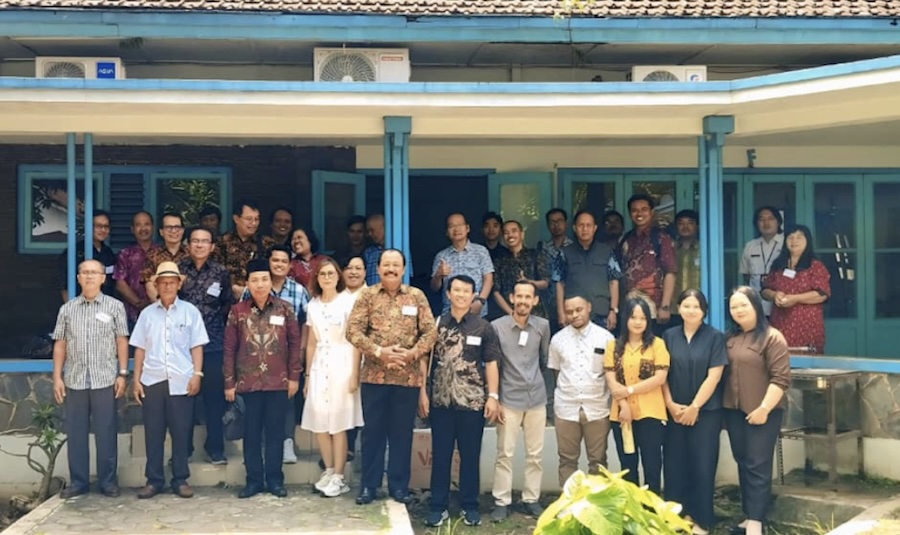
50,000 March in Brazil to Celebrate Death of Fossil Fuel Industry at COP30

. . SUSTAINABLE DEVELOPMENT . .

An article by Jon Queally from Common Dreams (reprinted according to Creative Commons (CC BY-NC-ND 3.0)

An estimated 50,000 people took to the streets of Belém do Pará, Brazil on Saturday to demonstrate outside the halls of the United Nations annual climate summit, holding a “Great People’s March” and makeshift “Funeral for Fossil Fuels” as they demanded a just transition toward a more renewable energy system and egalitarian economy.

Organized by civil society organizations and Indigenous Peoples groups from Brazil and beyond, the tens of thousands who marched outside the thirtieth Conference of the Parties (COP30) summit called for an end to the rapacious greed of the oil, gas, and coal companies as they advocated for big polluters to pay for the large-scale damage their businesses have caused worldwide over the last century.

“We are tens of thousands here today, on the streets of Belém, to show negotiators at COP30 that this is what people power looks like,” said Carolina Pasquali, executive director of Greenpeace Brazil, said as the march took hold. “Yesterday we found out that one in every 25 COP30 participants is a fossil fuel lobbyist, proportionally a 12% increase from last year’s COP. How can the climate crisis be solved while those creating it are influencing the talks and delaying decisions? The people are getting fed up–enough talking, we need action and we need it now.”

The report by the Kick Big Polluters Out coalition last week showed that at least 1,600 lobbyists from the fossil fuel industry are present at the conference, making it the second-largest delegation overall, second only to Brazil’s, the host nation.

“It’s common sense that you cannot solve a problem by giving power to those who caused it,” said Jax Bongon from the Philippines-based IBON International, a member of the coalition, in a Friday statement. “Yet three decades and 30 COPs later, more than 1,500 fossil fuel lobbyists are roaming the climate talks as if they belong here. It is infuriating to watch their influence deepen year after year, making a mockery of the process and of the communities suffering its consequences.”

While the overwhelming presence of fossil fuel lobbyists has once again diminished hopes that anything worthwhile will emerge from the conference, the tens of thousands in the streets on Saturday represented the ongoing determination of the global climate movement.

(article continued in right column)

Question for this article:

Sustainable Development Summits of States, What are the results?

(Article continued from the left column)

João Talocchi, co-founder of Alianza Potência Energética Latin America, one of the key groups behind the “Funeral for Fossil Fuels” portion of the day’s action—which included mock caskets for the oil, gas, and coal companies alongside parades of jungle animals, wind turbines, and solar panels representing what’s at stake and the better path forward—noted the key leadership of Indigenous groups from across the Global South.

“From the Global South to the world, we are showing what a fair and courageous energy transition must look like,” said Talochhi.

Ilan Zugman, director of 350.org in Latin America and the Caribbean, noted the significance of the demonstration, including the symbolism of the funeral procession.

“We march symbolically burying fossil fuels because they are the root of the crisis threatening our lives,” explained Zugman. “Humanity already knows the way forward: clean energy, climate justice, and respect for the peoples who protect life. What is missing is political courage to break once and for all with oil, gas, and coal. It is time to put these old fuels where they belong—in the ground of history.”

With the COP30 at its midway point, climate activists warn that not nearly enough progress is being made, with the outsized influence of the fossil fuel industry one of the key reasons that governments, year after year and decade after decade, continue to drag their feet when it comes to taking the kind of aggressive actions to stem the climate crisis that scientists and experts say is necessary.

“We are taking to the streets because, while governments are not acting fast enough to make polluters pay for their climate damages at COP30, extreme weather events continue to wreak havoc across the globe,” said Abdoulaye Diallo, co-head of Greenpeace International’s “Make Polluters Pay” campaign. “That is why we are here, carrying the climate polluters bill, showing the projected economic damages of more than $5 trillion from the emissions of just five oil and gas companies over the last decade.”

“Fossil fuel companies are destroying our planet, and people are paying the price,” said Diallo. “Negotiators must wake up to the growing public and political pressure to make polluters pay, and agree to new polluter taxes in the final COP30 outcome.”

(Editor’s note: Another demonstration specifically criticized Brazil’s decision to allow oil prospecting in the Amazon. According to UN News, “Around 90 Indigenous people from the Munduruku Indigenous group staged a peaceful protest early Friday, blocking the main entrance to the Blue Zone – the restricted area set aside for negotiators – at COP30 in Belém. . . COP30 Executive Director Ana Toni described the demonstrations as “legitimate” and confirmed that the government is listening. Protesters were directed to meet with the Minister of Indigenous Peoples, Sônia Guajajara, and the Minister of the Environment and Climate Change, Marina Silva.)

– – – – – –

If you wish to make a comment on this article, you may write to coordinator@cpnn-world.org with the title “Comment on (name of article)” and we will put your comment on line. Because of the flood of spam, we have discontinued the direct application of comments.
New York: Mamdani’s Win Proves That Hope Is Power

.. DEMOCRATIC PARTICIPATION ..

An article by Frances Moore Lappé and Corinna Rhum from Common Dreams

Zohran Mamdani’s stunning victory on Tuesday is a bright light in this otherwise terrifying political time, and the messages propelling his political ascendance offer many lessons. One particularly is music to our ears—indeed, it’s a song we’ve long been singing. We’ll let the words from his acceptance speech  speak for themselves:

“Tonight we have spoken in a clear voice. Hope is alive. Hope is a decision that tens of thousands of New Yorkers made day after day, volunteer shift after volunteer shift, despite attack ad after attack ad. And, while we cast our ballots alone, we choose hope together: hope over tyranny. Hope over big money and small ideas. Hope over despair. We won because New Yorkers allowed themselves to hope that the impossible could be made possible.”

Right on!

Mr. Mamdani’s message is both powerful and incisive. To launch his campaign to become mayor of our largest city required hope—and great courage. A long-shot candidate—a 34-year-old South Asian Muslim and democratic socialist assemblyman—he is a departure from mayoral convention.

Nevertheless, he, and a dedicated team of volunteers, took the plunge, pouring heart and soul into one of the most impressive grassroots campaigns. Mr. Mamdani’s candidacy was an act of hope—rooted not only in a belief in the necessity of his ideas and capacity to govern but also of hope that the political landscape would embrace a leader like him.

We must challenge ourselves to hope! Why not run for office with a bold, hope-infused platform? Volunteer for a candidate we believe in? And cast our votes for a different and better future?

(continued in right column)

Questions related to this article:

How can culture of peace be developed at the municipal level?

The struggle for human rights, is it gathering force in the USA?

(continued from left column)

And that hope turned into victory—justifying itself. Adamantly and consistently, he worked to convince voters that a better New York is achievable—that hope need not be an abstract and ephemeral feeling but rooted in actual political possibility.

Doing so, Mr. Mamdani championed the concerns New Yorkers—but, really, most Americans—feel acutely: our affordability crisis in housing, food, and healthcare; the burden of wages failing to keep up with cost of living; the immense struggle required just to survive. At every step of his campaign, he addressed these deep structural problems with real, innovative policy solutions. He didn’t ask voters to find hope from his politicking. Rather, he offered real grounds for belief.

We have long said that hope is power. Mr. Mamdani’s political success is evidence of this truth.

So perhaps the most important takeaway from Mr. Mamdani’s campaign is this: Hope grounded in possibility is the fuel for democracy. We find this a particularly powerful line from Mr. Mamdani’s acceptance speech: “We won because we insisted that no longer would politics be something that is done to us. Now, it is something that we do.” This sentiment is, indeed, the crux of hope’s power. When we believe, the door to action opens. We become agents capable of making real the changes we so desperately. As Mr. Mamdani says, politics is not done to us, but what we do.

This spirit is contagious and key to fighting back successfully against the Trump administration’s fascist policies and reversing widespread democratic backsliding. We must challenge ourselves to hope! Why not run for office with a bold, hope-infused platform? Volunteer for a candidate we believe in? And cast our votes for a different and better future?

Organizations including Run for Something empower us to step up and consider ourselves as changemakers, and several other national groups such as Common Cause and Indivisible provide clear paths for citizen action. Who knows what may come from taking the next hopeful step in your community, whether its electoral or any other form of advocacy.

Remember hope is not for “wimps.” It requires courage to do what we thought we could not do. The root of the word courage is the French word for heart, “coeur.” So, when you step up and feel yours pounding, don’t doubt. It’s just your heart cheering you on!

Leading with hope, we can build the engaged and just “living democracy” we want and know is essential. We can become proud of our country again.
– – – – – –

If you wish to make a comment on this article, you may write to coordinator@cpnn-world.org with the title “Comment on (name of article)” and we will put your comment on line. Because of the flood of spam, we have discontinued the direct application of comments.
Starting the swing back in Connecticut

. HUMAN RIGHTS .

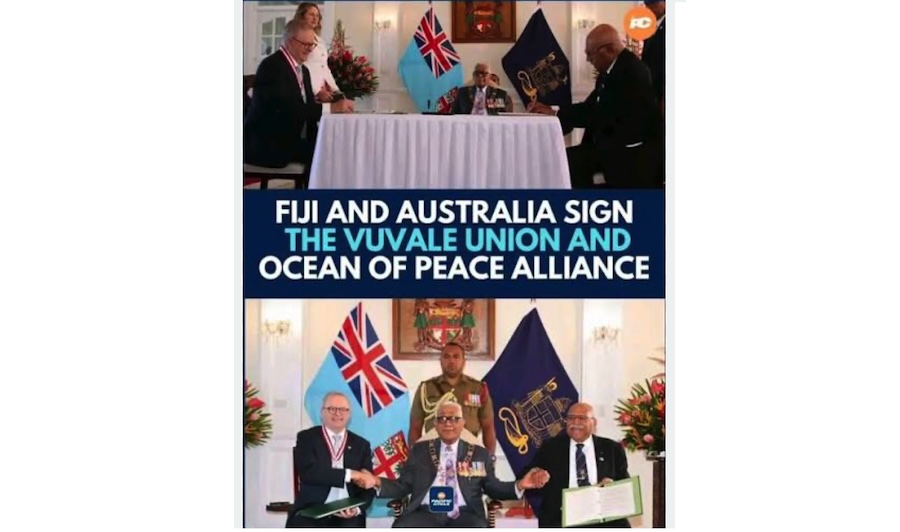
We received the following photo from a friend in Connecticut, with the comment, “there’s a start of the swing back here.  We are still hopeful that we will see, eventually, that sanity, compassion and peace outweigh the current dissolution of our society.”


(click on image to enlarge)

Questions related to this article:

The struggle for human rights, is it gathering force in the USA?

– – – – – –

If you wish to make a comment on this article, you may write to coordinator@cpnn-world.org with the title “Comment on (name of article)” and we will put your comment on line. Because of the flood of spam, we have discontinued the direct application of comments.
English bulletin November 1, 2025

. THE MOVEMENT KEEPS GROWING .

The menace of the culture of war continues to grow, but, in response, the peoples’ movements for peace and justice also keeps growing.

In one of the largest single-day nationwide demonstrations in U.S. history, nearly seven million Americans took to the streets on October 8, 2 million more than June, in over 2,700 cities and towns for the No Kings Day of Peaceful Action.

In response to this historic day of action, the No Kings Coalition issued the following statement: “Today, millions of Americans stood together to reject authoritarianism and remind the world that our democracy belongs to the people, not to one man’s ambition,” said Ezra Levin and Leah Greenberg, Co-Founders, Indivisible. “Authoritarians want us to believe resistance is futile, but every person who turned out today proved the opposite. This movement isn’t about a single protest; it’s about a growing chorus of Americans who refuse to be ruled. Trump may want a crown, but in this country, there are no kings.”

At CPNN we carried photos of demonstrations in all 50 of the United States, including those in small towns where a high percentage of the population turned out. In many cases, these were towns where the majority had voted for Trump.

Among the speakers was Senator Bernie Sanders. In a recent article, he said “History has always taught us that real change never takes place from the top on down. It always occurs from the bottom on up. It occurs when ordinary people get sick and tired of oppression and injustice—and fight back. That is the history of the founding of our nation, the abolitionist movement, the labor movement, the civil rights movement, the women’s movement and more.”

What will come next? There is even talk of a general strike in the United States.

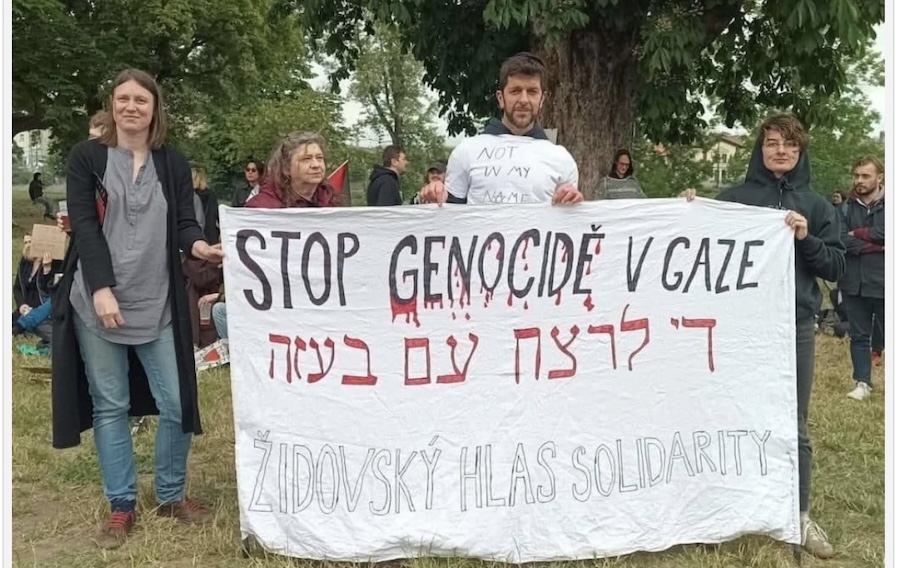
In Europe there were massive demonstrations in solidarity with the Palestinian people who are being massacred in the Israeli genocide.

In London, the Palestine Solidarity Campaign, organised demonstrations against Israel’s genocide in Gaza, along with the Muslim Association of Britain, Friends of Al Aqsa and Palestinian Forum in Britain among others. More than 600,000 people joined the march on October 11. Protestors carried Palestinian flags, banners calling for an end to UK arms sales to Israel and placards demanding accountability.

In Spain, tens of thousands of students walked out of classrooms in cities and towns across Spain on Thursday, October 2, to protest Israel’s ongoing US-backed genocide in Gaza and abduction of Global Sumud Flotilla members, dozens of whom are Spanish. Demonstrations took part in at least 39 cities and towns, varied in size from small groups to thousands who turned out in Barcelona and the capital Madrid, where students held banners with messages like “Stop Everything to Stop the Genocide,” “All Eyes on the Global Sumud Flotilla,” and “Free Palestine!”

In Italy, on September 22, approximately one million people across Italy staged a general strike in support of Palestine and the Global Sumud Flotilla, offering a vision of solidarity sharply at odds with the one displayed by European leaders at the United Nations . Ports, train stations, and major junctions were shut down as workers, many of whom members of the grassroots union Unione Sindacale di Base (USB), brought the country to a halt.

In Paris, an international mass meeting against war and genocide took place on Sunday, October 5. Four thousand people, including delegations from nineteen countries, filled out the Dome de Paris. The arena was a sea of Palestine flags and flags of socialist and anti-war organisations.

As Palestinian activist Mazin Qumsiyeh explains,”this global uprising (intifada) will not stop until freedom, justice, and equality are attained.” because the temporary ceasefire in Gaza and the release of some Palestinians in a prisoner exchange is not a “peace agreement”. Instead, it is a fake “peace agreement” and what needs to be done is to apply boycotts, divestments, sanctions (BDS) on this rogue state that violates the International conventions (Geneva convention, Conventions against Apartheid and Genocide). BDS was used against apartheid South Africa and needs to be applied here also. (see bdsmovement.net.

HUMAN RIGHTS

Again in the USA: No Kings Rallies in all 50 States

SUSTAINABLE DEVELOPMENT

Global Campaign to Demand Climate Justice (DCJ)

DEMOCRATIC PARTICIPATION
<
Mayors for Peace Action Plan (2025–2029)
WOMEN’S EQUALITY

The Struggle for Peace of Syrian Women, ICIP Peace in Progress Award 2025

TOLERANCE & SOLIDARITY

More than half a million march in London to demand lasting peace in Gaza

EDUCATION FOR PEACE

Mexico: Equality and Inclusion Secretariat and Viral Network Launch Call for Participation in the “Hip Hop for Peace” Project

DISARMAMENT & SECURITY

When Maria Corina Machado Wins the Nobel Peace Prize, “Peace” Has Lost Its Meaning

FREE FLOW OF INFORMATION

Spain: Four Days of Activities for Peace


Spain: Four Days of Activities for Peace

FREE FLOW OF INFORMATION .

An article by Gabriel Aguirre in World Beyond War

Barcelona, Spain was the location of a meeting of various organizations and activists organized by the Delàs Center for Peace and the International Peace Bureau — of which World BEYOND War is a member.


Conference of the International Peace Bureau

On Thursday, October 23, a peace conference was organized, which had the title “Pacifism in Times of Genocide and Rearmament.” At the event activists from Palestine, researchers, and representatives of organizations shared their reflections on the current global political context. For his part, Gabriel Aguirre, organizer for Latin America of World BEYOND War, shared the urgency of raising the complaint against the current threats by the U.S. government in the Caribbean, through the militarization of this area with the aim of militarily attacking Venezuela.

The event continued on Friday with the use of working groups that addressed thematic axes related to: “Global Disarmament and Militarization”, “Geopolitical Changes and reform of Global governance”, “Solidarity with Palestine and the People who are victims of militarization around the world”, and “Peace, Climate, Social and Gender Justice.” These spaces served to exchange visions and build proposals for common actions.

(article continued in right column)

Question related to this article:

Where in the world can we find good leadership today?

(article continued from left column)

During the weekend of October 25 and 26, the triennial meeting of the International Peace Bureau was held, with the objective of evaluating the work, and advancing in strategic planning.

During this meeting the global situation was also evaluated, where Gabriel Aguirre was able to mention the serious situation of militarization in Latin America, through the deployment of troops in several countries, and more recently in the Caribbean, with the presence of warships, nuclear-capable submarines, with the support of the Southern Command and the IV Fleet, as well as the use of United States and NATO military bases on the continent, this should undoubtedly alert the global peace movement to speak about the true interests of this deployment protected by the false narrative of combating drug cartels. U.S. actions have the goal of seizing strategic resources in Latin America. The collective call of all attendees was to reinforce solidarity with all of Latin America and particularly Venezuela and Colombia.

In recent days, we have shared a petition to denounce the current situation in the Caribbean, if you have not yet signed it we ask that you do so here.

The activity also highlighted Spain’s role in responding negatively to the United States’ desire to increase the military budgets of NATO members.

– – – – – –

If you wish to make a comment on this article, you may write to coordinator@cpnn-world.org with the title “Comment on (name of article)” and we will put your comment on line. Because of the flood of spam, we have discontinued the direct application of comments.