All posts by CPNN Coordinator

About CPNN Coordinator

Dr David Adams is the coordinator of the Culture of Peace News Network. He retired in 2001 from UNESCO where he was the Director of the Unit for the International Year for the Culture of Peace, proclaimed for the Year 2000 by the United Nations General Assembly.

India: The call for peace resonated at the Baha’i House Indore as the International Peace Day was celebrated with enthusiasm

FREE FLOW OF INFORMATION .

An article from Sanjeevni Today (translated from Hindi by Google translator)

21 September 2025. An inspiring and heart-touching program was organized at the Baha’i House in Indore on the occasion of International Day of Peace, in which the Baha’i community brought people of all religions and faiths on one platform and spread the message of peace. Music, meditation, and a collective peace pledge made the event unforgettable.


(Click on image to enlarge)

Keynote speaker and Peace Ambassador Dr. Gurmeet Singh Narang inspired the audience with his address, “Inner Peace, Outer Peace,” saying, “Peace begins in our hearts. It flows outward in the form of love, compassion, and activism toward nature and all living things.” His words installed a deep sense of peace in the audience.

(article continued in right column)

Question related to this article:

What is happening for the International Day of Peace?

(article continued from left column)

The captivating performance by Sangeet Gurukul filled the atmosphere with a sense of harmony and peace. Mrs. Tahira Jadhav, representative of the Baha’i community, shared her thoughts, saying “True peace is the inner strength that keeps us steady and calm even amidst the storms of life.”

A special hightlight of the program was an inspiring quote from ‘Abdu’l Baha: “When the thought of war comes, oppose it with a powerful thought of peace; a thought of hatred must be destroyed by a powerful thought of love.” This quote inspired everyone to follow the path of peace and love.

The highlight of the event was the collective Peace Pledge, in which all the participants pledged to cultivate inner peace, promote dialogue, and protect nature and all living creatures. This was followed by a 30-second collective silence and a prayer for world peace, which filled everyone’s mind with a deep sense of peace.

The presence of Padma Shri Janak Palta ad Ujjwal Swami, renowned for his laughter yoga, added to the grandeur of the event. The event played a vital role in instilling in the people of Indore the importance of peace, unity, and love.

– – – – – –

If you wish to make a comment on this article, you may write to coordinator@cpnn-world.org with the title “Comment on (name of article)” and we will put your comment on line. Because of the flood of spam, we have discontinued the direct application of comments.
Cuba: International Day of Peace commemorated in schools in Ciego de Ávila

FREE FLOW OF INFORMATION .

An article from TV Avila (translated from Spanish by the Google translator)

In a joyful and reflective atmosphere at the Raúl Corales Fornos School in Ciego de Ávila, World Peace Day was commemorated, a day dedicated to promoting nonviolence, mutual understanding, and building a more just and peaceful world.


(Click on image to enlarge)

The event began with a moving musical performance, a reading of a poem about peace by students from different grades, who presented plays, dances, and songs, addressing topics such as the importance of peace, peaceful conflict resolution, respect for diversity, and solidarity among peoples.

(article continued in right column)

(Click here for the original Spanish version of this article.)

Question related to this article:

What is happening for the International Day of Peace?

(article continued from left column)

In their speeches, they emphasized the need to build a world where the values of tolerance, equality, and dialogue prevail. They emphasized the fundamental role of education in promoting peace, highlighting the importance of teaching children and young people to resolve conflicts peacefully and to respect cultural and religious differences.

The students, with messages full of hope and optimism, shared their reflections on peace and the need to build a better future for all. Here, they reaffirmed that, “Peace begins in our hearts,” “Education is the key to a peaceful world,” and “Together we can build a future without violence.”

The event concluded with a message of hope and commitment. Students and teachers from the Raúl Corales Fornos Pedagogical School in Ciego de Ávila reaffirmed their commitment to promoting peace and peaceful coexistence, and called on all members of the community to work together to build a more just and peaceful world for all.

The celebration of World Peace Day in this central province was a reminder of the importance of peace and the responsibility we all have in building it. An event filled with emotions that inspired everyone to work toward a more tolerant, respectful, and supportive world.

– – – – – –

If you wish to make a comment on this article, you may write to coordinator@cpnn-world.org with the title “Comment on (name of article)” and we will put your comment on line. Because of the flood of spam, we have discontinued the direct application of comments.
On the International Day of Peace, Muslim Elders: The Gaza Tragedy Is a Test of the Global Conscience

FREE FLOW OF INFORMATION .

An article from Newsroom (translated from Arabic by Google translator)

The Muslim Council of Elders, headed by His Eminence the Grand Imam, Prof. Dr. Ahmed el-Tayeb, Sheikh of Al-Azhar Al-Sharif, called for mobilizing international efforts to end the conflicts, wars, and struggles currently raging in our world, which have claimed the lives of tens of thousands of people worldwide.


The Muslim Council of Elders. Photo from their website
(Click on image to enlarge)

In a statement marking the International Day of Peace, celebrated annually on September 21, the Muslim Council of Elders said that peace is the essence of the message of Islam and all divine religions and laws that came to bring happiness to humanity and have never been a pretext for wars and conflicts. The Council explained that peace goes beyond the mere absence of conflict to encompass harmony, justice, and mutual respect among people. At the same time, it warned against the escalation of rhetoric of violence and hatred, and the ideologization of religious texts and their exploitation to kill innocent civilians.

(article continued in right column)

Question related to this article:

What is happening for the International Day of Peace?

(article continued from left column)

The Muslim Council of Elders affirms that celebrating the International Day of Peace while the Gaza Strip is witnessing a horrific humanitarian tragedy puts the human conscience to a real test. This requires the international community to shoulder its legal and moral responsibilities and act urgently to save innocent civilians in the Gaza Strip, halt the killing, starvation, and forced displacement policies, work to deliver humanitarian and relief aid, find a just and comprehensive solution to the Palestinian issue, and recognize the legitimate right of the Palestinian people to establish their independent state with Jerusalem as its capital.

The Muslim Council of Elders is making strenuous efforts to promote peace and spread the values of dialogue, tolerance, and human coexistence through numerous inspiring projects and initiatives, such as the Youth Peacemakers Forum and the Student Dialogues for Human Fraternity Program. These efforts culminated in the launch of the “Human Fraternity for World Peace and Living Together” Document, signed by His Eminence the Grand Imam of Al-Azhar, Prof. Dr. Ahmed el-Tayeb, and the late Pope Francis, former Pope of the Catholic Church, in Abu Dhabi in 2019. The Document called for the need to rediscover the values of peace, justice, goodness, love, and human fraternity, and to put an end to the wars and conflicts currently plaguing the world.

– – – – – –

If you wish to make a comment on this article, you may write to coordinator@cpnn-world.org with the title “Comment on (name of article)” and we will put your comment on line. Because of the flood of spam, we have discontinued the direct application of comments.
Belgium: 200 cities and towns will raise the flag of peace during eight days

FREE FLOW OF INFORMATION .

An article from DH net (translated from French by the Google translator)

Nearly 200 Belgian cities and towns will raise the peace flag from September 21 to 28, the Belgian Coalition Against Nuclear Weapons announced Friday. Launched on the occasion of the UN International Day of Peace, this action aims to oppose the presence of nuclear weapons in Belgium, and in the world in general.


(Click on image to enlarge)

Nearly 200 Belgian cities and towns will raise the peace flag from September 21 to 28, the Belgian Coalition Against Nuclear Weapons announced Friday. Launched on the occasion of the UN International Day of Peace, this action aims to oppose the presence of nuclear weapons in Belgium, and in the world in general.

“Since 1963, Belgium has housed around twenty US nuclear bombs on its territory,” the coalition points out. “Moreover, the nuclear warheads at Kleine Brogel have recently been replaced by the new, more easily deployable B61-12 bombs.” According to the coalition, this makes Belgium a “prime potential target in the event of war.”

The organization also deplores the fact that Belgium has neither signed nor ratified the United Nations Treaty on the Prohibition of Nuclear Weapons (TPNW), which entered into force in 2021 and has been ratified by 73 countries. “By raising the flag of peace, cities and municipalities oppose the presence of American nuclear weapons on Belgian soil and call on the federal government to play an active role in international nuclear disarmament,” it states.

This year’s campaign takes on particular symbolism, as 2025 marks the 80th anniversary of the atomic bombings of Hiroshima and Nagasaki. The coalition adds that nuclear disarmament is “more necessary than ever in the current context of increasing militarization and a considerable increase in military spending, both in Belgium and Europe, as well as in the rest of the world.”

(article continued in right column)

(Click here for the French original of this article.)

Question related to this article:

What is happening for the International Day of Peace?

(article continued from left column)

(Editor’s note: The following list of participating cities and municipalities comes from the website of Journée de la Paix

Alken – Alost – Amay – Andenne – Anhée – Antoing – Anzegem – Arlon – Asse – Assenede – Auderghem – Avelgem – Awans – Baelen – Bastogne – Beaumont – Beernem – Beersel – Belœil – Berlaar – Bertrix – Bierbeek – Boechout – Braine-l’Alleud – Bredene – Brugelette – Bruges – Brunehaut – Buggenhout – Chapelle-lez-Herlaimont – Châtelet – Chaumont-Gistoux – Coxyde – Comines-Warneton – Courtrai – Damme – Deinze – Dessel – Destelbergen – Diest – Diksmuide – Dinant – Donceel – Eeklo – Engis – Erezée – Erpe-Mere – Estaimpuis – Étalle – Eupen – Evere – Everghem – Faimes – Flobecq – Florenville – Forest – Fosses-la-Ville – Furnes – Gand – Gavre – Geetbets – Genappe – Genk – Gistel – Grobbendonk – Haacht – Haaltert – Habay – Hamme – Ham-sur-Heure-Nalinnes – Hastière – Havelange – Heist-op-den-Berg – Herent – Herenthout – Herselt – Herzele – Heusden-Zolder – Hoegaarden – Holsbeek – Hooglede – Horebeke – Hotton – Huldenberg – Huy – Ichtegem – Ieper – Ittre – Jemeppe-sur-Sambre – Jodoigne – Juprelle – Kapelle-op-den-Bos – Kaprijke – Koekelare – Kontich – Kortemark – Kruisem – La Bruyère – La Hulpe – La Panne – Lanaken – Léau – Leeuw-Saint-Pierre – Lede – Lennik – Libramont-Chevigny – Lichtervelde – Lierde – Lierre – Lille – Limbourg – Lint – Lokeren – Lummen – Maaseik – Maldegem – Malines – Manage – Marche-en-Famenne – Marchin – Meerhout – Meise – Merchtem – Merelbeke-Melle – Merksplas – Mettet – Molenbeek-Saint-Jean – Momignies – Mont-de-l’Enclus – Moorslede – Mouscron – Nazareth-La Pinte – Nieuport – Nivelles – Ohey – Oostende – Oosterzele – Oostkamp – Opwijk – Oudenburg – Oudsbergen – Ouffet – Peer – Pelt – Pepinster – Perwez – Pittem – Poperinge – Profondeville – Putte – Quaregnon – Ramillies – Ranst – Rendeux – Ronse –Roulers – Rouvroy – Rumes – Saint-Laurent – Saint-Léger – Saint-Nicolas – Saint-Trond – Sambreville – Schilde – Seraing – Sint-Gillis-Waas – Sint-Lievens-Houtem – Soignies – Soumagne – Spa – Stavelot – Stekene – Steenokkerzeel – Temse – Ternat – Thuin – Tielt – Tielt-Winge – Tinlot – Tintigny – Tubize – Turnhout – Verviers – Viroinval – Virton – Voeren – Vorselaar – Vosselaar – Waimes – Waregem – Wanze – Wasseiges – Wavre – Wellen – Wervik – Westerlo – Wetteren – Wielsbeke – Willebroek – Wingene – Wortegem-Petegem – Zandhoven – Zedelgem – Zele – Zelzate – Zemst – Zoersel – Zulte – Zutendaal

– – – – – –

If you wish to make a comment on this article, you may write to coordinator@cpnn-world.org with the title “Comment on (name of article)” and we will put your comment on line. Because of the flood of spam, we have discontinued the direct application of comments.
Baranvichi, Belarus: Peace Day: The first school is a territory of kindness and unity!

FREE FLOW OF INFORMATION .

An article from Nash Raj (translated from Russian by google translater)
(from Russian)

In anticipation of the International Day of Peace, a bright and important holiday for all of us, vibrant and memorable events took place at S.I. Gritsevets Secondary School No. 1 in Baranovichi. On September 1, 2023, our school was awarded the honorary status of “School of Peace,” and for us, International Day of Peace is an excellent opportunity to once again share the importance of maintaining peace on earth.

/center>

(article continued in right column)

Question related to this article:

What is happening for the International Day of Peace?

(article continued from left column)

The ceremonial assembly marked the beginning of this special day. Students gathered to honor the memory of the victims of military conflicts and wars and to reiterate the values of peaceful life. Students from 9th grade “A” organized and conducted creative workshops for younger students: together, the students created a white dove, a symbol of peace, and held a dance flash mob in the schoolyard.

The information campaign was especially important: our peacekeepers took to the streets of the Borovka neighborhood to remind residents of the significance of this day.

The events concluded with a touching finale, with paper doves being placed on the symbolic peace tree, thus turning it into a visual symbol of our hopes and aspirations.

Holding such events at our school is not just a tradition, but a crucial contribution to the future.  

Let’s work together to preserve peace, because it begins with each of us!
 
– – – – – –

If you wish to make a comment on this article, you may write to coordinator@cpnn-world.org with the title “Comment on (name of article)” and we will put your comment on line. Because of the flood of spam, we have discontinued the direct application of comments.
Campaign Nonviolence Action Days Sept 21 – Oct 2, 2025

FREE FLOW OF INFORMATION .

A press release from Campaign Nonviolence published by Good News Planet

United States Nationwide – Between September 21 and October 2, 2025, tens of thousands of people will participate in over 5,300+ nonviolent actions to protest violence, war, poverty, racism and environmental destruction as part of the 12th annual Campaign Nonviolence Action Days.

Stretching between the International Day of Peace (Sept 21) to the International Day of Nonviolence (Oct 2), the annual effort rallies numerous national, international, and local groups to ‘build a culture of peace and active nonviolence, free from war, poverty, racism, and environmental destruction’.

Amidst concerns about gun violence, mass shootings, political violence, climate crisis, rising authoritarianism, war and genocide, Campaign Nonviolence brings people together in solidarity to work for an end to violence in all its forms. Local groups work to dismantle direct, structural, and systemic forms of violence using the tools of active nonviolence. Each group takes action on a different aspect of the broad vision, addressing issues such as immigration, discrimination, environmental destruction, health, poverty and more.

Campaign Nonviolence organizers affirm and advance the many viable nonviolent alternatives that exist, such as community safety teams, conflict resolution skills, peacebuilding, demilitarization, racial justice, restorative practices, self care, sustainability, renewable energy, living wages, civil resistance, and much more.

For 2025, people are invited to join the theme of “practicing nonviolence toward self, others, world, and earth”. The campaign calls for a range of nonviolent actions, including self care and wellness (self), community safety teams and violence de-escalation trainings (others), protests and visibility actions (world), and divestment from fossil fuels and weapons (earth). Two additional calls invite people to bring anti-militarism and anti-war leaflets to International Day of Peace events and to hold nonviolence teach-ins on Oct 2, the International Day of Nonviolence.

Collaborating organizations include: Sandy Hook Promise, Nonviolent Peaceforce, 350.org USA/Make Billionaires Pay, Fossil Fuel Non-Proliferation Treaty, SunDay, Cure Violence, World BEYOND War, International Cities of Peace, ICAN, DC Peace Team, Backbone Campaign, Global Silent Minute, World Cleanup Day, Unity Earth, Jared’s Heart of Success, Nonviolent Cities Project, Catholic Nonviolence Days of Action, We the World, L.O.V.E. Is the Answer, World Wellness Weekend, Pax Christi International, Pax Christi USA, Catholic Nonviolence Initiative, United Religions Initiative, United4Peace, Jane Goodall’s Roots & Shoots, Pause the World For Peace, Pathways to Peace, and local Peace Day efforts like Peace Day Philly, Peace Week Delaware, and Arkansas Peace Week; and many more.

(article continued in right column)

Question related to this article:

What is happening for the International Day of Peace?

(article continued from left column)

The annual action days highlight and uplift events such as:

Move the Money Divestment Actions w/ 350.org’s Make Billionaires Pay & Draw the Line

World Wellness Weekend’s thousands of self care and wellness events

– Cleanup actions in over 200 countries with World Cleanup Day

– Hundreds of schools breaking down social isolation and bullying with Start With Hello Week

– International actions to divest banks and governments from nuclear weapons with ICAN

– Dozens of global educational events to #CloseBases with World BEYOND War

– Creative teach-ins using Nonviolent History Coloring Pages in Princeton, NJ

Pause the World For Peace’s Worldwide Silent Minute & Rally in Times Square, NYC

– A bold, imaginative community action festival called Resist-A-Palooza in Austin, TX

– A citywide pots-and-pans banging protest in Burlington, VT

We Keep Us Safe – Fostering a Culture of Care gathering in Whatcom, WA

– Intergenerational peace walk in Milwaukee, MI

– A virtual summit and strategy plan for ending fossil fuel proliferation

Silent vigil for ceasefire in New York City, NY

– Bystander intervention and Islamic Nonviolence training in Istanbul, Syria

– Community violence prevention teach-ins in Lilongwe, Malawi

– Over 100 peace education activities in Tamil Nadu, India

100-day mobilization for peace in the Democratic Republic of the Congo

Nonviolence and peacebuilding trainings for youth at schools in war zones in Cameroon

Through Campaign Nonviolence, historically separate movements are joining forces to tackle these many forms of violence and to build a more just, peaceful and sustainable world.
Those looking to participate can sign-up on their website here: https://paceebene.org/action-days
Campaign Nonviolence was launched September 2014 with 230 nonviolent actions in every state in the nation. In 2024, over 5000 actions took place across the United States and around the world. It is coordinated by Pace e Bene Nonviolence Service, a 36-year-old nonprofit that promotes nonviolence. More than 5,337 actions and events are planned for 2025 with more expected to be added in the lead-up to Sept 21.
FOR INFORMATION ON THE NATIONAL CAMPAIGN, CONTACT RIVERA SUN AT rivera@paceebene.org WEBSITE: www.campaignnonviolence.org.

 
– – – – – –

If you wish to make a comment on this article, you may write to coordinator@cpnn-world.org with the title “Comment on (name of article)” and we will put your comment on line. Because of the flood of spam, we have discontinued the direct application of comments.
‘No Trump! No Troops!’ Thousands March in Chicago as President Threatens ‘War’

. HUMAN RIGHTS .

An article by Jon Queally from Common Dreams

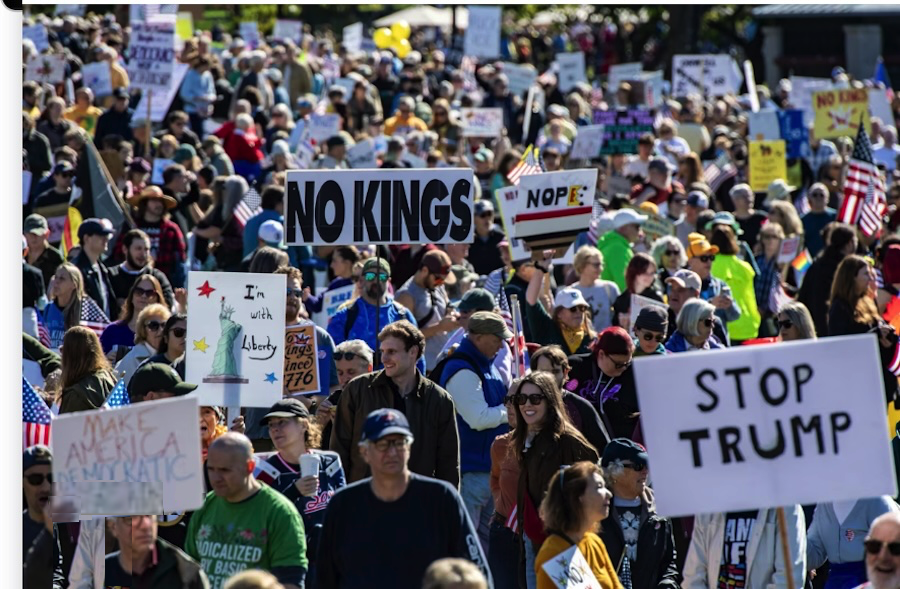
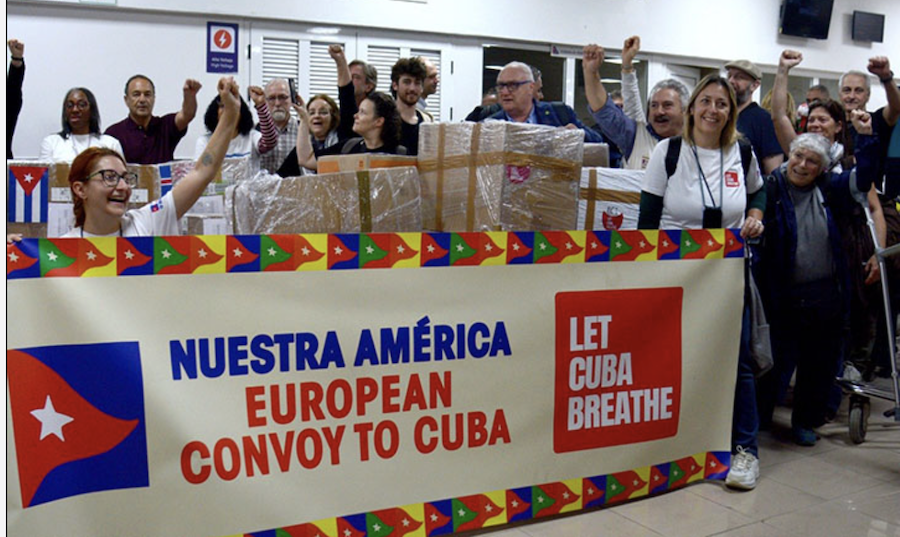
Many thousands marched in solidarity through downtown Chicago over the weekend of September 6 to denounce the growing threat of President Donald Trump’s authoritarianism, with the Midwest’s largest city his latest target.

(Editor’s note: In more recent news, Trump was forced to back down from his threat to invade Chicago in the face of the united opposition in Chicago, including opposition by the mayor and by the governor of the State of Illinois.

Organized by the Coalition Against the Trump Agenda and the Illinois Coalition for Immigrant and Refugee Rights, city residents demonstrated in droves on Saturday afternoon, walking down Michigan Avenue carrying signs that read: “National Guard Stay Out of Chicago!“; “ICE Out of Chicago!“; “No Trump! No Troops!“; “No Nazis – No Kings”; and “Rise Up! Fight Back!”

At a rally ahead of the march, Reverend Ciera Bates-Chamberlain of Live Free Illinois, a member of the coalition behind the march, denounced Trump’s threat to send a large-scale deportation force and National Guard troops to the city as well as the president’s wider far-right agenda.

(Article continued in the right column)

Questions related to this article:

The struggle for human rights, is it gathering force in the USA?

(Article continued from the left column)

“Trump has spent billions on federal guards and the militarization of our community, pouring money into weapons and intimidation instead of investing in schools, hospitals, jobs, and housing,” Bates-Chamberlain said, according to Chicago’s Channel 5 news. “He has stripped us of vital resources meant to help us live, only to use them to try to break our spirits.”

Trump on Saturday threatened to show the people of Chicago “why it’s called the Department of War,” a reference to the recent rebranding of the Department of Defense. The president shared a meme from the Vietnam War film “Apocalypse Now,” with himself superimposed on the war-hungry Lieutenant Colonel, and wrote: “I love the smell of deportations in the morning.”

Even for Trump, known for his repulsive comments and increasingly autocratic behavior, the open threat to make war on a US city—despite later efforts to walk it back or efforts to gaslight people into thinking it didn’t mean what it clearly meant—was seen as a chilling escalation in rhetoric and intent.

“The President of the United States is threatening to go to war with an American city,” said Illinois Gov. JB Pritzker in response to the post. “This is not a joke. This is not normal.”

On Sunday, Trump’s so-called Border Czar Tom Homan appeared on television and said, “You can expect action in most sanctuary cities across the country” in the week ahead, threatening immigrant communities with the likelihood of raids and saying National Guard troop deployments to back up those operations are “always on the table.”

– – – – – –

If you wish to make a comment on this article, you may write to coordinator@cpnn-world.org with the title “Comment on (name of article)” and we will put your comment on line. Because of the flood of spam, we have discontinued the direct application of comments.
Gaza’s Contribution to Civilization

FREE FLOW OF INFORMATION .

An article from blog of Mazin Qumsiyeh

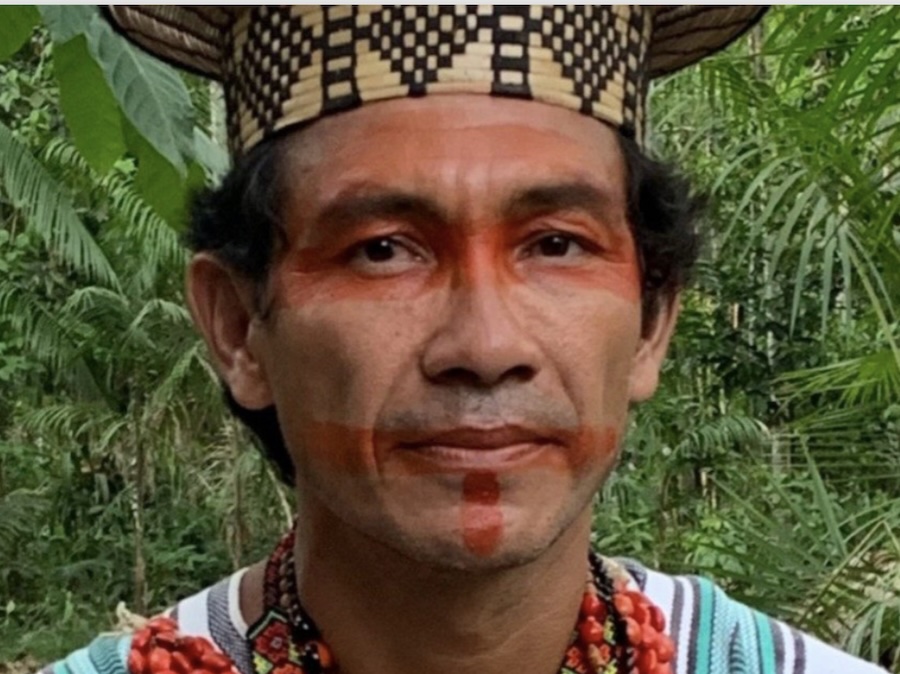
The Gaza littoral – a narrow coastal corridor between Asqalan (Ashkelon) in the north and Rafah at the Egyptian border – occupies a strategic position on the coastal axis linking Africa and Western Asia (the Levant) and is often referred to historically as the Via Maris. Its geography made it a repeated meeting place for goods, peoples, and ideas and explains why archaeological and textual records show continuous human activity from the Chalcolithic/Early Bronze periods onward (de Miroschedji et al.; Tell es-Sakan excavations). This study synthesizes major published finds and contemporary reporting to outline Gaza’s long-term contributions to Mediterranean and Near Eastern civilization. In the 1947 UN Partition plan, the strip was much larger than it is now (and being demolished). Estimates of 200,000 to as many as half a million perished in the past two years of Israeli onslaught on that land (3/4 women and children, and most of the residents are refugees from the Nakba of 1948-1950).


A view of Tell es-Sakan

Recent archaeological work has shown that the Gaza littoral hosted urban settlements as early as 8,000 years ago. Excavations at Tell es-Sakan (discovered during construction work in 1998 and excavated by teams including de Miroschedji) reveal mud-brick urban deposits, storage contexts and evidence for a mixed agricultural-maritime economy during the Early Bronze Age. Such evidence indicates that Gaza’s coastal settlements were part of the emergent urban economies of southern Levant and were in contact with contemporaneous Egyptian administrative and economic activities. The Tell es-Sakan sequence places Gaza within the first waves of coastal urbanization in the eastern Mediterranean.

During the 2nd millennium BCE the Gaza littoral was integrated into the Canaanite network and repeatedly intersected with Egyptian imperial interests. Archaeological assemblages (imported pottery, architecture and small finds) and Egyptian texts show that southern Levantine coastal sites functioned as waystations and focal points for goods moving between the Nile, the Levantine interior and the Mediterranean. Excavation reports and regional syntheses emphasize Gaza’s position as part of coastal exchange networks during this period.

The Iron Age coastal transformation included the arrival (or intensification) of Aegean-influenced material culture in the southern Levant — the so-called Philistine phenomenon — of which Gaza was one of the principal polities in the Philistine pentapolis (Gaza, Ashkelon, Ashdod, Ekron, Gath). Philistine pottery styles, new craft traditions and evidence for specialized workshops and maritime activities attest to cultural fusion between local Canaanite traditions and incoming Aegean elements. Although modern development has limited large-scale excavation directly inside some parts of Gaza City, comparative work from neighboring coastal sites and site surveys indicates Gaza’s role within this dynamic maritime and craft network.

From the Persian through the Hellenistic and Roman periods Gaza sustained major port facilities and urban morphology demonstrating integration into Mediterranean trade networks. Archaeologists have identified the ancient port installations often called Anthedon (sometimes identified with the Balakhiyya/Blakhiya/ Tell Iblakhiyya area north of Gaza) and Maiuma (the port quarter associated with Gaza) among the principal maritime facilities. Excavations and rescue archaeology, including Franco-Palestinian missions at Anthedon, and the 2023 discovery of a substantial Roman-era cemetery (with lead sarcophagi) near Jabaliya, testify to a complex, economically engaged society with elite burial practices and broad Mediterranean connections.

Byzantine churches (recorded on medieval maps such as the Madaba mosaic) and early Islamic administrative records show continuity of urban life and the adaptation of port and land networks and continued fluporsihing economy as well as peaceful coexistence of Christians and Muslims from 6th to 20th century AD. During the Mamluk periods coastal fortifications and administrative structures continued to emphasize the strategic importance of Gaza. Under Ottoman administration and into modernity Gaza functioned as a regional market center and waypoint for caravan and coastal traffic; travelers’ accounts and administrative records document a long continuity of agricultural production, market exchange, and civic life. Throughout its history this heroic strip of territory defeated mighty armies and inspired legendary victories while continuing to prosper [that is until this recent genocide which is not only unprecedented in the region but globally).

Recent decades have seen important archaeological discoveries (e.g., Tell es-Sakan publications, Anthedon excavations, the Roman-era Jabaliya cemetery) alongside increasing concern about threats to sites. Scholarly analyses and investigative reports emphasize the twin pressures of conflict, urban development, coastal erosion and inadequate heritage management on Gaza’s archaeological record. International teams and local scholars have collaborated in rescue excavations, but wartime destruction and damage to heritage structures have been reported (notably during the conflicts of 2023–2024), raising urgent ethical questions about documentation, local stewardship, and international responsibility for preservation and reconstruction.

Our own environmental studies in the area some using detailed satellite images/remote sensing show 1) rich biodiversity, 2) decimation of the tree cover and habitats (see Yin et al. 2025). Thus, there is devastation for both natural and cultural heritage of this rich area.

Gaza also enriched is with thousands of scholars and contributors to human civilization. Here are just a random selection

Silvanus of Gaza (d. ~311 CE) – Early Christian bishop of Gaza who was martyred during the Diocletian persecution. He is remembered as one of the earliest Christian leaders in the region.

(article continued in right column)

Question related to this article:

Presenting the Palestinian side of the Middle East, Is it important for a culture of peace?

(article continued from left column)

Aeneas of Gaza (~5th century) – Neo‑Platonic philosopher and Christian convert, associated with the Rhetorical School of Gaza. He wrote philosophical works that merged classical philosophy with Christian thought.

Dorotheus of Gaza (~500–560/580) – Monk and ascetic teacher near Gaza, author of spiritual discourses that influenced early Christian monasticism and ethical thought.

Sulayman al-Ghazzi (c. 940–1027) – A Christian bishop and poet in Fatimid Palestine, Sulayman al-Ghazzi was the first known Arab Christian poet to write religious verse in Arabic. His diwan (poetic anthology) offers insights into Christian life during the era of caliph al-Hakim. 

Ibn Qudama (1147–1223) – A prominent Hanbali jurist and theologian, Ibn Qudama was born in Gaza and is renowned for his works on Islamic jurisprudence, including al-Mughni, a comprehensive legal encyclopedia. 

Abu Bakr al-Nabulsi – A 17th-century Islamic scholar from Gaza, al-Nabulsi was known for his contributions to Islamic jurisprudence and theology, particularly within the Shafi’i school of thought. 

Shady Alsuleiman – A contemporary Islamic scholar and imam, Alsuleiman is recognized for his work in Islamic education and community leadership, focusing on promoting understanding of Islamic teachings in modern contexts. 

Ayman Hassouna – A Palestinian archaeologist and university lecturer, Hassouna has worked extensively on excavations in Gaza, including the Byzantine Church of Jabalia, contributing significantly to the understanding of Gaza’s ancient history. 

Sufian Tayeh (1971–2023) – A physicist and educator, Tayeh served as the president of the Islamic University of Gaza. He was known for his work in physics and applied mathematics and was tragically killed in an Israeli airstrike in December 2023. 

Mohammad Assaf (b. 1992) – Singer from the Gaza Strip who gained fame by winning Arab Idol, becoming a symbol of hope and cultural pride for Palestinians.

Dr. Refaat Alareer (1979–2023) – A Renaissance scholar from Gaza, Alareer was a professor and writer who contributed to academic and cultural discourse. He was killed during the 2023 conflict, leaving a legacy of intellectual engagement.

Conclusion: Early urbanization and administrative activities in Gaza contributed to the regional network of production, storage, and exchange that underpinned complex societies in the Near East. Acting as a coastal conduit, Gaza facilitated the transmission of commodities and material culture between Egypt and the broader Levantine-Mediterranean economy. Port infrastructure, long-distance maritime commerce, specialized fisheries and the movement of Mediterranean goods and ideas through Gaza contributed directly to the economic vitality and cultural pluralism of the region. Technological and stylistic exchange (ceramics, metallurgy, textile production, and ship-related crafts) that flowed through the Gaza littoral influenced craft traditions across the southern Levant and beyond.The Gaza littoral’s long-term contributions to civilization are best understood as a combination of (1) geographical advantage (coastal route and hinterland productivity), (2) sustained maritime and land exchange networks that carried goods and ideas, (3) local craft and agricultural production that fed regional markets, and (4) repeated cultural contact zones that produced hybrid forms of material culture and religious life. Gaza’s sustained role as a market, agricultural supplier, and transport hub helped to link inland and coastal economies for centuries, transmitting crops, commodities and cultural practices. This was an essential contribution to circum-Mediterranean coastal communities and over 30 countries have direct connections to Gaza. Gaza’s archaeological record informs broader historical narratives of Mediterranean connectivity. Preserving that record is necessary for reconstructing local histories that feed into global understandings of ancient economies, religions, and technologies and is an essential component of knowledge to shape a peaceful future that is not repeatedly marred by genocides and holocausts (due to colonialism, imperialism).

References

Al-Houdalieh, S. H., et al. (2024). Heritage and Conflict in Gaza [report/PDF]. (ResearchGate summary).

Andreou, G. M. (2024). Establishing a baseline for the study of maritime cultural … International Journal of Nautical Archaeology (summary online).

Forensic Architecture. (2022). Living Archaeology in Gaza. Forensic Architecture. Retrieved from Forensic Architecture website. 

International news report: Associated Press. (2023, September 24). Archaeologists unearth the largest cemetery ever discovered in Gaza and find rare lead sarcophagi. AP News. 

The Guardian. (2025, March 17). Gaza’s heritage sites destroyed by war. The Guardian. (reporting on 2023–2024 damage and restoration efforts). 

UNESCO World Heritage Centre. (n.d.). Anthedon Harbour / Blakhiyya (tentative listing and site information). UNESCO Tentative Lists. 

Wikipedia contributors. (n.d.). Tell es-Sakan; Anthedon; Maiuma. Wikipedia. (Used as quick references to excavation histories and site identifications — consult field reports and excavation monographs for primary data).

Yin, H., Eklund, L., Habash, D., Qumsiyeh, M. B., & Van Den Hoek, J. (2025). Evaluating war-induced damage to agricultural land in the Gaza Strip since October 2023 using PlanetScope and SkySat imagery. Science of Remote Sensing. Vol. 11: Article 100199
 
– – – – – –

If you wish to make a comment on this article, you may write to coordinator@cpnn-world.org with the title “Comment on (name of article)” and we will put your comment on line. Because of the flood of spam, we have discontinued the direct application of comments.

‘We Are All DC’: Tens of Thousands March to White House

. HUMAN RIGHTS .

An article from Common Dreams

The heart of Washington, D.C., pulsed with defiance on Saturday (September 6) as tens of thousands of demonstrators surged down 16th Street toward the White House. It was the city’s first major organized protest since President Donald Trump declared a state of emergency and unleashed federal troops onto its streets.

(Article continued in the right column)

Questions related to this article:

The struggle for human rights, is it gathering force in the USA?

(Article continued from the left column)

Banners waved and voices rose in unison at the “We Are All D.C.” march, a massive show of resistance led by a coalition that included Free DC, defenders of local self-rule, Democracy Forward, and the American Civil Liberties Union. Their message was clear: the federal occupation of the capital must end.

– – – – – –

If you wish to make a comment on this article, you may write to coordinator@cpnn-world.org with the title “Comment on (name of article)” and we will put your comment on line. Because of the flood of spam, we have discontinued the direct application of comments.
Bolivia: National Network for a Culture of Peace Meets in Sacaba

. . DEMOCRATIC PARTICIPATION . .

An article from Los Tiempos

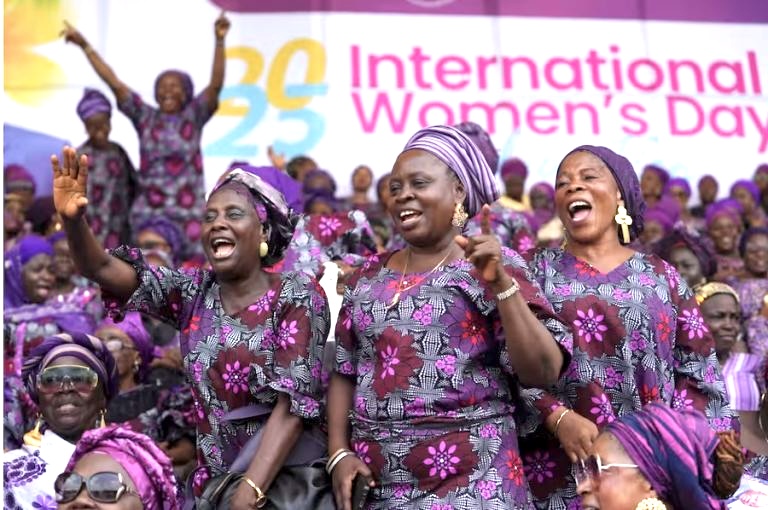
Under the slogan “I choose to dialogue, I choose to listen,” more than 150 communicators and young people from 40 municipalities will meet this Saturday (3:30 p.m.) in the town of Sacaba. The goal is to strengthen their values, skills, and knowledge about the Culture of Peace and its connection to the exercise of human rights and development, aware that conflict fragments the cohesion of a society and impedes development.

In addition, they will make public their declaration for peace, recognizing their responsibility in conflict prevention and transformation through art and communication.

(Article continued in right column)

(Click here for the original article in Spanish.)

Question related to this article:

How can we develop the institutional framework for a culture of peace?

(Article continued from left column)

Sacaba’s main square will be the stage for the cultural movement, supported by Solidar Suiza and the UNDP (United Nations Development Programme) (Peacebuilding Fund).

On Saturday, participants will spread awareness-raising messages and reflect on the culture of peace through communication and art. During the public intervention, they will present plays, rap, performances, and a mural, concluding with their Declaration of Commitment to Peace.

The communicators and young members of the National Network for a Culture of Peace will use their knowledge of communication and art to continue contributing to the culture of peace. They will amplify and disseminate their messages and proposals, generate mobilization in their contexts, and also contribute to the fight against disinformation and hate speech.

This action is part of the Initiative to Consolidate a Culture of Peace in Bolivia, promoted by UNDP with financial support from the United Nations Peacebuilding Fund (PBF) and implemented by Solidar Suiza in partnership with LanzArte and RedCom.

– – – – – –

If you wish to make a comment on this article, you may write to coordinator@cpnn-world.org with the title “Comment on (name of article)” and we will put your comment on line. Because of the flood of spam, we have discontinued the direct application of comments.