Tag Archives: East Asia

Abu Sayyaf Threat And The Culture Of Peace In Basilan, Philippines: The Legacy Of Life And Martyrdom Fr. Rhoel Gallardo – OpEd

. EDUCATION FOR PEACE .

An article by Rommel C. Banlaoi in Eurasia Review

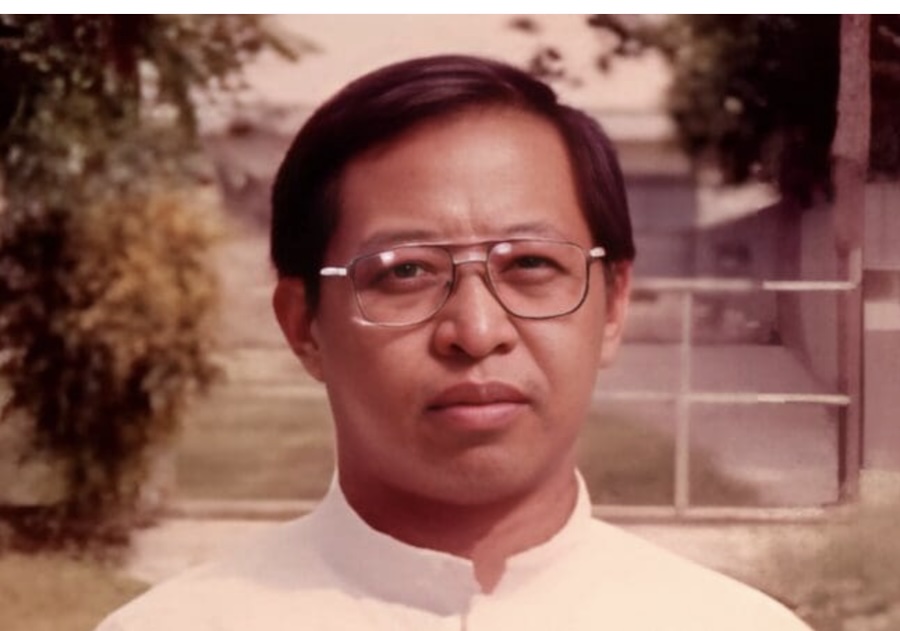
Fr. Rhoel Gallardo. Photo Credit: Toshiroo, Wikipedia Commons
Director Rommel Galapia Ruiz’s  film, Seeds of Peace: The Life Story of Fr. Rhoel Gallardo,  is more than a cinematic tribute; it is a stern reminder of the enduring struggle to defend faith and promote peace in the face of violent extremism.  Director Ruiz deserves the accolade for capturing the human dimension of Gallardo’s great sacrifice and situating it within the broader narrative of Basilan’s transformation from a safe haven for terrorists to a zone of peace. His work contributes not only to the preservation of memories of Fr. Gallardo but also to the rethinking of Philippine counterterrorism strategies.

My research on the Abu Sayyaf Group (ASG) has consistently emphasized that while the group cloaks its actions in religious rhetoric, its motivations are largely opportunistic—driven by ransom, criminality, and exploitation of local grievances. The abduction and killing of Fr. Gallardo in 2000 exemplified the nexus of crime, terrorism and violence exhibited by the ASG. Yet, his mission in Tumahubong was not simply about teaching Christian children; it was about nurturing a fragile culture of peace where Christians and Muslims could coexist despite the shadow of violent extremism from the ASG. His school became a sanctuary of dialogue, a seedbed of hope amidst fear and terror.

Gallardo’s contribution to promoting peace in Basilan resonates with the broader lesson that counterterrorism cannot be reduced to military operations alone. His life demonstrated that education, interfaith solidarity, and community empowerment are indispensable in resisting extremist narratives. This insight aligns with the Philippine government’s Preventing and Countering Violent Extremism (PCVE) framework, which emphasizes community-based approaches, interfaith dialogue, and livelihood programs as complements to security operations. Gallardo’s legacy anticipated this holistic strategy, showing that the culture of peace is itself a counterterrorism tool.

(continued in right column)

Question(s) related to this article:

What are some good films and videos that promote a culture of peace?

Islamic extremism, how should it be opposed?

(continued in right column)

The transformation of Basilan from a stronghold of the ASG into one of the most peaceful provinces in the Bangsamoro Autonomous Region is a testament to this integrated approach. Sustained military pressure and governance reforms were crucial, but equally vital were grassroots initiatives that fostered trust and resilience—initiatives that Gallardo embodied. Today, Basilan stands as a symbol of progress, with enormous declines in terrorist incidents reflecting the success of combining security with peacebuilding.

Yet, this achievement must not lead to complacency. Extremist threats persist, and the possibility of resurgence remains real. Vigilance is required to sustain the gains, and the state must continue to invest in education, livelihood, and interfaith dialogue as part of a comprehensive counterterrorism framework. Programs under the PCVE strategy must be strengthened, ensuring that communities remain resilient against extremist recruitment and propaganda.

Fr. Gallardo’s martyrdom reminds us that peace is fragile but achievable. His legacy challenges policymakers to rethink counterterrorism as a project of human security, where the culture of peace is the most enduring antidote to the culture of terror. The film Seeds of Hope ensures that his story continues to inspire, reminding us that the seeds he planted must be nurtured with vigilance, dialogue, and collective commitment. 

The film by Director Ruiz is profoundly timely as it coincides with two significant commemorations: the 26th year of Fr. Gallardo’s martyrdom and the 25th anniversary of the tragic events of 9/11. Both moments remind us of the enduring struggle against violence and the call to uphold peace, courage, and faith in the face of adversity. By reflecting on Fr. Gallardo’s sacrifice alongside the global memory of 9/11, the film becomes not only a tribute to his life but also a powerful reminder of the universal need for reconciliation, resilience, and hope in pursuit of peace.

– – – – – –

If you wish to make a comment on this article, you may write to coordinator@cpnn-world.org with the title “Comment on (name of article)” and we will put your comment on line. Because of the flood of spam, we have discontinued the direct application of comments.
36,000 protesters rally in Tokyo against Japanese PM Takaichi’s push to revise constitution

DISARMAMENT & SECURITY .

An article from Xinhua China News

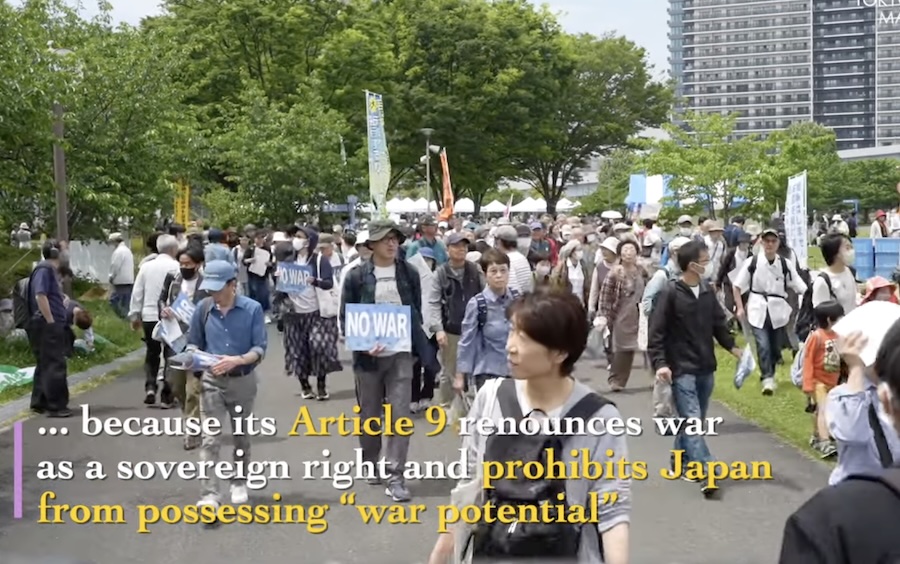
Tens of thousands of Japanese people gathered around the parliament building in Tokyo on Sunday [April 19] to protest attempts of the government of Japanese Prime Minister Sanae Takaichi to revise the country’s pacifist constitution and to call for the protection of Article 9.

About 36,000 people attended the rally, organizers said, the second protest to draw about 30,000 people near the National Diet Building against constitutional revision since April 8.


Frame from You Tube video of an additional protest on May 4

Protesters held placards reading “No to war,” “Do not undermine Article 9” and “Takaichi step down,” calling for the protection of Japan’s pacifist constitution.

“The fact that so many people have gathered here to protest the Takaichi administration’s push for constitutional revision shows that the Japanese people do not want war,” a protester surnamed Hara told Xinhua. It was her fourth time attending such a rally.

(Article continued in right column)

Question related to this article:

How can the peace movement become stronger and more effective?

(Article continued from left column)

Hara accused Takaichi, backed by her ruling Liberal Democratic Party’s (LDP) supermajority in the lower house, of pressing ahead with constitutional amendment in defiance of public opposition, intending to turn Japan into a country “capable of waging war,” which she said she strongly opposes.

“I hope (the Takaichi government) can listen to the voice of the people,” she added.

Another protester, identified as Takahashi, said Japan had inflicted profound suffering across Asia during wartime and that its pacifist constitution was drafted in reflection on that history. She opposes any move to revise it.

“I have nephews and nieces, and I absolutely do not want them to be sent to war someday,” said Izumi, a first-time participant. “I oppose war. Article 9 must be protected at all costs.”

Another male protester said he feared war and was alarmed by the ruling LDP’s push to revise Article 9. He expressed hope that Takaichi would step down and be replaced by leadership capable of advancing genuine democracy and that Japan would maintain friendly relations with China and countries around the world.

Japan’s Constitution, which took effect in 1947, is often referred to as the pacifist constitution because its Article 9 renounces war as a sovereign right and prohibits Japan from possessing “war potential” such as military forces.

However, both Takaichi and right-wing forces in Japan have long sought to revise Article 9. At an LDP convention on April 12, Takaichi declared that “the time has come” to reform the Constitution, saying that “we would like to hold next year’s convention with a proposal for a constitutional amendment in sight,” signalling a renewed determination that has triggered widespread concern and criticism across Japanese society. 

– – – – – –

If you wish to make a comment on this article, you may write to coordinator@cpnn-world.org with the title “Comment on (name of article)” and we will put your comment on line. Because of the flood of spam, we have discontinued the direct application of comments.
Mayors for Peace Joint Appeal March 16, 2026

. . DEMOCRATIC PARTICIPATION . .

An appeal from Mayors for Peace

Today, the global security situation is significantly in crisis. The Russian invasion of Ukraine is in its 5th year and no end is in sight. Already too many armed conflicts exist in the world and now a new one has started between the US, Israel and Iran. Many people, including civilians, are being killed and essential infrastructure is being destroyed. The tit-for-tat attacks and their escalation to hitting installations in an increasing number of countries are causing grave consequences not only for the region but also the world at large regarding political and economic security.

(article continued in right column)

Question related to this article:
 
How can culture of peace be developed at the municipal level?

(article continued from left column)

We are also worried that neglecting the rule of law, including the UN Charter, would lead to more and more armed conflicts. We call upon all the countries engaging in armed conflicts to immediately implement a ceasefire and restore peace and stability.

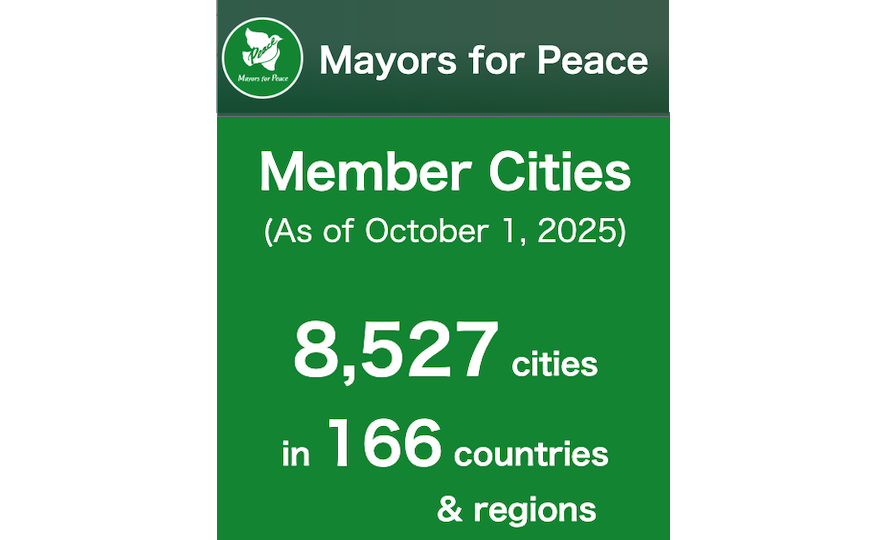
Mayors for Peace, which consists of approximately 8,600 member cities in 166 countries and regions, a global network of local government leaders committed to protecting the safety and security of their citizens, strongly demands that international disputes be resolved by diplomatic efforts through dialogue. The use of force against any country which results in the loss of innocent civilian lives, is totally unacceptable.

On behalf of Mayors for Peace, we hereby declare once again that, together with all peaceseeking people around the world, we will make every effort to achieve lasting global peace and create a world free from nuclear weapons.

MATSUI Kazumi, President of Mayors for Peace, Mayor of Hiroshima

SUZUKI Shiro, Vice President of Mayors for Peace, Mayor of Nagasaki

International Women’s Day: Asia and Pacific

. WOMEN’S EQUALITY . .

A press survey by CPNN

Here are the results from Asia and the Pacific

AUSTRALIA


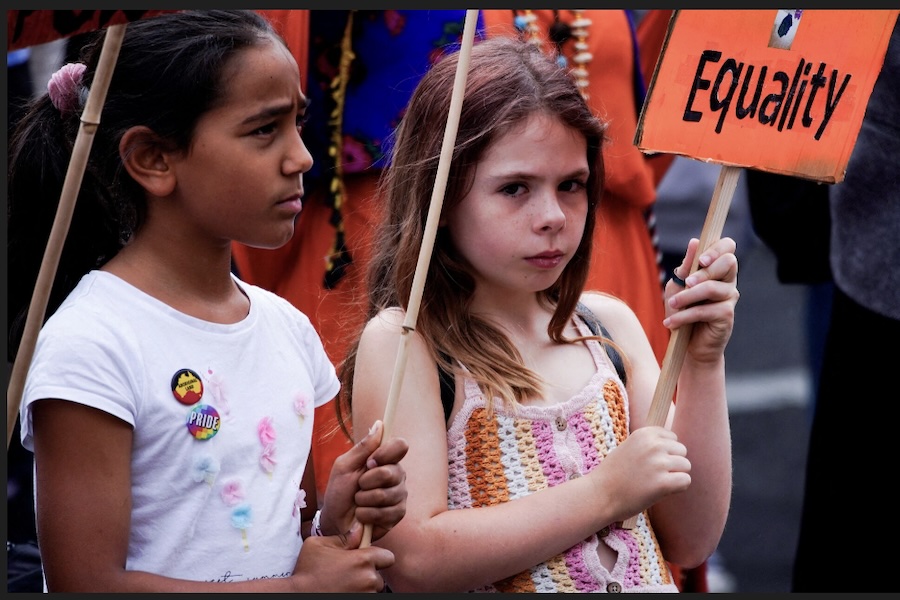
Children participate in an International Women’s Day demonstration, in Melbourne, Australia, March 8, 2023. REUTERS/Sandra Sanders

BANGLADESH


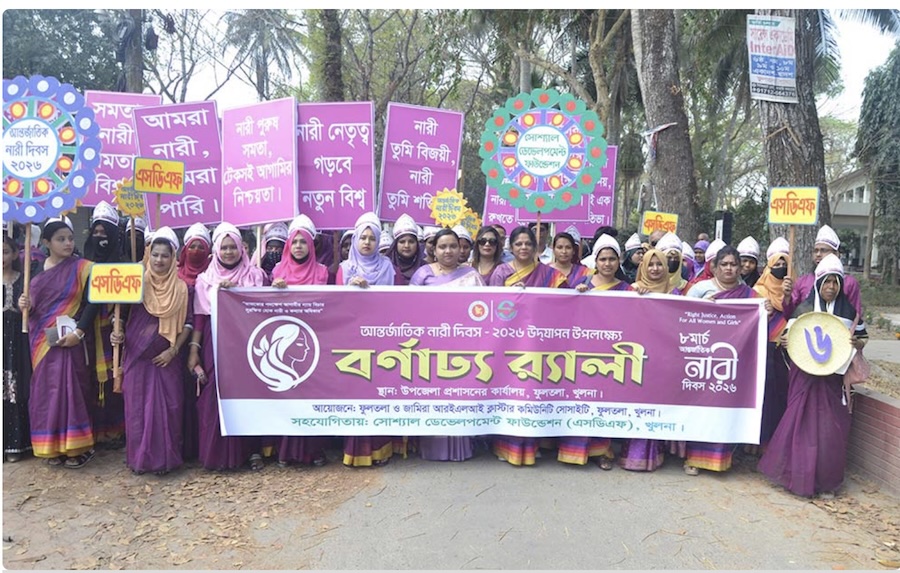
International Women’s Day was celebrated on Saturday with enthusiasm and diverse programmes across the districts including Gopalganj, Laxmipur, Joypurhat, Khulna, Pirojpur, and Rajbari. The events highlighted women’s empowerment, rights, and social contributions, bringing together government officials, civil society leaders, and local communities.

BANGLADESH, SARIAKANDI


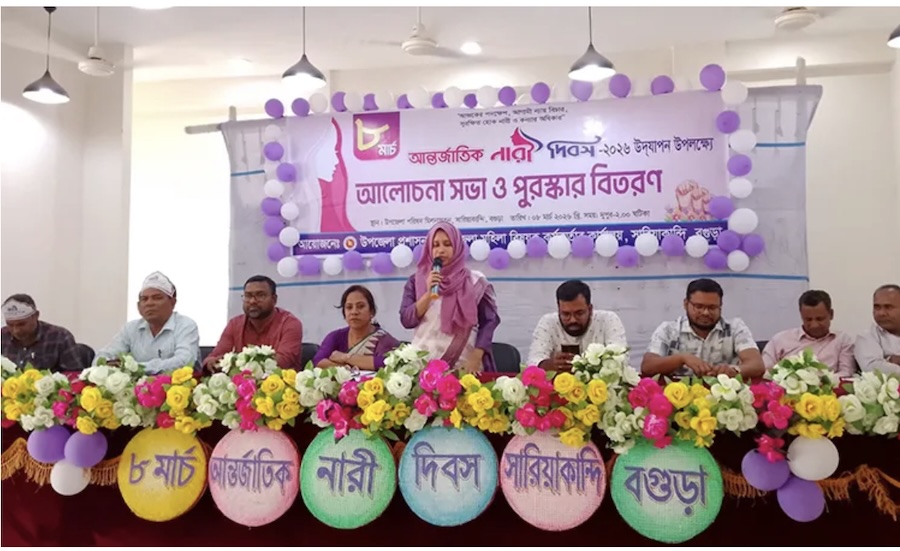
Various programmes were organized in Sariakandi of Bogura to celebrate International Women’s Day. On Sunday afternoon (March 8), a colorful rally started from the Upazila Parishad premises and marched through key roads of the town. A discussion meeting was later held at the auditorium of the Sariakandi Upazila Parishad.

CAMBODIA


Phnom Penh, Cambodia, March 9, 2026: The National Olympic Committee of Cambodia reports that around 4,000 people took part in a Women’s Day Run to celebrate International Women’s Day on Sunday, March 8.

CHINA


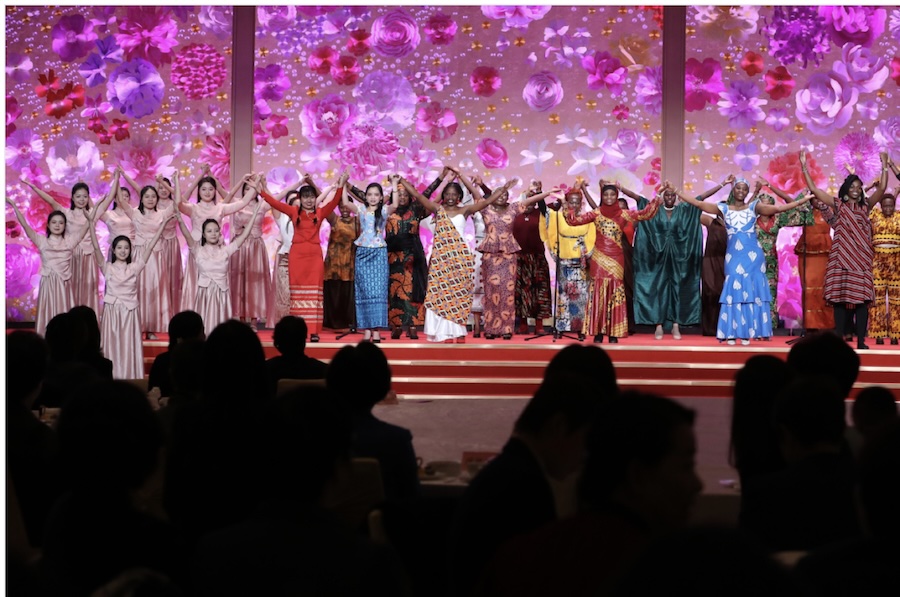
In celebration of International Women’s Day, falling on Sunday this year, the All-China Women’s Federation hosted a reception in Beijing on Friday, highlighting China’s commitment to advancing global women’s causes. The reception was attended by about 1,000 women from various sectors in China, as well as female representatives from international organizations and foreign embassies.

INDIA


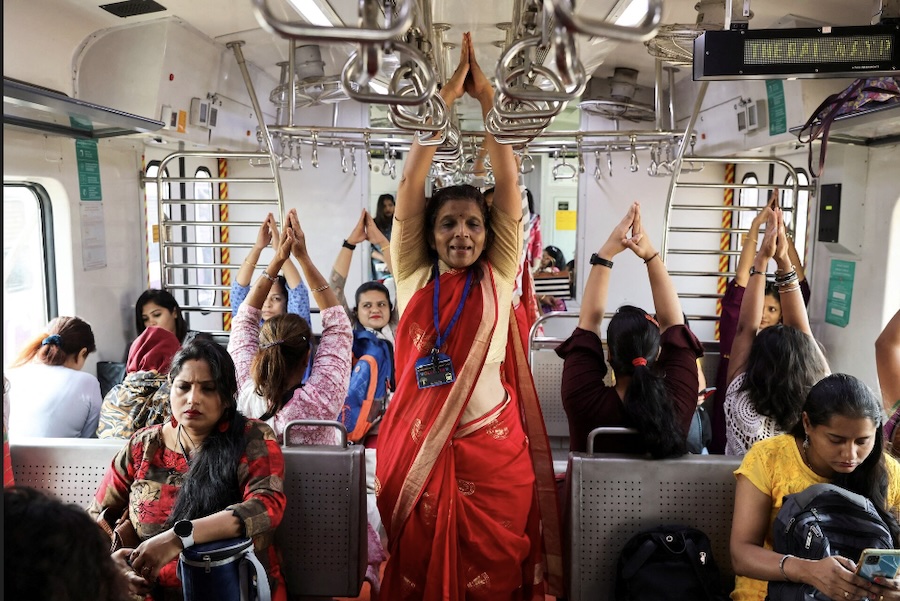
Women practice yoga in a local train on the occasion of International Women’s Day in Mumbai, India, March 8, 2023. REUTERS/Francis Mascarenhas

INDONESIA


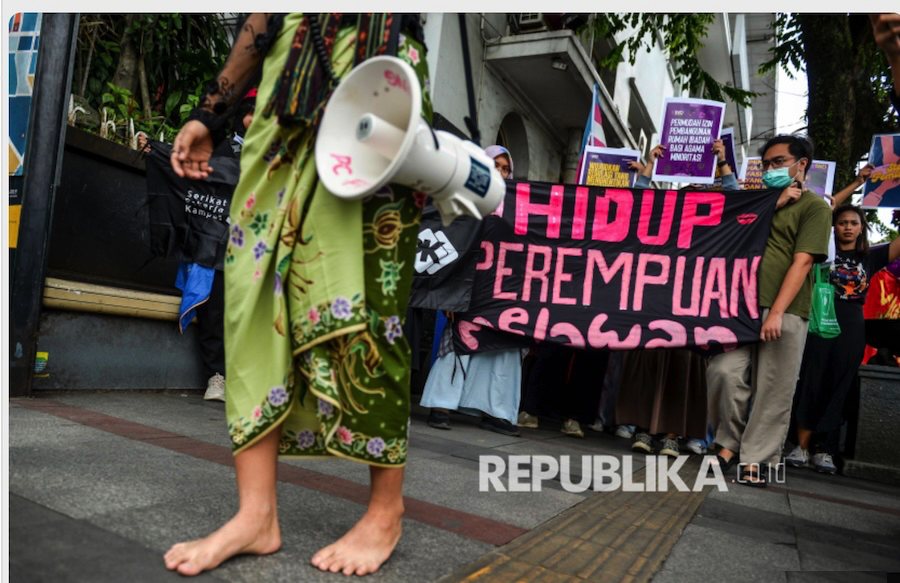
Protesters from the Puan Knot Alliance marched during a demonstration commemorating International Women’s Day on Jalan Asia Afrika, Bandung, West Java, Sunday (March 8, 2026). They demanded the government end the militarization of the public sphere and military interference in civilian policies, including food and social programs, and revoke policies and practices that criminalize the people, activists, workers, and women through the Criminal Code and Criminal Procedure Code. (Photo Antara Photo/Raisan Al Farisi)

Question related to this article:
 
International Women’s Day

JAPAN


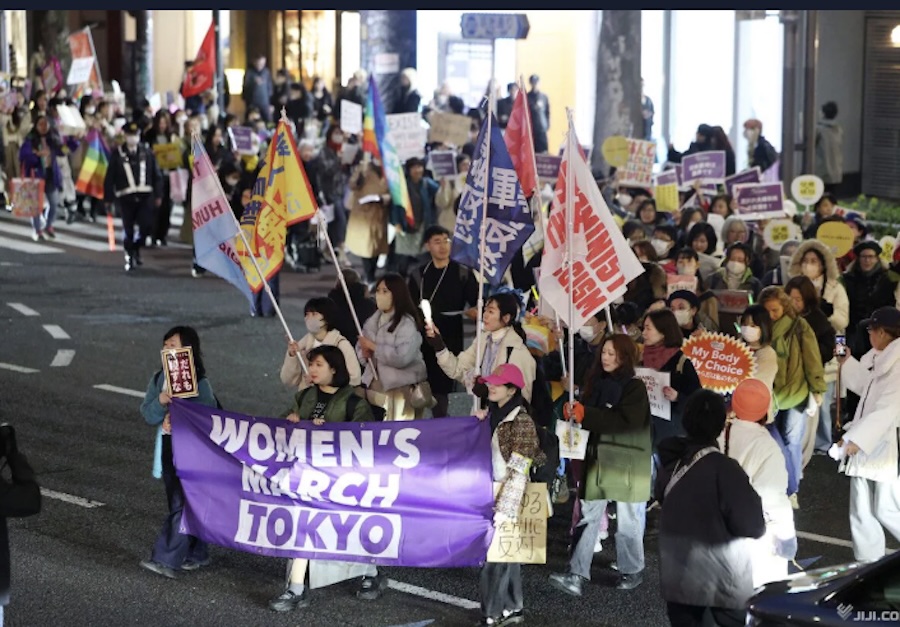
“Women’s March Tokyo,” a protest march against sexual violence and discrimination toward women, was held in Tokyo’s Shibuya Ward on International Women’s Day on Sunday.

KAZAKHSTAN


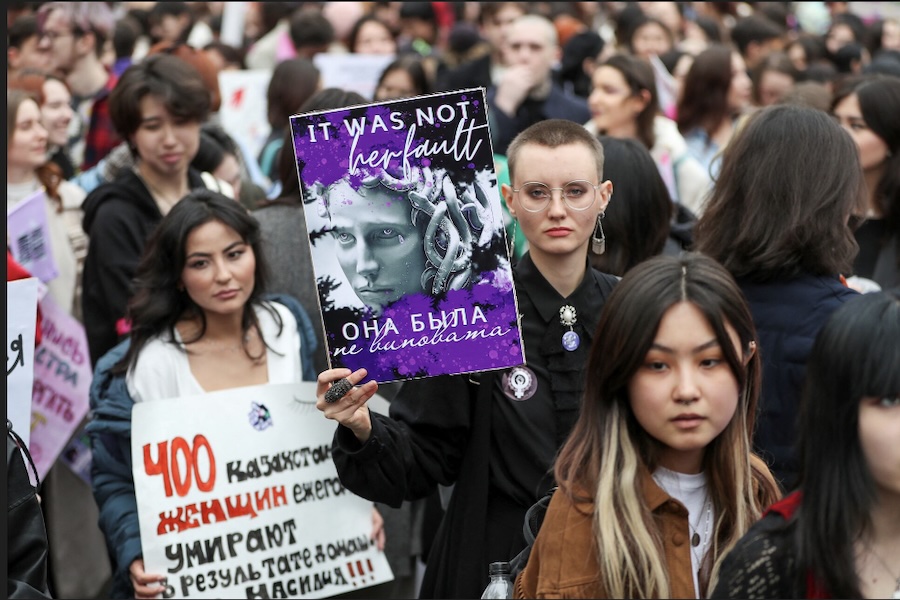
Activists hold a rally to support women’s rights on International Women’s Day in Almaty, Kazakhstan, March 8, 2023. REUTERS/Pavel Mikheyev

NORTH KOREA


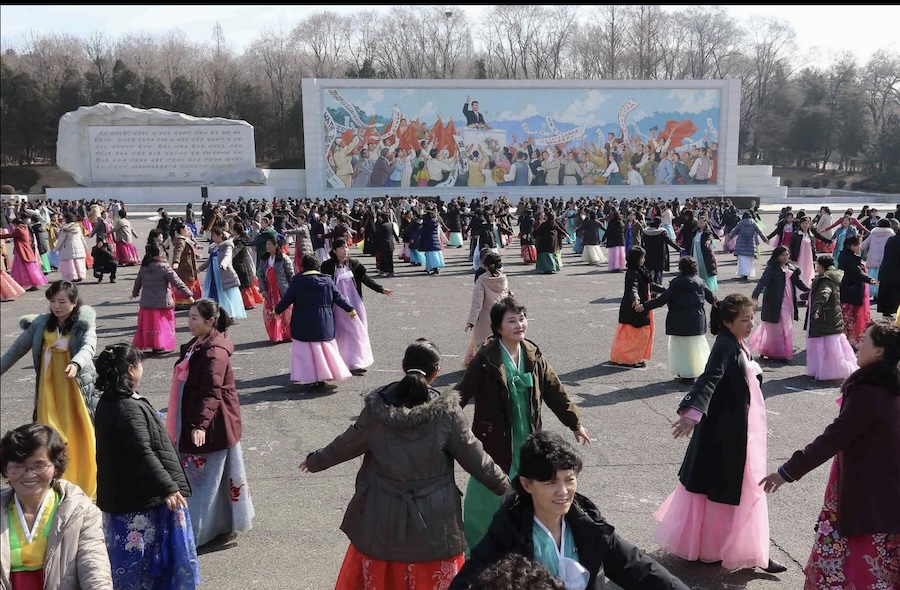
North Korean women dance on the occasion of the International Women’s Day in Moranbong District, Pyongyang, North Korea Sunday, March 8, 2026. (AP Photo/Jon Chol Jin)

PHILIPPINES


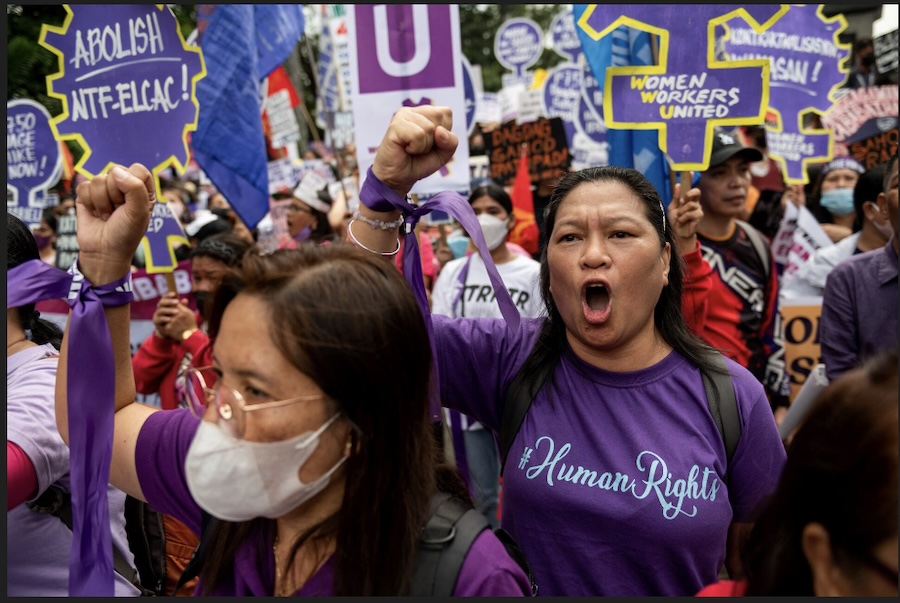
Filipino women and activists raise their fist during a protest on Women’s Day, in Manila, Philippines, March 8, 2023. REUTERS/Lisa Marie David

SOUTH KOREA


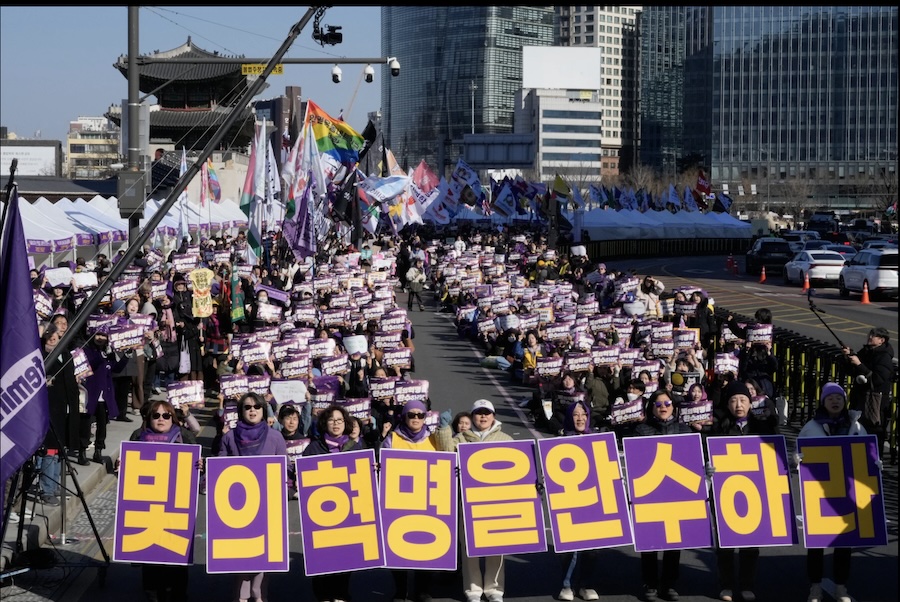
South Korean activists gather a day ahead of International Women’s Day in Seoul, South Korea, Saturday, March 7, 2026. The banners read “Complete the revolution of light.” (AP Photo/Ahn Young-joon)

SRI LANKA


President Anura Kumara Dissanayake on Sunday said Sri Lanka will be branded before the world as a nation that has taken up the banner of humanity in any conflict that arises in the world. The President was speaking at the International Women’s Day celebration held at the P. D. Sirisena Stadium in Colombo on Sunday. The event was organised by the National People’s Power under the theme “When She Rises – the Nation Rises” .

VIETNAM


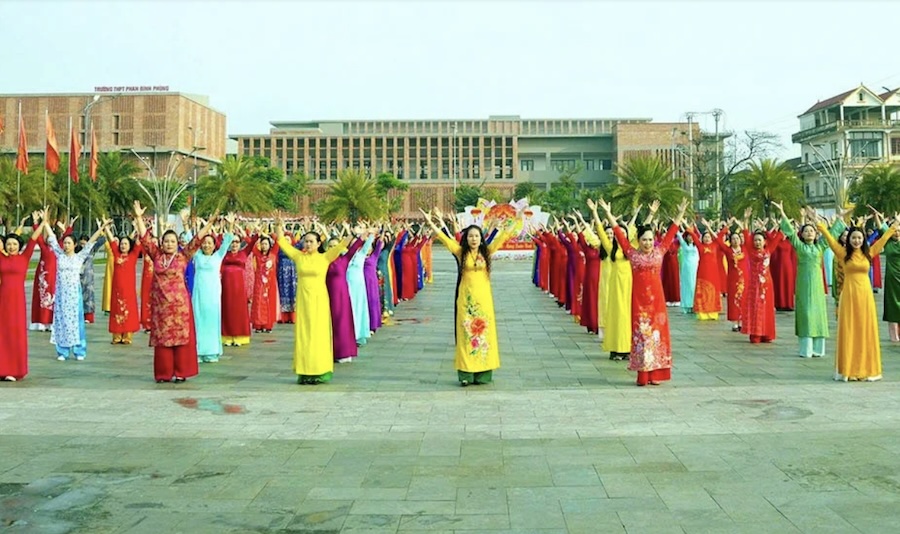
In response to the “Ao Dai Week” 2026, celebrating the 116th anniversary of International Women’s Day (March 8, 1910 – March 8, 2026), on the morning of March 8, Women’s Union branches in many communes and wards throughout the province simultaneously organized Ao Dai fashion shows, with the participation of thousands of members.

– – – – – –

If you wish to make a comment on this article, you may write to coordinator@cpnn-world.org with the title “Comment on (name of article)” and we will put your comment on line. Because of the flood of spam, we have discontinued the direct application of comments.

Mayors for Peace Action Plan (2025–2029)

.. DEMOCRATIC PARTICIPATION ..

Excerpts from Mayors for Peace Action Plan

Here are excerpts from the action plan adopted during the Mayors for Peace General Conference.

1. Realize a world without nuclear weapons

* Hold Mayors for Peace Atomic Bomb Poster Exhibitions around the world

* Pass down atomic bomb experiences through testimonies Outreach for TPNW Support International Advocacy

* Conduct activities urging all states, including nuclear weapon states and their allies, to join the TPNW at the earliest possible date

* Foster solidarity with global hibakusha

*Deliver messages from cities at international disarmament conferences

*Issue open letters advocating for a world without nuclear weapons or war

* Conduct member city-led activities calling on their respective national governments to contribute to the abolition of nuclear weapons

* Conduct petition drives urging all states to join the TPNW promptly

* Promote youth-centered citizen activity and interactions

Promote outreach regarding the current international nuclear weapons situation

Support research, education, and human resource development related to nuclear disarmament

2. Realize safe and resilient cities

* Promote local initiatives to address global issues

* Facilitate understanding of global issues

* Build diverse and inclusive cities that “leave no one behind”

* Share results and make use of the network

* Hold regional conferences led by Lead Cities

*;Build regional networks across the world

* Collaborate with the international community on global social issues

* Enhance City PR through international cooperation

Questions for this article:

How can culture of peace be developed at the municipal level?

3. Promote a culture of peace

* Conduct initiatives to convey the realities of the atomic bombings and war

* Pass down the experiences of the atomic bombings and war through testimonies

* Distribute and nurture seeds and seedlings from atomic-bombed trees

* Promote peace and disarmament education

* Promote peace education through initiatives such as the annual Children’s Art Competition “Peaceful Towns”

* Expand programs to host youth in the atomic bombed cities, such as the Youth Exchange for Peace Support Program

* Send young people to international disarmament conferences

* Support the establishment of Hiroshima-Nagasaki Peace Study Courses at more universities

* Promote citizen-led peace culture activities

* Promote global exchange among citizens rooted in the culture of peace

* Hold outreach events through art and sports

* Promote the culture of peace by using social media and other accessible platforms

* Raise peace awareness in conjunction with international commemorative days

* Promote peace culture activities utilizing local resources

Implement region-specific measures and collaborate with diverse

4. Promote sustainable organizational development

Strengthen membership recruitment activities in regions worldwide

* Support new member cities 1) Collect and share good practices from member cities

* Establish a Lead Cities-led implementation system

* Strengthen collaboration with member cities and human resource development through the Mayors for Peace Internship Program

* Develop an information infrastructure to strengthen collaboration among member cities

* Collaborate with local government organizations, such as USCM, NFLA, UCLG

Collaborate with international organizations and NGOs, such as the UN, ICRC, and ICAN

* Strengthen collaboration with peace research institutions such as the HiroshimaPlatform forPeaceStudies andEducation, RECNA, and UNIDIR

* Collaborate with museums around the world that convey the realities of the atomic bombings and war

* Promote public relations to gain wider support

* Strengthen communication through social media and other platforms

* Operate the Mayors for Peace Supporter System

* Strengthen the membership fee system

* Broaden fundraising efforts
– – – – – –

If you wish to make a comment on this article, you may write to coordinator@cpnn-world.org with the title “Comment on (name of article)” and we will put your comment on line. Because of the flood of spam, we have discontinued the direct application of comments.
Japan: September 21st is International Peace Day: Calligraphers and high school students pray for peace through calligraphy in Kagoshima City

FREE FLOW OF INFORMATION .

An article from Newsdig (Translated from Japanese by Google translator)

Today, September 21st, is the United Nations’ International Day of Peace. At a shrine in Kagoshima City, calligraphers from the prefecture and high school students took up their brushes to write messages of hope for peace.

This event is held annually by the Wa Project TAISHI at shrines across the country to coincide with International Peace Day on September 21st.


(Click on image to enlarge)

(article continued in right column)

Question related to this article:

What is happening for the International Day of Peace?

(article continued from left column)

On the 21st, at Gokoku Shrine in Kagoshima City, calligraphers Matsuda Yoshinobu and Ueno Hiroko, both natives of the prefecture, and students from the calligraphy club at Shonan High School wrote messages of peace.

(Wada Haruka, Calligraphy Club Leader, Shonan High School) “This year marks the 80th anniversary of the end of the war, and I’m glad that I was able to write at this event while praying for world peace.”

(Calligrapher Matsuda Yoshinobu) “I hope that young people today will have even just a few opportunities to think about peace.”

The message written on the 21st will be displayed at Gokoku Shrine until the 1st of next month.

– – – – – –

If you wish to make a comment on this article, you may write to coordinator@cpnn-world.org with the title “Comment on (name of article)” and we will put your comment on line. Because of the flood of spam, we have discontinued the direct application of comments.
China announces plans for SCO Development Bank; says to launch process soon

. . SUSTAINABLE DEVELOPMENT . .

An article from Economic Times – India

China’s Foreign Minister Wang Yi announced on Monday that member states of the Shanghai Cooperation Organization (SCO) have decided to establish a Development Bank aimed at strengthening regional economic cooperation, reported Reuters.

Speaking in Tianjin, where the SCO countries held the deleberations, the minister said the organisation will soon launch the process to create the financial institution, which is expected to play a crucial role in funding infrastructure and development projects across the bloc.


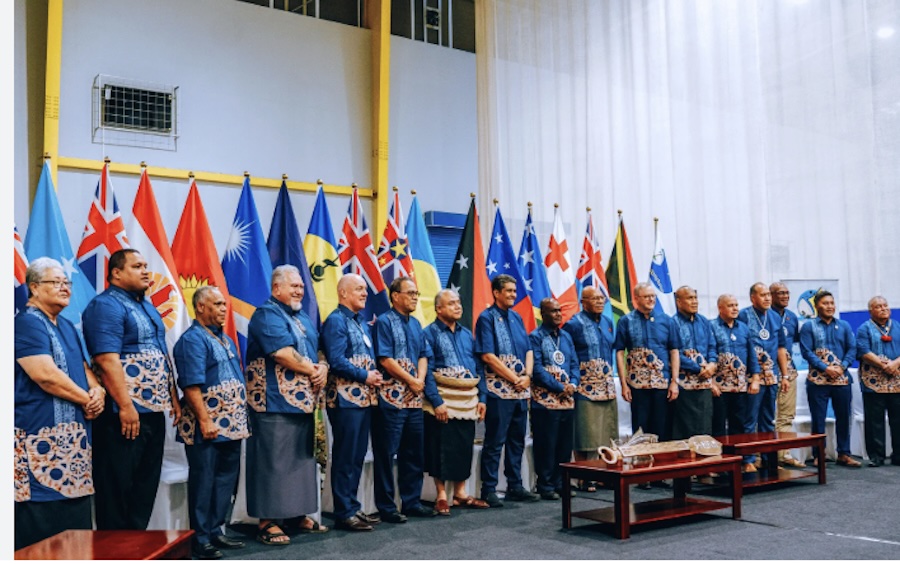
Leaders and officials, including Chinese President Xi Jinping and Russian President Vladimir Putin, attend a photo ceremony at the Shanghai Cooperation Organisation (SCO) summit in Tianjin, China August 31, 2025.

“The SCO Development Bank will give a strong boost to infrastructure development and inject fresh momentum into the economies of member countries,” Yi noted as a part of the Tianjin Declaration.

The announcement came as Chinese President Xi Jinping, in his inaugural address to the 25th SCO Summit, urged member states to accelerate work on the bank, pointing to the growing appeal of the 10-nation grouping, according to a PTI report.
(Article continued in the right column)

Question for this article:

What is the contribution of BRICS to sustainable development?

(Article continued from the left column)

Xi noted that the SCO has evolved into the world’s largest regional organisation, encompassing 26 countries in various forms of partnership, cooperating in over 50 areas, and generating a combined economic output of nearly $30 trillion.

China has long championed the establishment of an SCO Development Bank, drawing parallels with other multilateral institutions such as the BRICS New Development Bank (NDB) and the Asian Infrastructure Investment Bank (AIIB). Both headquartered in China, these banks were initially seen as rivals to the IMF, World Bank and Asian Development Bank (ADB), but they now actively collaborate with them through co-financing mechanisms.

What else was in the Tianjin Declaration?

Alongside the decision to launch the process for the SCO Development Bank, the Tianjin Declaration also unveiled several key developments aimed at deepening cooperation within the bloc.

Reuters reported that the SCO dialogue partners and observers have been merged into a new category of SCO partner countries, formally expanding the organisation’s “family” to 27 members. Chinese Foreing Minister Wang Yi also noted that Pakistan and Armenia have officially established diplomatic relations under the SCO framework.

The declaration further stressed the bloc’s collective stance on global governance, strongly opposing the militarisation of the information and communication technology sphere. According to the news agency, this year’s delcaration further committed member states to strengthen cooperation in drug control and to hold the upcoming SCO Plus Dialogue on security issues in Uzbekistan.

Additionally, the document stressed that expanding exchanges and cooperation with the United Nations and its specialised structures remains a priority in the organisation’s international relations.

– – – – – –

If you wish to make a comment on this article, you may write to coordinator@cpnn-world.org with the title “Comment on (name of article)” and we will put your comment on line. Because of the flood of spam, we have discontinued the direct application of comments.

Hiroshima Peace Declaration on 80th anniversary of atomic bombing

DISARMAMENT & SECURITY .

An article from Mainichi Japan

The following is the full text of the Peace Declaration read on Aug. 6 by Hiroshima Mayor Kazumi Matsui at a ceremony to mark 80 years since the 1945 atomic bombing of the city.


Visitors hold their hands together in prayer in front of the Cenotaph for the A-bomb Victims at Peace Memorial Park in Hiroshima’s Naka Ward on Aug. 6, 2025. (Mainichi/Kenjiro Sato)

Eighty years ago, Hiroshima was strewn with bodies too damaged to identify even their sex. One hibakusha (survivor) ignored the many glass shards piercing her body to cremate her father with her own hands. Elsewhere, a young woman begged, “I don’t care if I die. Please! Give me water!” Decades later, a woman who heard that plea still regretted not giving the young woman water. She told herself that fighting for the elimination of nuclear weapons was the best she could do for those who died. Another hibakusha spent his life alone because the parents of the woman he loved refused to let her marry anyone exposed to the bomb.

One hibakusha leader frequently reminded younger audiences, “Building a peaceful world without nuclear weapons will demand our never-give-up spirit. We have to talk and keep talking to people who hold opposing views.” Today, conveying the ardent pleas for peace derived from hibakusha experiences is more crucial than ever.

The United States and Russia still possess about 90% of the world’s nuclear warheads. Russia’s invasion of Ukraine and the chaos in the Middle East are accelerating military buildups around the world. Feeling the pressure of this situation, policymakers in some countries even accept the idea that “nuclear weapons are essential for national defense.” These developments flagrantly disregard the lessons the international community should have learned from the tragedies of history. They threaten to topple the peacebuilding frameworks so many have worked so hard to construct.

Despite the current turmoil at the nation-state level, we, the people, must never give up. Instead, we must work even harder to build civil society consensus that nuclear weapons must be abolished for a genuinely peaceful world. Our youth, the leaders of future generations, must recognize that misguided policies regarding military spending, national security, and nuclear weapons could bring utterly inhumane consequences. We urge them to step forward with this understanding and lead civil society toward consensus through expanded participation at the grassroots level. In this process, we must all remember to think less about ourselves and more about each other. Thinking of others is how humanity has resolved much conflict and turmoil on our path to the present day. Clearly, nations, too, must look beyond narrow self-interest to consider the circumstances of other nations.

(Continued in right column)

Question related to this article:
 
Can we abolish all nuclear weapons?

(Continued from left column)

In expanding grassroots initiatives, solidarity will be indispensable. Cultural arts and sports exchanges contribute enormously to the culture of peace we seek. And in fostering that culture of peace, young people can easily take the lead. All they need to do is conceive and initiate projects they can carry out in the course of daily life, such as peace-centered art and music projects or planting seeds and saplings from atomic-bombed trees. The City of Hiroshima continuously offers opportunities to experience the culture of peace built by Hiroshima’s hibakusha and other predecessors in their spirit of mutual support. The more our peace culture transcends national borders, the more it will pressure policymakers now relying on nuclear deterrence to revise their policies.

Policymakers around the world, can you not see that security policies derived from narrow self-interest are fomenting international conflict? Nations now strengthening their military forces, some including nuclear arsenals, must engage constructively in talks aimed at abandoning reliance on nuclear weapons. Please, visit Hiroshima. Witness with your own eyes what an atomic bombing does. Take to heart the peace-loving spirit of Hiroshima, then begin immediately discussing a security framework based on trust through dialogue.

Japan is the only nation that has suffered an atomic bombing in war. The Japanese government represents a people who aspire for genuine and lasting peace. Hiroshima demands that our government lead toward unification of our divided international community. As president of Mayors for Peace, already the world’s largest network of peace cities and still growing, the City of Hiroshima will collaborate with our more than 8,500 member cities worldwide to instill the culture of peace, which stands in firm opposition to military force. We will call on policymakers to revise their policies. We call on Japan, for example, to sign and ratify the Treaty on the Prohibition of Nuclear Weapons (TPNW). Doing so would manifest the spirit of Hiroshima and begin to answer the supplications of our hibakusha, represented by Nihon Hidankyo, last year’s Nobel Peace Prize recipient.

The Nuclear Non-Proliferation Treaty is on the brink of dysfunctionality. The TPNW should serve as strong support for that treaty, helping it remain the cornerstone of the nuclear disarmament and non-proliferation regime. We demand that Japan at least participate as an observer during the first TPNW Review Conference next year. Furthermore, in light of the intensified global challenges of coping with radiation damage due to nuclear testing, we demand that our government strengthen measures of support for all hibakusha, including those living abroad. With their average age now exceeding 86, they still face myriad hardships caused by radiation damage to their minds and bodies.

At this Peace Memorial Ceremony marking 80 years since the atomic bombing, we offer our heartfelt condolences to the souls of the victims of the atomic bombings. We renew our determination to work together with Nagasaki and with likeminded people around the world to reach humanity’s long-sought goal — the abolition of nuclear weapons leading to lasting world peace.

– – – – – –

If you wish to make a comment on this article, you may write to coordinator@cpnn-world.org with the title “Comment on (name of article)” and we will put your comment on line. Because of the flood of spam, we have discontinued the direct application of comments.
Zhijiang, China To Host 6th International Peace Culture Festival: Here’s What You Need To Know

. . SUSTAINABLE DEVELOPMENT . .

An article from Travel and Tour World

The 6th Zhijiang (China) International Peace Culture Festival will be held from September 4 to 5, 2025, in Zhijiang, a city renowned for its Dong ethnic culture and deep historical significance. The festival will celebrate peace while simultaneously strengthening cultural tourism and reinforcing global peace dialogue. This annual event, which has become a central fixture in Zhijiang’s tourism calendar, highlights the city’s efforts to share its rich history and unique peace culture with the world.


Photo from Vientiane Times

Zhijiang, located in Hunan Province, has been recognized globally as a City of Peace. It is strategically capitalizing on its distinct cultural heritage and its growing position as a key hub for international exchanges. Over the years, Zhijiang has cultivated its “small town diplomacy” model, using its peace culture as a bridge for fostering international relationships and driving tourism growth. The Huaihua International Land Port further positions the city as a vital point of connection between China and the world, enhancing its cultural and economic impact.

Festival’s Role in Tourism and International Relations

The International Peace Culture Festival has grown in importance since its inception in 2003, attracting over eighty national dignitaries, more than three hundred Flying Tigers veterans and their families, as well as countless peace advocates. The festival serves as a platform for fostering global conversations around peace, tourism, and cultural exchanges. Over the years, it has seen ninety-two trade and economic agreements signed, further bolstering the local economy and tourism industry. These agreements have contributed to Zhijiang’s position as a key tourism and peace destination, with sister-city relationships established with Grandcamp Maisy in France, Pinehurst in the USA, and Kirovsk in Russia.

Zhijiang’s designation as the 307th International City of Peace in 2021 was a significant milestone in its journey as a global tourism destination. The Peace Culture is deeply embedded in Zhijiang’s landscape, with iconic buildings like Taihe Tower, Peace Bridge, and Peace Avenue reflecting the city’s commitment to peace. These landmarks are not only symbols of the city’s values but also serve as major tourism attractions, drawing visitors who are eager to learn about Dong ethnic culture and its connection to peace.

(article continued in right column)

Questions related to this article:
 
How can tourism promote a culture of peace?

(article continued from left column)

Dong Ethnic Culture and Tourism Impact

A central aspect of the festival is the celebration of Dong ethnic culture, which is one of the oldest living cultures in China. Known for its unique architecture, music, and customs, the Dong people’s heritage is an essential part of the tourism experience in Zhijiang. The festival features traditional Dong performances, music, and dance, providing visitors with an immersive experience of the region’s rich cultural heritage. This focus on culture not only attracts tourists but also helps preserve and promote the traditions of the Dong people.

In addition to cultural performances, the festival hosts the JOY Heyball Masters, a sports event that will bring even more international attention to the city. The blending of cultural, sports, and peace-related activities creates a diverse tourism offering, appealing to travelers with varied interests, from cultural enthusiasts to sports fans.

Zhijiang’s Commitment to Youth Engagement and Sustainable Tourism

Zhijiang is also dedicated to fostering youth engagement and education through various programs such as the Flying Tigers Friendship School and Youth Leadership Program. These initiatives, along with others like the “Chinese Bridge” Flying Tigers Summer Camp and Youth Exchange Camp, offer opportunities for young people to connect with others globally, while learning about peace, culture, and diplomacy. By nurturing the younger generation’s interest in peace and cultural exchange, Zhijiang is laying the foundation for a future of sustainable tourism that prioritizes education, understanding, and respect for cultural differences.

Moreover, the city’s focus on sustainable tourism is evident through programs that support eco-tourism and cultural preservation. As the world’s focus shifts to sustainability, Zhijiang’s efforts to integrate sustainable practices into its tourism offerings will help protect the region’s natural and cultural heritage for future generations. This includes eco-friendly travel programs in the Black Sea region and initiatives that promote the restoration of historical towns like Safranbolu.

A Bright Future for Tourism in Zhijiang

The 6th Zhijiang (China) International Peace Culture Festival is not only a celebration of peace but also a testament to the city’s growing role as a hub for cultural tourism. With its rich heritage, beautiful landscapes, and focus on peace culture, Zhijiang is set to continue attracting tourists from around the world. The festival offers an immersive experience that blends history, culture, art, and sports, providing a well-rounded tourism experience that appeals to a diverse audience.

As Zhijiang continues to grow as a tourism destination, it will undoubtedly play an increasingly important role in promoting global peace and fostering international relations. With its focus on youth education, cultural preservation, and sustainable tourism, Zhijiang is poised to continue contributing to global peace-building efforts, making it a must-visit destination for those interested in history, culture, and international cooperation. The 2025 festival promises to be an unforgettable event, showcasing the best of Chinese culture and peace tourism.

– – – – – –

If you wish to make a comment on this article, you may write to coordinator@cpnn-world.org with the title “Comment on (name of article)” and we will put your comment on line. Because of the flood of spam, we have discontinued the direct application of comments.
Australia: Pro-Palestine demonstration shuts down Sydney Harbour Bridge

. TOLERANCE & SOLIDARITY .

An article by Nick Dobrijevich from the Peoples Dispatch (Creative Commons Attribution-ShareAlike 4.0 (CC BY-SA) license.

Hundreds of thousands rallied on Sunday, August 3, calling for an end to Israel’s genocidal war against the Palestinian people marking one of the largest political mobilizations in Sydney for decades. Organized by the Palestine Action Group (PAG), organizers estimated that 300,000 people marched across the Sydney Harbour Bridge – one of the most recognizable landmarks in Australia.

video of the march

The State Premier of New South Wales (NSW), Chris Minns, publicly opposed the action earlier this week saying it would, “allow Sydney to descend into chaos”. The NSW police also attempted to shut the protest down by challenging organizers in the Supreme Court. NSW has one of the harshest restrictions on the right to protest introduced under recent anti-protest laws.

Starting in Lang Park in Sydney’s CBD, the rally was addressed by Palestinian writer and academic Randa Abdel-Fattah and refugee rights advocate, Craig Foster. Wikileaks founder Julian Assange was also in attendance.

Federal Greens Senator Mehreen Faruqi told the rally, “they [the government] parroted Israel’s propaganda. They demonized anyone who stood up and spoke out…Now because of your pressure, because of you protesting week in, week out, they are moving inch by inch. We cannot stop now.”

Jewish writer and journalist Antony Loewenstein said, “we are the majority, not the people who support what is happening in Palestine today. The only way this will stop is isolation for Israel. There is only one way: sanctions, boycotts and divestment.”

Growing opposition to Israel

Since October 7, 2023, there have been weekly rallies in Sydney and across Australia. Yet Sunday saw broadener sections of the population mobilize in support of Palestine. Historic numbers of community groups, trade unions and political organizations endorsed the action while a number of NSW politicians – including from the Minns government – backed the historic “March for Humanity”.

(continued in right column)

Question related to this article:
 
How can we best express solidarity with the people of Gaza?

(continued from left column)

In the lead-up to Sunday’s action, images of Israel’s deliberate starvation of Palestinians in Gaza featured regularly on Australian mainstream media. The government’s staunch and ongoing backing of the Israeli regime further pushed a groundswell of support for Palestine.

Earlier in the week, Prime Minister Anthony Albanese and Foreign Minister Penny Wong made minor criticisms of Israel and followed other imperialist countries in backing a future Palestinian state. Finance Minister Jim Chalmers was widely quoted saying, “from an Australian point of view, recognition of the state of Palestine is a matter of when, not if.”

This came after minor sanctions on far-right extremist politicians Itamar Ben-Gvir and Bezalel Smotrich in June. However, the Australian state has so far failed to adopt any of the movement’s demands including an end to all military ties with Israel, immediate sanctions, an end to weapons manufacturing – particularly deals with Elbit Systems and production of parts for F-35 fighter jets – and the expulsion of Israel’s ambassador.

Pushing forward

In recent decades, Australia has seen large mobilizations in support of progressive causes at home and against imperialism abroad. Some of these campaigns have forced the government to capitulate to the demands of the movement.

The 1960s and 1970s Moratorium Movement, for example, forced an Australian military withdrawal from Vietnam while the movement for East Timor’s independence forced the Australian state to abandon its decades-long backing of the Indonesian military government in the 1990s. Large rallies against the US invasion of Iraq and Australian involvement in that, however, did not succeed.

It remains unclear whether the Australian state can be pushed to abandon its unequivocal support of Israel’s genocidal war and force Wong and Albanese to adopt concrete action instead of empty slogans. Sunday’s rally is a clear indication of the broadening opposition to Israel’s genocide among broader sections of the Australian population This growing momentum could force further political changes.

Nick Dobrijevich is an Asia Pacific solidarity activist, translator and researcher based in Sydney, Australia.

– – – – – –

If you wish to make a comment on this article, you may write to coordinator@cpnn-world.org with the title “Comment on (name of article)” and we will put your comment on line. Because of the flood of spam, we have discontinued the direct application of comments.