Tag Archives: East Asia

300 Participants from 60 Countries Attend Annual Forum of China and Globalization

. . SUSTAINABLE DEVELOPMENT . .

Excerpts from an article from the Center for China and Globalization

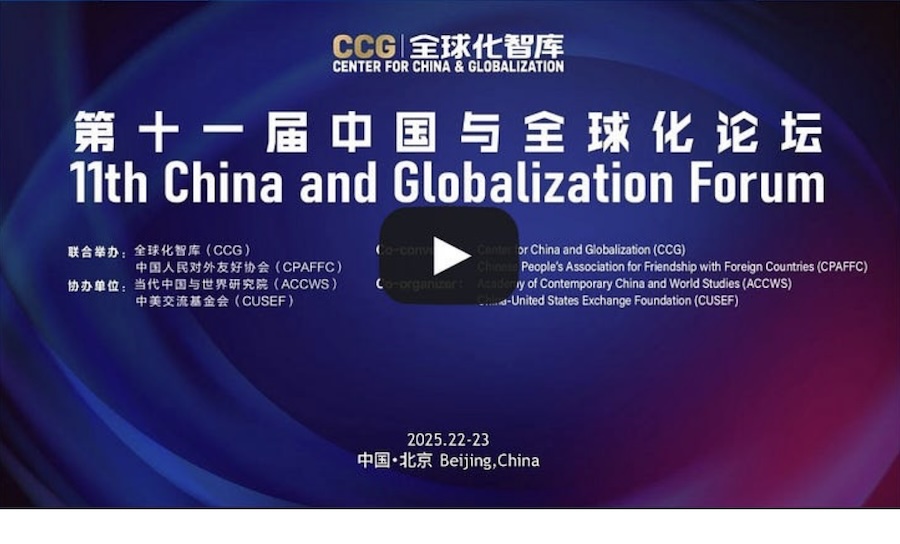
The 11th Annual China and Globalization Forum, jointly convened by the Center for China and Globalization (CCG) and the Chinese People’s Association for Friendship with Foreign Countries (CPAFFC), and co-organised by the Academy of Contemporary China and World Studies (ACCWS) and the China-United States Exchange Foundation (CUSEF), concluded successfully in Beijing after a three-day agenda from May 22 to 24.


Video of conference

The forum brought together over 300 participants from nearly 60 countries across five continents, including former policy-makers, ambassadors, policy experts, scholars, international organisation representatives, and media professionals.

The opening session took place on the morning of May 22 at the Grand Millennium Beijing and was moderated by Mabel Lu Miao, Co-founder and Secretary General of CCG. . . .

Following the opening, the first roundtable session titled “Renewing Global Governance and Multilateralism in Uncertain Times” was co-chaired by Henry Huiyao Wang and Mabel Lu Miao. . . .

In the afternoon, the forum continued with three thematic roundtables. The first, titled “US-China Trade War Narratives in an Era of Great Power Competition,” was held in partnership with the Asia Society. The session was co-chaired by:

– Henry Huiyao Wang

– Jing QIAN, Co-founder and Managing Director, Center for China Analysis (CCA) at Asia Society Policy Institute . . .

The second roundtable in the afternoon, themed “Reshaping Frameworks for Global Governance: The Role of China and the Global South,” was held in partnership with the Doha Forum. The session was chaired by Mabel Lu Miao and featured special remarks from Henry Huiyao Wang and Maha Al Kuwari, General Manager, Doha Forum. . . .

(article continued in right column)

Question for this article:

Does China promote a culture of peace?

(Article continued from the left column)

The last roundtable of the day was themed “Maintaining International Regulatory Cooperation in A Multipolar World.” Held in partnership with the Centre on Regulation in Europe (CERRE), the session was chaired by Zach Meyers, CERRE Director of Research. . . .

On May 23, the Ambassadors’ Roundtable focused on the theme “Multilateralism in a Multipolar World” and was co-chaired by Henry Huiyao Wang, James Chau, and Tammy Tam, Editor-in-Chief, South China Morning Post. . . .

This was followed by a policy dialogue roundtable themed “EU-China at 50: The State of the Bilateral Relationship in a Changing World.” It was co-organised with the European Policy Centre (EPC) and chaired by Henry Huiyao Wang and Declan Kelleher. . . .

The afternoon was dedicated to the Middle East Forum, held in partnership with the Amersi Foundation, which comprised two sessions:

Panel 1: The Emerging New Middle East Order – moderated by Henry Huiyao Wang and Mohamed Amersi, Founder and Chairman, The Amersi Foundation

Panel 2: Key Challenges – covering three topics: Iran nuclear talks, the Israel-Palestine conflict, and state fragility.

The sessions were moderated by Henry Huiyao Wang, Mabel Lu Miao, Zoon Ahmed, Research Fellow, CCG, and Mohamed Amersi, Founder and Chairman, The Amersi Foundation. . . .

In parallel, a closed-door roundtable under the EU-China Think Tank Exchanges project was held, moderated by SHEN Wei, Qiushi Distinguished Chair Professor at Zhejiang University and Nonresident Senior Fellow at CCG, and Victor de Decker, Research Fellow for the Europe Program at the Egmont Institute. . . .

On May 24, CCG and the Alliance of Global Talent Organizations (AGTO) arranged a field visit for over 30 international participants from nearly 20 countries.

Participants visited the CCG Beijing Academy, Beijing’s sub-centre in Tongzhou, including the “Two Zones” [National Integrated Demonstration Zone for Greater Openness in the Services Sector and the China (Beijing) Pilot Free Trade Zone] exhibition hall, and AGTO Beijing Office.

The group also visited historical landmarks in the Grand Canal Cultural Tourism Zone and the Han Meilin Art Museum. These activities provided international guests with insights into Beijing’s cultural heritage and openness, while also exploring opportunities for future cooperation.

– – – – – –

If you wish to make a comment on this article, you may write to coordinator@cpnn-world.org with the title “Comment on (name of article)” and we will put your comment on line. Because of the flood of spam, we have discontinued the direct application of comments.
English bulletin June 1, 2025

. THE PEACE MANIFESTO RE-LAUNCHED .

It has become increasingly difficult to find good news to report this year.

The most terrible war crimes in recent memory continue to be committed by Israel against the Palestinian people including their genocide of Gaza. And this continues to receive the support of the United States. Meanwhile Europe is rearming as if in preparation for their Third World War, failing to consider that nuclear weapons have changed the nature of war. And the United States continues to lead the world in armaments, announcing their largest military budget of history. Wars continue in the Ukraine and Sudan and India and Pakistan started what could have become nuclear war.

As The Elders declare, “The risk of nuclear catastrophe is higher than at any time since the Cold War. Leaders are failing to uphold international law, and eroding basic norms. We are regressing into a world in which the rule of law is being replaced by rule by power, with a destabilising new nuclear arms race.”

The few good news stories below consist mostly of protests against these wars and rearmaments.

As we said in last month’s bulletin, CPNN cannot be content to report the news for a culture of peace.

WE MUST CREATE IT.

Last month the launch of the Peace Manifesto 2025 did not achieve the results we hoped for. Perhaps you are one of the hundreds of people who went to our website but failed to publish the Manifesto on social media. And perhaps you found, as we were told by some readers, that the instructions were too complicated to follow.

So we are relaunching the initiative this month, with a revised website that provides a simple procedure to post the Manifesto on social media.

Please go to our website, https://activatingpeace.org and click on facebook, instagram or linkedin to share the Manifesto.

To become successful, there needs to be enough posts that the Manifesto “goes viral” and continues to do so “until we win” a culture of peace.

It is not enough to report. We must create the good news!

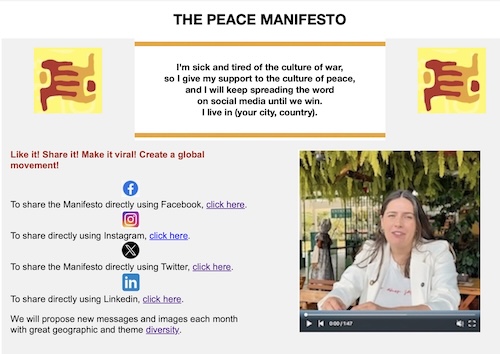
Here is the new frontpage of our website

THE PEACE MANIFESTO

I’m sick and tired of the culture of war, so I give my support to the culture of peace, and I will keep spreading the word on social media until we win. I live in City, Country .

LIKE IT! SHARE IT! MAKE IT VIRAL! CREATE A GLOBAL MOVEMENT!

To share the Peace Manifesto using Facebook, click here.

To share the Peace Manifesto using Instagram, click here.

To share the Peace Manifesto using Linkedin, click here.

To share the Peace Manifesto using Twitter-X, click here.

For educators who wish to promote the Peace Manifesto in a school class or a youth group, click here.

DISARMAMENT & SECURITY


The People’s Peace Summit in Jerusalem, final day. Israelis and Palestinians together to say ‘Peace now’

SUSTAINABLE DEVELOPMENT


78% of Russian students consider climate change to be a problem

FREE FLOW OF INFORMATION


Joint Statement on Palestine by Seven European Countries

WOMEN’S EQUALITY


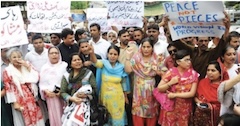
Urgent Call for Peace Launched by Indian and Pakistani Feminists


TOLERANCE & SOLIDARITY


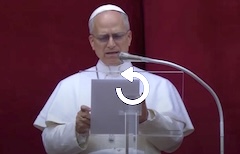
Pope Leo XIV appeals for ‘no more war’ in first Sunday message

EDUCATION FOR PEACE


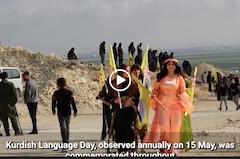
Kurdish language at the forefront of Turkey’s peace process: Recognition demands intensify

DEMOCRATIC PARTICIPATION


Uruguay: The 5th World Forum of Cities and Territories of Peace

HUMAN RIGHTS


Tens of thousands protest in The Hague against Gaza war

International Women’s Day: Africa and Asia

. WOMEN’S EQUALITY . .

A press survey by CPNN

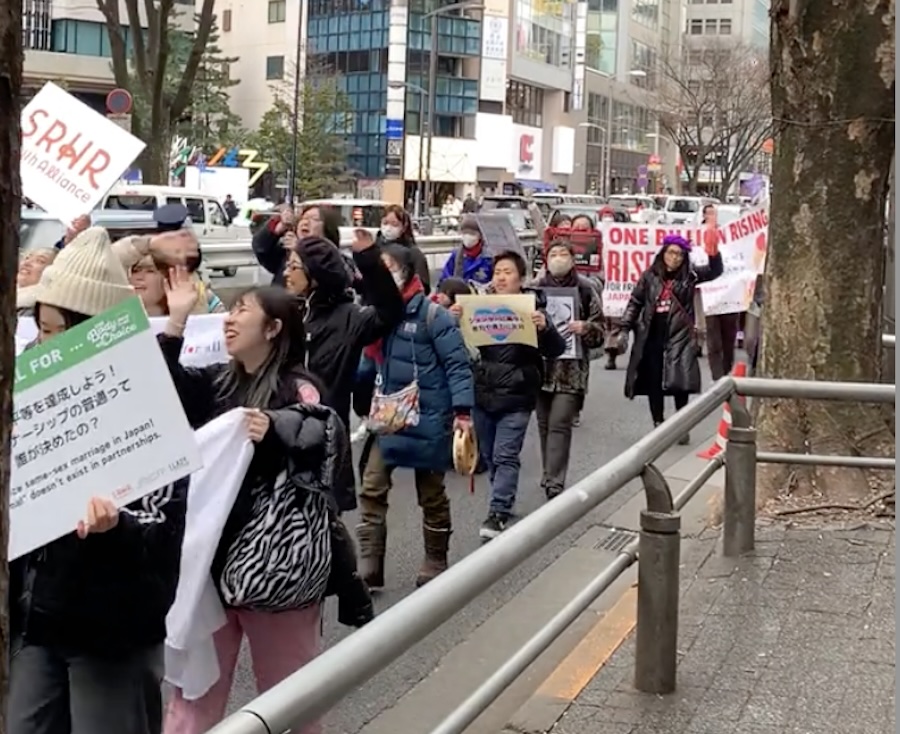
Here are the photos from Africa and Asia.

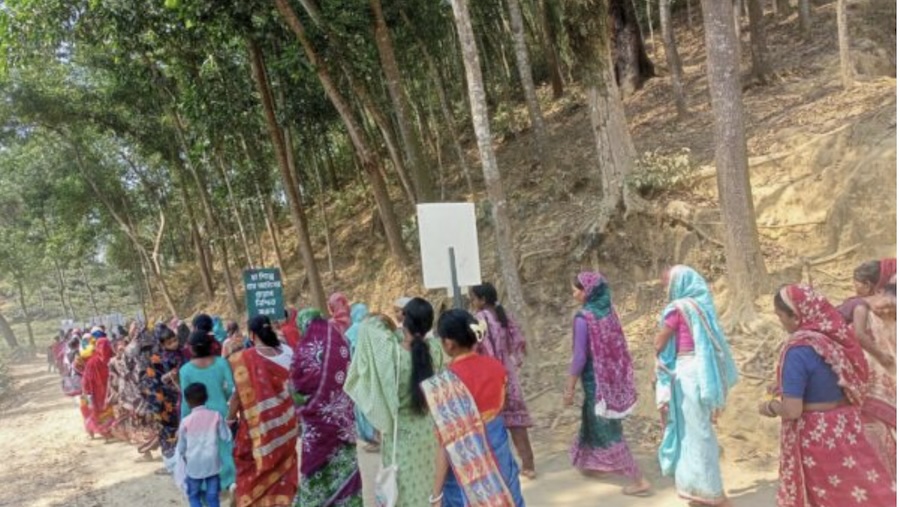
BANGLADESH, SYLHET

Ethnic Community Development Organization (ECDO) observed International Women’s Day 2025 at the Hiluachhara Tea Garden.

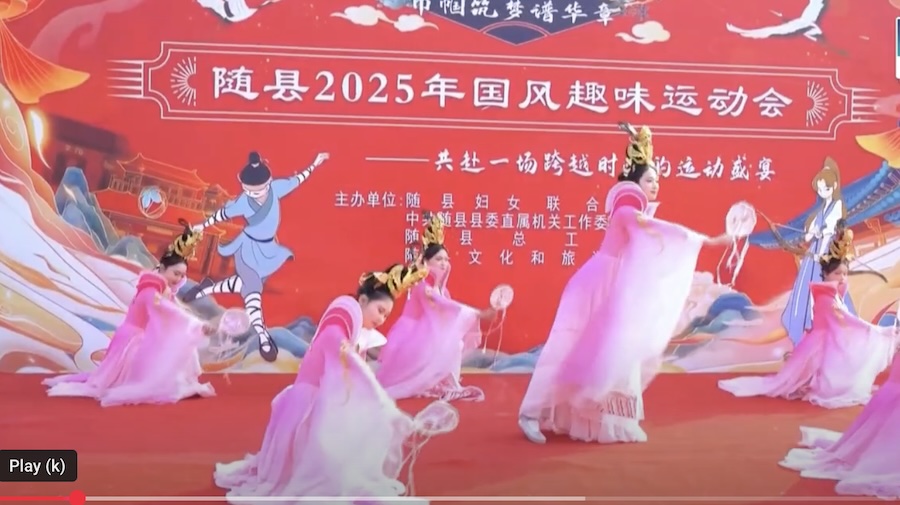
CHINA

China Celebrates International Women’s Day with Cultural & Career Events | AG15 (YouTube)

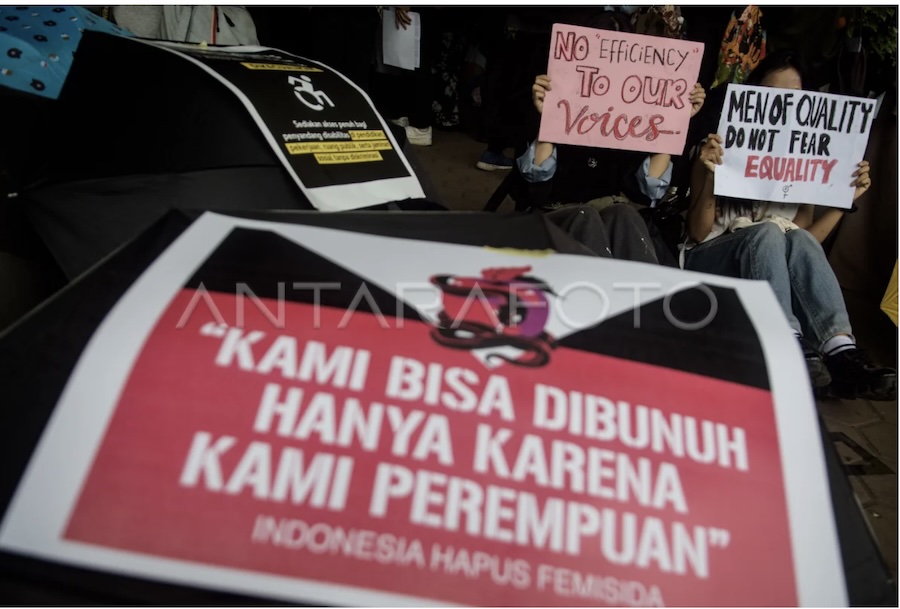
INDONESIA, BANDUNG
“We can be killed just because we are women. Indonesia must eliminate femicide” (Antarafoto)

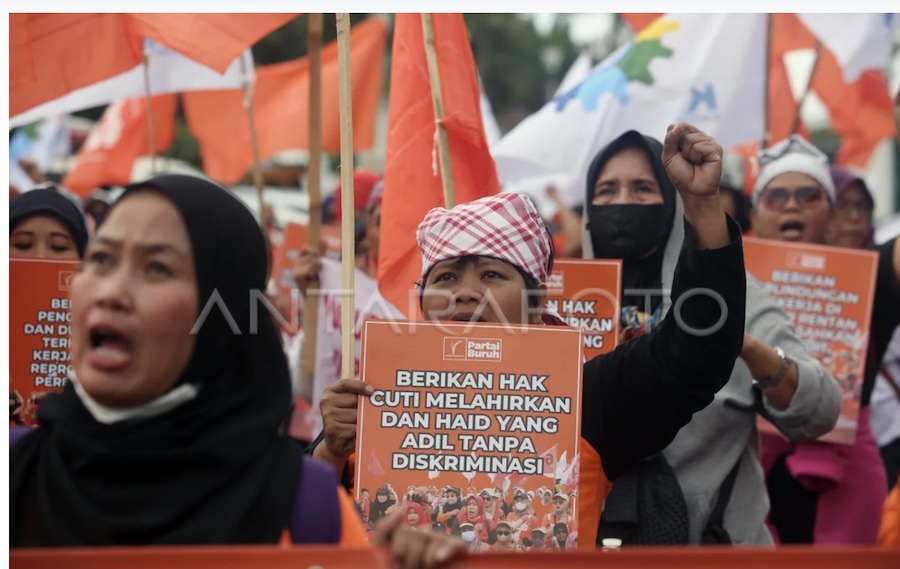
INDONESIA, JAKARTA
“Provide fair maternity and menstrual leave rights without discrimination” (Antarafoto)

JAPAN, TOKYO

Happy International Women’s Day from Tokyo! (TikTok)

NIGERIA, ABUJA

On 7 March 2025, the WHO Nigeria offices buzzed with energy as staff joined the global celebration of International Women’s Day: “commitment to gender equality and empowerment as essential drivers of health for all.”

NIGERIA, LAGOS

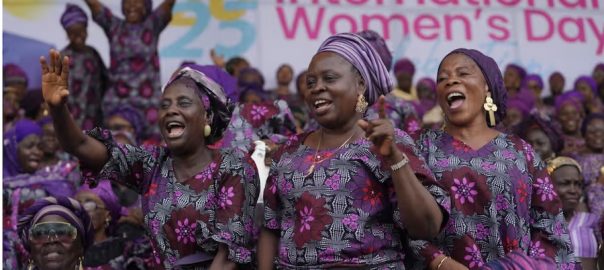
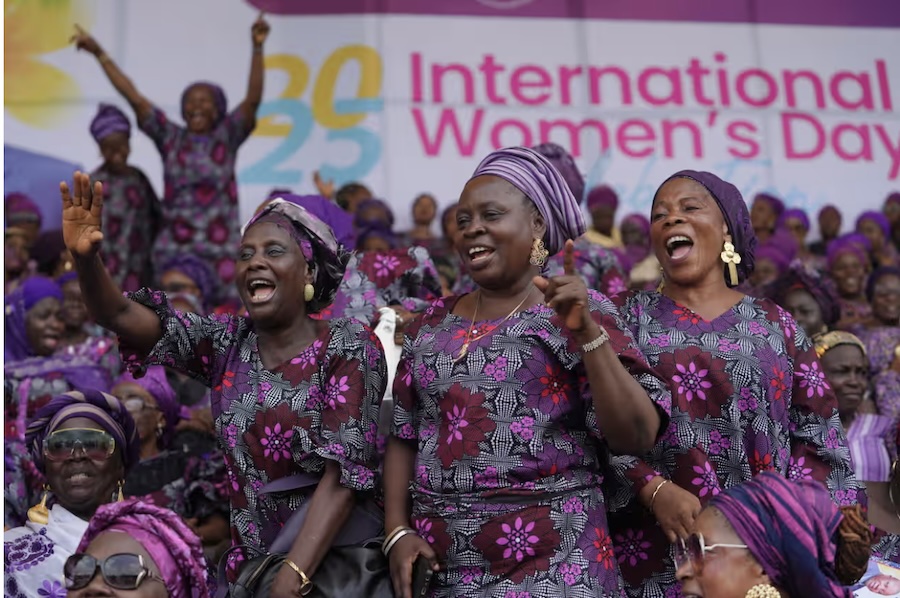
In the Nigerian capital of Lagos, thousands of women gathered at the Mobolaji Johnson stadium, dancing and signing and celebrating their womanhood. Many were dressed in purple, the traditional color of the women’s liberation movement. Photograph: Sunday Alamba/AP. (The Guardian)

Question related to this article:
 
International Women’s Day

Prospects for progress in women’s equality, what are the short and long term prospects?

PAKISTAN, ISLAMABAD

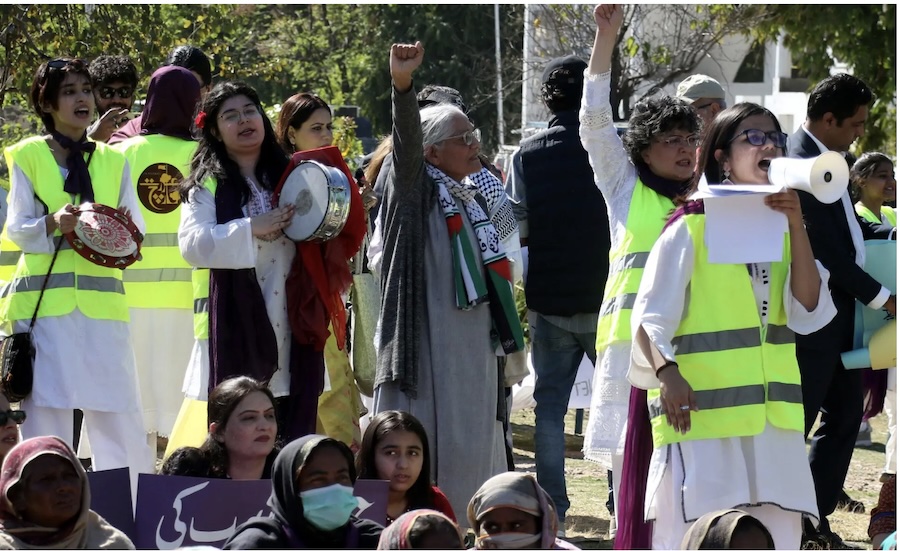
Women participate in an Aurat March held to mark International Women’s Day in Islamabad, Pakistan, Mar. 8, 2025. EFE/EPA/SOHAIL SHAHZAD 78595. (EFE)

PAKISTAN, LAHORE

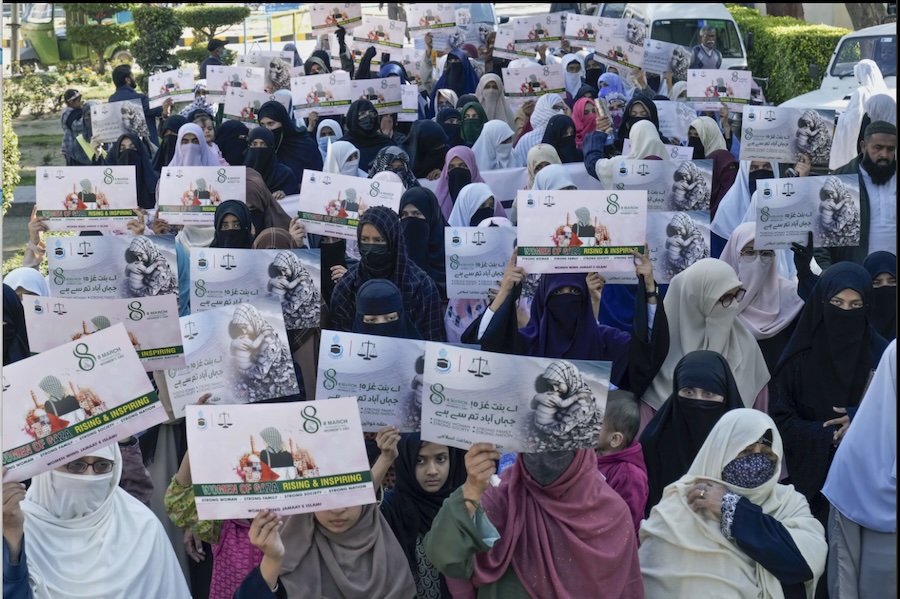
Supporters of a religious party ‘Jamaat-e-Islami’ gather in support of women of Gaza, marking International Women’s Day, in Lahore, Pakistan, Saturday, March 8, 2025. (AP Photo/K.M Chaudary) (Associated Press News)

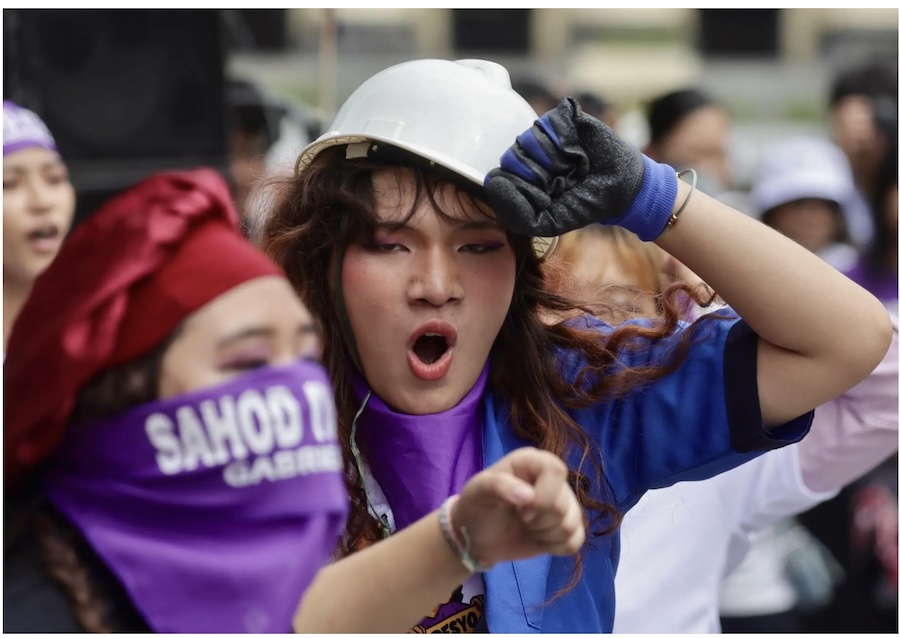
PHILIPPINES, MANILA

Members of women’s rights group, ‘Gabriela’, perform to mark International Women’s Day in Manila, Philippines, Mar. 8, 2025. EFE/EPA/FRANCIS R. MALASIG. (EFE)

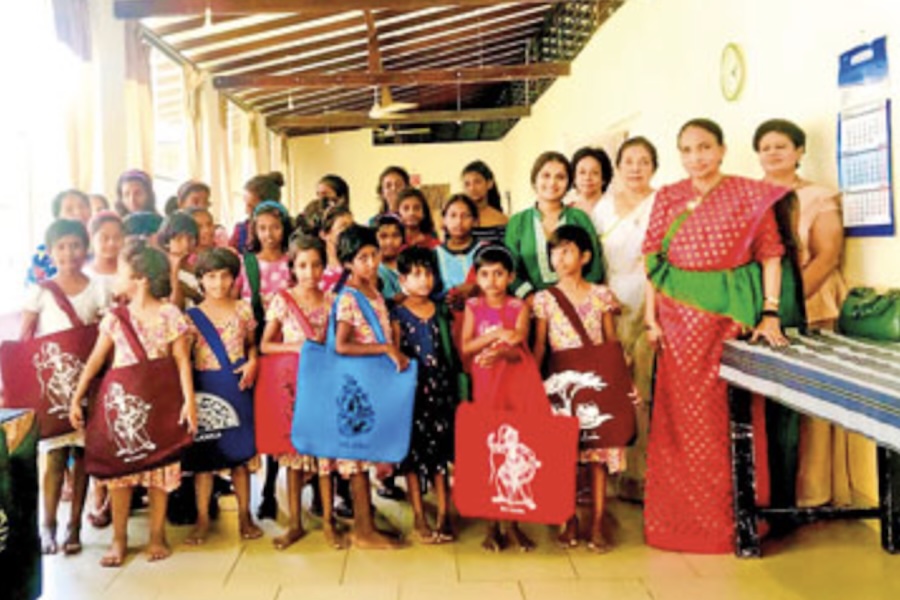
SRI LANKA

he 84-year-old Sri Lanka Federation of University Women, under its President Colonel Dr Udula Krishnaratne, ably supported by her team – celebrated International Women’s Day. The programme was intended to promote education for girls from the primary to the tertiary levels, provide better sustenance to needy families and ease economic hardship, and help improve the overall health of women and girls. (Sunday Times)

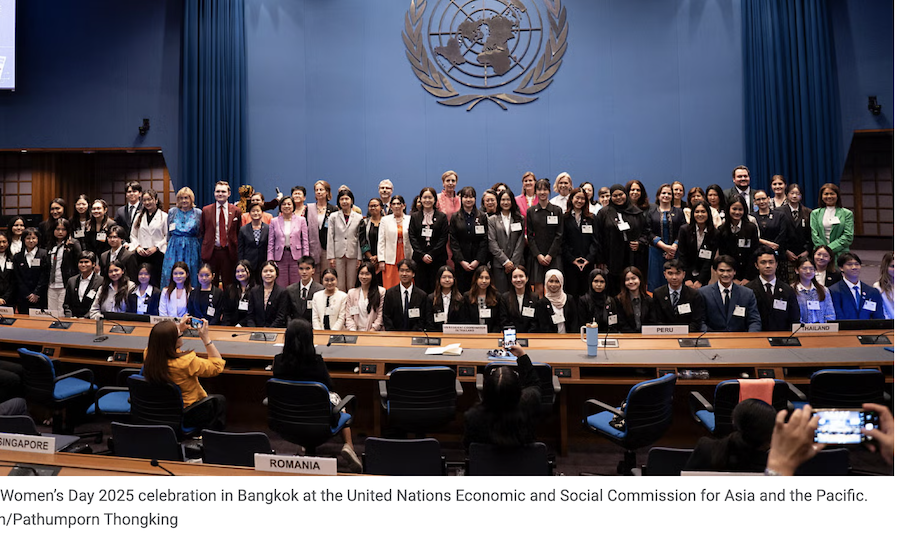
THAILAND, BANGKOK

Under the theme “For ALL Women and Girls: Rights, Equality, Empowerment,” the spotlight was on youth at the International Women’s Day 2025 celebration in Bangkok. (UN Women)

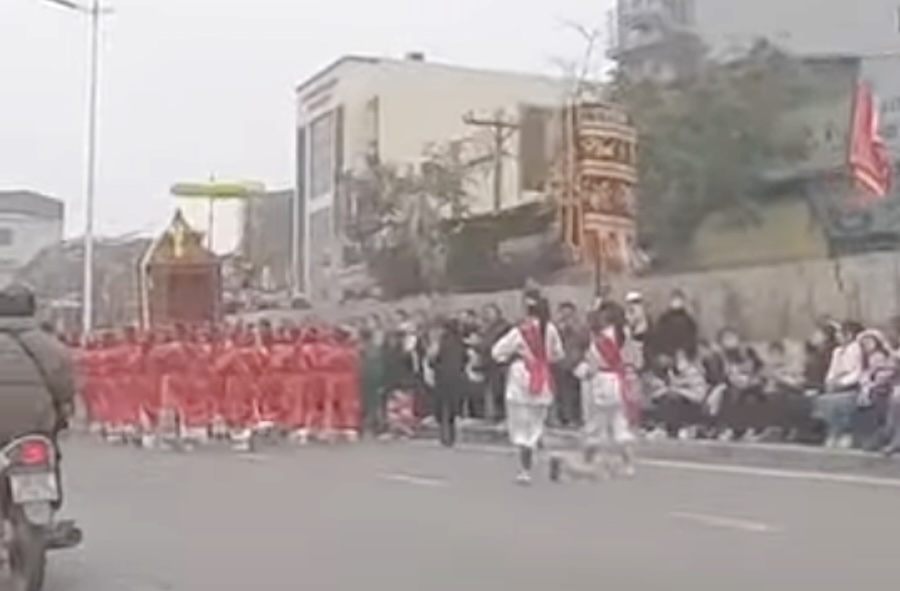
VIETNAM, HANOI

International Women’s Day parade in Hanoi, Vietnam. (YouTube)

Australia: Symbols, messages of peace mark interfaith gathering

. TOLERANCE & SOLIDARITY .

An article by Kirralee Nicolle  from Salvos on line

Representatives from faith groups – including the Hindu, Baháʼí, Jewish, Sikh, Sufi, Alevi, Buddhist and Christian religions – gathered at Glenroy Community Hub in Victoria on 9 February to mark World Interfaith Harmony Week. 

The event was hosted by the Merri-Bek Interfaith Network, which includes Captain Steph Glover from Merri-Bek Salvation Army. Merri-Bek Corps members also led the group in singing ‘Make Me a Channel of Your Peace’ to begin the event, accompanied by the corps’ brass band. 

(continued in right column)

Question related to this article:
 
How can different faiths work together for understanding and harmony?

(continued from left column)

Steph said the event was quite a moving one, especially for those who have recently had windows to their offices smashed or buildings graffitied in incidents alleged to be religiously motivated. She said many Palestinian and Jewish residents in the area had been taking cover in fear of attacks. She said as a precautionary measure, the event, originally planned for an outdoor location, had been moved to an indoor one. 

She said reciting the Shared Act of Reflection and Commitment – a declaration spoken at the beginning of each meeting – reminded them of the values they all shared. 

“As faith leaders, we wanted to be the ones to go out and set an example and say, ‘Actually, we all might have slightly different beliefs, but what we do all agree on are these things’,” Steph said. 

Representatives from each faith tradition present at the event shared a message of peace through song, dance, prayers and spiritual readings. Attendees exchanged olive branches as a symbol of peace across religions. 

Steph described the Network as a “really, really close-knit community” which met once every couple of months.  

– – – – – –

If you wish to make a comment on this article, you may write to coordinator@cpnn-world.org with the title “Comment on (name of article)” and we will put your comment on line. Because of the flood of spam, we have discontinued the direct application of comments.
China’s Renewable Energy Boom: A Record-Breaking Shift or Still Chained to Coal?

.. SUSTAINABLE DEVELOPMENT ..

An article from Carbon Credits

China is making record-breaking progress in renewable energy. The country has already achieved its 2030 clean energy goal six years early. With massive investments and policy support, China is set to remain the global leader in renewable energy expansion. But can it sustain this rapid momentum while balancing energy security and economic growth?


Beating the Clock on Clean Energy: Surpassing Renewable Energy Targets

In 2020, China set a goal to install at least 1,200 gigawatts (GW) of solar and wind power by 2030. By the end of 2024, China had already surpassed this target, reaching this milestone 6 years ahead of schedule. This was made possible by aggressive investments, government policies, and a surge in solar and wind installations.

China’s solar capacity grew by an incredible 45.2% in 2024, adding 277 GW.  Wind capacity also saw a strong increase of 18%, with an additional 80 GW installed. Overall, total power generation capacity rose by 14.6% in 2024, driven mainly by renewables.

One major milestone was the completion of the Ruoqiang photovoltaic (PV) project. This massive 4-GW solar farm in the Taklamakan Desert is one of the world’s largest solar power projects. It is part of China’s broader strategy to peak emissions  before 2030 and transition toward cleaner energy sources.

This rapid progress is due to strong government support, record investments, and local manufacturers producing affordable solar and wind components.

Leading the World in Renewable Investments

China is the world’s largest market for low-carbon energy investment. In 2024, the country attracted $818 billion in clean energy investments—more than the combined total of the U.S., the European Union, and the UK. This accounted for ⅔ of the global increase in clean energy investments that year.

The world’s biggest carbon emitter’s commitment to renewables is reshaping its energy mix. In June 2024, wind and solar power combined surpassed coal in installed capacity for the first time. 

China’s 14th Five-Year Plan set a goal for renewables to supply 33% of its electricity by 2025. By 2026, solar capacity alone is projected to overtake coal as China’s leading energy source, with 1.38 terawatts (TW) of solar power expected—150 GW more than coal.

Remi Eriksen, CEO of energy consultancy DNV, once remarked that:
“Intense policy focus and technological innovation are transforming China into a green energy powerhouse.”

And one of these innovations is in the field of nuclear power.

Nuclear Power and SMRs: A Game-Changer for China’s Energy Future?

China is also investing heavily in nuclear power, with 29 reactors under construction, totaling 33 GW of capacity. This makes up nearly half of all new nuclear projects worldwide. By 2030, China will surpass the U.S. as the largest nuclear power producer, with a projected capacity reaching up to 320 GW by 2050.

Small Modular Reactors (SMRs) are a key part of China’s nuclear strategy. The country’s first SMR, a high-temperature gas-cooled reactor (HTR-PM), began operations in 2023. Other SMR designs, including the ACP100 and NHR200, are under development. 

(Continued in right column)

Question for this article:

Are we making progress in renewable energy?

(Continued from left column)

These compact reactors will support industrial heating, electricity supply, and district heating. By 2050, China’s SMR capacity is expected to reach 35 GW, making it the leading global market for this next-generation nuclear technology.

China is quickly growing its renewable energy and advancing nuclear power. This makes it a leader in clean energy worldwide. Even though it still uses coal, the focus on renewables and nuclear is cutting carbon emissions a lot.

The Road to Net Zero: Can China Meet its 2060 Goal?

China has set ambitious climate goals. The country aims to peak its carbon emissions by 2030 and reach net zero by 2060. A key driver of this transition is energy independence, as China seeks to reduce reliance on imported fossil fuels.

A recent report from DNV highlights China’s rapid progress. The country had 1.45 TW of renewable energy capacity online by the end of 2024 and is on track to increase its clean energy capacity fivefold by 2050.

By that time, renewables are expected to supply 60% of China’s energy needs, although fossil fuels will still account for around 40% of the mix.

Challenges and the Role of Coal

Despite this rapid progress, coal remains a significant part of China’s energy system. The country still consumes over 50% of the world’s coal and continues to build new coal-fired power plants. In 2022, China approved 6x more new coal capacity than the rest of the world combined.

The heavy reliance on coal is partly due to energy security concerns. Events like Russia’s invasion of Ukraine and reduced rainfall affecting hydropower have made alternatives like gas and hydroelectric power more expensive.

Coal remains a backup energy source to support the country’s rising electricity demand, which increased by 6.8% in 2024.

However, China’s long-term goal is to reduce this dependence. The government is implementing policies to phase out fossil fuels gradually while ensuring energy stability. By 2050, China’s emissions are expected to drop by 70% compared to current levels, marking significant progress in its clean energy transition.

Future Outlook: A Renewable Superpower

China’s energy transition is at a critical turning point. The country’s investments and policy shifts indicate a strong commitment to clean energy.
By 2030, China’s total energy consumption is expected to peak and then decline by 20% in 2050 due to increased efficiency and electrification.

China aims for net zero by 2060, which is ten years later than the UN’s 2050 target to keep global warming under 1.5°C. So, while progress is strong, more efforts are needed to speed up the shift from fossil fuels.

Overall, China is leading the world in renewable energy expansion, breaking records in solar and wind installations. The country’s rapid growth in clean energy capacity is reshaping its power mix and reducing its reliance on coal. 

– – – – – –

If you wish to make a comment on this article, you may write to coordinator@cpnn-world.org with the title “Comment on (name of article)” and we will put your comment on line. Because of the flood of spam, we have discontinued the direct application of comments.
Women, Peace and Security: Mongolia, a Feminist-oriented Foreign Policy

. . WOMEN’S EQUALITY . .

An article from the United Nations University

On 3 March 2025, UNU, in partnership with the Embassy of Mongolia in Japan, will co-host the symposium “Women, Peace and Security: Mongolia, a Feminist-oriented Foreign Policy”. This event will be held from 09:30–12:00 in the 2F Reception Hall at UNU Headquarters (Tokyo).

Under Foreign Minister Battsetseg Batmunkh, Mongolia has increasingly championed women’s issues in its diplomacy and foreign relations. In June 2022, Mongolia hosted the international conference on “Strengthening the Role of Women in Peacekeeping,” welcoming female peacekeepers from over 30 countries.


Photo: Provided by Embassy of Mongolia in Japan. Battsetseg Batmunkh is 4th from left.

In June 2023, Mongolia hosted a historic Meeting of Female Foreign Ministers in Ulaanbaatar. The first of its kind in Asia, the meeting gathered female ministers from France, Germany, Indonesia, Liechtenstein, Mongolia, and South Africa to discuss feminist foreign policy. The meeting produced the “Ulaanbaatar Declaration” to enhance women’s leadership and participation in addressing global challenges.

The Declaration included: “We note with deep concern the adverse impact of war, its humanitarian consequences for women and children, and for global food security, and urge all UN member states to cooperate in the spirit of solidarity and to support the UN Secretary-General in his efforts to address these impacts”. The Declaration reflects the strong focus of feminist-oriented foreign policy on cooperation and the need for creating an ecosystem for coordinated actions between nations rather than individual state actors pursuing narrow self-interest.

In 2024, Mongolia hosted the first World Women’s Forum, “Towards a Green Future”, which further built on the Ulaanbaatar Declaration.

This symposium at UNU will include a keynote speech by the Minister of Foreign Affairs of Mongolia Battsetseg Batmunkh (to be confirmed), followed by a panel discussion on the integration of feminist principles into foreign policy, an audience question and answer session, and informal discussions and networking opportunities. The symposium will explore questions such as: What are the key principles of Mongolia’s feminist foreign policy? What are the roles of international actors, including the United Nations, in prioritizing women, peace and security issues? Can feminist foreign policy create an effective framework for achieving sustainable development?

(Article continued in right column)

Questions related to this article:

Do women have a special role to play in the peace movement?

(Article continued from left column)

This event will be held in English. Advance registration (by 28 February at 15:00) is required. Please click on the REGISTER button to access the online registration page.

UNU@50

This event is part of the UNU 50th anniversary celebration. To learn more, visit: https://unu.edu/unuat50  

Agenda

Opening remarks

09:30 — Tshilidzi Marwala, UNU Rector and Under-Secretary-General of the UN

09:40 — Representative from the Ministry of Foreign Affairs (MOFA) of Japan

09:50 — Representative of Female Ambassador Group, Tokyo Diplomatic Corps

Keynote address

10:00 — Battsetseg Batmunkh, Minister of Foreign Affairs of Mongolia (to be confirmed)

Panel discussion

10:30 — Integrating Feminist Principles in Foreign Policy

Moderator: Ministry of Foreign Affairs of Mongolia

Panelists: Ambassadors from the Tokyo diplomatic corps, Tokyo-based researchers and UNU experts

Interactive session

11:10 — Q&A with audience

Closing remarks

11:35 — Summary of key points

11:45 — Closing address — Representative of UNU

Networking session

12:00 — Informal discussions and networking opportunities
 

– – – – – –

If you wish to make a comment on this article, you may write to coordinator@cpnn-world.org with the title “Comment on (name of article)” and we will put your comment on line. Because of the flood of spam, we have discontinued the direct application of comments.

China, Japan reach 10 agreements on people-to-people, cultural exchanges

TOLERANCE & SOLIDARITY .

An article from the State Council of the Peoples Republic of China

Wang Yi, a member of the Political Bureau of the Communist Party of China Central Committee and Chinese foreign minister, and Takeshi Iwaya, Japanese minister for foreign affairs, jointly attended the second meeting of a high-level consultation mechanism on people-to-people and cultural exchanges between China and Japan, in Beijing on Wednesday, [December 25].

The meeting resulted in 10 important agreements, as follows.

Chinese Foreign Minister Wang Yi, also a member of the Political Bureau of the Communist Party of China Central Committee, holds talks with Japanese Minister for Foreign Affairs Takeshi Iwaya in Beijing, capital of China, Dec. 25, 2024. [Photo/Xinhua]

First, the two sides will promote youth exchange visits, and encourage and support study trips between the two countries.

Second, the two sides will deepen cooperation in the field of education, strengthen the exchange of overseas students, and support primary and secondary schools in the two countries to establish sister schools and institutions of higher education to carry out inter-school cooperation.

Third, the two sides will support tourism cooperation and introduce more facilitation measures to promote mutual visits between tourists from the two countries.

Fourth, the two sides will build more bridges for exchanges between sister cities and make good use of mechanisms and platforms such as the China-Japan Governor Forum, the China-Japan-ROK Cultural Exchange Year and the Culture Cities of East Asia to expand friendly exchanges at the local and non-governmental levels.

(Continued in right column)

Question related to this article:

Solidarity across national borders, What are some good examples?

(Continued from left column)

Fifth, the two sides will strengthen sports exchanges and cooperation, and support each other in hosting major sports events such as the 2025 Harbin Asian Winter Games and the Aichi-Nagoya Asian Games in 2026.

Sixth, the two sides will support continued cooperation in film, television, music, publishing, animation, games and other cultural and entertainment industries, exchange visits of high-level art groups, and support the translation and publication of classic works between the two countries.

Seventh, the two sides will strengthen exchanges and cooperation between media and think tanks, play a positive role in bilateral relations, and strive to improve public opinion and the environment for public opinion. The two sides will support exchanges and cooperation in new media and encourage exchanges between positive vibes of the two countries.

Eighth, the two sides will conduct exchanges between women’s groups and share experience on promoting the common development of men and women. China invites Japan to attend the Global Leaders’ Meeting on Gender Equality and Women’s Empowerment to commemorate the 30th anniversary of the Fourth World Conference on Women.

Ninth, the two sides will build the World Expo 2025 in Osaka, Kansai, into a platform for exchanges and friendship between the two peoples. China supports Japan in hosting the expo, while Japan welcomes China’s participation and will provide assistance in the preparation and operation of the China Pavilion.

Tenth, the two sides will hold the third meeting of China-Japan high-level consultation mechanism on people-to-people and cultural exchanges in Japan in due course.

Noting that next year marks the 80th anniversary of the victory in the Chinese People’s War of Resistance Against Japanese Aggression and the World Anti-Fascist War, Wang said that the purpose of remembering this history is to draw lessons from it and cherish the hard-won peace.
China hopes and believes that Japan can once again demonstrate its determination for peaceful development and work with China to promote the sound and stable development of China-Japan relations in the spirit of facing history squarely and looking to the future, said Wang.

Iwaya said Japan is willing to work with China to improve the quality of people-to-people exchange projects, deepen exchanges between sister cities and take more measures to facilitate personnel exchanges.

(Editor’s note: Thank you to TFF Transnational Foundation and Jan Oberg for alerting us to this story. The official Japanese report of the meeting confirms the agreements.)

– – – – – –

If you wish to make a comment on this article, you may write to coordinator@cpnn-world.org with the title “Comment on (name of article)” and we will put your comment on line. Because of the flood of spam, we have discontinued the direct application of comments.

Nobel Peace Prize 2024 to Nihon Hidankyo against the menace of nuclear weapons

DISARMAMENT & SECURITY .

Excerpts from presentation speech by Jørgen Watne Frydnes, Chair of the Norwegian Nobel Committee, 10 December 2024.

Nihon Hidankyo, a grassroots movement of atomic bomb survivors from Hiroshima and Nagasaki, is receiving the Nobel Peace Prize for 2024 for its efforts to achieve a world free of nuclear weapons and for demonstrating through witness testimony that nuclear weapons must never be used again. . . . Thirteen Nobel Peace Prizes have been awarded, in full or in part, for peace efforts of this kind. On each occasion, the Norwegian Nobel Committee has warned against the menace of nuclear weapons. This year, that warning is more urgent than ever before. 


Frame from video of Tanaka’s speech

As 2025 approaches, the world is entering what many analysts characterise as a new, more unstable nuclear age. The role of nuclear weapons in international affairs is changing. The nuclear powers are modernising and upgrading their arsenals. New countries appear to be preparing to obtain nuclear weapons. Key arms control agreements are expiring without being replaced. And threats to use nuclear arms in ongoing warfare have been made openly and repeatedly. . . .

Nihon Hidankyo and the Hibakusha – the survivors of the atomic bomb attacks on Hiroshima and Nagasaki – have never wavered in their efforts to erect a worldwide moral and legal bulwark against the use of nuclear weapons. . .

To our dear guests from Nihon Hidankyo – to Terumi Tanaka, Toshiyuki Mimaki and Shigemitsu Tanaka – and to all the Hibakusha here today: It is an honour to be your hosts on this historic occasion, and we wish to express our deep gratitude for the outstanding and vital work you have performed in the course of your lives, and for all that you continue to do.

You did not resign yourselves to victimhood. You defined yourselves as survivors. You refused to sit in silent terror as the great powers led us through long periods of nuclear armament. You stood tall and shared your unique personal testimony with the entire world.  

A light in the darkest night. A path forward. You give us hope. . . .

– – – –

Excerpts from the speech of Terumi Tanaka on behalf of Nihon Hidankyo

Thank you for your introduction. I am Terumi Tanaka, one of the three Co-Chairpersons of Nihon Hidankyo. I am honored to speak on behalf of Nihon Hidankyo, the Nobel Peace laureate this year.

We established Nihon Hidankyo, the Japan Confederation of A- and H-Bomb Sufferers Organizations, in August 1956. Having ourselves survived the inhumane impacts of the atomic bombings, damage unprecedented in history, we launched this movement to ensure such suffering would never be repeated, with two basic demands. The first demand is that the State which started and carried out the war should compensate victims for the damage caused by the atomic bombs, in opposition to the Japanese government’s assertion that, “the sacrifice of war should be endured equally by the whole nation.” The second is to demand the immediate abolition of nuclear weapons, as extremely inhumane weapons of mass killing, which must not be allowed to coexist with humanity. . . .

I am one of the survivors of the atomic bombing of Nagasaki. At the time, I was 13 years old, at home, around 3 kilometers east of ground zero.

It was August 9, 1945. I suddenly heard the buzzing sound of a bomber jet, and was soon after engulfed in a bright, white light. Surprised, I ran downstairs and got down on the floor, covering my eyes and ears with my hands. The next moment, an intense shock wave passed through our entire house. I have no memory of that moment, but when I came to my senses, I found myself under a large, glass sliding door. It was a miracle that none of the glass was broken, and I was somehow spared injuries.

Three days later, I sought out the families of my two aunts who lived in the area near the hypocenter. It was then that I saw the full devastation of the bombing of Nagasaki. Walking with my mother, we went around a small mountain. Reaching a pass, we looked down in horror. Blackened ruins spread out as far as the port of Nagasaki, some three kilometers away. . . .

(Continued in right column)

Question related to this article:
 
Can we abolish all nuclear weapons?

The Nobel Peace Prize: Does it go to the right people?

(Continued from left column)

By the end of that year, 1945, the death toll in the two cities is thought to have been approximately 140,000 in Hiroshima and 70,000 in Nagasaki. 400,000 people are estimated to have been exposed to the atomic bombs, suffering injuries and surviving exposure to radiation. 

The survivors, the Hibakusha, were forced into silence by the occupying forces for seven years. Furthermore, they were also abandoned by the Japanese government. Thus, they spent more than a decade after the bombings in isolation, suffering from illness and hardship in their lives, while also enduring prejudice and discrimination.

The United States hydrogen bomb test at Bikini Atoll on March 1, 1954 resulted in the exposure of Japanese fishing boats to deadly radioactive fallout, or the “ashes of death.” Among others, all 23 crew members of the Daigo Fukuryu Maru were exposed to radiation and developed acute radiation sickness, and the tuna they caught were discarded. This incident triggered a nationwide petition calling for a total ban on atomic and hydrogen bombs and tests, which spread like wildfire throughout Japan. This gained over 30 million signatures and in August 1955, the first World Conference against Atomic and Hydrogen Bombs was held in Hiroshima, followed by the second in Nagasaki the following year. Encouraged by this movement, A-bomb survivors who participated in the World Conference formed the Japan Confederation of A- and H-bomb Sufferers Organizations, Nihon Hidankyo, on August 10, 1956 in Nagasaki.

In our founding declaration, Nihon Hidankyo expressed our determination to “save humanity from its crisis through the lessons learned from our experiences, while at the same time saving ourselves.” We launched a movement demanding both “the abolition of nuclear weapons, and State compensation for the atomic bomb damage suffered.”

Our initial campaign resulted in the enactment of the “A-Bomb Sufferers’ Medical Care Law” in 1957. However, the content of the law was limited: besides issuing “Atomic Bomb Survivor Certificates” and providing free medical examinations, medical expenses would be paid only for illnesses recognized as atomic bomb-related by the Minister of Health and Welfare. . . .

In April 2016, A-bomb survivors around the world launched the “International Signature Campaign in Support of the Appeal of the Hibakusha for the Elimination of Nuclear Weapons,” as proposed by Nihon Hidankyo. This campaign grew significantly, and over 13.7 million signatures were collected and submitted to the United Nations. We are overjoyed that on July 7, 2017, the Treaty on the Prohibition of Nuclear Weapons was adopted with the support of 122 countries.

It is the heartfelt desire of the Hibakusha that, rather than depending on the theory of nuclear deterrence, which assumes the possession and use of nuclear weapons, we must not allow the possession of a single nuclear weapon.

Please try to imagine — there are 4,000 nuclear warheads, ready to be launched immediately. This means that damage hundreds or thousands of times greater than that which happened in Hiroshima and Nagasaki could happen right away. Any one of you could become either a victim or a perpetrator, at any time. I therefore plead for everyone around the world to discuss together what we must do to eliminate nuclear weapons, and demand action from governments to achieve this goal.

The average age of the A-bomb survivors is now 85. Ten years from now, there may only be a handful of us able to give testimony as firsthand survivors. From now on, I hope that the next generation will find ways to build on our efforts and develop the movement even further. . . .

To achieve further universalization of the Treaty on the Prohibition of Nuclear Weapons and the formulation of an international convention which will abolish nuclear weapons, I urge everyone around the world to create opportunities in your own countries to listen to the testimonies of A-bomb survivors, and to feel, with deep sensitivity, the true inhumanity of nuclear weapons. Particularly, I hope that the belief that nuclear weapons cannot — and must not — coexist with humanity will take firm hold among citizens of the nuclear weapon states and their allies, and that this will become a force for change in the nuclear policies of their governments.

Let not humanity destroy itself with nuclear weapons!

Let us work together for a human society, in a world free of nuclear weapons and of wars!

– – – – – –

If you wish to make a comment on this article, you may write to coordinator@cpnn-world.org with the title “Comment on (name of article)” and we will put your comment on line. Because of the flood of spam, we have discontinued the direct application of comments.

Head of Nuke Abolition Group Decries Gaza Suffering After Winning Nobel Peace Prize

. . HUMAN RIGHTS . .

An article by Julia Conley from Common Dreams

Calling for peace in war zones around the world and an end to the proliferation of nuclear weapons, a grassroots group organized by survivors of the United States’ atomic bombing of Hiroshima and Nagasaki in 1945 was awarded the Nobel Peace Prize on Friday.

Nihon Hidankyo was established in 1956 after a number of local organizations of hibakusha, the Japanese name for “bomb-affected people,” joined together.

Toshiyuki Mimaki, the group’s leader, was three years old when the U.S. killed 100,000 people in Hiroshima with a nuclear weapon, and his message after learning Nihon Hidankyo was the 2024 Peace Prize winner was straightforward.

“I am not sure I will be alive next year,” said  Mimaki, 82. “Please abolish nuclear weapons while we are alive. That is the wish of 114,000 hibakusha.”

Mimaki focused not only on the plight of the estimated 650,000 Japanese people who survived the Hiroshima and Nagasaki attacks, but also people—particularly children—facing war now.

“It has been said that because of nuclear weapons, the world maintains peace. But nuclear weapons can be used by terrorists,” said  Mimaki. “For example, if Russia uses them against Ukraine, Israel against Gaza, it won’t end there. Politicians should know these things.”

“In Gaza, bleeding children are being held [by their parents],” he added. “It’s like in Japan 80 years ago.”

Mimaki said he had believed “the people working so hard in Gaza” would be awarded the Peace Prize, referring to the United Nations Relief and Works Agency for Palestine Refugees in the Near East (UNRWA), which was also nominated.

The U.N. agency has struggled  to continue providing humanitarian services to Palestinians in Gaza this year after unverified claims by Israel that 12 UNRWA workers were involved in a Hamas-led attack last year prompted countries including the U.S. to suspend its funding. A majority of countries—but not the U.S., the agency’s biggest donor—have restored funding after an independent probe found Israel had not provided evidence  for its accusations.

(continued in right column)

Question related to this article:

Presenting the Palestinian side of the Middle East, Is it important for a culture of peace?

Where in the world can we find good leadership today?

(continued from left column).

Kazumi Matsui, the mayor of Hiroshima, said that with the average age of hibakusha now 85, “there are fewer and fewer people able to testify to the meaninglessness of possessing atomic bombs and their absolute evil.”

“People in coming generations must know that what happened is not just a tragedy for Hiroshima and Nagasaki, but one that concerns all humanity that must not be repeated,” said Matsui.

The International Campaign to Abolish Nuclear Weapons (ICAN), which won the Nobel Peace Prize in 2017 for its efforts to ensure countries comply with the U.N. Treaty on the Prohibition of Nuclear Weapons, applauded  the Nobel Committee for recognizing Nihon Hidankyo’s “lifelong work to bring the world’s attention to what nuclear weapons actually do to people when they are used.”

Several years after the nuclear bombings, rates of leukemia diagnoses rose considerably  in Japan among survivors. After a decade, other cancers were also detected at higher-than-normal rates. Pregnant women who were exposed to radiation from the bombings also had higher rates of miscarriage and their infants were more likely to die.

Cancer rates have continued to increase among hibakusha throughout their lives.

“It is particularly significant that this award comes at this time when the risk that nuclear weapons will be used again is as high, if not higher, as it has ever been,” said Melissa Parke, executive director of ICAN.

As Nihon Hidankyo was honored “for its efforts to achieve a world free of nuclear weapons and for demonstrating through witness testimony that nuclear weapons must never be used again,” the North Atlantic Treaty Organization (NATO) announced  it would be holding its annual nuclear exercise, “Steadfast Noon,” on October 14 over Western Europe.

On “Democracy Now!” on Friday, Joseph Gerson, president of the Campaign for Peace, Disarmament, and Common Security, said  the award “could not come at a better time.” [See CPNN ]

“What most people don’t understand is the increasing danger of nuclear war at this point,” said Gerson. “Among all the nuclear powers, the threshold for nuclear use is decreasing, and all the nuclear powers are in the process of so-called ‘modernizing’ their nuclear arsenals. This is a very dangerous moment.”

“We must, as the hibakusha say, recognize that human beings and nuclear weapons cannot coexist,” Gerson added, “and we have to work for their abolition.”

– – – – – –

If you wish to make a comment on this article, you may write to coordinator@cpnn-world.org with the title “Comment on (name of article)” and we will put your comment on line. Because of the flood of spam, we have discontinued the direct application of comments.

Han Kang declines press conference, refuses to celebrate Nobel prize while people die in wars

FREE FLOW OF INFORMATION .

An article friom Korea Times

Han Kang, the first Korean to win the Nobel Prize in literature, has declined to hold a press conference, citing the global tragedies of the Ukraine-Russia war and the Israel-Palestine conflict.


Han Kang, the Korean recipient of 2024 Nobel Literature Prize.
The Atlantic

Her father, the renowned novelist Han Seung-won, 85, conveyed her message during a press conference at the Han Seung-won Literary School in Jangheung, South Jeolla Province.

“(Han Kang) told me, ‘With the war intensifying and people being carried out dead every day, how can we have a celebration or a press conference?’ She said she won’t hold a press conference,” he said.

After the Nobel Prize in literature was announced on Thursday evening, Han Seung-won spoke with his daughter and advised her to select a publishing house to hold a press conference.

Initially, she agreed, saying she would “give it a try,” but changed her mind overnight.

(Article continued in the column on the right)

Questions related to this article:

Where in the world can we find good leadership today?

(Article continued from the column on the left)

“Her perspective has shifted from being a writer living in Korea to a global (writer’s) consciousness. I, however, could not shake off the feeling of being the father of a prizewinner living in Korea, so I ended up arranging this press conference,” he said.

Han Kang also discouraged her father from holding a celebratory banquet at the literary school.

Her father said, “I was planning to throw a party here for the local people, but my daughter told me not to do it. She said, ‘Please don’t celebrate while witnessing these tragic events (referring to the two wars). The Swedish Academy didn’t give me this award for us to enjoy, but to stay more clear-headed.’ After hearing that, I was deeply troubled.”

After receiving news of her award in a phone call with the Nobel committee on Thursday, Han Kang expressed that she was “very surprised and honored,” but has not made any further statements.

Multiple publishing houses, including Changbi Publishers, which published her notable novels “Human Acts” (2014) and “The Vegetarian” (2007), and Munhakdongne Publishing, which published her poetry collection and novel “The Wind Is Blowing” (2010), had suggested holding a press conference, but as of Friday afternoon, she had not responded.

This article from the Hankook Ilbo, the sister publication of The Korea Times, is translated by a generative AI system and edited by The Korea Times.

(Thank you to Transcend Media Service for bringing us this news.)

– – – – – –

If you wish to make a comment on this article, you may write to coordinator@cpnn-world.org with the title “Comment on (name of article)” and we will put your comment on line. Because of the flood of spam, we have discontinued the direct application of comments.