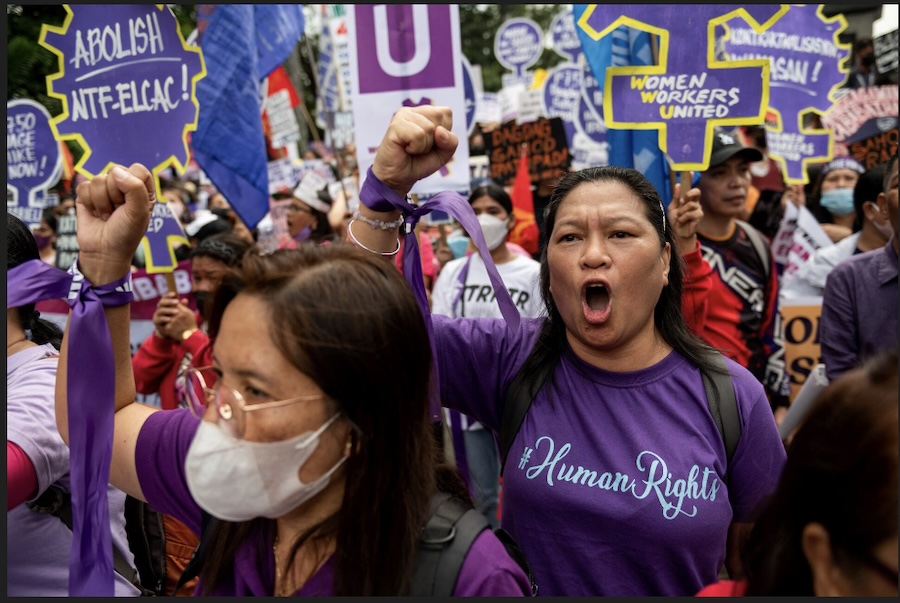
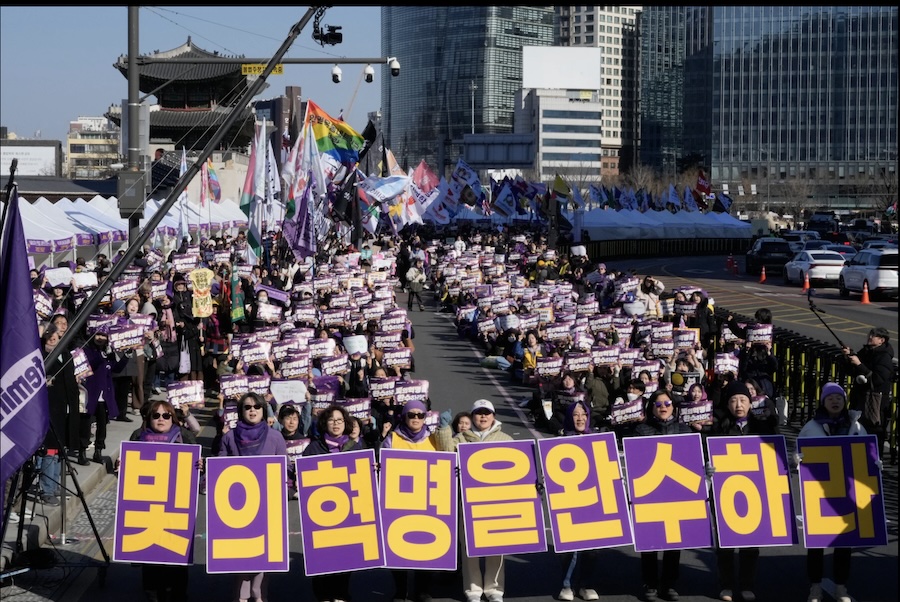
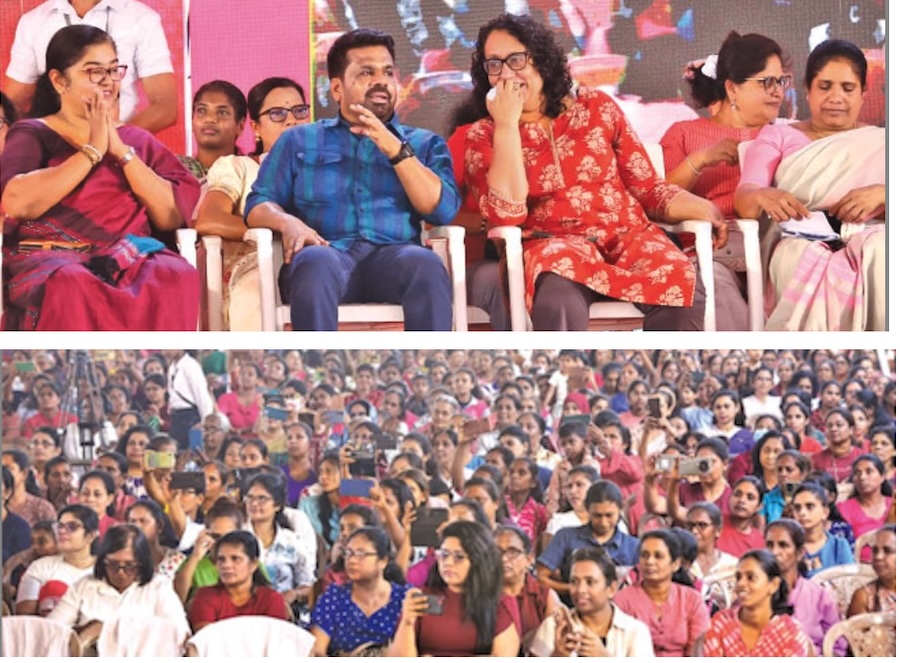
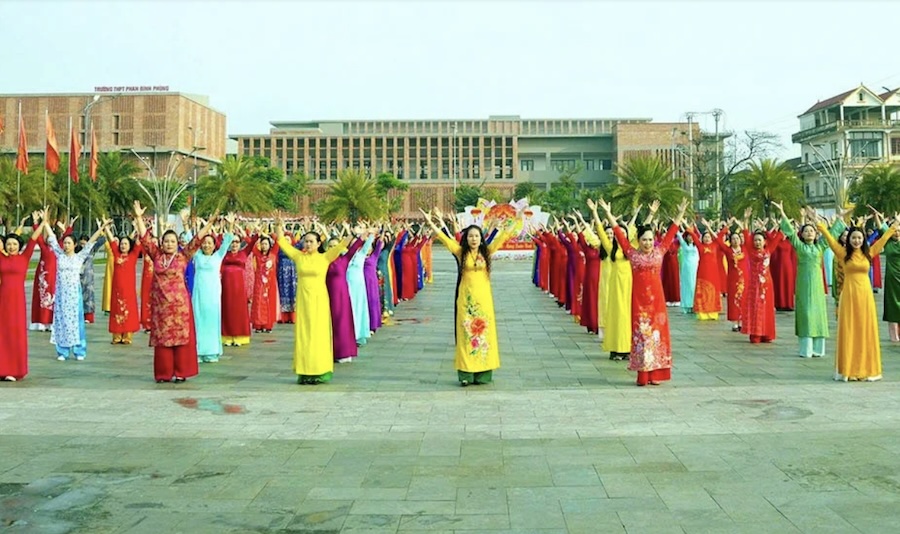
Category Archives: WOMEN’S EQUALITY

United Nations: International Women’s Day and Commission on Status of Women

. . WOMEN’S EQUALITY . .

A media advisory from UN Women

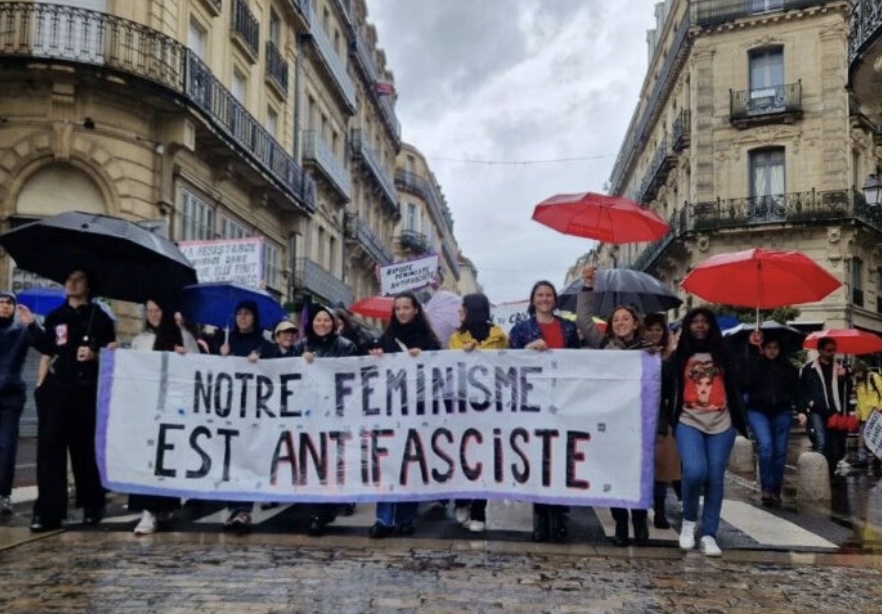
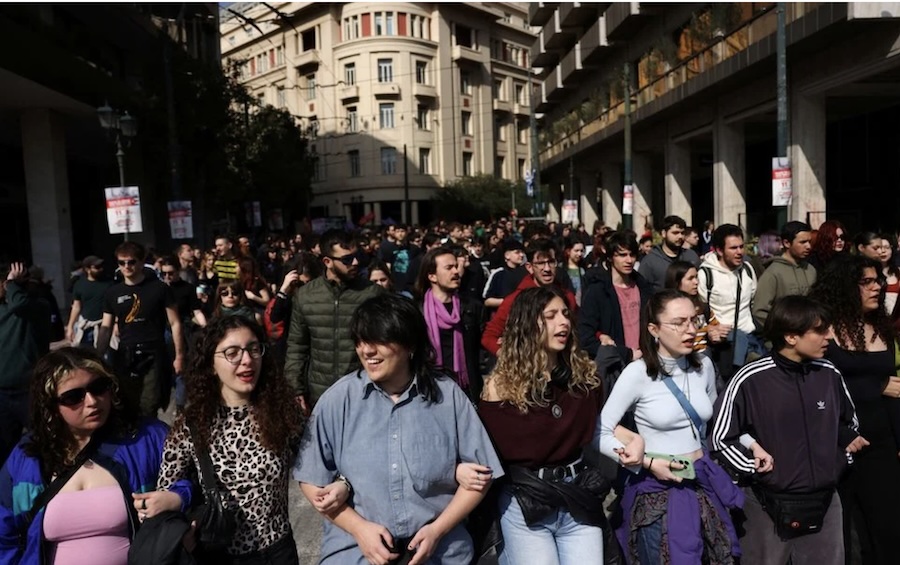
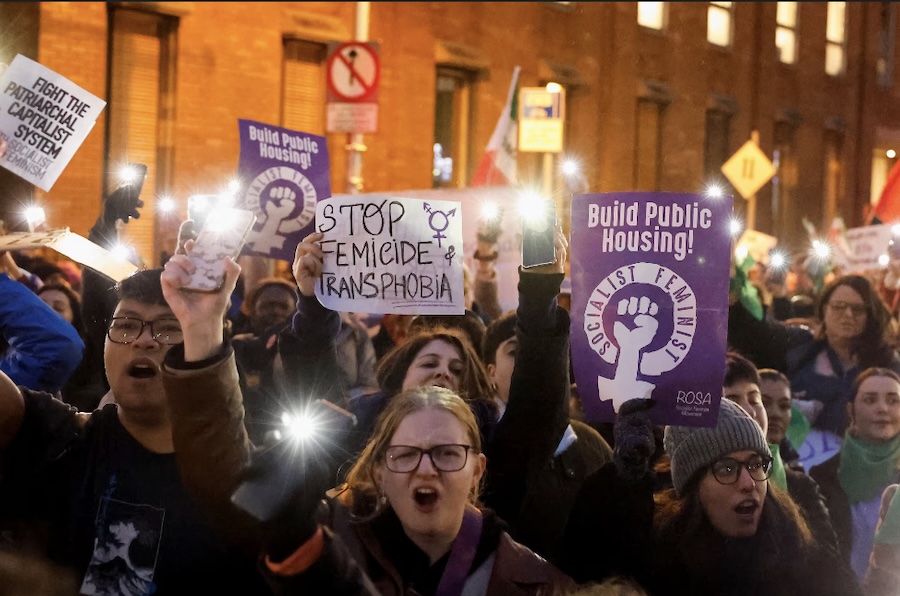
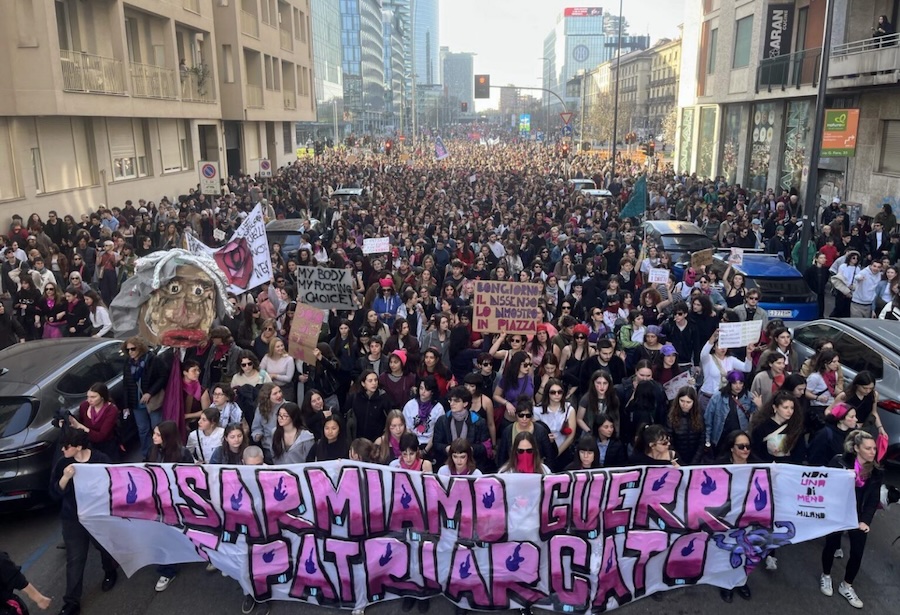
International Women’s Day 2026 comes at a defining moment: Women and girls have never been closer to equality, and never closer to losing it. Legal protection against domestic violence has expanded in many countries. Yet, the rights of women and girls are being rolled back in plain sight, and across the world, women still do not enjoy the same legal rights as men.

On 4 March, ahead of the 70th session of the Commission on the Status of Women (CSW70), UN Women will launch a report warning that the systems meant to protect women and girls are failing, leaving millions exposed to discrimination, violence and impunity as backlash against gender equality intensifies and violations of fundamental rights rise worldwide.

From 9–19 March, the world will gather at United Nations Headquarters in New York for CSW70 – the United Nations’ largest annual forum dedicated to gender equality and women’s rights. What happens at CSW influences laws, policies, funding and accountability across countries and generations.
This year’s focus is clear: rights, justice and action for all women and girls.

CSW70 is a defining test: whether the world choses to act together and deliver equality before the law for all women and girls or allow injustice to persist with impunity. UN Women calls on governments, partners, institutions and communities everywhere to stand up, show up and speak up for rights, justice and action – so all women and girls can live safely, speak freely and exist equally.

Follow the global conversation: #ForAllWomenAndGirls #IWD2026.

(Editor’s note: Details about the following events have been removed here but they may be accessed via the link above. The events may be followed via UN Web TV except in one case as indicated).

Rights. Justice. Action. For ALL Women and Girls. United Nations Observance of International Women’s Day

The United Nations Observance of International Women’s Day 2026, under the theme “Rights. Justice. Action. For ALL Women and Girls,” will be held on 9 March 2026 at the UN General Assembly Hall, immediately preceding the opening of CSW70. Aligned with CSW70, the observance is conceived as a single, continuous political moment that will elevate global attention to justice as the critical bridge between rights on paper and rights in practice, reaffirming collective resolve to confront persistent setbacks, violence and the denial of rights. Bringing together Member State delegations, global leaders, advocates, Goodwill Ambassadors and global voices, the observance will serve as a high-visibility platform to galvanize leadership, media engagement and concrete action towards ensuring equal access to justice for all women and girls.

Opening of the Seventieth Session of the Commission on the Status of Women (CSW70)

The CSW70 Opening marks the start of the seventieth session of the Commission on the Status of Women. The Commission will hear opening remarks by the CSW Chair, the Presidents of ECOSOC and the General Assembly and the Secretary-General, as well as a civil society representative and a young person. It will also hear introductory statements by the UN Women Executive Director, the Chairperson of the CEDAW Committee, the Chairperson of the Working Group on Discrimination against women and girls and the Special Rapporteur on violence against women, its causes and consequences. The ceremonial opening will be followed immediately by the adoption of the agreed conclusions, and the start of the general discussion which will focus mainly on the priority theme: ensuring and strengthening access to justice for all women and girls, including promoting inclusive legal systems, eliminating discriminatory laws and practices, and addressing structural barriers to equality.

G77 and Emerging Partners Ministerial Roundtable: Pathways for Accelerating Sustainable Financing for Gender Equality for All Women and Girls

Ministers, financial leaders, Ambassadors and development partners convene at CSW70 to advance practical pathways for scaling sustainable finance for gender equality. Co-hosted by Brazil, Kazakhstan, Maldives, Timor-Leste, Uruguay and UN Women, the Roundtable will focus on mobilizing public and private capital, strengthening financial systems and investing in priorities such as care infrastructure, digital inclusion and women’s economic empowerment. As the SDG deadline approaches and financing gaps widen, the event highlights concrete national actions and partnerships needed to accelerate investment in gender equality and drive inclusive, resilient economic growth.

Rights, Justice, Action for All Women and Girls: Celebrating 45 years of CEDAW

The Convention on the Elimination of All Forms of Discrimination against Women (CEDAW), often described as the international bill of rights for women, was adopted by the General Assembly in 1979 and entered into force in 1981. The CEDAW Committee held its inaugural session in 1982. As we convene for CSW70 in March 2026, we celebrate 45 years of the Committee’s work in monitoring the implementation of the Convention. As a quasi-judicial body, the CEDAW Committee has been the global vanguard for legal reform, the repeal of discriminatory laws, and the establishment of gender-responsive legal frameworks, and its General Recommendation No. 33 specifically provides guidance and recommendations to States on access to justice. In this regard, the CEDAW Committee, UN Women, OHCHR, the UN Foundation and the Ford Foundation are pleased to cohost a reception in commemoration of this important milestone.

Achieving Gender Equality in Nationality Laws

UN Women, in partnership with the Global Campaign for Equal Nationality Rights, UNHCR, UNICEF, the Global Alliance to End Statelessness, and champion States will convene a high-level event on Achieving Gender Equality in Nationality Laws on 10 March at United Nations Headquarters in New York. Despite global progress, more than 45 countries still retain gender‑discriminatory nationality laws that deny women equal rights to confer nationality, causing statelessness and lifelong barriers for millions of families. The event will spotlight testimony from people directly affected, share lessons from recent reforms, and underscore why gender‑equal nationality rights are essential to achieving justice and the SDGs. It will also launch a new Legal Atlas on Discriminatory Nationality Laws, providing the first comprehensive global mapping of these legal gaps. Impacted States are expected to announce concrete reform commitments.

(Article continued in right column)

Question related to this article:

Protecting women and girls against violence, Is progress being made?

Does the UN advance equality for women?

(Article continued from left column)

Townhall Meeting with the United Nations Secretary-General and Civil Society in the Margins of the 70th Session of the Commission on the Status of Women

The townhall provides an opportunity for the UN Secretary-General to meet with the largest gathering of civil society at the UN, and to have a frank discussion on issues related to the advancement of gender equality and women and girls’ rights around the world. It offers intersectional and intergenerational civil society a space to directly engage with the highest leadership of the United Nations and to ask questions, share recommendations and strengthen collaboration. This will be the last townhall with the current Secretary-General whose term ends this year.

Achieving Gender Equality and the Empowerment of All Older Women

As part of the CSW70, this Ministerial Round Table will focus on Achieving gender equality and the empowerment of all older women, an emerging focus area identified by the Commission. The discussion, led by high-level ministers and UN leaders will address how rapid population ageing – with women comprising the majority of persons aged 60 and above – reshapes the conditions for gender equality across the life course. Ministers will exchange experiences, lessons learned and good practices to advance income security and economic independence of older women, and to transform social and cultural norms to counter ageism and sexism, prevent elder abuse, and more.

The Role of Parliaments in Achieving Parity in Decision-Making and Ensuring Gender-Responsive Access to Justice for Women and Girls

The Meeting will provide an opportunity to bring a parliamentary perspective into the CSW70 discussions on the priority and review themes. Members of Parliament from around the world will share perspectives and practices on legislative, oversight and budgetary actions to achieve parity representation in decision-making, eliminate discriminatory laws, address gaps between legal frameworks and their implementation, combat impunity for violence against women, and strengthen accountability and enforcement across justice systems. The event will also serve as the launch of the latest Women in Politics Map, presenting new data for women in executive positions and national parliaments as of 1 January 2026.

Advancing Women’s Access to Justice: Building Justice Systems that Deliver for All Including in Fragile Contexts

Amid intersecting crises, uncertainty, and deepening inequality, there is an urgent need to reimagine justice systems that respond to the realities of a rapidly changing world. At CSW70, UNDP and UN Women – in partnership with the Governments of Brazil, Kingdom of the Netherlands, and Ukraine – are hosting a high-level event to spotlight country experiences, civil society innovations and emerging legal reforms. The discussion will identify recommendations that can be taken forward now and explore how governments, civil society and international partners can work together to co-create and sustain reforms for humans everywhere, including in fragile and crisis-affected contexts.

Women Leaders Paving the Way: Access to Justice for All Women and Girls

No Virtual access

Hosted by the UN Women Leaders Network, in partnership with the Government of Iceland and the UN Foundation, this CSW70 side event will feature a panel discussion with distinguished speakers from the UN Women Leaders Network about ensuring and strengthening access to justice for all women and girls, examined through a women’s leadership lens. The panel will highlight that meaningful access to justice depends on inclusive governance, accountable leadership, innovative policymaking, and cross-sectoral collaboration. The event will end with closing remarks from UN Women Executive Director Sima Bahous.

CSW High-level Meeting on Violence Against Women and Girls

On 12 March 2026, Member States will convene at UN Headquarters for the CSW High-level Meeting on Violence against Women and Girls – the first annual High-level Meeting held during CSW under a new mandate to elevate critical cross-cutting priorities aimed at accelerating implementation of the Beijing Declaration and Platform for Action. The meeting will highlight what works to prevent violence and strengthen survivor-centred responses – both online and offline – at a moment when progress remains too slow and technology is accelerating new harms. Across two sessions, ministers and leading experts, including from women’s rights organizations and survivors from all five UN regional groups will share evidence, good practices with potential for scale-up, and practical actions to close implementation gaps and accelerate commitments to end violence against women and girls.

Ensuring and Strengthening Access to Justice for All Women and Girls

The Interactive Dialogue with Youth Representatives at CSW70 is a global platform that elevates the leadership, vision, and lived experiences of young people advancing access to justice for women and girls. It highlights the need for inclusive and equitable legal systems, the elimination of discriminatory laws, policies and practices, and action to address the structural barriers that deny women and girls justice.

Closing of the Seventieth Session of the Commission on the Status of Women (CSW70)

The CSW70 Closing Session brings the seventieth session of the Commission on the Status of Women to an official end. Delegates will review progress made during discussions on the priority theme of ensuring and strengthening access to justice for all women and girls, consider outstanding agenda items, adopt the session’s report and agreed conclusions, and look ahead to the work of CSW71.

– – – – – –

If you wish to make a comment on this article, you may write to coordinator@cpnn-world.org with the title “Comment on (name of article)” and we will put your comment on line. Because of the flood of spam, we have discontinued the direct application of comments.
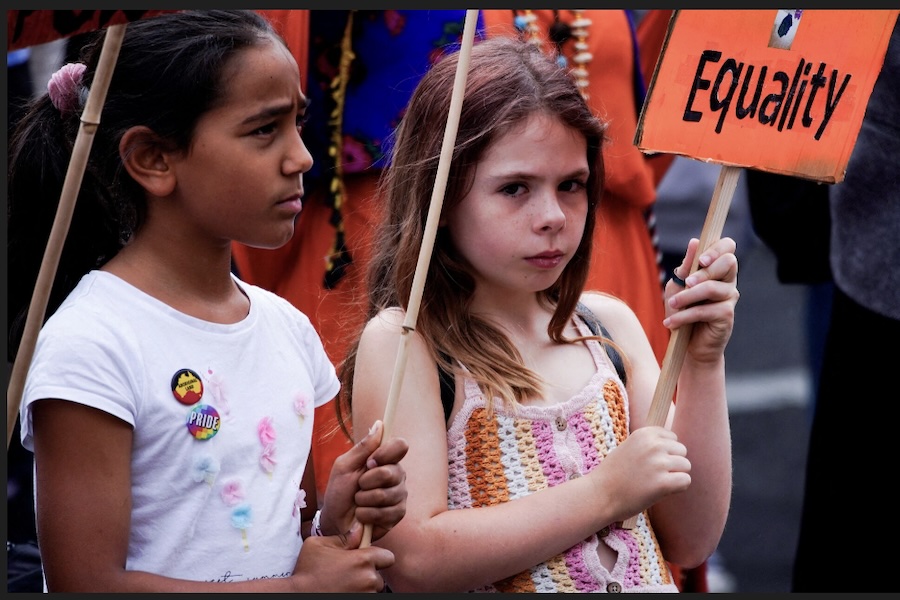
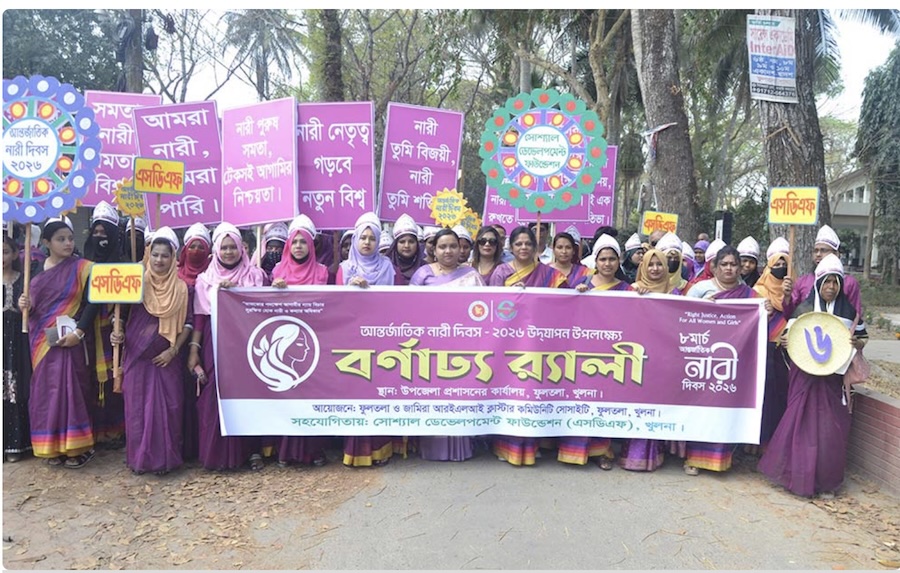
‘Equal Women: Transforming Territories,’ a photographic exhibition that pays tribute to the organizations working for women’s rights in Colombia

. . WOMEN’S EQUALITY . .

An article from UN Women Colombia.

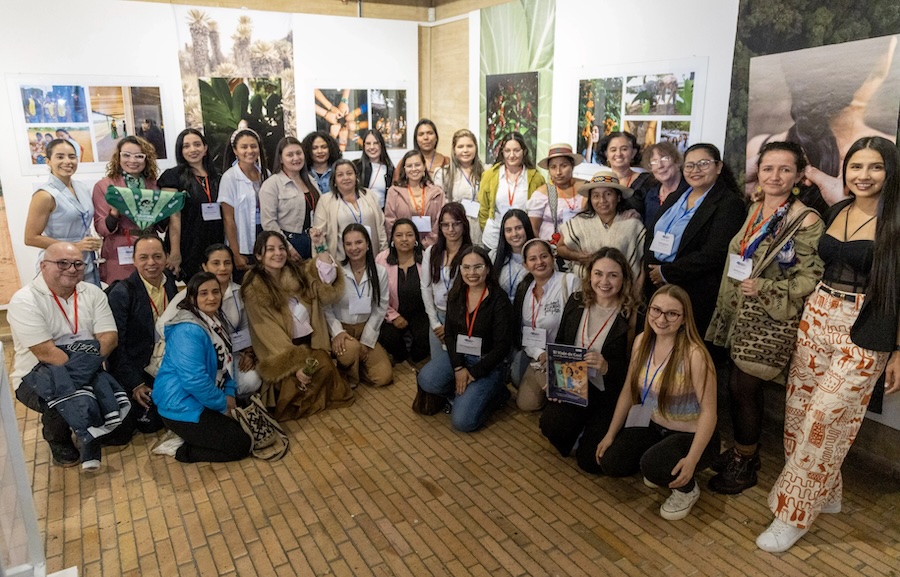
The Chicó Gallery at the Alliance Française in Bogotá will host the photographic exhibition ‘Equal Women: Transforming Territories,’ a collective exhibition that highlights the inspiring work, leadership, and achievements of ten women’s, feminist, and mixed-gender organizations that promote women’s rights in different regions of Colombia.


Photo: UN Women/Esteban Servín

The exhibition, which opened on Thursday, February 19, is the culmination of a year of training in photography, visual communication, and digital media developed with the partner organizations of the Igualitarias initiative, supported by UN Women and funded by the French Embassy. Through 50 photographic works and audiovisual pieces, the exhibition presents a narrative constructed from the organizations’ own perspective, avoiding external approaches and providing an authentic and collective visual voice.

Egalitarias is more than a name: it is a way of being in the world. It is the daily practice of organized women who sustain community life, defend their territory, promote leadership, and transform realities marked by profound inequalities. The exhibition pays tribute to these processes and highlights achievements such as organizational strengthening, the consolidation of leadership, the promotion of advocacy agendas, and the increased autonomy of the participating organizations.
(article continued in right column)

(Click here for the original article in Spanish)

Questions related to this article:
 
Do women have a special role to play in the peace movement?

What is happening in Colombia, Is peace possible?

(article continued from left column)

Maria Inés Salamanca Vidak, UN Women Country Representative in Colombia, stated that “this exhibition is an expression of the power of women’s leadership in the territories of Colombia. Through their own images, women not only narrate their realities: they transform them. These photographs are a testament to the collective and sustained work carried out by women’s organizations throughout the country in defense of human rights.”

Likewise, the French Ambassador to Colombia, Sylvain Itté, expressed, “The results of the ‘Equalities’ program confirm the importance of investing in local feminist organizations, which are at the heart of the most lasting social changes. We also celebrate the continuation of our partnership with UN Women, a key partner in this program, both in planning and implementation, and in constant communication with all stakeholders. The exhibition we are inaugurating today is a great tribute to this work.”

The curatorial approach combines photographs printed on paper and fabric, audiovisual projections, and QR codes that allow the public to access video testimonials from the organizations, creating a sensitive, immersive, and deeply rooted experience.

The exhibition, open to the public from February 20 to March 14, 2026, at the Alliance Française in Bogotá (Chicó branch), can be visited Monday through Friday from 9:00 a.m. to 6:00 p.m., and Saturdays from 9:00 a.m. to 12:30 p.m. The organizations behind the works are: Corporación Colectiva Justicia Mujer; Red de Mujeres Unidas del Norte de Antioquia; Fundación Luciérnagas; Asociación No Hay Límites; Fundación Empoderarte Latinoamérica; Corporación El Cuarto Mosquetero; Corporación Yo Puedo; Fundación Concern Universal; Asociación Campesina Red Agroecológica del Tolima (REATOL); and Corporación SOS Ambiental.

– – – – – –

If you wish to make a comment on this article, you may write to coordinator@cpnn-world.org with the title “Comment on (name of article)” and we will put your comment on line. Because of the flood of spam, we have discontinued the direct application of comments.
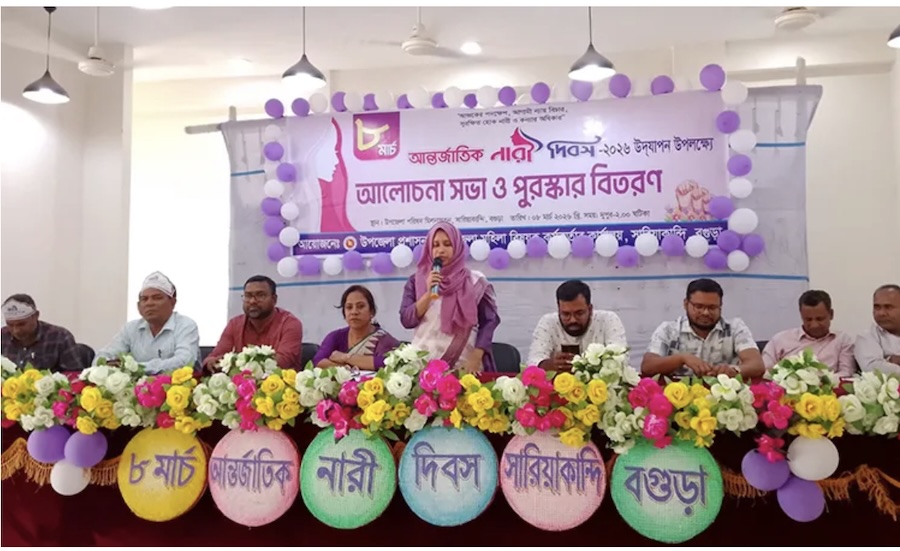
International Women’s Day 2026: Rights. Justice. Action. For ALL Women and Girls.

. . WOMEN’S EQUALITY . .

An article from UN Women

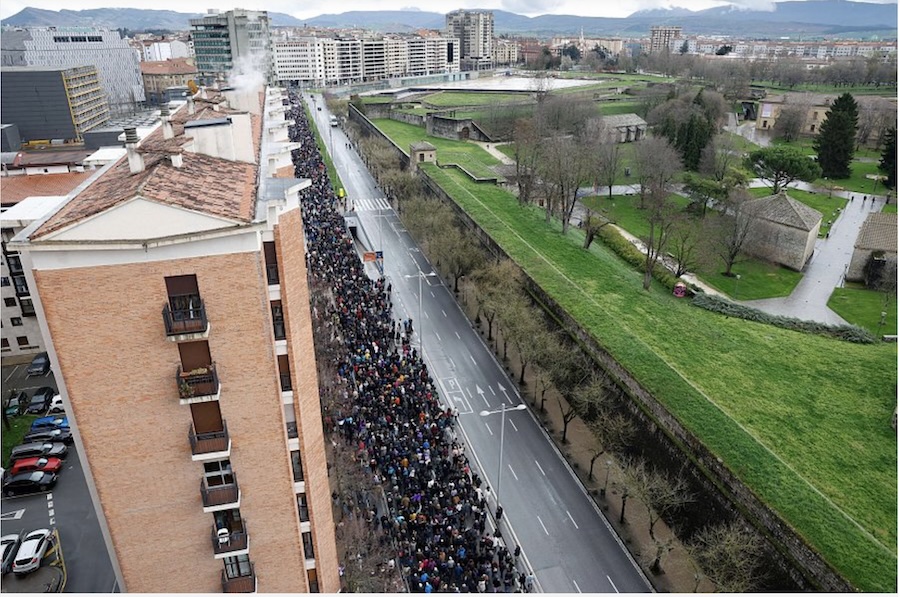
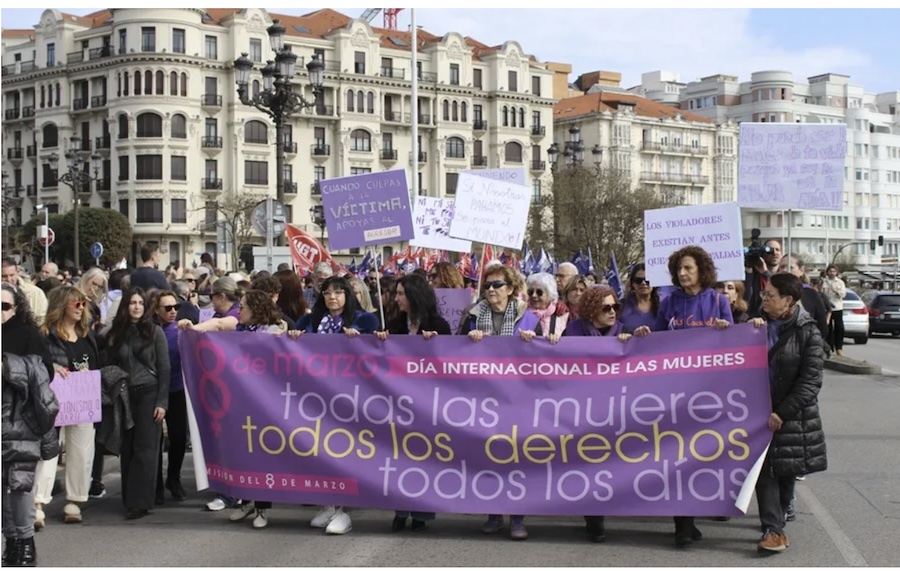
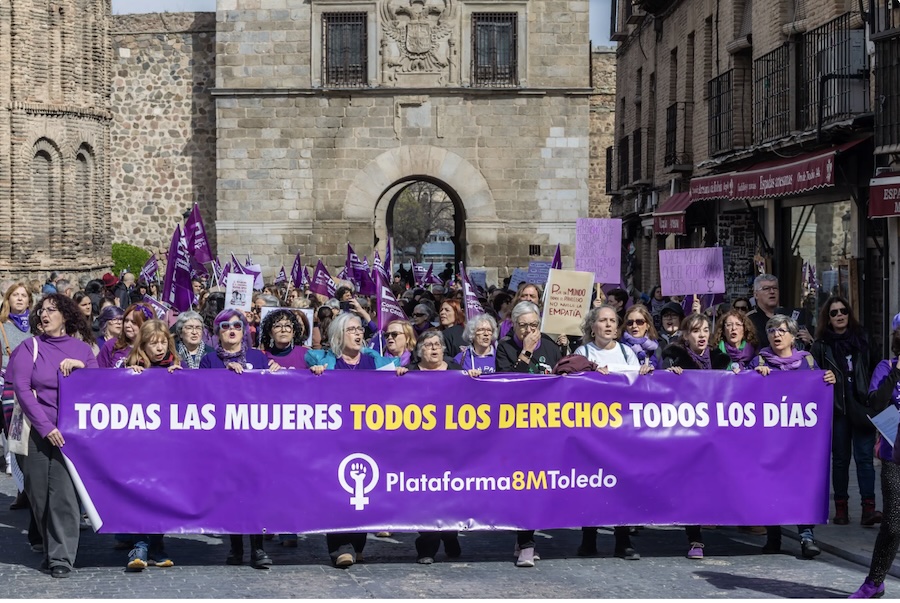
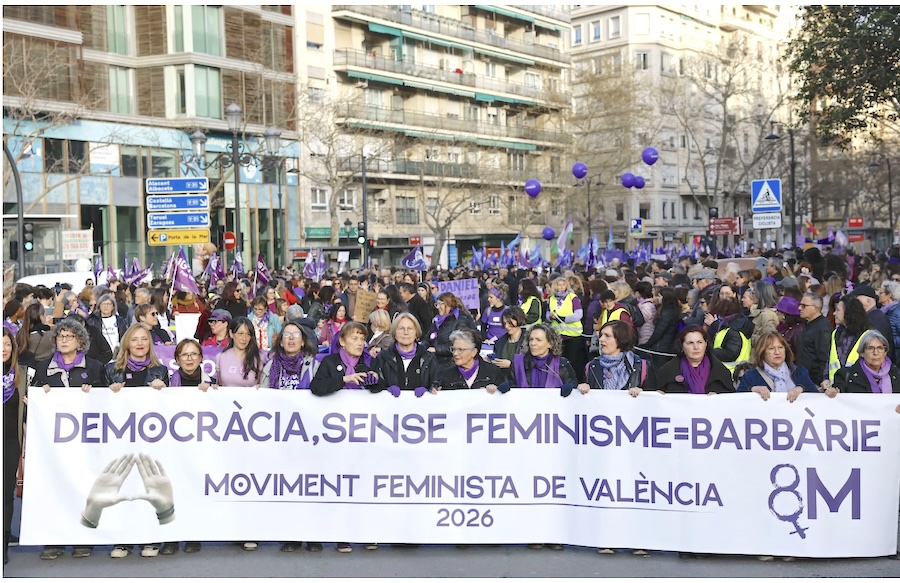
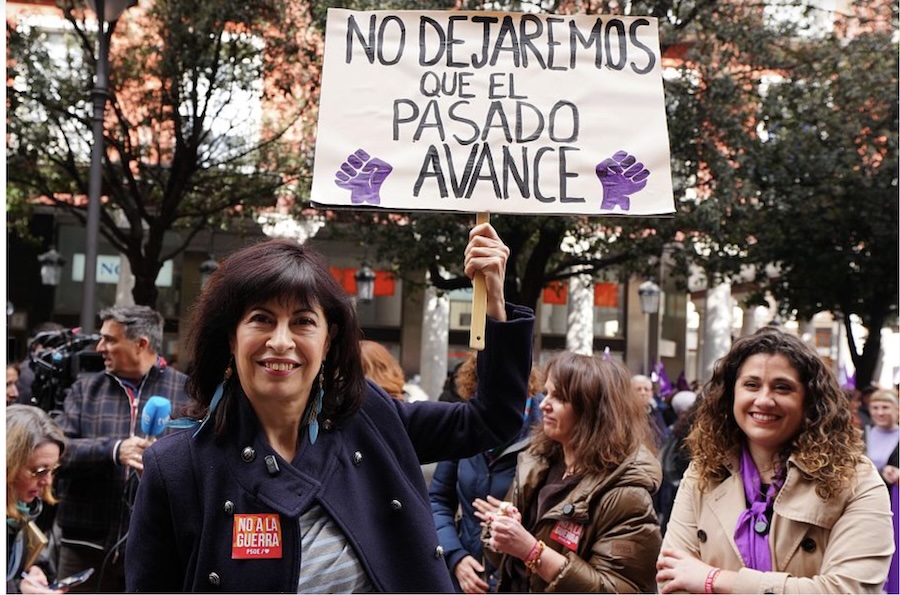
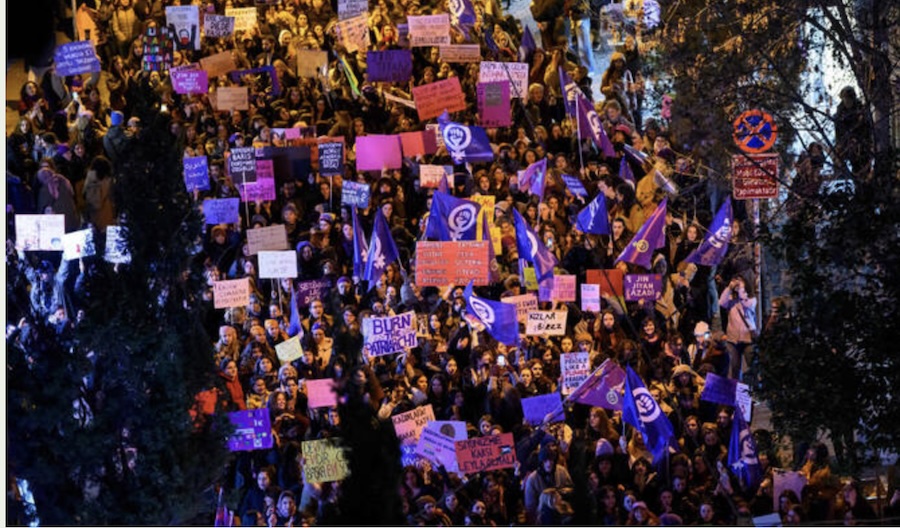
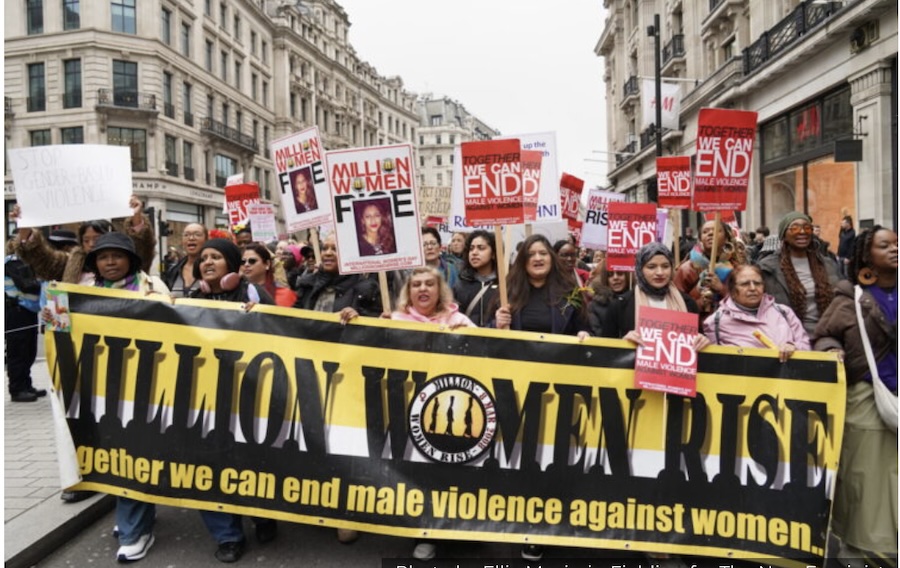
On 8 March 2026, rally with women and girls around the world to demand equal rights – and equal justice to enforce, exercise, and enjoy those rights.

As we begin the second quarter of the 21st century, no nation has closed the legal gaps between men and women. Right now, in 2026, women have only 64 per cent of the legal rights that men hold worldwide. In fundamental areas of life, including work, money, safety, family, property, mobility, business, and retirement – the law systematically disadvantages women. From harmful social norms to discriminatory laws, women and girls continue to face entrenched obstacles – even pushback – to equal justice. If progress continues at its current pace, it will take 286 years to close legal protection gaps. That is not a timeline, it’s surrender.


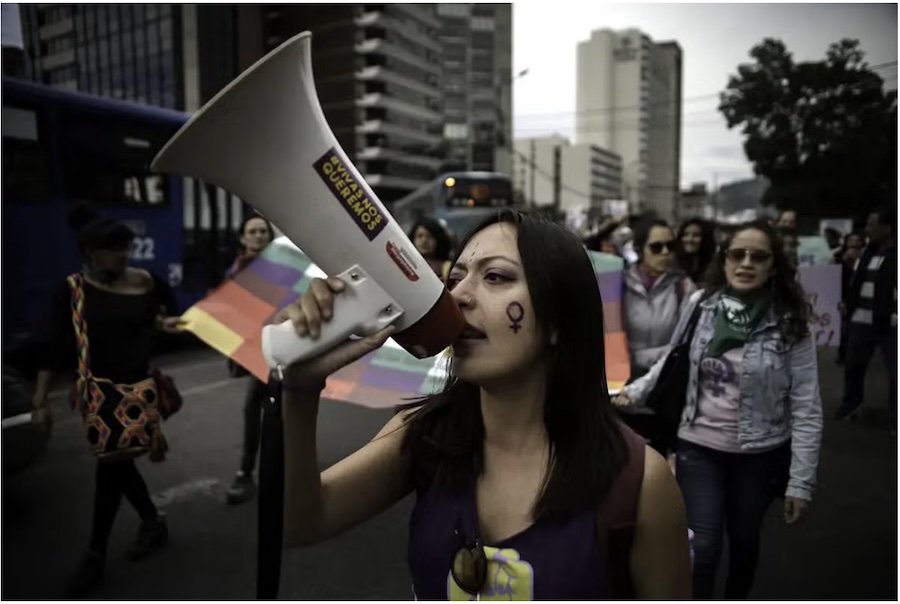
Activists, social leaders, organizations, women and men chant slogans against gender violence during the “Vivas nos Queremos” march in Quito, Ecuador. Photo: UN Women/Johis Alarcón

Without justice systems that work for women, rights become a promise that never arrives.

International Women’s Day 2026 (IWD 2026), under the theme, “Rights. Justice. Action. For ALL Women and Girls”, marks a moment to amplify our collective determination. No matter how deeply rooted the sexism or how discouraging the politics, we refuse to step back or abandon our mandate. Instead, we climb together – for the rights and empowerment of all women and girls.

(Click here for the article in French or here in Spanish.)

(Article continued in right column)

Question related to this article:

Protecting women and girls against violence, Is progress being made?

Does the UN advance equality for women?

(Article continued from left column)

This year, IWD 2026 calls for action to dismantle the structural barriers to equal justice: discriminatory laws, weak legal protections, and harmful practices and social norms that erode the rights of women and girls.

What does equal justice look like? Simply put, your rights are protected and defended, and laws don’t just stay on the books – they get enforced, so that people can experience equal rights and justice. It means legally protected access to education for girls and an end to child marriage. Women’s freedom to choose to work, participate, and lead in society, including in political and justice systems. Strengthened protection and prevention to end gender-based violence in all its forms. Family, labour, and healthcare laws that do not discriminate against women. Justice systems that are free of bias, centred on survivors, and backed by zero tolerance for abuse and impunity. Legal aid that is affordable and accessible. Just to name a few.

This year’s United Nations observance of International Women’s Day will take place on 9 March and focus on equal justice, purposefully aligning with the 70th session of the Commission on the Status of Women (CSW70) (from 9 to 19 March). At CSW70, an intergovernmental forum, representatives of Member States, United Nations entities, and civil society will gather to negotiate conclusions on the theme, “Ensuring and strengthening access to justice for all women and girls, including by promoting inclusive and equitable legal systems, eliminating discriminatory laws, policies, and practices, and addressing structural barriers.”

This International Women’s Day, join UN Women, the United Nations family, civil society, youth, media, businesses, and more, to demand “Rights. Justice. Action. For ALL women and girls.” Share International Women’s Day stories and messages online with the hashtag #ForAllWomenAndGirls and follow UN Women for more information on forthcoming events.

– – – – – –

If you wish to make a comment on this article, you may write to coordinator@cpnn-world.org with the title “Comment on (name of article)” and we will put your comment on line. Because of the flood of spam, we have discontinued the direct application of comments.
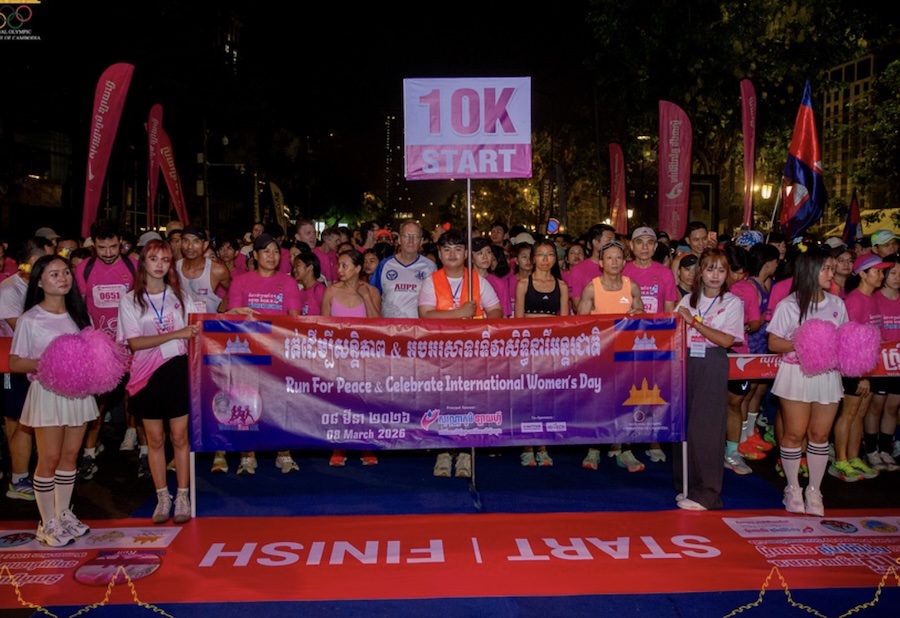
Tunis, Birth Place of the Name, ‘Africa’ hosts 6th Forum of Women, Peace and Security (WPS)

. WOMEN’S EQUALITY .

An article from the African Union

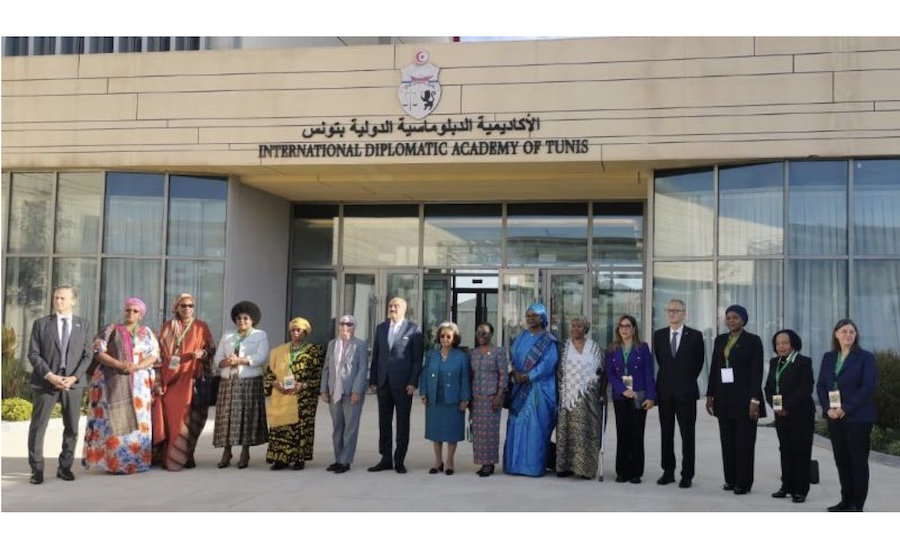
The African Union (AU) successfully convened the 6th High-Level Africa Forum on Women, Peace and Security (WPS) in Tunis, Tunisia. The Forum was held under the theme: “25 Years of UNSCR 1325: Leveraging Multilateral Diplomacy to Reinforce Africa’s Women, Peace and Security Agenda in a Shifting Global Order.”

In his opening remarks, delivered via video message, H.E. Mahmoud Ali Youssouf, Chairperson of the African Union Commission, paid tribute to the women of Sudan, standing firm amid conflict; the women of the Great Lakes region, persevering in protracted crises; and the women of the Sahel, who sustain communities despite insecurity and displacement. He concluded by asserting: “Their resilience reminds us that women are central pillars of peace and stability.”

Chairperson Youssouf reaffirmed the Commission’s unwavering commitment to the progress of this agenda, pledging to work in close collaboration with Member States, Regional Economic Communities, civil society, and partners to ensure that “our collective commitments deliver meaningful and measurable impact for women and girls”. He underlined.

Looking ahead, the Chairperson of the Commission stressed that the collective focus must shift to accountability, financing, and women’s leadership. He noted that the confluence of the 16 Days of Activism, the G20 declaration, and the adoption of the AU Convention on Ending Violence Against Women and Girls (CEVAWG) provides powerful momentum. This momentum, he urged, must be translated into concrete action that strengthens protection systems, deepens women’s participation in decision-making, and ensures that peace and security processes across Africa are truly inclusive.

The AUC Chairperson’s Special Envoy on Women, Peace and Security, H.E. Amb. Liberata Mulamula, asserted that Africa’s strength is rooted in solidarity, multilateralism, and collective action. She called for a renewed commitment to operationalizing WPS obligations, cautioning against backsliding, and emphasizing the necessity of ensuring that women’s voices—from grassroots communities to national leadership—shape policy and drive implementation.

Ambassador Mulamula highlighted the urgent need for accelerated ratification of the AU Convention on Ending Violence Against Women and Girls (CEVAWG), noting that only seven countries have signed to date and stressing that rapid ratification remains essential. Ultimately, she conveyed the expectation that the Forum will produce transformative, forward-looking outcomes to guide the next decade of the WPS agenda (2025–2035), building on past achievements while decisively tackling emerging challenges.

H.E. Mohamed Ali Nafti, Minister of Foreign Affairs and Immigration of Tunisians Abroad, reaffirmed Tunisia’s strong commitment to solidarity and multilateral cooperation, rooted in the nation’s historic role in supporting peace and stability across the continent. He emphasized that since its independence, Tunisia has been a distinguished regional model in advancing women’s rights, notably through the pioneering 1956 Personal Status Code.

(Article continued in right column)

Questions for this article

Can the women of Africa lead the continent to peace?

(Article continued from left column)

This progress has been continually strengthened, culminating in the 2022 Constitution, which enshrined equality and led to the appointment of the first female Head of Government in the country and the region. Minister Nafti concluded by stressing the urgent need to ensure women’s full and active participation in peace processes, recognizing them not just as victims of conflict, but as essential partners in shaping and sustaining peace.

In her address, H.E Sahle-Work Zewde, Former President of the Federal Democratic Republic of Ethiopia, stated that conflict continues to disproportionately impact women, who bear the primary burden of displacement and insecurity. She called on Member States and partners to expose and dismantle the economic systems that fuel instability, urging them to redirect political and financial resources toward achieving sustainable peace and human security. She concluded by stressing the importance of amplifying the often-overlooked contributions of women who serve as “silent architects of peace.”

H.E. Joyce Banda, Former President of the Republic of Malawi, and Chair of the SADC Panel of the Wise AWLN Champion reminded the Forum that UNSCR 1325 was a milestone in bringing women into global peace processes. African women have never shied away from leadership, their voices remain essential.

Hon. Justice Emeritus Effie Owuor noted that patterns of conflict are evolving, marked by new pressures and the increasing use of digital spaces to perpetrate harm. She emphasized that despite challenges such as shrinking resources and narrowing democratic space, African women continue to play vital roles as community leaders, mediators, and defenders of human dignity.

She underscored that sustainable peace hinges on strong prevention mechanisms, effective early mediation support, and the meaningful participation of women in all peace processes. She called for an immediate end to decision-making about women but without women, stressing that policies disconnected from everyday realities cannot lead to lasting peace.

H.E. Ms. Nyaradzayi called for the full inclusion of women in peacebuilding, governance, and security negotiations across Africa, highlighting Tunisia’s leadership in the WPS agenda. She urged the protection and dedicated resourcing of women peacebuilders and emphasized the importance of training the next generation of African women leaders. UN Women reaffirmed its full support for the African Union and its Member States in implementing and monitoring all Women, Peace and Security commitments.

Ms. Grace Kabayo highlighted Tunisia’s historic role in supporting the Pan-African Women’s Organization (PAWO) and called for the revitalization of the women’s movement across the continent. She expressed solidarity with African nations facing crises (including Tanzania, South Sudan, Burundi, and the DRC) and urged early intervention to prevent further destabilization. Drawing on her own experience, Kabayo stressed the necessity of strong, inclusive leadership and warned against complacency in defending women leaders. She ultimately called for African women to unite, strengthen PAWO’s legacy, and advocate collectively for peace, human rights, and democratic governance.

H.E. Ms. Asma Jebri, Minister of Family, Women, Childhood, and Seniors of Tunisia, officially declared the 6th High-Level Forum open. As the host nation’s representative for these critical issues, she underscored that strengthening the leadership of women must be a central and non-negotiable continental priority. By formally inaugurating the event, the Minister emphasized Tunisia’s commitment to setting the tone for a decade of accelerated action and reinforced the nation’s dedication to the Women, Peace and Security agenda.

– – – – – –

If you wish to make a comment on this article, you may write to coordinator@cpnn-world.org with the title “Comment on (name of article)” and we will put your comment on line. Because of the flood of spam, we have discontinued the direct application of comments.
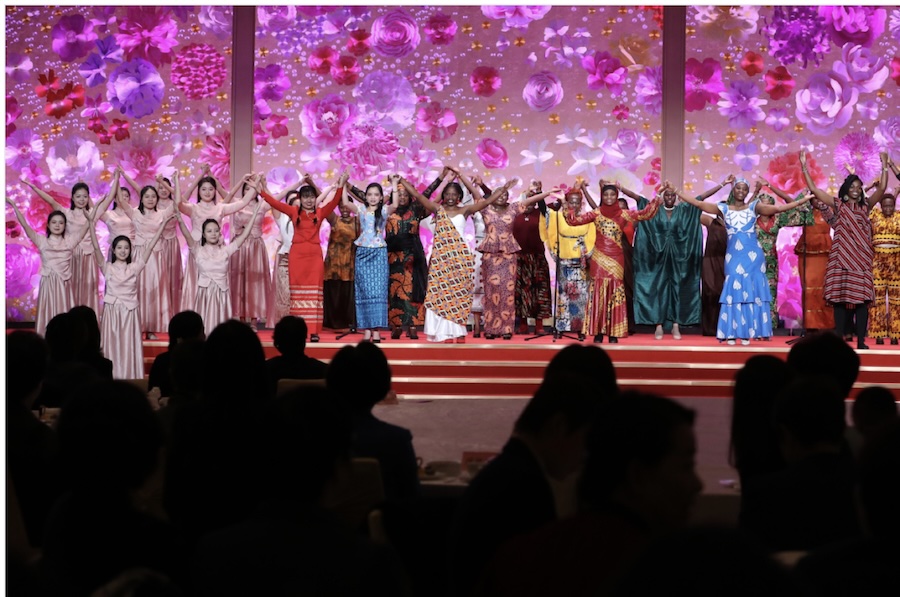
South Africa’s G20 Women’s Shutdown – a turning point for ending gender-based violence and femicide

. . WOMEN’S EQUALITY . .

An article from UN Women

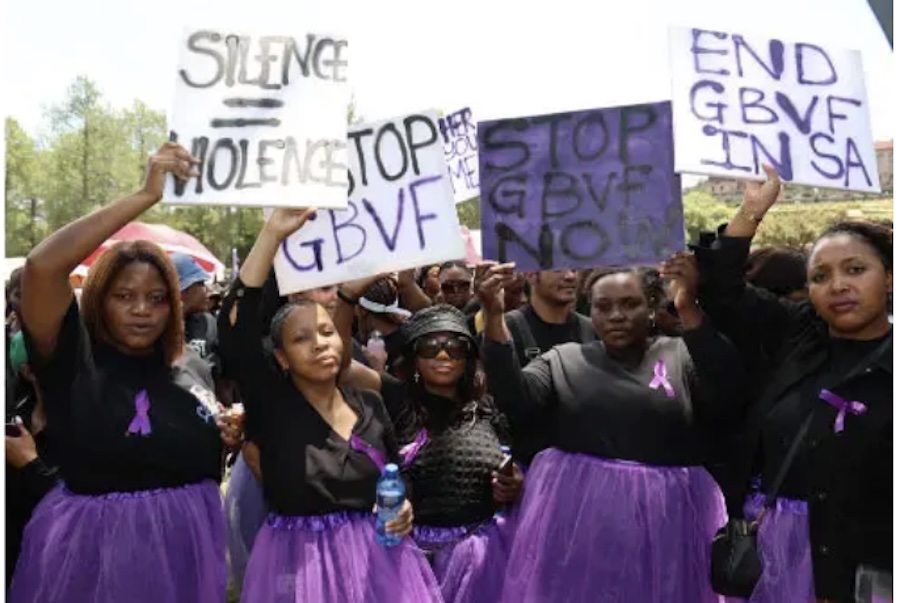
On 21 November, just days before the 16 Days of Activism Against Gender-Based Violence, South African women brought their country to a standstill with a powerful message: declare gender-based violence and femicide a national disaster.

At the Union Buildings lawns in Pretoria, the seat of government, thousands of protesters dressed in black with touches of purple began gathering in the morning of 21 November. Their voices rose in traditional songs of struggle – “Senzeni na?” (What have we done to deserve this?) and “Zizaw’ujik’izinto” (Things will change) – before culminating in a powerful moment at midday, when protesters lay on the ground in silence, honouring the memory of women that are killed every day in South Africa, according to data cited by the national nonprofit organization, Women for Change.

G20 Women’s Shutdown: Over one million signatures push government to act on gender-based violence and femicide

The timing was deliberate. As world leaders converged in Johannesburg for the G20 Summit, led by Women for Change, protesters seized the global spotlight to demand urgent action on a crisis that claims women’s and girls’ lives with devastating regularity. The protest, dubbed ‘the G20 Women’s Shutdown’, called for women to stay home from work, refrain from spending money, observe 15 minutes of silence to honour the memory of victims of femicide, and make their demands impossible to ignore. The movement’s purple-themed social media campaign echoed far beyond South Africa’s borders, with supporters worldwide changing their profile pictures in solidarity.

“I came here not only because I’ve got people that I know who have been victims of femicide and gender-based violence, but because this is a crisis. We see women dying every day and we need our voices to be heard”, said 28-year-old Lebogang Ntsia, standing among thousands at the Union Buildings. “Just as women many years ago protested here (against apartheid laws) and showed up for the changes that we are privileged to experience today, we also need to be the generation that steps up.”

The statistics paint a grim picture. The First South African National Gender-based Violence Study, released in 2024 and co-supported by UN Women, revealed that more than 1 in 3 women – 35.8 per cent of South African women – have experienced physical and/or sexual violence in their lifetime. The protest’s impact rippled nationwide as educational institutions observed the 15-minute silence, some major retailers paused operations, and the coordinated action caught global headlines.

The Government of South Africa declares gender-based violence a national disaster

Responding to the outcry amplified by over one million petition signatures, the Government has declared gender-based violence and femicide a national disaster – a move that will unlock additional resources and policy focus, ensuring the issue receives urgent attention it demands.

Speaking at the G20 Social Summit, President Cyril Ramaphosa said, “We have agreed, among all social partners, that we need to take extraordinary and concerted action – using every means at our disposal – to end this crisis”. Ramaphosa also emphasized that men and boys must actively challenge the attitudes and structures that normalize violence against women and girls.

UN Women Representative in South Africa Aleta Miller highlighted the human cost of the crisis: “They are mothers, daughters, sisters, friends – whose lives have been cut short or forever changed. Ending gender-based violence and femicide requires nothing less than a comprehensive, all-of-society approach.”

(Article continued in right column)

Question related to this article:

Protecting women and girls against violence, Is progress being made?

What role should men play to stop violence against women?

(Article continued from left column)

Global South presidencies drive new momentum for gender equality at the G20

The protest occurred as three consecutive G20 presidencies from the Global South – India (2023), Brazil (2024), and South Africa (2025) – have brought fresh momentum to the forum’s gender equality agenda, each building on the other’s work to advance women’s economic empowerment and safety.

India’s 2023 presidency marked a watershed moment by reframing the narrative from ‘women’s empowerment’ to ‘women-led development,’ creating the Women’s Empowerment Working Group and elevating gender equality from engagement groups to formal G20 architecture. Brazil’s 2024 presidency moved this vision into action by hosting the first-ever meeting of the Working Group and positioning the care economy at the heart of its agenda.

South Africa’s 2025 presidency, themed ‘Solidarity, Equality, and Sustainability’, arrived at a critical moment: five years before the 2030 deadline to achieve the Sustainable Development Goals and coinciding with the 30th anniversary of the Beijing Declaration and Platform for Action that put women’s equal rights and opportunities at the heart of meaningful progress for the planet and people. The presidency secured unprecedented African Union participation and expanded the agenda to include health equity, land rights, and agriculture, alongside existing priorities. The Women’s Empowerment Working Group, supported by UN Women, also focused on ending gender-based violence and femicide.

Yet significant gaps persist: most G20 countries remain far from achieving the 25 per cent reduction in labour force participation gaps between men and women; climate finance continues to bypass women, with only 1.7 per cent reaching small-scale producers in developing countries. And, no country in the world has eradicated violence against women and girls.

Leaders at G20 call for the engagement of men and boys in ending gender-based violence

As G20 Ministers gathered in Johannesburg, they recognized that addressing gender-based violence requires confronting its root causes.

The G20 Ministerial Dialogue on Positive Masculinities, held in October, brought together religious and traditional leaders, government officials, and civil society to discuss ways to address harmful social norms that fuel violence against women and girls. Deputy Minister Mmapaseka Steve Letsike told the assembly that “patriarchy is a human crisis, not merely a women’s issue.”

“Across countries, physical spaces or online contexts, the dominance of patriarchal masculinities is a common thread underlying the perpetration of gender-based violence,” said Anna Mutavati, UN Women Regional Director for East and Southern Africa at the G20 Ministerial Meeting. “Achieving gender equality requires the full engagement of all segments of society, including men and boys as strategic partners and advocates for change.”

Central to the G20’s recommendations was engaging men and boys as active agents of change in promoting positive masculinities. Ministers also emphasized that transforming harmful gender norms requires strengthening accountability mechanisms across all sectors, from religious institutions to judicial systems.

From commitments to action: A new generation demands extraordinary action during 16 Days of Activism

Since the 2018 Total Shutdown march, when women marched to the Johannesburg Stock Exchange demanding change, South Africa has developed comprehensive frameworks to address the crisis. The government launched the National Strategic Plan on Gender-based Violence and Femicide, dedicating approximately R21 billion (about USD 1.2 billion). New legislation includes the National Council on Gender-Based Violence and Femicide Bill, signed into law in May 2024.

As South Africa enters the 16 Days of Activism, the 21 November protests have set a powerful precedent, demonstrating that a new generation refuses to accept violence against women as inevitable, demanding that extraordinary measures match the extraordinary scale of the crisis.
 
– – – – – –

If you wish to make a comment on this article, you may write to coordinator@cpnn-world.org with the title “Comment on (name of article)” and we will put your comment on line. Because of the flood of spam, we have discontinued the direct application of comments.
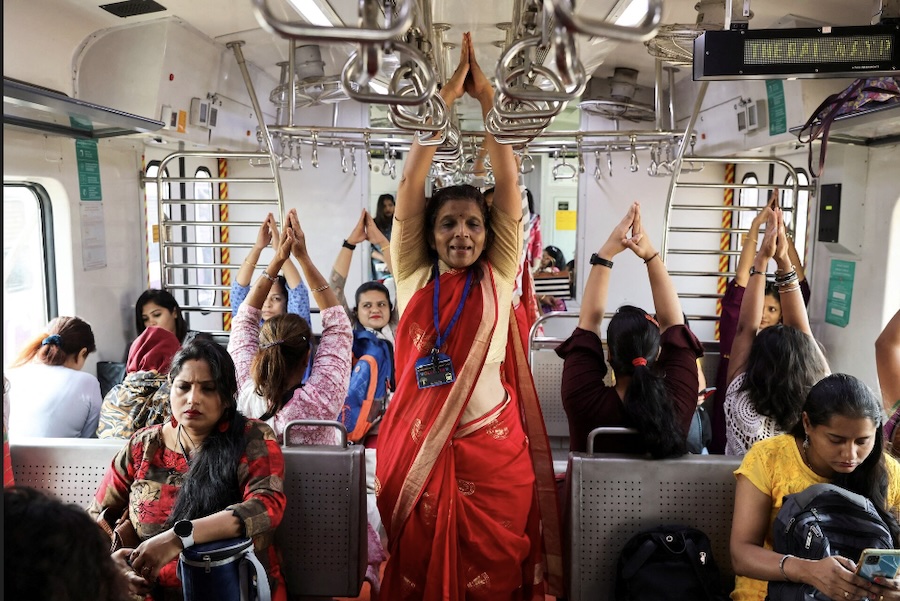
The Struggle for Peace of Syrian Women, ICIP Peace in Progress Award 2025

. . WOMEN’S EQUALITY . .

An article from the International Catalan Institute for Peace

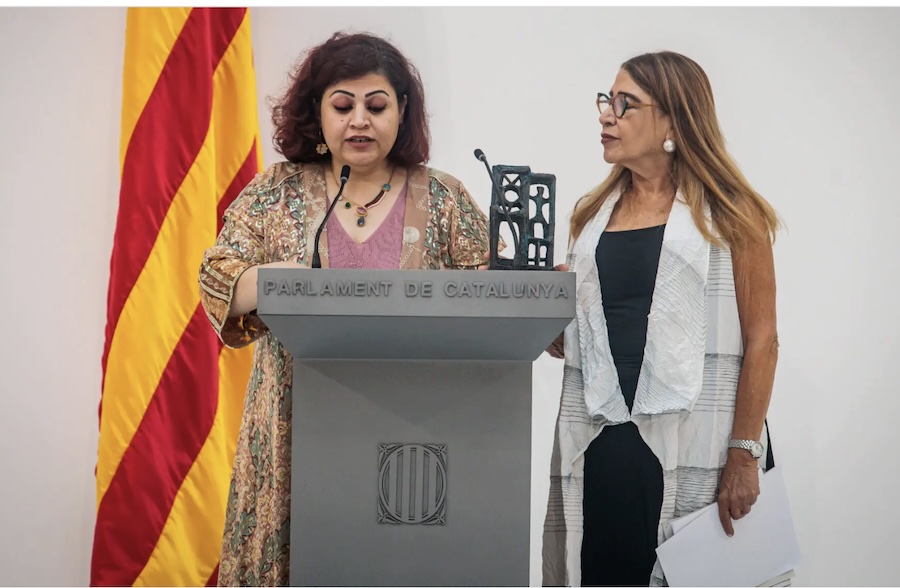
On Thursday, September 18, during the week marking the International Day of Peace, ICIP presented the 2025 Peace in Progress Award to Women Now for Development, a leading Syrian women’s organisation. The award honours the network for its work in supporting, protecting, and empowering Syrian women—both inside the country and in exile—as a powerful symbol of resistance and feminist solidarity in the face of violence.

Women Now for Development was founded in 2012 as a community initiative to support women and girls in the early days of the Syrian revolution. Its initial aim was to create safe spaces where women could meet, share knowledge, and exchange experiences. Since then, it has become a leading feminist organisation working both in war zones and in conflict-affected contexts, inside and outside Syria. The network has helped shape a generation of women who continue resisting violence and building hope amidst destruction.

The ceremony was opened by ICIP president Xavier Masllorens, who underlined the importance of “recognising people and organisations that work against the tide, upholding dignity,” which is the essence of the ICIP Award. In today’s turbulent context for peace, Masllorens lamented the lack of action on conflict prevention. He also stressed the need to work for peace: “Not preventing means giving up on deeply analysing the true causes of conflicts, and that constitutes a collective failure with devastating consequences (…). Today, we have the conditions to work with a new paradigm in conflict resolution between communities, peoples, nations, and states. A paradigm that is unprecedented but not impossible, which we call a culture of peace: a world without misery, more just and equal.”

Next, Palestinian poet and translator of Syrian origin, Mohamad Bitari, offered a tribute to the award-winning organisation and highlighted that the ICIP Award “is a homage to the memory of Syrian women, and to all that they have given for a more just, free, and safe country. It is also a tribute to every woman in the world who has refused to be only a victim, and has chosen to be active, courageous, and transformative.”

A recognition of women’s struggle

In his remarks, Bitari recalled many Syrian women who have marked the country’s resistance through their social and political activism. Many of them suffered repression at the hands of the Syrian regime and received support and protection from Women Now for Development.

(Article continued in right column)

Questions related to this article:

Do women have a special role to play in the peace movement?

(Article continued from left column)

On behalf of the award-winning organisation, the award was accepted by executive director Lubna Alkanawati and the organisation’s director in Lebanon, Roulah Al Rekbie. In their acceptance speeches, they emphasised the repression and displacement suffered by Syrian women for decades. They highlighted that the ICIP Award makes their struggle visible and places women at the centre of peacebuilding: “This recognition gives us strength to keep moving forward, to transform pain into action. It reminds us that the struggle continues, that we will keep working to ensure that Syrian women have a voice of their own,” said Al Rekbie. For her part, Alkanawati dedicated the award to the “women of Syria, Sudan, Palestine, Yemen, Iran, and Afghanistan, and all places where women suffer from occupation, extremism, and patriarchy.” The organisation will allocate the prize to funding support programs for survivors of sexual violence.

A third representative of the organisation, Muzna Al Jundi, who was unable to travel to Barcelona due to visa difficulties, participated through a video message to thank the organisation for the award from northwest Syria.

The President of the Catalan Parliament, Josep Rull, closed the ceremony with words of gratitude to ICIP and to the award-winning organisation. “Today is an act of recognition, of hope, and of collective dignity,” he said. Rull praised the work of Women Now for Development and ICIP for the quality of the Peace in Progress Award. He also warned that this award comes in an “absolutely devastating international context” and called for “the participation and perspective of women in peacebuilding and reconciliation processes.”

The genocide in Gaza was a recurring theme throughout the ceremony. The ICIP president began his remarks with a moment of silence in solidarity with Palestine, which the audience joined, standing. Poet Mohamad Bitari also remembered the people of Palestine, “subjected to systematic genocide and constant aggression that continues day after day before the eyes of the world.”

The ceremony opened and closed with a musical performance by the Syrian duo Athrodeel.

The ICIP Peace in Progress Award, established in 2011, aims to publicly recognise individuals, organisations, or institutions that have worked and contributed in a significant and sustained way to the promotion and construction of peace. The award consists of public recognition, a sculpture created by Nobel Peace Prize laureate, artist, and activist Adolfo Pérez Esquivel entitled Porta de Sol, and a monetary prize of 6,000 euros.

Over its fourteen-year history, the ICIP Award has recognised individuals and groups from Catalonia, Bosnia, the Democratic Republic of Congo, Colombia, Mexico, and Algeria for their struggle in favour of reconciliation, truth, justice, or equality, with a focus also on the empowerment of women and a gender perspective.

– – – – – –

If you wish to make a comment on this article, you may write to coordinator@cpnn-world.org with the title “Comment on (name of article)” and we will put your comment on line. Because of the flood of spam, we have discontinued the direct application of comments.
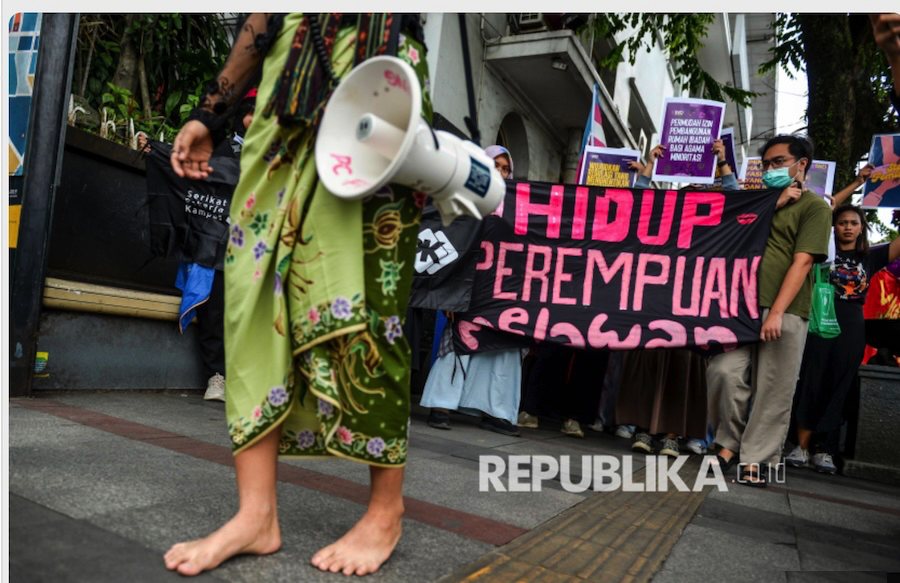
Ugandan Journalist Wins Luxembourg Peace Prize

. WOMEN’S EQUALITY .

An article from Peace News

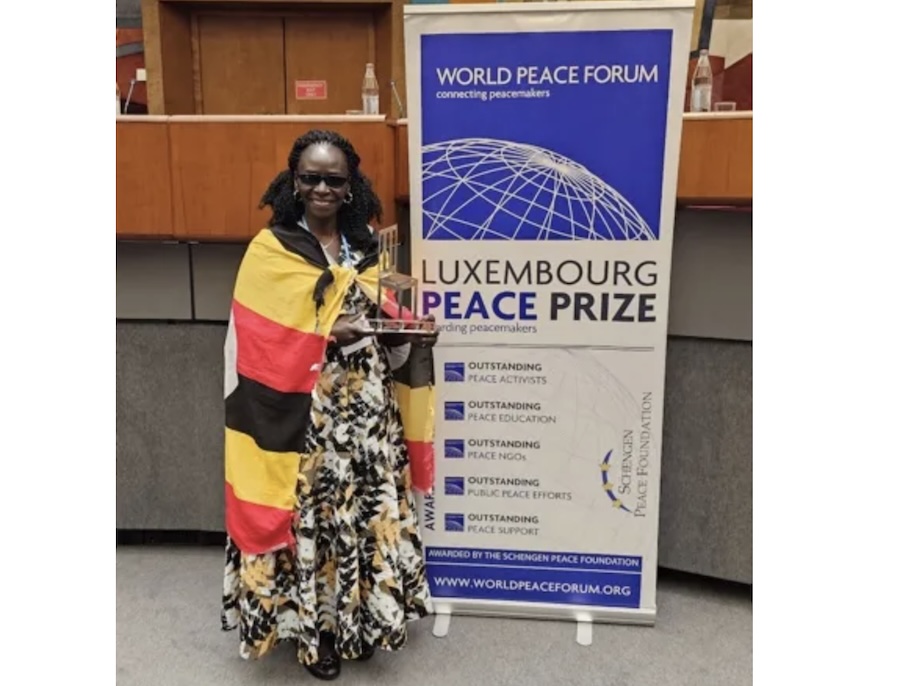
A Ugandan journalist recently won the 2025 Luxembourg Peace Prize for outstanding peace journalism. On June 27, journalist Gloria Laker Adiiki Aciro accepted the prestigious award. Aciro is the founder of the Peace Journalism Foundation (PJF), and has reported on people building peace in the midst of the crisis surrounding the Lord’s Resistance Army (LRA).

Starting with its founding in 1987, the LRA devastated northern Uganda and neighboring countries by killing and abducting thousands of civilians, capturing child soldiers, and displacing hundreds of thousands. Aid agencies have worked to provide psycho-social support to help reintegrate people who were abducted by the LRA as child soldiers.

Aciro herself was a victim of the LRA when she was displaced during the LRA  war as a young girl in 1997. She started journalism with no training or experience, facing sexual harassment and sex-based discrimination in a society that considered journalism a man’s job. Aciro went on to found the PJF, which works to promote conflict-sensitive journalism. There, she has trained and mentored over 700 journalists across Africa as the director and media trainer. 

Two of Aciro’s articles have been featured in Peace News Network (PNN). The articles made up a two-part series about how two women, Judith Obina and Nora Anek, confronted LRA leader Joseph Kony and ended his brutal war in Northern Uganda. 

(Article continued in right column)

Questions for this article

Can the women of Africa lead the continent to peace?

African journalism and the Culture of Peace, A model for the rest of the world?

(Article continued from left column)

In part one  of the series, Aciro interviews Obina and details how Obina, a private secretary to President Yoweri Museveni, was entrusted with a the responsibility of caring for Joseph Kony’s elderly mother, Nora Anek Oting. In 2007, when Anek wanted to see her son, Obina saw this as a chance for Kony to abandon the violence that had devastated so many lives.

In part two, Aciro dives into Obina’s life inside the jungle with the LRA. There, she spent 14 days with Joseph Kony, the LRA’s leader, in a hideout in Ri-kwamba in 2007. After nine days of negotiations, a key moment arrived when Anek spoke to her son about ending the war. Obina said that Kony “said that he would never step foot in Uganda again to fight, kill, or abduct.” Aciro reports on the power of Anek’s relationship with her son. 

An Inspiration to Women in Journalism

Aciro received her award at the 13th Luxembourg Peace Prize ceremony amongst peacebuilders from around the world, journalist Cinderella Ayebare-Kalita reported. Esther Omam, the Chairperson of the Women Building Peace African Network (WBPAN), called on women to celebrate Aciro’s achievement.

“Dear sisters and colleagues, it is with immense joy that we celebrate our own Gloria… This recognition honors her work covering the LRA war and promoting peace journalism in Africa. We are proud of you, Gloria! Your achievement is a testament to the power of courage, commitment, and truth-telling in building peace.”

Aciro said, “I look forward to continuing my efforts in promoting peace and journalistic excellence.”

In light of Uganda’s upcoming election, she also announced announced the PJF’s future plans: launching a peace journalism initiative designed to detect, reject, and remove hate speech and misinformation, and training female journalists ahead of elections to amplify diverse voices in media. 

She urged journalists to demonstrate the “utmost responsibility… ensuring that our platforms are not used to spread hate speech.”
Aciro invited people to partner with and support the PJF.

– – – – – –

If you wish to make a comment on this article, you may write to coordinator@cpnn-world.org with the title “Comment on (name of article)” and we will put your comment on line. Because of the flood of spam, we have discontinued the direct application of comments.
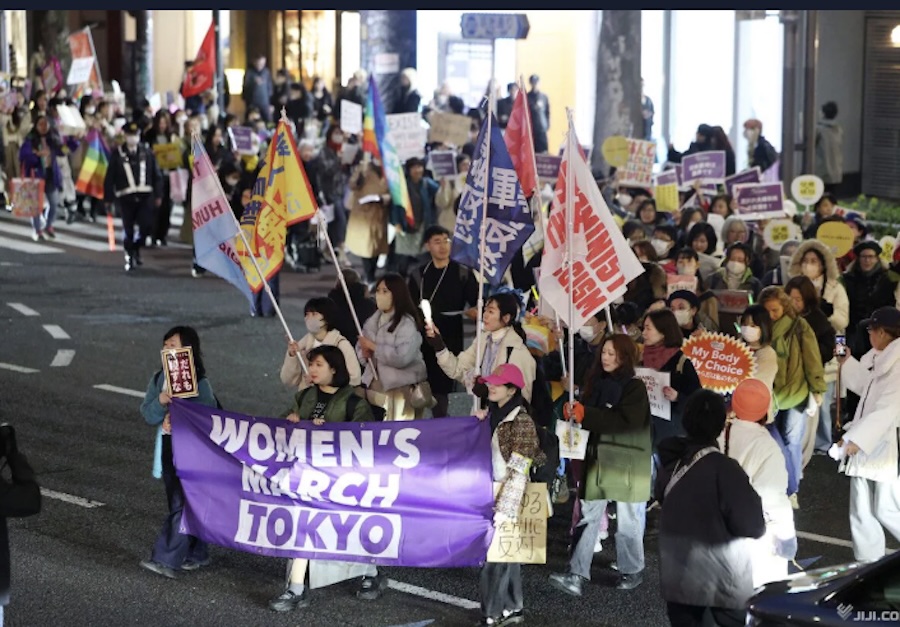
Niger: Maradi’s Traditional Leaders Equipped to Promote Women’s and Children’s Rights

. WOMEN’S EQUALITY .

An article by Abdourahamane Salifou from Agence Nigérienne de Presse

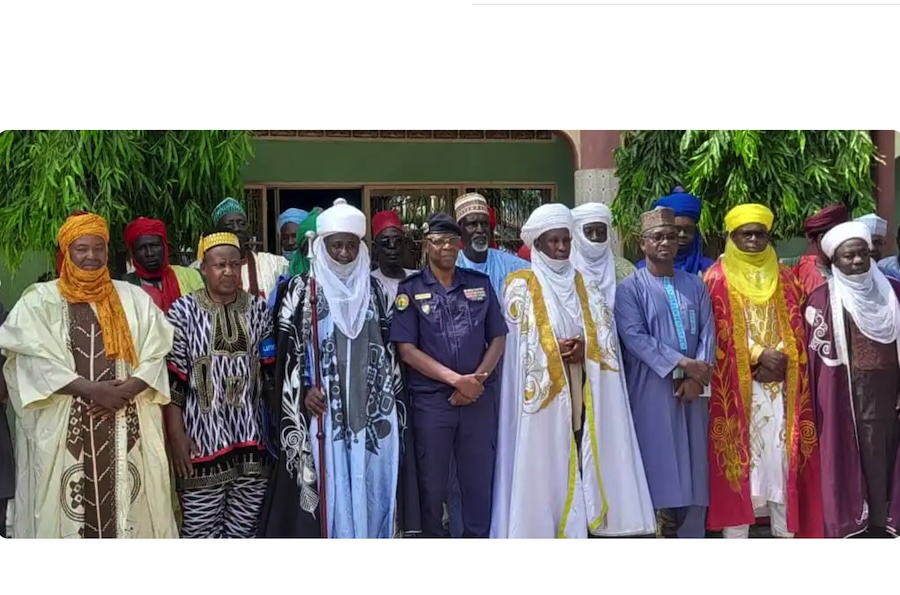
The Governor of the Maradi Region, Police Comptroller General Mamane Issoufou, opened the orientation workshop for traditional leaders on Wednesday, August 20, 2025, as part of the “Child-Friendly Sultanates and Cantons” initiative, led by UNICEF.

During this capacity-building session for traditional leaders, guardians of ancestral values, several themes related to the well-being of children, women, and families will be addressed.

These include, among others, vaccination and early access to health services for childhood illnesses; childbirth attended by skilled personnel; exclusive breastfeeding and good child nutrition; protection of young girls from abuse and early marriage; environmental hygiene and sanitation; community conflict management through a culture of peace and social cohesion; and youth involvement in community development.

In his opening remarks, Dr. Cyriaque SOBTAFO, Head of the UNICEF Maradi-Zinder Zone Office, acknowledged that the role of traditional leaders is essential and has always been decisive in community life. “Because,” he said, “you are the first point of contact for the population, the mediators of conflicts, the promoters of peace, and the natural link between institutions and citizens.”

(continued in right column)

(Click here for the original French version.)

Questions for this article

Prospects for progress in women’s equality, what are the short and long term prospects?

(continued from left column)

He recalled that UNICEF maintains a long-standing partnership with the chiefdom in Niger, a partnership that has been very successful and has enabled local populations to support previous campaigns, including the fight against polio, the prevention of early marriage, and child education.

Regarding the themes chosen for this workshop, the UNICEF Maradi-Zinder Zone Head of Office believes that these are not just topics for discussion, but are central to the daily lives of the communities.

Dr. Cyriaque Sobtafo finally encouraged the traditional chiefs to redouble their efforts because, he emphasized, “your voice carries weight, your example inspires.”

In his opening speech, the Governor of the Maradi region stated that the main concern of Niger’s highest authorities, foremost among them HE General Abdourahamane Tiani, President of the Republic and Head of State, and HE Ali Mahaman Lamine Zeine, Prime Minister and Minister of Economy and Finance, is the promotion of the socio-economic development of the population through the State’s own efforts and the support of technical and financial partners.

“That is why,” he said to the traditional leaders, “this meeting is of paramount importance because it aims to strengthen your capacities in advocacy, mobilization, and community engagement to contribute to the promotion of social norms and positive behaviors in favor of children’s rights in our region, a guarantee of harmonious, balanced, and sustainable development for our valiant people.”

He maintained that the objectives assigned to this meeting and the cantonal forums which will soon be led by the honorable canton heads for their communities are perfectly aligned with the orientations of the National Refoundation Policy and are part of the mission carried out collectively in the region by the highest authorities.

– – – – – –

If you wish to make a comment on this article, you may write to coordinator@cpnn-world.org with the title “Comment on (name of article)” and we will put your comment on line. Because of the flood of spam, we have discontinued the direct application of comments.
Violence Against Women: West Africa at a Time of Decisive Choices

. . WOMEN’S EQUALITY . .

An article from Burkina 24 (translation by CPNN)

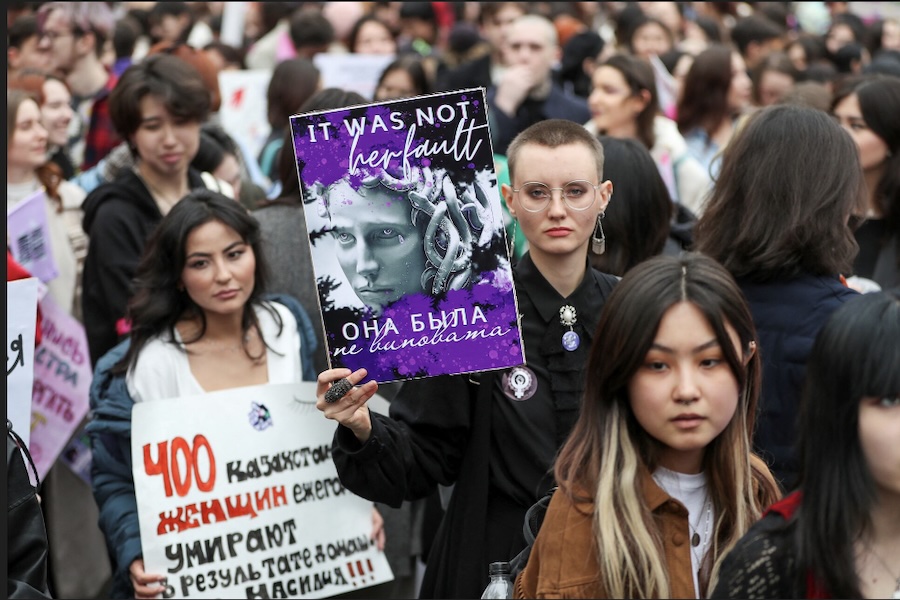
The adoption last February of the African Union Convention on the Elimination of Violence against Women and Girls was hailed as a major milestone for women’s rights on the continent.

However, the Alliance Droits et Santé, a regional collective committed to defending women’s human rights and health, warns that this progress risks remaining symbolic without rapid, effective, and funded implementation.

The organization particularly calls on the governments of Benin, Burkina Faso, Côte d’Ivoire, Mali, Niger, and Senegal (members of the alliance), as well as all African countries, urging them to translate this continental commitment into concrete national actions.

“Every day of delay exposes more women and girls to unacceptable violence. The time for promises is over, but for action,” the Alliance insists.

(Article continued in right column)

(click here for the original article in French.)

Question related to this article:

Protecting women and girls against violence, Is progress being made?

What role should men play to stop violence against women?

(Article continued from left column)

To prevent the Convention from remaining a dead letter, the organization makes three strategic recommendations to policymakers and civil society actors:

1. Strengthening legal frameworks and survivor protection: This involves harmonizing national laws with regional and international standards, criminalizing all forms of gender-based violence, and ensuring simplified and secure access to justice.

2. Sustainable financing for the fight against gender-based violence: Alliance Droits et Santé calls for the allocation of multi-year national budgets, the involvement of the African private sector through corporate social responsibility, and the creation of dedicated, transparent, and rigorously monitored funds.

3. Strengthened coordination and data sharing: The establishment of inter-stakeholder cooperation mechanisms, the digitization of data, the strengthening of specialized centers, and the training of field professionals are essential to ensure a coherent and effective response.

The organization emphasizes the need to build a collective response. Governments, technical and financial partners, feminist movements, civil society and the private sector must work hand in hand to guarantee every woman and girl a free, safe and dignified life.
 
– – – – – –

If you wish to make a comment on this article, you may write to coordinator@cpnn-world.org with the title “Comment on (name of article)” and we will put your comment on line. Because of the flood of spam, we have discontinued the direct application of comments.
France: Thirty Years of Service to Immigrant Women

. WOMEN’S EQUALITY .

An article by Geneviève Roy in Breizh Femmes (translation by CPNN)

Immigration today represents 3.7% of the world’s population, or around 300,000 people, 48% of whom are women. Catherine Wihtol de Wenden introduced her topic with a few figures.

The CNRS researcher, political scientist, and lawyer, who teaches at Sciences Po Paris, came to Rennes to shed light on migration on the occasion of the 30th anniversary of Déclic Femmes.

An anniversary that the founder, Fatima Zédira, wanted to celebrate by retracing the history of an association directly serving immigrant women, striving to provide solutions that meet each individual’s needs.

Women are leaving their countries in ever-increasing numbers, and they are increasingly doing so alone. In Europe, they are even more numerous than the global average, representing 51% of immigrants. Often invisible in society, they hold undervalued jobs working with the elderly, as caregivers, or in the clothing industry.

For researcher Catherine Wihtol de Wenden, this situation is nothing new. “Migration is world history!” she exclaims, praising the remarkable work that the association Déclic Femmes
has been doing for three decades in welcoming these migrant women to Rennes. “We’re in a very paradoxical context,” she continues, “since in Europe we need immigration in many professional sectors and to increase the demographics of different countries, but at the same time we are pursuing increasingly restrictive policies for welcoming migrants.” Surprisingly, since the 1990s, it has never been easier to leave one’s country, but it has never been more difficult to enter another. In France, for example, the refugee status recognition rate has peaked at 35% of applications.

(continued in right column)

(Click here for the original French version.)

Questions for this article

Prospects for progress in women’s equality, what are the short and long term prospects?

(continued from left column)

A Priority: Learning French

The global vision of the situation of migrants around the world, provided by the guest expert, allows Fatima Zédira, founder of Déclic Femmes, to situate the history of her association within French society. In 1995, she chose to support immigrant women through “dignity, family, social, and professional autonomy, and access to citizenship.” Drawing on a quote from Gisèle Halimi, stating that women’s economic independence is their freedom, she outlines thirty years of association life largely focused on employment and vocational training.

“The association focused its activities on welcoming and listening,” recalls Fatima Zédira, remembering the small 13m² space on Rue de Picardie in the Villejean neighborhood where women lined up on the sidewalk. Currently, at 7bis rue d’Armagnac, a few blocks from the original location, the premises are much more spacious and allow for a wider range of activities, welcoming more women, and also exhibiting some of their work. At the same time, branches have been established in other neighborhoods—Blosne and Maurepas. Each year, Déclic Femmes welcomes between 300 and 500 women, and in total, more than 90 nationalities have crossed paths at the association.

“Learning French is the key for us to escape isolation, regain self-confidence, and integrate into the host society,” explains Fatima Zédira. It is therefore natural that this learning is at the heart of all the activities offered by the association. From discussion groups to language classes, it has taken a lot of energy from the association’s volunteers and employees over the years to find the right balance. Training sessions are also provided to help people learn how to learn. A Positive

Process of Integration into Society

One of Déclic Femmes’ priorities is to offer individualized pathways that take into account the individual and their background. For example, there’s no question of mixing people with diverse educational backgrounds in French classes. There are those who have hardly ever attended school, those with a primary school education, sometimes a secondary education, and those who already have a university degree in their own language. Some come from French-speaking countries, others not. Some are comfortable speaking, but not at all writing… But none of them have “time to waste.” They often held jobs, sometimes responsibilities, in their countries of origin. They have obtained diplomas that France does not recognize. They need—and want—to return to working lives as quickly as possible in France. Fatima Zédira emphasizes a real “aspiration for emancipation” for all of them.

For all these women, the association has chosen to co-develop its proposals, tailored as closely as possible to each woman’s immediate needs. And in collaboration with numerous partners. Beyond efficiency, the association also strives to foster civic engagement, offering a variety of visits, trips, participation in activist activities, raising awareness of women’s rights, gender equality, political culture, and cultural and artistic initiatives.

It’s difficult to measure the impact of the work accomplished over thirty years. However, when a woman leaves the association fluent in French and with a better understanding of the culture and institutions of the host country, Fatima Zédira believes that “it’s an entire family that is drawn into a positive process of integration into society.”

– – – – – –

If you wish to make a comment on this article, you may write to coordinator@cpnn-world.org with the title “Comment on (name of article)” and we will put your comment on line. Because of the flood of spam, we have discontinued the direct application of comments.