Joseph S. Nye Jr.: A Personal Remembrance of the Father of “Soft Power”

. . SUSTAINABLE DEVELOPMENT . .

An article from the Center for China and Globalization (abridged)

Joseph S. Nye Jr., an influential figure in international relations who shaped decades of American foreign policy and introduced the world to the enduring concept of “soft power,” died on Tuesday (May 6) in Cambridge, Massachusetts, at the age of 88. A former dean of Harvard’s Kennedy School and senior official in the U.S. government, Nye’s passing marks a profound loss for scholars, diplomats, and policymakers across the globe.
In the wake of his death, Henry Huiyao Wang, founder and president of the Center for China and Globalization (CCG), reflected (as follows) on his 15-year-long relationship with Professor Nye, whose ideas and writings had deeply influenced U.S.–China dialogue over the years. . .

I was deeply saddened to learn of the passing of Professor Joseph S. Nye Jr., the originator of the concept of “soft power” and former dean of Harvard’s Kennedy School of Government, on May 6 at the age of 88. His wife had preceded him in death not long before. I had the privilege of knowing Professor Nye for many years and engaging in numerous conversations and exchanges with him. He once remarked, “One has to imagine not just power over other countries, but power with other countries. These issues, the transnational issues, cannot be solved by exerting power over other countries. You have to have power with other countries.” His death is a profound loss to the fields of international strategy and international relations.

I first met Professor Nye in 2010, when I was a senior fellow at Harvard’s Kennedy School of Government, where he had served as a professor and dean. During his tenure as dean, he actively promoted many China–U.S. exchange programs, and even after stepping down, he remained deeply engaged in these efforts. He delivered lectures to us with undiminished enthusiasm, and though already in his seventies, he was always full of energy and vitality.

We connected immediately and shared many engaging conversations, maintaining a close and meaningful dialogue over the years. After the outbreak of the COVID-19 pandemic in 2020, the Center for China and Globalization (CCG) launched the CCG Global Dialogues series to overcome barriers imposed by the pandemic and sustain international exchange. In April 2021, I invited Professor Nye to participate in a discussion titled “Power Shifts in the Twenty-First Century.” He readily accepted and spoke with me for over an hour.

That same year, he contributed a forward-looking essay, “China and the United States: Looking Forward 40 Years,” to the book Consensus or Conflict? China and Globalization in the 21st Century, which I edited.

In our conversations, Professor Nye described what he called a pattern of “ups and downs roughly every twenty years” in U.S.–China relations. Looking back historically, he noted that the first 20 years after 1945 were “pretty tough,” with U.S. and Chinese soldiers having fought each other on the Korean Peninsula in the 1950s. This was followed by a period of easing tensions, marked by President Nixon’s visit to Beijing, which ushered in 20 years of improving relations. During the Clinton administration, there was a concerted effort to integrate a rising China into the international order through initiatives such as accession to the World Trade Organisation. That phase lasted nearly two decades. However, with the emergence of Donald Trump around 2015–2016, a new downturn began. We are now midway through this latest 20-year cycle, with 2025 marking the midpoint. Nye suggested that by 2035, relations could begin to improve once again. He elaborated on this perspective in his essay “Power Shifts in the Twenty-First Century.” Whether this 20-year cycle will hold remains to be seen. . . .

Fifteen years have passed in the blink of an eye. Professor Nye left a lasting impression on me with his intellect, broad perspective, foresight, and remarkable humility. Even in retirement, he remained deeply engaged with developments in the United States and around the world, frequently publishing incisive commentary on international affairs. He continued to travel extensively, attending major conferences and chairing key sessions, including at the Munich Security Conference, and often appeared in media interviews. He also held prominent roles in multinational organisations and NGOs such as the Aspen Strategy Group and the Trilateral Commission, consistently working to foster dialogue and mutual understanding across borders. . . .

What stood out to me over the years of knowing Professor Nye was that he personally replied to every email I sent. In all our conversations, he was consistently modest and unassuming, and that moved me deeply.

Professor Nye’s life can be seen as a vivid reflection of the “American Century.” Born in 1937, he came of age after World War II, as the United States entered a period of global ascendancy—an era in which it accounted for more than half of the world’s economic output and abounded with opportunity. The son of immigrant ancestors, Nye was raised in rural New Jersey. His father was a partner at a bond firm; his mother worked as a secretary. He received his early education in local public schools and, through diligence and academic distinction, earned admission to Princeton University. He later pursued graduate studies at Oxford University as a Rhodes Scholar, and then at Harvard University, where he studied under renowned scholars such as Henry Kissinger.
(article continued in right column)

Question for this article:

Does China promote a culture of peace?

(Article continued from the left column)

Both Nye and Graham Allison, the founding dean of the Harvard Kennedy School, studied abroad in the UK and returned to the U.S. with a broad international outlook. Nye went on to teach at Harvard for decades, where he developed influential concepts including “soft power,” “smart power,” and “neoliberalism.” His insights into the nature of power in international relations shaped generations of policymakers, scholars, and students around the world. In 2011, Foreign Policy magazine included him on its list of Top 100 Global Thinkers.

When I first met Professor Nye at Harvard’s Kennedy School of Government, U.S.–China relations were still in a relatively positive phase. At the time, American foreign policy—shaped by the aftermath of 9/11—was primarily focused on counterterrorism and the Middle East. China had recently marked the tenth anniversary of its accession to the World Trade Organisation, and during the 2008 global financial crisis, it worked closely with the United States to stabilise the global economy and promote recovery.

With the perceptiveness of a leading scholar in international politics, Professor Nye had been observing China’s rise for over a decade. In a 1998 article, he argued that the term “rise of China” was a misnomer and that “re-emergence” would be more accurate. In the years that followed, he published numerous articles analysing China’s soft power. He wrote about the appeal of traditional Chinese culture, the international reach of Chinese film and television, the symbolic significance of the 2008 Summer Olympics, and the sharp increase in both international students studying in China and inbound foreign tourism. He also noted that China’s GDP had more than tripled since the pre-reform era. Combined with its foreign aid efforts and market openness, these factors, in his view, had substantially enhanced China’s global attractiveness.

In 2009, Professor Nye published an article exploring the dynamics of U.S.–China soft power relations. He argued that “there is little evidence that the increase in China soft power is aimed at counterweighing US soft power,” and that “the perception that the Chinese model of combining market economy with one-party rule (Beijing Consensus) will challenge the Western model (involving open markets, democracy, and rule of law), and values are dubious.” He further proposed that “the soft power interaction between the United States and China thus need not be seen as a competition, but rather as a more complex combination of competitive and cooperative forces.”

Nye frequently emphasised that “Soft power is not a zero-sum game in which one country’s gain is necessarily another country’s loss. If China and the United States, for example, both become more attractive in each other’s eyes, the prospects of damaging conflicts will be reduced. If the rise of China’s soft power reduces the chance of conflict, it can be part of a positive sum relationship.”

Many of his reflections on Chinese soft power, including this one, are collected in the book Soft Power and Great-Power Competition, which also features transcripts of my conversations with him. The volume provides readers with a deeper understanding of this vital and evolving topic.

In 2025, Donald Trump returned to the U.S. presidency. Shortly after taking office, he withdrew the United States from the Paris Agreement on climate change and the World Health Organisation, and swiftly launched a series of global tariff and trade wars. As a result, U.S.–China relations deteriorated to a new low. Professor Nye expressed deep concern over these developments, believing that such actions would do great damage to U.S. soft power and would not, as promised, “make America great again,” but greatly weaken it. In one of his final published commentaries, he warned: “The prospect of a wholly disengaged, self-focused United States has troubling implications for world order.”

In his autobiography A Life in the American Century, Professor Nye emphasised that although the 21st century will not be an American century in the same way the 20th was, the American Century is not over. Rather, the United States must adapt to a changing global environment by adjusting both its domestic and foreign policies. Nye repeatedly returned to two key principles that he believed should guide American leadership in this new era: the need to share power in a world of growing diffusion, and the recognition that power is increasingly exercised through “positive-sum outcomes” rather than zero-sum competition. Although globalisation has encountered headwinds, he maintained that global interdependence remains a structural reality—and that isolationism is not a viable strategy. The only path forward, he wrote, is through engagement and cooperation.

In Do Morals Matter?, he wrote that a nation must not only think in terms of “power over” others, but also recognise the importance of “power with” others. In an era shaped by the information revolution and globalisation, world politics is evolving in ways that no country, however powerful, can succeed by acting alone. When confronting global challenges such as the COVID-19 pandemic and climate change, power becomes a positive-sum game. Empowering others, Nye argued, can help a country accomplish its own goals.

He believed both American and Chinese leaders must internalise this logic of cooperation. Nye urged that mutual empowerment—not rivalry—should define great power relations. Nye argued that if both nations could increase their appeal in each other’s eyes, the likelihood of destructive conflict would be significantly diminished. . . .

At the end of his autobiography, Nye assesses the relationship between China and the United States, stating that “the greatest danger we face is not that China will surpass us, but that the diffusion of power will produce entropy, or the inability to get anything done.” What concerns him even more is the domestic issues in the U.S., but he remains optimistic: “For all our flaws, the US is an innovative society that, in the past, has been able to recreate and reinvent itself. Maybe Gen Z can do it again. I hope so…The best I can do is leave them my love and a faint ray of guarded optimism.” . . .

Henry Huiyao Wang
Founder & President of the Center for China and Globalization (CCG)
May 8, 2025, Beijing

– – – – – –

If you wish to make a comment on this article, you may write to coordinator@cpnn-world.org with the title “Comment on (name of article)” and we will put your comment on line. Because of the flood of spam, we have discontinued the direct application of comments.

BRICS Summit signs historic commitment in Rio for more inclusive and sustainable governance

. . SUSTAINABLE DEVELOPMENT . .

An article by Maiva D’Auria from BRICS Brasil

 Foto: Alexandre Brum/BRICS Brasil

On Saturday, 6 July, the leaders of the 11 largest emerging economies signed the Joint Declaration of the 17th BRICS Summit  in Rio de Janeiro.

Entitled “Strengthening Global South Cooperation for More Inclusive and Sustainable Governance”, the document seals the group’s commitment to strengthening multilateralism, defending international law, and striving for a more equitable global order.

It reflects months of intense coordination, with over 200 meetings held and 200 new cooperation mechanisms created or reinforced in areas such as eradicating hunger, tackling climate change, and developing emerging technologies.

“We want to reaffirm our commitment to the BRICS spirit of mutual respect and understanding, sovereign equality, solidarity, democracy, openness, inclusion, collaboration and consensus. Building upon the past 17 BRICS Summits, we are now extending our commitment to strengthening cooperation within the expanded BRICS, based on three pillars of cooperation: politics and security, economy and finance, and cultural and people-to-people cooperation. We are also enhancing our strategic partnership to benefit our peoples by promoting peace, a fairer and more representative international order, a revitalized and reformed multilateral system, sustainable development, and inclusive growth,” states one of the 126 commitments made by the leaders.

At the Summit, BRICS member countries reaffirmed their commitment to multilateralism and to defending international law, including the purposes and principles enshrined in the UN Charter. The document also calls for the increased participation of developing countries, particularly those in Africa, Latin America and the Caribbean, in global decision-making processes and structures.

In light of today’s multipolar realities, the countries agreed that it is essential for developing countries to strengthen their efforts to promote dialogue and consultations in pursuit of more just and equitable global governance, and of mutually beneficial relations among nations. “We recognize that multipolarity can create opportunities for developing countries and emerging markets (DCEMs) to realize their constructive potential and benefit from inclusive and equitable economic globalization and cooperation that is universally advantageous. We want to emphasize the importance of the Global South as a driver of positive change, especially amid significant international challenges—including escalating geopolitical tensions, economic slowdown, accelerated technological transformation, protectionist measures and migration challenges.”

Finance

In the financial realm, the 11 countries emphasized the need to increase IMF quotas and World Bank shareholding of emerging and developing countries.

“We want to reiterate that IMF quota realignment should not come at the expense of developing countries, but rather reflect the relative positions of countries in the global economy and increase DCEM quotas”

(Article continued in the right column)

(Click here for the article in Portuguese).

Question for this article:

What is the contribution of BRICS to sustainable development?

(Article continued from the left column)

Health

When it comes to health, the countries acknowledged the interconnected nature of global health challenges and their cross-border implications. They reaffirmed their commitment to strengthening global health governance by enhancing international cooperation and solidarity.

“We are committed to actively supporting efforts to strengthen the global health architecture by promoting equality, inclusion, transparency, and responsiveness. This ensures that no country is left behind in achieving the health-related Sustainable Development Goals,” BRICS’ joint understanding argues.

Another milestone is the launch of the Partnership for the Elimination of Socially Determined Diseases, which promotes health equity and demonstrates the BRICS’ commitment to addressing the root causes of health disparities, such as poverty and social exclusion.

Artificial Intelligence

For the first time, artificial intelligence (AI) governance plays a prominent role in the BRICS agenda, offering a shared Global South perspective on this innovative technology and bringing economic and developmental aspects to the forefront of the discussion. In their joint declaration, the countries recognize that AI presents a unique opportunity to drive progress toward a more prosperous future. However, to achieve this, global AI governance must mitigate potential risks and meet the needs of all countries, including those in the Global South. “A collective global effort is needed to establish AI governance that upholds our shared values, addresses risks, builds trust, and ensures broad and inclusive international collaboration and access.”

Climate change

In preparation for COP30—also under Brazilian leadership in November—the countries recognized the Tropical Forest Forever Fund (TFFF) as an innovative mechanism to mobilize long-term financing for tropical forest conservation, encouraging ambitious donations from potential partners.

“Our Climate Framework Declaration charts a roadmap for the next five years to transform our capacity to raise resources for fighting climate change. With the collective scale of the BRICS, we will combat the climate crisis while make our economies stronger and fairer,” the document states.

Promoting Peace, Security, and International Stability

One of the pillars of the declaration is its commitment to addressing ongoing conflicts in various parts of the world, and the current polarization and fragmentation of the international order. The leaders express concern over the current trend of sharply rising global military expenditures at the expense of adequate financing for the development of emerging countries. They advocate for a multilateral approach that respects diverse national perspectives and positions on crucial global issues, including sustainable development, hunger and poverty eradication, and global climate action. They also express deep concern over attempts to link security with the climate agenda.

In addition to the traditional leaders’ declaration, three other documents reflecting the priorities of the Brazilian presidency were approved: the BRICS Leaders’ Framework Declaration on Climate Finance, the BRICS Leaders’ Declaration on Global Governance of Artificial Intelligence, and the BRICS Partnership for the Elimination of Socially Determined Diseases. “These initiatives reflect our joint efforts to promote inclusive and sustainable solutions to pressing global issues.”

– – – – – –

If you wish to make a comment on this article, you may write to coordinator@cpnn-world.org with the title “Comment on (name of article)” and we will put your comment on line. Because of the flood of spam, we have discontinued the direct application of comments.
Lula opens BRICS Summit with call for investment in peace and security

FREE FLOW OF INFORMATION .

An article from BRICS Brazil

At the opening of the 17th BRICS Summit this Sunday, July 7, in Rio de Janeiro, President Luiz Inácio Lula da Silva presented an overview of the multilateralism crisis, highlighting the emergence of multiple conflicts and their impacts on national autonomy, security, and the global economy.

During the plenary session entitled “Peace, Security, and the Reform of Global Governance,” Lula was unequivocal in urging countries to shift spending away from military efforts and toward the implementation of the United Nations’ 2030 Agenda—not toward war.

“It is easier to allocate 5% of GDP to military spending than to commit the 0.7% promised for Official Development Assistance. This shows that the resources to implement the 2030 Agenda do exist—they are simply not made available due to a lack of political will. It is always easier to invest in war than in peace,” said the Brazilian president.

Lula also underscored the role of the founding BRICS countries in building “a new multipolar reality for the 21st century.”

Advocating for a reform in global governance, he emphasized the bloc’s ability to become “a force capable of promoting peace and of preventing and mediating conflicts” thanks to its diverse realities.

“We can lay the groundwork for a renewed system of governance. To overcome the crisis of trust we now face, we must fundamentally reform the Security Council by making it more legitimate, representative, effective, and democratic,” Lula argued.

Read President Lula’s full speech during the BRICS session on ‘Peace and Security, Reform of Global Governance

For the fourth time, Brasil is hosting a BRICS Summit. Of all of them, this one is taking place amid the most adverse scenario.

The United Nations recently marked its 80th anniversary on June 26 of this year, and we are witnessing an unprecedented collapse of multilateralism.

The advent of the UN marked the defeat of Nazi-Fascism and the birth of a sense of collective hope.

The vast majority of countries that currently comprise the BRICS were among its founders.

Ten years later, the Bandung Conference refuted the division of the world into zones of influence and advanced the fight for a multipolar international order.

BRICS is an heir of the Non-Aligned Movement.

With multilateralism under attack, our autonomy is once again in check.

Advancements that were arduously achieved, such as the climate and trade regimes, are at risk.

Amid the worst sanitary crisis in decades, the global health system is being subjected to an unprecedented attack.

Absurd intellectual property demands still restrict access to medication.

International law has become a dead letter, as has the pacific resolution of controversies.

We are before an unprecedented number of conflicts since World War II.

NATO’s recent decision feeds the arms race.

It is easier to designate 5% of the GDP to military spending than to allocate the 0.7% that has been promised for Official Development Assistance.

This demonstrates that the resources for the implementation of the 2030 Agenda do exist; however, they are not available due to a lack of political priority.

It is always easier to invest in war than in peace.

The UN Security Council meetings often follow a script we know all too well: they end in a loss of credibility and paralysis.

Lately, the Council is not even consulted before acts of war begin.

Old rhetorical maneuvers are just being recycled to justify illegal interventions.

(article continued in right column)

(Click here for the speech in Portuguese.)

Question related to this article:

Where in the world can we find good leadership today?

(article continued from left column)

Just as we saw with the Organization for the Prohibition of Chemical Weapons in the past, the instrumentalization of the International Atomic Energy Agency’s work now risks the reputation of an organization that is fundamental for maintaining peace.

The fear of a nuclear catastrophe has returned to our daily lives.

To the detriment of negotiated solutions, recurring violations of state territorial integrity are undermining efforts to stop the proliferation of atomic weapons.

Without the support of International Law, the failure of the actions in Afghanistan, Iraq, Libya, and Syria tends to repeat itself with even graver impacts.

The consequences for the stability of the Middle East and North Africa, particularly in the Sahel, have been disastrous and are felt to this day.

In the void left by unresolved crises, terrorism has found fertile ground.

Hate ideology must not be associated with any religion or nationality.

Brasil repudiated the attacks in Kashmir.

Absolutely nothing justifies the terrorist actions perpetrated by Hamas.

However, we cannot remain indifferent to the genocidal practices by Israel in Gaza, the indiscriminate killing of innocent civilians, and the use of starvation as a weapon of war.

The solution to this conflict will only be possible with the end of the Israeli occupation and the establishment of a sovereign Palestinian State within the 1967 borders.

The Brazilian Government denounced the violations of Iran’s territorial integrity, just as it had done in the case of Ukraine.

The parties engaged in the war in Ukraine must urgently deepen a direct dialogue that aims for a ceasefire and a lasting peace.

The “Friends for Peace” group, formed by China and Brasil and comprising countries from the Global South, aims to identify potential avenues for ending hostilities.

Meanwhile, other extremely serious crises around the world remain ignored by the international community.

In Haiti, we had MINUSTAH — but the international community abandoned the country too soon. Brasil supports the urgent expansion of the role of the UN Mission in that country, combining actions in the fields of security and development.

Ladies and Gentlemen,

During the eight decades of functioning of the United Nations, not everything was a failure.

The Organization played a central role in the decolonization process.

The prohibition of the use of biological and chemical weapons is an example of what the commitment to multilateralism can achieve.

The success of UN missions in East Timor demonstrates that it is possible to promote peace and stability.

Since 1968, Latin America has chosen to be a Nuclear Weapons Free Zone.

The African Union also consolidates its leadership in conflict prevention and resolution on the continent.

If international governance does not reflect the 21st century’s new multipolar reality, it is up to the BRICS to contribute to bringing it up to date.

The bloc’s representativeness and diversity make it a powerful platform, capable of promoting peace, preventing, and mediating conflicts.

We have the opportunity to lay the foundations of a reinvigorated governance model.

To overcome the trust crisis we are immersed in, we must promote deep transformations in the Security Council.

Increase its legitimacy, representativeness, effectiveness, and democratic character.

Include new permanent members from Asia, Africa, Latin America, and the Caribbean.

This is more than a question of justice.

This will ensure the very survival of the UN system.

This is the spirit of the “Call to Action on Global Governance Reform”, launched by Brasil’s G20 Presidency.

Postponing this process makes the world much more unstable and dangerous.

Each day that goes by with an archaic and excluding international structure is a day lost in the search for solutions to the grave crises that beset humanity.

Thank you very much.

– – – – – –

If you wish to make a comment on this article, you may write to coordinator@cpnn-world.org with the title “Comment on (name of article)” and we will put your comment on line. Because of the flood of spam, we have discontinued the direct application of comments.
Oxfam reaction to Spain, Brazil and South Africa launching a new coalition to tax the super-rich

. . SUSTAINABLE DEVELOPMENT . .

An article from Oxfam

In response to Spain, Brazil and South Africa’s new global coalition to tax the super-rich, launched today at the Fourth Financing for Development Conference in Seville, Oxfam Tax Justice Policy Lead Susana Ruiz said: 

“We welcome the leadership of Brazil, Spain and South Africa in calling for taxes on the super-rich. People around the world are pushing for more countries to reject the corrupting political influence of oligarchies. Taxation of the super-rich is a vital tool to secure sustainable development and fight inequalities. The wealth of the richest 1% has surged $33.9 trillion since 2015, enough to end annual poverty 22 times, yet billionaires only pay around 0.3% in real taxes.  


“This extreme inequality is being driven by a financial system that puts the interests of a wealthy few above everyone else. This concentration of wealth is blocking progress towards the Sustainable Development Goals and keeping over three billion people living in poverty: over half of poor countries are spending more on debt repayments than on healthcare or education. 

“In a tense geopolitical environment, Spain, Brazil and South Africa have taken an important step in forging an alliance here at the UN conference in Seville to show political will for taxation of the super-rich. Now other countries must follow their lead and join forces. This year, the FFD in Seville, COP30 in Brazil and G20 in South Africa are key opportunities for international cooperation to tax the super-rich and invest in a sustainable future that puts human rights and equality at its core.”

(Article continued on the right column)

Question for this article:

Opposing tax havens and corruption: part of the culture of peace?

(Article continued from the left column)

Notes to editors

Download the Oxfam report “From Private Profit to Public Power: Financing Development, Not Oligarchy ” which was launched ahead of the Fourth Financing for Development Conference with new analysis on economic inequality.

Greenpeace and Oxfam International commissioned a study this month on public opinion on taxing the super-rich. The research was conducted by first party data company Dynata  in May-June 2025, in Brazil, Canada, France, Germany, Kenya, Italy, India, Mexico, the Philippines, South Africa, Spain, the UK and the US. The survey had approximately 1200 respondents per country, with a margin of error of +-2.83%. Together, these countries represent close to half the world’s population. See the results here.

Oxfam will be hosting a major high-level event together with Club de Madrid, at 7pm on July 1, 2025, in Seville, joined by high-level government representatives on the media briefing note. Journalists are invited to attend and will be prioritized for questions. Please register here.

Moreover, an official side event on inequality and tax reform will take place at 2.30pm on July 1, 2025, at the FIBES Exhibition Centre room 20 joined by high-level government representatives from Brazil, Spain and South Africa, international organizations and global experts. See note here.

Contact information

Cass Hebron in Seville | cass.hebron@oxfam.org | +32485913688 

For real-time updates, follow us on X  and Bluesky, and join our WhatsApp channel  tailored specifically for journalists and media professionals.

– – – – – –

If you wish to make a comment on this article, you may write to coordinator@cpnn-world.org with the title “Comment on (name of article)” and we will put your comment on line. Because of the flood of spam, we have discontinued the direct application of comments.
English bulletin July 1, 2025

THE PEOPLE TAKE TO THE STREETS

Fed up with the wars and militarism of their countries, the people of Europe, North America and the Middle East have taken to the streets in protest.

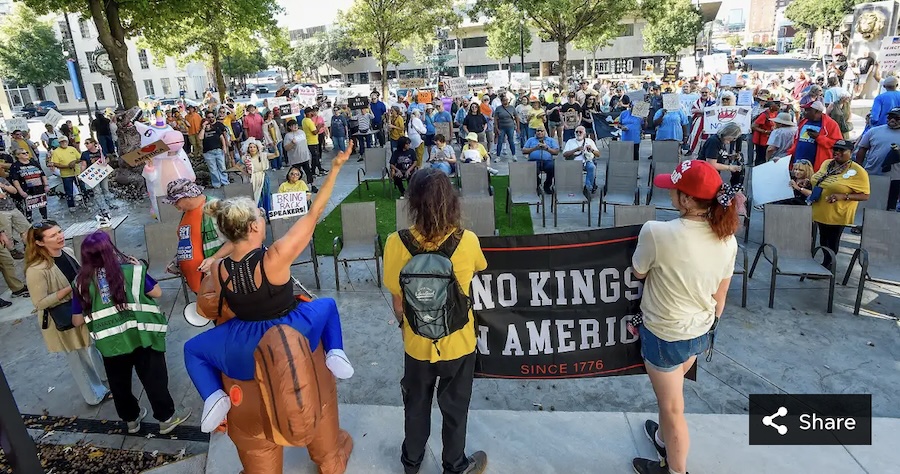
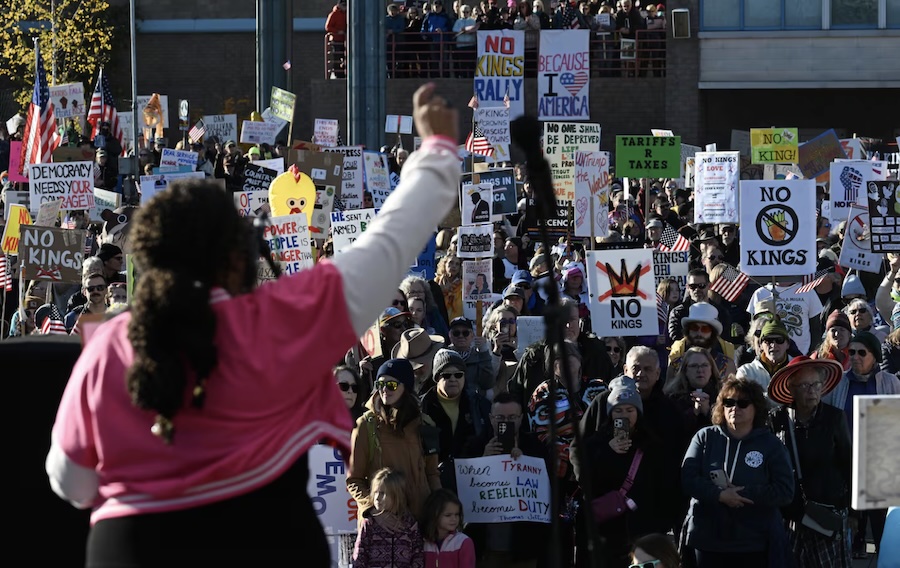
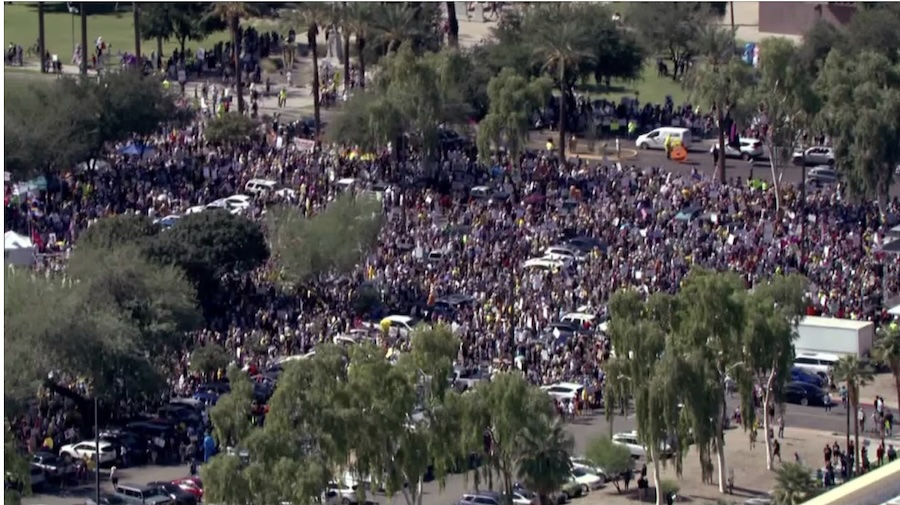
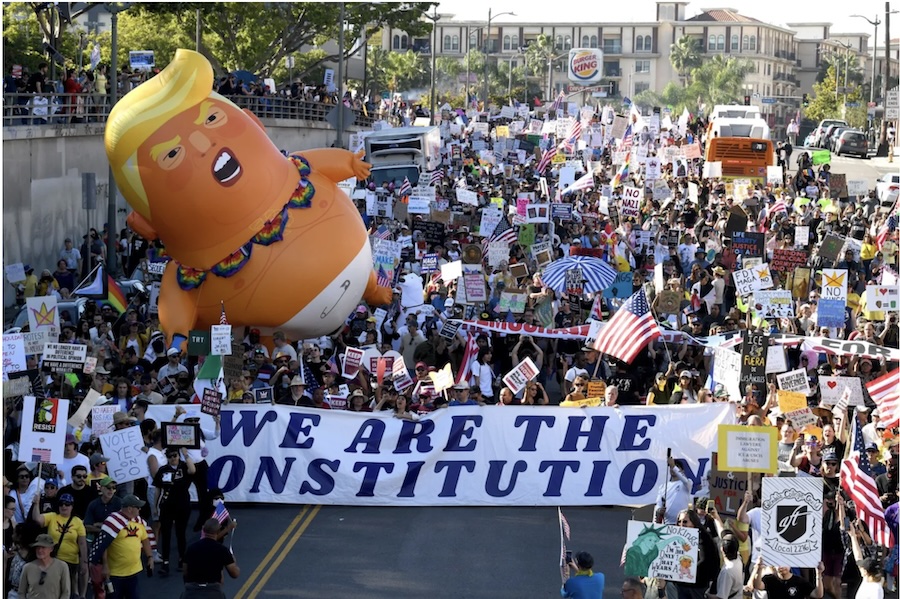
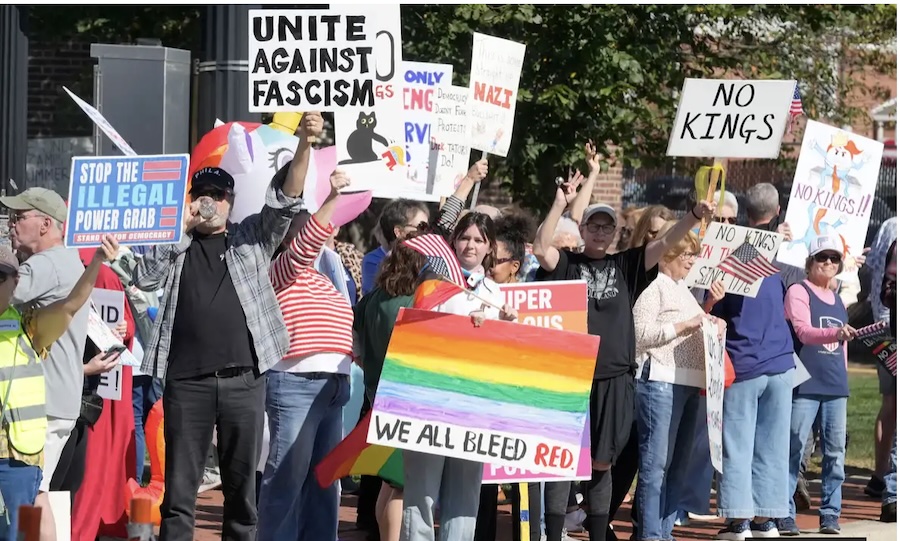
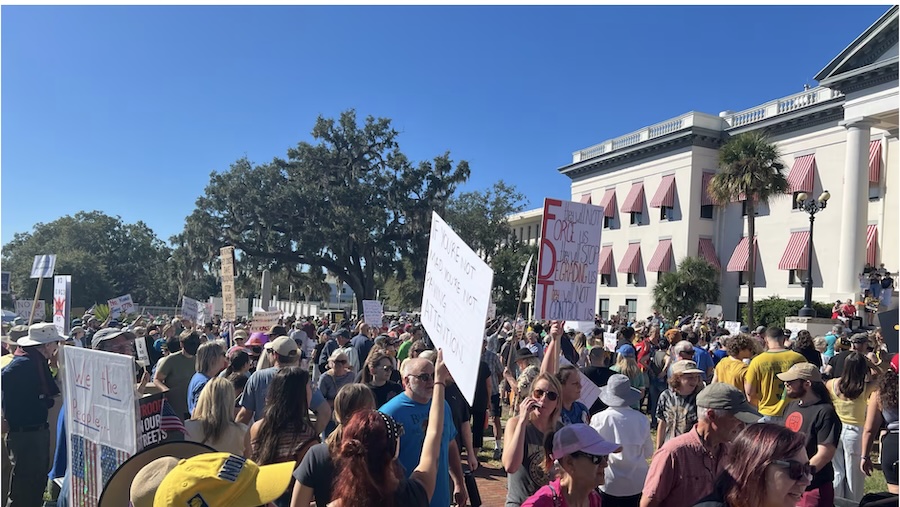
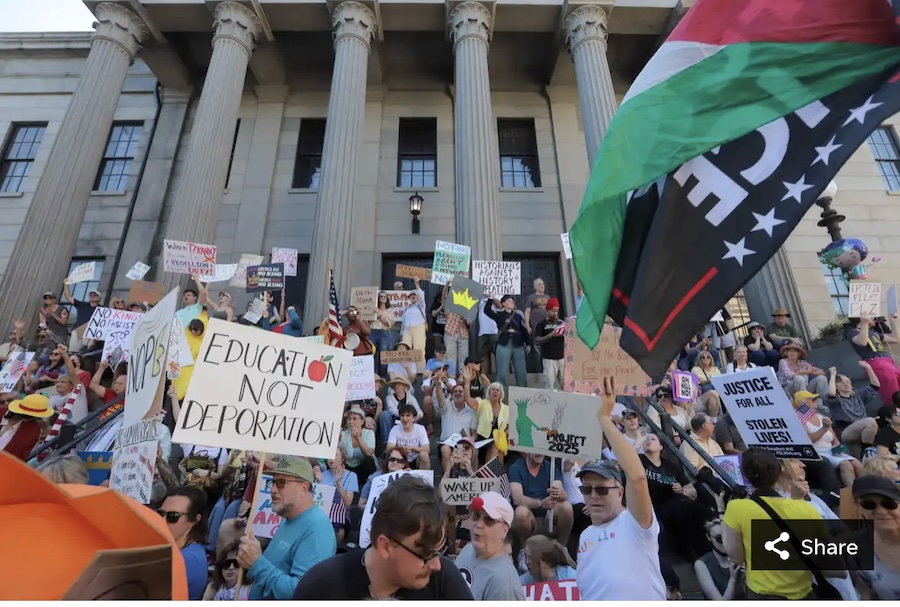
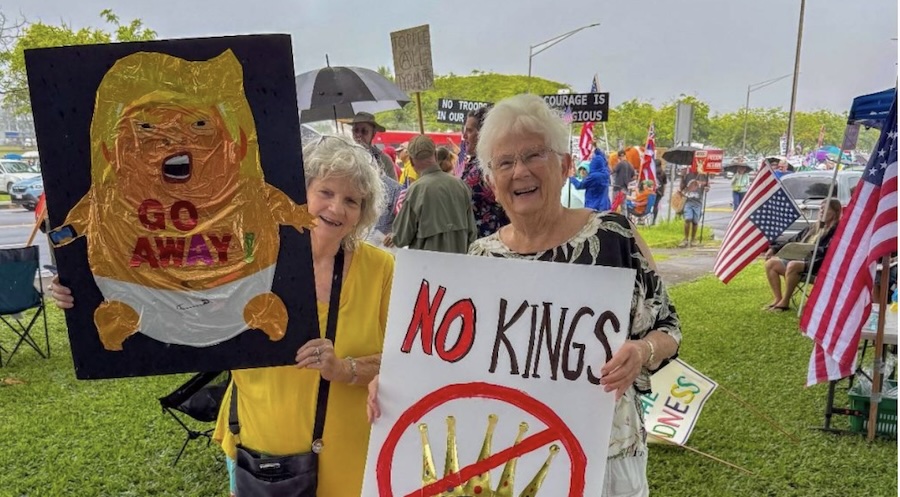
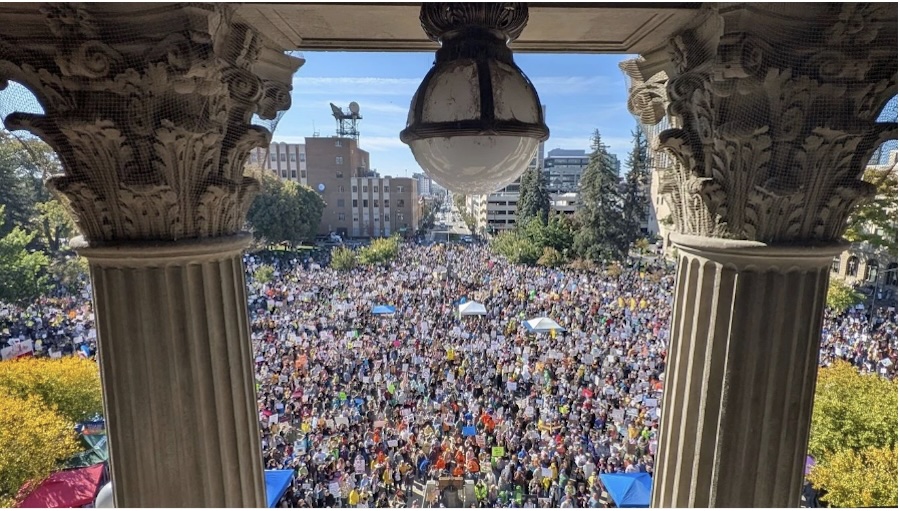
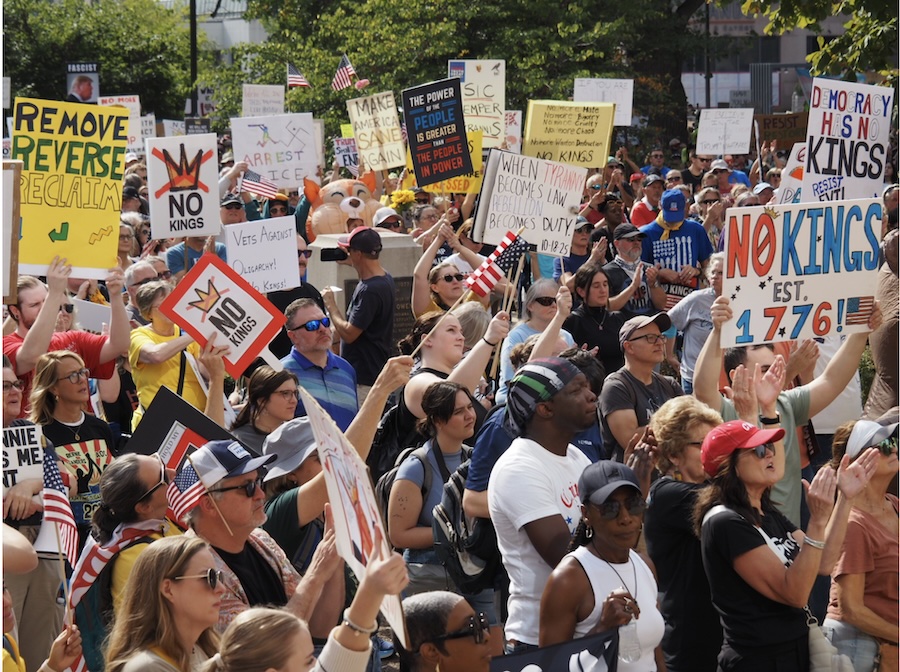
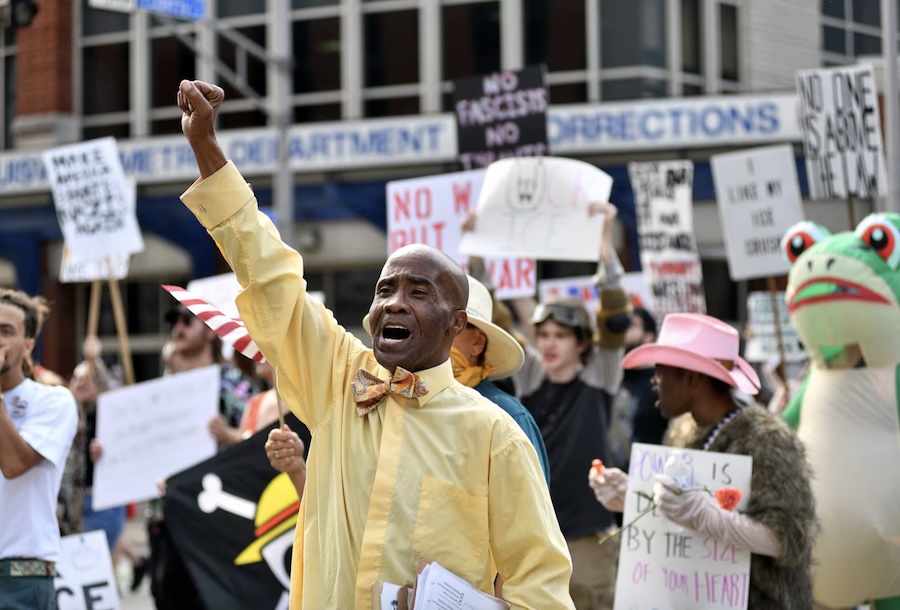
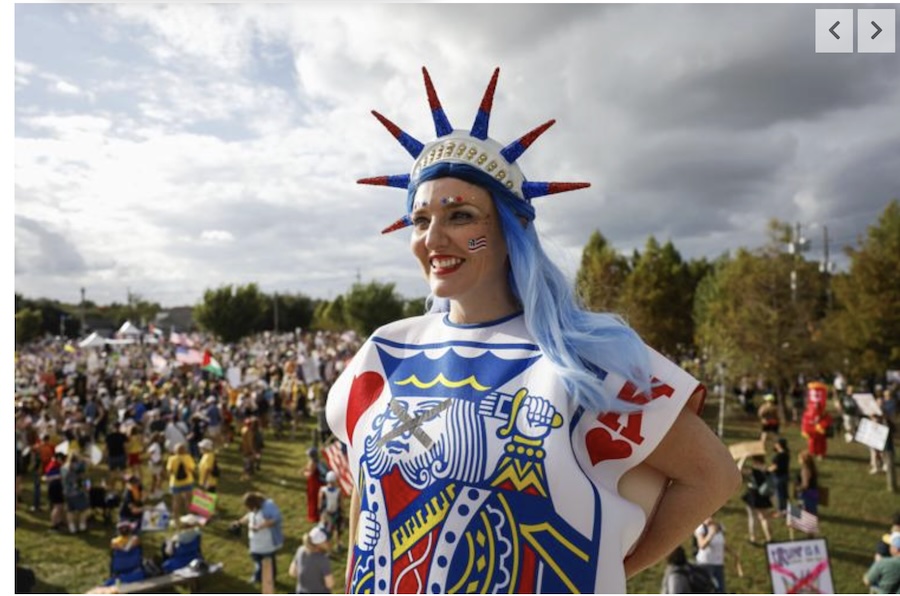
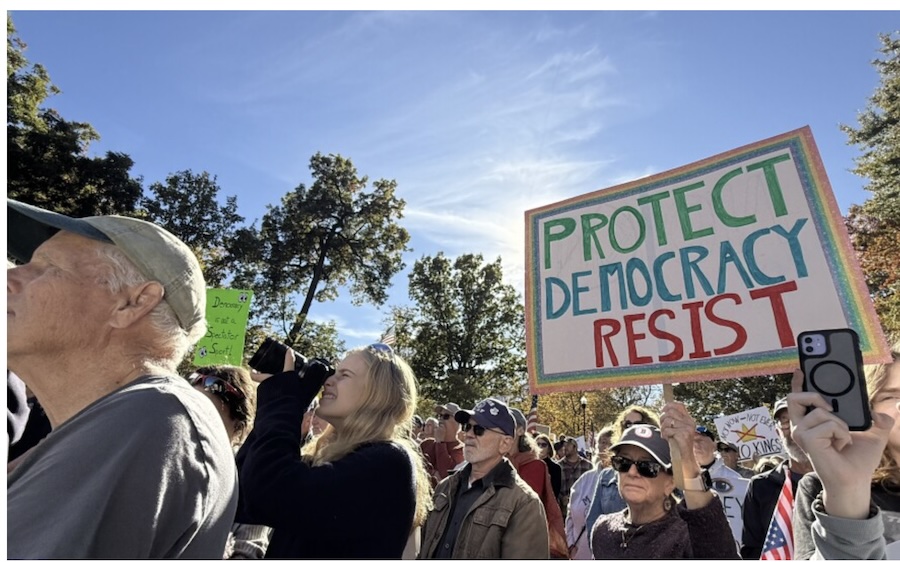
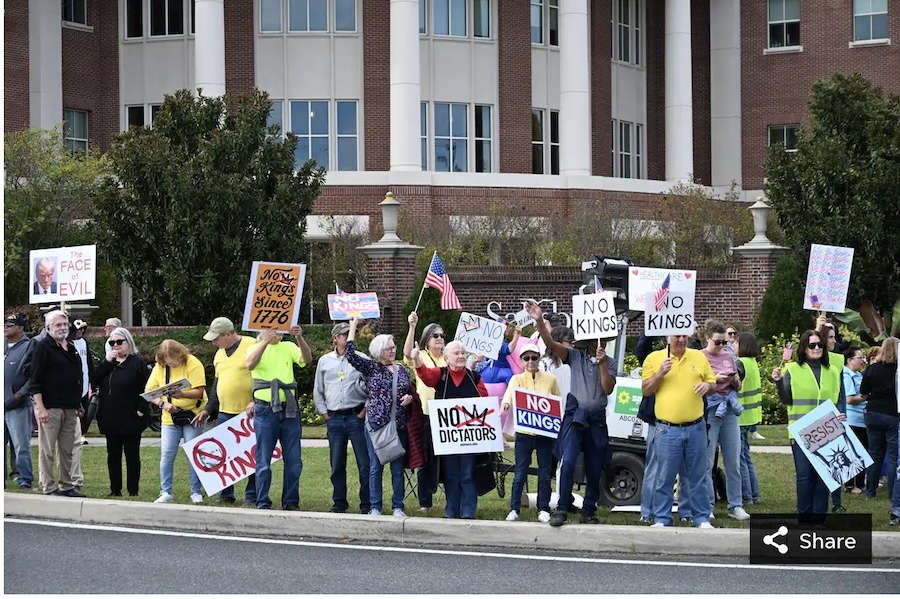
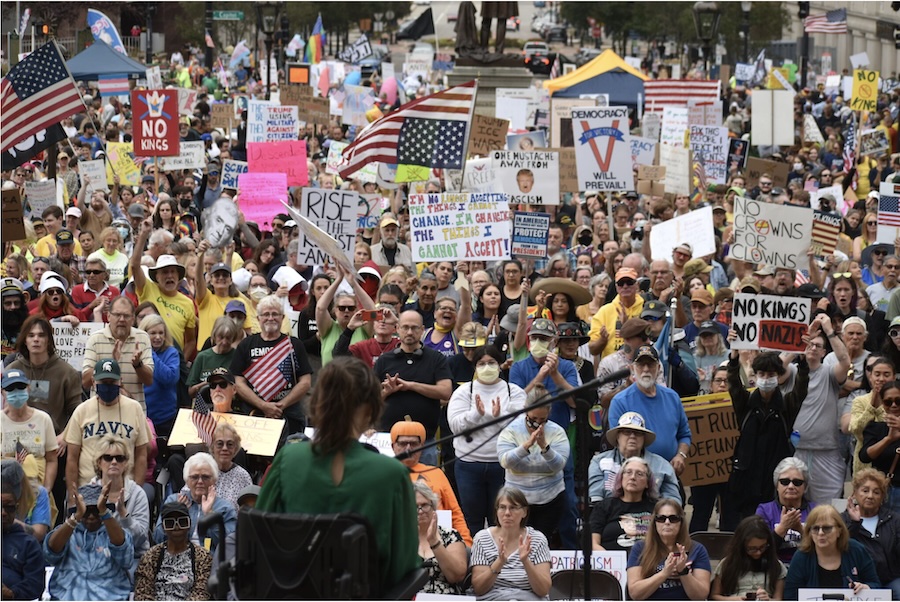
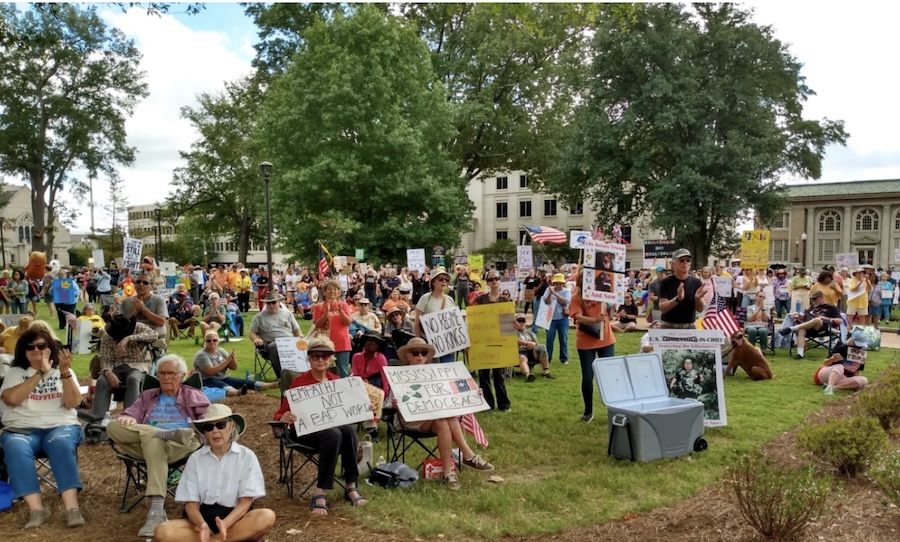
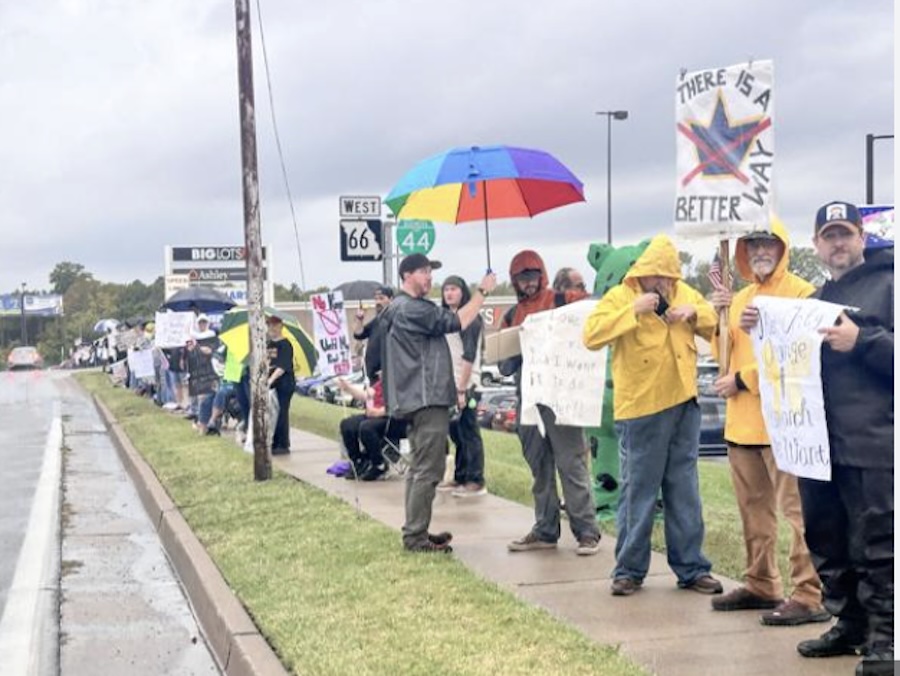
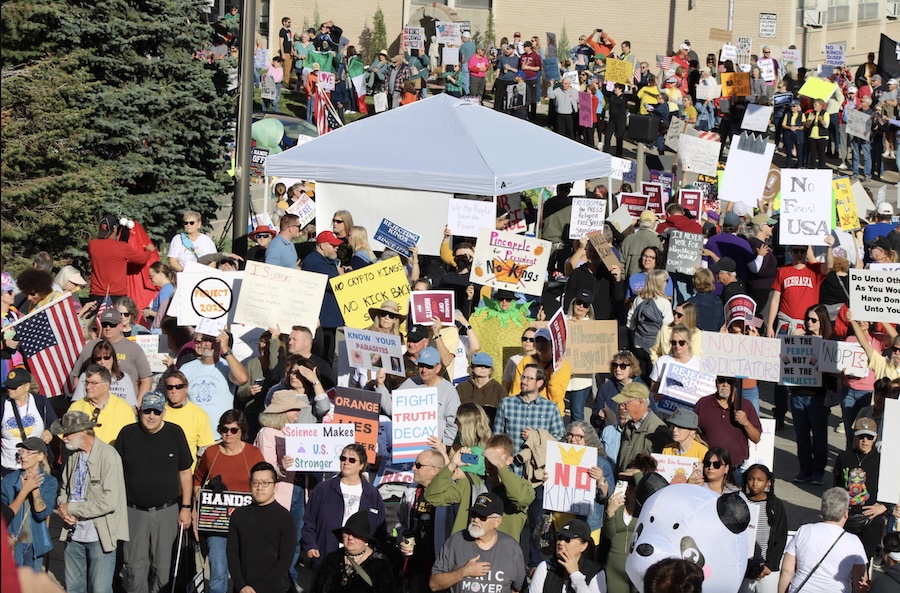
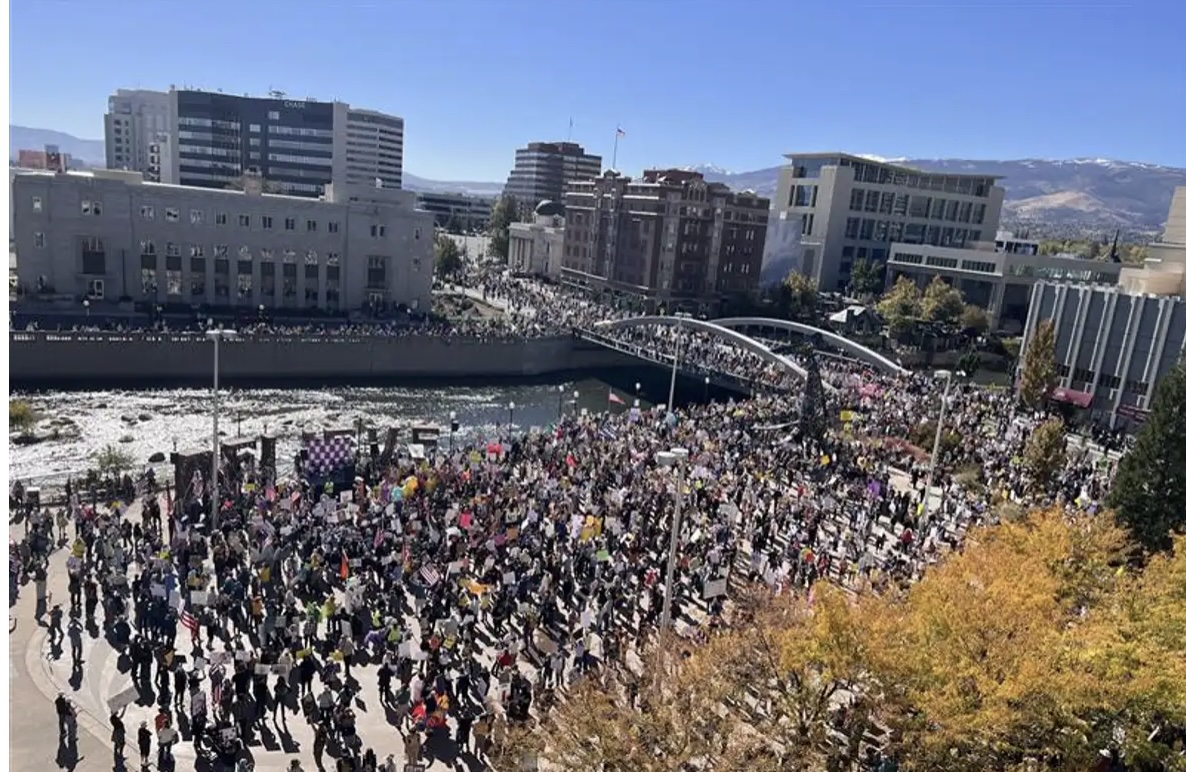
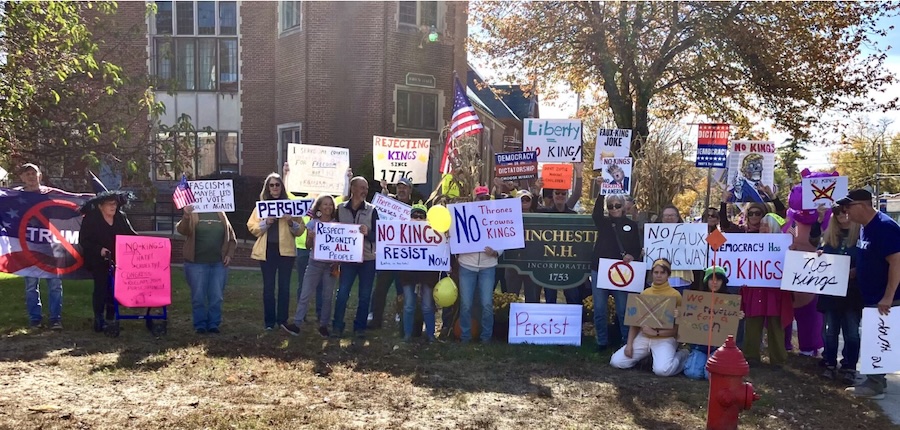
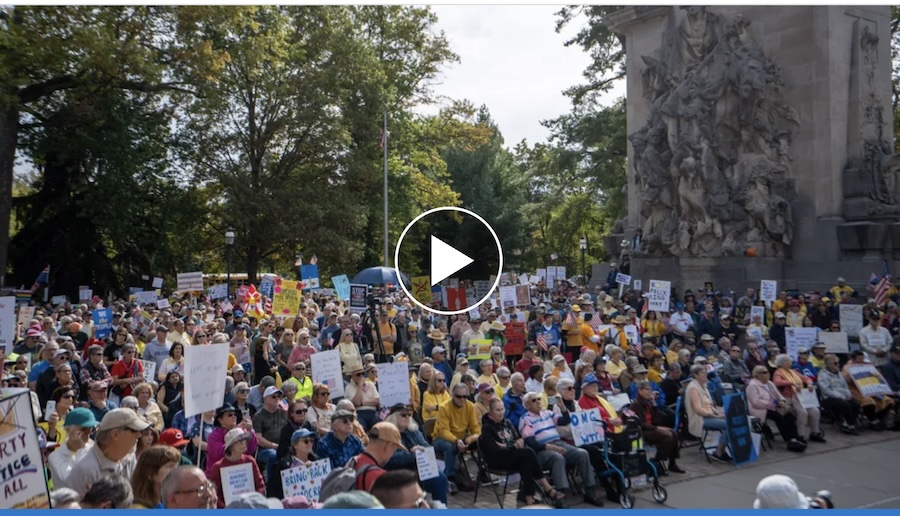
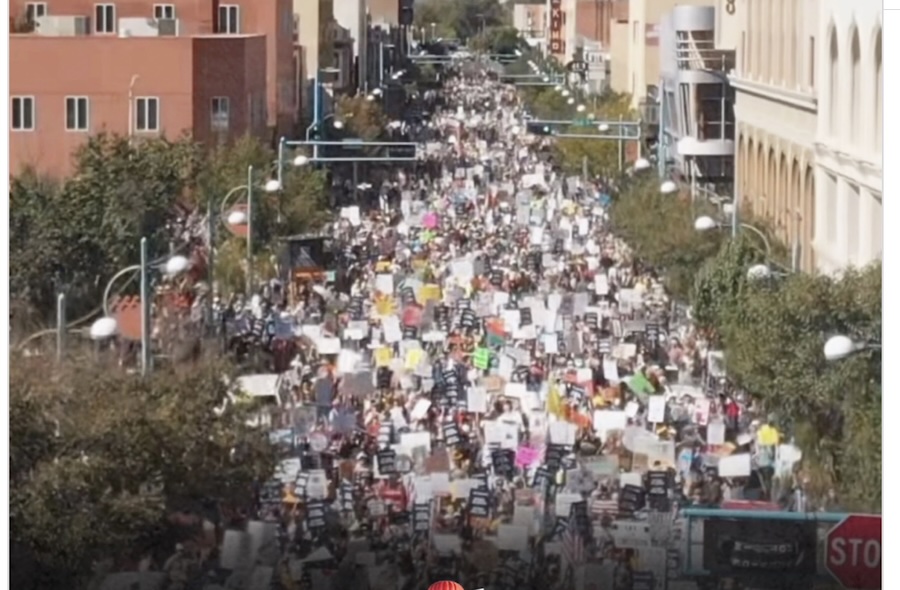
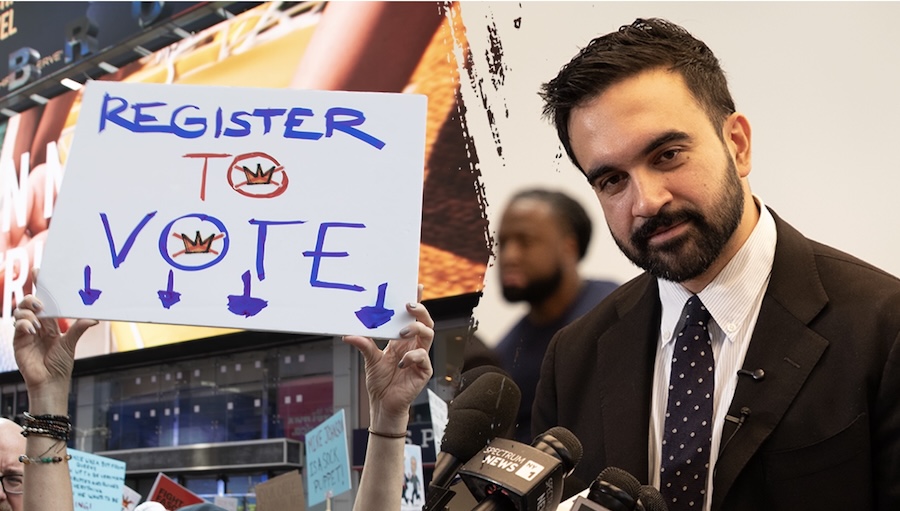
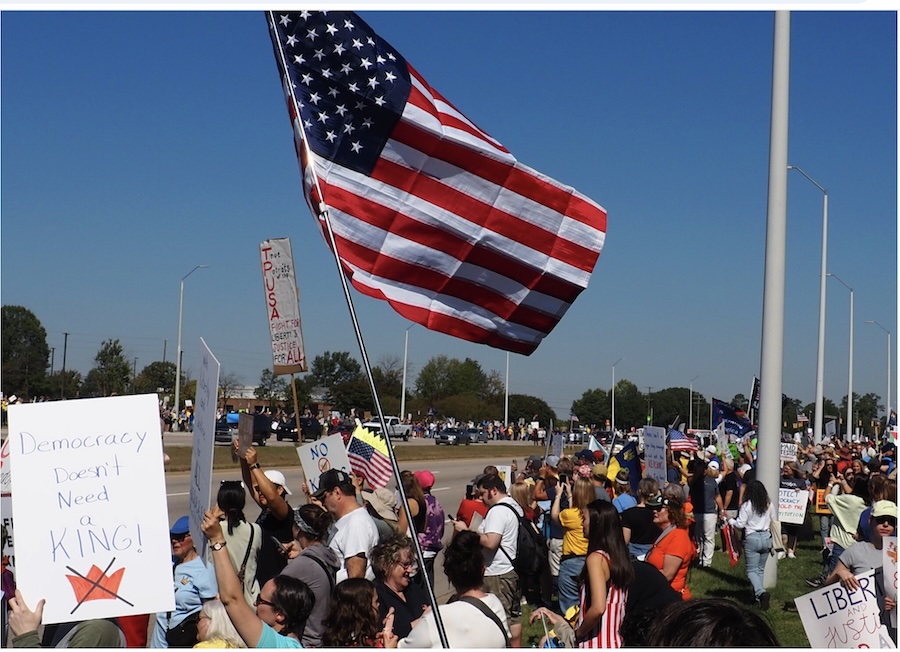
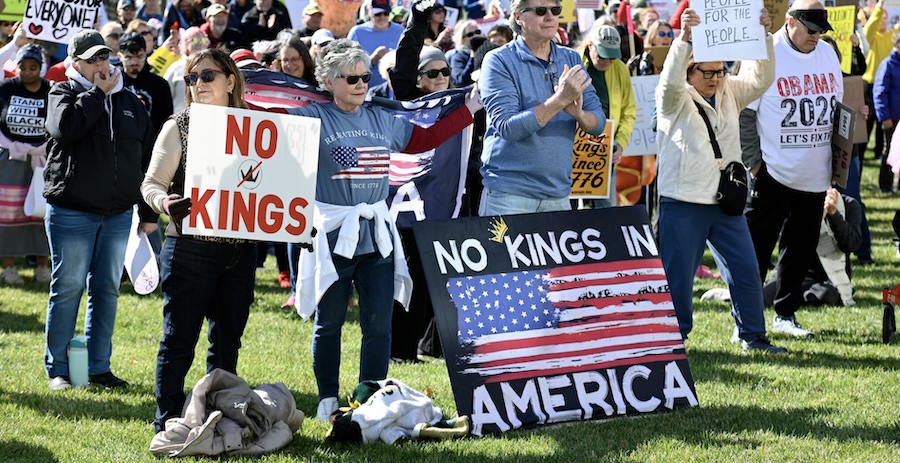
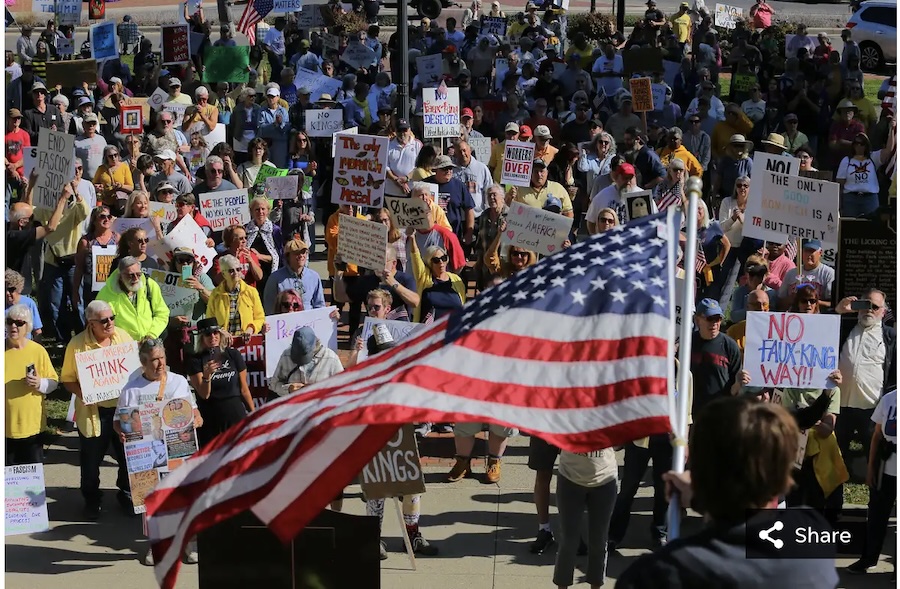
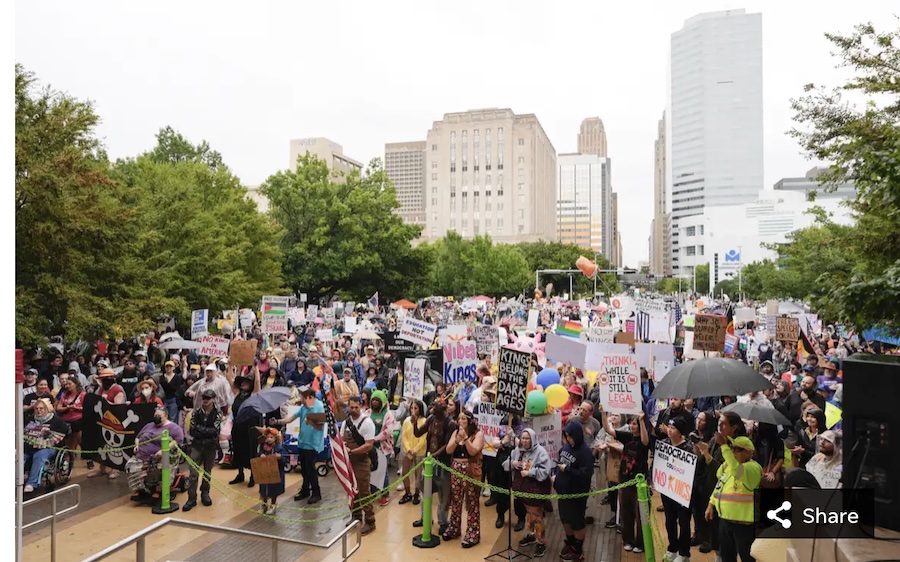
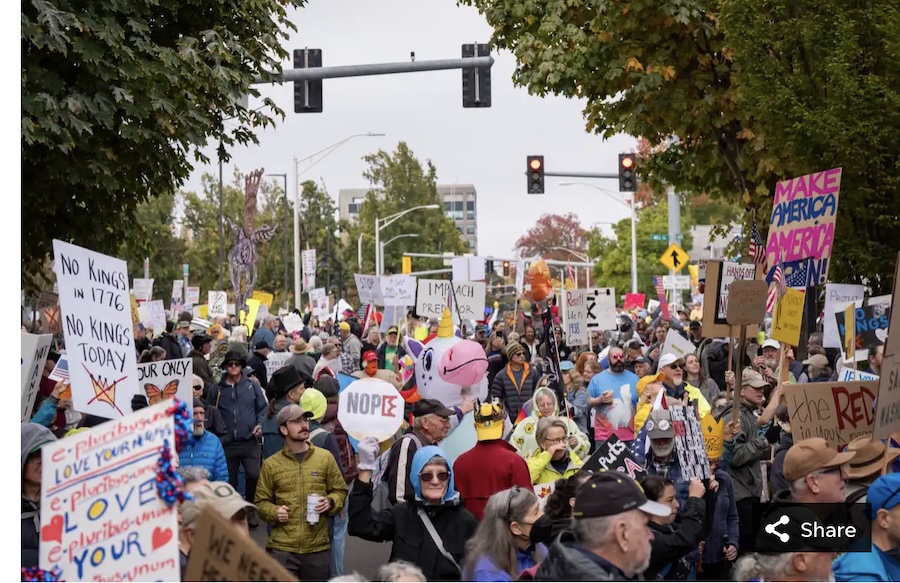
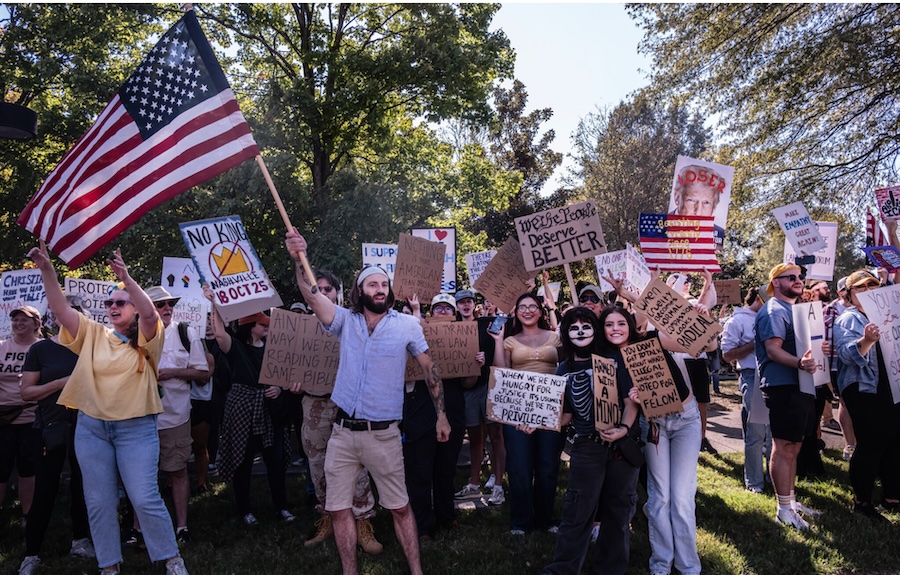
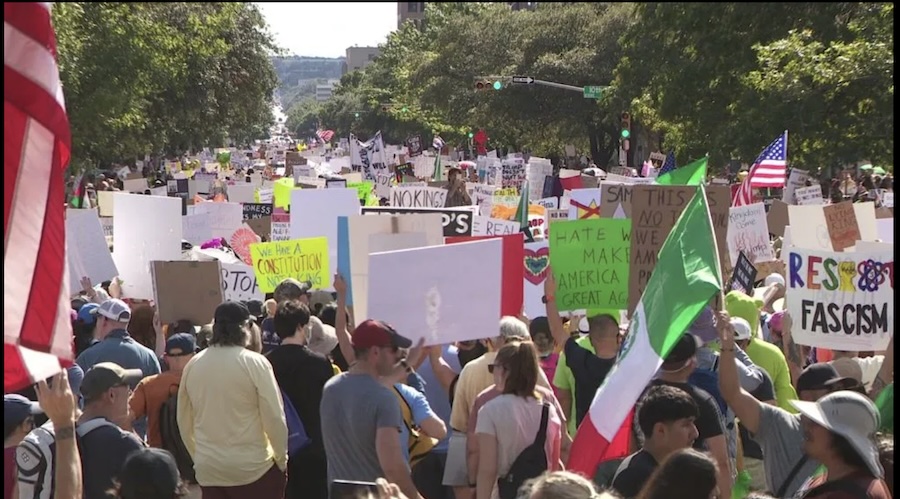
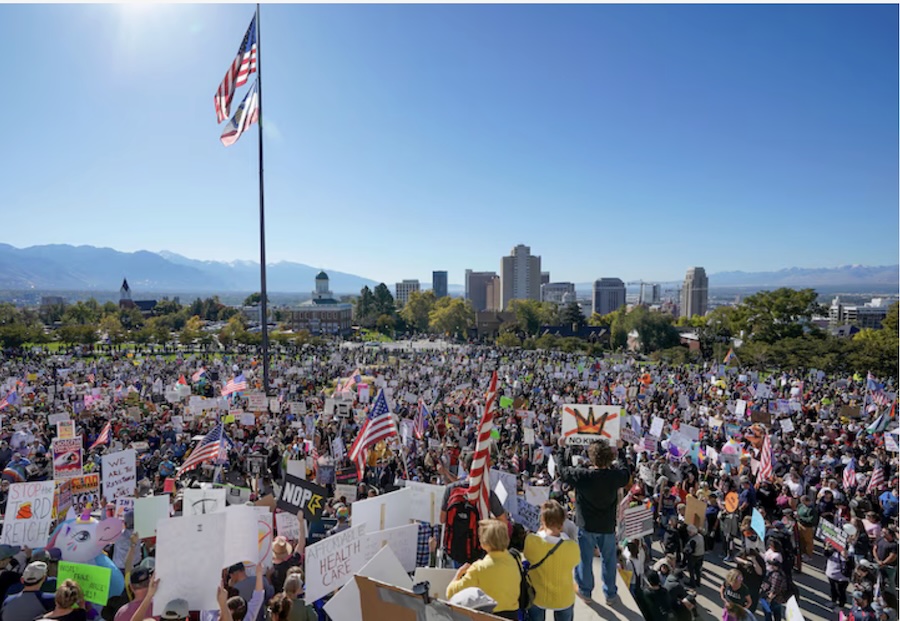
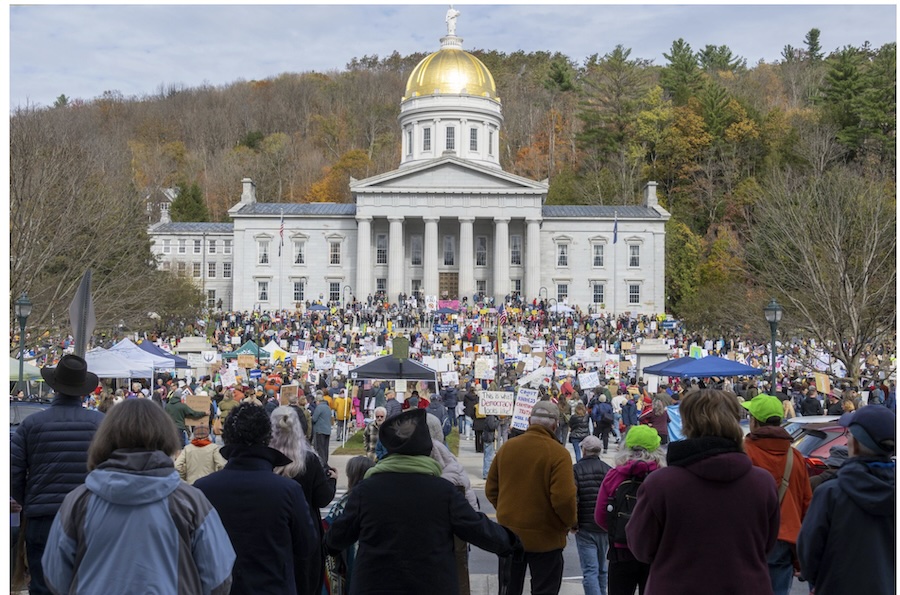
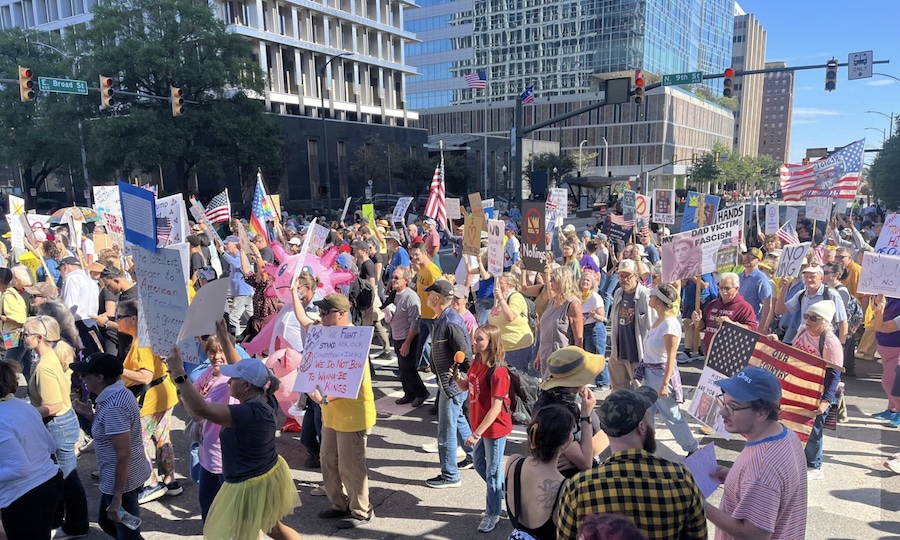
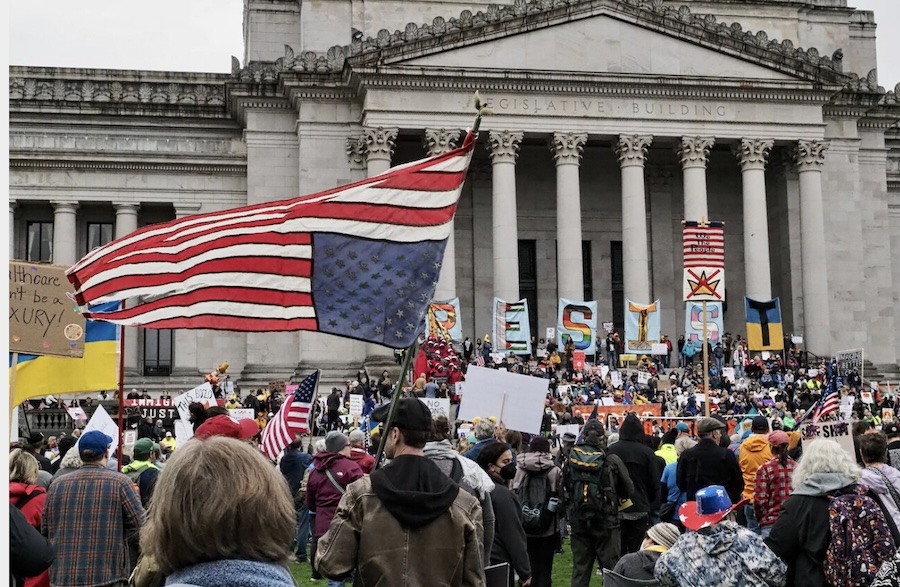
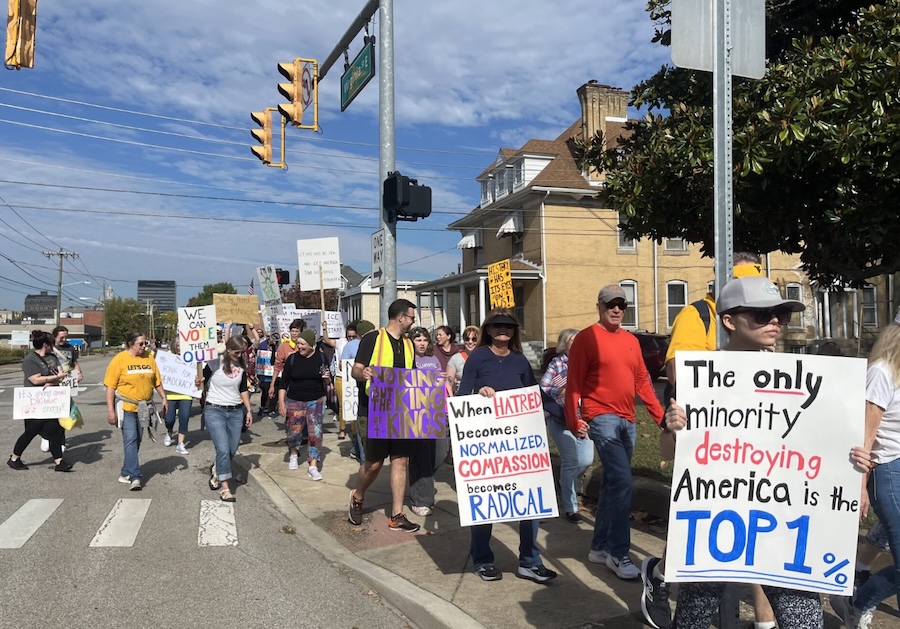
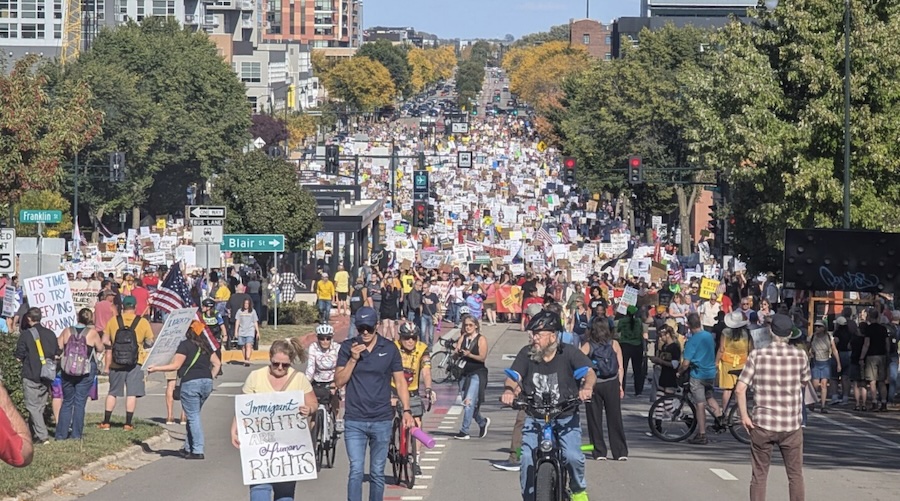
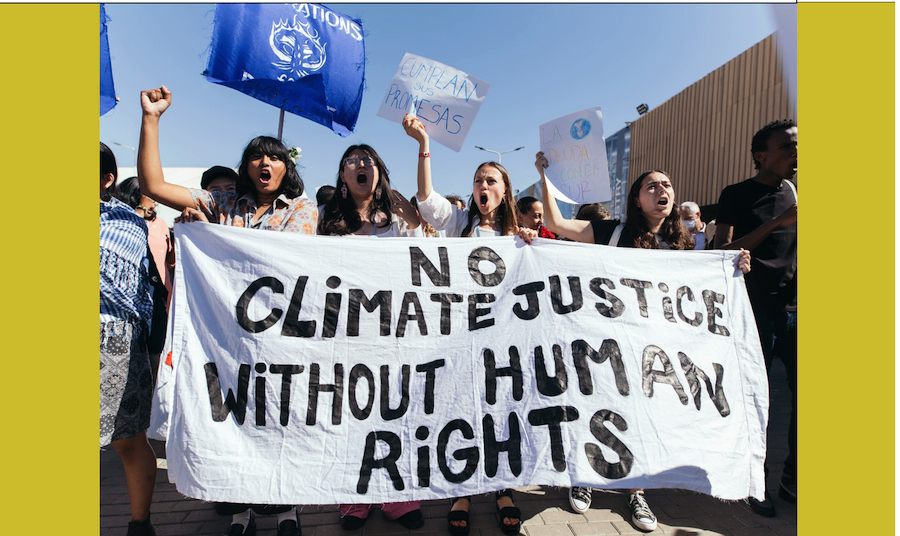
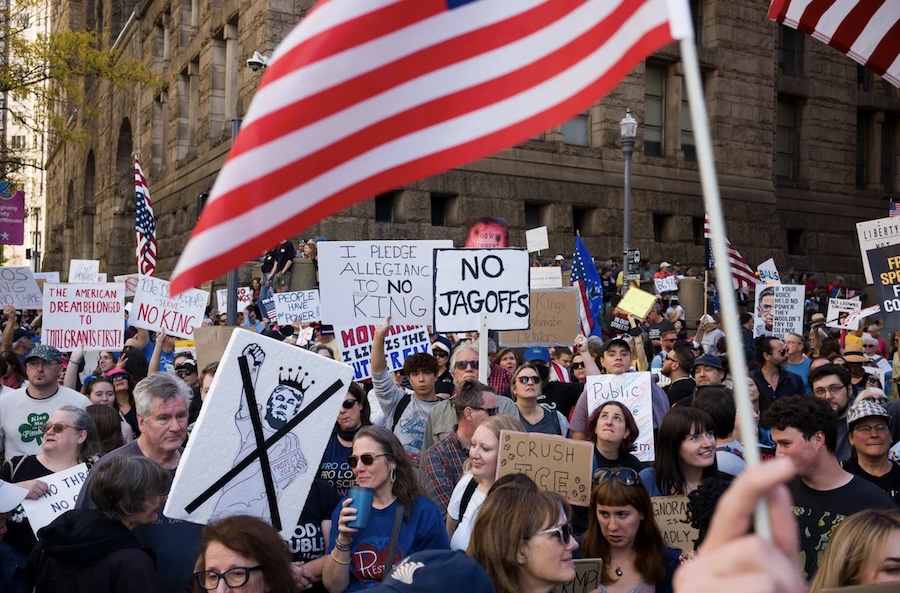
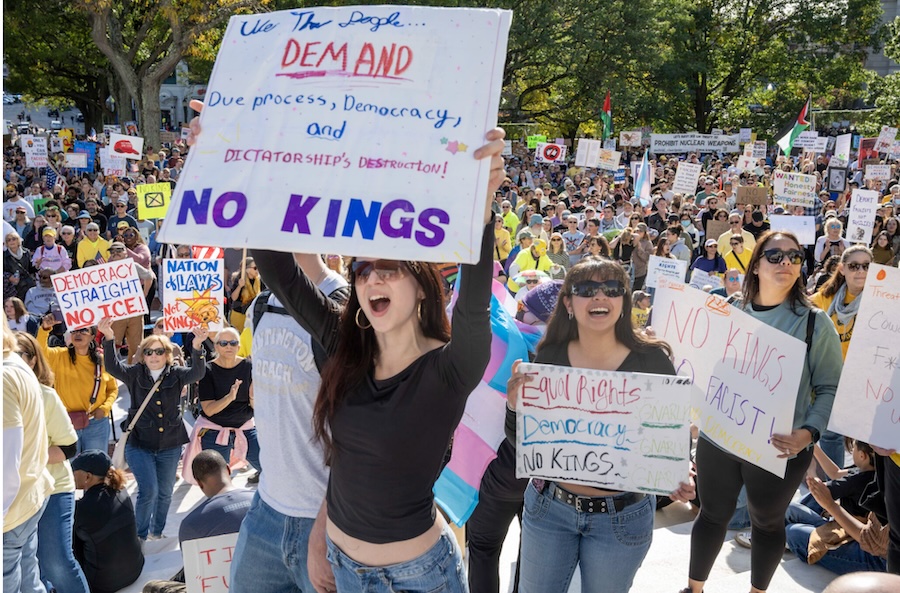
In the United States, more than 5 million people participated in the No Kings rallies on June 14 to protest the escalating abuses of power by President Trump. CPNN has republished photos of No Kings rallies from all 50 states. One of the organizers, Joseph Gerson of Mass Peace Action, explained, “If you had doubts about Trump/MAGA tyrannical ambitions and the threat to democracy, think about Trump’s illegal and totally mobilization of National Guard troops,  the dispatch of Marines to repress protests in Los Angeles, the threat to arrest Governor Newsom or Trump’s stupid birthday gift to himself – his massively expensive and wasteful military parade.”

The map republished by CPNN showed that the thousands of demonstrations took place throughout the United States, including in those states that voted for Trump.

The protest in San Antonio, Texas faced National Guard sent by the pro-Trump governor of the state, who predicted violence. Instead, however, the protest was more like a fiesta with mariachi and conjunto music. According to the mayor, “Once again, San Antonio has demonstrated that we have a long tradition of peaceful demonstrations and protests in support of human rights and civil rights.”

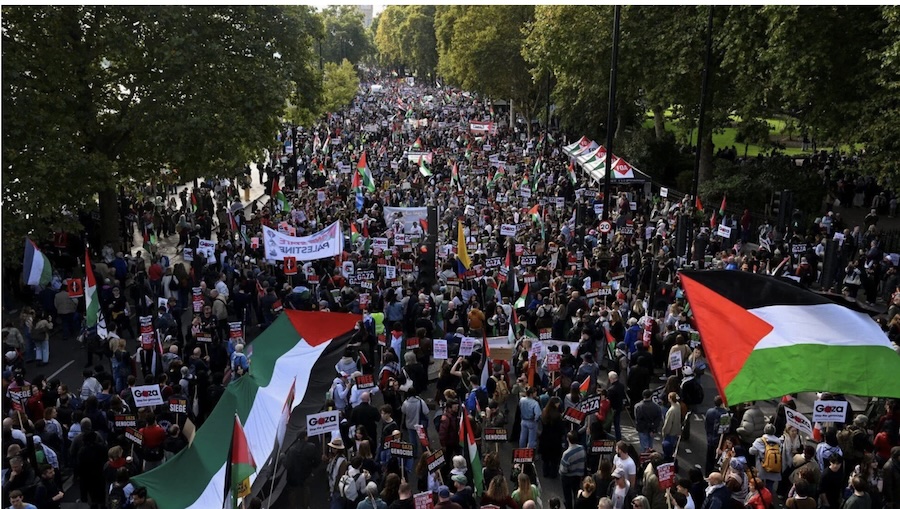
In The Hague, Netherlands on June 15, a demonstration against the government’s support of Israeli genocide was so large that it stretched for five kilometers, as shown in a video republished on CPNN. Rights groups such as Amnesty International and Oxfam organised the demonstration through the city to the International Court of Justice, creating a so-called “red line”. Many waving Palestinian flags and some chanting “Stop the Genocide”, the demonstrators turned a central park in the city into a sea of red on a sunny afternoon.

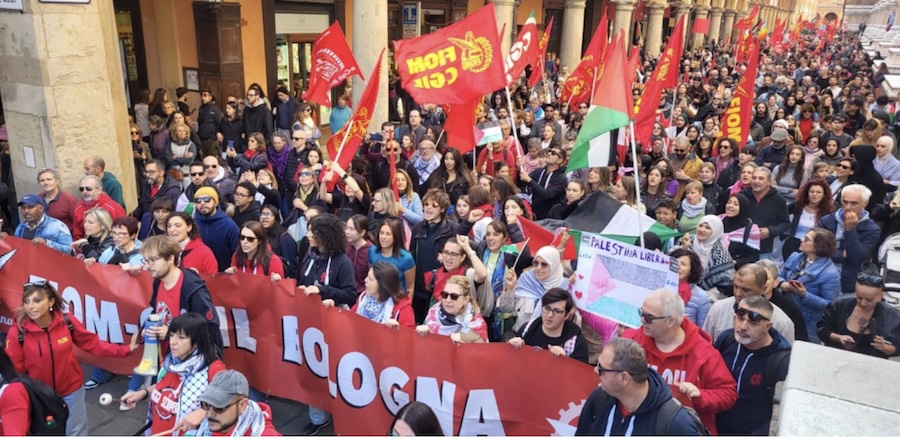
People took to the streets in The Hague again a week later to protest the NATO meeting dedicated to the rearmament of Europe, while other large demonstrations took place in Rome and Brussels for the same reason. In both Rome and Brussels the turnout was claimed to be 30,000, as can be seen in the videos published by sources in India. Protesters condemned the expansion of military budgets across Europe, coming at the direct expense of public services like healthcare, education, and other public services.”

In Israel on June 28 , tens of thousands of demonstrators fille Hostages Square in Tel Aviv to demand an end to the war on Gaza .with a deal that brings everyone home

The Israeil/American attack on Iran brought hundreds of thousands of people into the streets in protest in cities across the country Reporting from Tehran, Al Jazeera’s Tohid Asadi called Friday’s demonstrations “unprecedentedly large.” “We have to keep in mind that a considerable proportion of Tehran’s population has decided to get out of the city amid the attacks, but still we see huge numbers,” said Asadi. “Since day one of these strikes, we’ve seen this strong sense of anger from ordinary citizens. Now they’re taking to the streets to express that.”

Thousands of people joined a March on Gaza, inspired by the Gaza Flotilla sailboat Madleen, that included environmental activist Greta Thunberg, that set sail to break the blockade of Gaza and that was illegally boarded and seized by Israel (an act of piracy). A video of the March was published by CPNN.. German lawyer Melanie Schweizer explained that this peaceful initiative sends a messages of international solidarity, aiming to:
° Represent civil societies of the participating countries.
° Involve unions, rights organizations, medical and humanitarian sectors, and individuals from all backgrounds to amplify the voice of global civil society.
° Emphasize the nonviolent and voluntary nature of the march — no government backing, and participants self-fund their journey.

Although the March on Gaza has been blocked by Egyptian authorities, and none of the marches and protests have yet prevented the increased genocide, war and preparations for war by the governments of the United States, Europe and the Middle East, they serve notice that their citizens do not support their wars and are not afraid to take to the streets in order to oppose them.

While the repressive policies of Russia and Ukraine have prevented street demonstrations against their war, there has been another form of resistance that may ultimately be as effective. The 100,000 documented deserters from Ukraine and Russia are an invisible army for peace. And since the war began, Russia has lost much of its scientific and artistic citizens who have protested the war. One estimate puts the figure at 700,000 people who have fled Russia in protest..

The stage is set for a global anti-war movement.

DEMOCRATIC PARTICIPATION

USA: No Kings rallies in all 50 states

SUSTAINABLE DEVELOPMENT


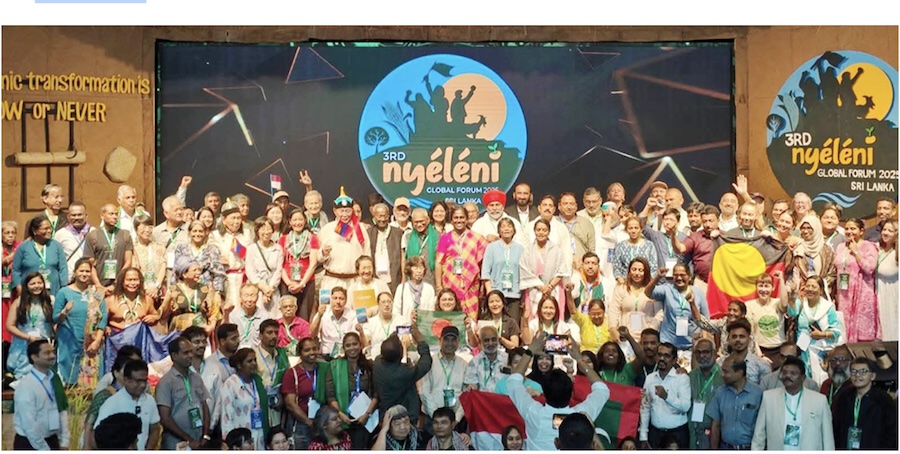
300 Participants from 60 Countries Attend Annual Forum of China and Globalization

FREE FLOW OF INFORMATION


European Protests against NATO

WOMEN’S EQUALITY


France: Thirty Years of Service to Immigrant Women


TOLERANCE & SOLIDARITY


Gaza Floatilla Ship Madleen Begins Voyage to Gaza

EDUCATION FOR PEACE


Mexico: UNAM cannot remain neutral in the face of escalating violence and the resurgence of authoritarian views: Rector Lomelí Vanegas

DISARMAMENT & SECURITY


Fourth Annual 24-Hour Peace Wave

HUMAN RIGHTS


The Hague: Rally against Gaza genocide June 15

Fourth Annual 24-Hour Peace Wave

DISARMAMENT AND SECURITY .

An announcement from World Beyond War

Easy way to get to this page: http://24hourpeacewave.org

The Fourth Annual 24-Hour Peace Wave is coming on July 12, 2025.

Contact us to participate.

The peace wave is a 24-hour-long Zoom featuring live peace actions in the streets and squares of the world, moving around the globe with the sun. The peace wave visits dozens of locations around the globe and includes rallies, concerts, production of artworks, blood drives, installation of peace poles, dances, speeches, and public demonstrations of all variety.

In 2025 we are encouraging participants to address the need to abolish nuclear weapons.

(article continued in right column)

Question related to this article:

The Peace Wave: Its history and effects

(article continued from left column)

All parts will have machine-translated captions in Zoom. Some parts will have human voice interpretation.

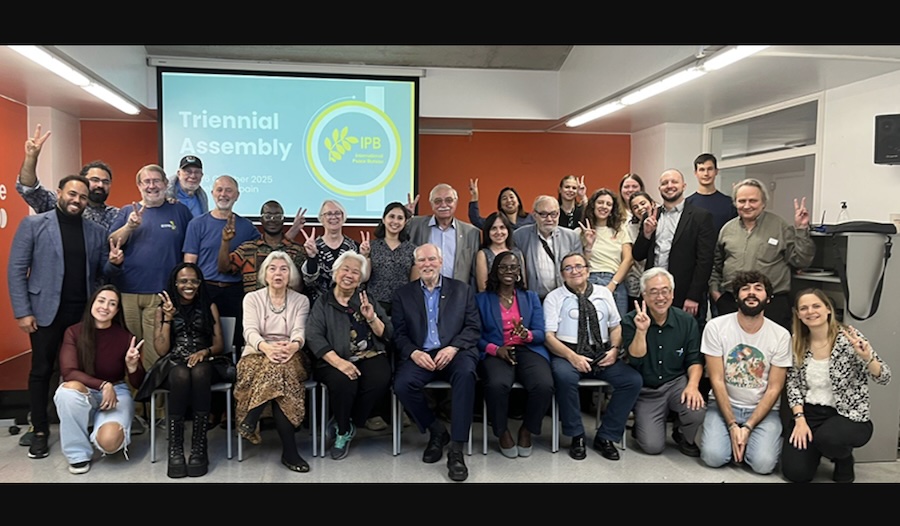
Organized by: International Peace Bureau, Stop the War Coalition Philippines, Gensuikyo, and World BEYOND War.

The Peace Wave will happen on July 12, 2025, from 0:00 to 24:00 UTC. In Japan that is 9 a.m. July 12 to 9 a.m. July 13. In Europe that is 2 a.m. July 12 to 2 a.m. July 13. In U.S. and Canada Eastern Time that is 8 p.m. July 11 to 8 p.m. July 12.

Get the Zoom Link to Watch the Peace Wave
Host Contact Info: David, david@worldbeyondwar.org

Embed the Registration Form on Your Own Website

See Past Years’ Peace Waves.
https://worldbeyondwar.org/wavesofpast/

(Click here for this article in French or here for the article in Spanish).

– – – – – –

If you wish to make a comment on this article, you may write to coordinator@cpnn-world.org with the title “Comment on (name of article)” and we will put your comment on line. Because of the flood of spam, we have discontinued the direct application of comments.
Israel: Tens of thousands of protesters at Hostages Square call for an end to the Gaza war

FREE FLOW OF INFORMATION

An article from Arab News

Thousands of demonstrators rallied in Israel on Saturday [June 28] to demand that the government secure the release of 49 hostages still held in Gaza.

A crowd filled the “Hostages Square” in central Tel Aviv. Image: Mostafa Alkharouf/Anadolu Agency/IMAGO

It was the first rally by hostages’ relatives since Israel agreed a ceasefire with Iran on June 24 after a 12-day war, raising hopes that the truce would lend momentum to efforts to end the Gaza conflict and bring the hostages home.
Emergency restrictions in place during the war with Iran had prevented the normally weekly rally from taking place.

A crowd filled “Hostages Square” in central Tel Aviv, waving Israeli flags and placards bearing the pictures of Israelis seized by Palestinian militants during Hamas’s October 7, 2023 attack on Israel.

The deadly attacks prompted Israel’s Prime Minister Benjamin Netanyahu to launch a fierce military offensive in Gaza, vowing to crush Hamas and free the hostages.

Continued in right column)

Questions related to this article:
 
How can we be sure to get news about peace demonstrations?

How can we best express solidarity with the people of Gaza?

(Continued from left column)

Twenty months and several hostage exchanges later, 49 of those seized are still held in Gaza, including 27 the Israeli military says are dead — raising pressure on Netanyahu’s government.

“The war with Iran ended in an agreement. The war in Gaza must end the same way — with a deal that brings everyone home,” said the Hostages and Missing Families Forum, the main body representing the relatives, in a statement to mark the rally.

Some demonstrators called on US President Donald Trump to help secure a ceasefire in Gaza that would see the captives freed, hailing his backing for Israel in the conflict with Iran.

“President Trump, end the crisis in Gaza. Nobel is waiting,” read one placard, in reference to a possible peace prize for the US leader.

“I call on Prime Minister Netanyahu and President Trump,” one released hostage, Liri Albag, said at the rally.

“You made brave decisions on Iran. Now make the brave decision to end the war in Gaza and bring them home.”

– – –

Other sources about the demonstration include the following: Haaretz, Times of Israel and France 24
– – – – – –

If you wish to make a comment on this article, you may write to coordinator@cpnn-world.org with the title “Comment on (name of article)” and we will put your comment on line. Because of the flood of spam, we have discontinued the direct application of comments.

France: Thirty Years of Service to Immigrant Women

. WOMEN’S EQUALITY .

An article by Geneviève Roy in Breizh Femmes (translation by CPNN)

Immigration today represents 3.7% of the world’s population, or around 300,000 people, 48% of whom are women. Catherine Wihtol de Wenden introduced her topic with a few figures.

The CNRS researcher, political scientist, and lawyer, who teaches at Sciences Po Paris, came to Rennes to shed light on migration on the occasion of the 30th anniversary of Déclic Femmes.

An anniversary that the founder, Fatima Zédira, wanted to celebrate by retracing the history of an association directly serving immigrant women, striving to provide solutions that meet each individual’s needs.

Women are leaving their countries in ever-increasing numbers, and they are increasingly doing so alone. In Europe, they are even more numerous than the global average, representing 51% of immigrants. Often invisible in society, they hold undervalued jobs working with the elderly, as caregivers, or in the clothing industry.

For researcher Catherine Wihtol de Wenden, this situation is nothing new. “Migration is world history!” she exclaims, praising the remarkable work that the association Déclic Femmes
has been doing for three decades in welcoming these migrant women to Rennes. “We’re in a very paradoxical context,” she continues, “since in Europe we need immigration in many professional sectors and to increase the demographics of different countries, but at the same time we are pursuing increasingly restrictive policies for welcoming migrants.” Surprisingly, since the 1990s, it has never been easier to leave one’s country, but it has never been more difficult to enter another. In France, for example, the refugee status recognition rate has peaked at 35% of applications.

(continued in right column)

(Click here for the original French version.)

Questions for this article

Prospects for progress in women’s equality, what are the short and long term prospects?

(continued from left column)

A Priority: Learning French

The global vision of the situation of migrants around the world, provided by the guest expert, allows Fatima Zédira, founder of Déclic Femmes, to situate the history of her association within French society. In 1995, she chose to support immigrant women through “dignity, family, social, and professional autonomy, and access to citizenship.” Drawing on a quote from Gisèle Halimi, stating that women’s economic independence is their freedom, she outlines thirty years of association life largely focused on employment and vocational training.

“The association focused its activities on welcoming and listening,” recalls Fatima Zédira, remembering the small 13m² space on Rue de Picardie in the Villejean neighborhood where women lined up on the sidewalk. Currently, at 7bis rue d’Armagnac, a few blocks from the original location, the premises are much more spacious and allow for a wider range of activities, welcoming more women, and also exhibiting some of their work. At the same time, branches have been established in other neighborhoods—Blosne and Maurepas. Each year, Déclic Femmes welcomes between 300 and 500 women, and in total, more than 90 nationalities have crossed paths at the association.

“Learning French is the key for us to escape isolation, regain self-confidence, and integrate into the host society,” explains Fatima Zédira. It is therefore natural that this learning is at the heart of all the activities offered by the association. From discussion groups to language classes, it has taken a lot of energy from the association’s volunteers and employees over the years to find the right balance. Training sessions are also provided to help people learn how to learn. A Positive

Process of Integration into Society

One of Déclic Femmes’ priorities is to offer individualized pathways that take into account the individual and their background. For example, there’s no question of mixing people with diverse educational backgrounds in French classes. There are those who have hardly ever attended school, those with a primary school education, sometimes a secondary education, and those who already have a university degree in their own language. Some come from French-speaking countries, others not. Some are comfortable speaking, but not at all writing… But none of them have “time to waste.” They often held jobs, sometimes responsibilities, in their countries of origin. They have obtained diplomas that France does not recognize. They need—and want—to return to working lives as quickly as possible in France. Fatima Zédira emphasizes a real “aspiration for emancipation” for all of them.

For all these women, the association has chosen to co-develop its proposals, tailored as closely as possible to each woman’s immediate needs. And in collaboration with numerous partners. Beyond efficiency, the association also strives to foster civic engagement, offering a variety of visits, trips, participation in activist activities, raising awareness of women’s rights, gender equality, political culture, and cultural and artistic initiatives.

It’s difficult to measure the impact of the work accomplished over thirty years. However, when a woman leaves the association fluent in French and with a better understanding of the culture and institutions of the host country, Fatima Zédira believes that “it’s an entire family that is drawn into a positive process of integration into society.”

– – – – – –

If you wish to make a comment on this article, you may write to coordinator@cpnn-world.org with the title “Comment on (name of article)” and we will put your comment on line. Because of the flood of spam, we have discontinued the direct application of comments.

European Protests against NATO

FREE FLOW OF INFORMATION

A survey by CPNN

People took to the streets to protest against the NATO meetings where European countries pledged to increase military spending..

In Rome, a report by the People’s Dispatch, said that “some 30,000 people took to the streets on June 21 to protest war and rising military expenditures. Organized under the banner “Disarmiamoli!” (Let’s disarm them!), the demonstration brought together workers, grassroots trade unions, student collectives, and social movements. Protesters condemned the expansion of military budgets across Europe, coming at the direct expense of public services like healthcare, education, and other public services.”


Frame from the video of anti-NATO protest in Brussels published by the Times of India.

Continued in right column)

Questions related to this article:
 
How can we be sure to get news about peace demonstrations?

(Continued from left column)

In The Hague, where NATO was meeting, Euro News reported that “hundreds of people gathered on Sunday to protest against NATO, rising military spending, and the risk of war with Iran. The protest comes two days before a summit of the alliance in The Hague, where leaders are expected to discuss increasing defence budgets. “Let’s invest in peace and sustainable energy,” Belgian politician Joe d’Haese said addressing a crowd in a park near the summit location.”

A video of anti-NATO protest in the Netherlands was published by DRM News.

Is it a problem of censorship by the Western media? In order to find videos of the anti-NATO demonstrations Belgium and additional videos from the Netherlands, we had to go to media based in India.

A video of anti-NATO protest in Brussels was published by the Times of India.

A video of the anti-NATO protest in the Hague was published by the Hindustan Times.

There was an article about the Hague protest in The Guardian, but its subject was mainly the arrests of protesters, rather than the purpose of the demonstration.

And there was also an article about the Hague protest in Reuters, but its subject was mainly about protesting the attack of Israel and the US on Iran, rather than the rearmanent agenda of NATO.

– – – – – –

If you wish to make a comment on this article, you may write to coordinator@cpnn-world.org with the title “Comment on (name of article)” and we will put your comment on line. Because of the flood of spam, we have discontinued the direct application of comments.

Hundreds of Thousands March Against US-Backed Israeli Aggression in Tehran

FREE FLOW OF INFORMATION

An article by Jake Johnson from Common Dreams (reprinted according to Creative Commons CC BY-NC-ND 3.0).

Hundreds of thousands of people took to the streets of Tehran and other cities across Iran on Friday to protest Israel’s illegal and escalating assault as the U.S.—Israel’s top ally and arms supplier—considers entering the war, which killed or wounded more than 2,600 Iranians during its first week.


Iranians protest Israeli attacks in Tehran on June 20, 2025. (Photo: AFP via Getty Images)

Reporting from Tehran, Al Jazeera’s Tohid Asadi called Friday’s demonstrations “unprecedentedly large.”

“We have to keep in mind that a considerable proportion of Tehran’s population has decided to get out of the city amid the attacks, but still we see huge numbers,” said Asadi. “Since day one of these strikes, we’ve seen this strong sense of anger from ordinary citizens. Now they’re taking to the streets to express that.”

Protests also broke out in the capitals of Iraq and Lebanon as Israel and Iran traded missile strikes, and Iran’s foreign minister, Abbas Araghchi, arrived in Geneva for talks with European Union and United Kingdom officials.
Continued in right column)

Questions related to this article:
 
How can we be sure to get news about peace demonstrations?

(Continued from left column)

In an interview ahead of the talks, Araghchi called the United States “a partner in this crime” and said that Iran is unwilling to engage in negotiations “until this aggression stops.”

Citing an unnamed senior Iranian official,  Reuters reported that Iran “was ready to discuss limitations on uranium enrichment but that any proposal for zero enrichment—not being able to enrich uranium at all—would be rejected, ‘especially now under Israel’s strikes.'”

The mass demonstrations came as U.S. President Donald Trump weighed options—including the use of a nuclear weapon—to directly join Israel’s attack on Iran. The White House said Thursday that a final decision from the president will come within two weeks.

Ryan Costello, policy director at the National Iranian American Council, said in a statement Friday that “the use of nuclear weapons to prevent the mere possibility of nuclear weapons is not strategy—it is a waking nightmare.”

“A nuclear strike would massacre Iranians indiscriminately and unleash devastating radioactive fallout across Iran and the region, spreading terror, panic, and irreversible harm,” said Costello. “We should never have come to this point. But we are here. And we must raise our voices, urgently, against Netanyahu’s war of aggression and the warmongers cheering it on. The path forward is diplomacy, not devastation. We must shut this Pandora’s box before more horrors are unleashed.”

– – – – – –

If you wish to make a comment on this article, you may write to coordinator@cpnn-world.org with the title “Comment on (name of article)” and we will put your comment on line. Because of the flood of spam, we have discontinued the direct application of comments.