Where can we find leadership for a culture of peace?
With rare exceptions, not in the nation-state and its leaders.
This confirms one of the two major conclusions of my History of the Culture of War, that the nation-state has created a monopoly of the culture of war.
But there are a few exceptions as we can see from a recent CPNN article. President Lula from Brazil attended a summit in Spain led by Prime Minister Pedro Sánchez who said “We want to double our efforts to work for peace and for a reinforced multilateral order. While others open wounds, we want to mend them and cure them.”
It is not a question of the person, but his role as leader of a state that makes Trump, Netanyahou and Putin the leaders of the culture of war. This is shown by the fact that many former heads of state take part in The Elders, the group founded by Nelson Mandela, and the Elders work consistantly for a culture of peace.
Similarly, it is not a question of religion, but its role when it becomes the religion of the state, that makes religion a culture of war in Israel and Iran. This is shown by three articles in CPNN: Pope Leo has called for a “new culture of peace;”< he has promoted peace in his recent trip to Africa and he has denounced attempts to link religion to the culture of war.
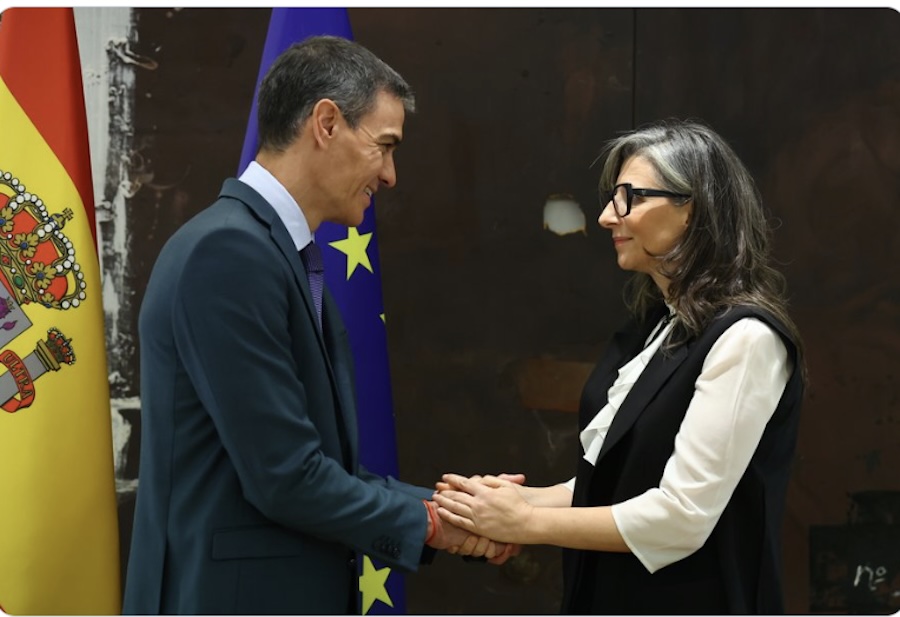
Since the United Nations and UNESCO are ruled by nation-states, they provide very little leadership for the culture of peace. The UN Security Council has passed a resolution justifying the attack by the US and Israel against Iran. And UNESCO has apparently abandoned its one culture of peace initiative, the Biennale of Luanda. But here, too, there are a few exceptions, as we see from aother recent CPNN article. Spanish Prime Minister Pedro Sánchez honored Francesca Albanese, the United Nations special rapporteur on Palestine, for her outspoken advocacy against Israel’s genocide in Gaza.
It’s in the civil society that we find leadership for a culture of peace according to the articles in CPNN.
There are effective peace movements such as Stop the War in the UK, United National Antiwar Coalition (UNAC) in the United States and Mouvement de la Paix in France.
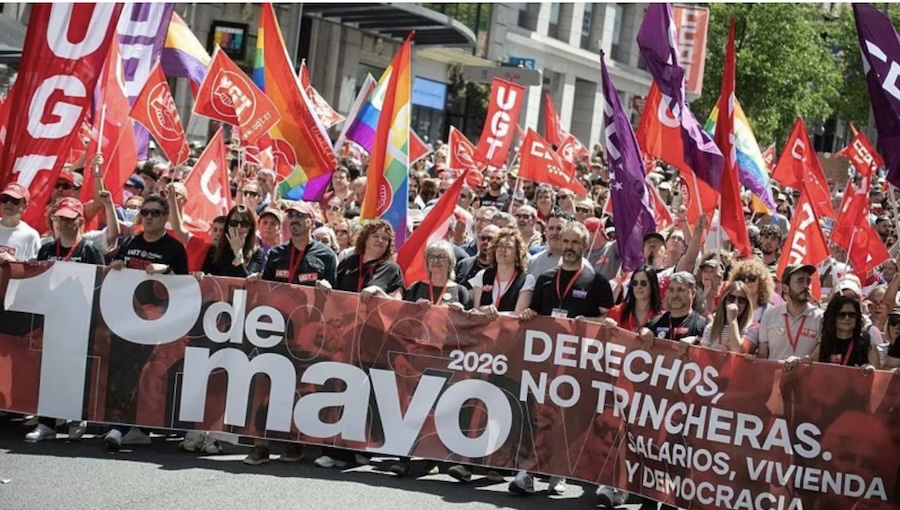
Opposing the culture of war in the United States, there is leaership from Indivisible, MoveOn and some trade unions, especially those of teachers. There is leadership from socialist Senator Bernie Sanders and from NGOs like Pace e Bene.
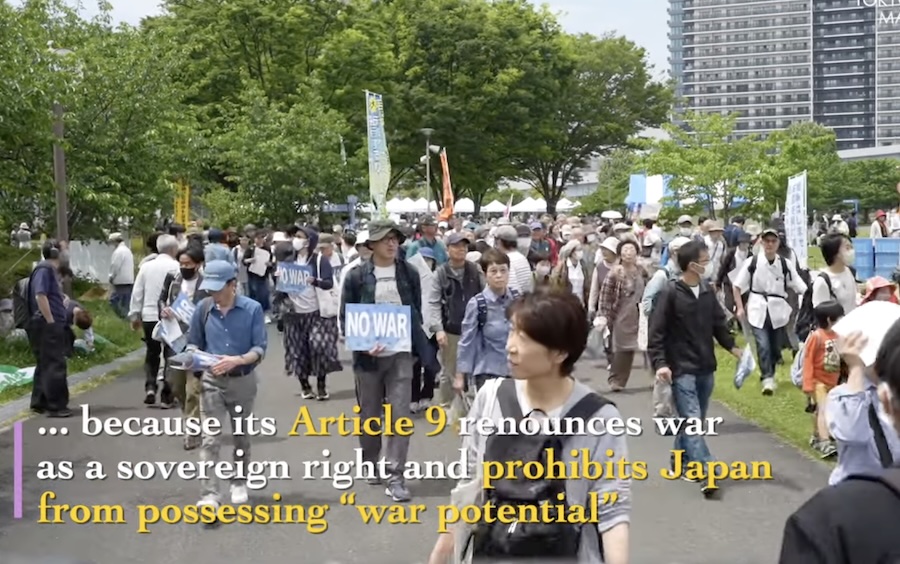
Opposing the genocide of Israel, there are many mass demonstrations and the courageous Sumud flotilla.
Opposing the threats of the United States against Cuba, there is another flotilla.
Many cities promote a culture of peace, including the 8,600 cities represented in Mayors for Peace and individual cities such as Barcelona in Spain and Bahia i n Brazil.
There are university programs for culture of peace such as the one under construction in the National Autonomous University of Mexico.
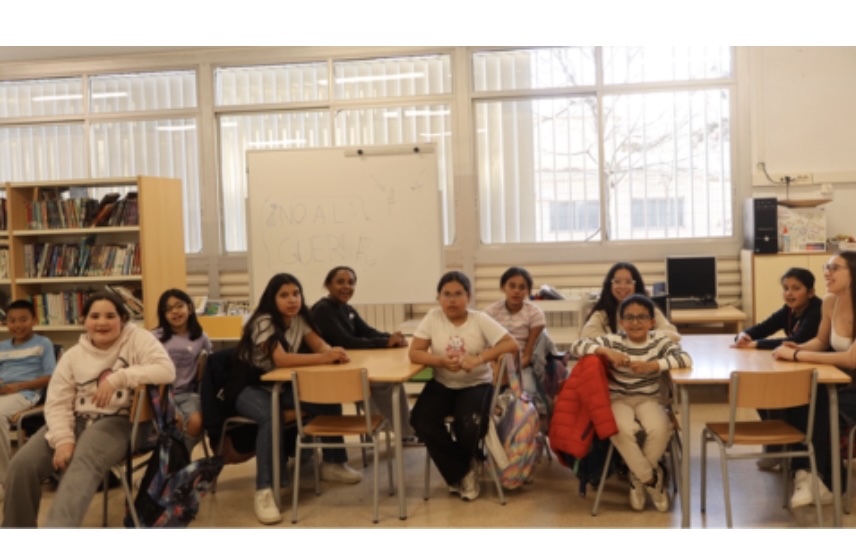
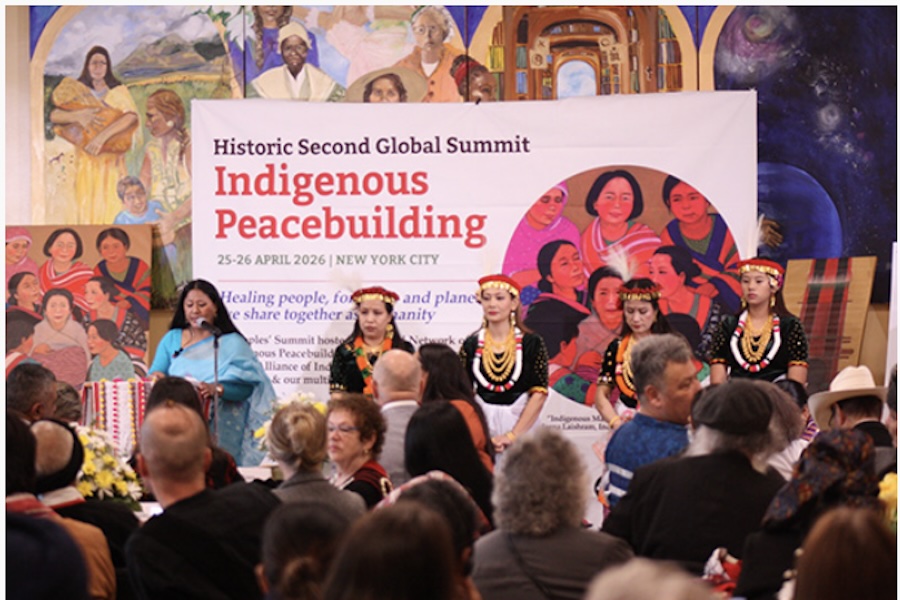
In general, we find leadership from women and from youth. Women have always been in the leadership for peace. Youth, especially from the Global South, are the hope for the future. This is the first generation in history that is in contact with the entire world by social media. Thus, It is youth from Brazil, Nigeria and Pakistan who are in the leadership of the Peace Manifesto for social media.
The second major conclusion of my History of the Culture of War is that the control of information has become the most important weapon of the culture of war. Indeed, the commercial mass media is filled with war stories while ignoring news of those who work for peace.
Hence, the work of CPNN is of special importance as we disseminate the news of the culture of peace. It is here that you can find the leadership we need.
|
TOLERANCE & SOLIDARITY |
EDUCATION FOR PEACE |
FREE FLOW OF INFORMATION |
DISARMAMENT & SECURITY |