Category Archives: Africa

Burkina Faso: The 5th edition of the “Ambassadors of Peace Awards” will take place on August 1, 2025, with a series of activities

. DEMOCRATIC PARTICIPATION .

An article from Le Faso (translation by CPNN)

The 5th edition of the “Ambassadors of Peace Awards” (APA), an event aimed at recognizing individuals and organizations working to promote peace, patriotism, and social cohesion in Burkina Faso, will be held on August 1, 2025, in Ouagadougou, under the theme: “5 Years of the APA: What’s the Record?” For this edition, in addition to the awards ceremony, activities aimed at supporting national initiatives are planned.

This was announced by the leaders of the Movement for the Culture of Peace and Love of the Fatherland (MPAP), sponsor of the APA, on Tuesday, July 8, 2025, in Ouagadougou, during a press conference dedicated to the event.

The SIAO’s “Soleil Levant” pavilion has been selected for the awards ceremony, on August 1, 2025, starting at 8 p.m. The event will also be broadcast live on Burkina Faso’s national television.

This edition will therefore provide an opportunity to take stock of the APA’s five years of existence, through an assessment of the actions undertaken, the successes achieved, and the challenges to be addressed to improve future editions. It will also, the speakers continued, reaffirm the commitment to working for a peaceful future, a future where love of country and respect for civic values will always guide actions.

For this fifth edition, organizers have planned several activities spread over several days. Starting on July 31st, a panel will be held to review past editions and explore future prospects. “It will also be a time for exchanges between stakeholders involved in peacebuilding, to share their experiences, and analyze the impact of the various themes addressed in previous editions. This event will be a moment of celebration, but also of collective reflection, as it will allow us to lay the foundations for a shared vision for peace and sustainable development in our country,” reads the opening statement read by the president of the organizing committee, Paul-Marie Zoma, who is also vice-president of the MPAP.

The panel will also bring together institutional stakeholders, winners from previous editions, peace specialists, technical partners, and others. The evening will feature the presentation of trophies and certificates. It will also serve as a framework for launching a call for contributions to create a fundraising campaign for the “Faso Mêbo” presidential initiative.

(article continued in right column)

(Click here for the original article in French.)

Question for this article:

The new military governments in Africa: Are they promoting a culture of peace?

(article continued from left column)

“For participation in the Gala, a contribution of 25,000 FCFA per person or 250,000 FCFA for a full table of 10 is requested. An evening for partners and peace ambassadors will be held on August 2nd, starting at 6 p.m. Prior to all these activities, the MPAP plans to visit the headquarters of the Faso Mêbo Presidential Initiative to salute and encourage all those involved in the success and completion of this initiative,” the speakers explained, adding that the partners will also welcome the participation of the winners of all the APA awards.

The awards are organized into trophy categories. The “Grand APA” (Grand APA) recognizes an individual or legal entity who has invested in promoting peace, social cohesion, and community life, and who has had a significant impact on their community through peacebuilding, community building, and social initiatives (e.g., caring for vulnerable people). The second category is the “APA for Patriotism,” which recognizes an individual or legal entity who, through their daily actions, demonstrates a commitment to their country, demonstrated by a desire to defend and promote it through actions in this regard.

The “APA for Leadership” recognizes an individual or legal entity who has a positive influence on their community. The “APA for Commitment to Social Cohesion and Community Life” recognizes an individual or legal entity who is committed to promoting social cohesion and community life through concrete actions and initiatives in their community.

The “APA for Integration,” which recognizes an individual or legal entity, an expatriate residing in Burkina Faso and carrying out actions and activities promoting peace, social cohesion, and harmonious coexistence. This individual is well integrated and contributes to development efforts in their host country, Burkina Faso. They also promote political and socio-cultural integration initiatives.

The “APA of the AES,” which recognizes an individual or legal entity from the AES region (Mali-Burkina-Niger) who is committed to promoting peace, social cohesion, and harmonious cohesion, and who promotes the principles and values on which the AES (Alliance of Sahel States) is founded.

The “APA of Honor,” which recognizes an individual or legal entity who is committed to promoting peace, social cohesion, and harmonious cohesion, and who supports the actions of the MPAP.

In addition to these distinctions, certificates of recognition will be presented to stakeholders and institutions to recognize their ongoing commitment and support for peace-promoting efforts in Burkina Faso, they announced.

The 5th edition of the Ambassadors of Peace Awards is under the patronage of His Majesty Bifaté II, head of the canton of Gaoua and the co-sponsorship of the President and CEO of Sofao Groupe SARL, Hamadé Ouédraogo, also President of the Regional Council of Employers of the Center; of the President and CEO of the Fortuna group, Roch Donation Nagalo, 5th Vice-President in charge of professional and umbrella organizations of the Chamber of Commerce and Industry of Burkina Faso (CCI-BF) and of the President and CEO of Socodifa International, Abdoul Fatao Ouédraogo.

– – – – – –

If you wish to make a comment on this article, you may write to coordinator@cpnn-world.org with the title “Comment on (name of article)” and we will put your comment on line. Because of the flood of spam, we have discontinued the direct application of comments.
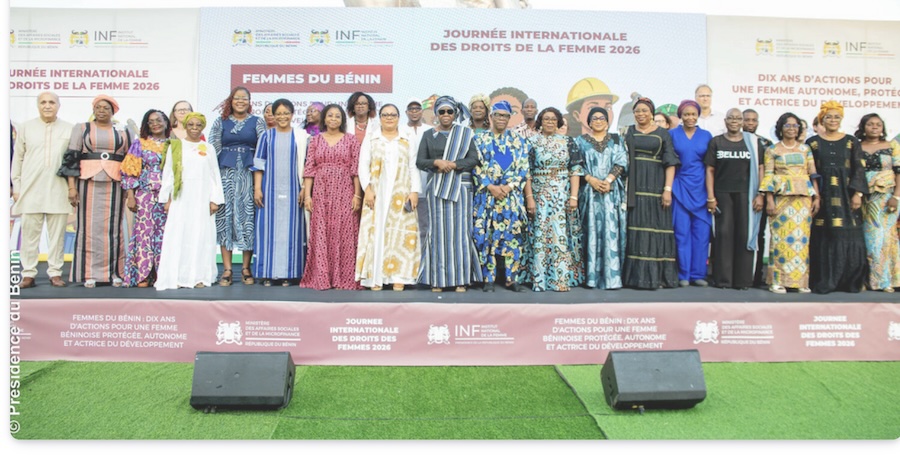
Niger: Agadez Mobilizes Its Traditional Chiefs for Peace

. DEMOCRATIC PARTICIPATION .

An article from Journal du Niger (translation by CPNN)

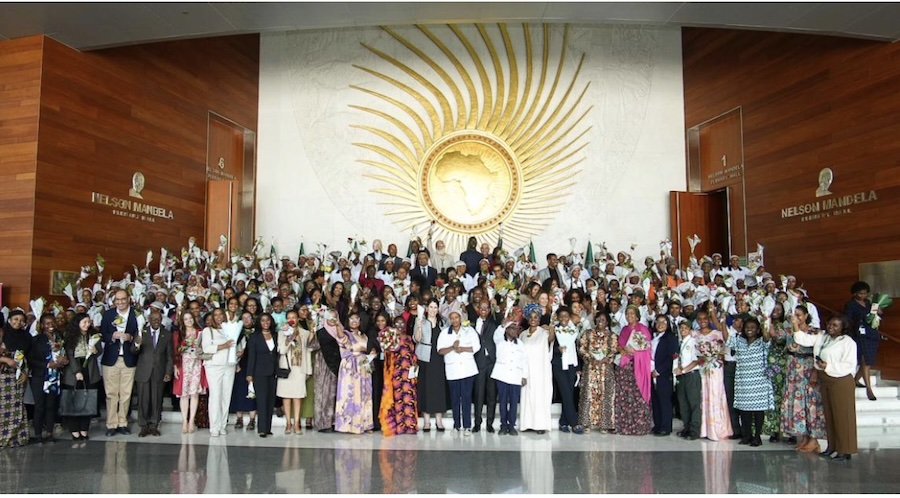
In the vibrant amphitheater of the Maison des Jeunes et de la Culture in Agadez, a major initiative was launched on Thursday, July 10, 2025. Under the chairmanship of Major General Ibra Boulama Issa, Governor of the region, a strategic workshop on the role of traditional leaders in promoting peace, security, and social cohesion was launched with a flourish. Bringing together traditional leaders, prefects, municipal administrators, and prominent figures such as the Sultan of Aïr, His Highness Oumarou Ibrahim Oumarou, this meeting marked a turning point in the mobilization of traditional authorities to build a more united and resilient Niger.

Agadez: Traditional Chiefs, Pillars of Peace and Stability in Niger

Before an audience of dignitaries, including the President of the Regional Office of the Association of Traditional Chiefs of Niger, General Boulama Issa set the tone for a day marked by collective commitment. Indeed, this workshop, initiated by the governorate, aims to equip the traditional chiefs of Agadez with the tools they need to play a central role in fostering a culture of peace, strengthening security, social cohesion, and non-violent conflict management. In a region facing complex challenges—insecurity, community tensions, and illicit activities such as gold mining—this training embodies a bold ambition: to make traditional leaders key players in the rebuilding of the Republic.

Moreover, the governor, in a speech imbued with conviction, emphasized the importance of these traditional figures in the fabric of Niger’s society. “You are the guardians of our values, the relays of our communities. “Your role is essential in promoting peace and supporting the authorities’ efforts in a context where cohesion is our greatest strength,” he said, according to participants. This vision places traditional leaders at the heart of a strategy aimed at anchoring local governance in the region’s cultural and social realities.

(article continued in right column)

(Click here for the original article in French.)

Question for this article:

Can a culture of peace be achieved in Africa through local indigenous training and participation?

The new military governments in Africa: Are they promoting a culture of peace?

(article continued from left column)

Strategic Training: When Ancestral Wisdom Meets Modern Challenges

The workshop, designed as a space for exchange and training, addressed crucial themes. Participants explored strategies to prevent intercommunity conflicts, encourage collaboration with the Defense and Security Forces, and promote dialogue as an alternative to violence. In a region like Agadez, a strategic crossroads in the Sahel, where tensions related to migration, banditry, and armed groups remain prevalent, these skills are vital.

The presence of the Sultan of Aïr, a respected figure and symbol of traditional authority, lent particular legitimacy to the event. Alongside departmental prefects and municipal delegated administrators, he embodied the union between tradition and modernity, an essential balance for meeting contemporary challenges. The discussions also highlighted the role of traditional leaders in intelligence gathering and community outreach, strengthening their position as a bridge between citizens and institutions.

Agadez: A Regional Response to Security and Cohesion Challenges

This workshop is part of a series of initiatives undertaken by the governorate to consolidate stability in Agadez. Following the meeting in Injitan on July 9, where General Boulama Issa engaged with the Ihagaran community on similar issues, this training broadens the scope of regional engagement. By equipping traditional leaders with new skills, the authorities aim to create a network of leaders capable of defusing tensions and promoting harmonious coexistence in a context marked by security and social challenges. Participants also addressed practical issues, such as limited access to communications networks in some rural areas, which hinders coordinated peace efforts. In response, the governor promised to explore solutions to strengthen digital infrastructure, which is essential for security and development.

Niger’s Future: A Country United by Traditional Wisdom and Modern Commitment

In short, the Agadez workshop resonates as a call to unity and action. By placing traditional leaders at the heart of national reconstruction, General Boulama Issa and his team are sending a powerful message: peace and social cohesion are everyone’s business. In a region where tradition is a driving force, this event marks a decisive step in transforming challenges into opportunities.

The echoes of the MJC now resonate throughout Agadez. Newly equipped, traditional leaders are preparing to become the architects of a more peaceful Niger. With the support of the Sultan of Aïr and regional authorities, they also embody the hope of a society where ancestral wisdom and modern commitment converge to build a stable and prosperous future.

– – – – – –

If you wish to make a comment on this article, you may write to coordinator@cpnn-world.org with the title “Comment on (name of article)” and we will put your comment on line. Because of the flood of spam, we have discontinued the direct application of comments.
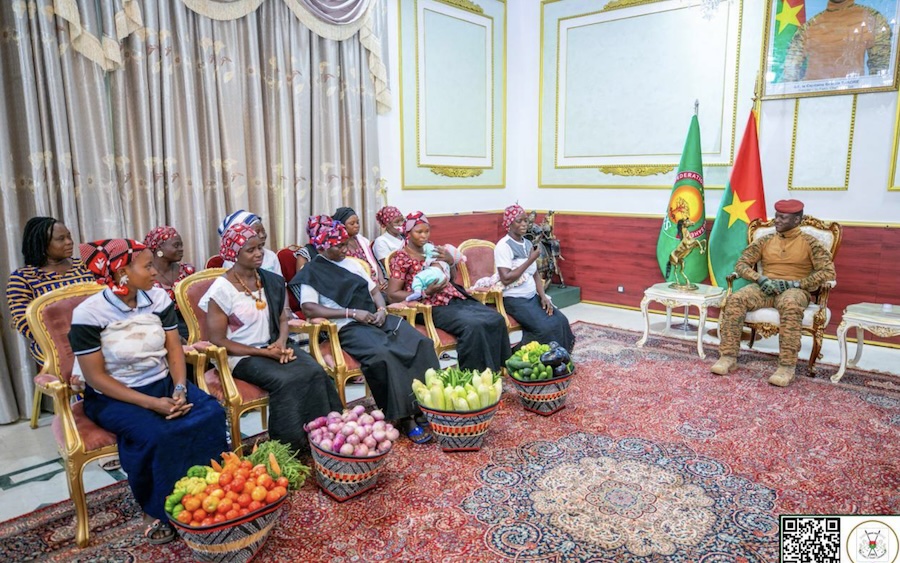
Teaching Peace: Nurturing Young Peacemakers in Ghana through Education

… EDUCATION FOR PEACE …

An article by Mohammed Ibrahim from Peace News

In a region where ethnic and religious diversity sometimes fuels tension, Ghana stands out as one of West Africa’s most peaceful nations. This reputation, however, cannot be taken for granted. 

In September 2024, Ghana experienced incidents of violence over upcoming elections. Other countries in the region such as Mali and Guinea have dealt with ethnic and religious violence in recent decades, including violence committed by youth. 

But efforts are being made to sustain harmony, particularly through peace education in schools. Peace education and sensitization programs aim to empower students as peace ambassadors. Schools across the Ashanti and Central Regions of Ghana are teaching peace education, where students learn conflict resolution skills, social justice principles, and the value of peaceful coexistence. 


Students of St Paul’s Catholic Basic School being taught a peace education lesson, photo by CRPC.

“Ghana is a diverse country with different tribes and religions. Despite this, we have remained peaceful,” said Dr. Charles Ohene-Amoh, the Regional Executive Secretary of the Central Regional Peace Council (CRPC) of Ghana’s National Peace Council  (NPC).  “To sustain this, we must instill the culture of peace in our young people,” he told Peace News Network (PNN). 

Promoting Peaceful Coexistence in Diversity

In January 2025, the CRPC collaborated with St Paul’s Catholic Basic School to educate students on peacebuilding, which is crucial for the country’s future stability.

The initiative was a peace education sensitization program themed “Peaceful Coexistence in Diversity.” The program focused on: strengthening students’ understanding of peaceful coexistence, reducing classroom conflicts and bullying, promoting peer mediation, and conflict resolution. Dr. Ohene-Amoh emphasized the need for peace education in schools. 

“We believe that one of the most effective ways to prevent conflicts is to educate the youth on how to live in harmony… Schools provide the perfect setting because students are already gathered in large numbers, making it easy to reach them,” he said.

He highlighted that schools reflect the country’s diversity, with students from various ethnic, religious, and cultural backgrounds. The program teaches them to embrace differences rather than allow them to become sources of conflict.

“When we visit schools, we see Muslims, Christians, and traditionalists learning together. We teach them to appreciate their diversity and to coexist peacefully. The results have been encouraging.”

The initiative has already shown positive outcomes. When the CRPC revisits schools where the program has been implemented, they observe noticeable improvements in student interactions. “We see fewer conflicts among students. They have become more tolerant and better at resolving disagreements peacefully,” Dr. Ohene-Amoh added.

Peace Education as a Tool for Conflict Prevention

Beyond promoting peaceful coexistence, the program also prepares students for the future. Many of them may later join law enforcement agencies or other security sectors, where their conduct will be scrutinized.

“We made them understand that their behavior in school could affect their future careers. Many didn’t realize that background checks are conducted before recruitment into security services,” Dr. Oene-Amoh said.

He said that additionally, the program introduced peace classes in schools where students voluntarily learn about conflict resolution and earn certificates for their participation. While attendance is not mandatory, students who participate are encouraged with certificates. This motivates them, Dr. Ohene-Amoh explained, to take peacebuilding seriously and apply these lessons in their communities.

(Continued in right column)

Question for this article:

Where is peace education taking place?

(Continued from left column)

The Ghanaian government has also contributed to maintaining peace in schools by banning demonstrations within educational institutions. This has significantly reduced violence on school premises. “Since the ban, we have not recorded any violent attacks in schools. Combined with peace education, this has created a safer learning environment,” Dr. Ahone-Amoh said.

Youth and Political Manipulation

One major concern in many African nations is the role of youth in political violence. Politicians often exploit young people’s energy and passion, leading them into conflicts. However, with proper peace education, students are less likely to be used as tools for political violence.

“With peace education, the youth will understand the dangers of being manipulated for political purposes. They will think critically before engaging in violent acts,” Dr. Ohene-Amoh stated.

The Challenge of Funding

Despite the program’s success, funding remains a significant challenge. The CRPC struggles to reach all 23 districts in the region due to financial constraints. “We write to organizations for support because our resources are limited. Without adequate funding, it is difficult to reach every student who needs this education,” he said.

“Train a Child, and They Will Not Depart from It”

Barbara Yabom, the CRPC’s Program Manager, described Ghana as one of Africa’s most peaceful countries, largely due to its emphasis on peace education. She cited a biblical proverb, “When you train a child in the right way, they will not depart from it when they grow.”

She emphasized that many young people who engage in violent behavior come from backgrounds where conflict resolution skills were not taught. She said that by training them in peacebuilding early, “we hope to create a generation that values harmony.”

To Yabom, peace education should be a continuous process to instill the values of forgiveness and tolerance. “We have received delegations from countries like Malawi and Ivory Coast who come to learn how Ghana maintains its peace. Peace education is part of our success story.”

She stressed that peace education should not only focus on adults, and noted that it is unfortunate that some people think it should. Yabom added that children are future leaders, and that teaching them these skills now will help them grow up to be responsible citizens who resolve conflicts peacefully.

Calls for Peace Education in the Curriculum

Sam, a senior high school tutor from Aggrey Memorial A.M.E Zion Senior High School Mr Appiah whose school participated in the peace education program, advocated for peace education to be included in the national curriculum, saying that it would help address the “culture of impunity” among students, and reduce their exposure to violent influences from social media.

He noted that many students are unaware of the laws governing juvenile violence. “Some think they can act violently without consequences because they are young. But with education, they will understand that even in school, they must obey the law.”

Appiah believes peace education in schools plays a vital role in shaping students’ moral values. “If we sustain this effort, we will raise a generation of young people who value peace. ”

While challenges such as funding issues persist, the impact of peace education in Ghanaian schools is evident. By instilling values of tolerance, respect, and conflict resolution in students, Ghana is not only securing its present peace, but also building a future where harmony prevails.

As Dr. Ohene-Amoh aptly put it: “Peace is not merely the absence of conflict but the presence of justice and tolerance.”

(Editor’s note: Thank you to Transcend News Service for calling our attention to this article.)

– – – – – –

If you wish to make a comment on this article, you may write to coordinator@cpnn-world.org with the title “Comment on (name of article)” and we will put your comment on line. Because of the flood of spam, we have discontinued the direct application of comments.
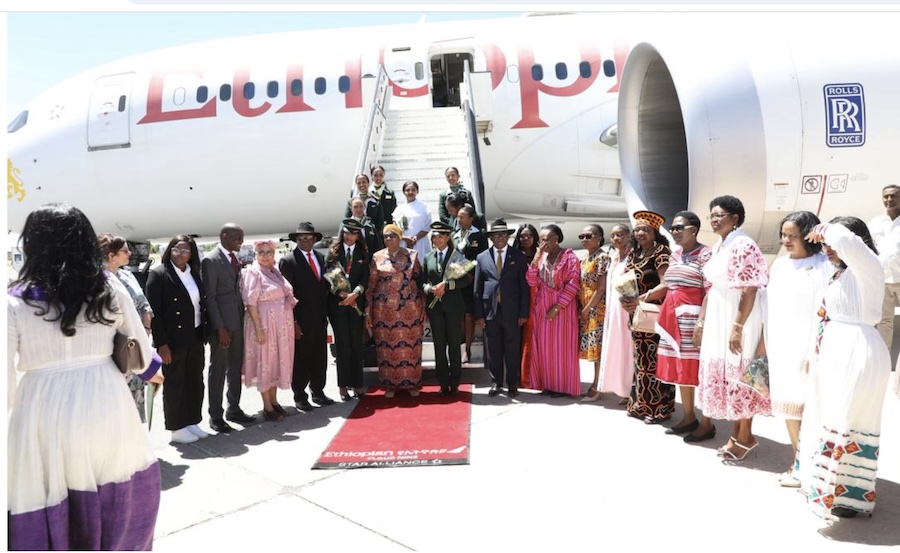
PLANETE: Scouts in Africa and Europe leading change in peace, gender, and sustainability

. TOLERANCE & SOLIDARITY .

An article from the website of World Scouting

The PLANETE project (Acting for Peace, Freedom, Learning, Nature, Equity, Tolerance, and Environment) is empowering over 7,000 Scouts and Guides across five countries and two continents to drive meaningful change in key areas like gender equality, education for peace and climate change education. 

Led by the Scouts and Guides of France, in partnership with the Scouts of Lebanon, the Association of Guides of Lebanon, the Rwanda Scouts Association, Rwanda Girl Guides Association, the Tunisian Scouts, and the Association of Catholic Scouts of Côte d’Ivoire, this initiative is aiming to reach more than 11,000 Scouts and Guides from 14 to 25. Together, they are leveraging the educational methods of Scouting and Guiding to promote peace, environmental sustainability, and gender equality.

Through workshops, camps, training sessions, advocacy campaigns, and other activities, participants are becoming powerful ambassadors for positive change within their communities. These Scouts and Guides are engaging in citizen mobilisation, partnering with local authorities to advance sustainable, equitable, and fair societies. Funded by l’Agence française de développement (French Development Agency), the project provides young people with the tools and skills necessary to create a brighter future.

(continued in right column)

Question related to this article:
 
Are we seeing the dawn of a global youth movement?

(continued from left column)

A key milestone of the PLANETE project occurred in August 2024, when Scouts and Guides from across the globe gathered in Rwanda for an international camp. Held from 25 to 31 August, the event focused on the pivotal role Scouting plays in fostering peace and tolerance. Drawing inspiration from Rwanda’s history of resilience and recovery, participants engaged in discussions and activities centred on intercultural understanding and reconciliation. These shared experiences reinforced the importance of dialogue and cooperation in the quest for a more peaceful world.

The PLANETE project also places a strong emphasis on environmental action. In France, Scouts participated in an ecological camp in Brittany in July 2024, focusing on biodiversity conservation and sustainable living. With no access to electricity and fully immersed in nature, Scouts participated in practical activities such as waste collection, vegetation maintenance, and raising awareness in local communities. 

Similar environmental initiatives are taking place in other participating countries, with Scouts leading efforts to protect natural environments and advocate for sustainability.

Looking ahead, the project will maintain its focus on environmental sustainability, peace, and gender equality through various initiatives. In 2025, several ecological camps will be organised across the five participating countries, where young participants will tackle critical issues such as climate change, conservation, and ecological transition. Additionally, from August 9 to 15, an international camp on interfaith dialogue will take place in Tunisia, bringing together seven delegations from partner organisations. This activity will empower participants to become ambassadors of peace and take initiative in their communities.

Creating a more inclusive, peaceful, and sustainable world begins with education, community engagement, and international collaboration. The PLANETE project is igniting a global movement of young leaders, with Scouts and Guides turning their ideals into tangible actions that inspire lasting change.

– – – – – –

If you wish to make a comment on this article, you may write to coordinator@cpnn-world.org with the title “Comment on (name of article)” and we will put your comment on line. Because of the flood of spam, we have discontinued the direct application of comments.

International Women’s Day: Africa and Asia

. WOMEN’S EQUALITY . .

A press survey by CPNN

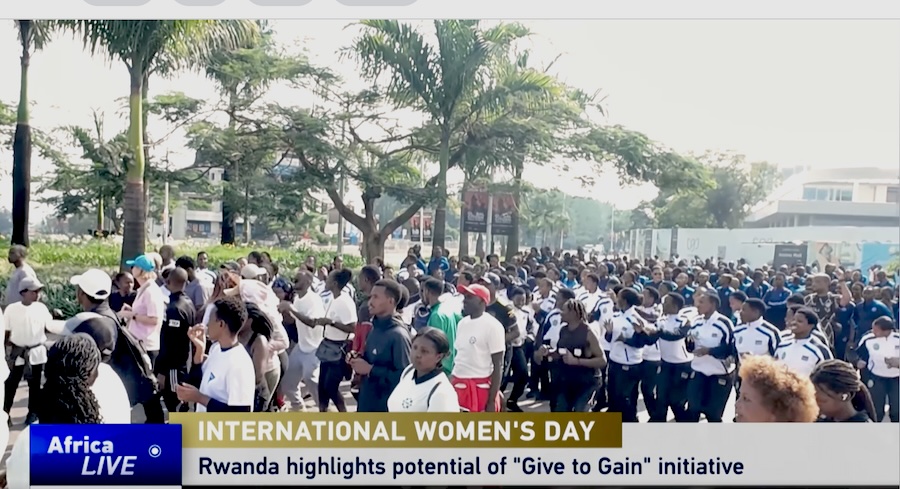
Here are the photos from Africa and Asia.

BANGLADESH, SYLHET

Ethnic Community Development Organization (ECDO) observed International Women’s Day 2025 at the Hiluachhara Tea Garden.

CHINA

China Celebrates International Women’s Day with Cultural & Career Events | AG15 (YouTube)

INDONESIA, BANDUNG
“We can be killed just because we are women. Indonesia must eliminate femicide” (Antarafoto)

INDONESIA, JAKARTA
“Provide fair maternity and menstrual leave rights without discrimination” (Antarafoto)

JAPAN, TOKYO

Happy International Women’s Day from Tokyo! (TikTok)

NIGERIA, ABUJA

On 7 March 2025, the WHO Nigeria offices buzzed with energy as staff joined the global celebration of International Women’s Day: “commitment to gender equality and empowerment as essential drivers of health for all.”

NIGERIA, LAGOS

In the Nigerian capital of Lagos, thousands of women gathered at the Mobolaji Johnson stadium, dancing and signing and celebrating their womanhood. Many were dressed in purple, the traditional color of the women’s liberation movement. Photograph: Sunday Alamba/AP. (The Guardian)

Question related to this article:
 
Prospects for progress in women’s equality, what are the short and long term prospects?

PAKISTAN, ISLAMABAD

Women participate in an Aurat March held to mark International Women’s Day in Islamabad, Pakistan, Mar. 8, 2025. EFE/EPA/SOHAIL SHAHZAD 78595. (EFE)

PAKISTAN, LAHORE

Supporters of a religious party ‘Jamaat-e-Islami’ gather in support of women of Gaza, marking International Women’s Day, in Lahore, Pakistan, Saturday, March 8, 2025. (AP Photo/K.M Chaudary) (Associated Press News)

PHILIPPINES, MANILA

Members of women’s rights group, ‘Gabriela’, perform to mark International Women’s Day in Manila, Philippines, Mar. 8, 2025. EFE/EPA/FRANCIS R. MALASIG. (EFE)

SRI LANKA

he 84-year-old Sri Lanka Federation of University Women, under its President Colonel Dr Udula Krishnaratne, ably supported by her team – celebrated International Women’s Day. The programme was intended to promote education for girls from the primary to the tertiary levels, provide better sustenance to needy families and ease economic hardship, and help improve the overall health of women and girls. (Sunday Times)

THAILAND, BANGKOK

Under the theme “For ALL Women and Girls: Rights, Equality, Empowerment,” the spotlight was on youth at the International Women’s Day 2025 celebration in Bangkok. (UN Women)

VIETNAM, HANOI

International Women’s Day parade in Hanoi, Vietnam. (YouTube)

Letter from Mali: a plea for peace

DISARMAMENT & SECURITY .

CPNN has received the following copy of a letter coming from Mali for the UN Secretary-General. It provides details for the report from Human Rights Watch about Mali government and mercenary atrocities committed on innocent civilians. (translation by CPNN)

In publishing this letter, we hope that it will be read by some in the military government of Mali, and that they will follow the example of the military governments in neighboring Burkina Faso and Niger and turn to dialogue instead of military force to deal with the conflicts in their country. The rationale for dialogue is explained clearly by General Djibril Bassole.


The rational for dialogue explained by General Djibril Bassole

Open letter to the Secretary of the United Nations, New York, United States of America`

I will go straight to the facts to save time that seems to be lacking for the leaders of a world that is losing all its bearings.

On the day of January 2, 2025, a Toyota brand pickup going from Niono (Mali) to Mberra (Malian refugee camp in Mauritania) with a dozen civilians on board, the majority of whom were women and children, disappeared on a national road frequented by the Malian army and its Wagner auxiliaries. For a whole night and a day, the parents of the missing searched in vain for news.

The macabre discovery of their charred bodies hastily buried under branches and stones marked the beginning of an unprecedented tragedy since the FAMA and Wagner’s assassins have been spreading terror throughout northern Mali from Abeibara (Kidal region) in the East to the Mauritanian border in the West.

The vehicle was diverted from its route, time taken to identify the travelers and then to execute them summarily after raping the women, one of whom was pregnant for almost 6 months. The bodies were found between the town of Fatissouyou and Dioura in central Mali.

(article continued in right column)

(Click here for the original article in French.)

Question for this article:

Islamic extremism, how should it be opposed?

The new military governments in Africa: Are they promoting a culture of peace?

(article continued from left column)

This is indeed the signature of the Malian junta’s thugs and their fellow Wagner assassins, unlike the jihadists operating in Mali, who never kidnap children and women, let alone execute them. Mr. SG, it is high time that the institution you lead breaks its deafening silence on the tragedy and daily dramas experienced by the populations (Tuaregs, Moors and Fulani) in these areas including on the Mauritanian border, including Mauritanians since 2022.

The Tuaregs who were assassinated are neither terrorists, nor drug traffickers, nor rebels. The young humanitarian who was assassinated with his son (2.8 months) is the first cousin of the illustrious general leader of the Kel Ansar affiliated with Mali and the greatest defender of the Malian army and the putschist Goita. His wife carrying her second son in her womb is the daughter of a colonel major of the Malian gendarmerie well-known by the Malian military and security establishment.

One of the young people assassinated is the son of an important customs officer, an early companion of the putschists. The 10 people murdered belong to the Kel Ansar group or are affiliated with it. This is of course a targeting not only of the Tuareg but also of the Kel Ansar, a tribe that has always served the Malian state, that has never rebelled and has always refused to succumb to the sirens of fundamentalism. This brand of patriotism has never ceased to worry and to appear suspect in the eyes of the Malian state since its independence.

What is happening in Mali, in particular, in the north and center, amounts to genocide and a crime against humanity. Is human life in Gaza or Ukraine more valuable, more precious than that in Azawad, in Macina and on the Mauritanian border? Is it only people who are victims of Israel or Putin who have the right to speak out and denounce the highest authority of the international community? Can we not speak and comfort the weak not only in Palestine or Ukraine but around the World?

Mali is not a respectable State, it is condemnable. Please have the courage to condemn it and consider bringing it before the international courts that the United Nations have set up.

Mali is a failed and criminal State but it continues to receive support and backing from several Western countries. In the absence of sanctions and the removal of support, the peoples and communities who are suffering the hell of the felonious colonels in power in Bamako, can only consider all this support as complicity.

Stop the madness of a handful of felonious colonels and their relays, before the worst happens in the Sahelian sub-region. Mr. SG, it would soon be a question of threat to international peace and security (Chapter 7 UN statement).

You should forgive me, between shock and tragedy, I do not have the heart for polite expressions, which does not mean that I do not have the greatest regard for you and your title.

– – – – – –

If you wish to make a comment on this article, you may write to coordinator@cpnn-world.org with the title “Comment on (name of article)” and we will put your comment on line. Because of the flood of spam, we have discontinued the direct application of comments.
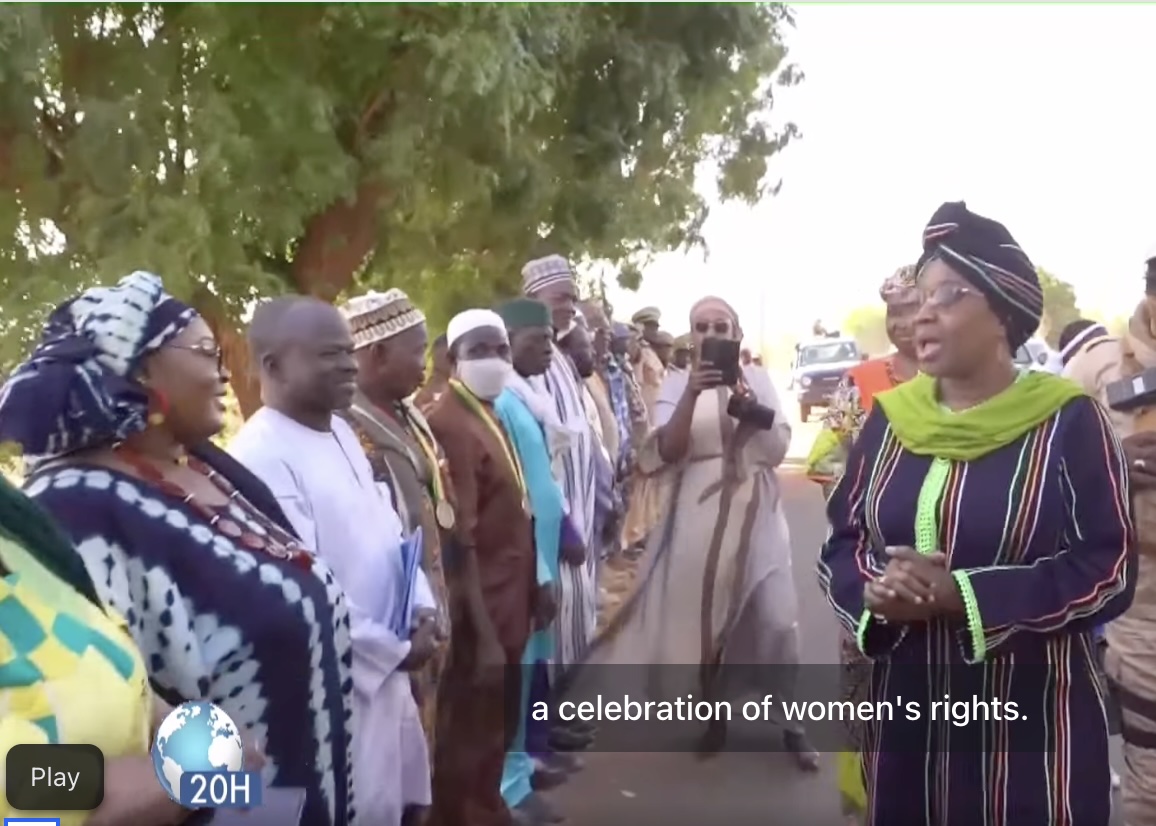
Democratic Republic of Congo: At least 450 orphaned children initiated into the culture of peace and peaceful living together in Bogoro

. EDUCATION FOR PEACE .

An article from Radio Okapi

About 450 orphaned children from four tribal communities in Ituri are being initiated into the culture of peace and peaceful living together, as part of a two-day retreat, organized since Monday, December 30 by the NGO Bacone Of Hope in Bogoro.

According to the coordinator of this NGO, Arali Bagamba, the objective of this activity is to combat tribal hatred which is often at the origin of cycles of violence in this province.

These orphaned children from Lendu, Bindi, Hema and Bira communities came from localities such as Kavelega, Kotoni, Bogoro, Lakpa accompanied by notables and religious leaders from their respective entities.

They learn about living together, the culture of peace and non-violence.

During these two days of retreat, they eat, play and sleep together to strengthen the feeling of brotherhood despite their cultural differences.

(Article continued in right column)

(Click here for the original version in French

Questions related to this article:
 
What is the best way to teach peace to children?

Can a culture of peace be achieved in Africa through local indigenous training and participation?

Can you add to this analysis of the Democratic Republic of the Congo?

(Article continued from left column)

For the coordinator of the NGO Bacone Of Hope, this training will break the tribal hatred transmitted from one generation to another, which is at the origin of the cycles of violence in Ituri.

Other meetings on the culture of peace and peaceful cohabitation involving young people and students from these different communities were organized a few months ago by this same organization.

Read also on radiookapi.net:

Djugu : 7 communautés ethniques s’engagent à mettre fin à leurs différends pour promouvoir la paix

L’Eglise du Christ au Congo appelle la population à s’investir pour la paix en Ituri

– – – – – –

If you wish to make a comment on this article, you may write to coordinator@cpnn-world.org with the title “Comment on (name of article)” and we will put your comment on line. Because of the flood of spam, we have discontinued the direct application of comments.
Diffa, Niger: The COSNA/CNSP regional coordination organizes a cultural evening to support youth for peace and social cohesion

. TOLERANCE & SOLIDARITY .

An article from aNiamey (translation by CPNN)

The Maison des Jeunes et de la Culture (MJC) Madou Manama in Diffa served as the setting, on Wednesday, December 31, 2024, for a cultural evening organized by the Diffa Regional Coordination of the Convergence for National Sovereignty (COSNA/CNSP).

This evening, placed under the theme “Supporting youth to work with defense and security forces in the cultural framework and raising awareness of the role of youth in maintaining peace and social cohesion”, attracted a large crowd of young people, who came to celebrate the commitment of youth in preserving peace and social harmony in the region.


© Other press by DR

The opening ceremony was chaired by Mr. Mamoudou Hama, Prefect of the Diffa department, in the presence of the Secretary General of the urban commune of Diffa Mr. Mahamadou Seydou. They welcomed this initiative which aims to strengthen the role of youth in building a united and peaceful society.

(Click here for the original article in French.)

(continued in right column)

Question related to this article:
 
Youth initiatives for a culture of peace, How can we ensure they get the attention and funding they deserve?

The new military governments in Africa: Are they promoting a culture of peace?

(continued from left column)

The Prefect stressed the importance of supporting the defense and security forces in their fight against threats to peace, while emphasizing the need for strong social cohesion between the different communities in the region.

Finally, Prefect Mamoudou Hama stressed the role of youth in maintaining order and stability, while encouraging active engagement in promoting the culture of peace and solidarity.

For his part, the regional coordinator COSNA/CNSP of Diffa, Mr. Ousmane Gra, highlighted in his speech the importance of the commitment of young people in securing the region and their crucial role in raising awareness of peace issues.

It should be noted that the event was marked by performances by local artists, mixing traditional and modern music, illustrating the cultural diversity of Diffa.

Among the highlights of the evening, there was also a parade of traditional outfits from the different communities of the region, which highlighted the colorful costumes and traditions of the Kanouri, Peulhs, Toubou, Boudouma and Arabs. This parade was a true testimony of unity in diversity, highlighting the importance of peaceful coexistence.

This evening was a real success, having brought young people together around a common goal: to strengthen peace and social cohesion in Diffa. It also served as a reminder of the importance of cultural commitment in building a united and supportive society.

– – – – – –

If you wish to make a comment on this article, you may write to coordinator@cpnn-world.org with the title “Comment on United Nations Alliance of Civilizations” and we will put your comment on line. Because of the flood of spam, we have discontinued the direct application of comments.
Burkina Faso: Living together: Traditional and religious leaders speak to their communities

. DEMOCRATIC PARTICIPATION .

An article by Romuald Dofini in Lefaso.net

The Peulh community of Bobo-Dioulasso organized a day to promote culture, peace and social cohesion in Burkina Faso on Sunday, December 22, 2024 in the city of Sya. The theme of this day was: “For good living together in Faso: Traditional and religious leaders from Western Burkina speak to their communities”. During this day, which brought together several social groups, commitments and resolutions were made by the actors to promote social cohesion by giving priority to dialogue in conflict resolution.


Traditional and religious leaders commit to promoting peace and social cohesion

It was with an open heart that traditional and religious leaders spoke to their communities on Sunday, December 22, 2024 in Bobo-Dioulasso. According to them, it was more than necessary to organize this day in view of the situation that the country has been going through for several years. Indeed, the security situation in Burkina Faso has led to dysfunction at all levels, causing in certain areas a disintegration of all segments of the social fabric.

For traditional and religious leaders, this security crisis has also generated conflicts within the populations and led to mistrust between individuals and between communities. For them, the fight led by the defense and security forces against terrorists is commendable, but they believe that for lasting peace, it would be necessary to “re-sew” the social fabric, in order to improve social cohesion, prevent and manage disputes between communities. For this, the establishment and promotion of spaces for dialogue have proven necessary. It is therefore aware of this erosion of the social fabric caused by the security crisis and the role of customary and religious leaders in social mobilization that the Peulh customary chiefdom of Bobo-Dioulasso initiated this day to promote the culture of peace and social cohesion.

The objective of this day was to promote social cohesion in Burkina and particularly in the Grand-Ouest of Burkina. This activity brought together about sixty traditional and religious leaders from the Grand-Ouest of Burkina, citizen watch organizations, women’s organizations as well as the population of Sya, the majority of whom are Peulhs. According to the Peulh chief of Bobo-Dioulasso, Issiaka Sidibé, this day aims to recreate harmony and symbiosis between communities, to invite populations to talk to each other, to accept each other, to forgive each other and to create the conditions for the return of peace in the region and in Burkina Faso.

“It was a duty for us to organize this day because we really want to help the authorities finish their mission to reconquer the territory. We see that they have done a lot, which is why we want to make our contribution through actions. We want to tell our FDS [Force for Defense and Security] and VDP [Volunteers for Defense of the Homemand] that we are with them in heart because it is thanks to them that we live here. This meeting with the customary and religious leaders of the Grand-Ouest is to help ourselves first,” he explained.

During this activity, the traditional and religious leaders were informed about their roles in social mobilization and conflict resolution within their communities; commitments were also made by actors to promote social cohesion, by favoring dialogue in conflict resolution. From the delegation of women, the message conveyed to the community was the same. All the delegations promoted understanding, forgiveness, peace and social cohesion. Furthermore, a message of awareness, support and collaboration between the FDS and the population was conveyed for greater efficiency in the fight against terrorism.

(article continued in right column)

(Click here for the original article in French.)

Question for this article:

Islamic extremism, how should it be opposed?

The new military governments in Africa: Are they promoting a culture of peace?

(article continued from left column)

The strong mobilization of all actors leaves the Fulani leader of Bobo-Dioulasso with a feeling of joy and satisfaction. According to him, this mobilization demonstrates their commitment to the culture of peace and cohesion in Burkina Faso. “We are happy and satisfied because the message has been received and all the communities have understood it,” he rejoiced.


Battalion Chief Lassané Porgo, Commander of the Second Military Region of Burkina, welcomes the initiative of the activity

The initiative is welcomed by the military and administrative authorities

The day was attended by Battalion Chief Lassané Porgo, Commander of the Second Military Region of Burkina. In his speech, he did not fail to welcome the initiative of the activity. He believes that the population is finishing the work of the defense and security forces because for him, this war is almost over. “Beyond the room which is full, all the communities, all the points of view, came to give a message and that makes us happy. We are committed to serving the population, to serving Burkina Faso; so as long as this population does not have peace, does not have tranquility, it is our duty not to sleep. And we are not going to sleep until it is over,” he insisted.

Before continuing: “If religious and customary leaders speak to their communities and everyone in their family listens to the big brother or the elder, who listens to the chief and who knows his place, we will end this crisis right away and now. The problem is that we no longer respect the elder. We respect money or the one who has money more than the elder in the family and that must change.” This is why he asked everyone to be sincere, honest and upright and above all to love their neighbor. Battalion Chief Lassané Porgo affirmed that if all the messages passed in the room are sincere, Burkina Faso will soon end this security crisis.

This activity was chaired by the governor of the region, represented by the secretary general of the Hauts-Bassins region, Abraham Somdo. On behalf of the governor, he also welcomed the initiative of this day. “This activity is welcome because it is in line with the government’s priorities. Obviously, the priority that is worth it is the reconquest of the national territory, but in addition to reconquering the territory, we must have activities that allow us to sew the social fabric that has been torn apart by war and conflicts,” he said.

He did not fail to pay tribute to the fighters who watch over the well-being of the civilian population. For him, this day will help strengthen collaboration between the FDS and the population. He stressed that “the FDS create the conditions for the return of peace and it is up to the customary and religious leaders to work to consolidate this peace, to strengthen social cohesion through messages that advocate living together.” The governor’s representative invited the daughters and sons of the region to listen to the community leaders. To these community leaders, he asks them to march resolutely to the rhythm set by the country’s authorities because it is, he said, about building a strong nation, a nation where the daughters and sons speak with one voice, look in the same direction.
– – – – – –

If you wish to make a comment on this article, you may write to coordinator@cpnn-world.org with the title “Comment on (name of article)” and we will put your comment on line. Because of the flood of spam, we have discontinued the direct application of comments.
UN-Tourism Candidate is Placing Tourism at the Heart of Peace and Reconciliation

. . SUSTAINABLE DEVELOPMENT . .

An article from eTurboNews

Mouhamed Faouzou Deme from Senegal has made headlines in Africa, wanting to become Africa’s choice in the upcoming UN Tourism election for Secretary-General.

He is the only one of the four competing candidates for the highest UNWTO post who provided feedback to eTurboNews on the role of tourism for peace. Once Secretary-General Zurab took his helm in 2018, UNWTO’s long-year relationship with the International Institute for Peace of Tourism was eliminated, forcing IIPT chairman Louis D’Amore to cancel his carefully planned summit in Montreal. IIPT never fully recovered from this disappointment after this.

Its former Secretary-General, Dr. Taleb Rifai, fostered this unique relationship between UNWTO and IIPT. Mouhamed pledged to reinstate this, should he become Secretary-General, and responded to WTN. He stated:

Tourism stakeholders, professionals, and political actors have continued to recall the importance of placing tourism at the heart of peace and reconciliation programs to enable the sector to mobilize its capacity for action.

This is often in favor of investment, development, and social inclusion.

Adherence to freedom, justice, democracy, tolerance, solidarity, cooperation, pluralism, cultural diversity, dialogue, and understanding promotes peace.

(article continued in right column)

Questions related to this article:
 
How can tourism promote a culture of peace?

(article continued from left column)

Tourism is a vector of peace, respect, openness, and dialogue.

Tourism has the value of peace because it is only built and carried out in an environment of security, stability, and conviviality.

The main idea behind the concept of peace in tourism is that peace exists when people travel freely around the world.

It helps travelers to get to know new people, cultures, and values.

This experience can increase mutual understanding between people who have lived in diverse cultural contexts.

Furthermore, peace tourism aims to reduce the root causes that create situations where violence is perceived as inevitable.

It does not replace other types of tourism practices but rather aims to facilitate their improvement.

Its impact goes far beyond economic benefits. It is interesting to look at tourism as a social force rather than an industry and see how we can use it to establish a culture of peace.

Tourism connects people and the planet. It is a vector of trust and goodwill.

Understanding culture can change behavior and consolidate peace.

Tourism’s role in supporting peace is also reflected in its contribution to the fight against poverty, the preservation of culture, and protecting the environment.
– – – – – –

If you wish to make a comment on this article, you may write to coordinator@cpnn-world.org with the title “Comment on (name of article)” and we will put your comment on line. Because of the flood of spam, we have discontinued the direct application of comments.