All posts by CPNN Coordinator

About CPNN Coordinator

Dr David Adams is the coordinator of the Culture of Peace News Network. He retired in 2001 from UNESCO where he was the Director of the Unit for the International Year for the Culture of Peace, proclaimed for the Year 2000 by the United Nations General Assembly.

English bulletin January 1, 2017

. . . REVIEWING 2016 . . .

Despite the deterioration of national politics as we leave the year 2016, we continue to see progress towards a culture of peace in the areas we have featured each month in our bulletins.

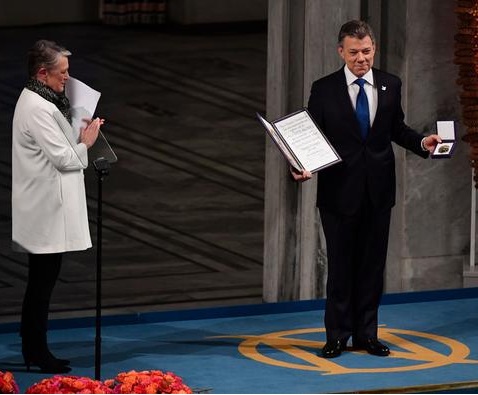
The biggest news in 2016 was the peace agreement in Colombia that ended half a century of civil war. This was featured in our JULY BULLETIN. Last month we featured words from the lecture by Colombian President Santos on receiving the Nobel Peace Prize: “With this agreement, we can say that the American continent – from Alaska to Patagonia – is a land in peace. And we can now ask the bold question: if war can come to an end in one hemisphere, why not one day in both hemispheres? Perhaps more than ever before, we can now dare to imagine a world without war. . . . We must replace the culture of violence with a culture of peace and coexistence; we must change the culture of exclusion into a culture of inclusion and tolerance.”

Of course, the development of a culture of peace requires much more than the end of the civil war. What is required in Colombia is “territorial peace” such as that beginning in the Colombian departments of Magdalena Centro, Cesar, Valle de Cauca and Antioquia, feaured in the DECEMBER BULLETIN. According to the most recent article on territorial peace in Colombia, “what is at issue is to build and / or strengthen a Social and Democratic State at all levels of national life and in all corners of the country. This requires a strong civil society, with high levels of organization and public involvement, that is to say, an active citizenship.”

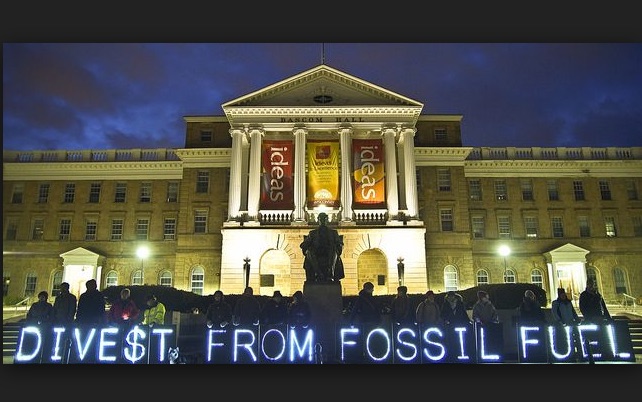
Despite the fact that the countries that took part in the UN conference on the environment failed to address the continued reliance on fossil fuels, as we discussed in the JANUARY BULLETIN, there continues to be progress on other fronts. Increasingly we find that civil society institutions are divesting from the business of fossil fuel, with the last news indicating $5 trillion of divestment. In this regard, Nobel laureates and scientists have called on the Nobel Prize Foundation to set a good example by divesting from fossil fuels. And we found in the NOVEMBER BULLETIN that renewable energy is beginning to overtake fossil fuels, beginning with the generation of electricity. The most recent news in this regard indicates that 47 of the world’s poorest nations have pledged to skip fossil fuels altogether and jump straight to using 100 percent renewable energy instead.

The second international conference on the culture of peace in Africa was hosted in December by Angola. This continues the work for a culture of peace in Africa that we remarked in the BULLETIN OF MARCH, with articles from the African Union as well as Senegal, Tunisia, Cameroon, Morocco, Malia, Ethiopia, Congo, Sierra Leone, the Gambia, South Africa and Chad.

Recently we reported on a meeting between representatives of the Peace Commissions of New Haven (USA) and Santos (Brazil). This continues the progress of cities towards a culture of peace that we covered in the BULLETINS of APRIL and SEPTEMBER, including news from Mayors for Peace, International Cities of Peace and a new network of Nonviolent Cities.

In the OCTOBER BULLETIN, we surveyed activities around the world for the International Day of Peace. We found 182 events in 85 countries from every region: USA/Canada, Latin America/Caribbean, Western Europe, Africa, Arab States, Russia/Ukraine, and Asia/Pacific. The largest number of events involved children, especially schoolchildren. The celebration was especially intense in some of most conflictual regions of the world, such as the Ukraine, Kashmir/India/Pakistan, and Colombia/Venezuela. And to this list we added the United States.

In the JUNE BULLETIN, we considered proposals to reform the United Nations. One of the proposals was reform of the process to choose the Secretary-General and to increase the leadership of women. Recently, the new Secretary-General, António Guterres, was elected by a process with increased transparency, and he is appointing a number of women to high posts.

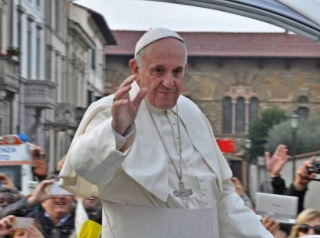
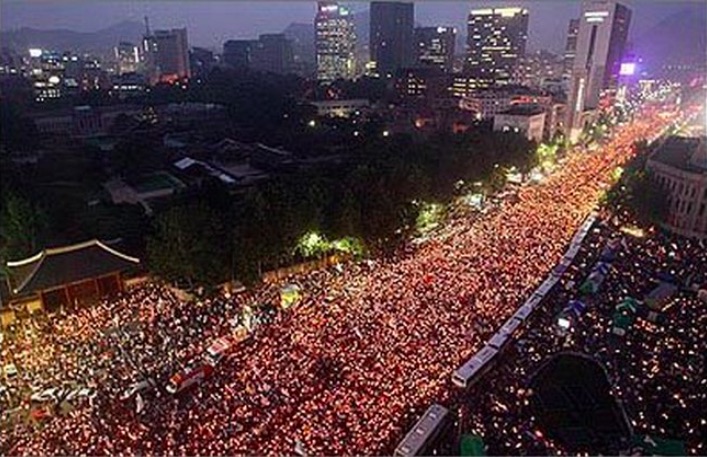
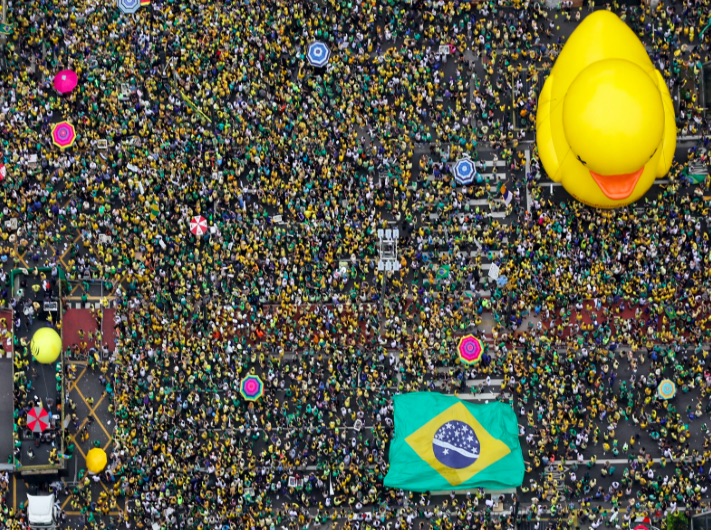
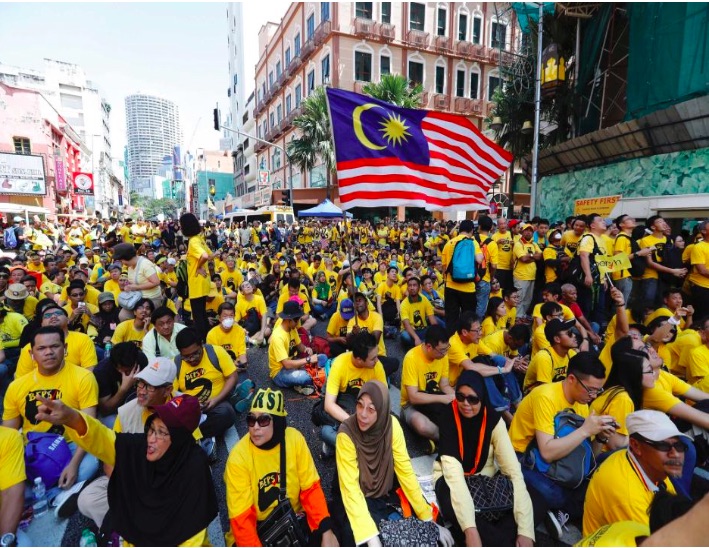
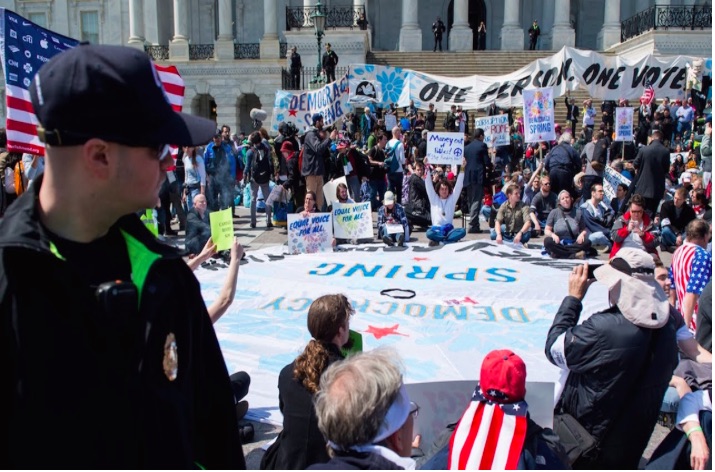
Nonviolence, as considered in our MAY BULLETIN, is one of the key methods of a culture of peace. Highlights of nonviolent movements from 2016 include photos from South Korea, Brazil, Malaysia and the United States. And most recently, Pope Francis issued his annual peace message on the theme, Nonviolence: A style of politics for peace. He urges people everywhere to practice active nonviolence and notes that the “decisive and consistent practice of nonviolence has produced impressive results.”

Another key method is peace education. El Salvador is now in discussions to include culture of peace in national educational curriculum. In the AUGUST BULLETIN, we covered peace education articles reprinted by the Global Campaign for Peace Education from Myanmar, Bosnia, United Kingdom, Rwanda, Georgia, United States and the Seychelles.

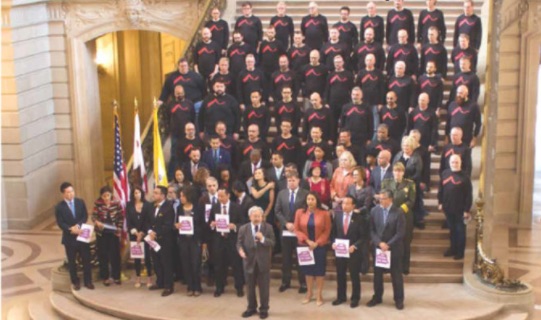
Finally, we arrive at the fightback folowing the election of President Trump in the United States. The movements for sanctuary cities and sanctuary campuses were featured in the DECEMBER BULLETIN. Since then, we add the specific resolution of the city of San Francisco, as well as sanctuary churches in New York and Minnesota.

La lucha continua! The fight continues!


HUMAN RIGHTS


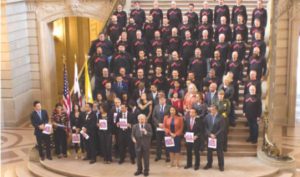
San Francisco’s Official Response to the Election of Trump

WOMEN’S EQUALITY


UN Women: 16 days of activism against gender violence

DEMOCRATIC PARTICIPATION


Colombia: The Challenge of Territorial Peace

SUSTAINABLE DEVELOPMENT


REPORT: Fossil Fuel Divestment Doubles in Size as Institutions Representing $5 Trillion Commit to Divest

TOLERANCE AND SOLIDARITY


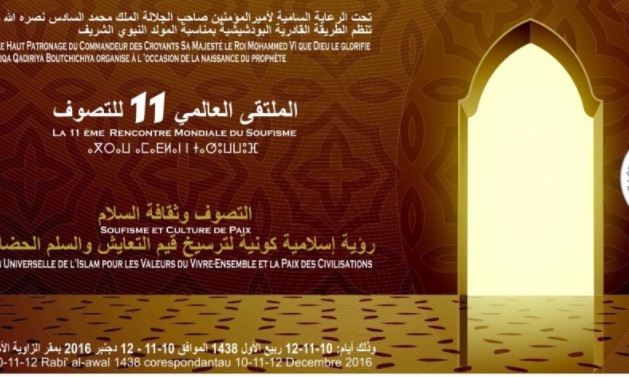
Morocco: Madagh hosts eleventh World Meeting of Sufism

FREE FLOW OF INFORMATION


Nobel Lecture by Juan Manuel Santos:”Peace in Colombia: From the Impossible to the Possible”

DISARMAMENT AND SECURITY


Building on gender promise, Guterres names three women to top UN posts

EDUCATION FOR PEACE


El Salvador: Discussions to include culture of peace in national educational curriculum

Over 100 countries sponsor annual resolution on the culture of peace at the UN General Assembly

FREE FLOW OF INFORMATION

The following is adapted from emails received from Ambassador Anwarul K. Chowdhury, Former Under-Secretary-General and High Representative of the UN

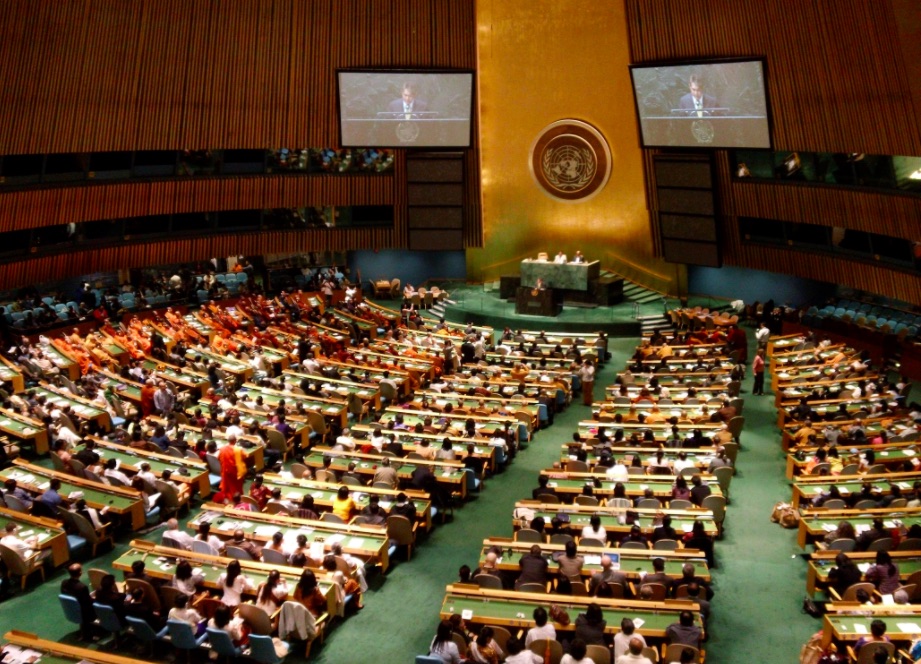
Dear activists — The 71st session of the UNGA has adopted its resolution on the follow up of the UN Programme of Action on Culture of Peace on 23 December by consensus with a final total of 102 co-sponsors.


(Click on image to enlarge)

Ever since the initiative taken in 1997 to include a separate agenda item on the culture of peace and the UNGA decision to do so allocating the item to the plenary of the General Assembly, every year the Assembly has adopted by consensus a comprehensive, self-standing resolution on the culture of peace.

The text of the draft resolution issued by the UN as an L. document is attached. Attached also is the full list of 102 Member States which joined Bangladesh as co-sponsors making it possible for crossing the century mark.

[Editor’s note: Conspicuously absent from the co-sponsors are the United States and its principal allies such as the United Kingdom, France, Germany, Canada, Japan, Australis.]
 
Please note additional elements and changes over the resolution (A/Res./70/20) adopted last year in  the following:

– preambular para 9 (adding the two UN proclaimed days in addition to International Day of Non-Violence at the proposal of Armenia);

– preambular para 17 (adding the increased interest, particularly of the Member States to make country statements in its Plenary segment of the High Level Forum and the President’s Summary issued for the first time in the Forum series);

– operative para 6 (adding reference to vulnerable children in the of the UNICEF’s Early Childhood Peace Consortium);

– operative para 8 ( adding “global citizenship” overcoming insistence by Myanmar and Cuba on referring to only “active citizenship”),

– operative para 12 ( adding the International Day of Non-Violence to the International Day of Peace requesting all to accord increasing attention to their observance); and

– operative para 13 (requesting the Secretariat to support the effective organization of the High Level Forum). 

Wishing you all the best for 2017 in every way

— Anwarul Chowdhury

Question(s) related to this article:

Sponsors of 2016 Culture of Peace Resolution

Afghanistan
Algeria
Angola
Argentina
Armenia
Bahamas
Bahrain
Bangladesh
Belarus
Belgium
Benin
Bhutan
Bolivia (Plurinational State of)
Bosnia and Herzegovina
Brazil
Brunei Darussalam
Bulgaria
Burundi
Cambodia
Cameroon
Chile
China
Colombia
Comoros
Costa Rica
Cuba
Cyprus
Democratic People’s Republic of Korea
Djibouti
Dominica
Dominican Republic
Egypt
El Salvador
Eritrea
Ethiopia
Georgia
Greece
Guatemala
Guinea
Haiti
Honduras
Hungary
India
Indonesia
Iran
Iraq
Italy
Kazakhstan
Kenya
Kiribati
Kuwait
Lao People’s Democratic Republic

Lebanon
Lesotho
Libya
Madagascar
Malaysia
Maldives
Malta
Mauritania
Mauritius
Mongolia
Montenegro
Morocco
Mozambique
Myanmar
Namibia
Nepal
Netherlands
Nicaragua
Nigeria
Oman
Pakistan
Palau
Paraguay
Peru
Philippines
Poland
Qatar
Republic of Korea
Russian Federation
Saint Lucia
Saint Vincent and the Grenadines
Samoa
Saudi Arabia
Senegal
Seychelles
Singapore
Sri Lanka
Sudan
Tajikistan
Tanzania
Thailand
Timor-Leste
Togo
Tonga
Tunisia
Turkmenistan
United Arab Emirates
Venezuela (Bolivarian Republic of)
Viet Nam
Yemen

Culture of Peace Resolution

Seventy-first session
Agenda item 14
Culture of peace

Algeria, Angola, Argentina, Bahamas, Bangladesh, Belarus, Belgium, Bhutan, Bolivia (Plurinational State of), Brunei Darussalam, Bulgaria, Cambodia, Cameroon, China, Colombia, Costa Rica, Cuba, Democratic People’s Republic of Korea, Djibouti, Egypt, El Salvador, Eritrea, Guatemala, Guinea, Haiti, Honduras, Hungary, India, Indonesia, Iraq, Italy, Kazakhstan, Kiribati, Kuwait, Lao People’s Democratic Republic, Lebanon, Libya, Madagascar, Maldives, Malta, Malaysia, Mongolia, Montenegro, Morocco, Myanmar, Namibia, Nepal, Nicaragua, Pakistan, Palau, Paraguay, Peru, Philippines, Qatar, Republic of Korea, Russian Federation, Senegal, Seychelles, Singapore, Sri Lanka, Sudan, Tajikistan, Thailand, Tunisia, United Arab Emirates, Venezuela (Bolivarian Republic of), Viet Nam and Yemen: draft resolution

Follow-up to the Declaration and Programme of Action on a Culture of Peace

The General Assembly,

Bearing in mind the Charter of the United Nations, including the purposes and principles contained therein, and especially the dedication to saving succeeding generations from the scourge of war,

Recalling the Constitution of the United Nations Educational, Scientific and Cultural Organization, which states that, “since wars begin in the minds of men, it is in the minds of men that the defences of peace must be constructed”,

Recognizing the importance of the Declarationand Programme of Actionon a Culture of Peace, which serve as the universal mandate for the international community, particularly the United Nations system, for the promotion of a culture of peace and non-violence that benefits humanity, in particular future generations,

Recalling its previous resolutions on a culture of peace, in particular resolution 52/15 of 20 November 1997 proclaiming 2000 the International Year for the Culture of Peace, resolution 53/25 of 10 November 1998 proclaiming the period 2001-2010 the International Decade for a Culture of Peace and Non-Violence for the Children of the World, and resolutions 56/5 of 5 November 2001, 57/6 of 4 November 2002, 58/11 of 10 November 2003, 59/143 of 15 December 2004, 60/3 of 20 October 2005, 61/45 of 4 December 2006, 62/89 of 17 December 2007, 63/113 of 5 December 2008, 64/80 of 7 December 2009, 65/11 of 23 November 2010, 66/116 of 12 December 2011, 67/106 of 17 December 2012, 68/125 of 18 December 2013, 69/139 of 15 December 2014 and 70/20 of 3 December 2015, adopted under its agenda item entitled “Culture of peace”,

Recalling also its resolution 70/109 of 10 December 2015 on a world against violence and violent extremism, and resolution 70/291 of 01 July 2016 on the United Nations Global Counter-Terrorism Strategy Review,

Reaffirming the United Nations Millennium Declaration,which calls for the active promotion of a culture of peace,

Reaffirming also its resolution 70/1 of 25 September 2015, entitled “Transforming our world: the 2030 Agenda for Sustainable Development”,

Taking note of the 2005 World Summit Outcome adopted at the high-level plenary meeting of the General Assembly,

Welcoming the observance of 10 December as Human Rights Day,9 December as the International Day of Commemoration and Dignity of the Victims of the Crime of Genocide and of the Prevention of This Crime,and 2 October as the International Day of Non-Violence,as proclaimed by the United Nations,

Recognizing that all efforts made by the United Nations system in general and the international community at large for peacekeeping, peacebuilding, the prevention of conflicts, disarmament, sustainable development, the promotion of human dignity and human rights, democracy, the rule of law, good governance and gender equality at the national and international levels contribute greatly to the culture of peace,

Recognizing also the importance of respect and understanding for religious and cultural diversity throughout the world, of choosing dialogue and negotiations over confrontation and of working together and not against each other,

Taking note of the report of the Secretary-General,which provides an overview of the activities that have been carried out by the main United Nations entities working in the areas of a culture of peace and interreligious and intercultural dialogue, understanding and cooperation for peace since the adoption by the General Assembly of its resolutions 70/19 and 70/20 of 3 December 2015,

Recalling the proclamation by the United Nations Educational, Scientific and Cultural Organization of 21 February as International Mother Language Day, which aims at protecting, promoting and preserving linguistic and cultural diversity and multilingualism, in order to foster and enrich a culture of peace, social harmony, cross-cultural dialogue and mutual understanding,

Recalling also the proclamation by the United Nations Educational, Scientific and Cultural Organization of 30 April as International Jazz Day, which aims to develop and increase intercultural exchanges and understanding between cultures for the purpose of mutual comprehension, tolerance and the promotion of a culture of peace,

Welcoming the efforts of the international community to enhance understanding through constructive dialogue among civilizations, in particular through various initiatives at the local, national, regional and international levels, including relevant efforts affiliated with the Silk Road Economic Belt and 21stCentury Maritime Silk Road (the Belt and Road),

Expressing its appreciation for the ongoing efforts of the United Nations Alliance of Civilizations in promoting a culture of peace through a number of practical projects in the areas of youth, education, media and migrations, in collaboration with Governments, international organizations, foundations and civil society groups, as well as media and the private sector,

Welcoming the successful holding on 1 September 2016 of the General Assembly High-level Forum on the Culture of Peace, convened by the President of the Assembly, and the greater participation and increased interest, in particular of Member States, in making country statements during its plenary session and the wide-ranging partnership and inclusive collaboration among Member States, international organizations and civil society, as evidenced at the Forum, while taking note of the President’s summary of the deliberations during the day-long Forum focusing on the implementation of the Declaration and Programme of Action,

Recognizing the role of women and youth, as well as the contribution of children, in advancing the culture of peace, and in particular the importance of greater involvement of women in the prevention and resolution of conflicts and in activities promoting a culture of peace, including in post-conflict situations,

Welcoming the adoption by the General Conference of the United Nations Educational, Scientific and Cultural Organization at its thirty-sixth session of a programme of action for a culture of peace and non-violence, and noting that the objectives of that programme of action are in line with the Declaration and Programme of Action on a Culture of Peace adopted by the General Assembly,

Recalling the Yamoussoukro Declaration on Peace in the Minds of Men, and acknowledging the observance in 2014 of the twenty-fifth anniversary of its adoption,

Noting the initiatives of civil society, in collaboration with Governments, to strengthen civilian capacities to enhance the physical safety of vulnerable populations under threat of violence and to promote the peaceful settlement of disputes,

Encouraging the continued and increasing efforts and activities on the part of civil society organizations throughout the world in advancing the culture of peace as envisaged in the Declaration and Programme of Action,

1. Reiterates that the objective of the effective implementation of the Programme of Action on a Culture of Peace2 is to strengthen further the global movement for the culture of peace following the observance of the International Decade for a Culture of Peace and Non-Violence for the Children of the World, 2001-2010, and calls upon all concerned to renew their attention to this objective;

2. Welcomes the inclusion of the promotion of a culture of peace in “Transforming our world: the 2030 Agenda for Sustainable Development”;

3. Invites Member States to continue to place greater emphasis on and expand their activities promoting a culture of peace at the national, regional and international levels and to ensure that peace and non-violence are fostered at all levels;

4. Invites the entities of the United Nations system, within their existing mandates, to integrate, as appropriate, the eight action areas of the Programme of Action into their programmes of activities, focusing on promoting a culture of peace and non-violence at the national, regional and international levels;

5. Commends the United Nations Educational, Scientific and Cultural Organization for strengthening efforts to mobilize all relevant stakeholders within and outside the United Nations system in support of a culture of peace, and invites the Organization to continue to enhance communication and outreach, including through the culture of peace website;

6. Commends the practical initiatives and actions by relevant United Nations bodies, including the United Nations Children’s Fund, the United Nations Entity for Gender Equality and the Empowerment of Women (UN-Women) and the University for Peace, as well as their activities in further promoting the culture of peace and non-violence, in particular the promotion of peace education and activities related to specific areas identified in the Programme of Action, and encourages them to continue and further strengthen and expand their efforts, and in this context notes with appreciation the global launch of the United Nations Children’s Fund Early Childhood Peace Consortium in September 2013 and its activities, including those for vulnerable children;

7. Encourages the United Nations peacebuilding architecture to continue to promote peacebuilding activities and to advance the culture of peace and nonviolence in post-conflict peacebuilding efforts at the country level;

8. Urges the appropriate authorities to provide age-appropriate education in children’s schools that builds a culture of peace, including lessons in mutual understanding, tolerance, active and global citizenship and human rights;

9. Encourages the involvement of media, especially the mass media, in promoting a culture of peace and non-violence, with particular regard to children and young people;

10. Commends civil society, non-governmental organizations and young people for their activities in further promoting the culture of peace and nonviolence, including through their campaign to raise awareness on the culture of peace and the peaceful settlement of disputes;

11. Encourages civil society and non-governmental organizations to further strengthen their efforts to promote the culture of peace, inter alia, by adopting their own programme of activities to complement the initiatives of Member States, the organizations of the United Nations system and other international and regional organizations, in line with the Declaration1 and Programme of Action on a Culture of Peace;

12. Invites Member States, all parts of the United Nations system and civil society organizations to accord increasing attention to their observance of the International Day of Peace on 21 September each year as a day of global ceasefire and non-violence, in accordance with General Assembly resolution 55/282 of 7 September 2001, and of the International Day of Non-Violence on 2 October, as decided by the Assembly in its resolution 61/271 of 15 June 2007;

13. Requests the President of the General Assembly to consider convening a high-level forum, as appropriate and within existing resources, devoted to the implementation of the Programme of Action on the occasion of the anniversary of its adoption, on or around 13 September, and requests the Secretariat to support its effective organization within their respective mandates and existing resources;

14. Invites the Secretary-General, within existing resources, in consultation with the Member States and taking into account the observations of civil society organizations, to explore mechanisms and strategies, in particular strategies in the sphere of information and communications technology, for the implementation of the Declaration and Programme of Action and to initiate outreach efforts to increase global awareness of the Programme of Action and its eight areas of action aimed at their implementation;

15. Requests the Secretary-General to submit to the General Assembly at itsseventy-second session a report, within existing resources, on actions taken by Member States, on the basis of information provided by them, and those taken system-wide by all concerned entities of the United Nations to implement the present resolution and on heightened activities by the Organization and its affiliated agencies to implement the Programme of Action and to promote the culture of peace and non-violence;

16. Decides to include in the provisional agenda of its seventy-second session the item entitled “Culture of peace”.

San Francisco’s Official Response to the Election of Trump

…. HUMAN RIGHTS ….

An article from the San Francisco Bay Times

The San Francisco Board of Supervisors recently passed a resolution, introduced by Board President London Breed, in response to the election of Donald Trump. The resolution reads as follows:

WHEREAS, On November 8, 2016, Donald Trump was elected to become the 45th President of the United States; now, therefore, be it

RESOLVED, That no matter the threats made by President-elect Trump, San Francisco will remain a Sanctuary City. We will not turn our back on the men and women from other countries who help make this city great, and who represent over one third of our population. This is the Golden Gate—we build bridges, not walls; and, be it

FURTHER RESOLVED, That we will never back down on women’s rights, whether in healthcare, the workplace, or any other area threatened by a man who treats women as obstacles to be demeaned or objects to be assaulted. And just as important, we will ensure our young girls grow up with role models who show them they can be or do anything; and, be it

FURTHER RESOLVED, That there will be no conversion therapy, no withdrawal of rights in San Francisco. We began hosting gay weddings twelve years ago, and we are not stopping now. And to all the LGBTQ people all over the country who feel scared, bullied, or alone: You matter. You are seen; you are loved; and San Francisco will never stop fighting for you; and, be it

FURTHER RESOLVED, That we still believe in this nation’s founding principle of religious freedom. We do not ban people for their faith. And the only lists we keep are on invitations to come pray together; and, be it

(Article continued in the right column)

(Click here for a translation of this article into French)

Questions related to this article:

Is the post-election fightback for human rights gathering force in the USA?

(Article continued from the left column)

FURTHER RESOLVED, That Black Lives Matter in San Francisco, even if they may not in the White House. And guided by President Obama’s Task Force on 21st Century Policing, we will continue reforming our police department and rebuilding trust between police and communities of color so all citizens feel safe in their neighborhoods; and, be it

FURTHER RESOLVED, That climate change is not a hoax, or a plot by the Chinese. In this city, surrounded by water on three sides, science matters. And we will continue our work on CleanPower, Zero Waste, and everything else we are doing to protect future generations; and, be it

FURTHER RESOLVED, That we have been providing universal health care in this city for nearly a decade, and if the new administration follows through on its callous promise to revoke health insurance from 20 million people, San Franciscans will be protected; and, be it

FURTHER RESOLVED, That we are the birthplace of the United Nations, a city made stronger by the thousands of international visitors we welcome every day. We will remain committed to internationalism and to our friends and allies around the world—whether the administration in Washington is or not; and, be it

FURTHER RESOLVED, That San Francisco will remain a Transit First city and will continue building Muni and BART systems we can all rely upon, whether this administration follows through on its platform to eliminate federal transit funding or not; and, be it

FURTHER RESOLVED, That California is the sixth largest economy in the world. The Bay Area is the innovation capital of the country. We will not be bullied by threats to revoke our federal funding, nor will we sacrifice our values or members of our community for your dollar; and, be it

FURTHER RESOLVED, That we condemn all hate crimes and hate speech perpetrated in this election’s wake. That although the United States will soon have a President who has demonstrated a lack of respect for the values we hold in the highest regard in San Francisco, it cannot change who we are, and it will never change our values. We argue, we campaign, we debate vigorously within San Francisco, but on these points we are 100 percent united. We will fight discrimination and recklessness in all its forms. We are one City. And we will move forward together.

Pope Francis: Make active nonviolence our way of life – a statement for the 50th Catholic Church’s World Day of Peace

EDUCATION FOR PEACE .

An article from Nonviolent Peaceforce

Today [December 12] in Pope Francis’ message, Nonviolence: A style of politics for peace, he urges people everywhere to practice active nonviolence and notes that the “decisive and consistent practice of nonviolence has produced impressive results.” While NP is nonsectarian, we welcome such affirmations. Mel Duncan, NP’s Advocacy and Outreach director noted:


“As we struggle in a World War fought ‘piecemeal,’ nonviolent methods of protecting civilians are proving themselves effective in some of the most violent places on the planet. Indeed, more peacebuilders, conflict transformers, mediators, nonviolent resisters and unarmed civilian protectors are at work than any other time in history. We welcome Pope Francis’ pledge of assistance of the Church in every effort to build peace through active and creative nonviolence. We need it!”

Pope Francis’ statement follows the landmark Nonviolence and Just Peace Conference held in Rome in April 2016. Eighty-five experts on nonviolence from throughout the world including Mel Duncan were invited to advise on the Just War Theory. The group agreed that there is no “just war.” Instead, they issued an appeal to the Catholic Church to re-commit to the centrality of nonviolence in the Gospel. The group called on the Catholic Church to promote nonviolent practices and strategies including unarmed civilian protection.

In his message, the pope pledged “the assistance of the Church in every effort to build peace through active and creative nonviolence.”

NP urges our supporters who are involved with a faith community to take similar initiatives to actively practice and promote nonviolence, including unarmed civilian protection.

Question for this article:

Nonviolence Highlights in 2016

EDUCATION FOR PEACE .

Excerpts from email received from Nonviolence International

South Korea has had huge nonviolent protests against corruption that are about to bring down the president. This success is powerful and needs more coverage.


Click on photo to enlarge

* * *

Brazil saw huge protests against Parliamentary corruption. We love the rubber ducky


Click on photo to enlarge

* * *

Malaysia has had numerous protests including a huge protests led by woman leader who has been arrested and held in solitary confinement. Mubarak and I wrote an op-ed piece supporting protests against corruption.


Click on photo to enlarge

(Article continued in right column)

Questions for this article:

Can peace be guaranteed through nonviolent means?

How effective are mass protest marches?

(Article continued from left column)

In Washington DC, Nonviolence International fiscally sponsored Democracy Spring which got more than 1000 people arrested at the Capitol demanding an end to big money in politics.


Click on photo to enlarge

* * *

On the religious front,  according to ” Pope Francis released the annual World Day of Peace Message for January 1, 2017, called “Nonviolence—A Style of Politics for Peace.” This is the Vatican’s fiftieth World Day of Peace message, but it’s the first statement on nonviolence, in the tradition of Mahatma Gandhi and Dr. Martin Luther King, Jr.—in history.”

* * *

Women from around the world, attempted to break the Israeli seige of Gaza. NI served as the US fiscal sponsor.

* * *

Standing Rock protests have succeeded in stopping the Dakota Access Pipeline. This effort was led by indigenous people.

* * *

The US congress staged a sit in for gun control. NI staff were there in support.

Building on gender promise, Guterres names three women to top UN posts

DISARMAMENT & SECURITY .

An article from the UN News Centre

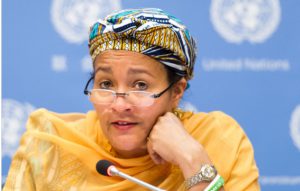
The United Nations Secretary-General-designate, António Guterres today [December 15] announced that he will be appointing Amina J. Mohammed of Nigeria as the UN deputy chief, on his assumption of office as the ninth chief of the global Organization in January 2017.


Amina J. Mohammed of Nigeria. UN Photo/Mark Garten

Ms. Amina J. Mohammed is currently the Minister of Environment of Nigeria, where she steers the country’s efforts to protect the natural environment and conserve resources for sustainable development, read a statement issued by Mr. Guterres’s office.

She also served as Special Advisor to Secretary-General Ban Ki-moon on Post-2015 Development Planning, where she was instrumental in bringing about the 2030 Agenda for Sustainable Development, including the Sustainable Development Goals (SDGs).

Before joining the UN, Ms. Mohammed worked for three successive administrations in Nigeria, serving as Special Advisor on the Millennium Development Goals (MDGs). She is also an Adjunct Professor in Development Practice at New York’s Columbia University, and serves on numerous international advisory boards and panels.

Born in 1961, and educated in Nigeria and the UK, Ms. Mohammed is married with six children.

The Secretary-General-designate also announced the appointment of Maria Luiza Ribeiro Viotti of Brazil as his Chef de Cabinet and that he will create the position of Special Advisor on Policy, and appointed Ms. Kyung-wha Kang of the Republic of Korea to this new role.

“I am happy to count on the efforts of these three highly competent women, whom I have chosen for their strong backgrounds in global affairs, development, diplomacy, human rights and humanitarian action,” said Secretary-General-designate Guterres, in the statement adding:

“These appointments are the foundations of my team, which I will continue to build, respecting my pledges on gender parity and geographical diversity.”

Ms. Ribeiro Viotti is presently the Under-Secretary for Asia and the Pacific at the Brazilian Ministry of Foreign Affairs. A career diplomat since 1976, she served most recently as Brazil’s Ambassador of to Germany (from 2013 to 2016) and as Brazil’s Permanent Representative to the UN (from 2007 to 2011).

Ms. Kang is currently the Chief of the Secretary-General-designate’s Transition Team. She has served as Assistant Secretary-General for Humanitarian Affairs and Deputy Emergency Relief Coordinator since April 2013, and was Deputy High Commissioner for Human Rights from January 2007 to March 2013.

Question for this article:

Proposals for Reform of the United Nations: Are they sufficiently radical?

New cities of peace this quarter

. . DEMOCRATIC PARTICIPATION . .

Excerpts from December newsletter of International Cities of Peace

The following are new cities of peace this quarter!

Kumara, New Zealand: City of Peace

The community is committed to fostering a culture of peace through wellness practices and educational programs. “We are pleased to share that we have just opened our Human Rights and Sustainable Development Centre at the Kumara Town Hall . . .

Buea, Cameroon: City of Peace

Linus Ayangwoh Embe has founded the Association for Community Awareness. The group focuses on reducing the stigma of HIV/AIDS, of which over 5^% of the population is plagued, the environment, peace building, child support and women empowerment. . .

Urbana, Ohio, U.S.A.: City of Peace

On Peace Day, 2017, Urbana Mayor Bean signed their city of peace resolution. “We are gearing up for our third year at, Urbana University promoting and sponsoring programs for the “Season for Non-Violence” through The Alicia Titus Memorial Peace Fund. . .

Port Harcourt, Nigeria: City of Peace

The Global Ambassadors for Peace on Sustainable Development have established Port Harcourt on the Atlantic Ocean as a City of Peace. They work closely with civic officials and the group is re-committing to providing free medical treatment to the less privileges in order “to show love to the disabled persons” . . .

Kubwa, Abuja, Nigeria: City of Peace

They have created an organization called Congress for Peace and Human Rights Defense, Nigeria. 1) Currently we are planing to start a project on peace on the on going strike action in Cameroon. 2) As from match 2017, ASCOA will visit schools to create peace clubs. 3) 2017 ASCOA will also carry out peace project with community groups, schools vulnerable children, orphans and Hiv infected children. 4) On World Peace Day 2017, ASCOA will organizer peace activities including football and a peace conference.”

Makindye, Uganda: City of Peace

The group will work in the area of Uganda characterized by vulnerable households and families in slums, many young people and mainly gangs (locally known as the “Kifesi” groups) and street children subject to neglect and abuse. . .

(article continued in right column)

Question related to this article:


How can culture of peace be developed at the municipal level?

(article continued from left column)

The Gambia: City of Peace

The Gambia is a small country in Africa with borders along the Gambia river. It now has its first City of Peace. Strategy for 2017 is “To ensure the well being of most of the people living in the communities with in our surroundings and across the country. To enable the people to have basic access of knowledge and understanding of the significance effects of culture of peace, cities of peace and the International Cities of Peace around the globe. And to be challenged also in are cultural mores and traditions and politics that violate women and human rights.”

Kabale, Uganda: City of Peace

Ugandan Andrew Amanya has used his radio show, Hope Kids, to create a football program that is helping children in the town of Kabale. . .

South Kivu, Democratic Republic of Congo: City of Peace

The group has created the Centre Des Jeunes Pour La Paix to help young people, including 130 orphans, with school fees and other necessities of life. : After decades of bloody fighting and broken peace treaties, in January of this year the army launched a successful offensive against remnants of the FDLR, ADF and Mai-Mai militias. The work of Jean Paul and his courageous group are the only true way to heal and move forward for a country more peaceful and prosperous.

Lucerne, Switzerland: City of Peace

At the foot of the Swiss Alps, Lucerne, Switzerland is home to over 80,000 people who speak Swiss German. LATEST NEWS; The leaders’ work for peace is focused on differing perspectives and how diversity contributes to the well being of all. Hans is president of the Perspective Association, a politically neutral and independent group which launched the first Lucerne Peace Day in 2016. . .

Gardnersville, Monrovia, Liberia

The group first priority is to help kids and youth with their lessons after school hours. “We are planning of having children’s party on Christmas day. This will help to keep the children out of the street and to save them from bad boys and bad girls. Before the Christmas party on Monday we will host a one day childrens’ football tournament that will compresses of 8 teams from 4 communities. . . .

Croix-des-Bouquets, Haiti: City OF Peace

Haiti has recently been ravaged by another hurricane yet hope burns brightly. The Centre Esperance de la Lumiere des Demunis and Ministry Hope of the Light in Christ in Haiti has 59 children who have been abandoned. The Ministry is located in a small church for the large population of 80,000 in their community. The liaison, Jean Nicolas Joseph, has bought land in order to reach these goals. The school, orphanage and ministry are looking for funding. As Jean says, “I need you help me pray for this city.”

Celebrating our success in 2016; Supporting ICBL-CMC Efforts in 2017

DISARMAMENT & SECURITY .

Excerpt from the December 2016 edition of Newsletter of the Campaign to Ban Landmines and the Cluster Munition Coalition

2016 was an important year for advancing bans on both landmines and cluster munitions, requiring swift responses to ongoing conflicts that threatened gains made in previous years. Thanks to everyone who supported the International Campaign to Ban Landmines and the Cluster Munition Coalition (ICBL-CMC) for contributing to this success. Here are just a few highlights from what we achieved together this year:


(Click on photo to enlarge)

Cuba and Palau joined the Convention on Cluster Munitions, bringing the total number of States Parties to 100, with progress towards ratification advanced in dozens of other countries

The US government halted the transfer of cluster munitions to Saudi Arabia while Textron, the last US-producer of cluster munitions, announced a halt to this production

A peace agreement in Colombia made possible important advancements in mine clearance, supported by significant new commitments of international support, and contributed to a decline in new mine victims

Sri Lanka announced plans to accede to the Mine Ban Treaty while government representatives from Myanmar engaged in discussions in Geneva for the first time, around joining the Treaty

Poland completed destruction of over one million stockpiled landmines a year before treaty deadline, bringing the total number of destroyed stockpiled landmines to more than 51 million

(article continued in right column)

Questions for this article:

Can cluster bombs be abolished?

(article continued from left column)

Some 60 countries made progress in clearing minefields and cluster munition remnants from past and ongoing conflicts

In 26 countries, national campaigns, including mine/cluster munition survivors, actively campaigned for improved recognition of their rights and access to necessary services

Unfortunately, our work is not done. In 2017, when we will celebrate the 25th anniversary of the campaign, these are some of the biggest challenges that we will face:

There was a sharp rise in people killed or injured by mines and ERW, mainly due to acute conflict in Libya, Syria, Yemen and Ukraine.

Use of improvised landmines by non-state armed groups increased, even while use by States continued to be extremely limited; significant and ongoing use of cluster munitions was recorded in Syria and Yemen.

While there were several extraordinary pledges to support mine action in Colombia, Iraq and Laos, overall financial contributions to mine action were down, challenging efforts to achieve a mine-free world in 2025.

79 states have still not joined the Convention on Cluster Munitions and 35 have not joined the Mine Ban Treaty.

Improvements have been made in services and programs available to landmine and cluster munition victims but more must be done to ensure that victims are reaching these services and that their rights are upheld.

The ICBL-CMC is committed to continue working for a world that is free of both landmines and cluster munitions. We hope you will continue to support us through all of your efforts. We also ask that you consider making a donation of whatever you can to support the ICBL-CMC and its members from around the world in 2017 and beyond.

Thank you and all the best for 2017!

(Thank you to Janet Hudgins, the CPNN reporter for this article)