International Peace Delegation to Syria 24-30 Nov. 2015

DISARMAMENT & SECURITY .

An article by Mairead Maguire for Transcend Media Service

Our delegation has just spent five days with the people of Syria visiting the cities of Damascus, Homs, Tartus, Qara and Ma’alula. We have been deeply moved by the kindness and warmth of the Syrian people whom we have had the privilege and joy of meeting. Although they have suffered unimaginable violence, they have inspired us by their vision of a peaceful Syria and deep commitments to solutions in their country. These are the findings of our delegation, consisting of eleven peace and human rights advocates from six countries. Over the course of five days, we met with internally displaced persons, refugees, affected communities, religious leaders, combatants, government representatives and many others in Syria.
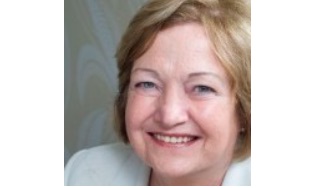
maguire
Mairead Maguire

We call on the international community to protect the territorial integrity of Syria and to respect the fundamental rights of Syria as a sovereign State. We deplore any intent to breach the integrity of Syria’s frontiers or to damage the unity and rich diversity of the Syrian people.

We recognize the legitimacy of the aspirations of the Syrian citizens for change, reforms and an end to all violence and we support those working for the implementation of a democratic life that respects and protects the fundamental rights of all citizens and we believe that effective and lasting reforms can only be achieved through non-violent means.

Our primary appeal is that all countries stop their interference in Syrian affairs, more specifically, that they halt the supply of arms and foreign combatants. If foreign countries agree to stop the influx of arms and fighters, we are confident that Syrians can find their own solutions to their problems and achieve reconciliation.

We consider it beyond debate that the Syrian people have the right to determine their own government and their own future. Foreign interference is currently preventing the Syrian people from exercising their right to self-determination. We are concerned that such pernicious intervention is tearing apart the fabric of the country itself, with long-term consequences that can only be imagined.

The cautionary examples of Iraq, Libya, Yemen and other countries serve to remind us of the dire consequences of such international folly. This humanitarian crisis is already spilling into neighboring countries. A collapse of Syrian society will destabilize the entire region. We appeal to the international community that it can learn from history and make better choices in the case of Syria that will spare further tragedy for the courageous Syrian people.

(Article continued in right column)

Question for this article:

How can there be a political solution to the war in Syria?

(Article continued from left column)

Secondly we appeal to the international media to stop the flow of misinformation regarding the Syrian conflict. We believe that every Syrian should be given the right to be heard and we do not see this reflected in the international coverage of this crisis.

Thirdly, we urge the international community to review and reconsider the crippling sanctions that are taking such a heavy toll on Syrian people.

Fourthly, we urge the international community to take seriously the vast numbers of refugees and persons who have been internally displaced by this conflict.

We appeal to the entire religious community to call the faithful to nonviolence and peacemaking, and to reject all forms of violence and discrimination, and we express our admiration and respect for the many Syrian religious leaders who have refused to endorse the use of violence and have dedicated their lives to working for a peaceful solution to this conflict.

We pay tribute to the Patriarch Gregorios III Laham and Grand Mufti Ahmad Badreddin Hassoun for their inspirational work for peace and reconciliation for Syria and the Patriarch Gregorios III Laham for his kind invitation to our delegation. Our delegation would like to express to Mother Agnes Mariam and Sheik Sharif Martini our deep gratitude and appreciation for all their commitment to peace and reconciliation in beloved Syria.

As we leave Syria we are filled with hope that the Syrian people will have peace and so be a light of hope to the world.
UN adopts Bangladesh-sponsored resolution on “culture of peace”

FREE FLOW OF INFORMATION

An article from bdnews24

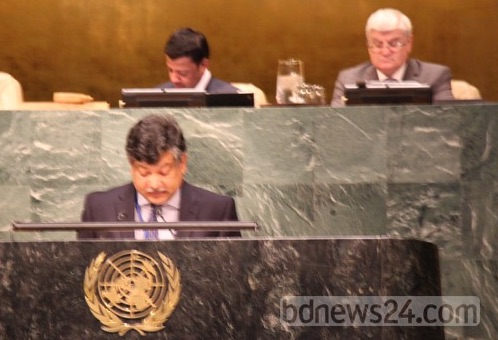
United Nations has adopted a Bangladesh-sponsored resolution on “culture of peace”, as it has done in the previous years.

bangladesh

Bangladesh’s Permanent Representative to the UN Masud Bin Momen introduced on Thursday the resolution that emphasised on the importance of a “culture of peace” to deal with growing terrorism and intolerance worldwide.

The resolution was adopted unanimously without any voting.

This resolution based on Prime Minister Sheikh Hasina’s vision of peace has been adopted by the UN with majority support since 1999. But this was the first time the resolution was passed without any voting and supported by 93 member nations.

Permanent representatives of 20 countries spoke in support of the resolution.

Momen said the implementation of this resolution would help increase compassion in the world. “Hatred among people and wars will be reduced. Mutual respect and love will become stronger. This will establish peace in the world.”

After Bangladesh introduced the resolution on “culture of peace” in 1999, 2001-2010 was observed across the world as a “decade of culture of peace.”

President of the United Nations General Assembly Mogens Lykketoft in his inaugural address appreciated the role of the Bangladesh’s Permanent Mission to the UN and stated that the promotion of culture of peace has assumed more importance now in confronting terrorism and growing intolerance.

[Click here for the resolution.]

Question(s) related to this article:

Boletín español el 1 de diciembre 2015

. . ACEPTAR A LOS REFUGIADOS . .

La crisis de los refugiados en Europa ha revelado contradicciones profundas en la cultura de guerra. Como indicó el comunicado de Premios Nobel de la Paz después de su reciente reunión en Barcelona: “La crisis de los refugiados y la migración no son aisladas. Es un síntoma de problemas más amplios de la humanidad que incluyen… las consecuencias del militarismo, el nacionalismo extremo, y el uso de la fuerza y las guerras por las potencias mundiales en la búsqueda de sus intereses estratégicos, financieros e ideológicos.”

En su discurso sobre la crisis, el premio Nobel Kofi Annan dijo que Europa debe tener en cuenta a los refugiados como un recurso potencial más que un problema. En esto sentido, abordamos en el CPNN este mes numerosas iniciativas en todo el mundo que reciben e integran los refugiados en sus sociedades.

En Francia, 15 organizaciones de la sociedad civil y las organizaciones internacionales están trabajando actualmente para recibir e integrar a los refugiados. Esto incluye una red de 570 asociaciones en el FNARS “Fédération nationale des associations d’accueil et de réadaptation sociale” (Federación Nacional de Asociaciones de acogida e integración social).

En España, La Comisión Española de Ayuda al Refugiado (CEAR) tiene en comprometimiento de las organizaciones e instituciones que componen su asamblea: partidos políticos, sindicatos, grupos religiosos, organizaciones no gubernamentales y personalidades que defienden los derechos humanos de los solicitantes de asilo. Por ejemplo, la Escuela de Cultura de Paz de Barcelona está desarrollando un mapa de ciudades con las buenas prácticas en este sentido.

América Latina ha sido un líder en acoger a refugiados, con excelentes leyes en muchos de sus países. Los principios básicos se adoptaron en diciembre pasado en Brasilia, con motivo del 30 aniversario de la Declaración de 1984 de Cartagena sobre Refugiados. En su plan de acción, los gobiernos de América Latina y el Caribe comprometen-se a abordar el tema desde una perspectiva humanitaria. Ejemplos de estos esfuerzos incluyen la implementación de programas como “Asilo de Calidad” y “Fronteras Solidarias Seguras”, que satisfagan las necesidades de las personas que viven, cruzan o regresan por las zonas fronterizas. En cuanto a la crisis actual, unos 6.000 sirios ya han fueron recibidos en Brasilia, Buenos Aires y Montevideo.

Los gobernadores republicanos de Estados Unidos se opusieron a la acogida de refugiados de Siria, pero en respuesta, la organización ” Ciudades Unidas para la Acción de Inmigración“, una coalición de casi 100 ciudades dirige el esfuerzo de promover y administrar la reforma migratoria a nivel nacional. Con esta iniciativa 18 alcaldes de las principales ciudades, como Nueva York, Chicago y Baltimore, escribieron una carta diciendo entre otras cosas que “la crisis de refugiados mundial trae consigo una responsabilidad y la oportunidad de dar la bienvenida a los que buscan el exilio de la tiranía y la opresión”.

Por ejemplo, la ciudad de New Haven ha invitado a una familia siria que había sido rechazada por el gobernador republicano de Indiana. Al llegar, la familia fue recibida por el gobernador demócrata de Connecticut: “Yo les aseguré que no sólo dio la bienvenida, pero yo estaba orgulloso de que llegaron a los Estados Unidos y que vienen a Connecticut”.

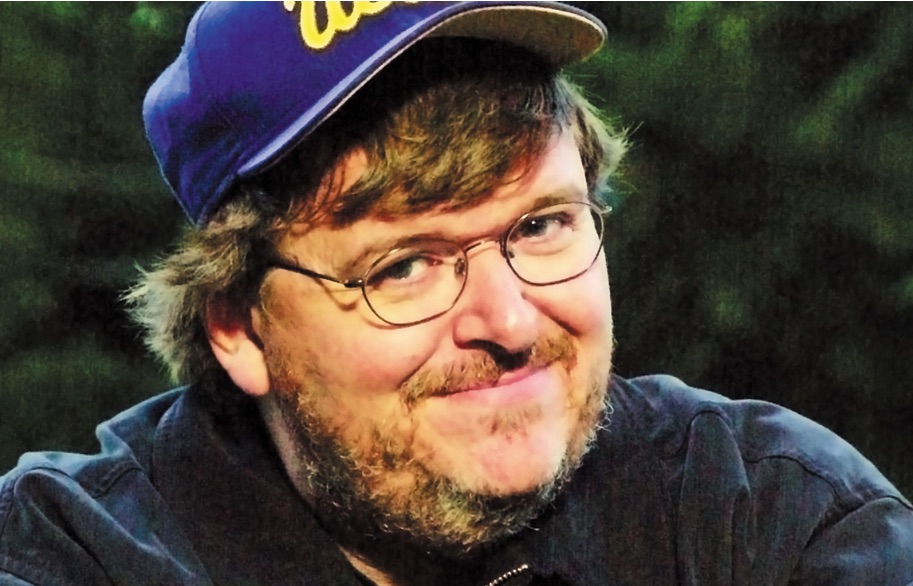
El comediante y director estadounidense Michael Moore resume la lucha en una carta abierta al gobernador republicano del estado de Michigan: “Sólo quería hacerle saber que, contrariamente a su declaración negando una casa de refugiados sirios en nuestro estado de Michigan, voy a desafiar a su prohibición y ofrecer mi casa en Traverse City, Michigan, a los refugiados sirios. Me pondré en contacto con el Departamento de Estado en Washington para hacerles saber que estoy feliz de proporcionar un alojamiento seguro para todas las parejas de refugiados sirios aprobadas por los procedimientos de control de la administración Obama en el que tengo toda la confianza… Pido a todos los que tienen habitaciones en sus casas o apartamentos que estén vacías, para ponerlos a disposición de refugiados sirios e iraquíes… Eso es lo que queremos que sea la “American way” a partir de ahora. Basta de guerra! Basta de interferencia en la vida de los demás. No más dar la espalda a aquellos que sufren de los daños que hemos creado”.

Por último, reconocemos las 50 ciudades de ICORN ( La Red Internacional de Ciudades de Refugio). Todos los miembros de ICORN son ciudades de refugio que proporciona refugio temporal a través de residencias para escritores y artistas perseguidos. En general, la residencia es por dos años. Según ICORN, estos “escritores y artistas representan un recurso valioso para toda la red de ciudades. Ellos traen un nuevo impulso a la vida cultural de cada ciudad. Contribuyen a mejorar el conocimiento de las diferentes culturas en su ciudad y que enriquecen nuestro debate, nuestra visión y comprensión”.

A largo plazo, los refugiados pueden enriquecer nuestro debate, nuestra visión y entendimiento de que debemos pasar de la cultura de guerra actual a una cultura mundial de paz.


TOLERANCIA Y SOLIDARIDAD

granma
América Latina escucha el llamado de los refugiados

IGUALDAD HOMBRES/MUJERES

geneva

International dialogue on gender equality in the media to be held in Geneva

DESARME Y SEGURIDAD

drones
USA Exclusive: Air Force Whistleblowers Risk Prosecution to Warn Drone War Kills Civilians, Fuels Terror

DERECHOS HUMANOS

wiego
Nearly 100 Home-based Workers from 24 Countries Gather in Delhi to Adopt Historic Delhi Declaration on Workers’ Rights

DESAROLLO SUSTENTABLE

food sovereignty
We are the solution: African women organize for land and seed sovereignty

PARTICIPACIÓN DEMOCRATICA

cities
New Cities of Peace

LIBERTAD DE INFORMACIÓN

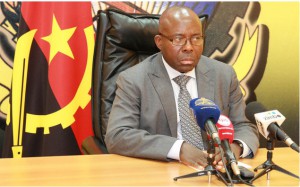
Angola Angola alberga bienal sobre cultura de paz en África

EDUCACIÓN PARA PAZ

restorative
USA: Restorative Practices in Schools

Bulletin français 1 decembre 2015

. . ACCUEILLIR LES RÉFUGIÉS . .

La crise des réfugiés en Europe a révélé des contradictions profondes dans la culture de guerre. Comme les lauréats du prix Nobel de la paix l’ont exprimé dans leur récente réunion à Barcelone : “La crise des réfugiés et de la migration n’existent pas isolément. C’est le symptôme de problèmes plus larges qui se révèlent à l’humanité, tels que. . . les conséquences du militarisme, du nationalisme extrême, et de l’utilisation de la force dans des ‘guerres par procuration’ activées par les puissances mondiales dans la poursuite de leurs intérêts stratégiques, financiers et idéologiques.”

Dans ses remarques sur la crise, le lauréat du prix Nobel Kofi Annan affirme que l’Europe doit considérer les réfugiés comme une ressource potentielle et non comme un problème. Tenant compte de cela, CPNN révèle ce mois-ci les nombreuses initiatives à travers le monde qui accueillent et intègrent les réfugiés dans leur société.

En France, 15 associations de la société civile et des organisations internationales travaillent actuellement à accueillir et à intégrer les réfugiés.  L’une de ces organisation comprend un réseau de 570 associations: le FNARS «Fédération nationale des associations d’accueil et de réadaptation sociale».

En Espagne, la Commission pour l’aide aux réfugiés (CEAR) engage des organisations et des institutions pour la solidarité avec les réfugiés.  Font partie de son Assemblée: des partis politiques, des syndicats, des groupes religieux, des ONG et des personnalités qui défendent les droits de l’Homme des demandeurs d’asile.  L’Ecole de la culture de paix à Barcelone élabore actuellement un plan du monde montrant des villes avec de bonnes pratiques à cet égard.

L’Amérique latine a longtemps été un chef de file dans l’accueil des réfugiés, avec une législation excellente dans plusieurs de ses pays. Les principes fondamentaux ont été adoptés en décembre de l’an dernier à Brasilia, à l’occasion du 30e anniversaire de la Déclaration de Carthagène de 1984 sur les réfugiés. Le plan d’action engage les gouvernements latino-américains et Caraïbes d’aborder le problème d’un point de vue humanitaire. Des exemples de cet effort comprennent la mise en œuvre de programmes tels que “Asi­lo de Calidad” et “Fron­teras Solidarias y Seguras,” qui répondent aux besoins des gens qui vivent, traversent ou retournent dans les zones frontalières. En ce qui concerne la crise actuelle, quelque 6000 Syriens ont été déjà reçus à Brasilia, Buenos Aires et Montevideo.
.

Aux États-Unis les gouverneurs républicains sont opposés à l’accueil des réfugiés de Syrie, mais en réponse, l’organisation “Cities United For Immigration Action“, une coalition de près de 100 villes et comtés dirige l’effort de promouvoir et exécuter des réformes de l’immigration à l’échelle nationale.  Avec cette initiative 18 maires des villes les plus importantes, y compris New York, Chicago et Baltimore, ont écrit une lettre disant entre autres que «la crise mondiale des réfugiés apporte avec elle une responsabilité et l’opportunité d’accueillir ceux qui cherchent l’exil de la tyrannie et de l’oppression.”

Par exemple, la ville de New Haven a invité une famille syrienne qui avait été rejetée par le gouverneur républicain de l’Indiana.  En arrivant, la famille a été accueillie par le gouverneur démocrate du Connecticut: “Je leur ai assuré que non seulement je leur souhaite la bienvenue, mais que je suis fier qu’ils soient venus aux États-Unis et plus particulièrement au Connecticut.’’

L’humoriste et réalisateur américain, Michael Moore, résume la lutte dans une lettre ouverte au gouverneur républicain de son État du Michigan: “Je voulais juste vous faire savoir que, contrairement à votre déclaration de refuser l’accueil à des réfugiés syriens dans notre état du Michigan, je défie votre interdiction et j’offre ma maison de Traverse City, Michigan, aux réfugiés syriens que vous avez rejetés. Je vais contacter le Département d’Etat de Washington pour leur faire savoir que je suis heureux de fournir un refuge à tous les couples de réfugiés syriens approuvés par les procédures de contrôle de l’administration Obama dans lesquelle j’ai toute confiance… Je demande à toute personne qui possède des chambres vides dans sa maison ou appartement, de les mettre à la disposition de réfugiés syriens et irakiens… Voilà ce que nous voulons être à partir de maintenant dans l’ “American way” !  Assez de guerre!  Assez  d’interférence dans la vie d’autres personnes.  Assez  d’ignorer les dégâts que nous avons créés.”

Et enfin, nous saluons les 50 villes de ICORN (Le Réseau Internationale des Villes de Refuge). Chaque membre de ICORN est une ville de refuge qui fournit des abris temporaires à travers des résidences pour écrivains et artistes persécutés. La résidence est généralement de deux ans. Selon ICORN, ces “écrivains et artistes représentent une ressource précieuse pour l’ensemble du réseau des villes.  Ils apportent de nouvelles impulsions à la vie culturelle de chaque ville.  Ils contribuent à l’amélioration des connaissances sur les différentes cultures dans votre ville et ils enrichissent notre débat, notre vision et notre compréhension.”

À long terme, les réfugiés peuvent enrichir notre débat, notre vision et notre compréhension du fait que nous devons passer de la culture de guerre actuelle à une culture mondiale de la paix.


TOLERANCE ET SOLIDARITÉ

routard
France: Comment veir en aide aux réfugiés ?

ÉQUALITÉ HOMMES/FEMMES

< geneva

International dialogue on gender equality in the media to be held in Geneva

DISARMAMENT ET SECURITÉ

drones
USA Exclusive: Air Force Whistleblowers Risk Prosecution to Warn Drone War Kills Civilians, Fuels Terror

DROITS DE L’HOMME

wiego
Nearly 100 Home-based Workers from 24 Countries Gather in Delhi to Adopt Historic Delhi Declaration on Workers’ Rights

DÉVELOPPEMENT DURABLE

food sovereignty
We are the solution: African women organize for land and seed sovereignty

PARTICIPATION DÉMOCRATIQUE

cities
New Cities of Peace

LIBERTÉ DE L’INFORMATION

Angola
L’Angola abrite le biennal sur la culture de paix en Afrique

ÉDUCATION POUR LA PAIX

restorative
USA: Restorative Practices in Schools

English bulletin December 1, 2015

. . WELCOME THE REFUGEES . .

The refugee crisis in Europe has revealed the deep contradictions in the culture of war. As stated by the Nobel Peace Prize winners in their recent meeting in Barcelona: “The refugee and migration crisis does not exist in isolation. It is a symptom of the broader problems that confront humanity that include . . . the consequences of militarism, extreme nationalism and the use of force and proxy wars by global powers in pursuit of strategic, financial and ideological interests”

In his remarks on the crisis, Nobel Prize winner Kofi Annan says that Europe should consider the refugees as a potential resource rather than a liability. Taking this into consideration, at CPNN we look this month at the many initiatives around the world that welcome and integrate refugees into their societies.

In France, 15 civil society and international organizations are currently working to welcome and integrate refugees, which includes a network of 570 associations in the “Fédération nationale des associations d’accueil et de réadaptation sociale” (National Federation of Associations for Reception and Social Integration).

In Spain, the non-governmental Commission for Refugee Aid (CEAR) has the commitment of organizations and institutions in solidarity with refugees that form part of its Assembly: political parties, trade unions, religious groups and NGOs and prominent personalities in the field of defense and the human rights of asylum seekers. The School for the Culture of Peace in Barcelona is presently developing a map of cities with good practices in this regard.

Latin America has long been a leader in receiving refugees, with excellent legislation in many of its countries. The fundamental principles were adopted last December in Brasilia, on the occasion of the 30th anniversary of the 1984 Cartagena Declaration on Refugees. The action plan commits Latin American and Caribbean governments to approach the problem from a humanitarian point of view. Examples of this effort include the implementation of programs such as Quality Asylum, and Borders with Solidarity and Security, which address the needs of people who live, cross or return to border areas. With regard to the current crisis, some 6,000 Syrians have been received thus far in Brasilia, Buenos Aires and Montevideo.

In the United States Republican governors have opposed the reception of refugees from Syria, but in response, Cities United For Immigration Action, a coalition of nearly 100 cities and counties is leading the effort to promote and execute immigration reforms nationwide. The initiative includes a letter from 18 mayors of the most important cities, including New York, Chicago and Baltimore, saying among other things that “The global refugee crisis brings with it a responsibility and opportunity to welcome those seeking exile from tyranny and oppression.”

For example, the city of New Haven expressly invited a Syrian family that had been rejected by the Republican governor of Indiana, and the family was welcomed by the Democratic governor of Connecticut: “I assured them that not only was I welcoming them, but I was proud that they’ve come to the US and come to Connecticut.”

The American humorist and movie director Michael Moore summed up the struggle in an open letter to the Republican governor of his state of Michigan: “I just wanted to let you know that, contrary to your declaration of denying Syrian refugees a home in our state of Michigan, I myself am going to defy your ban and will offer MY home in Traverse City, Michigan, to those very Syrian refugees you’ve decided to keep out. I will contact the State Department to let them know I am happy to provide a safe haven to any Syrian refugee couple approved by the Obama administration’s vetting procedures in which I have full faith and trust. . . I’m asking anyone who can, anyone who has spare rooms in their homes or an empty apartment, cottage, or whatever, to make it available for Syrian and Iraqi refugees . . . THIS is what we want the “American way” to be from now on. No more war, or interfering in other people’s lives, no more turning our backs on the messes that we’ve created.”

And finally, we salute the 50 cities of ICORN (The International Cities of Refuge Network). Each ICORN member is a city of refuge and provides temporary shelter through residencies for persecuted writers and artists. The residency is typically for two years. According to ICORN, these “writers and artists represent a rich resource for the entire network of cities. They bring new impulses to the cultural life of each city; they contribute to enhancing knowledge about different cultures in your city and enrich our debate, our insight and our understanding.”

In the long run, the refugees can enrich our debate, our insight and our understanding that we must move from the present culture of war to a global culture of peace.


TOLERANCE AND SOLIDARITY

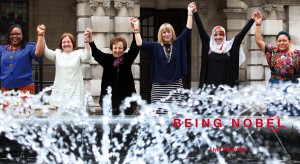
nobel
The Barcelona Declaration – Refugees: Meeting the Challenge to Our Humanity

WOMEN’S EQUALITY

geneva

International dialogue on gender equality in the media to be held in Geneva

DISARMAMENT AND SECURITY

drones
USA Exclusive: Air Force Whistleblowers Risk Prosecution to Warn Drone War Kills Civilians, Fuels Terror

HUMAN RIGHTS

wiego
Nearly 100 Home-based Workers from 24 Countries Gather in Delhi to Adopt Historic Delhi Declaration on Workers’ Rights

SUSTAINABLE DEVELOPMENT

food sovereignty
We are the solution: African women organize for land and seed sovereignty

DEMOCRATIC PARTICIPATION

cities
New Cities of Peace

FREE FLOW OF INFORMATION

Angola
Angola to host biennial on culture of peace in Africa

EDUCATION FOR PEACE

restorative
USA: Restorative Practices in Schools

Spain: The Spanish Commission for Refugee Aid

TOLERANCE AND SOLIDARITY .

Information from La Comisión Española de Ayuda al Refugiado (translated by CPNN)

CEAR, with over 30 years experience, is an organization of voluntary, humanitarian, independent and pluralistic action; inspired by a deep respect for the values ​​of justice, solidarity, freedom, equality, independence, ethical commitment, plurality, transparency, participation and coherence. The defense of these principles, since our founding in 1979, constitutes its main heritage and is the essential motivation for their work.

CEAR

CEAR’s mission is to defend and promote human rights and the integral development of refugees, stateless persons and migrants in need of international protection and / or at risk of social exclusion.

Currently CEAR has the commitment of 454 volunteers and 154 workers. But also it has the commitment of organizations and institutions in solidarity with refugees that form part of its Assembly: political parties, trade unions, religious groups and NGOs and prominent personalities in the field of defense and the human rights of asylum seekers.

Political parties: Spanish Socialist Workers Party (PSOE), Popular Party (PP) and Izquierda Unida (IU).

Trade unions: Workers Commissions (CCOO), General Union of Workers (UGT) and the Workers’ Trade Union (USO).

Religious denominations: Caritas, Spanish Evangelical Church and the Muslim Association of Spain.

Social Organizations: IEPALA, Association Proderechos Humanos of Spain (APDHE) and the Club of Friends of Unesco.

The composition of the Assembly of CEAR is a true reflection of the plurality of political organizations and civil society that have come together to work for our country to become a land of welcome and protection of refugees. Synonymous with the political and social consensus to defend the right to asylum and the will to join forces, one of its main strengths of CEAR is its diversity.

CEAR is a non-profit organization according to Title II of Law 49/2002 of 23 December on the taxation of non-profit entities and tax incentives for patronage.

( Click here for the original version in Spanish.)

Question for discussion

España: La Comisión Española de Ayuda al Refugiado

. . TOLERANCIA E SOLIDARIDAD ..

Información de La Comisión Española de Ayuda al Refugiado

CEAR, con más de 30 años de experiencia, se define como una organización de acción voluntaria, humanitaria, independiente y plural; inspirada por un profundo respeto a los valores de la justicia, la solidaridad, la libertad, la igualdad, la independencia, el compromiso ético, la pluralidad, la transparencia, la participación y la coherencia. La defensa de estos principios, desde nuestra fundación en 1979, constituye su principal patrimonio y es la motivación esencial de su trabajo.

CEAR

La misión de CEAR es defender y promover los Derechos Humanos y el desarrollo integral de las personas refugiadas, apátridas y migrantes con necesidad de protección internacional y/o en riesgo de exclusión social.

En la actualidad CEAR cuenta con el compromiso de 454 personas voluntarias y 154 trabajadoras. Pero también cuenta con el compromiso de organizaciones e instituciones solidarias con las personas refugiadas y que forman parte de su Asamblea: partidos políticos, sindicatos, confesiones religiosas y ONG, así como personalidades de reconocido prestigio en el campo de la defensa del asilo y los derechos humanos.

Partidos políticos: Partido Socialista Obrero Español (PSOE), Partido Popular (PP) e Izquierda Unida (IU).

Sindicatos: Comisiones Obreras (CC.OO.), Unión General de Trabajadores (UGT) y la Unión Sindical Obrera (USO).

Confesiones religiosas: Cáritas, Iglesia Evangélica Española y la Asociación Musulmana de España.

Organizaciones Sociales: IEPALA, Asociación Proderechos Humanos de España (APDHE) y Club de Amigos de la Unesco.

La composición de la Asamblea de CEAR es el fiel reflejo de la pluralidad de organizaciones políticas y de la sociedad civil que se unieron para trabajar porque nuestro país se convirtiera en tierra de acogida y protección de las personas refugiadas. Sinónimo del consenso político y social por la defensa del derecho de asilo y de la voluntad de unir esfuerzos, otorga a CEAR una de sus principales fortalezas: la pluralidad.

CEAR es una organización sin ánimo de lucro, declarada de utilidad pública por el Ministerio de Interior. CEAR aplica el régimen fiscal especial regulado en el Título II de la Ley 49/2002, de 23 de diciembre, de régimen fiscal de las entidades sin fines lucrativos y de los incentivos fiscales al mecenazgo.

( Clickear aquí para la version inglês.)

Question for discussion

Michael Moore (USA): My home is open for Syrian refugees

TOLERANCE AND SOLIDARITY .

By Michael Moore

Friends,

This past Friday I sent a letter to Governor Rick Snyder, our governor here in Michigan. Earlier in the week he had joined with 25 other governors in telling the President that they would block Syrian refugees from settling in their states.

michaelmoore
(Reed Saxon / AP)

Will you join me in defying this act of bigotry?

Their actions are unconstitutional, and worse, immoral. I am going against this “ban” by offering to give up my apartment in Traverse City, MI, to Syrian refugees who are currently seeking entry into our country.

Here is the letter I sent to the governor:

Dear Gov. Snyder:

I just wanted to let you know that, contrary to your declaration of denying Syrian refugees a home in our state of Michigan, I myself am going to defy your ban and will offer MY home in Traverse City, Michigan, to those very Syrian refugees you’ve decided to keep out. I will contact the State Department to let them know I am happy to provide a safe haven to any Syrian refugee couple approved by the Obama administration’s vetting procedures in which I have full faith and trust.

Your action is not only disgraceful, it is, as you know, unconstitutional (only the President has the legal right to decide things like this).

What you’ve done is anti-American. This is not who we are supposed to be. We are, for better and for worse, a nation of descendants of three groups: slaves from Africa who were brought here in chains and then forced to provide trillions of dollars of free labor to build this country; native peoples who were mostly exterminated by white Christians through acts of mass genocide; and immigrants from EVERYWHERE around the globe. In Michigan we are fortunate to count amongst us tens of thousands of Arab and Muslim Americans.

I’m disappointed in you, Governor Snyder, for your heartless and un-Christian actions, and for joining in with at least 25 other governors (all but one a Republican) who’ve decided to block legal Syrian refugees from coming into their states. Fortunately I’m an American and not a Republican.

Governor, count me out of whatever you think it means to be a Michigander. I look forward to welcoming Syrians to my home and I wholeheartedly encourage other Americans to do the
same.

Michael Moore

(article continued on the right side of the page)

Question for this article

The refugee crisis, Who is responsible?

(article continued from the left side of the page)

P.S. By the way, my 700-sq. ft. apartment in northern Michigan is a little small, but it’s got cable, wi-fi and a new dishwasher! Also, no haters live on my floor! Stop by any time for a hot chocolate this winter.

I’m not kidding about this. I’m making my apartment in Michigan available, rent-free, for six months to a year until the Syrian family gets settled and is doing well on their own. My family came here from Ireland in the 1800s. I know what it was like for them. There was bigotry and harassment — but there were also those who held out a helping hand. That I would have the chance to do the same thing for a new family of immigrants 150 years later is an honor. (Besides, legend has it that St. Patrick was originally from Syria/Lebanon — so I’m just passing on the green!)

I’ve written to Secretary of State John Kerry informing him that my home is available to place a Syrian couple. I’ve also asked him to please speed up the process of admitting these refugees (it’s taking 18 to 24 months right now, and that’s unacceptable).

I’m asking anyone who can, anyone who has spare rooms in their homes or an empty apartment, cottage, or whatever, to make it available for Syrian and Iraqi refugees for between six months and a year while they’re being settled in the U.S. If you can do this, would you please sign up on the #MyHomeIsOpen registry. Your name and contact info will be kept private and will only be shared with the appropriate refugee agencies sanctioned and overseen by the Obama administration and its participating NGOs. They will contact you when they have refugees that they’ve vetted and need to be placed in homes.

THIS is what we want the “American way” to be from now on. No more war, or interfering in other people’s lives, no more turning our backs on the messes that we’ve created.

Thanks for joining with me in this effort. We are, indeed, our brothers’ and sisters’ keepers. I can think of no better way to celebrate Thanksgiving and the holidays this year than by helping those who are suffering from the mistakes that have been made in our name.

All my best,

Michael Moore

Great-grandson of refugees and immigrants

UN Secretary-General’s Special Envoy for Youth Refugees and Sport wraps up humanitarian mission in Colombia

TOLERANCE AND SOLIDARITY .

An article from The official website of the Olympic Movement

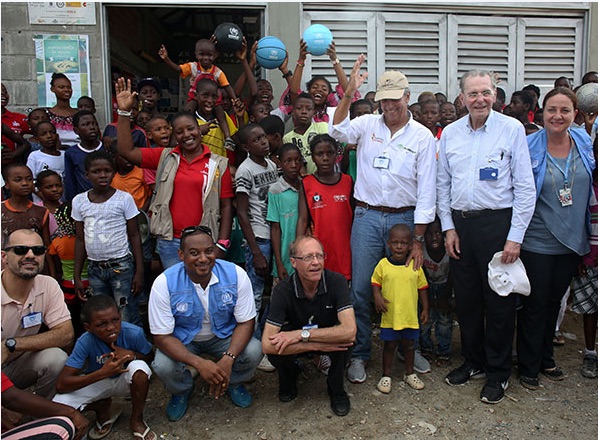
The IOC Honorary President and Special Envoy of UN Secretary-General Ban Ki-moon for Youth Refugees and Sport, Jacques Rogge, this week concluded a two-day humanitarian mission to Colombia, where he had the opportunity to get a first-hand look at the challenges faced by Internally Displaced People (IDPs) in the country.

Colombia
Click on the photo to enlarge
caption: ©Coldeportes (5)

His visit was also an opportunity to announce a new sport-based project in the Quibdò and Buenaventura areas located in the Pacific region, highly affected by the issue. The project, jointly funded by the IOC and the United Nations High Commissioner for Refugees (UNHCR), aims at protecting young people and children from the risks of armed conflict and other forms of violence through sport.

Jacques Rogge was accompanied on his trip by Colombian Sports Minister and former IOC Member Andrés Botero Phillipsbourne, Colombian National Olympic Committee (NOC) President Baltazar Medina, Colombian wrestler and double Olympic medallist Jackeline Rentería Castillo and a UNHCR team led by Country Representative Stéphane Jaquemet.

The mission started with a visit to the UNHCR office in Bogotá to discuss the displacement of the local population, which has stemmed from 50 years of internal conflict, resulting in more than 6.9 million IDPs in the country, of which an estimated 38 per cent are children and adolescents. The UN Refugee Agency works on solutions to address the heavy consequences faced in particular by children and women in the area. The meeting was followed by a visit to the Ministry of Sports – Coldeportes – and the NOC to discuss possible synergies around the implementation of sports programmes for the IDPs.

Special Envoy Rogge also visited the UNHCR Office in Quibdó and the community of Villa España, which currently hosts a hundred IDP families. He had the opportunity in the field to speak with representatives from local youth association AJODENIU, who expressed their strong desire for sports infrastructure and programmes to be developed in light of the current lack of the most basic facilities.

The new project unveiled by the Special Envoy is called “The alternative of sport: protecting children and young people from the risks of armed conflict and other forms of violence”. Its precise goal is to address these needs while using sport to create a safe environment and a place of exchange, where young people can receive appropriate support and develop increased awareness of their rights and self-protection mechanisms. For young people who have experienced conflict, war and displacement, participation in sports and recreational activities can provide a constructive outlet and much-needed psychosocial support. Sport also provides a healthy alternative to potentially harmful or risky lifestyles and role models.

(Click here for the original French version.)

(article continued on the right side of the page)

Question for this article

What is happening in Colombia, Is peace possible?

(article continued from the left side of the page)

As mentioned by Ingrid Palacios, a young displaced representative of the youth association: “Displacement has not killed our dreams and I am sure in our community there are many potential Olympic medallists, we only need the opportunity to prove it. We know this dream can become a reality, because sports will motivate us to become better persons, provide us with a sense of teamwork and foster a culture of peace which we really need in our country.” Additionally, in the specific case of indigenous communities, support for the practice of traditional sports will contribute to the strengthening of community identity and social cohesion.

The joint IOC-UNHCR project, to which Coldeportes and the NOC have pledged their full support – starting with the provision of a multi-sport infrastructure provided by the Ministry – is expected to last three years. Its launch next year will coincide with the expected signature of a peace agreement in Colombia between the Government and the long-warring factions in March 2016.

Commenting on these historic developments, Special Envoy Rogge said: “It is our duty to help the youth and the local population, and to support the ongoing peace efforts. And what better way is there to do it than through sport, which is a recognised strong enabler of youth empowerment, health, education and social inclusion”

UNHCR Country Representative Jaquemet said: “Athletes are role models for the unprivileged and displaced youth, and we believe in the powerful role that sport can play, not only in their personal reconstruction, but also for the peace process at large.”

For the last 20 years, the IOC and UNHCR have been using sport to support healing and development among young refugees in many camps and settlements around the world. Following the approval of Olympic Agenda 2020, the IOC’s strategic roadmap for the future of the Olympic Movement, and in light of the current global refugee crisis, the IOC has created a special fund of USD 2 million to develop relief projects through sport in collaboration with NOCs around the world. Details of some of the projects already under way can be found here and here.

With the help of NOCs and the UNHCR, the IOC is also in the process of identifying a number of athletes living in forced displacement, and will help them through its Olympic Solidarity programmes to take part in the Olympic Games Rio de Janeiro 2016. The IOC is confident that this initiative will bring hope to the refugee athletes who wish to return to training and compete at the Games. It is also intended as a symbol of hope for all refugees around the world, which will help raise awareness of the magnitude of the crisis.

La mission humanitaire de l’envoyé spécial du secrétaire général des Nations Unies pour les jeunes réfugiés et le sport prend fin en Colombie

. . TOLÉRANCE & SOLIDARITÉ . .

Un article du Site officiel du Mouvement olympique

Jacques Rogge, président d’honneur du CIO et envoyé spécial du secrétaire général Ban Ki-moon pour les jeunes réfugiés et le sport, vient de conclure cette semaine [27 novembre] une mission humanitaire de deux jours en Colombie. Au cours de cette mission, il a eu l’occasion de se faire une idée concrète des défis que les personnes déplacées à l’intérieur du pays doivent relever.

Colombia
caption: ©Coldeportes (5)

La visite de Jacques Rogge a également été l’occasion d’annoncer le lancement d’un nouveau projet fondé sur le sport dans les villes de Quibdò et Buenaventura situées dans la région pacifique, fortement touchées par cette question. Le projet, conjointement financé par le CIO et le Haut-Commissariat des réfugiés (HCR) a pour ambition de protéger, par le sport, les jeunes et les enfants des risques de conflits armés et d’autres formes de violence.

Pour cette mission, Jacques Rogge était accompagné du ministre colombien des Sports et ancien membre du CIO, Andrés Botero Phillipsbourne, du président du Comité National Olympique (CNO) colombien, Baltazar Medina, de la lutteuse colombienne et double médaillée olympique, Jackeline Rentería Castillo, et d’une délégation du HCR placée sous la conduite du représentant du HCR en Colombie, Stéphane Jaquemet.

La mission a commencé par une visite du bureau du HCR à Bogotá afin de discuter du déplacement de la population locale, lequel est dû à 50 ans de conflits internes et s’est traduit par plus de 6,9 millions de personnes déplacées à l’intérieur du pays dont 38 % d’enfants et d’adolescents selon les estimations. L’agence onusienne pour les réfugiés planche sur des solutions afin de gérer les lourdes conséquences que doivent supporter en particulier les enfants et les femmes de cette région. La réunion a été suivie par une visite au ministère des Sports – Coldeportes – et au CNO afin de discuter des éventuelles synergies autour de la mise en œuvre de programmes de sport pour les personnes déplacées à l’intérieur du pays.

L’envoyé spécial, Jacques Rogge, s’est également rendu au bureau du HCR à Quibdó et dans la communauté de Villa España, laquelle accueille actuellement une centaine de familles déplacées. Il a eu l’occasion de dialoguer sur le terrain avec des représentants de l’association locale pour la jeunesse AJODENIU, qui a fait part de son profond désir quant à la création d’infrastructures et de programmes de sport étant donné le manque actuel d’installations les plus sommaires.

Le nouveau projet dévoilé par l’envoyé spécial est baptisé “L’alternative du sport : protéger les enfants et les jeunes des risques de conflits armés et des autres formes de violence”. Son objectif précis est de répondre à ces besoins tout en utilisant le sport pour créer un environnement sûr et un lieu d’échanges, où les jeunes peuvent recevoir le soutien approprié, être informés de leurs droits et développer des mécanismes de protection automatique. Pour les jeunes qui ont connu les conflits, la guerre et le déplacement, le fait de pratiquer un sport et de participer à des activités récréatives leur fournit un exutoire constructif et le soutien psychosocial dont ils ont tant besoin.

(Cliquez ici pour une traduction anglaise.)

(L’article se continue à droite.)

Question for discussion

What is happening in Colombia, Is peace possible?

(L’article se continue de la gauche.)

Le sport est aussi une alternative saine à des modèles et à des modes de vie potentiellement dangereux ou risqués. Ainsi qu’Ingrid Palacios, une jeune représentante déplacée de l’association des jeunes, l’a précisé : “Le déplacement n’a pas tué nos rêves et je suis convaincue que, dans notre communauté, nous avons de nombreux médaillés olympiques potentiels, nous avons juste besoin d’une occasion pour le prouver ! Nous savons que ce rêve peut devenir réalité, car le sport nous incitera à devenir de meilleures personnes, nous donnera le sens du travail en équipe et encouragera une culture de paix dont nous avons cruellement besoin dans notre pays.” De plus, s’agissant du cas spécifique des communautés indigènes, le soutien à la pratique des sports traditionnels contribuera au renforcement de l’identité communautaire et de la cohésion sociale.

Le projet conjoint CIO-HCR – auquel Coldeportes et le CNO se sont engagés à apporter un soutien sans faille, à commencer par la construction d’une infrastructure multisportive par le ministère – devrait s’étendre sur trois ans. Son coup d’envoi l’année prochaine coïncidera avec la signature très attendue en mars 2016 d’un accord de paix en Colombie entre le gouvernement et les factions belligérantes.

S’exprimant à propos de ces développements historiques, l’envoyé spécial, Jacques Rogge, a déclaré : “Il est de notre devoir d’aider la jeunesse et la population locale et de soutenir les efforts de paix en cours. Et quel meilleur moyen de le faire que par le sport, lequel est reconnu comme un puissant vecteur de responsabilisation des jeunes, de santé, d’éducation et d’intégration sociale.”

Le représentant du HCR en Colombie, Stéphane Jaquemet, a pour sa part indiqué : “Les athlètes sont des modèles pour les jeunes déplacés et défavorisés. Nous sommes intimement convaincus du rôle déterminant que le sport peut jouer, non seulement pour leur reconstruction personnelle, mais aussi plus largement, pour faire avancer le processus de paix.”

Ces 20 dernières années, le CIO et le HCR ont utilisé le sport pour soutenir le rétablissement et le développement des jeunes réfugiés dans de nombreux camps et installations à travers le monde. Suite à l’approbation de l’Agenda olympique 2020, la feuille de route stratégique pour l’avenir du Mouvement olympique, et au vu de la crise actuelle des réfugiés à l’échelle mondiale, le CIO a débloqué un fonds d’urgence spécial de deux millions de dollars américains pour mettre sur pied des projets d’aide par le sport en collaboration avec les CNO du monde entier. Les détails de certains des projets d’ores et déjà lancés sont disponibles ici et ici.

Avec le concours des CNO et du HCR, le CIO s’est en outre lancé dans un processus d’identification des athlètes subissant des déplacements forcés afin de les aider grâce aux programmes de la Solidarité Olympique à participer aux Jeux Olympiques de Rio 2016. Le CIO ne doute pas que cette initiative apportera de l’espoir aux athlètes réfugiés qui souhaitent reprendre l’entraînement et concourir aux Jeux. Cette initiative est aussi pensée comme un symbole d’espoir pour tous les réfugiés du monde entier et permettra de contribuer à sensibiliser à l’ampleur de cette crise.