Category Archives: EDUCATION FOR PEACE

Romania: IPDTC Training programs for peacebuilding and violence prevention

… EDUCATION FOR PEACE …

Information from Claire Payne, Global Coordinator of the International Peace and Development Training Centre (IPDTC)

Our teams at the Department of Peace Operations (DPO) and the International Peace and Development Training Centre (IPDTC) have provided customised programmes for UN missions and agencies all over the world, as well as for governments, negotiating parties, intergovernmental organisations, and local, national and international organisations working in peacebuilding, violence prevention, social cohesion, and post-war stabilisation, recovery and peace consolidation.

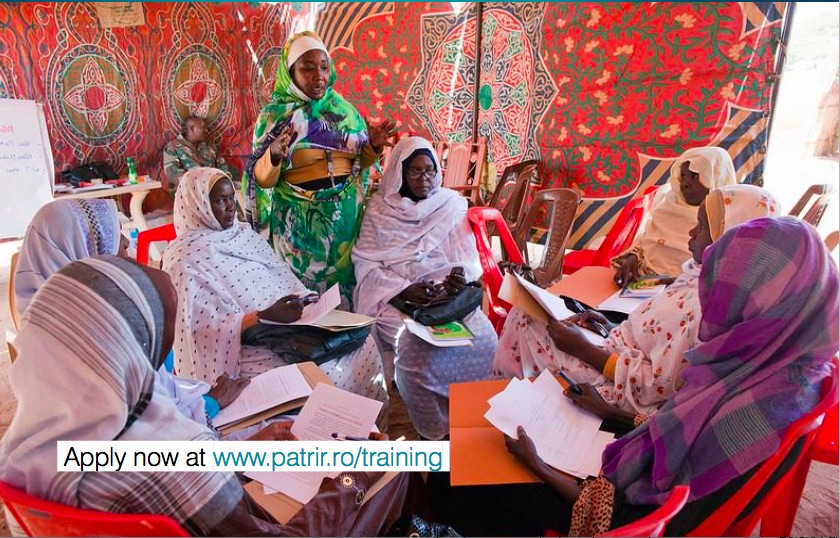
We are launching now our Calendar of Training Programmes for the second half of 2017 and 2018 which include a series of Advanced Certificate Programmes at the IPDTC Global Academy in Cluj-Napoca, and Executive Leadership and Intensive Core skills Trainings in London. From January 2018 we will also offer online programmes on addressing radicalisation and violent extremism and core skills for Designing Peacebuilding Programming for peacebuilding, mediation and prevention.

In October of this year we are hosting the two Advanced Certificate Programmes:

  1.     Making prevention, early warning & peacebuilding effective: lessons learned, what works in the field and core skills

This is a hands-on and practical program created to assist governments, inter-governmental organisations and civil society organisations and agencies in the field. It is the only one of its kind internationally going in-depth into what works in prevention, how to make early warning systems effective, and how to do peacebuilding with impact to prevent wars, armed violence, and crisis escalation. Prevention, Early Warning and Peacebuilding draws on the key lessons from the field, experiences on the ground, and real case studies to identify critical lessons and challenges in peacebuilding and prevention – and how they can be addressed in practice. The programme also focuses on developing a customised roster of measures, tools and approaches to making peacebuilding and prevention work effectively on the ground in participants own contexts.

(continued in right column)

Question for this article:

Where is peace education taking place?

(continued from left column)

Prevention, Early Warning and Peacebuilding offers participants an intensive, stimulating and challenging environment with experienced practitioners and policy makers from the UN, governments, and local, national and international agencies and organizations from around the world. This allows participants to learn together with practitioners from multiple conflict contexts, agencies, and levels of operation and engagement. Staff of the International Peace and Development Training Centre (IPDTC) and PATRIR’s Department of Peace Operations provide tailored support to assist participants in enhancing in-depth knowledge, applied skills and customized approaches relevant for their needs and contexts. The programme also assists review, development and strengthening of national and organizational strategies and early warning and prevention systems, tools and approaches.

2.      Designing peacebuilding programmes: improving the quality, impact and effectiveness of peacebuilding and peace support

This is an intensive training programme designed for agencies, organisations and practitioners working in conflict, crisis and post-war stabilisation and recovery who wish to to improve the quality, effectiveness and sustainable impact of their programmes – including crisis management and prevention, peacebuilding, social, economic and political stabilisation, reconciliation in divided communities, and post-war recovery, rehabilitation and development.

Drawing on more than 30 years of experience in over 40 countries, Designing Peacebuilding Programmes represents the most advanced training programme of its kind for policymakers, practitioners, government officials and donors internationally.

There is a gap between the scale of people’s efforts and investment, the huge number of programmes, activities and organisations in the field, and the impact this is all having on peacebuilding and sustainable post-war recovery and stabilisation. This programme has been designed to close that gap. It is practical and operational, designed for policy makers, donors and practitioners, and those dealing with the daily challenges of peacebuilding, development and recovery in areas affected by war and violence. Unlike almost every programme in the field today, it draws from across the entire breadth of operational experience, lessons learned and practical methodologies – doing so in a way that has been designed to enable agencies and organisations to go in-depth into their work and how they are doing it, coming out with better designs, better approaches, and with real effects.
There is a reduction of 15% if three or more members of an agency / organisation register. You can also find out more information at www.patrir.ro/training.

Peace Heroes: Bushra Qadeem Hyder on Fighting Extremism with Education in Pakistan

… EDUCATION FOR PEACE …

An article from the International Civil Society Action Network published by Ms Magazine

Education is the reason extremists attacked Malala Yousafzai and other young girls in Pakistan. For extremists in the country, education threatens their very existence. Bushra Qadeem Hyder also understands the power of education. She is a driving force behind efforts to eradicate weapons and extremist ideologies in Pakistan.
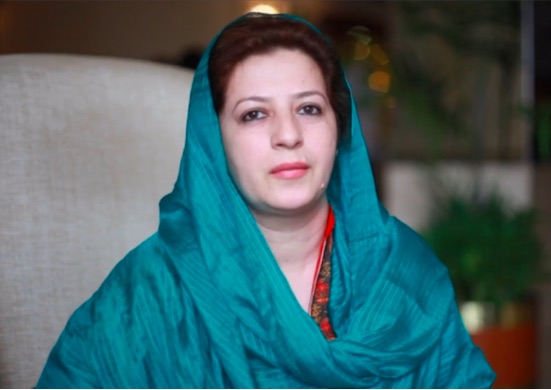
Hyder is a pioneer in education—not only bringing the principles of peace education into her own school, but also integrating a comprehensive peace curriculum throughout an entire school system. Through Hyder’s peace education, pupils are exposed to the religious and cultural teachings of other communities, promoting understanding and acceptance.

Here she speaks of her journey of triumphs and challenges bringing up the next generation in a country saturated in conflict.

What does extremism look like to you?

Extremism, to me, is crossing your limits and imposing your views and values on others. In Pakistan, for the last decade, we have had extremism in different forms. It’s not just about terrorist attacks, but also the growing tendency for extreme ideas and ideologies. They have trickled into every level of society from the poor and less-educated to the highly educated elite. So for us it is a dual battle; we are not only fighting off the extremists who are training young people to become human bombs, but also struggling against a divided educated community.

What challenges and difficulties do you face as an educator and school headmistress?

For us as teachers, it is a bit difficult, because we are dealing with children who come from diverse backgrounds. They have discussions at home, they listen to their parents, and when they come to us, they are in a state of confusion: who exactly are the extremists? How do we know who they are? So as an educational institution it was a challenge to us, it was fighting the extremists who are killing people on the roads, and in the markets and in the mosques, and at the same time this educated class which were sending their children to us.

To complicate matters further, there are three parallel systems of education running in Pakistan: the government schools, private schools and madrasas (religious schools). All three follow different syllabi and totally contrasting teaching methodologies. They don’t mingle and each looks down upon the other.

They are doubtful of any change brought in the curriculum.

Changing the status quo and mindsets and talking about incorporating peace education on a national level is difficult. Confronting and challenging the views of the political parties is also a problem. Change is unacceptable and risky and no one is ready to take it.

How has this affected your line of work and sparked you to take action?

This drove me to initiate a peace education program within my own school, becoming the first in Pakistan which has peace education as part of the mainstream curriculum. Furthermore, I spread the word to other private institutions, and now I have five schools working with me; they have incorporated peace education as well.

I also introduced another unique combination of private schools. With the help of several organizations, I started involving private schools with the mainstream schools. We retrain their teachers, both the madrasa teachers and the private schools, and then we bring together the students of our private schools along with the madrasa institutions. Together they work on art competitions, peace theaters, debates, competitions and sports. These activities bridge the gaps between all these students. The gap is typically widest between the madrasa students and the private institution students. They consider each other as two different worlds, belonging to two different universes, and they don’t trust each other, because the communication gap is so enormous. But even with them, when they get together, they talk, they discuss and they find out that they are all the same.

What is the effect of the program on the students?

If you are new to my school, no matter to which country, or to which religion you belong, that won’t matter to my students. We would have a group of students welcoming you on the very first day. They would take you to class, introduce you, and all the students sitting there will welcome you. They would have a speech for you that you are welcome to our community. Among the students are peace agents who are trained in conflict resolutions and conflict transformation. On a small scale within their class, when there is a problem, they solve it on their own without going to the teachers. The new students are enrolled in a human rights class, with teachings on acceptance, regardless of religion and to which sect they belong.

You would never feel like a stranger, as it is not just the class but the entire schools gets to know there is someone new to welcome. This plants the seeds of acceptance and tolerance in them; if they welcome that person, they will become part of you and you will not develop either biases or hatred and won’t start fighting.

Have you heard from any of your students of some extreme cases?

Yes, we have seen extreme cases throughout the five years we have been running the programs. In my school, we have Christian students, we have Shia students, like Punjabis, we have students from different regions of Pakistan as well, and some of them have really extreme views about each other. They will say things like “he behaves like this because he is a Punjabi,” and that Shias are not Muslims. Initially it was difficult for us to manage, but now they have all understood that we are all God’s creations. He can create anybody in whichever way he wants to. So for us, the challenge as human beings is to respect that diversity. The same students who used to be against each other are now really good friends.

(continued in right column)

Question for this article:

Where is peace education taking place?

(continued from left column)

Why do you think it is hard for educational systems to incorporate peace curricula?

The first hurdle is that the majority of the people assume that education has nothing to do with extremism. Therefore they do not understand or see a need for peace curricula and how its presence in schools will make any difference to the overall security situation of the country. Secondly, everything in Pakistan is politicized, especially education. If anyone talks about interfaith harmony, equal rights and pluralism, the religious political parties term it as anti-Islam and hence educationists don’t take the risk of discussing peace curricula. Assertive advocacy for inclusion of peace education has never been undertaken. Lack of funding and disinterest of donors in this regard has been another hurdle.

Could you tell us a certain story or memory that touched you throughout your great work experience, be it with a child or teacher?

We started our peace education program in 2009. This was a time when our city Peshawar was witnessing daily bomb blasts. In my first peace education class with grade seven I discussed tolerance and forgiveness. One of the students was not agreeing that people should be forgiven. He was adamant that revenge must be taken only, and that can bring justice. I was trying to convince him with the help of Quranic verses and sayings of the Prophet but he stuck to his point. I knew the reason. His elder brother was a doctor in the army who had died recently in a Taliban attack. I took him to the office and talked to him. He shared with me that his mother refused to leave her room and had stopped talking and seeing people. She did not talk even to him or his siblings. She was taking medicine for depression that made her sleepy. The whole family was disturbed.

I got in touch with the child’s father and elder sister. We discussed the situation in detail. I asked them if there was a possibility of meeting the mother. They reluctantly promised to bring her to school. After three weeks she showed up with her daughter. During her first meeting she remained silent and only asked about her son’s behavior. This was an opportunity, so I told her he was not studying well and had become very aggressive. He fought with boys and argued with everyone. This information disturbed her. I asked her to come to school on a regular basis as that would help her son. She agreed.

After two days I received a phone call from the same mother. She asked about her son but I told her that he was behaving in the same way. This was an opportunity for me, so I told her about our peace education classes and invited her to come and have a class with the students. To my surprise, she accepted the offer. When she came to school I briefed her about our program and the topic I wanted her to discuss based on her personal experience.

The usual forty-minute class took an hour. I was anxiously waiting for her to come so that I could take her feedback. She came to my office after the class with a very mixed expression on her face. I was unable to read her thoughts. After a while, a smile appeared on her face, and she thanked me for giving her the opportunity to share her feelings and experiences and overcome her biases. That one class made her realize how important it was for elders to teach children about acceptance of diversity, forgiveness and tolerance. She became a regular visitor to school and conducted most of our peace education classes.

How would the world change if peace work was funded like militaries are?

I think the world will be a far better and more peaceful place if we invest less in military and invest more in peace education. If we invest more, if we train more teachers, if we train more students, within 10 years time I am sure that most of the conflicts that we have, and that we face on daily basis, will be overcome.

What assets do women bring to conflict resolution?

I believe women are more affected by the conflict. We have seen that throughout the world. I think it’s the mother, it’s the woman, who has responsibility and influence not only in her own house, but in the community as well. She thinks of everybody at large. So if women know more about what peace is, and how it could be brought about, I think it will be beneficial for the children whom she is raising. If women raise children on peace values, they teach them tolerance, they teach them acceptance, they teach them compassion, the same children will grow up into compassionate adults.

How has ICAN played a role in your journey?

ICAN gave me exposure, and a platform where I met so many women whom I was not aware were affected by conflicts and wars as much as I am. I made friends from Iraq, Yemen and Egypt, and then I came to know that we share the same stories and we have the same experiences. This gave me the opportunity to share my experiences with them as well, the way I’m handling conflicts in my country and the way I’m working with children. I have shared my materials with them because in some of these countries, which are all partners of ICAN, extremism is rising, especially among youth. Perhaps we have handled it in a positive way and now we can share our experiences with other women. This gives me more strength to move ahead.

What gives you hope for a better, less violent Pakistan?

We are a resilient nation and have overcome most of our troubles in an effective and positive manner. The increase in education, the enlightened youth and an active civil society is our hope for a less violent Pakistan.

International Civil Society Action Network is a U.S.-based nonprofit whose mission is to support civil society activism in promoting women’s rights, peace, and human security in countries affected by conflict, transition, and closed political space. ICAN aims to support women’s efforts through bridging the divisions between activists and the policy community, elevating the voices and experiences of women activists, building skills, and ensuring the exchange of knowledge and resources.

(Thank you to Janet Hudgins and the Global Campaign for Peace Education for pointing us to this article)
Rwanda: Building Resilience to Genocide through Peace Education: Concepts, Methods, Tools and Impact

… EDUCATION FOR PEACE …

An article from Aegis Trust

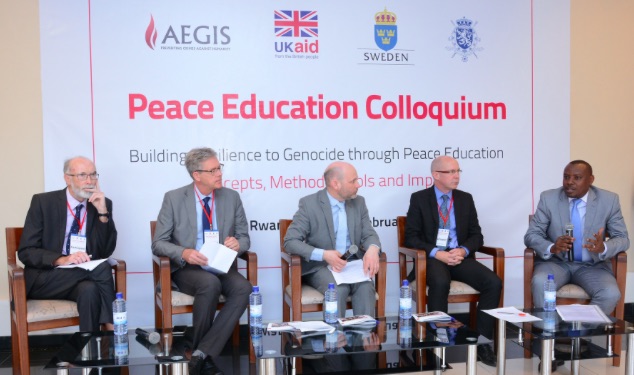
A three-day Colloquium in Kigali in February brought together academics and practitioners in and around the field of peace education to share concepts, methods and means of measuring impact, contributing to a stronger evidence base for the effectiveness of peace education. The Colloquium report has now been published.

You can download it here: 
Building Resilience to Genocide through Peace Education: Concepts, Methods, Tools and Impact

Three interesting takeaways from the Colloquium:

1.  Building resilience against genocide requires critical thinking about the process of identity-based violence and its reversal.

2.  The content of peace education programmes matters: interactive role-play type activities have been shown to have a longer lasting impact.

3.  Unhealed wounds need to be addressed to prevent a repeat of violence; psychosocial support must accompany peace education to reduce anxiety, which can be an obstacle when accessing empathy.

Colloquium background

The Aegis Trust’s peace-building work in Rwanda began ahead of the establishment of the Kigali Genocide Memorial that opened in 2004. From 2013-16 Aegis led the Rwanda Peace Education Programme, a partnership including Radio La Benevolencija (producer of the Radio broadcast “Musekeweya” -New Dawn), the Institute of Research and Dialogue for Peace (IRDP) and the USC Shoah Foundation. This programme contributed to delivering peace education training to more than 60,000 educators, young Rwandans and Rwandan communities.

(continued in right column)

Question for this article:

Where is peace education taking place?

(continued in from left column)

A major achievement resulting from the consortium’s advocacy has been that the Government of Rwanda through the Ministry of Education has integrated Peace and Values education into the school curriculum. In a new phase of work Aegis is now supporting the implementation of the revised national curriculum that has integrated peace and values education (2016-19).

The colloquium itself

At the Colloquium in February, panellists examined the social, political and cultural triggers that enable the process of dehumanisation. Individuals are not born violent, they are socialised into becoming violent. Understanding the process of dehumanisation and its reversal was explored by speakers drawing out valuable insights. Experiences of peace education in different contexts demonstrated how interactive content, such as role-plays or interactive exercises have a major influence on longer-term attitudinal changes.

Core skills, values and knowledge that are central to peace education include critical thinking, listening, empathy, trust, and personal responsibility. Interlinkages between these values were explored, deepening our understanding of how unresolved trauma can affect the ability to empathise. Critical thinking and positive values were discussed confirming that critical thinking on its own is not enough to promote peace. It must be accompanied by positive values (empathy, caring) as these guide us in what we decide to think or do. Developing individuals’ sense of personal responsibility is closely linked with their sense of agency (their belief that they can act or make a difference). The sharing of a range of experiences of working with these values affirmed existing best practice.

 A range of approaches and tools to measure peace, the risk of genocide, and individual attitude changes were discussed, providing invaluable insights on impact assessment to participating organisations. Resulting from the Colloquium Aegis has been working on its own Impact Tool to assess increased resilience to identity-based violence or genocide.

The Aegis Trust extends thanks to the UK Department for International Development (DfID) for funding the Colloquium and the Genocide Research and Reconciliation Programme.

(Thank you to Janet Hudgins and the Global Campaign for Peace Education for pointing us to this article)
Nigeria: Plateau To Tackle Boko Haram With Peace Education

… EDUCATION FOR PEACE …

An article from Concise News

The Government of Plateau has introduced peace education in primary and secondary schools to forestall the resurgence of Boko Haram and tackle the menace of radicalism among children and youths.


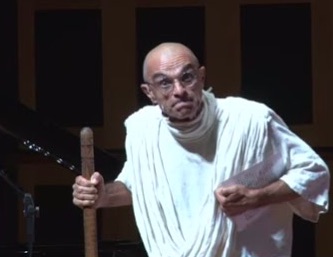
Plateau State Governor Simon Lalong   Photo: ScanNews

Deputy governor of the state, Prof. Sonni Tyoden, told the News Agency of Nigeria in New York that the state had paid dearly for violent conflicts.

Tyoden attended the 2017 Education Solutions International Conference in New York and delivered a keynote address on ‘SDGs-4: Character and Leadership Education in 2030 Development Agenda’.

He said Plateau would become the first and only state in Nigeria to have introduced peace education in its primary and secondary schools curricula.

”As a society emerging from the throes of violent conflict, so much is required in terms of functional and collaborative partnership with the global community to develop the educational sector.

”However, the current situation where peace education is only taught at tertiary levels may not be the best approach as far as the quest for the de-radicalisation of young minds is concerned,” he said.

To ensure its success, Tyoden said the state is willing to build strategic partnership with relevant stakeholders. The stakeholders, according to him, are the UN Educational, Scientific and Cultural Organisation and other International Non-Governmental Organisations (INGOs).

He also said the state would partner with donor agencies to tackle the problems of negative social indoctrination, as well as other challenges facing our education sector.

[Thank you to Janet Hudgins, the CPNN reporter for this article, and to the Global Campaign for Peace Education for calling this article to our attention]

Question for this article:

Conference of the Asia-Pacific Peace Research Association

EDUCATION FOR PEACE .

Excerpts from website of the Asia-Pacific Peace Research Association

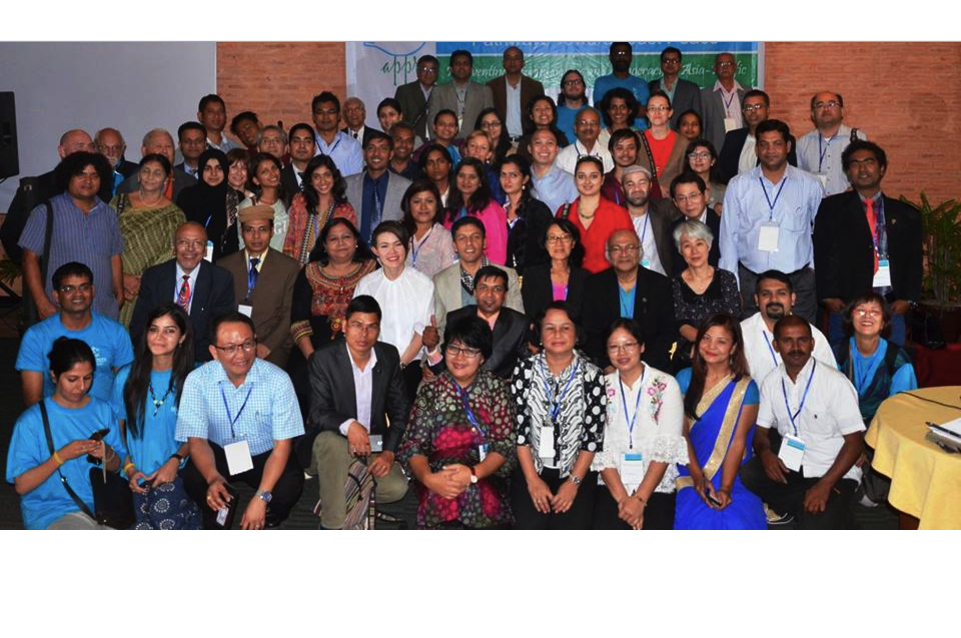
The Centre for Policy Research and International Studies (CenPRIS), Universiti Sains Malaysia in collaboration with its conference partners will be hosting the Asia Pacific Peace Research Association (APPRA) Conference from 23 to 25 August, 2017 at Universiti Sains Malaysia, Penang, Malaysia. Theme: ‘Promoting Peace and Upholding the Transcendent Dignity of the Human Person in the Asia-Pacific Region’ Dates: August 23-25, 2017 Venue: Dewan Persidangan Universiti, Universiti Sains Malaysia, Penang, Malaysia


(Click on photo to enlarge)

There will be several special lectures but the highlight will be the Keynote Address on the theme of “Promoting Peace and Upholding the Transcendent Dignity of the Human Person in the Asia-Pacific Region”.

Confirmed Keynote Speakers:

Tan Sri Dato Professor Dzulkifly Abdul Razak, former Vice-Chancellor of Universiti Sains Malaysia and current Chairman, Board of Directors, Universiti Sains Islam Malaysia,Malaysia “Peace Starts with Me – Lessons from a hibakusha”

Dato’ Prof. ( Dr.) Anwar Fazal, Right Livelihood College, Penang, Malaysia “Streets of Harmony: Building Bridges, Crossing Them: The Penang Experience”

Professor Dr. Kevin Clements, Chair and Director, The National Centre for Peace and Conflict Studies,University of Otago, New Zealand “The Current State of Peace Research in the Asia-Pacific Region”

Professor Dr. Katsuya Kodama, Secretary-General, International Peace Research Association (IPRA) “ Hiroshima – Nagasaki Process”, Japan

Professor Dr. Chaiwat Satha-Anand, Peace Information Centre, Thammasat University, Thailand “Nonkilling: Asia as a Peace Research Agenda”

Here are some of the confirmed panels:

Peace Education at Peace Museums -convened by Prof. Yamane Kazuyo, Ritsumeikan University

“US military vs Asian lands and people” – convened by Patrick Hiller, Oregon Institute of Peace

Kampung Mizan : Re-thinking the idea of development- convened by Associate Professor Dr. Mahazan, Malaysian Islamic Science University [USIM]

(continued in right column)

Question for this article:

Can peace be guaranteed through nonviolent means?

(continued from left column)

Aging with Dignity- convened by Associate Prof. Dr. Saidatulakmal Mohd, USM-RIKEN International Centre for Aging Science , URICAS, Universiti Sains Malaysia

Religion, Spirituality and Peace – convened by Chetalanaya Institute, Nepal

Mother Earth convened by Sahabat Alam Malaysia

Challenges of Peace Building in the Deeply Polarized societies: The Case of Identity, Ethnicity and Territory based Conflicts in Deep South of Thailand and Arakan State of Myanmar –AMAN

Gandhian non-violent action – Prof. Dr.Vidya Jain

Multi-national/ethnic federalism as a framework of peacemaking – Prof. Dr. Tatsushi Arai

Transforming the inter-communal and Buddhist/Muslim conflict in Western Myanmar, Eastern Bangladesh, and ASEAN- Prof. Dr. Tatsushi Arai.

Education for Social Healing & Reconciliation-Professor Dr. Roy Tamashiro of Webster University, USA, Dr. Chang Ku Do, in Korea, Prof. Yang Shanyou, China, Prof. Kazuyo Yamane, Ritsumeikan University, Japan.

“Populism in Asia and its non-violent responses”-Dr. Janjira Sombatpoonsiri Faculty of Political Science, Thammasat University (Panel Coordinator), Panelists: Dr. Ajay Gudavarthy, Politics Department, Jawaharlal Nehru University, India, Dr. Aries Arugay, Faculty of Political Science, University of the Philippines, Diliman, the Philippines and Dr. Luky Djani, Executive Director, Institute for Strategic Initiatives, Indonesia

“Nonkilling Asia” Prof. Chaiwat Satha-Anand, Thammast University (moderator) The panelists are Pradeep (Nepal), Emma Leslie (Cambodia), Jose Abueve (Philippines), Siwach Sripokangkul (Thailand).

Conflict Early Warning and Agro-terrorism, Dr. Ali Maksum and Surwandono, Universitas Muhammadiyah and Ms. Zuliana, CenPRIS.

For information about the registration, abstract submission and general questions about the conference, please contact

Conference Secretariat:
Centre for Policy Research and International Studies (CenPRIS)
Universiti Sains Malaysia
11800 USM, Penang
Malaysia
Tel: +604-653 2456
Fax: +604-658 4820
Website: appra.net , cenpris.usm.my/index.php/appra2017
E-mail: appra.usm2017@gmail.com or omarufaruku@gmail.com

Mexico: UNICEF carries out Culture of Peace Pilot Program

EDUCATION FOR PEACE .

An article from Radio Formula (translated by CPNN)

The representative of the United Nations Children’s Fund (UNICEF) in Mexico, Christian Skoog, reports that a pilot project in childhood education is being carried out in Guerrero to promote a culture of peace in homes, schools, communities and institutions.

“We have worked on various themes of education in childhood and social policies in general, and now we need to talk about violence and promote a culture of peace in schools, communities and family. We know that children live in a situation of violence, and that there are different types of violence, with the strongest being homicides,” he said.

“We are supporting the state to see how we can promote another culture, to resolve conflicts, and to discipline your children without violence. We have a pilot project in a municipality (of which he could not remember the name), in an effort to see how we can best change the way people act “.

In the interview, Christian Skoog said that the results will be evaluated in July and August, but so far have been “good” indicators, so that in the last months of 2017 the project will be applied in other municipalities of Guerrero.

“We have very good indicators of change in the way people interact at home and at school, and we are very happy about that, although we know that the situation in Guerrero is complex not only for children but for the entire population. However, we see a great willingness on the part of several actors as well as instances of government and civil society to unite efforts,” he said.

He also indicated that it is expected that in the medium term this pilot program will be implemented at the national level. “For this reason, we are working with the National Security Commission at the federal level.”

On other issues, the UNICEF representative said that the lack of opportunities, poor educational quality, and lack of respect and dignity for human rights have led to more and more young people and children entering criminal groups.

“Many times it has to do with having opportunities. If you have opportunities and you see that education counts, which parents should promote with their children, but if there is no quality of education and a decent job then there is another alternative that Is not good. In general, we need to promote how to act in life with respect and dignity and resolve conflicts in a peaceful way,” he concluded.

(Click here for the original version of this article in Spanish)

Question for this article:

Dominican Republic: Education Ministry launches student forum for a culture of peace

EDUCATION FOR PEACE .

An article from Hoy Digital

The Ministry of Education today launched the National Student Forum for a Culture of Peace, which involves 360 students endowed with the best averages in public and private educational centers throughout the country.


(Click on photo to enlarge)

The opening of the forum was led by the Minister of Education, Andres Navarro, who promoted a culture of peace as an urgent need for the Dominican Republic, both in homes and in schools, with an emphasis on study and work.

“Students deserve to be heard as protagonists in the process of reform and change that is taking place, within the framework of the educational revolution that drives our president Danilo Medina,” said Navarro. He stated that the event constitutes a meeting space for reflection on education and should be understood as an exercise of student participation in the education system.

The forum, which will run until next Thursday, is being held at the Ministry of Foreign Affairs’s convention center with talks, conferences and other activities that will help the students to strengthen their culture.

(Click here for the original version of this article in Spanish)

Question for this article:

Innsbruck, Austria: 2017 International Institute for Peace Education (IIPE)

EDUCATION FOR PEACE .

Announcement from the International Institute for Peace Education

The 2017 International Institute for Peace Education (IIPE) will be held in Innsbruck, Austria at the Grillhof Seminar Center from August 27 to September 2, 2017. This year’s institute is being organized in partnership with the IIPE Secretariat, members of the Faculty of Education and Queens’ College at the University of Cambridge, and the Unit for Peace and Conflict Studies at the University of Innsbruck.

The peoples of Earth, our planetary home, are caught in a set of unprecedented, interrelated, existential and ethical crises. Confronting the great divide and deficits in human needs and the potential planetary collapse requires new and unprecedented learning to navigate the global politics of survival. This convergence of crises include climate change, environmental destruction, and loss of biodiversity; the proliferation of nuclear and other weapons of mass destruction; the emergence of cyber warfare with the potential for mass destruction and disruption; the rise of worldwide political fascism tearing at the fabric of democracy; human rights violations; intractable civil wars and humanitarian disasters; gender oppression; and extreme poverty, among many other threats. The 2017 IIPE theme “Aesthetic Peaces: Social, Political & Embodied Learning – Responses for Human & Planetary Survival” compels us to ask:

What contribution can peace education and peace learning make to the transformation of the emerging crises threatening existential and social survival?

What must we learn, and how might we learn it in order to save our planet, eliminate “the scourge of war,” and achieve universal human dignity as the fundamental basis of a viable and just global society on a healthy planet?

Within this crucial problematic, IIPE 2017 seeks to explore peace education and peace learning as a multidimensional transformative process, with a special emphasis on affective and embodied learning and the arts, as well as contemplative practices, moral and ethical-political discourse, and approaches to trans-rational conflict transformation as modalities and content of peace learning and civic action.

We propose that the pathway to this transformation is political in the sense that it involves politics as learning: peace learning for responsible citizenship through civic action and, reciprocally, civic action as peace learning. With this in mind, we invite and encourage applications from practitioners, researchers and activists from the fields of peacebuilding, international education, conflict transformation, community development, artists and healthcare to join the weeklong co-learning community. Through this learning community encounter, we hope to expose educational professionals to novel concepts of peace, peace education, and peace research, and to inspire scholars, artists, and practitioners to endeavor toward intercultural understanding and cooperation in various educational communities.

Four primary streams of inquiry and peace pedagogy will be engaged in the institute:

– creativity and art-making;

– embodied learning and contemplative practices;

– trans-rational conflict transformation;

– and moral and ethical-political thinking.

These streams reflect the work of the organizers. Together we propose to explore their relationships to each other and their best applications to the current global-local crises. We aspire to cross-fertilize participants’ experience both regionally and in our roles as peace-oriented educators, activists, researchers, and artists.

For teachers and health-care practitioners, the body – as site, memory, channel, possibility – is so often relegated as an afterthought in the mind/body Cartesian divide of teaching and learning. Here we begin with the hyphenated body-mind (rather than the divided mind/body) to explore the ways in which the body feels, understands and fosters reflection and action for transgressive and transformative learning. This strand focuses on the alternative and elicitive mediums of learning that scholars, practitioners and artists joining IIPE have used in their own educational practices, such as breathing exercises, meditation, Qi Gong, yoga, Theatre of the Oppressed, Theatre for Living, and body work to foster critical action for social and political change that takes account of the body. With the elicitive shift, practitioners are understood as facilitators engaged in the art of creating and holding spaces in which transformation and unfolding can take place. This strand relates closely to concerns for contemporary migration and mobility in reference to the challenges educational practitioners face in working alongside participants who have recently experienced war and trauma.

(continued in right column)

Question for this article:

Peace Studies in School Curricula, What would it take to make it happen around the world?

(continued from left column)

For researchers, embodied methods of research take account of the researcher as a holistic, subjective being. In order to counter the cultural and structural violence inherent in the idea that a researcher speaks from a ‘disembodied head’, and to acknowledge that research participants are very much embodied in their gender, ethnicity, class, and war trauma, peace researchers engage with autobiography, feeling and subjective aspirations. In this strand, IIPE participants may explore alternative research modalities, such as auto-ethnography, photography, performance and arts-based methods. These methods seek a horizontal research relationship, and promote the involvement of researchers and participants alike in a process of creative meaning-making alongside each other. Here, researchers and participants relate research itself as a method of resistance and social activism to disrupt hegemonic norms of knowledge-making. To this postmodern notion trans-rational methods of research furthermore add the understanding of the researcher as resource to be tapped during the research process. The researcher is here no longer just perceived as locus of biases or intersectional meeting point of axes of class, race, gender, but in humanistic fashion as creative and embodied source of holistic knowing.

For activists, the IIPE community offers an opportunity to reflect and engage in alternative modes such as Theatre of the Oppressed/for Living and engagement of moral and ethical-political thinking as means of exchange with other like-minded peacebuilders from other global-local contexts. Through energetic, active body work and critical reflection, new insights and frameworks may illuminate struggles of larger body politic and contemporary global issues especially affecting the European region. IIPE will provide activists with a dialogic and experiential learning community in working toward conflict transformations.

Art and art-making arouses and cultivates subjective awareness that capacitates one to see reality and to act authentically. Art provides an opportunity and moves participants to reflect upon themselves and their relations to others. This reflective capacity is a kind of being – not only doing – an authentic apprehension of self and the world. Art promotes a heightened sensitivity and awareness entailing an intensified realization of meaning. Art enhances our capacity to perceive, to be aware, to be present to ourselves, others, and the world. Thus, art has significant ethical value in that it is a means for the development of the capacities of moral imagination and moral attention, the ability of seeing and feeling the moral situation/context with clarity and nuance free of obtuseness. As we face a conflicted globalized world, reflection on the value of art to ethically informed political engagement is of critical importance.

In conclusion, the diverse educational encounter of IIPE Innsbruck in 2017 will weave together theoretical, experiential and methodological contributions of participants to:

– build upon foundations of educational thinking and participant expertise to illuminate the applications of peace theory to educational practice;

– examine the intersections between aesthetic peace, affective learning and arts & body, and ethical-political work in educational practice;

– explore cross-cultural understanding;

– assess the possibilities for practical steps toward addressing global crises through peace education research and praxis; and,

– focus on learning how to think rather than what to think by engaging in diverse peace education methodologies.

Special Excursion: The IIPE features a special excursion day to facilitate hands-on and direct experiences with local peace education efforts that address the annual them. In 2017 we will spend a day at the Native Spirit Wilderness School at the River Inn in Tirol. The Native Spirit is dedicated to integrating nature and spirituality, it offers intensive courses as well as shamanic experiences to diverse groups of children, adolescents and adults. Additionally, seminars at the Native Spirit are part of the MA Program in Peace Studies at the University of Innsbruck. In this postgraduate course, students from all over the world learn in an embodied manner about transrational peace approaches.

During the visit, IIPE participants will have the opportunity to learn some outdoor and basic survival skills, connect to nature, get to know selected shamanic techniques and elements of meditation. Self-discovery and self-reflection will be in the foreground of the day trip as a fundamental element of peace (education). In line with the conference’s theme on Aesthetic peaces we hope to make the best out of the Native Spirit’s commitment to an equilibrium among body, mind and spirit to discuss innovative elements of peace education.

Theme of 2017 SIGNIS World Congress: Media for a Culture of Peace: Promoting Stories of Hope.

EDUCATION FOR PEACE .

Excerpt from the program of the SIGNIS World Congress 2017

Dear participants in the SIGNIS World Congress 2017,

It is my pleasure to bid you welcome to our World Congress, a unique opportunity to share and celebrate, to renew our thinking and learn from the experiences and insights of fellow communicators from all corners of the globe. The theme of the Congress is Media for a Culture of Peace: Promoting Stories of Hope.

By coming together, renewing old friendships and forming new ones across so many different languages and cultures, we are sending a first and most eloquent message of hope. Because the Congress is, first and foremost, about encountering friends, old and new, face to face. In cementing friendships, nothing beats a smile, a handshake, an embrace. We will have plenty of opportunities to celebrate those encounters. The Congress is also a time to learn from others and to contribute our experience. There will be plenary sessions and workshops covering a wide variety of areas of the rapidly changing world of communications. We are challenged to respond positively and creatively to those changes, and the Congress provides a truly global, culturally diverse environment, ideally suited to promote the required responses.

(continued in right column)

Question for this article:

Do the arts create a basis for a culture of peace?, What is, or should be, their role in our movement?

(continued from left column)

I look forward to a Congress where there is an active dialogue across generations as well as cultures. New situations require new approaches, a capacity for thinking “outside the box” which is the trademark of the younger generation, and I hope that they will contribute their energy and dynamism.

For SIGNIS, the Congress is the time to chart the course for the future, in continuity with a long, fruitful history of almost 90 years of service, but also with imagination and inventiveness, as our times demand. I want to thank you for participating and contributing to our exchange of ideas and experiences, an essential factor in our planning. I know the effort, financial and otherwise, that many of you had to make to be here. I want to express our deepest gratitude to you all for that.

I certainly hope that the experience of this Congress will change us all in a most positive way, so that when we go back to our daily work as communicators, its memory will translate into feelings of renewal, dynamism and, most of all, inspired commitment.

May God bless you all and bless SIGNIS.

Gustavo Andújar, President of SIGNIS

Morocco: The International Festival of Amazigh Culture from 14 to 16 July in Fez

EDUCATION FOR PEACE .

An article from Atlas Info

The 13th edition of the international festival of Amazigh culture will take place from 14 to 16 July in Fez under the theme “Amazighity and cultural diversity in the face of extremism”.

Initiated by the Fès-Saiss Association and the Center Sud Nord in partnership with the Esprit Foundation of Fez, the Fès-Meknes region, the BMCE Foundation and the Moroccan National Tourist Office (ONMT), this event promotes coherent strategies for the consolidation of intercultural dialogue, social cohesion and the strengthening of democratic culture.

This international festival, which has become an unmissable event, is part of actions and efforts to promote Amazigh culture through the enhancement of Amazigh intangible heritage, cultural diversity and their contributions to the culture of peace.

The festival features a multitude of activities including artistic evenings with the participation of Abdelhafid Douzi, Aicha Tachinwite, Hadda Ouakki, Said Senhaji, Ibtissam Tisket and Hassan El Berkani, Italian Laura Conti, besides the Ahidous dance of Tahla and Flamenco, and many other stars of the Amazigh and Mediterranean song.

The 12th edition of the International Festival of Amazigh Culture was initiated under the theme “Amazighité and the Mediterranean cultures: Living together”.

(Click here for the original version of this article in French)

Question for this article: