‘Do Unto Others:’ Pope Francis’ Call to Action

FREE FLOW OF INFORMATION

An article by John Dear in the Huffington Post (reprinted consistent with the principles of “fair use”)

“Hope and healing, peace and justice!” That’s what Pope Francis called us to this morning as he addressed Congress. “Summon the courage and the intelligence to resolve today’s many geopolitical and economic crises,” he said.

johndear
Photo by Win McNamee, Getty Images
click on photo to enlarge

“Our efforts must aim at restoring hope, righting wrongs, maintaining commitments, and thus promoting the well-being of individuals and of peoples. We must move forward together, as one, in a renewed spirit of fraternity and solidarity, cooperating generously for the common good.

I was with Pope Francis yesterday, saying Mass at Catholic University, and heard him reflect on a passage from the Gospel of Matthew, where Jesus instructs us to “go forth and proclaim good news to all nations.” It was inspiring and energizing to hear him send us forth. “Keep moving forward, going out into the world with the Gospel,” he said.

Today, with his address to Congress, Pope Francis did just this. I heard his speech as a call to action. And I heard a specific “to do” list: End the death penalty, poverty, hunger, rampant capitalism, the exclusion of immigrants, war, the arms trade, and environmental destruction.

He offered his call to action by invoking four great Americans — two that everyone knows, and two others that have been my lifelong guides, who many still do not know: Abraham Lincoln, Martin Luther King, Jr., Dorothy Day and Thomas Merton.

With Lincoln, he invoked the great liberator who ended slavery. With King, he invoked the great dreamer who imagined what we could be — more just, respectful, equitable and nonviolent. With Dorothy Day of the Catholic Worker, he called us to end poverty and hunger, and pursue social justice and peace. With Thomas Merton, the monk and author, he invited us to the life of contemplative peace, oneness with creation, and the search for God.

In a gentle way, he asked us to use the Golden Rule as our guide. The Golden Rule is mentioned in every religion, and cited by Jesus in the Sermon on the Mount: “Do unto others as you would have them do unto you.”

“Let us treat others with the same passion and compassion with which we want to be treated,” he said.

Let us seek for others the same possibilities which we seek for ourselves. Let us help others to grow, as we would like to be helped ourselves. In a word, if we want security, let us give security; if we want life, let us give life; if we want opportunities, let us provide opportunities. The yardstick we use for others will be the yardstick which time will use for us. The Golden Rule also reminds us of our responsibility to protect and defend human life at every stage of its development.
Then he got down to business. End the death penalty, he said emphatically. “I am convinced that this way is the best, since every life is sacred, every human person is endowed with an inalienable dignity, and society can only benefit from the rehabilitation of those convicted of crimes.”

Invoking Dorothy Day of New York, he said we need to continue the fight to end poverty and hunger. “I would encourage you to keep in mind all those people around us who are trapped in a cycle of poverty. The fight against poverty and hunger must be fought constantly and on many fronts, especially in its causes.”

“I call for a courageous and responsible effort to ‘redirect our steps,’ and to avert the most serious effects of the environmental deterioration caused by human activity,” he said urging us to end environmental destruction. “I am convinced that we can make a difference.”

(Article continued in right column)

Question(s) related to this article:

Where in the world can we find good leadership today?

(Article continued from left column)

Then Pope Francis invoked Thomas Merton, “a man of prayer, a thinker who challenged the certitudes of his time and opened new horizons for souls and for the Church. He was also a man of dialogue, a promoter of peace between peoples and religions.”

My new book, Thomas Merton Peacemaker, examines Merton’s teachings of peace and nonviolence. I hope you will all get it and study it. Merton calls us all to be peacemakers, to make peace with ourselves, with one another, with God and with creation. Merton spoke against racism, nuclear weapons, the Vietnam War, and all forms of violence, and he often did this by dialoguing with others.

Invoking Merton’s way of dialogue and peace, he invited world leaders to end war.

Being at the service of dialogue and peace also means being truly determined to minimize and, in the long term, to end the many armed conflicts throughout our world. Here we have to ask ourselves: Why are deadly weapons being sold to those who plan to inflict untold suffering on individuals and society? Sadly, the answer, as we all know, is simply for money: money that is drenched in blood, often innocent blood. In the face of this shameful and culpable silence, it is our duty to confront the problem and to stop the arms trade.

“To imitate the hatred and violence of tyrants and murderers is the best way to take their place,” he said. Francis wants us to refuse the money made from war, the money drenched in the blood of the poor, the blood of Christ, and become peacemakers.

It seemed to me that the TV commentators were completely helpless to respond to such a vision and call. Most of the politicians seemed to applaud politely out of courtesy. I think his message, delivered with humility and grace, probably went over all our heads.

Nonetheless, Pope Francis calls each one of us to rise above ourselves and get to work with the task at hand. He urges us to do what we can to end the death penalty, poverty, hunger, exclusion of immigrants, war, greed, the arms trade, and environmental destruction. He calls us to be like Jesus and St. Francis, people of the Golden Rule.

This week, my friends and I organized over 360 demonstrations across the United States, called “Campaign Nonviolence,” a coordinated, nationwide campaign where tens of thousands of people spoke out against the whole spectrum of violence — war, poverty, nuclear weapons, and environmental destruction, and for a new culture of peace and nonviolence. From Wilmington, Delaware to Honolulu, Hawaii, joined that call for justice and peace. For a detailed list of events, and to join, see: www.campaignnonviolence.org.

This is the kind of action that Pope Francis calls for. We need a new national and global grassroots movement for peace, justice and nonviolence, and that means, we all need to get involved, to rise to the occasion as he has, to take a stand, speak out, take to the streets, and keep moving forward toward a more nonviolent world.

My hope and prayer is that we will heed the call and do our part for “hope and healing, peace and justice.”

Boletín español el 1 de octubre 2015

DÍA INTERNACIONAL DE LA PAZ 2015

Cada año, el Día Internacional de la Paz (21 de septiembre) revela la creciente conciencia contra la guerra en todo el mundo. El boletín de 01 de octubre 2014 llegó a la conclusión que “Este mes hemos visto la más impresionante movilización por una cultura de paz desde el Año Internacional de la Cultura de Paz hace 14 años. Así que podemos decir con seguridad que la cultura de la paz está avanzando.”

¿Podemos decir lo mismo este año? Cualitativamente, podemos ver muchos ejemplos que sugieren que estamos avanzando.

Como es habitual en el Día Internacional de la Paz, el Secretario General de la ONU llamó a un alto el fuego en todas las guerras. Otros, como el director de Greenpeace, Kumi Naidoo, uso la ocasión para pedir solidaridad a los refugiados, así como el cese de las guerras que les han obligado a huir de sus países. Saludó las muchas acciones de solidaridad por las personas y las comunidades a través de Europa, y cita el poeta Warsan Comarca que “Nadie sale de su casa a menos que el hogar es la boca de un tiburón ‘. En una línea similar, la Oficina Internacional por la Paz ha dado una parte de su premio anual MacBride a la isla italiana de Lampedusa cuyo pueblo ha ayudado a miles de refugiados que intentaban cruzar el Mediterráneo para encontrar asilo en Europa. La Oficina hace el punto que los refugiados están huyendo de las intervenciones militares de Europa en sus países de origen.

Peace One Day ha hecho campaña durante más de 17 años para el Día de la Paz. Este año, Peace One Day está patrocinando ‘Uno’, el himno Día de la Paz grabado por músicos juntos de cinco países africanos: Zwai Bala (Sudáfrica), Hielo Prince (Nigeria) Maurice Kirya (Uganda), Alikiba (Tanzania), Wangechi (Kenia) y Dama Do Bling (Mozambique). El himno fue presentado en la celebración de Peace One Day Juventud en Kigali, Ruanda, que contó con las actuaciones de artistas de toda la región de los Grandes Lagos de África.

En los Estados Unidos, la Campaña No Violencia coordina cientos de acciones en todo el país para fomentar una cultura de paz a través del poder de la no violencia. El año pasado la campaña se puso en marcha con 239 acciones y eventos en cada parte de la nación.

Aquí están algunas otras celebraciones de todo el mundo:

La Asociación de Naciones Unidas de Nueva Zelanda celebró el Día Internacional de la Paz en la cámara legislativa del Parlamento.

En Zimbabwe, bailarines, actores y poetas se reunieron para conmemorar el Día Internacional de la Paz en el Salón Zimbabwe de Highfield.

La Red por la Paz de Cachemir celebró el Día Internacional de la Paz en la ‘Isla de Samad de la Paz’ en Nageen. Ellos participaron en la Fiesta Global por la Paz, coordinado por las Ciudades Internacionales de Paz, junto con muchas otras ciudades de todo el mundo.

– Los activistas por la paz de Ashland, Oregon (Estados Unidos) aprovecharon el día para lanzar la Comisión oficial de Cultura de Paz de la Ciudad.

– Y los activistas en Colombia están incluyendo el día en el séptimo Congreso Nacional de REDUNDIPAZ, dedicado al papel de la universidad en la construcción de la paz con justicia social.

La celebración del Día está tan extendida que es difícil dar una medida cuantitativa. Después de examinar algunas de las páginas web y las redes sociales dedicadas al Día Internacional de la Paz, llego a la conclusión de que todas nuestras estimaciones son sub-estimaciones y la celebración es más generalizada de que podemos calcular.

DESARME Y SEGURIDAD

idp survey

Trying to Survey Events around the World for the International Day of Peace

IGUALDAD HOMBRES/MUJERES

vienna

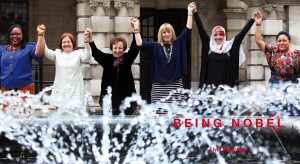
Cientos de mujeres sindicalistas en Conferencia Mundial en Viena

LIBERTAD DE INFORMACIÓN


colombia

Pacto entre Gobierno y FARC-EP aviva esperanza sobre paz en Colombia

DERECHOS HUMANOS

new Germany

Germany: PRO ASYL presents human rights award to U.S. AWOL soldier


DESAROLLO SUSTENTABLE

islamic

Islamic Declaration Turns Up Heat Ahead of Paris Climate Talks

PARTICIPACIÓN DEMOCRATICA

angola

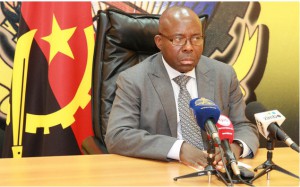
Angola: Executivo defende cultura de paz

TOLERANCIA Y SOLIDARIDAD

refugees

Is dropping more bombs on Syria way to solve refugee crisis?

EDUCACIÓN PARA PAZ

Gilley

Music Builds Peace One Day at a Time

Colombia: #ConversemosEnPaz: In addition to the agreements, we must learn and unlearn for peace

.. EDUCATION  FOR PEACE ..

An article from Canal Institucional de Colombia (translated by CPNN)

Besides supporting the peace agreements being negotiated in Havana, the Colombian society needs to unlearn all the negative forms of the inherited relationship of conflict and to learn to work collectively with new sensibilities, emotions, feelings, narrative, language, attitudes and actions. Without this, it will be impossible to build leadership required for peace.

conversemos
trailer for the television program

This is the theme of the dialogue between the President of the Republic, Juan Manuel Santos Calderon and three teachers, experts in peace education, invited by the Institutional Channel for the fifth chapter of the series’s “Conversations in peace”, Sunday 27 September at 8:00 PM. The program can also be viewed online at www.canalinstitucional.tv

The dialogue participants

The participants are Maria Teresa Ramirez Cardona, Master of Education and Pedagogy; Amada Benavides, president of the School of Peace Foundation and consultant to the Global Campaign for Education for Peace; and Marieta Quintero, PhD and Post Doctoral Fellow of Social Sciences, author of “The School as a Territory for Peace” and national coordinator of the Peace Education Collective, which brings together 45 public and private institutions.

What needs to be unlearned

We are challenged to unlearn the habits of vertical and imposed leadership, seeing things as black and white, unwanted processes of the settlement of territories and the use of resources; relations of exclusion and stigmatization, discrimination against victims of the conflict and demobilized ex-combatants, and stereotypes about the values ​​and lifestyles of indigenous peoples and Afro-Colombian communities.

As the President said, we need to unlearn and to banish from our bodies negative feelings such as anger, to give up all practices that dehumanize the other as well as expressions like “rats” and “terrorists” by which we have called the “enemies” during the civil war.

What needs to be learned

We are challenged to learn outrage against atrocities, to avoid imposing dogmas or visions of society and culture, to reconstructed our historical memory, to decide collectively to take action for the common interest, to direct ourselves towards a political solution of the conflict, to value informed conversations as the social practice of citizen participation and to manage our emotions and feelings, which can be learned just as we can learn math, English or biology.

No less important is to learn to reinvent the environments, programs and educational tools of schools for the children who return from the zones of war, or for communities where victims and perpetrators live side by side, where the processes of coexistence, forgiveness and reconciliation are urgent matters.

(Article continued in right column)

(Click here for the original Spanish version of this article)

Questions related to this article:


What is happening in Colombia: Is peace possible?

(Article continued from left column)

The practice of tolerance seems simple, but it is not. If it is done badly or misunderstood, tolerance can injure personal autonomy, encourage complicit silences, trigger perverse mechanisms of self-protection, dismiss politics as a means to resolve conflicts and homogenize and stultify the ways of thinking and acting.

In short, we need to move from teaching the brain to teaching the heart, emotions, feelings, perceptions or feelings of everyone, children and adults, teachers and pupils, governors and governed, every day, in all spaces, times and circumstances, with new narratives, with no exclusions, recognizing and respecting difference, diversity and pluralism.

Law for the Teaching of Peace

For these and other purposes the new law for the teaching of peace has been conceived and promulgated, whose legal implementation will begin in January 2016. The dialogue participants expressed some dissatisfaction and fears but also highlighted some benefits derived from its promulgation and appropriation.

Dissatisfaction because, in their opinion, the design process for the law did not involve all the stakeholders in the education system and for that reason many of the lessons that have been learned in schools and by teachers in areas marked by conflict have been ignored. Instead, the standards have established from above, without other approaches .

They feel there is no articulation with the learning of citizenship skills, citizenship training and education for human rights and many feel frustrated because there has not been a prior process of training for its implementation.

However, they acknowledge that the law for the teaching of peace has provided a context for reflection about the role of the school, debate about programs and educational tools and has led people to imagine new learning environments and pedagogical processes of peace education. What is remarkable, they say, is the growing interest about peace education in the world of the university and in academic sectors.

National Encounter on Education for Peace

To facilitate the exchange of knowledge on peace education, formal and informal, on October 1 and 2 in Bogotá, there will be a national meeting involving professionals of various disciplines, as well as grassroots and social and community organizations to develop pedagogical processes for building a culture of peace.

The meeting draws on the findings and recommendations from various different groups, collectives and platforms who have worked for more than a decade on issues of human rights education, education for democracy and citizenship, education for coexistence, conflict resolution and other issues related to peace education.

The aim is to coordinate these efforts and create a National Agenda for Peace Education, which can help overcome the various forms of direct, structural and cultural violence and allow the establishment of a culture of peace, that goes beyond ceasefires and peace agreements, ie, peace with social justice, promoting human rights, advancing democracy, solidarity and responsibility.
 
You can watch “Conversations in Peace” on Sunday at 8 pm on the Institutional TV Channel and via streaming on the Internet at www.canalinstitucional.tv

You are invited to join our Twitter account @InstitucionalTV, using the hashtags #ConversemosEnPaz and #ConversemosenlaPublicaRTVC

Colombia: #ConversemosEnPaz: Además de los acuerdos, aprender y desaprender para la paz

. . . EDUCACIÓN PARA LA PAZ . . .

Un artículo de Canal Institucional de Colombia

Además de refrendar los acuerdos de La Habana, la sociedad colombiana tendrá que desaprender todas las formas negativas de relación heredadas del conflicto y aprender a decidir colectivamente con nuevas sensibilidades, emociones, sentimientos, narrativas, lenguajes, actitudes y acciones. Sin ellas, será imposible construir los liderazgos que se requieren para la paz.

conversemos
trailer para el programa de televisión

Así se infiere del diálogo entre el Presidente de la República, Juan Manuel Santos Calderón y tres maestras, expertas en educación para la paz, invitadas por el Canal Institucional al quinto capítulo de la serie Conversemos en Paz, el domingo 27 a las 8 de la noche. El programa puede verse también por Internet en www.canalinstitucional.tv

Las conversadoras

Las protagonistas son María Teresa Ramírez Cardona, Magister en Educación y Pedagogía; Amada Benavides, presidenta de la Fundación Escuelas de Paz y consultora de la Campaña Mundial de Educación para la Paz; y Marieta Quintero, Doctora y Post Doctora en Ciencias Sociales, autora de Las Escuelas como territorios de Paz y coordinadora nacional del Colectivo Educación para la Paz, que agrupa a 45 instituciones públicas y privadas.

Desaprender

Hay retos como desaprender modelos de liderazgo verticales e impositivos, visiones de la realidad en blanco y negro, procesos indeseados de poblamiento de los territorios y usos de sus recursos; relaciones de exclusión o estigmatización, discriminación a víctimas del conflicto y a excombatientes desmovilizados, y estereotipos sobre los valores y estilos de vida de los pueblos indígenas y comunidades afrocolombianas.

Desaprender, como dijo el Presidente, a desterrar de nuestros cuerpos sentimientos tan negativos como el odio, renunciar a todas las prácticas con las cuales deshumanizamos al contrario y expresiones como “ratas” y “terroristas” con las cuales hemos descalificado a los “enemigos” en la guerra.

Aprender

Hay tareas pendientes como aprender a indignarnos ante todo hecho atroz, evitar la imposición de dogmas o visiones de la sociedad y la cultura, reconstruir la memoria histórica, decidir colectivamente acciones que impactan el interés colectivo, generar sentido a la salida política del conflicto, valorar la conversación informada como práctica social para la participación ciudadana y manejar emociones y sentimientos, lo cual se aprende como matemáticas, inglés o biología.

No menos importante es aprender a reinventar los entornos escolares, los programas y las herramientas didácticas para niños y niñas que retornan de la guerra, o para comunidades donde cohabitan víctimas y victimarios, en las cuales son urgentes procesos de convivencia, perdón y reconciliación.

(El artículo continúa en el lado derecho de la página)

( Clickear aquí para la version inglês.)

Question for this article:

What is happening in Colombia: Is peace possible?

(El artículo continúa desde el lado izquierdo de la página)

La práctica de la tolerancia parece sencilla, pero no lo es. Mal ejercida o entendida, la tolerancia puede lesionar la autonomía personal, propiciar silencios cómplices, desencadenar mecanismos perversos de autoprotección, desestimar la política como medio para resolver los conflictos y homogenizar las formas de pensar y actuar.

Se trata, en fin, de pasar de la pedagogía del cerebro a la del corazón, las emociones, los sentimientos, las percepciones o las sensaciones de todos, niños y adultos, docentes y educandos, gobernantes y gobernados, todos los días, en todos los espacios, momentos y circunstancias, con nuevas narrativas, con sin exclusiones, reconociendo y respetando la diferencia, la diversidad y el pluralismo.

Cátedra para la Paz

Para éstos y otros propósitos ha sido concebida y promulgada la Cátedra para la Paz, cuya implementación legal comenzará en enero de 2016. No obstante, las invitadas expresaron insatisfacción y temores pero también destacaron algunas bondades derivadas de su promulgación y apropiación.

Insatisfacción porque, a su juicio, en el proceso de diseño no participaron todos los actores del sistema educativo y por tanto se desaprovechan muchos aprendizajes y saberes de escuelas y maestros en territorios marcados por el conflicto y se adoptan estándares establecidos desde arriba, sin enfoques diferenciales.

Sienten que no hay articulación con los aprendizajes en competencias ciudadanas, formación para la ciudadanía y educación para los derechos humanos y temen que frustre a muchos porque no ha habido un proceso previo de formación para implementarla.

Sin embargo, reconocen que la Cátedra para la Paz ha sido un pretexto para reflexionar sobre el rol de la escuela, debatir programas y herramientas didácticas e imaginar entornos de aprendizaje y procesos pedagógicos de educación para la paz. Destacable, dicen, el interés creciente en el mundo universitario y en los sectores académicos.

Encuentro Nacional de Educación para la Paz

Para facilitar el intercambio de saberes sobre la educación para la paz, formal y no formal, los próximos 1 y 2 de octubre tendrá lugar en Bogotá un Encuentro Nacional, entre profesionales de diversas disciplinas, comunidades de base y organizaciones sociales y comunitarias que desarrollan procesos pedagógicos para la construcción de una cultura de paz.

El encuentro se nutre de los hallazgos y recomendaciones de convocatorias de diversos grupos, colectivos y plataformas que trabajan desde hace más de una década en temas de educación en derechos humanos, educación para la democracia y la ciudadanía, educación para la convivencia, resolución de conflictos, y otros temas conexos con la educación para la paz.

El objetivo es articular esos esfuerzos y crear una Agenda Nacional de Educación para la Paz, que ayude a superar diversas formas de violencia directa, estructural y cultural y permita el establecimiento de una cultura de paz, más allá de la paz del cese al fuego y los acuerdos, es decir, una paz con justicia social, promoción de los derechos humanos, avance de la democracia, solidaridad y corresponsabilidad.

Vea Conversemos en Paz, el domingo a las 8 p.m. por Canal Institucional y vía streaming en www.canalinstitucional.tv

Participe en nuestra cuenta de Twitter @InstitucionalTV, usando los hashtags #ConversemosEnPaz y #ConversemosenlaPublicaRTVC

Bulletin français 1 octobre 2015

JOURNEE INTERNATIONALE DE PAIX 2015

Chaque année, la Journée internationale de la paix fixée au 21 Septembre, atteste des progrès faits par la conscience anti-guerre à travers le monde. L’année dernière, le bulletin du 1er Octobre avait conclu ainsi : “Nous voyons ce mois-ci la mobilisation la plus impressionnante pour une Culture de la Paix depuis l’Année internationale, il y a 14 ans. Ainsi, nous pouvons dire avec certitude que la Culture de la Paix, malgré toutes les violences faites au Monde, avance comme un fleuve en marche, irriguant et généreux.”

Peut-on dire la même chose cette année? La célébration de la Journée est tellement répandue qu’il est difficile d’avoir une mesure quantitative. Qualitativement, nous pouvons voir de nombreux exemples qui suggèrent que nous avançons.

Comme d’habitude sur cette journée, le Secrétaire général de l’ONU appelle à un cessez-le-feu dans les guerres à travers le monde. Le directeur de Greenpeace, Kumi Naidoo, profite de l’occasion pour appeler à l’entraide vers les réfugiés ainsi que la cessation des guerres qui les ont forcés à fuir. Il salue les nombreux actes de solidarité faits par des individus et par des communautés à travers l’Europe, et il cite le poète Warsan Shire : “Personne ne quitte sa maison, sauf si la maison est dans la bouche d’un requin.”

Dans la même veine, le Bureau international de la paix a décerné deux prix identiques pour son prix annuel MacBride. L’un des deux a été attribué à l’île italienne de Lampedusa dont les habitants ont aidé des milliers de réfugiés qui tentaient de traverser la Méditerranée pour trouver asile en Europe, alors que tous fuyaient les interventions militaires de l’Europe dans leur propre pays d’origine !

Peace One Day qui fait campagne depuis plus de 17 ans pour la Journée de la Paix, a parrainé cette année, «One» (“Un”), titre de l’hymne Journée de la Paix enregistrée par des musiciens de cinq pays africains: Zwai Bala (Afrique du Sud), Ice Prince (Nigeria) Maurice Kirya (Ouganda), Alikiba (Tanzanie), Wangechi (Kenya) et Dama Do Bling (Mozambique). L’hymne a été chanté lors de la célébration de Peace One Day à Kigali, au Rwanda, qui a présenté des spectacles d’artistes de toute la région des Grands Lacs d’Afrique.

Aux États-Unis, la Campagne Non-violence coordonne des centaines d’actions dans le pays pour favoriser une Culture de la Paix par la puissance de la non-violence. L’année dernière, la campagne a été lancée avec 239 événements dans chaque partie du pays.

Voici quelques autres célébrations à travers le monde :

-La célébration par l’Association des Nations Unies de Nouvelle-Zélande pour la Journée internationale de la paix a eu lieu au Parlement.

Au Zimbabwe, des danseurs, des comédiens et des poètes se sont réunis à travers des spectacles au Zimbabwe Hall à Highfield.

Le Réseau pour la paix au Cachemire a célèbré la Journée a l’île de Samad de la paix Nageen. Ils participent à la Fête mondiale pour la paix, coordonné par les Villes internationales de la paix, avec beaucoup d’autres villes à travers le monde.

-Les militants de la paix de Ashland, Oregon (Etats-Unis) ont profité de cette journée pour lancer une Commission de Culture de la Paix de leur ville.

-Et les militants en Colombie ont célébré le jour dans le 7ème Congrès national des REDUNDIPAZ, consacré au rôle de l’université dans la construction de la paix avec la justice sociale.

Après avoir examiné les sites Web et les médias sociaux consacrés à cette commémoration internationale de la paix, nous pouvons conclure que toutes nos estimations sont en dessous de la réalité et que la célébration est plus répandue que nous pouvons le croire.


DISARMAMENT ET SECURITÉ
idp survey

Trying to Survey Events around the World for the International Day of Peace

ÉQUALITÉ HOMMES/FEMMES
new women

Rassemblement à Vienne de centaines de femmes syndicalistes pour une conférence mondiale

LIBERTÉ DE L’INFORMATION
colombia

Pact between the government and FARC-EP raises hopes for peace in Colombia

DROITS DE L’HOMME
new Germany

Germany: PRO ASYL presents human rights award to U.S. AWOL soldier

DÉVELOPPEMENT DURABLE
unforum

Le développement durable est le principal vecteur d’une paix durable, selon l’ONU

PARTICIPATION DÉMOCRATIQUE
stopwar

UK: Power to the Peaceful – Support Jeremy Corbyn – Join Stop the War

TOLERANCE ET SOLIDARITÉ
refugees

Is dropping more bombs on Syria way to solve refugee crisis?

ÉDUCATION POUR LA PAIX
Gilley

Music Builds Peace One Day at a Time

English bulletin October 1, 2015

INTERNATIONAL DAY OF PEACE 2015 .

Each year the International Day of Peace (September 21) reveals the spread of anti-war consciousness throughout the world. Last year the bulletin for October 1 concluded that “we have seen this month the most impressive mobilization for a culture of peace since the International Year for the Culture of Peace 14 years ago. In other words, we can say with certainty that the culture of peace is advancing.”

Can we say the same this year? Qualitatively, we can see many examples that suggest we are advancing.

As usual the UN Secretary-General marks the International Day of Peace by calling for cease-fires in the wars around the world. Others, such as the Director of Greenpeace, Kumi Naidoo, use the occasion to urge solidarity with refugees as well as the cessation of the wars that have forced them to flee. He salutes the many acts of solidarity by individuals and communities across Europe, and he quotes the poet Warsan Shire that ‘No one leaves home unless home is the mouth of a shark’. In a similar vein, the International Peace Bureau has given a share of its annual MacBride Prize to the Italian island of Lampedusa whose people have helped thousands of refugees trying to cross the Mediterranean to find asylum in Europe, and the Bureau makes the point that they are fleeing the military interventions by Europe in their homelands.

Peace One Day has been campaigning for over 17 years, making the case for Peace Day. This year it is sponsoring ‘ONE’, the Peace Day anthem recorded by musicians together from five African countries: Zwai Bala (South Africa), Ice Prince (Nigeria) Maurice Kirya (Uganda), Alikiba (Tanzania), Wangechi (Kenya) and Dama Do Bling (Mozambique). The anthem was premiered at the Peace One Day Youth Celebration in Kigali, Rwanda which featured performances from artists from across the Great Lakes region of Africa.

In the United States, the Campaign Nonviolence coordinates hundreds of actions around the country to foster a culture of peace through the power of nonviolence. Last year the campaign was launched with 239 actions and events in every part of the nation.

Here are some other celebrations from around the world:

The United Nations Association of New Zealand celebrated the International Day of Peace at Parliament in the Legislative chamber. In Zimbabwe, dancers, actors and poets came together to commemorate the International Day of Peace with performances at Zimbabwe Hall in Highfield. The Kashmir Peace Network is celebrating International Day of Peace at ‘Samad’s Island of Peace’ in Nageen. They are participating in the Global Feast for Peace, coordinated by the International Cities of Peace, along with many other cities around the world.

The peace activists of Ashland, Oregon (US) have used the day to launch an official City Culture of Peace Commission. And activists in Colombia are including the day in the 7th National Congress of REDUNDIPAZ, dedicated to the role of the university in the construction of peace with social justice.

The celebration of the Day is so widespread that it is difficult to give a quantitative measure. After surveying some of the websites and social media devoted to the International Day of Peace, I conclude that all of our estimates are under-estimates and the celebration is more widespread that we can calculate.


DISARMAMENT AND SECURITY

idp survey
Trying to Survey Events around the World for the International Day of Peace

WOMEN’S EQUALITY

new women

Hundreds of women trade unionists gather for world conference in Vienna

FREE FLOW OF INFORMATION

colombia

Pact between the government and FARC-EP raises hopes for peace in Colombia

HUMAN RIGHTS

new Germany

Germany: PRO ASYL presents human rights award to U.S. AWOL soldier

SUSTAINABLE DEVELOPMENT

islamic

Islamic Declaration Turns Up Heat Ahead of Paris Climate Talks

DEMOCRATIC PARTICIPATION

stopwar

UK: Power to the Peaceful – Support Jeremy Corbyn – Join Stop the War

TOLERANCE AND SOLIDARITY

refugees

Is dropping more bombs on Syria way to solve refugee crisis?

EDUCATION FOR PEACE

Gilley

Music Builds Peace One Day at a Time

UN SDG’s: The ‘Meta-Goal,’ Bringing 193 Nations Together

. . SUSTAINABLE DEVELOPMENT . .

An article in the Huffington Post by Achim Steiner, UNEP Executive Director and Under-Secretary-General of the United Nations

Having two parties agree on a common goal can be a challenge. Having 193 parties agree to 17 of them is, to understate it, uncommon. So when the Sustainable Development Goals are adopted this week by 193 UN Member States, it’s fair to say we will be witnessing something historic.

steiner

Having all nations concur on a path forward for the entire planet and its peoples is unprecedented, and indeed, an accomplishment in and of itself.

But despite the enormity of the task, setting the goals was the easy part. Achieving them is where the hard work begins in earnest. With 17 goals that integrate all aspects of our economies, societies and the environment, the challenge is formidable. That these goals apply to all nations — developed and developing — means that the challenge is a universal one.

The cross-cutting, global nature of the goals necessitates a degree of cooperation as unprecedented as the goals themselves.

Nations of the world recognized this fact as the goals were being developed. To help enable the coordination needed to achieve them, member states included what might be called a meta-goal: SDG 17. The intent of Goal 17 is to advance the notion of partnerships, from local to global, that will be fundamental to achieving the other 16 SDGs.

We have seen the power of partnerships and cooperation in the 193-nation consensus on a sustainable future. That power must now be harnessed to take us there.

Having all countries of the world on board is only the beginning. Sustainable development will need participation and cooperation between governments, the private sector and civil society.

Why is this so? Aside from the fact that the SDGs are shared goals for all humanity, it comes down to an unyielding reality: no single institution possesses the resources and competencies needed to achieve these goals alone.

Investment on a massive scale will be required in sectors such as energy, infrastructure, transport and information technology to support sustainable-development objectives.

Technology, policy coherence and governance will also need to be aligned with the goals of sustainable development.

(Article continued in right column.)

Question for this article:

Despite the vested interests of companies and governments, Can we make progress toward sustainable development?

(Article continued from the left column)

When it comes to financing, according to the United Nations Conference on Trade and Development, some $5-7 trillion will be needed annually to achieve the SDGs.

Public finance can only contribute so much.

Consider the investments required to adapt to climate change over the coming decades. Climate resilience will be a critical component of sustainable development. According to UNEP’s first Adaptation Gap Report, the global investment required for adaptation to climate change is likely to hit $300 billion per year until 2050 — possibly rising as high as $500 billion.

In 2013, the total amount of public climate finance was $137 billion.

Making up the difference seems like a daunting task.

This is where potential of global partnerships comes into play. In 2013, private climate financing totaled $193 billion.

This is still short of what is needed for climate finance, let alone the trillions more required to support sustainability across all sectors over the coming decades. But it is a point on a trend that shows an increase in sustainable investments over time from both public and private sectors.

These investments are already resulting in remarkable changes. Take renewable energy as an example, in 2014, about half of all energy-generating capacity built in the previous year was renewable. The Africa Renewable Energy Initiative is working to mobilize billions of dollars in public and private financing to achieve 10,000 MW of installed renewables capacity on the continent by 2020.

These remarkable statistics speak to two shifts that will need to continue in order to achieve the SDGs. The first is increased alignment of public-policy and private-sector initiatives. The second is the ability of public finance to catalyze private investment.

On technology, policy and governance, we have already seen the potential of partnerships to change the world.

Thirty years ago, the international community came together to tackle the challenge of the growing hole in the ozone layer. The result was the Montreal Protocol and the phasing out of ozone-destroying cholorfluorocarbons (CFCs). Now, the ozone layer is on track to heal by mid-century.

The UNEP-supported Partnership for Clean Fuel and Vehicles played an important convening role in phasing out lead in fuel, which has resulted in a dramatic reduction of lead-exposure health problems.

And currently, the 100-member Climate and Clean Air Coalition, which UNEP hosts, is actively working to reduce air pollution.

Cooperation engenders success. That’s why partnerships like these are at the core of the goals of sustainable development. No one government — and not even 193 of them — will be able to realize sustainable development without working together.

(Thank you to Janet Hudgins, the CPNN reporter for this article.)

Pact between the government and FARC-EP raises hopes for peace in Colombia

FREE FLOW OF INFORMATION

An article Adalys Pilar Mireles, Prensa Latina (translated by CPNN)

The agreement for justice signed between the Colombian government and the insurgent FARC-EP raises expectations about the approach of peace, after their long internal war, expectations embraced even beyond national borders.

colombia

Enacted in Cuba Wednesday [23 September], the special jurisdiction for peace foresees the creation of spaces and courts in order to investigate, prosecute and punish the actors involved in military confrontations, with the premise that crimes against humanity, extrajudicial executions and other acts considered serious will not go unpunished,.

It does include the possibility for amnesties and pardons for certain cases of political and related offenses.

Additionally, the government and the guerrilla group representatives who are negotiating an agreed solution to the long conflict, agreed to complete the talks in Havana within the next six months and then end the confrontation.

Since the agreement was signed, activists, politicians, human rights defenders and ordinary citizens have begun to publicly express their satisfaction with this agreement which addresses one of the most critical points of the agenda of talks with the Revolutionary Armed Forces of Colombia-People’s Army (FARC-EP).

Described by analysts as crucial on the road to detente, this agreement is being interpreted as a crucial step towards reconciliation in Colombia whose people have suffered more than half a century of violence now.

“We are facing a new era in which new social forces can do politics freely and safely”, Prensa Latina was told by Senator Ivan Cepeda. In his opinion, the meticulous work of a team of lawyers made possible the realization of this methodology which is designed to apply to all the actors of the conflict, not only insurgents but also agents of the State.

Meanwhile, various public personalities have indicated that this step marks a turning point in the peace negotiations that cannot be reversed.

“Peace is near,” one hears repeated in Twitter and other social media, when people begin to see the post-conflict scenario that they have awaited, after many previous attempts at negotiations between the government and the insurgents.

(article continued on the right side of the page)

(click here for the Spanish version of this article.)

Question for this article:

What is happening in Colombia, Is peace possible?

(article continued from the left side of the page)

“This is no time for hatred, we must come together to build a just society without war,” insists the Patriotic Union Party, despite having suffered in previous decades a political genocide losing nearly five thousand of its members.

“We support the agreement and ask for accelerated talks to finish the bilateral ceasefire and the end of the war,” says the statement of the Colombian Communist Party, which called upon people to the people to become active participants in the coming times, which some have called a kind of peaceful revolution.

Amid the optimism, there are also plenty of warnings to keep the eyes open for possible maneuvers of the extreme right, who have questioned the recent agreement among the warring parties.

Interior Minister, Juan Fernando Cristo, expressed his disagreement with critics in the Democratic Center Party led by former President Alvaro Uribe, and called on them to reflect and re-evaluate their position. Uribe had expressed his disagreement with the determination to apply the same principles of transitional justice to guerrillas and members of the security forces.

On the international stage, important messages support the efforts to end the confrontation, including those from presidents and other leaders as Pope Francis and UN Secretary General Ban Ki-moon.

Pacto entre Gobierno y FARC-EP aviva esperanza sobre paz en Colombia

. LIBERTAD DE INFORMACIÓN .

Un artícle de Adalys Pilar Mireles, Prensa Latina

El pacto sobre justicia rubricado entre el Gobierno colombiano y las insurgentes FARC-EP aviva las expectativas en torno a la proximidad de la paz, luego de una prolongada guerra interna, ilusión abrazada incluso más allá de las fronteras nacionales.

colombia

Promulgada en Cuba el pasado miércoles [23 Septiembre], la llamada Jurisdicción especial para la paz prevé la creación de salas y tribunales con el objetivo de investigar, juzgar y sancionar a actores de la confrontación bélica, bajo la premisa de que no quedarán impunes crímenes de lesa humanidad, las ejecuciones extrajudiciales ni otros hechos considerados graves.

No obstante incluye beneficios de amnistías e indultos para determinados casos de delitos políticos y conexos.

Adicionalmente, los representantes gubernamentales y de la agrupación guerrillera, quienes negocian una solución concertada al largo conflicto, acordaron finalizar las pláticas en La Habana a más tardar en seis meses y concluir entonces la confrontación.

A partir de entonces activistas, políticos, defensores de derechos humanos y ciudadanos de a pie comenzaron a manifestar públicamente su satisfacción por tal consenso, en uno de los puntos más críticos de la agenda de conversaciones con las Fuerzas Armadas Revolucionarias de Colombia-Ejército del Pueblo (FARC-EP).

Calificado por analistas como trascendental en el camino hacia la distensión, tal acuerdo fue interpretado igualmente como un momento crucial y de reconciliación entre los colombianos, castigados por más de medio siglo de violencia.

Estamos ante una nueva era en la cual nuevas fuerzas sociales podrán hacer política de manera libre y segura, declaró a Prensa Latina el senador Iván Cepeda.

En su opinión, el minucioso trabajo de un equipo de juristas hizo posible la concreción de esa metodología, diseñada para cobijar a todos los actores de la contienda, no sólo insurgentes sino también agentes del Estado.

Mientras, diversas personalidades del escenario público consideran que luego de tal paso las gestiones pacifistas no tienen marcha atrás.

(El artículo continúa en el lado derecho de la página)

(Clickear aqui para la version inglês.)


Question related to this article:

What is happening in Colombia, Is peace possible?

(El artículo continúa desde el lado izquierdo de la página)

La paz está cerca, repiten los ciudadanos a través de Twitter y otros espacios, cuando vislumbran el anhelado escenario de postconflicto, tras previos intentos de negociaciones entre el Ejecutivo y la insurgencia.

No es momento para odios, tenemos que unirnos para construir una sociedad justa y sin guerra, insistió el partido Unión Patriótica, pese a haber sufrido en décadas anteriores un genocidio político al perder a casi cinco mil de sus integrantes.

Respaldamos el pacto y pedimos acelerar los diálogos para decretar el cese el fuego bilateral y el término de la contienda, expresó en un comunicado el Partido Comunista Colombiano, que llamó al pueblo a convertirse en protagonista de los instantes venideros, durante el proceso que algunos han denominado especie de revolución pacífica.

En medio del optimismo, no faltan las alertas para mantener los ojos abiertos ante posibles maniobras de la extrema derecha, que cuestionó el reciente consenso entre las partes beligerantes.

El ministro del Interior, Juan Fernando Cristo, reprobó las críticas del partido Centro Democrático liderado por el expresidente Álvaro Uribe, y llamó a ese grupo opositor a reflexionar y revaluar su posición.

Uribe expresó su desacuerdo con la determinación de aplicar los mismos principios de justicia transicional a guerrilleros y miembros de la Fuerza Pública.

En el escenario internacional, priman los mensajes de respaldo a las gestiones para acabar con la confrontación en las voces de presidentes y otros líderes como el papa Francisco y el Secretario General de Naciones Unidas, Ban Ki-moon.

Trying to Survey Events around the World for the International Day of Peace

DISARMAMENT & SECURITY .

by David Adams, CPNN Coordinator

There are several websites that invite readers to enter their events for the International Day of Peace (IDP), but it is difficult to get an overall view of what is happening.

idp survey

Let’s start with regular websites? The website http://internationaldayofpeace.org/ has a map of the world with symbols for different kinds of events. After considerable trial and error, since there is no explanation on the page, I was able to separate most of the entries for marches, music, meditation and multiple as of September 21.

Here is what I found, separated by region of the world.

Marches: North America 20; Europe 7; Latin America 4; South Asia 4; East Asia 3; Africa 2; Middle East 1

Music: North America 23; Europe 15; East Asia 4; Middle East 3; Latin America 2; Africa 2

Meditation: North America 55; Europe 53; Africa 14; East Asia 10; South Asia 4; Middle East 5

Multiple: North America 35; Europe 30; Latin America 15; East Asia 10; South Asia 3; Africa 3; Middle East 1

This adds up to 328, while website gives a figure of 1369 events.

In many cases one can obtain information about the event by clicking on the symbol.

How about Facebook? As of September 21 the Facebook page #PeaceDay has dozens of entries every day beginning on September 10, but most of the entries do not indicate the country concerned. One of the entries #iplayforchange carries a map of 295 events in 51 countries. By clicking on the map you find photos from musicians around the world, but no detailed listing of the events. Another facebook page is https://www.facebook.com/events/461780550660626/, where today (September 21) one finds entries listed from Lebanon, Brazil, Canada, Australia, Korea, Philippines, Indonesia, United Kingdom, Argentina, Turkey, Libya, Luxembourg, etc., etc.

I get the feeling from “surfing the internet” that the IDP is being celebrated around the world to a far greater extent than we can measure. Is it increasing from one year to another? Does it mark a growing anti-war consciousness? Unfortunately, I see no way to measure this from the available data.

Question for this article: