Boletín español el 1 de noviembre 2015

CULTURA DE PAZ: AMÉRICA LATINA

 En los últimos dos meses hemos publicado no menos de 18 artículos sobre la cultura de paz en América Latina, gracias al hecho de que el continente continúa estableciendo un ejemplo para el resto del mundo.

Colombia, saliendo de décadas de guerra civil, es el país más adelantado. En La Habana, en el 23 de septiembre, el gobierno Colombiano y la guerrilla de las FARC firmaron un acuerdo de paz. Y, lo que es más importante, el pueblo colombiano como un todo se está involucrando en el proceso de paz. CPNN tuvo el privilegio de participar en el Encuentro Nacional de Educación para la Paz el 1 y 2 de octubre en Bogotá, con una amplia gama de la sociedad civil, así como funcionarios del gobierno. Artículos sobre el Encuentro de Alicia Cabezudo de la International Peace Bureau y David Adams fueron publicados  en el portal CPNN junto con el enlace del vídeo de la reunión y una entrevista por Cabezudo sobre educación para la paz.

El presidente colombiano, Juan Manuel Santos, participó en un programa televisado a nivel nacional sobre educación para la paz con algunos de los educadores que participaron en el Encuentro. Antes, el Congreso Nacional de REDUNDIPAZ se reunió entre 21 y 23 septiembre para discutir “El papel de la Universidad en la construcción de la Paz con Justicia Social“. Luego, en el 10 de octubre, el gobierno de Chile anunció que está formando un grupo de expertos, veteranos en procesos de paz en sus países, para trabajar en El Salvador con el fin de ayudar a implementar el acuerdo de paz en Colombia. Esta es una especie de solidaridad internacional por la paz que se ve raramente en otros continentes.

La cultura de la paz, como tal, está en la agenda de América Latina, como se muestra por otros recientes artículos de CPNN.  Cuba anunció que la promoverá en la UNESCO. Argentina celebró un ciclo de eventos dedicados a este durante la semana del Día Internacional de la Paz. Estudiantes bolivianos marcharon por la cultura de la paz.

En Brasil, una audiencia pública del Congreso se dedicó a la cultura de paz en las escuelas. Mientras que en Curitiba el Instituto Mundo Melhor (IMM) reunió a los oficiales de policía para hablar de la cultura de paz. Y el cardenal Peter Turkson, Presidente del Consejo Pontificio de Justicia y Paz, habló en un simposio internacional sobre la promoción de una Cultura de Paz en un mundo de conflictos, que se celebró en Río de Janeiro.

Latinoamérica continúa  aportando una importante contribución al desarrollo sostenible.
Los gobiernos de Bolivia, Ecuador y Venezuela anunciaron en un foro en octubre que lo harán para defender la “Pachamama” o Madre Tierra, y la sociedad civil, en la Conferencia de Cambio Climático de 21 de las Naciones Unidas en París en diciembre.
Sobre eso, CPNN recientemente publicó artículos sobre
las mujeres que se ocupan de la gestión de residuos en Nicaragua,
cultivo en terraza por los agricultores indígenas en Chile,
y una victoria por los agricultores indígenas de
Guatemala en contra de las prácticas del monopolio de Monsanto.

En Guatemala, el Consejo Latinoamericano de Investigación para la Paz (CLAIP) y la Facultad Latinoamericana de Ciencias Sociales (FLACSO) dedicó su Tercera Conferencia Regional sobre “América Latina en la búsqueda de la paz sostenible: Herramientas y contribuciones“. Mientras que en Honduras, la lucha de los movimientos campesinos para la reivindicación de tierras robadas se celebra en una nueva película.

 Como decimos en el video del Encuentro Nacional de Educación para la Paz en Colombia: “Si nos fijamos en las noticias de todo el mundo, hay guerra en todas partes [pero] cuando vemos que Colombia va hacia la paz, que es… una inspiración. Si Colombia puede hacer la paz, sí podemos hacer la paz en otros países también”.


LIBERTAD DE INFORMACIÓN

encuentro
Colombia: “El proceso de Paz es de todos”.

IGUALDAD HOMBRES/MUJERES

parenthood
United States: Religious Groups Mobilize to Promote Feminism and Faith

DESARME Y SEGURIDAD

no nato
España: Un llamamiento contra las maniobras de la OTAN vertebra movilizaciones y acciones de desobediencia civil

DERECHOS HUMANOS

chomage
France: Territories of zero long-term unemployed

DESAROLLO SUSTENTABLE

terraces
Finaliza en Bolivia Cumbre Mundial sobre Medio Ambiente

PARTICIPACIÓN DEMOCRATICA

nobel
Nobel Peace Prize 2015: Lesson in Hope from Tunisia . . .

TOLERANCIA Y SOLIDARIDAD

sudan
Beating the drum for peace: A chat with the general secretary of the South Sudan Council of Churches

EDUCACIÓN PARA PAZ

brazil
Brasil: Audiência discutirá educação voltada à cultura da paz

Peace as a concept; education for peace and the social construction of knowledge

. . EDUCATION FOR PEACE . .

An interview by Professor Alicia Cabezudo with Fundación Convivencia (reprinted with permission)

The following interview concerning peace as a concept; education for peace and the social construction of knowledge related to the field of non-violence is meant as a contribution to the peace process that is taking place in Colombia.

1. What is peace?

Peace has been viewed traditionally as the absence of war or direct violence between two or more parties. This concept has now been replaced by a much broader concept – called positive peace – that takes into account other parameters with a goal of eliminating all forms of violence, including cultural and structural violence – such as discrimination, exclusion, xenophobia, unemployment, child abuse, malnutrition, low wages or the super-exploitation of rural and urban workers in almost feudal economic systems. In order to eliminate structural violence and social injustice, positive peace means and requires the presence of values ​​and practices that ensure, among other things, sustainable social justice and pluralistic democracy for all.

 2. What is peace education?

Peace education proposes and promotes a theoretical framework and teaching practices to ensure a democratic educational system with opportunities to learn and practice skills related to peaceful conflict resolution, intercultural dialogue, the exercise of individual and collective rights , and freedom of conscience and thought in a plural and egalitarian society.

Peace education rejects the violent resolutions of conflicts in all conflicts, including intrapersonal such as the family and community, as well as issues arising in the middle urban, regional, national and international level.

On the other hand, violence, and especially the “culture of violence” needs to be analyzed and studied in the content of education for peace because the concealment of violence in the educational system serves to legitimize violence and makes it more difficult to study and understand its causes and search for its roots. The analysis of violence, including the actors and the specific context is needed if we are to identify and select potential solutions to this violence.

The situation in Colombia today is one which everyone in the world, not just in Latin America, is contemplates with solidarity, interest and above all respect and support. It is absolutely necessary that the process of the Agreements of Havana that is being developed at the moment is accompanied by a Pedagogy for Peace.

Never before has a peace process after an armed conflict been accompanied simultaneously by a pedagogy of building a culture of peace as it is being discussed today in Colombia. It’s an opportunity that must not be wasted. All possible instances for that pedagogy should be designed and implemented through a participatory and democratic process in which all stakeholders are actively involved in the planning.

Educating for Peace means to recognize the other in all their dignity, their potential and their rights just as the other should recognize me and my circumstances. When I say that we must recognize the human rights of the other, this immediately creates a relationship of peace and harmony between “us” which is exactly what is needed today in Colombian society.

Peace Education should be used as a tool, a way to facilitate the return to peace at the territorial level; the democratization of the political, social and economic system, and the effective practice of social solidarity and equitable justice.

All these practices should be put in play in the times ahead of us, what may be called the period of post-agreement or post-conflict.

3. How should a curriculum for peace be constructed?

One of the characteristics of education for the Culture of Peace is the social construction of knowledge, following the educational precepts of the famous Brazilian educator Paulo Freire. He advocated an educational system that teaches how to think freely and critically – promoting independence and diversity as a way to enrich the learning process. In his system the curricula should correspond to the social, economic and cultural reality of the students, the state and governments should commit to compulsory public education for all, and educators should receive comprehensive training in terms of content and methodology. Schools should teach how to think and reflect on the various events of the world and everyday reality with objectivity and amplitude. Educators should have the freedom to plan meetings of study and work to select what content and how to teach. Not only teachers, but also student representatives, parents associations and relevant members of the education community should be involved in establishment of the curriculum and how it is taught. In other words, all actors should be involved in the educational process, not only Ministries, Department Secretaries or pseudo-scholars who are often detached from the concrete reality of the educational process.

In this model teachers and students should discuss and select issues such as, for example, a human rights issue and investigate it together. What do we know about this that is important to us? – What do we need to know to understand it better? How can we deepen our understanding and where we will find the data? Who can help us learn more about this subject. What working method should we use? How and by what means can we share what we have discovered and learned? Who should we invite to participate in this research who can contribute to it? Where should we work? Should we also work outside the classroom and academia? Etc.etc.

By following this line of work we arrive at a social construction of knowledge with full participation of many actors; a wide selection of methods and strategies of study and research. In this way learning becomes successful and meaningful, as our learning should be in all of our lives at any age, place and circumstance.

In this regard, it is important also to introduce the methodology of project learning. Even if at school we talk about peace; talk about war; talk about different types of violence, talk about the end of the conflict and try to generalize the idea that after the agreements and the surrender of weapons, there will be peace, tranquility and harmony, this is not realistic.

Simply because this will not be true.

We must learn to build peace in all possible areas and for this reason the methodological and curricular proposal of Education for Peace should occupy a central role in the reconstruction periods after serious and long armed conflict.

We need teacher training and operational strategies for dynamic and effective coordination of small projects at various levels of education to promote transformation and resolution of conflicts by peaceful means and social harmony. In a word, it is necessary to promote a pedagogy that develops in a balanced way the theoretical content and the practical proposals – praxis, in the words of Paulo Freire – and put this to work as an urgent task for educators at all levels, in all formal, non-formal and informal systems.


Education for Peace is now an ethical, political and social imperative in Colombia, where peace has been on the lips of the people for more than 60 years of innumerable ups and downs, successes and setbacks.

I think we are now living in a moment of great opportunity. Now is the time – therefore to work for peace without delay!

4. In the process of educating for peace how should victims of the war be involved?

In the current situation in Colombia we can not distinguish victims and perpetrators because somehow or other all Colombians have suffered directly or indirectly and all have been perpetrators, those who killed with their own hands, or those who killed by their indifference, by closing their eyes to obvious realities. There are other ways to be a perpetrator, for example as in the question, “After all, has anything happened to our family?”

Therefore, this Manichaeism, the dualism using sterile labels of victim and offender must be overcome by a joint construction characterized by solidarity and a vision of a common future by the government, civil society, non-governmental organizations, associations, churches and the general public. The work of social construction should first clarify the true roots, situations, actors and causes of violence for decades and generated from multiple locations in Colombia. The discourse of victim/perpetrator does not automatically the needed processes of reconciliation and dialogue – as has clearly demonstrated in the history of South Africa and several countries in the continent – rather such discourse exacerbates enmities and hatreds and obstructs the possibilities of resolution and transformation.

Education for Peace proposes new methods of negotiation, dialogue and conflict mediation in in which the traditional dualism is reversed and transformed in group discussions, reflection and discussion about what happened. Educators should be involved in the development of techniques in this regard.

5.  How you can align the peace process with schoolwork?

I think the school should discuss the peace process as a learning project, and not just learning the figures and results of conflict. Teachers and students should analyze and display the causes of the long conflict; the interests linked to it; the stakeholders – innocent or not – and especially how Colombian society in general is involved in discussions, agreements and disagreements in order to finalize and transform conflict into an instance of unarmed peace.

The general population, not just children and young Colombians, should come to know the different positions that are put forward at this time to end the armed conflict. They should become aware of opposing views and possible solutions and the proposals, ideas and alternatives that have been discussed and are currently being discussed by the actors seated at the negotiating table.

The school should show, teach, discuss, talk about all this – at the same time that it is reflected in the mass media, on the street and in the discussions of families in both rural and urban neighborhoods.

To be honest, I have visited Colombia on a regular basis for many years – several times in the academic year because of my work commitments here, and I’m very concerned about what I hear on the street, in the market, in stores, in the halls of schools and universities – because people say that the peace agreement is a capitulation to the FARC.

I don’t know whether or not it is a capitulation to the FARC. What I think is that civil society should not allow it to be a capitulation to the FARC. What I mean is that this agreement should not be only an agreement between the government and the guerrillas or the paramilitaries –

It is and should be an agreement of everyone.

It is and should be an agreement in which the civil society participates actively.

For that reason, it is an educational theme par excellence.

If the civil society, the general public and particularly the rural population was the main actor and participant in a cruel and merciless war for over 60 years, how can it not be an actor in the process of peace and the transformation to a new reality in Colombia?

It would be absurd and foolish to deny that it should be addressed in schools today in Colombia.

Therefore, this issue of who gains from the agreements needs a wake-up call because the government is not the only one who should discuss and currently sit at the negotiating table. Moreover, the civil society should not delude itself into thinking that it is not responsible in discussions, agreements and definitive solutions proposed for all the people of Colombia just because it has not been invited by the government.

I think this is a time for peace consciousness – for everyone together or for no one at all.

This is the peace that should be taught in schools.

It is not certain that when the final agreements are signed, peace will immediately emerge as a healing balm. The Colombian political system probably wants to convince the people of this, but it is a utopian, unrealistic and fallacious notion. Peace does not happen magically with the ceasefire and the surrender of weapons, neither in this terrible struggle of the Colombian armed conflict or any struggle in history over the centuries.

Peace must be constructed and labored daily with social justice, participatory democracy, with honest and accountable governments, with equity and balance, with equal opportunities for all the people, with respect for their rights and human dignity, in compliance with the duties and commitments from the government and civil society. Peace is given with the freedom to decide. . . .without guns.

Yes, we can talk about peace. And this is what should be learned in schools when speaking of peace: no illusions but a profound belief in the collective construction of a wonderful country destroyed by those who were not able or not wanting to care or respect its inhabitants.

But the Colombian people will talk about it . . . and they must commit to it.

Finally, I say with enthusiasm: Onward, Colombia. Your Latin American brothers and sisters and all the world sympathize with your great country. We are with you!

La paz como concepto; educar para la paz y la construcción social del conocimiento

Un entrevista de Alicia Cabezudo con la Fundación Convivencia (reimpreso con permiso)

¿Qué es la paz?

La paz en su visión tradicional se entiende como ausencia de guerra o de violencia directa entre dos o más partes involucradas. Este concepto ha sido remplazado hoy por una concepción mucho más amplia – denominada paz positiva – que tiene en cuenta otros parámetros para definir PAZ proponiendo la eliminación de todo tipo de violencia, incluyendo la violencia cultural y estructural – tales como la discriminación, la exclusión, la xenofobia, el desempleo, el maltrato infantil , la malnutrición, los bajos salarios o la super explotación de obreros rurales y urbanos en sistemas económicos casi feudales . Al liberarse de la violencia estructural o de la injusticia social, la paz positiva implica y exige la presencia de valores y prácticas que aseguren , entre muchas otras cosas, una justicia social sostenible y una democracia plural para todos y todas.

¿Qué es educación para la paz?

La educación para la paz propone y promueve el marco teórico y las prácticas pedagógicas que aseguren desde un sistema educativo democrático las posibilidades de aprender y practicar conocimientos vinculados a la resolución de conflictos por vía pacífica, al diálogo intercultural , al ejercicio de derechos individuales y colectivos , y a la libertad de conciencia y de pensamiento en una sociedad plural e igualitaria .
Se rechaza en educación para la paz las resoluciones de conflictos en forma violenta como única fórmula eficaz y concreta para eliminarlos o bajar su intensidad , proyectándose esta perspectiva tanto a conflictos de tipo intrapersonal como a los de nivel familiar, comunitario, problemáticas originadas en el medio urbano, nivel regional, nacional e internacional.

Por otro lado, la violencia como objeto de análisis, y sobre todo la “cultura de la violencia” se constituye como un objeto de análisis importante del contenido de la educación para la paz ya que el ocultamiento de la violencia en el trabajo pedagógico sirve para legitimarla y dificultar el estudio y la comprensión de sus causas, así como la búsqueda de sus raíces, el análisis de los actores implicados, los diferentes contextos donde se desarrolla y por consiguiente – la determinación y selección de posibles soluciones a esa violencia.

Colombia está en una coyuntura muy particular en la que todo el mundo, no sólo América Latina, la está contemplando con solidaridad, interés y por sobre todo respeto y apoyo. Es absolutamente necesario que el proceso de los Acuerdos de La Habana que se está desarrollando en estos momentos sea acompañado por una Pedagogía para la Paz.

No existe hasta ahora, y esto quiero dejarlo claro, un proceso de paz luego de un conflicto armado que haya sido acompañado al mismo tiempo por una pedagogía de construcción de cultura de paz como se plantea hoy en este país. Creo que es una oportunidad única que no corresponde desaprovechar, potenciando todas las instancias posibles para que esa pedagogía sea diseñada y ejecutada a través de un proceso participativo y democrático en que todos los actores sociales implicados sean sujetos activos de esa planificación.

Educar para la Paz es reconocer al otro en toda su dignidad, su potencialidad y sus derechos y que el otro me reconozca a mí y mis circunstancias . Cuando menciono que reconozcamos al otro como sujeto efectivo de derechos, se crea inmediatamente una relación de paz y de armonía entre “ los nosotros”, que es exactamente lo que necesita hoy la sociedad colombiana.

Por lo tanto la Educación para la Paz opera como una herramienta, un camino para facilitar la pacificación del territorio; la democratización del sistema político, social y económico y la práctica efectiva de una justicia social solidaria y equitativa.

Todas estas premisas deberían convertirse en realidades efectivas en los tiempos que se aproximan, denominados hoy períodos de post – acuerdo o post – conflicto.

¿Cómo se construye un currículo para la paz?

Una de las características de la educación para la Cultura de Paz es la construcción social del conocimiento, siguiendo los preceptos educativos del famoso pedagogo brasileño Paulo Freire quien propugnaba un sistema educativo que enseñara a pensar en forma libre y crítica – promoviendo la independencia y diversidad de criterio como base enriquecedora en el proceso de aprendizaje. En este sistema los diseños curriculares corresponden a la realidad social, económica y cultural de los educandos, el Estado y los gobiernos se comprometen por la enseñanza público-obligatoria para todos y todas y los educadores reciben una formación profesional integral en cuanto a contenidos y metodologías. Las escuelas deberían enseñar a pensar y reflexionar sobre los distintos acontecimientos del mundo y de la realidad cotidiana con amplitud y objetividad, Los educadores tendrían que tener la libertad de planificar en reuniones de estudio y trabajo qué contenidos seleccionar y cómo enseñarlos. Y no sólo los maestros, sino también los delegados de los alumnos, las asociaciones de padres y los miembros relevantes de la comunidad educativa Concretamente la forma en que la Educación para la Paz sea impartida y se establezca su diseño curricular áulico debería ser decidido por todos los actores implicados en el proceso educativo, y no solamente por Ministerios, Secreatrías o Departamento pseudo-eruditos y muchas veces desvinculados de la realidad concreta en que están inmerso el proceso educativo y sus agentes.

Sería modélico que docentes y alumnos discutan y seleccionen por ejemplo un tema de derechos humanos y a partir de allí se pregunten e investiguen acerca del mismo. ¿Qué sabemos sobre esto que es importante para nosotros? – ¿Qué nos falta conocer para entenderlo mejor? – ¿Qué debemos profundizar y adónde vamos a buscar los datos? – ¿Quién nos puede ayudar a saber más sobre este tema?- ¿Qué método de trabajo vamos a utilizar? – ¿Cómo y con qué medios vamos a relatar lo descubierto y aprendido? – ¿A quién invitamos para participar en esta investigación y que puedan contribuír a la misma? ¿Dónde la realizamos? ¿Trabajamos también fuera del aula y de los ámbitos académicos? Etc.Etc.

Siguiendo esta línea de trabajo habrá indudablemente una construcción social del conocimiento; una participación plena de muchos actores; una selección variada de métodos y estrategias de estudio e investigación y – seguramente – el aprendizaje será exitoso y significativo, como deberían serlo todos los aprendizajes de nuestra vida en cualquier edad, lugar y circunstancia.

En este sentido, es importante también la introducción de la metodología de aprendizaje por proyectos. No sería real que en la escuela hablemos de paz; hablemos de guerra; hablemos de violencia de diferentes tipos , hablemos del fin del conflicto e intentemos generalizar la idea que después de los acuerdos y de la dejación de armas TODO SERA PAZ, TRANQUILIDAD Y ARMONIA .

Porque esto no será verdad .

Es necesario APRENDER a construir la paz en todos los espacios posibles y aquí la Educación para la Paz – su propuesta metodológica y curricular ocupa un rol fundamental en los períodos de reconstrucción posteriores a graves y largos conflictos armados.

Es necesario la formación de educadores en dinámicas y estrategias operativas y en la coordinación efectiva de pequeños proyectos en los distintos niveles de enseñanza que promuevan transformación, resolución de conflictos por vía pacífica y armonía social. En una palabra, es necesario promover una pedagogía que desarrolle en forma equilibrada contenidos teóricos y propuestas prácticas – praxis, en palabras de Paulo Freire – y poner manos a la obra en forma urgente a los educadores de todos los niveles, en el sistema formal, no formal e informal.


La Educación para la Paz es hoy un imperativo ético, político y social en Colombia .De la paz ya se ha hablado mucho durante más de 60 años en este país y los vaivenes, aciertos y retrocesos han sido innumerables.

Creo que ahora estamos viviendo una gran oportunidad . Que ahora es el momento – por lo tanto a trabajar por la Paz sin dilaciones!

¿En el proceso de educar para la paz cómo se debe trabajar con las víctimas?

En la situación actual de Colombia no podemos seguir hablando de víctimas y victimarios porque de alguna forma todos los colombianos han sido víctimas de forma directa o indirecta y todos han sido victimarios, aquellos que los fueron por mano propia, matando o asesinando, o aquellos que lo fueron por su indiferencia , por cerrar los ojos ante realidades evidentes o hacerse preguntas con doble lectura , tal como ¿no habrá hecho algo esa persona o familia al fin y al cabo. . . ? – que son otras formas de ser victimario. Por lo tanto, este maniqueísmo, este dualismo estéril utilizando las etiquetas VICTIMA y VICTIMARIO debe ser superado por una construcción conjunta caracterizada por la solidaridad y la visión de un futuro común por parte del gobierno, la sociedad civil , las Organizaciones No Gubernamentales, las asociaciones , Iglesias y población en general. Trabajo y construcción social que debería esclarecer en primer lugar las verdaderas raíces, situaciones, actores y causas de la violencia generada desde hace décadas y desde múltiples lugares en el territorio colombiano. El discurso VICTIMA- VICTIMARIO no facilita los procesos de reconciliación y diálogo – como lo ha demostrado claramente la historia de Sudafrica y varios países de ese continente – más bien agudiza enconos y odios obstruyendo las posibilidades de resolución y transformación que se persiguen.
La Educación para la Paz propone nuevos métodos de negociación, diálogo y mediación de conflictos en que el tradicional dualismo se invierte en grupos de análisis, reflexión y discusión sobre lo sucedido. Debería instrumentarse a los educadores para poder desarrollar técnicas en este sentido.

¿Cómo se puede alinear el proceso de paz con la escuela?

Creo que la escuela debe discutir el proceso de paz como un contenido de aprendizaje – y no sólo enseñar cifras y resultados del conflicto. Debería analizar y desplegar las causas que originan el largo conflicto; los intereses vinculados al mismo; los actores implicados – inocentes o no – y sobre todo mostrar a la sociedad en general todo el proceso de discusiones , acuerdos y desacuerdos que el estado colombiano está llevando a cabo para finalizar y transformar el conflicto en una instancia de paz no armada .

La población en general , y no sólo niños y jóvenes colombianos, deben conocer las distintas posiciones que se esgrimen en este momento para terminar con el conflicto armado , deben conocer las opiniones enfrentada y las soluciones posibles , deben conocer a los actores sentados en la mesa de negociaciones, sus propuestas, sus ideas y las alternativas que se han discutido y que se discuten actualmente

Y la escuela DEBE mostrar, enseñar, discutir, hablar de todo ello – al mismo tiempo que lo realizan los medios de comunicación , se refleja en la calle y en las conversaciones de las familias y los vecindarios rurales y urbanos.

Le voy a ser muy sincera .Yo visito Colombia con cierta regularidad desde hace muchos años – varias veces en el año académico debido a mis compromisos laborales aquí y estoy muy preocupada por lo que escucho en la calle, en el mercado, en las tiendas , en los pasillos de escuelas y universidades – porque la gente dice que el acuerdo de paz, es una entrega a las Farc .
Yo no sé si es o no una entrega a las Farc.

Lo que yo creo es que la sociedad civil no debe permitir que sea una entrega a las Farc. Lo que quiero decir es que este acuerdo del que tanto se habla no es un acuerdo entre el gobierno y los guerrilleros o los paramilitares –

Es y DEBE SER un acuerdo de todos.

Es y DEBE SER un acuerdo en el que la sociedad civil participe en forma activa.

Y por lo tanto un tema educativo POR EXCELENCIA.

Si la sociedad civil, la población en general y particularmente la población rural fue principal actor y partícipe en una guerra cruel y despiadada durante más de 60 años . . . COMO NO VA A SER ACTOR EN LA PAZ Y EN EL PROCESO QUE CONSTRUYA UNA NUEVA REALIDAD Y UNA TRANSFORACIÓN DEL PAIS

Absurdo sería negarlo y absurdo sería no abordarlo en las escuelas hoy mismo en Colombia.

Por lo tanto, esta entrega de la responsabilidad de los acuerdos al gobierno, necesita un toque de atención, ya que él no es el único que puede en este momento discutir y sentarse a la mesa de negociaciones. Por otra parte la sociedad no debe engañarse y creer que no es responsable en las discusiones, en los acuerdos y en las definitivas soluciones que se planteen para todo el pueblo de Colombia porque el gobierno no los ha invitado.

Me parece que este es un momento de toma de conciencia conjunta esta es la paz de todos o de nadie.
Esta es la Paz que debe enseñarse en las escuelas.

No es cierto que cuando se firmen los definitivos acuerdos la paz surgirá inmediatamente, como un bálsamo curativo y cicatrizador.

Idea utópica, irreal y falaz – sobre la que probablemente quiera convencer a toda la población el mismo sistema político colombiano.

La paz no se da mágicamente con el cese de fuego y la entrega de armas. Ni en esta terrible contienda colombiana ni en ningún conflicto armado de la historia a lo largo de los siglos.

La paz se construye diaria y trabajosamente con justicia social, con democracia participativa, con gobiernos honestos y responsables, con equidad y equilibrio, con igualdad de oportunidades para todos y todas los habitantes, con respeto por sus derechos y su dignidad humana , con cumplimiento de los deberes y compromisos por parte del gobierno y de la sociedad civil , la paz se da con libertad de decidir y . . también . . .sin armas .

Entonces SI podremos hablar de Paz. Y esto es lo que debería aprenderse en las escuelas cuando se hable de Paz. No falsas ilusiones sino una profunda convicción en la construcción colectiva de un país maravilloso destruido por quienes no fueron capaces ni de quererlo ni de cuidarlo ni de respetar a sus habitantes.
Pero la población y los colombianos sí lo harán. . . y deben comprometerse a ello.
Con entusiasmo afirmo:

Adelante, Colombia. Sus hermanos latinoamericanos y todo el mundo se solidariza con su gran país y los acompaña!

Colombia: “The peace process involves everyone”

FREE FLOW OF INFORMATION

by Professor Alicia Cabezudo, Vice President of International Peace Bureau

 “The process of educating for peace must begin many years of listening to each other” – David Adams, Round Table on Community Education and Education for Peace.

On 1 and 2 October the “National Encounter for Peace Education” was held in Bogota to develop a strategy of information, reflection and building public awareness of the issues of peace in the present context. More than 600 people attended the event that started with a theatrical performance “Memoria, Manos a la Obra” [roughly: “Remembering – Hands on!”] which portrayed the challenge of transforming a country that has been many decades in armed conflict from the perspective of those [especially women] who have experienced it most intensely.


encuentro-2
Scene from video of National Meeting for Education for Peace

The two-day meeting discussed the current context of peace, in the framework of the dialogue and agreements in Havana, the demands of educators, students, sectors and social movements, as well as the need for truth and reconciliation, in the context of education for peace.

At the meeting, teachers shared their knowledge and experiences on human rights education, citizenship skills, citizenship education, ethics education in relation to education for peace and on issues linked to inclusion, reparations and social reintegration from the perspective of those who have been victims. On the second day participants analyzed the progress and needs of education for peace at the regional level, in the context of national and regional education policies for peace. The discussions will be published as Proceedings of the Congress in the coming months.

Peace as a concept; education for peace and social construction of knowledge related to the field of non-violence are some of the issues that Professor Alicia Cabezudo shares in an interview with Coexistence Foundation as a contribution to the peace process that is taking place in Colombia.

(click here for the Spanish version of this article.)

Question for this article:

Colombia: “El proceso de Paz es de todos”.

. LIBERTAD DE INFORMACIÓN .

Un artículo de Alicia Cabezudo, Vicepresidenta del
International Peace Bureau

El proceso de educar para la paz tiene que empezar por muchos años de escucharnos unos a otros” -David Adams. Mesa Comunidad Educativa y Edupaz.

El 1 y 2 de octubre se realizó en la ciudad de Bogotá el “Encuentro Nacional de Educación para la Paz”, estrategia de información, reflexión y construcción de opinión pública sobre los retos de la paz en el actual contexto. Más de 600 personas asistieron al evento que se inició con una apuesta en escena del performance “Memoria, Manos a la Obra”, que puso en escena los retos de la realidad de un país en conflicto armado desde la mirada de aquellos que lo han vivido en su mayor intensidad.

encuentroEscena de vídeo del Encuentro Nacional de Educación para la Paz

En los dos días del encuentro se debatió acerca del contexto actual de la paz, en el marco de los diálogos y acuerdos de La Habana, las demandas de educadores, estudiantes, sectores y movimientos sociales, así como la necesidad de considerar como recursos sobre la memoria y la reconciliación, desde la perspectiva de la educación para la paz.

Así mismo, maestras y maestros contaron experiencias y compartieron sus saberes sobre diferentes temas como: educación en derechos humanos, competencias ciudadanas, capacidades ciudadanas, educación para la ciudadanía, educación ética en relación con la educación para la paz y se cuestionaron diversos enfoques sobre temas vinculados a inclusión, reparación y reintegración social desde la perspectiva de las víctimas y los victimarios
El segundo día los participantes analizaron los avances y las  necesidades  de una educación para la paz en el nivel regional , trabajando asimismo el marco de políticas nacionales y regionales de educación para la paz entre otros temas, los que serán publicados como Memorias del Congreso en los próximos meses.

La paz como concepto; educar para la paz y la construcción social del conocimiento vinculado con el campo de la no violencia son algunos de los temas que comparte la profesora Alicia Cabezudo en entrevista con la Fundación Convivencia. Enmarcada su figura con la imagen de las entidades que apoyan el evento, ella empieza a hablar con el vigor de quién espera contribuir desde su saber y su experiencia al proceso de paz que se está produciendo en Colombia.

(Clickear aqui para la version inglês.)


Question related to this article:

National Encounter for Peace Education in Colombia

FREE FLOW OF INFORMATION

by David Adams, CPNN

I was privileged to be invited as an international participant in the National Encounter for Peace Education, along with almost a thousand Colombians, as the country prepares for the peace agreement to be signed between the government and the FARC guerilla movement. The Encounter took place in Bogota and was sponsored by a wide range of civil society, governmental and international organizations, including the national and local ministries of education as well as UNICEF and the the UN Development Program. It was very well directed by Amada Benavides and her organization the Fundacion Escuelas de Paz.


encuentroScene from video of National Meeting for Education for Peace

The Encounter was full of the energy and hope of the Colombia people, because after more than forty years of civil war, they can begin to make a culture of peace in their country.

I was very impressed by the youthfulness of the Encounter. A majority of the participants were young people, and in some of the roundtables the questions were posed by the youth representatives as we sat in circles and everyone participated.

It was also impressive that the participants understood very well the distinction between peace and culture of peace as defined by the United Nations, and they want to work for the culture of peace that includes not only disarmament and education for peace, but also humans rights, equality of women and men, democratic participation, tolerance and solidarity, free flow of information and sustainable development. Perhaps this should not be surprising since during the International Year for the Culture of Peace in 2000, the Manifesto 2000 was signed by 40% of the population of the country.

Everyone recognized that the future of the peace process will depend on education, both formal and informal. In this regard, there were lively discussions between representatives from the ministry of education and from the civil society, with demands that the needs of women, youth and handicapped should be given priority, and that education should be reformed with participation of the people rather than determined by government bureaucrats.

“How can education promote a culture of peace” was at the top of the agenda, and as a result of the Encounter, an Agenda for Education for a Culture of Peace is being prepared and will be submitted to the country’s education authorities.

There was an important contribution from the many universities in Colombia, and it was announced that the education for peace process will be aided by a network of universities for peace.

The international representatives invited to the Encounter were given a place of honor, as it was expected that the process of Colombia should learn from and contribute to peace processes around in the world. In addition to us, invitees included Alicia Cabezudo, Vice-President of the International Peace Bureau, Marina Caireta from the School for a Culture of Peace in Barcelona, Janet Gerson from the International Institute for Peace Education in the United States and Mario Lopez and Carlos Martinez from the University Minuto de Dios in Colombia.

(For an article on Spanish concerning this event, click here.)

Question for this article:

Beating the drum for peace: A chat with the general secretary of the South Sudan Council of Churches

TOLERANCE AND SOLIDARITY .

An article by Claus Grue, World Council of Churches

“Securing peace for South Sudan”. That is how Fr James Oyet Latansio describes today’s main challenge for the South Sudan Council of Churches. Since he was appointed general secretary six months ago, he has been on a tireless journey, beating the drum for peace throughout his war-torn country.

sudan

“It is important to reach out to people on both a grassroots and elite level”, he explains.

Together with local churches around the country, he has gathered people from different tribes and literally beaten the drum.

“When they hear a drumbeat people come and listen. Our message of peace and reconciliation must be heard everywhere, so that we all can work together to implement the peace agreement signed in July. We must plan for peace and focus on building a future for our young country. We must look forward”, concludes Fr James.

He likens the fragile situation in his country to a house which he calls the “House of South Sudan, where the foundation is our faith in God”, the walls are the injuries and pains that his people have endured, while the ceiling resembles repentance and forgiveness.

“That’s where we are right now,” he says, ”working on the ceiling by beating the drum for peace, not only in villages all over the country, but also in front of the elite. It is crucial that the churches and their voices for peace and reconciliation are heard everywhere and at every level in society.”

The roof will be put in place when reconciliation starts taking place. He envisions a time when a man from one tribe can marry a girl from another tribe, despite earlier atrocities. “My hope will never dilute me. We must look forward and nurture a culture of peace rather than a culture of war”, he says. He counts on the World Council of Churches and its member churches as facilitators of the peace process.

“The churches should always be in the frontline”, Fr James emphasizes.

The SSCC is headquartered in Juba and represents 7 member churches spread out over South Sudan:

Episcopal Church of South Sudan

Catholic Church in Republic of South Sudan

SSPEC South Sudan Presbyterian Evangelical Church

PCOS Presbyterian Church of South Sudan

Africa Inland Church

Sudan Pentecostal Church

Sudan Interior Church

Question related to this article:


How can different faiths work together for understanding and harmony?

Can peace be achieved in South Sudan?

This discussion question applies to the following articles:

Creating Harmony in the World: Working through Our Faiths in Dialogue
Alternate Focus: Balance in Media Coverage in Middle East
The Parliament of the World's Religions (Barcelona, Spain)
Asian Religious Leaders Urge Religions To Teach Peace
Living Faiths Together – Tool kit on inter-religious dialogue in youth work
Sharing the right to Jerusalem's past
The Doha Pre-Forum of the United Nations Alliance of Civilizations
Peace For Childrens in Primary Schools in Iraq
Dialogue in Nigeria — a new DVD teaching-tool for peacemakers
4th Annual International Conference on Religion, Conflict and Peace
First Religious Youth Service Project in Pakistan
World Harmony Day at the UN Highlights the Culture of Peace
Report of Diversity Talk Series 2013, in Lahore, Pakistan
Journée d'étude à Tunis: Religions et cultures au service de la paix
Workshop in Tunis: Religions and cultures in the service of peace
Out of the spotlight, Moroccan Islamic party promotes interfaith dialogue
Muslim and Christian youth come together in Mombasa, Kenya
Greeting of Peace from United Social Welfare Society, Pakistan
Interfaith Cultural Study Tour to Nepal: Pakistan Youth Explore the Mysteries of Nepal
One Nation, One Blood (Pakistan)
Teachings of Peace
Overview of the Book, Paganism an Introduction to Earth-Centered Religions
La líder de un movimiento interreligioso Dena Merriam recibirá el 31 Niwano Peace Prize
Dena Merriam, Founder and leader of The Global Peace Initiative of Women to receive the Niwano Peace Prize
Pakistan: Scholars adopt charter of peace, support coexistence
Lebanese dialogue aims to strengthen unity in diversity
Un an du “Projet Revalorisation du Vivre Ensemble – REVE” au Niger
A Year-long Project for “Living Together – REVE” in Niger
Beating the drum for peace: A chat with the general secretary of the South Sudan Council of Churches

Spain: An appeal against NATO military exercises galvanizes demonstrations and civil disobedience actions

DISARMAMENT & SECURITY .

An article from Tercera Information (reprinted in accordance with the rules of Creative Commons and translated by CPNN)

More than 70 groups and organizations throughout Spain and the rest of Europe have so far made public their support for the “ Call to Action” against the military exercise “Trident Juncture 2015”, the largest exercise by NATO since the end of the Cold War, which from today will mobilize 36,000 soldiers, 4,000 vehicles, warplanes and hundreds of tanks in Italy, Portugal and especially in Spain, where 20,000 troops are deployed (8,000 of them provided by the Spanish armed forces themselves).

no nato

Following this call, groups from different places have engaged in nonviolent actions. In Bilbao and Valencia, they have blocked the path of the military machine by chaining themselves to the tanks that were preparing participate. In the port of Sagunto they have cut off the flow of arms to the prinicipal area of ​​these “war games” in Zaragoza, And in Zaragoza itself they are preparing a human chain of protest against the visit to that city by secretary general of NATO on 4 November which the military organization has defined as “Distinguished Visitors Day”. Demonstrations and civil disobedience actions that have also taken place in Barbate (Cádiz) with the support of the Network Antimilitarista y Noviolenta de Andalucia and the Network Antimilitarista Europea. “The war starts here, let’s stop it here”: that is the main motto for these actions of protest and civil resistance to barbarism, responding to the Call to Action.

All the signatory groups believe that these “super-manoevers” “increase insecurity in the world and particularly our region which is the main stage of their war operations. If we allow them to bring the war “home”, we become collaborators of the violence of NATO, encouraging terrorism, social division, racism, fear … ”

The NATO exercise Trident Juncture has taken over and militarized ports, airports, railways and natural spaces in Valencia, Bilbao, Zaragoza, Navarre, Albacete and parts of Andalucía in order to undertake training for war and to certify the offensive and interventionist capacity and high readiness of the forces of NATO and to display their destructive power.

In the view of the organizations supporting the call, “the NATO maneuvers are designed to protect only a privileged minority, while increasing global military spending at the expense of vital investment in social and humanitarian needs, such as fighting the dramatic consequences of the capitalist crisis, curbing environmental degradation, promoting fair trade, economic solidarity and cooperation for the overall development of the planet.”

(Article continued in the right column)

( Click here for the original Spanish version. )

Question for this article:

Can NATO be abolished?

(Article continued from the left column)

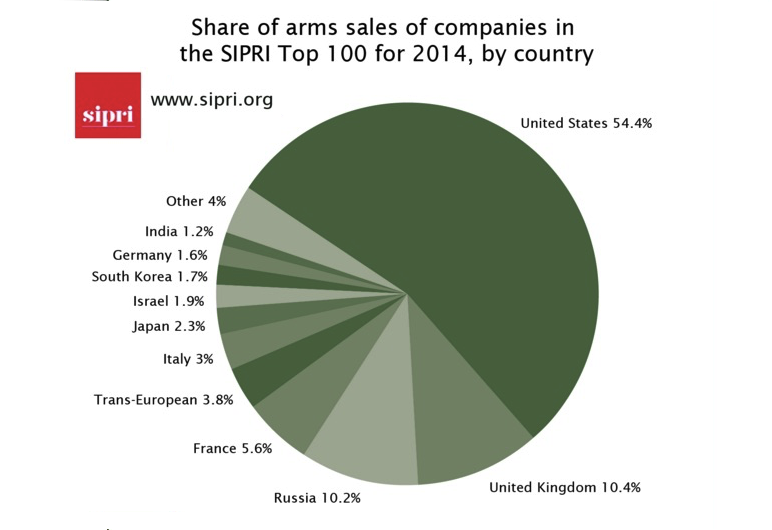
According to these groups, one can see the policies that prioritize the preparation of war in the fact that only in 2014 world military expenditure was 1.8 billion dollars, while in 2016 the State Spanish consume 25 million dollars in the preparation of war and social control. The Conscientious Objection “Alternative Antimilitarista” draws attention to the fact that only one tenth of the Spanish military and repression budget would provide the amount that Action Against Hunger estimates is needed to end child malnutrition worldwide. In fact, the Spanish State is among the 7 major global arms exporters, and the permanent members of the Security Council of the UN are the largest exporters of military equipment. ”

According to Alternative Antimilitarista, “these policies contribute to increasing tension, insecurity and the arms race in the world. The trip over themselves to make new wars that produce new ‘enemies’, which are, in turn, used as an alibi to justify further military and militarism, thus closing the vicious circle: If you want peace, prepare for peace, not war ”

Further according to Alternative Antimilitarista, “The consequences of these militarist policies of NATO, as well as Russia and its allies, are visible to the public in the form of systematic violation of human rights, destruction and persecution of civilians, extreme violence against women, the plundering of resources, and the exodus of millions of people in places like Iraq, Afghanistan, Libya, Syria, Ukraine, among other territories. We need to act consistently on the plight of refugees: a truly humane policy would immediately suspend these military maneuvers and invest their budget (the size of which is kept secret) in aid to shelter the population who are fleeing war.”

In the words of members of the anti-militarist network “We must build a culture of peace based on cooperation, justice and nonviolence, not deterrence and force.” “We must change the paradigm of defense and security defined militarily, that leads us again and again to war and violence. Instead, we need “human security” as defined by the United Nations Development Plans, which place at the center the defense of the rights of people and nature.” In this new paradigm, “armies and military structures are actually a threat to those rights and should be abolished and dismantled.”

The appeal was made public for the first time on 1 September and continues to collect new signatures. It will be updated and disseminated again in a second delivery shortly before the “climax” of the maneuvers, when Jens Stoltenberg, Secretary General of NATO, Zaragoza comes to visit on 4 November to witness the “demonstration of land force”.

Click here for the list of organizations and groups that support the “Call to Action against the NATO maneuvers Trident Juncture 2015”

España: Un llamamiento contra las maniobras de la OTAN vertebra movilizaciones y acciones de desobediencia civil

. . DESARME Y SEGURIDAD . .

Un artículo de Tercera Informacion (reimpreso de acuerdo con la las normas de Creative Commons)

Más de 70 grupos y organizaciones de todo el Estado español y del resto de Europa han hecho público hasta el momento su apoyo al «Llamamiento a la acción» contra las maniobras militares «Trident Juncture 2015», las mayores de la OTAN desde el final de la Guerra Fría, que movilizarán a partir de hoy a 36000 militares, 4.000 vehículos, aeronaves de guerra y cientos de carros de combate, en Italia, Portugal y, principalmente, en España, donde se desplegarán 20.000 efectivos (8000 de ellos aportados por las propias FFAA españolas).

no nato

Siguiéndo este llamamiento ya han actuado, mediante tácticas de noviolencia, grupos de distintos lugares como Bilbao o Valencia, donde se ha obstruido la salida de maquinaria militar, al encadenarse activistas antimilitaristas a los tanques preparados para participar, cortando así el flujo de armamento que va desde el puerto de Sagunto hasta la prinicipal zona de estos «juegos de guerra», en Zaragoza, que, por su parte, prepara una protesta en forma de cadena humana contra la visita a esa ciudad del secretario general de la OTAN el próximo 4 de noviembre (que la organización militar ha definido como el «día de los vistantes distinguidos»), y donde, a su vez, tomarán el relevo de movilizaciones y acciones de desobediencia civil que se habrán llevado a cabo en Barbate (Cádiz) con el apoyo de la Red Antimilitarista y Noviolenta de Andalucia y la Red Antimilitarista Europea. «La guerra empieza aquí, parémosla aquí»: ése es lema principal que enmarcan estas acciones de protesta y resitencia civil a la barbarie”, aclaran desde Alternativa Antimilitarista.MOC, impulsora del llamamiento, que puede ser consultado en http://bit.ly/apoyas

El conjunto de los grupos firmantes consideran que estas “supermaniobras” «incrementan la inseguridad del planeta y, particularmente, la nuestra, por situarnos como escenario principal de sus operaciones de guerra. Nos traen la guerra «a casa», nos convierten en colaboradores directos de la violencia de la OTAN, y, por tanto, en objetivo de guerra de sus oponentes, alientan el terrorismo, la división social, el racismo, el miedo…»

Y es que el ejercicio Trident Juncture está suponiendo la apropiación y el uso militar dominante de puertos, aeropuertos, líneas férreas y espacios naturales en Valencia, Bilbao, Zaragoza, Navarra, Albacete y varias zonas de Andalucía para llevar a cabo los entrenamientos de guerra que certificarán la capacidad ofensiva e intervencionista de la Fuerza de Muy Alta Disponibilidad de la OTAN y exhibirán su poder de destrucción.

Para el conjunto de las organizaciones que apoyan el llamamiento «las maniobras Trident Juncture protegen exclusivamente a una minoría privilegiada, acrecientan el gasto militar mundial en detrimento de la inversión imprescindible en necesidades sociales y humanitarias, como combatir las consecuencias dramáticas de la crisis capitalista, frenar la degradación medioambiental, promover el comercio justo, la solidaridad económica o la cooperación para el desarrollo global del planeta.»

(El artículo continúa en el lado derecho de la página)

( Clickear aquí para una version inglês)

Question for this article:

Can NATO be abolished

(El artículo continúa desde el lado izquierdo de la página)

Según los grupos firmantes, ejemplos de estas políticas que priorizan la preparación de la Guerra son el hecho de que, sólo en 2014 el gasto militar mundial fue de 1,8 billones de dólares, mientras que en 2016 el Estado Español consumirá 24.489,96 millones en la preparación de la guerra y en control social. Alternativa Antimilitarista.MOC llama la atención sobre el dato de que sólo con una decima parte de ese presupuesto militar y represivo español, obtendríamos la cantidad con la que Acción Contra el Hambre calcula que se podría acabar con la desnutrición infantil en todo el planeta. Mientras, por otro lado, el Estado español está entre los 7 mayores exportadores de armamento mundiales, y los miembros permanentes del Consejo de seguridad de la ONU son los mayores exportadores de material bélico.”

Según Alternativa Antimilitarista.MOC “estas políticas contribuyen a aumentar la tensión, la inseguridad y la escalada armamentística en el mundo, y nos abocan a nuevas guerras que producen nuevos ’enemigos’, que se utilizan como coartada para justificar más ejército y más militarismo, lo que cierra este círculo vicioso: Si quieres la paz, prepara la paz, no la guerra”

Para Alternativa Antimilitarista.MOC “Las consecuencias de estas políticas militaristas, tanto de los estados del bloque de la OTAN, como de Rusia y sus aliados, son mucho más visibles para la opinión pública: la violación sistemática de derechos humanos, la destrucción y la persecución de la población civil, la violencia extrema hacia las mujeres, el expolio de los recursos, y el éxodo de millones de personas en lugares como Iraq, Afganistán, Libia, Siria, Ucrania, entre otros territorios. Es necesario actuar consecuentemente sobre la terrible situación de las personas refugiadas: una política realmente humanitaria habría suspendido de inmediato estas maniobras e invertido su presupuesto (cuya dimensión se mantinene en secreto) en ayuda al refugio de esta población que, precisamente, huye de la Guerra.”

En palabras de integrantes de la red antimilitarista “Tenemos que construir una cultura de paz basada en la cooperación, la justicia y la noviolencia, y no en la disuasión y la fuerza”. “Hay que cambiar el paradigma de la defensa y pasar de la seguridad entendida militarmente, que nos conduce una y otra vez a la guerra y la violencia, a la ’seguridad humana’ según la definió ya hace décadas el Plan de Naciones Unidas para el Desarrollo, que pone en el centro la defensa de los derechos de las personas y la naturaleza”. En este nuevo paradigma, “los ejércitos y la estructura militar son, en realidad, una amenaza más a esos derechos y deberían ser abolidos y desmantelados”, han declarado.

El llamamiento se hizo público por vez primera el 1 de septiembre y continua recogiendo nuevos apoyos, que se difundirán de nuevo, actualizados, en una segunda entrega poco antes del «climax» de las maniobras, cuando Jens Stoltenberg, Secretario General de la OTAN, visite Zaragoza el 4 de noviembre para presenciar la “demostración de fuerza terrestre”.

Clickear aquí para las organizaciones y grupos que apoyan el “Llamamiento a la acción contra las maniobras “Trident Juncture 2015” de la OTAN

Can NATO be abolished?

. DISARMAMENT AND SECURITY .


Readers are encouraged to comment below on this theme which refers to the following CPNN articles:

Washington, DC: Peace Activists against NATO

España: Un llamamiento contra las maniobras de la OTAN vertebra movilizaciones y acciones de desobediencia civil

Spain: An appeal against NATO military exercises galvanizes demonstrations and civil disobedience actions

A common vision: The abolition of militarism

Here is a quotation from Nobel Peace Laureate Mairead Maguire from the article “A common vision”:

Unfortunately, instead of putting more energy into providing help for EU citizens, we are witnessing the growing militarization of Europe, its role as a driving force for armaments, and its dangerous path, under the leadership of the USA/NATO, towards a new ‘cold’ war and military aggression. The European Union and many of its countries, who used to take initiatives in the UN for peaceful settlements of conflicts, particularly allegedly peaceful countries, like Norway and Sweden, are now one of the US/NATO most important war assets. The EU is a threat to the survival of neutrality. Many nations have been drawn into being complicit in breaking international law through US/UK/NATO wars in Afghanistan, Iraq, Libya, etc.

I believe NATO should be abolished. The United Nations should be reformed and strengthened, and we should get rid of the veto in the Security Council so that it is a fair vote and we don’t have one power ruling over us. The UN should actively take up its mandate to save the world from the scourge of war.