All posts by CPNN Coordinator

About CPNN Coordinator

Dr David Adams is the coordinator of the Culture of Peace News Network. He retired in 2001 from UNESCO where he was the Director of the Unit for the International Year for the Culture of Peace, proclaimed for the Year 2000 by the United Nations General Assembly.

Peace through Tourism by David Scowsill, President and CEO of WTTC

. SUSTAINABLE DEVELOPMENT .

an article by Bea Broda, TravelTv for E Turbo News

The UN World Tourism Organization (UNWTO) and stakeholders, namely the global private travel and tourism industry, had a say at the the IIPT World Symposium in Johannesburg today.
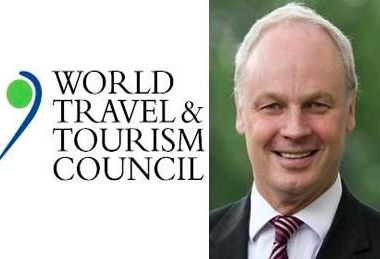
scowsill
click on photo to enlarge

Represented by David Scowsill, President and CEO of WTTC, this is what the World Travel and Tourism Council thinks on Peace through Tourism:

“WTTC wants to help the tourism industry to glow sustainably. Travel is the language of peace and it accounts for 9% of the world’s GDP and for 1 in 11 jobs. It employs over 12 million people in Europe and 63 million in Asia and 8 million in Africa. Tourism is glowing every year and is resilient. It grows 1% faster than the rest of the global economy annually. Beyond economics, it brings people together and is a force and driver for peace. We must harness the opportunities in rebuilding reconciliation and justice. It can be a source of conflict and uncertainty if no deployed effectively.

“IIPT promotes a higher purpose of tourism, like reducing environmental impact. Such initiatives are widespread. Aggregating the data across the sector can be challenging, as sectors measure things for their own needs. The Hotel Carbon Measurement Initiative has helped with agreed upon metrics and measurements. Best examples of sustainable tourism are recognized annually.

“Providing skills training is vital to development and tourism drives this as we strive to meet the needs of consumers. Over the next ten years some 40 million jobs could be at risk if the industry does not train people with the skills. Hospitality training is critical and there are initiatives to foster this.

Tourism calls on many sectors and is keeping an eye on the supply chain. Tourism stimulates and also depends on connectivity. It helps people when they need it most, like planes helping during typhoons and supporting relief efforts.

Tourism calls on many sectors and is keeping an eye on the supply chain. Tourism stimulates and also depends on connectivity. It helps people when they need it most, like planes helping during typhoons and supporting relief efforts.

Governments must be encouraged to a more peaceful future.

“Travel and tourism is a primal force, it doesn’t just mean holiday. What we have in common matters a lot. The more people travel and understand each other, the less chance there is of war. It’s an interdependence that can lead to more cooperation and peace.

“The economic impact of tourism is increasingly understood and we are making headway with the social benefits. People instinctively share travel with their friends; it broadens the mind, mends fences and breaks down negative perception. We have a really powerful message, and peace security and understanding can be fostered through tourism.”

Question related to this article:

How can tourism promote a culture of peace?

Comment by Liliana Mota, October 23, 2013

Why tourism?

Can tourism be seen as an instrument to achieve complicity between people’s minds?

“There is nothing better that connects two people’s mind than a good conversation” The above quote could be used to describe the effect which tourism has on people. Like a great conversation, tourism could be said to play a vital role amongst people all over the world. It fosters communication in all its senses, intercultural dialogue and mutual understanding.

In today’s world it is evident that there is a shortage of moral or ethical values amongst people across the different nations in this world, resulting in a globalised world lacking these morals and ethical values. Ignorance, the failure to consider the needs of others, and selfishness are a few of the ways which hinder us from embracing diversity and a common human perspective, which would result informal empathy, internal moral compassion, tolerance of differences, historical consciousness and interpretation. The above mentioned features are intrinsic, inherent and can be found in the practice of tourism.

Tourism has been emphasized as one of the most effective instruments which continue to tackle to tackle social and economical poverty, as well as encourage the culture of peace practice amongst people. In looking at the UN architecture, one is able to see the growing implications which the tourism sector has on the world and world policies. The touristic phenomenon has achieved a world record of 5% of world’s GDP contribution and is responsible for 235 millions jobs, according to the UNWTO’s data. Often the tourism sector counts more than 20% of the countries’ GDP.

On the negative side of this, it is evident that tourism focuses on economical matters, depriving any focus on the global implications of the constant interaction tourism encourages.

In the literal sense, tourism is nothing more or less than people meeting with the willingness to understand each other’s differences and point of view and simultaneously creating the opportunity for dialogue, mutual understanding and peace to take place.

Apart from tourism, various factors could be seen to play a role in encouraging integration and diversity amongst societies across the world. For example, the cultural segment has played an essential source of people’s integration and inclusiveness in developing countries.

Education has also played a significant role in encouraging integration, and incorporation amongst people all over the world. Education has been reconsidered and proposed to being the catalyst for exchange between countries, cultures and sectors, and most importantly for enhancing the lives of people by granting them the opportunity to leave their poverty stricken lives and societies in exchange a for better future which includes job and exchange opportunities.

In the tourism world, differences play the most essential role, differences among people represents the added-value. Being different is always a positive factor that usually motivates and encourages people to get to move and engage with each other and embrace the differences with the use of spiritual, religious and cultural meanings.

This notion of tourism needs to be addressed in multilateral governance discussions, where all the main actors, the international community, the ministerial and experts, private sector, local institutions and civil society engages are all present, and are all willing to work together in combined efforts and initiatives (from poverty alleviation to the promotion of awareness of sustainable development addressing special needs like regional development, urban planning and protection of natural and cultural landscapes). This combined approach of working at the local level within communities and at the national and international level, in order to reach and engage the poor, has been considered as potentially being the “one possible and effective answer” and effective approach towards the world’s poorest areas where it can make a difference.
Peace Through Tourism by Taleb Rifai, Secretary General of UNWTO

. SUSTAINABLE DEVELOPMENT .

an article by Bea Broda, TravelTv for E Turbo News (abridged)

Taleb Rifai, the Secretary General of the United Nations World Tourism Organization (UNWTO) is in Johannesburg today at the International Institute for Peace Through Tourism (IIPT) Symposium.

unwto
Click on the photo to enlarge

He said when speaking on Peace Through Tourism:

“The topic of this symposium is quite relevant. We only need to read the headlines every day to be reminded of how much we are in shortage of peace and peace building. . .

“Tourism was created as a way to foster peace and understanding. No place is not visited and rights to travel cannot be denied. More than 1.1 billion people traveled in the last year, and that is a revolution into the “age of travel.” Ten million visit S. Africa in a year, and each of us is a potential ambassador of peace and we can help break down cultural barriers. Peace is at the heart of the UNWTO. The UN is built of social progress, peace and human rights, and UNWTO was put in place in 2003 to help build peace through tourism. Peace can inspire change. A more peace sensitive tourism sector can be built, by engaging and respecting local communities.

“We need to travel to learn and not condescend, and tourism must be considered at the community level. Local populations should be associated with tourism activities and share in the benefit of tourism.

“Tourism, culture and sports represent the most viable peace building and sustainable sectors, but also the most viable economically, surpassing the economy based on production. Amazing benefits are created by sports, for example, and tourism needs to be seen as a development tool.

“Three ways tourism can do this:

“1. Tourism builds respect and mutual understanding and sparks billions of encounters that are steps towards understanding. It builds our education and it can be peace sensitive and makes travelers global citizens.

“2. Tourism improves livelihoods and creates many jobs. It can help communities value their place in the world and what they have to offer. It can help people value their music, art, gastronomy, etc.

“3. Tourism leads to reconciliation within and between societies. It can open up peoples’ minds to other visitors. A great example is how FIFA in South Africa galvanized people together. If only all the wars in the world could be settled this way – with sports! Compete and hug each other after the game.

“1.8 billion people will be traveling by 2020. This is a good world, and we shouldn’t listen to the negative people that speak of such future terror. The IT revolution has also helped to bring us together – the world has never been better! We have never cared more about each other. For example, the kidnapping of the girls in Nigeria became a concern for all of us, as do tsunamis and wars wherever they are. We all care about these things, and we all wish to deliver a better world to our children than the one we started with. Tourism can help foster this.”

Question related to this article:

How can tourism promote a culture of peace?

Comment by Liliana Mota, October 23, 2013

Can tourism be seen as an instrument to achieve complicity between people’s minds?

“There is nothing better that connects two people’s mind than a good conversation” The above quote could be used to describe the effect which tourism has on people. Like a great conversation, tourism could be said to play a vital role amongst people all over the world. It fosters communication in all its senses, intercultural dialogue and mutual understanding.

In today’s world it is evident that there is a shortage of moral or ethical values amongst people across the different nations in this world, resulting in a globalised world lacking these morals and ethical values. Ignorance, the failure to consider the needs of others, and selfishness are a few of the ways which hinder us from embracing diversity and a common human perspective, which would result informal empathy, internal moral compassion, tolerance of differences, historical consciousness and interpretation. The above mentioned features are intrinsic, inherent and can be found in the practice of tourism.

Tourism has been emphasized as one of the most effective instruments which continue to tackle to tackle social and economical poverty, as well as encourage the culture of peace practice amongst people. In looking at the UN architecture, one is able to see the growing implications which the tourism sector has on the world and world policies. The touristic phenomenon has achieved a world record of 5% of world’s GDP contribution and is responsible for 235 millions jobs, according to the UNWTO’s data. Often the tourism sector counts more than 20% of the countries’ GDP.

On the negative side of this, it is evident that tourism focuses on economical matters, depriving any focus on the global implications of the constant interaction tourism encourages.

In the literal sense, tourism is nothing more or less than people meeting with the willingness to understand each other’s differences and point of view and simultaneously creating the opportunity for dialogue, mutual understanding and peace to take place.

Apart from tourism, various factors could be seen to play a role in encouraging integration and diversity amongst societies across the world. For example, the cultural segment has played an essential source of people’s integration and inclusiveness in developing countries.

Education has also played a significant role in encouraging integration, and incorporation amongst people all over the world. Education has been reconsidered and proposed to being the catalyst for exchange between countries, cultures and sectors, and most importantly for enhancing the lives of people by granting them the opportunity to leave their poverty stricken lives and societies in exchange a for better future which includes job and exchange opportunities.

In the tourism world, differences play the most essential role, differences among people represents the added-value. Being different is always a positive factor that usually motivates and encourages people to get to move and engage with each other and embrace the differences with the use of spiritual, religious and cultural meanings.

This notion of tourism needs to be addressed in multilateral governance discussions, where all the main actors, the international community, the ministerial and experts, private sector, local institutions and civil society engages are all present, and are all willing to work together in combined efforts and initiatives (from poverty alleviation to the promotion of awareness of sustainable development addressing special needs like regional development, urban planning and protection of natural and cultural landscapes). This combined approach of working at the local level within communities and at the national and international level, in order to reach and engage the poor, has been considered as potentially being the “one possible and effective answer” and effective approach towards the world’s poorest areas where it can make a difference.
The Contribution of Transfrontier Peace Parks to Peace in Southern Africa

. SUSTAINABLE DEVELOPMENT .

an article by Peace Parks Foundation 2013 Annual Report

[Editor’s Note. A lucid description of the contribution of transfrontier peace parks to peace among the countries of Southern Africa was presented by Paul Bewsher, to the recent IIPT meeting on Peace through Tourism. Although we don’t have a copy of his talk, here is similar information from the Peace Parks Foundation Annual Report]

peaceparks
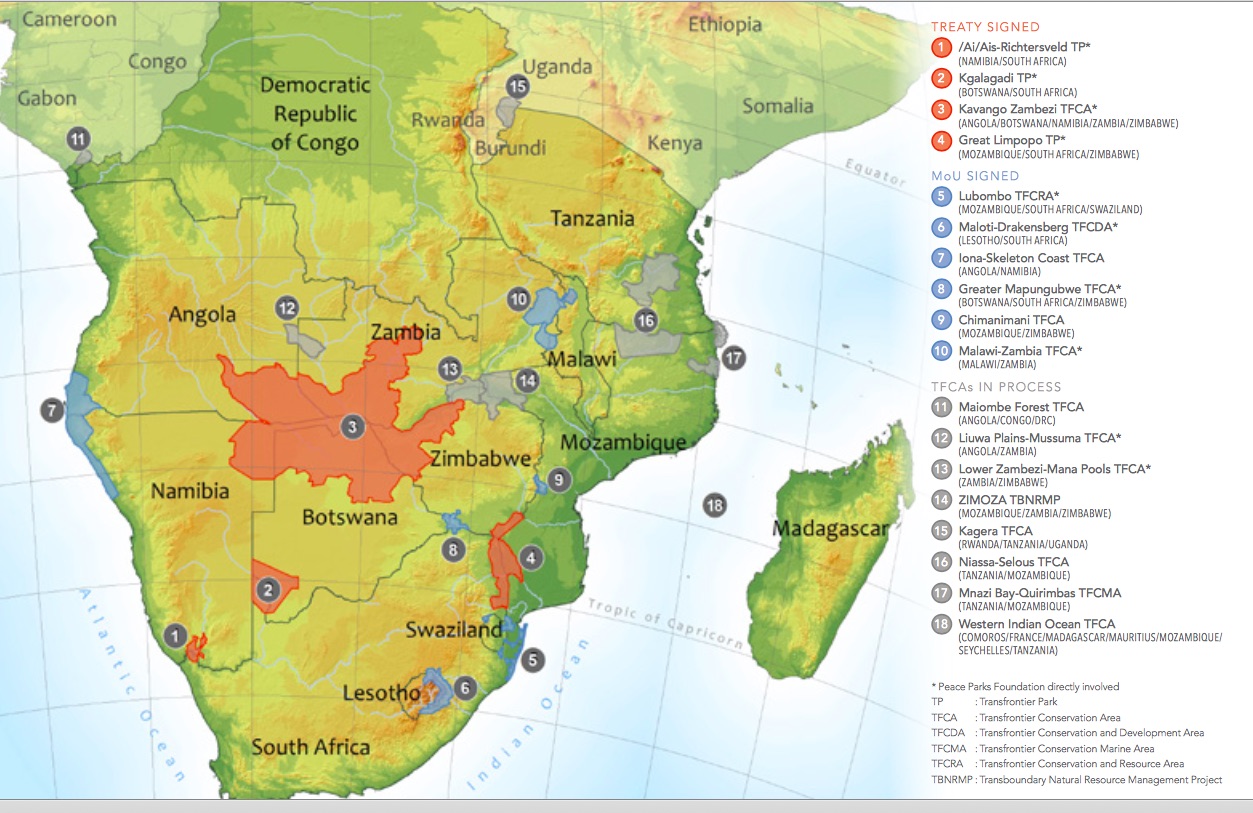
Location of the 18 transfrontier peace parks in Southern Africa.
click on photo to enlarge

By 1988 the idea had taken root within the World Conservation Union. Initially they identified 70 potential transfrontier conservation areas (TFCAs) in 65 countries around the world, but today the figure stands at 227 transboundary protected area complexes incorporating 3 043 individual protected areas or internationally designated sites.

It was in Africa, however, that the peace parks concept truly sparked into life. The brave dream of contiguous TFCAs in southern Africa began its realisation in the mid-1990s in the discussions of visionary leaders as they contemplated a new era of regional peace, democracy and development.

In the years since, it has been the political will of leaders in southern Africa, and the efforts of an organisation set up to champion the peace parks concept, that has seen the vision of peace parks taking shape on the subcontinent. Spearheaded by Dr Anton Rupert, and with President Nelson Mandela and HRH Prince Bernhard of the Netherlands as co-founding patrons, Peace Parks Foundation was founded on 1 February 1997 to facilitate the creation of TFCAs throughout southern Africa.

The concept of the region’s peace parks is as glorious as it is audacious: vast conservation areas that straddle national borders, of sufficient extent to incorporate entire biomes; of sufficient integrity to restore the ancient patterns of diverse ecological communities, and of sufficient vision to reconnect the shared cultures of tribal peoples, dislocated when colonial rulers arbitrarily imposed Africa’s borders.

Southern Africa’s peace parks today incorporate over half of the declared conservation estate in the region. At over a million square kilometres, they rival the combined landmass of France and Spain. These parks are as astounding in their extent as in their natural magnificence, the immense richness of their biodiversity and the importance of their cultural heritage.

[Although the emphasis is largely on natural preservation, there are also examples of transborder cultural initiatives include the following}

The !Ae!Hai Kalahari Heritage Park is managed by a joint management board, which comprises representatives from the ‡Khomani San and Mier communities and SANParks. The heritage park aims to preserve the cultural and traditional knowledge of these indigenous communities, while improving their opportunities to earn a livelihood. One of the key objectives is to expose the Bushman children to the traditional lifestyles of their ancestors. This is realised through the implementation of the traditional veld school at Bobbejaanskop, while adults participate in a similar programme at Imbewu Camp.

Question related to this article:

How can tourism promote a culture of peace?

Comment by Liliana Mota, October 23, 2013

Why tourism?

Can tourism be seen as an instrument to achieve complicity between people’s minds?

“There is nothing better that connects two people’s mind than a good conversation” The above quote could be used to describe the effect which tourism has on people. Like a great conversation, tourism could be said to play a vital role amongst people all over the world. It fosters communication in all its senses, intercultural dialogue and mutual understanding.

In today’s world it is evident that there is a shortage of moral or ethical values amongst people across the different nations in this world, resulting in a globalised world lacking these morals and ethical values. Ignorance, the failure to consider the needs of others, and selfishness are a few of the ways which hinder us from embracing diversity and a common human perspective, which would result informal empathy, internal moral compassion, tolerance of differences, historical consciousness and interpretation. The above mentioned features are intrinsic, inherent and can be found in the practice of tourism.

Tourism has been emphasized as one of the most effective instruments which continue to tackle to tackle social and economical poverty, as well as encourage the culture of peace practice amongst people. In looking at the UN architecture, one is able to see the growing implications which the tourism sector has on the world and world policies. The touristic phenomenon has achieved a world record of 5% of world’s GDP contribution and is responsible for 235 millions jobs, according to the UNWTO’s data. Often the tourism sector counts more than 20% of the countries’ GDP.

On the negative side of this, it is evident that tourism focuses on economical matters, depriving any focus on the global implications of the constant interaction tourism encourages.

In the literal sense, tourism is nothing more or less than people meeting with the willingness to understand each other’s differences and point of view and simultaneously creating the opportunity for dialogue, mutual understanding and peace to take place.

Apart from tourism, various factors could be seen to play a role in encouraging integration and diversity amongst societies across the world. For example, the cultural segment has played an essential source of people’s integration and inclusiveness in developing countries.

Education has also played a significant role in encouraging integration, and incorporation amongst people all over the world. Education has been reconsidered and proposed to being the catalyst for exchange between countries, cultures and sectors, and most importantly for enhancing the lives of people by granting them the opportunity to leave their poverty stricken lives and societies in exchange a for better future which includes job and exchange opportunities.

In the tourism world, differences play the most essential role, differences among people represents the added-value. Being different is always a positive factor that usually motivates and encourages people to get to move and engage with each other and embrace the differences with the use of spiritual, religious and cultural meanings.

This notion of tourism needs to be addressed in multilateral governance discussions, where all the main actors, the international community, the ministerial and experts, private sector, local institutions and civil society engages are all present, and are all willing to work together in combined efforts and initiatives (from poverty alleviation to the promotion of awareness of sustainable development addressing special needs like regional development, urban planning and protection of natural and cultural landscapes). This combined approach of working at the local level within communities and at the national and international level, in order to reach and engage the poor, has been considered as potentially being the “one possible and effective answer” and effective approach towards the world’s poorest areas where it can make a difference.
Community-based tours and stories in Alexandra, Soweto and more, South Africa

. SUSTAINABLE DEVELOPMENT .

an article by Daniel Adidwa, Tour2-0

Tour2.0 is a platform that takes you on a journey of discovery through authentic community tours and tour packages that are based on real African stories told by community members within the context of their community. Tour2.0 enables you to read about and experience any of our tours in Johannesburg and Pretoria in real life, allowing you to discover the uniqueness of every community on our platform.

Adidwa
Location of the 18 transfrontier peace parks in Southern Africa.

Each community has a unique story to tell. We enable the visitor to experience this uniqueness. This gets people to understand other cultures by immersing them in the community. And they come to appreciate the history of the different cultures.

We don’t do “pity tourism” geared toward driving donations. We share and expose tourists to the good stories within the community. We don’t turn a blind eye to the problems that communities face, but our emphasis is on the good.

For our purposes locals have to participate. The first point is the guide. The guide has to be a local person who tells the communities story. When the guide is local, the information is more insightful. Once the community realizes that the guides are local, they are more welcoming to visitors because they know they are being represented by a fellow community member. This makes them more willing to participate, for example to welcome the tourist into their home.

Another point is that the tourist eats local food prepared by local cooks. And they have the opportunity to buy arts and crafts from local artists so that their money remains in the local community.

Our aim is that after experiencing the tour the visitor leaves with an appreciation of that community, its history, culture, present state and where it is going.

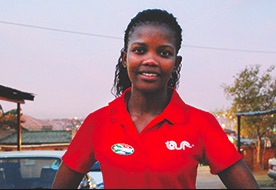
For example within the township of Alexandra, a local guide is a young lady named Asanda Daza. She is a 22 year old from Alexandra who is passionate about her community. Her tour is named “Lights, gangs and all that jazz.” She takes tourists through Alexandra’s cultural district, with visits to King’s Cinema, a cinema where jazz greats like Hugh Masakela frequently played before being exiled during apartheid, and where the legendary Nelson Mandela came to watch movies when he lived in Alexandra.

She also has you visit Msomi gang headquarters to learn about the gang rivalry between the Msomi and Spoiler gangs from the 1950’s to the 1970’s.

Her tour ends at a local jazz club where tourist are entertained by local jazz artists and traditional singers.

Another example is Lebo’s Backpackers Tours in Soweto which also involves the community in all aspects of the tourist’s experience and which tells the rich story of Soweto.

Question related to this article:

How can tourism promote a culture of peace?

Comment by Liliana Mota, October 23, 2013

Why tourism?

Can tourism be seen as an instrument to achieve complicity between people’s minds?

“There is nothing better that connects two people’s mind than a good conversation” The above quote could be used to describe the effect which tourism has on people. Like a great conversation, tourism could be said to play a vital role amongst people all over the world. It fosters communication in all its senses, intercultural dialogue and mutual understanding.

In today’s world it is evident that there is a shortage of moral or ethical values amongst people across the different nations in this world, resulting in a globalised world lacking these morals and ethical values. Ignorance, the failure to consider the needs of others, and selfishness are a few of the ways which hinder us from embracing diversity and a common human perspective, which would result informal empathy, internal moral compassion, tolerance of differences, historical consciousness and interpretation. The above mentioned features are intrinsic, inherent and can be found in the practice of tourism.

Tourism has been emphasized as one of the most effective instruments which continue to tackle to tackle social and economical poverty, as well as encourage the culture of peace practice amongst people. In looking at the UN architecture, one is able to see the growing implications which the tourism sector has on the world and world policies. The touristic phenomenon has achieved a world record of 5% of world’s GDP contribution and is responsible for 235 millions jobs, according to the UNWTO’s data. Often the tourism sector counts more than 20% of the countries’ GDP.

On the negative side of this, it is evident that tourism focuses on economical matters, depriving any focus on the global implications of the constant interaction tourism encourages.

In the literal sense, tourism is nothing more or less than people meeting with the willingness to understand each other’s differences and point of view and simultaneously creating the opportunity for dialogue, mutual understanding and peace to take place.

Apart from tourism, various factors could be seen to play a role in encouraging integration and diversity amongst societies across the world. For example, the cultural segment has played an essential source of people’s integration and inclusiveness in developing countries.

Education has also played a significant role in encouraging integration, and incorporation amongst people all over the world. Education has been reconsidered and proposed to being the catalyst for exchange between countries, cultures and sectors, and most importantly for enhancing the lives of people by granting them the opportunity to leave their poverty stricken lives and societies in exchange a for better future which includes job and exchange opportunities.

In the tourism world, differences play the most essential role, differences among people represents the added-value. Being different is always a positive factor that usually motivates and encourages people to get to move and engage with each other and embrace the differences with the use of spiritual, religious and cultural meanings.

This notion of tourism needs to be addressed in multilateral governance discussions, where all the main actors, the international community, the ministerial and experts, private sector, local institutions and civil society engages are all present, and are all willing to work together in combined efforts and initiatives (from poverty alleviation to the promotion of awareness of sustainable development addressing special needs like regional development, urban planning and protection of natural and cultural landscapes). This combined approach of working at the local level within communities and at the national and international level, in order to reach and engage the poor, has been considered as potentially being the “one possible and effective answer” and effective approach towards the world’s poorest areas where it can make a difference.
La 2è édition du Festival Amani fixée en mi-février à Goma

. . EDUCATION POUR LA PAIX . .

An article by Radio Okapi

Video: Goma music festival

La deuxième édition du Festival de musique Amani est annoncée du 13 au 15 février à Goma, chef-lieu du Nord-Kivu. Placée sous le thème : «Danser pour changer et chanter pour pour la paix », cette manifestation bénéficie de l’appui de plusieurs partenaires dont la Monusco et l’ONG Francopholies.

Goma

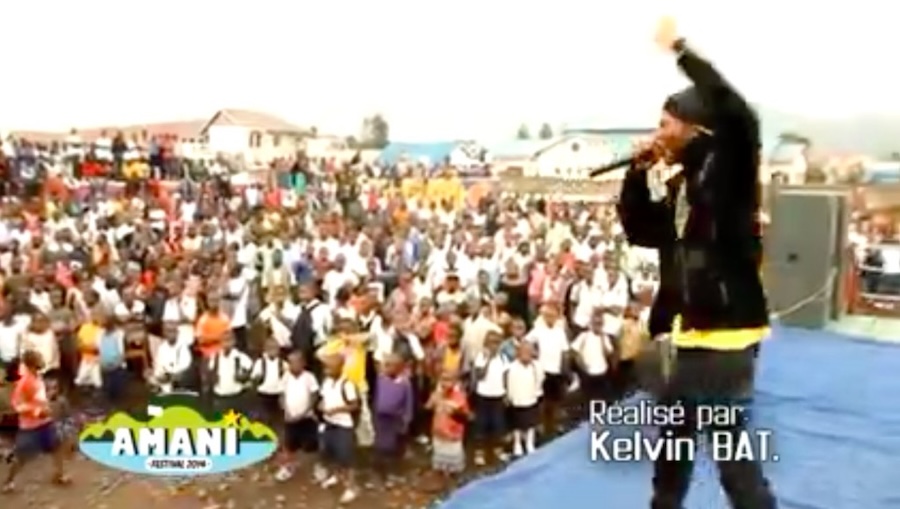
Une scene du video du première édition du festival

Ce festival entend consolider la culture de la paix et la réconciliation entre peuple d’une contrée en proie à des conflits armés depuis plus de deux décennies.

De nombreux artistes africains sont attendus dans ce festival dont l’Ivoirien Tiken Jah Fakoly et le chanteur malien Habib Koite.

La première édition du festival Amani, organisée en février 2014, avait drainé des milliers d’habitants de la région des Grands Lacs.

Les artistes-musiciens Tiken Jah Fakoly et Habib Koite parlent de ce festival au micro de Marcel Mayoyo.

( Cliquez ici pour une version anglaise)


Question related to this article:

What place does music have in the peace movement?

As of now, there are 33 CPNN articles on this theme, which reflects the extent to which music is the universal language of peace!

Abu Dhabi: Muslims Plan Peace Emissaries to End Conflicts

TOLERANCE & SOLIDARITY .

an article by On Islam

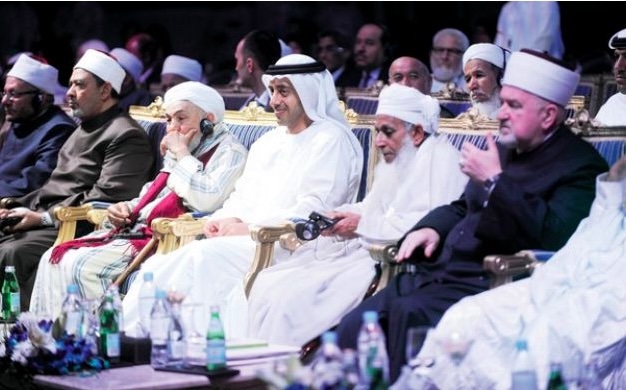
Amid increasing anti-Islam propaganda worldwide, a council of elite Muslim scholars met in Abu Dhabi, discussing methods of renovating Islamic education and developing a new strategy to send peace delegations to global hotspots “to stop the game of death”.

“The goal is to reach an agreement that Islam is innocent of the terrorism going on,” Dr Kaltham Al Muhairi, professor at Zayed University’s Institute of Islamic World Studies, said during the meeting of the Muslim Council of Elders, The National reported on Sunday, February 15. “Dialogue also aims to make other parties recognize the right of Muslims to portray the true image of Islam.”

The Muslim Council of Elders met in the Emirati capital to discuss ways to modernize the way Islam is taught in schools to fight misconceptions. The meeting, held last Thursday, discussed methods to improve interfaith dialogues, including sending peace delegations to global hotspots “to stop the game of death”.

Abdullah bin Bayyah, president of the Forum for Promoting Peace in Muslim Societies, said delegations would be sent to areas of conflict to correct misunderstandings of Shari`ah and explain that these “bloodbaths” benefited no one.

Dr Mohammed Shihab, former Indonesian minister of religious affairs, said that interfaith activities should go further than talk and bring together young people from all religions to work for the good of society. He also suggested renovating curriculums to focus on Prophet Mohammed’s merciful teachings. “We have some old books that were written during the conflict between Christianity and Islam – we should not focus on that,” Dr Shihab said. “This does not mean we will neglect it.”

Bin Bayyah said the peace delegations would engage in dialogue from which everyone could benefit, “whether it is ISIL or other than ISIL”. They should consist of elite intellectuals who could “face the current of violence and random conflict”, he said. “Searching for rights during a destructive war will not lead the ummah [community] to anything,” bin Bayyah said. “It will end with destruction and everyone will be defeated. “Even if one imagines he is victorious, there is no victory if the ummah is burning.”

He added that it is the job of scholars, intellects, universities and good politicians to act as “firefighters in this deadly atmosphere”. “Many of the disputes that we think of as internal are in fact due to foreign interference, so it requires two things: to talk to the doers on the land and those behind them,” Mr bin Bayyah said.


Question related to this article:

How would we define a progressive Muslim?

Here is a rough translation of

Ramadan: the culture of peace

by Mustapha Cherif

Fasting is to be at peace. If someone tries to bother us, we can answer quietly: “I am fasting. “The concept of peace in Islam is central, in addition to being one of the beautiful names of God, Salam, the importance of which is at least equal to Rahman, the Merciful.

Ramadan calls, first of all, for a culture of peace. This concept is directly related to living together in peace. In this sense, peace requires recognition of the other, keeping in mind that there is no peace without justice. The action reflecting this orientation is that of sharing, which must be conducted in a reasonable manner. To accept differences, personally, in human relations, needs to be with an open heart and mind. Hospitality is a virtue.

The responsibility of the Muslim imperative of justice

The concept of peace in Islam is greater than any other: it is religious, human and cultural and beyond.

The qualities of the believer, generous, hospitable, good, all converge in the sense of achieving peace vis-à-vis oneself, others and the world. The Constitution of Medina established by the Prophet reflects the concept of peace and the hospitality to those who are different. That which defines, first of all, the identity of human beings in the city is not the confession, worship or religion, but citizenship.

Indeed, secularism and human rights are affirmed. The friendship between human beings in general and in particular between the “People of the Book,” the monotheistic brothers who recognize Abraham, is fundamental. In Islam, the recognition of the right of difference is essential. In addition, the secular dimension is recognized. We can say that the sky does not over-ride the earth: man is not bound by faith, but, on the contrary, he is accountable. Revelation leaves open spaces where the responsibility of the Muslim can and must assert itself. Each of us is required to examine our own conscience and contribute to the culture of peace.

When we find ourselves in a time of crisis with a weakening of social ties, it is then that we must seek forms of solidarity and coexistence. Coexistence between citizens is based on much more than mere tolerance. Sometimes the complexities of history have compromised these meanings and distorted these references. The responsibility lies with us as individuals and not with the text or His Messenger.

The conduct of the Muslim, especially during Ramadan, instead of falling into error, should be shaped by the concept of peace and justice. The insistence of the Qur’an about justice, fairness and equality should make Muslims sensitive to these dimensions as essential to our social relations.

The character, mind and behavior of Muslims can only be profoundly marked by the imperative of justice. A Muslim is not fully a believer until he applies justice and equity. To be a righteous man is of major importance in the Qur’an.

In law, the world of Islam is supposed to be the world of justice. Justice and Islam are theoretically synonymous. To be just, according to the Qur’an, is to be pious. “Justice is close to piety.” Furthermore, the Qur’an states:” Say: My Lord demands equity “and again:” You who believe, testify to equity. Even if others hold grudges, do not yourself fall into injustice. Be fair. ‘

It remains to measure the distance between the principle of justice in everyday practice, and the search to understand the real causes of deviations. The Qur’an addresses humanity, the last sura repeated five times the concept of humanity, people, beings. Revelation is the people as a whole. We must never be opposed to difference, but we must oppose injustice.

In the Qur’an, everyone is free and responsible for his actions. Nobody can boast of irresponsibility or unconsciousness. For most of the themes and issues, the Qur’an makes it easy to take into account the variety of situations and allows us freedoms to reflect, discern, adapt and evolve. Its provisions favor the conditions of justice and coexistence, change and metamorphosis, and it helps us distinguish right from wrong, the lawful and the unlawful, so that we may be good citizens.

The ijtihad, a free reflection to be able to live together

For three centuries, Muslim women have been troubled by the marginalization of their thoughts and knowledge, disturbed by the internal problems of development and the problematic trajectory of the powers that agress them. They have difficulty to interpret this. Today, the majority have recognized the need to return to creativity.

For the question of interpretation, ijtihad is central. If we want to grow, to develop, it is necessary to think, learn and educate. All truth, including revealed truth, is understandable if we think within a context where the clear and the less clear are interwoven and between the lines. It is true that we cannot attack the block with a bludgeon, but we must find meaning gradually.

The ijtihad is at the heart of thought. It requires us to open our minds, to take responsibility, to humanize and to innovate. It is essential to adapt ijtihad to the circumstances of modern life. To do this, we must clarify the meaning of contemporary ijtihad.

Not to accommodate to the contemporary epoch or bend to the demands of materialism, but above all to respect the human spirit. One must distinguish positive aspects from negative aspects on each occasion and reinvent a culture that is open, living and humane. And there should be no doubt that men should not turn their backs on the world.

It must be emphasized that ijtihad which is reasonable does not turn its back on the times, but at the same time does not conform at any price. There is light and dark in all periods. We understand, above all, a ijtihad that is creative, faithful and innovative at the same time.

Neither close-mindedness nor dilution. An intellectual must be a renovator, a spokesman for the scholarly interests of society and preserve scrupulous.y its interests and aspirations. He must meet the cultural needs of the people, their internal voice of peace, a life that is open, balanced, responsible and dignified. For Islam, contrary to the claims of extremists, this is not only possible but vital.

The exegesis of texts must be based on adequate knowledge of scientific and linguistic rules, ethical and fundamental knowledge and values. Any interpretation should facilitate rather than complicate. It should not contradict healthy reason or violate firmly established scientific facts. While making the efforts of research and reflection, pushing deconstruction, searching for truth and right opinion, one should be detached from one’s own passions and preferences.

The intellectual must defend peace and justice and the general interest and rely on reason to seek the common good and understand the issues of our times, the issues that are emerging being aware of their demands. This approach allows us to recognize new contexts and put them to the test with an open and insightful mind. It is our duty to contribute to the emergence and consolidation of a culture of peace and social cohesion.

The generic word, ijtihad, thus refers to the principle of free and responsible thinking which is demanded of competent intellectuals so that we can participate in the renewal and invention of new concepts, new practices, and interpretation of the Qur’anic discourse and Sunnah adapted to our time. This aspect makes ijtihad open to evolution and responsive to the interests of individuals and societies, accommodating all times and all places.

The ijtihad is this act of renewal which distinguishes between opportunities and uncertainties, between what hinders and what allows progress. We must not only accept but create changes to control our history, in the general interest of society to preserve its balance and stability and strengthen its open commitment to modernity and civilization.

The ijtihad is effective, efficient and relevant to the society, if it is practiced with transparency, respect for common values, taking into account the secular, the common memory and respect for human dignity. This is what is valid in all times and in all places. Because Islam came to build peace, the open-minded individual, and a just, balanced society with a goal of humanization. Linking science and spirituality, modernity and authenticity, educating and cultivating is to assume with vigilance and wisdom to live together in justice and to make sense of the challenges of the time.

* Mustapha Cherif is a philosopher, university professor and author of books on coexistence and dialogue between cultures.

The second edition of the Amani Festival fixed for mid-February in Goma

.. EDUCATION FOR PEACE ..

An article by Radio Okapi

Video: Goma music festival

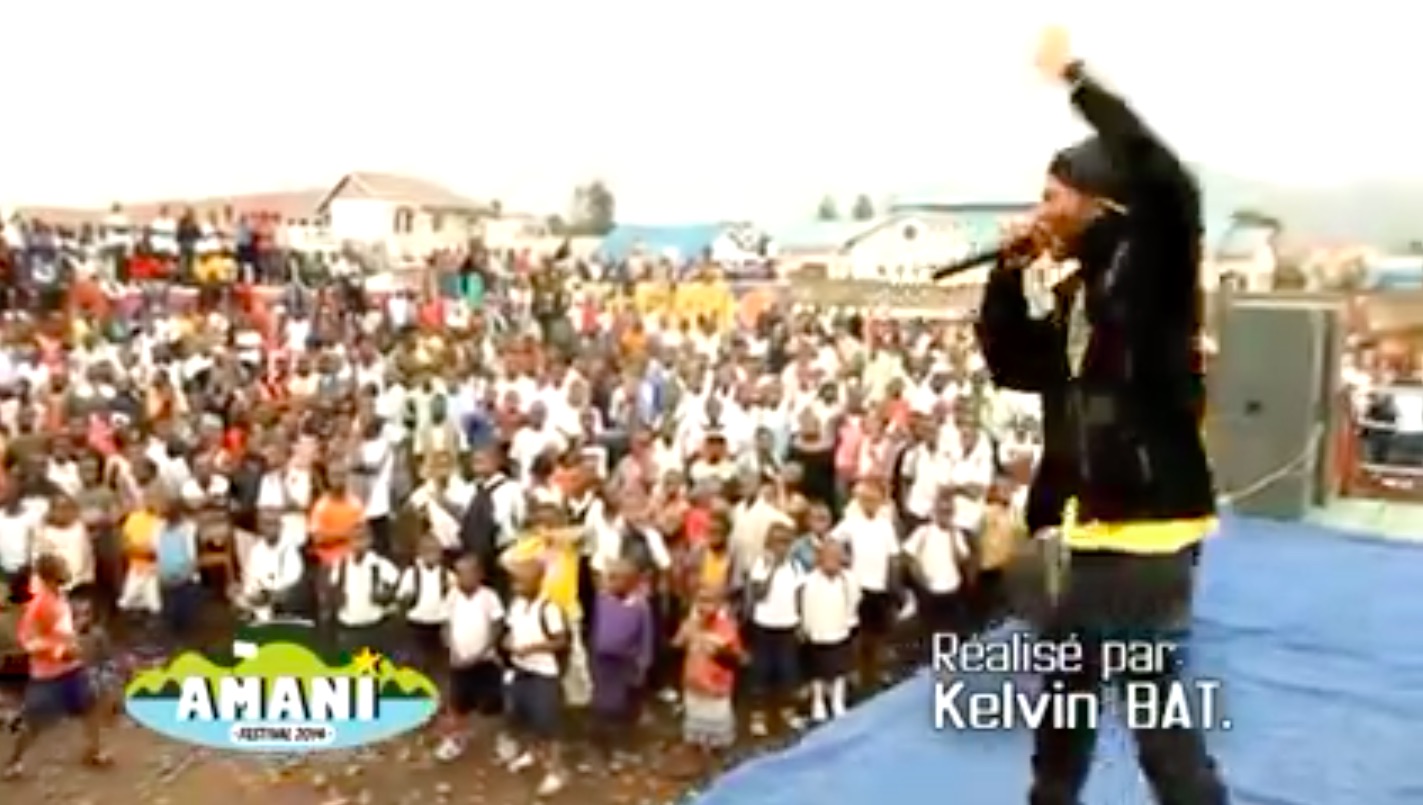
The second edition of the Amani Music Festival has been announced for the 13-15 February in Goma, the center of Nord- Kivu in the Democratic Republic of Congo. Under the theme “Dance for change and sing for peace”, the Festival will benefit from the support of a number of partners, including the UN peace force Monusco and the NGO Francopholies.

Scene from the video of the 2014 festival

The previous edition of the Amani Festival, organized in February 2014, drew thousands of residents from the Great Lakes Region.

In the following radio broadcast, the musician-artists Tiken Jah Fakoly and Habib Koite speak with the journalist Marcel Mayoyo.

(Click here for a French version of this article)


Question related to this article:

Le Caribbean Union of Teachers défend les droits des personnes LGBT

. DROITS DE L’HOMME .

an article by Internationale de l’Education

Les dirigeant(e)s syndicaux/ales ont franchi un pas important dans la voie d’une meilleure compréhension des questions LGBT sous l’angle des droits de la personne, alors que la région s’ouvre à la tolérance et à l’acceptation de la diversité sexuell

lgbt
click on photo to enlarge

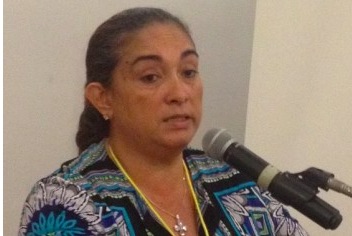
Lisa Shoman

Afin de mettre un terme à la discrimination des étudiant(e)s et des enseignant(e)s LGBT dans les écoles caribéennes, les syndicats d’enseignants ont pris de petites mesures pour faire accepter la diversité sexuelle.

Les droits de la personne étaient l’élément central de la discussion dirigée par l’une des principales personnalités politiques des Caraïbes et ancienne ministre des Affaires étrangères du Belize, Lisa Shoman, alors qu’elle animait un débat sur « Les droits des étudiant(e)s et des enseignant(e)s LGBT » lors de la 6e Conférence de l’éducation du Caribbean Union of Teachers (CUT) à Belize City, en Amérique centrale, en décembre.

Les syndicats d’enseignants prennent des mesures contre l’homophobie dans le secteur de l’éducation

Shoman, qui est également une avocate des droits humains, avait pour difficile mission d’aider les enseignant(e)s à dépasser ce qui a été un sujet de controverse dans toute l’histoire de la région, en grande partie sous l’influence de valeurs et de croyances religieuses et culturelles. Elle s’est efforcée de mettre en avant les droits humains pour les séparer de la question des croyances. Toutefois, dans de nombreux pays, le principal obstacle était la législation.

« La législation contient encore des lois dépassées », qui pénalisent les gens en raison de leurs préférences sexuelles, a déclaré Davanand Sinanan, Président de la Trinidad and Tobago Unified Teachers Association (TTUTA) et membre du Bureau exécutif de l’Internationale de l’Education (IE). « En fait, à Trinidad et Tobago, depuis plus de trois ans, nous n’avons pas été capables de mettre en place une politique nationale en matière de genre du fait de l’opposition des instances religieuses aux dispositions mentionnant les droits des personnes LGBT. »

Sinanan a clairement indiqué qu’il veut que ses écoles et la société changent de regard et reconnaissent que toute personne doit bénéficier de droits égaux afin d’éliminer les discriminations.

A l’issue de la discussion, un grand nombre de participant(e)s ont convenu qu’il était nécessaire de mener une vaste campagne d’éducation sur la question dans la région afin que les enseignant(e)s soient en mesure de faire face aux choix de vie de façon professionnelle et sans porter de jugement, en particulier en dispensant des services éducatifs respectueux des jeunes dans le plein respect de leurs droits et de la dignité de tous ainsi que de la diversité en matière d’orientation sexuelle et d’identité de genre.

A l’heure actuelle, 11 des 12 Etats du Commonwealth des Caraïbes considèrent l’homosexualité comme un crime en vertu de lois introduites par le colonialisme britannique. Nombre de ces lois seraient indirectement appliquées au travers de pratiques policières d’extorsion et d’autres abus punis par la loi, de la stigmatisation sociale et d’une discrimination directe. L’application du droit pénal se dresse comme un obstacle, qui revient à refuser l’accès et le droit à l’éducation, à l’emploi, au logement, à la santé et à d’autres services publics.

[Merci au Good News Agency pour avoir nous informer de cet article.]

(Cliquez ici pour une version en espagnol de cet article et ici pour une version en anglais.)


Question related to this article:

The struggle against homophobia, Is progress being made in your community?

It would seem from articles on CPNN that progress is being made in some communities. In particular this is true in the United States according to the article by Danny B and in Bulgaria according to the article by Diana Tashkova.

México: Ley de Justicia Alternativa debe estar aprobada antes de agosto

. PARTICIPACIÓN DEMOCRATICA .

un artículo de Dulce Rodríguez Calderón, Entrelíneas

El magistrado presidente del Supremo Tribunal de Justicia del Estado, José Miguel Salcido Romero, confió en que la Ley de Justicia Alternativa esté lista para antes del 17 de agosto, fecha en la que comienza el nuevo sistema de justicia oral en material civil y familiar en Chihuahua.

Mexico

El magistrado presidente del Supremo Tribunal de Justicia del Estado, José Miguel Salcido Romero

“Ya enviamos la iniciativa al Congreso del Estado y esperemos que muy pronto se procese, eso nos tiene muy contentos porque vamos a poder consolidar nuestro sistema de justicia alternativa de manera muy sólida”, compartió en entrevista el titular del Poder Judicial.

Al ser cuestionado sobre si la nueva ley debe ser analizada, en caso dado modificada y aprobada por el Poder Legislativo antes del mes de agosto comentó que la cuestión del tiempo es un tema que le compete al Congreso del Estado, pero: “yo diría que sí, porque nos ayudaría mucho que este tema esté firme al momento en que entre en vigor el nuevo sistema oral de justicia civil y familiar”.

Cabe recordar que el objetivo principal de la misma es fomentar la convivencia armónica como herramienta principal para el dialogo, lo que llevará sin duda a la justicia pronta y expedita, pues las partes llegarán a un común acuerdo a través de la mediación con lo que se evitarían procesos judiciales.

Además es importante mencionar que de aprobarse, se abrogaría la Ley de Mediación, misma que data del 7 de junio del 2003 (que fue planeada para un Centro de Mediación que nunca inició operaciones) y hoy en día resulta insuficiente para las nuevas atribuciones que el Supremo Tribunal de Justicia tendrá con la implementación del Centro de Justicia Alternativa.

La nueva Ley Orgánica del Poder Judicial prevé la existencia del Centro de Justicia Alternativa que promoverá la solución de controversias y la cultura de paz para las personas físicas o morales en sus casos ya sea civil, laboral, penal y mercantil.

La Justicia Alternativa es un procedimiento para la solución de controversias mucho más amplia en lo que refiere a la conciliación y mediación, por lo que se propone se expida la Ley.

( Clickear aquí para la version inglês)

Pregunta(s) relacionada(s) al artículo

Restorative justice, What does it look like in practice?

Comentario más reciente:

On this theme, I encourage CPNN readers to read Restorative Justice for Children in Brazil.

NetGain: Let’s Work Together to Improve the Internet

FREE FLOW OF INFORMATION

an article by Lisa 
A. Hayes, Center for Democracy & Technology

Video: Launch of Netgain Challenge

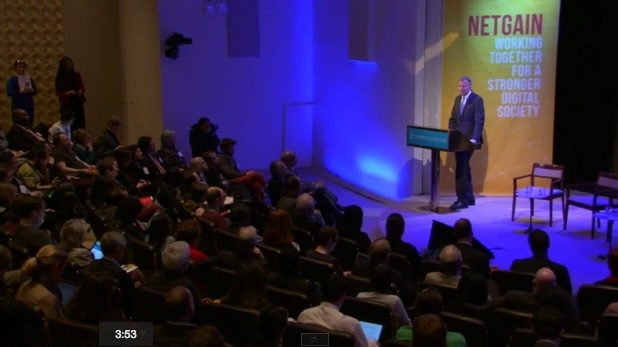
This week, Nuala and I had the opportunity to take part in the launch of the NetGain Challenge, an exciting new initiative aimed at realizing the full potential of the Internet to “spark the next generation of innovation for social change and progress.

Launch of Netgain Challenge

Launched by the Knight, MacArthur, Mozilla, and Ford Foundations, the NetGain Challenge aims to unite all sectors to find genuine solutions to the challenges of our digital age. At the launch event, several innovative and proactive speakers started the conversation. Many talked about the immense amounts of data we now have and the potential it creates for both incredible good and serious privacy abuses; others spoke of the power of the Internet to facilitate free speech, to connect people, and to spread good ideas; and still others cautioned against censorship and the chilling effect of government surveillance.

The most motivating parts of the launch for me were the discussions around digital inclusion and empowerment, especially of women and minorities. The digital world we build depends on everyone being involved in shaping it – not just those with the most privilege or access to the newest technology.

The great news is that YOU can be a part of finding ways to shape this empowering digital world. The NetGain Challenge is about harnessing the power of the Internet to find solutions. It’s about engaging the global Internet community and generating fresh, new ideas that propel us forward. And with the philanthropic community rallying around these efforts, it is far more than just talk – it is action.

The Center for Democracy & Technology encourages everyone to take part in the NetGain Challenge. Share you voice. Share your ideas. Shape the digital society you want to live in.

Question related to this article:

Is Internet freedom a basic human right?

Here are additional remarks from the speech by Mary Robinson.

It has been inspiring to see how new communications technologies have allowed us to expand the space for public debate in recent years. The internet has enabled an explosion of information and expression worldwide, and while I am sceptical about claims that Twitter and Facebook ‘caused’ events like the Arab Awakening, it is evident that social media was an indispensable tool in the dissemination of uncensored information and the coordination of public protests in the region.

This raises questions concerning the role of companies and highlights a critical gap – many business leaders are taking major decisions on their own, often without a firm understanding of their impacts on human rights. To help mainstream respect for human rights in corporate decision-making, the European Commission has embarked on a project to develop guidance for three critical industry sectors, including information and communication technologies, which are so important in today’s world. My colleagues at the Institute for Human Rights and Business and Shift are working with the Commission to develop this guidance in order to give practical meaning to the UN Guiding Principles on Business and Human Rights, which were adopted in 2011.

As these tools become more accessible to people around the world – by 2020 there will be an estimated 5 billion people with access to the internet – civil society becomes better-equipped to engage in public life. Citizens have used mobile phones and internet platforms to record human rights abuses, pressure leaders to become more accountable, and connect and work together across borders. As one young Egyptian told us, “the only borders now are on maps.”

At the same time, our expectations are getting higher – and this is a good thing. When we are used to finding information freely available online, we expect to have the right to access that information without restriction. When we see various world leaders on Twitter, we expect to be able to contact our own leaders directly through such platforms. The more we grow accustomed to voicing our opinions online, the more we resist being silenced.

I believe this is part of a broader global trend towards greater participation. There is such a strong desire now to be consulted – really consulted, not just in a tokenistic way – and to be involved in government as opposed to just being objects of someone else’s policy decisions. We must embrace this trend; by supporting greater inclusivity and participation in governance, we will strengthen the development of democracy worldwide.