Amman, Jordan: #youth4peace – Redefining Youth as Peacebuilders

TOLERANCE AND SOLIDARITY .

An article from Peace Is Sexy

There is a widespread perception that youth are trouble makers. Economists believe a large youth population to be problematic for a country. Police forces (notably in the US) distrust youth and often target youth. Youth are considered to be particularly susceptible to violent extremism. And even governments consider youth as too young and inexperienced to have any kind of value added in political participation.

amman
video of Global Forum

But there is a movement that is gaining traction to cast youth not as trouble makers, but as peace makers. And there is evidence to back it up. According to the 2015 Global Peace Index, “Poverty and youth bulges are typically considered risk factors for urban violence. However these factors were found not to be statistically significant in this study.”

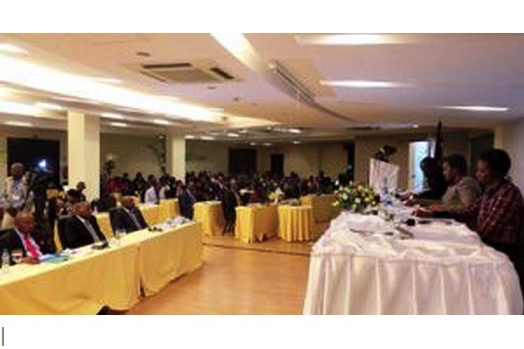
Indeed, the Global Forum on Youth, Peace and Security which occurred on August 21 and 22 in Amman, Jordan was a watershed moment for shining light on how youth contribute to peace. The forum comes on the heels of Jordanian Crown Prince al Hussein bin Abdullah II, at the age of 20, being the youngest person to chair a UN Security Council meeting. Appropriately, the April 2015 session focused on discussing youth participation in peacebuilding and countering violent extremism.

The high point of the Global Forum was the adoption of the Amman Declaration which begins with the following:

We, young people from around the world, gathered here in Amman, Jordan on 21-22 August 2015 at the Global Forum on Youth, Peace and Security, express our commitment to live in a peaceful global society. Today, with more young people than ever globally, it is a demographic imperative to include us in working to achieve stability and security. […]

With this Declaration, we present a common vision and roadmap towards a strengthened policy framework to support us in transforming conflict, preventing and countering violence and building sustainable peace.

(article continued in right column)

Question for this article

Is there a renewed movement of solidarity by the new generation?

(article continued from left column)

This Declaration was developed by youth and is the outcome of an extensive consultation process with young people from all over the world to ensure an inclusive and integrated approach.

The Amman Declaration then builds upon existing frameworks including the UN Sustainable Development Goals and the Guiding Principles on Young People’s Participation in Peacebuilding. It goes on to list four key pillars for implementation and list specific action items under each one:

– Youth Participation and Leadership in Issues of Peace and Security

– Youth Preventing Violence and Building Peace

– Gender Equality

– Young People’s Socio-Economic Empowerment

While the Global Forum is a highly visible event, it barely encapsulates the decades of work that the conference’s organizers, Search for Common Ground, United Network of Young Peacebuilders and UN Peacebuilding Support Office, let alone all the other actors in the field, have put into peacebuilding and empowering youth. Nor does it show what has been happening since the Forum: participants sharing the Amman Declaration in their home countries, teams monitoring the implementation of the declaration, the effort to get a UN Resolution passed based on the contents of the Amman Declaration and all the programs that youth peacebuilders continue to implement around the world.

Some of those youth-focused and youth-led peacebuilding programs were highlighted during the Global Forum. Participants heard from Yousef Assadiq, a young Norwegian who converted to Islam, became radicalized and now works to de-radicalize Muslims in Norway and prevent them from joining ISIS. Seventeen year-old Brenda Torres Garcia discussed her work with the National Movement of Children in Colombia and Victor Ochen shared his story of going from a child refugee in Uganda to an advocate for reconciliation and inclusion.

Perhaps one of the greatest achievements of the Global Forum on Youth, Peace and Security was to bring together not only youth and policy makers, but also youth from around the world who might not otherwise have the chance to exchange and learn from colleagues. For some, this was the first time they traveled outside their country. But now, thanks to the Facebook groups and listserves that have been created, they are highly plugged into a global youth-led movement for peace.

Search for #youth4peace on Twitter and on Facebook to see what participants themselves and doing and saying about the Forum and the Amman Declaration.

Islamic Declaration Turns Up Heat Ahead of Paris Climate Talks

. . SUSTAINABLE DEVELOPMENT . .

An article by Kitty Stapp, Inter Press Service (reprinted by permission)

Following in the footsteps of Pope Francis, who has taken a vocal stance on climate change, Muslim leaders and scholars from 20 countries issued a joint declaration Tuesday [August 18] underlining the severity of the problem and urging governments to commit to 100 percent renewable energy or a zero emissions strategy.

islamic
Mohammed Rashid Qabbani, the Grand Mufti of Lebanon, was one of the signers of the Islamic Declaration on Climate. Credit: kateeb.org

Notably, it calls on oil-rich, wealthy Muslim countries to lead the charge in phasing out fossil fuels “no later than the middle of the century.”

The call to action, which draws on Islamic teachings, was adopted at an International Islamic Climate Change Symposium in Istanbul.

“Our species, though selected to be a caretaker or steward (khalifah) on the earth, has been the cause of such corruption and devastation on it that we are in danger ending life as we know it on our planet,” the Islamic Declaration on Climate statement says.

“This current rate of climate change cannot be sustained, and the earth’s fine equilibrium (mīzān) may soon be lost…We call on all groups to join us in collaboration, co-operation and friendly competition in this endeavor and we welcome the significant contributions taken by other faiths, as we can all be winners in this race.”

The symposium’s goal was to reach “broad unity and ownership from the Islamic community around the Declaration.”

Welcoming the declaration, UNFCCC Executive Secretary Christiana Figueres said, “A clean energy, sustainable future for everyone ultimately rests on a fundamental shift in the understanding of how we value the environment and each other.

“Islam’s teachings, which emphasize the duty of humans as stewards of the Earth and the teacher’s role as an appointed guide to correct behavior, provide guidance to take the right action on climate change.”

Supporters of the Islamic Declaration included the grand muftis of Uganda and Lebanon and government representatives from Turkey and Morocco.

The UNFCCC notes that religious leaders of all faiths have been stepping up the pressure on governments to drastically cut carbon dioxide emissions and help poorer countries adapt to the challenges of climate change, with a key international climate treaty set to be negotiated in Paris this December.

In June, Pope Francis released a papal encyclical letter, in which he called on the world’s 1.2 billion Catholics to join the fight against climate change.

The Church of England’s General Synod recently urged world leaders to agree on a roadmap to a low carbon future, and is among a number of Christian groups promising to redirect their resources into clean energy.

Hindu leaders will release their own statement later this year, and the Buddhist community plans to step up engagement this year building on a Buddhist Declaration on climate change. Hundreds of rabbis released a Rabbinic Letter on the Climate Crisis.

The Dalai Lama has also frequently spoken of the need for action on climate change, linking it to the need for reforms to the global economic system.

Interfaith groups have been cooperating throughout the year. The Vatican convened a Religions for Peace conference in the Vatican in April, and initiatives such as our Our Voices network are building coalitions in the run-up to Paris.

Reacting to the Islamic Declaration, the World Wildlife Fund’s Global Climate and Energy Initiative Head of Low Carbon Frameworks, Tasneem Essop, said, “The message from the Islamic leaders and scholars boosts the moral aspects of the global climate debate and marks another significant display of climate leadership by faith-based groups.

“Climate change is no longer just a scientific issue; it is increasingly a moral and ethical one. It affects the lives, livelihoods and rights of everyone, especially the poor, marginalised and most vulnerable communities.”

(Thank you to Janet Hudgins, the CPNN reporter for this article.)
Question for this article:

Colombia: VII National and II International Congress of REDUNIPAZ, 21, 22 and 23 September

DISARMAMENT & SECURITY .

An article of Uniminuto Tolima (translated by CPNN)

The University Corporation Minuto de Dios and the Regional Center Ibagué along with three higher education institutions of Tolima, will host the Seventh National and Second International Congress of REDUNIPAZ.

redunipaz

The academic meetings will be held on 21, 22 and 23 September in the city of Ibagué and will address “The Role of the University in Building Peace with Social Justice”.

The Ibagué Regional Center, is responsible for addressing the issue of Culture (Education, Education, Communication Art and Peace). 500 attendees are expected.

The Congress will start on September 21 with a National Assembly in the Ocobos Auditorium of the University of Tolima with delegates from all participating universities. Later a press conference with local and national media will be held, in order to disseminate the results of the academic meeting.

The same day in the afternoon will take place the installation of the Congress in the Auditorium Alfonso López Pumarejo of the Government of Tolima. The general public is invited.

At night the opening day will close with a concert of Colombian music in the Sala Alberto Castilla Conservatory of Tolima.

On the second day of the meeting activity will take place in each of the organizing universities.

The activity at the Regional Center Ibague will take place at the Chicalá Headquarters. There, from 8:00 am to 6:00 pm, the main theme will be culture. Education, Arts and Peace, Education and Communication, will be addressed at work tables, along with 13 papers that address the issue of peace.

On September 23 experts in the field of peace, will hold a conferences open to all the community of Ibagué. In the evening the academic event will close with general conclusions.

Click here to take part in the II International REDUNIPAZ Seventh National Congress.

(Click here for the original version in Spanish.)

Questions for this article:

Colombia: VII Congreso Nacional y II Internacional de REDUNIPAZ

. . DESARME Y SEGURIDAD . .

Un artículo de Uniminuto Tolima

La Corporación Universitaria Minuto de Dios, Centro Regional Ibagué junto a tres instituciones de educación superior del Tolima, serán el epicentro del VII Congreso Nacional y II Internacional de REDUNIPAZ.

redunipaz

Los encuentros académicos se llevarán a cabo los días 21, 22 y 23 de septiembre en la ciudad de Ibagué.

La Corporación Universitaria Minuto de Dios, la Universidad del Tolima, la Universidad de Ibagué y la Universidad Cooperativa, tendrán la responsabilidad de abordar la paz desde “El Rol de la Universidad en la Construcción de Paz con Justicia Social”.

El Centro Regional Ibagué, es el encargado de abordar el tema de Cultura (Pedagogía, Educación, Comunicación Arte y Paz). Se espera la presencia de 500 asistentes al evento académico.

El Congreso iniciará el 21 de septiembre con una Asamblea Nacional con delegados de todas las universidades participantes en el Auditorio los Ocobos de la Universidad del Tolima.

Posteriormente se realizará una rueda de prensa con medios locales y nacionales, con el fin de divulgar y hacer masivo el encuentro académico.

El mismo día en horas de la tarde se hará efectiva la instalación del Congreso en el Auditorio Alfonso López Pumarejo de la Gobernación del Tolima. Las puertas estarán abiertas a todo el público de la capital tolimese.

Ya en la noche se cerrará el día de apertura del VII Congreso Nacional y II Internacional de REDUNIPAZ, con un concierto de música colombiana en la Sala Alberto Castilla del Conservatorio del Tolima.

El segundo día la actividad del Encuentro se trasladará a cada una de las Universidades organizadoras.

Por parte del Centro Regional Ibagué el punto de encuentro será la Sede Chicalá. Allí, de 8:00 am a 6:00 pm, se abordará el eje temático: Cultura.

Educación, Arte y Paz, Pedagogía y Comunicación, serán las mesas de trabajo, donde se expondrán 13 ponencias que abordan el tema de paz desde el eje temático.

El 23 de septiembre expertos en el tema de paz, realizarán conferencias abiertas a toda la comunidad ibaguereña. Ya en horas de la noche se cerrará el evento académico con las conclusiones generales de este.

Dele clic aquí y sea un agente activo en el del VII Congreso Nacional y II Internacional de REDUNIPAZ.

( Clickear aquí para la version inglês. )

Question for this article:

Global Feast for Peace, held annually during Peace Week, Sept. 15-21

DISARMAMENT & SECURITY .

An article from the International Cities of Peace

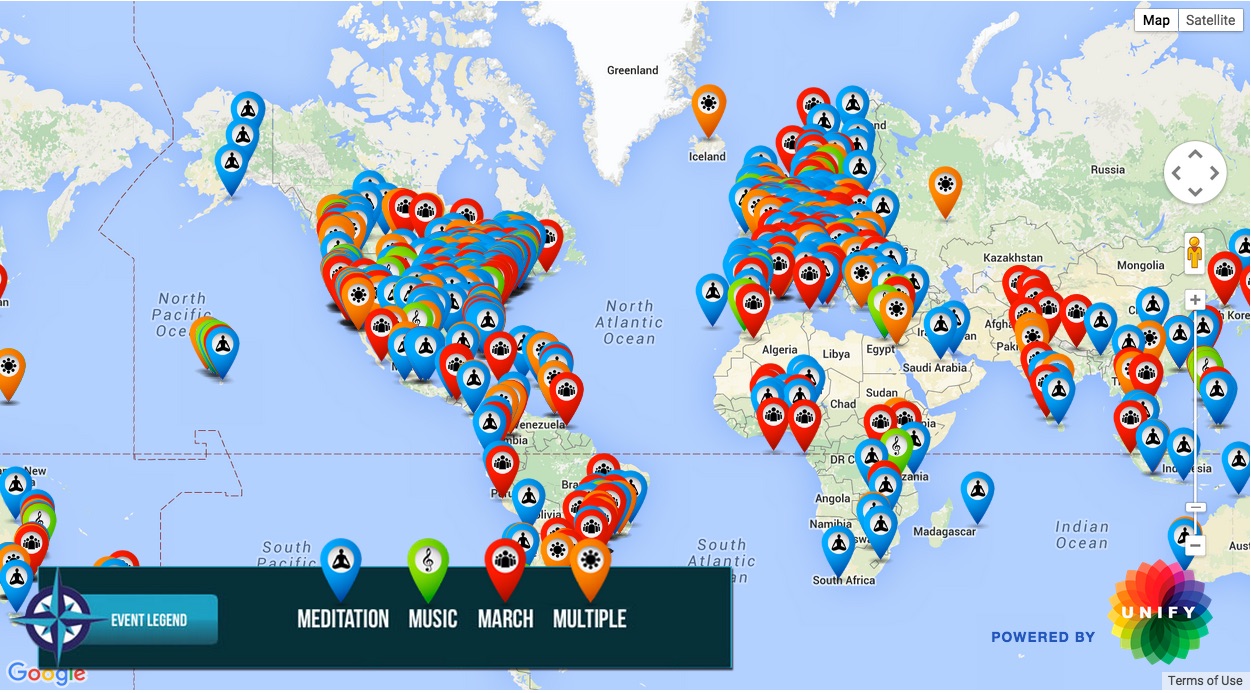
International Day of Peace, September 21st of each year, was created by a United Nations Resolution in the 1980s and has grown to become a day of global celebration, education, and reflection on peace in local communities and throughout the world. During Peace Week, Sept. 15-21, families, friends, organizations, as well as cities, towns, and villages across the world gather and break bread together in a Global Feast for Peace.

Arment

ADD YOUR CITY TO THE MAP OF CITIES HAVING A FEAST FOR PEACE!

Sharing food together in celebration of friendship and common interest is a tradition as old as the human family. The Global Feast for Peace is part of the U.N. sponsored International Day of Peace, celebrated around the world on September 21st each year. Whether it’s a small family celebration or a large community gathering, the Feast for Peace is a simple and profound expression of peace that everyone, no matter how humble or blessed their circumstances, can connect with and enliven the global celebration. Feast for peace!

Who can participate?

• Families, neighborhoods, communities, and cities
• Organizations, including faith-based, interfaith and secular
• Businesses, both for-profit and not-for-profit
• Schools from nursery schools to higher education
• Anyone who wishes to express their wish for peace

What to do?

Join together during International Day of Peace or during Peace Week. The gathering can be a formal lunch or a group potluck where people bring a dish and share. Other events can be planned before, during, and/or after the Global Feast, including bell ringing, speakers, musical events, meditations and prayers, moments of silence and other activities that foster a culture of peace.

When to celebrate and plan?
Each year, there are thousands of celebrations around the world. Planning for the Global Feast should begin weeks or, better, several months ahead in order to involve as many people as possible.

Where to have the Feast?
The place for the Feast can be as small as a family dining room or as large as an amphitheater. One person can even Feast for Peace at home!

Why plan a Global Feast?
To come together as members of the human family; to honor those who have worked and who are working today for a more peaceful world; to encourage the next generation of peacebuilders. The Global Feast for Peace is a thanksgiving of the peace we have and to inspire actions to foster a culture of peace during the coming year.

To Register Your Event:
Send info to: story@internationalcitiesofpeace.org
Join our Facebook Page: https://www.facebook.com/pages/Global-Feast-for-Peace/490665730993992

Initiated by members of the Peace Cities Subcommittee of the IDP NGO for United Nations International Day of Peace.

Question for this article:

Argentina: Cycles of Culture of Peace 22 September to 1 October

DISARMAMENT & SECURITY .

A communication from the Faculty of Law and Social Sciences, National University of La Plata (UNLP) (translation by CPNN)

In commemoration of the International Day of Peace and Nonviolence, which is celebrated on September 21, the following cycle will take place from 22 September to 1 October, at six and eight o’clock. This cycle will feature various presentations and photo exhibitions during the week.

ciclos

Days for a Culture of Peace and Nonviolence

The International Day of Peace and Nonviolence reflects the profound aspiration of all peoples to live together, free and equal in dignity and rights,

September 22

INTRODUCTION: PROMOTING A CULTURE OF PEACE. PHILOSOPHY FOR MAKING PEACE, THE RIGHT TO PEACE AND ELIMINATION OF VIOLENCE

Coordinator Rocio Pilar Gomez, Lawyer (UNLP) Criminal Law Specialist (UBA), Diploma in Culture of Peace (University of Barcelona) – Prosecution of Crimes Related o Trafficking in Persons – Assistant Professor of Law and Faculty Social UNLP.-

September 23

THE PROCESSES OF INTEGRATION AND THEIR CONTRIBUTION TO REGIONAL PEACE AND DEMOCRACY

Mag. Laura Maira Bono, Lawyer (UNLP), Coordinator of the Department of Latin America and the Caribbean and CENSUD -. IRI, Master in International Relations, Professor of Public International Law FCJyS -UNLP. Researcher IRI.

Mag. Laura Lucía Bogado Bordazar,, Doctor of Law and Social Sciences (Lawyer) and Master in International Relations, University of the Oriental Republic of Uruguay, teaching and research of public international law FCJyS – UNLP. Coordinator of the Department of Latin America and the Caribbean, South American Studies Center and the Chair of IRI Brazil UNLP.

September 24

SUSTAINABLE DEVELOPMENT, FOOD SOVEREIGNTY AND HUMAN RIGHTS: The Human Right to Adequate Food

Dr. Marcos Ezequiel Filardi, lawyer specializing in Human Rights (UBA and Columbia). He has visited more than 200 projects for Human Rights and Development in countries in Africa, Asia and Latin America. Professor of Human Rights Law School (UBA), in charge of the Interdisciplinary Seminar on Hunger and the Human Right to Adequate Food. He chairs the teaching of Food Sovereignty in the School of Nutrition and Faculty of Agronomy of the University of Buenos Aires, and the Chair of Food Sovereignty of the National University of Lomas de Zamora.

Carolina Maria Gomez Fonseca, Sociologist, PhD in Human Rights, University of Lanus, Master of Agricultural Social Studies, FLACSO. She specializes in studies on gender and rural organization and has extensive experience in working with rural communities, migrant populations including those who have been forcibly displaced.

September 25

INSTITUTIONAL VIOLENCE: BUILDING SPACES FOR NEW PRACTICES

Dr. Esteban Rodriguez Alzueta, Lawyer, essayist and Master of Social Sciences (UNLP), Teaching, Research and Extension in UNQ and UNLP, Author of the book “Fear and Control. Managing insecurity as a form of government.”Also author of Media Justice (2000), Against the Press (2001) and Crude Esthetics (2003); coauthor of The radicalism of legal forms (2002); The criminalization of social protest (2003) and Policies of Terror (2007). Member of the Collective for Research and Legal Action (CIAJ), human rights commission of the city of La Plata; member of the cultural group La Grieta of the city of La Plata

September 28

CHILDREN, HUMAN RIGHTS AND PUBLIC POLICIES: THE CHALLENGE TO TRANSFORM THE VARIOUS DAILY VIOLENCE SUFFERED BY CHILDREN AND YOUTH WITH OPTIONS OF A DECENT LIFE, TOGETHER WITH OTHERS.

Dra. Carola Bianco, lawyer, specialist in Improving Law Procedure, Associate Professor of Sociology of Law Faculty of Law at the National University of La Plata, director of the Program for Children, Human Rights and Public Policy of the Extension Secretariat FCJyS UNLP-.

(Article continued on the right column)

(Click here for the original version in Spanish.)

Question for this article:

How are you celebrating peace day

(Article continued from the left column)

September 29

WOMEN AND CULTURE OF PEACE: Resolution 1325 of the Security Council of the UN. “Women, Peace and Security” – an innovative milestone in the peace agenda and gender

Dr. Maria Julia Moreyra, “Women for Peace around the World”, Regional Coordinator for Latin America and the Caribbean for Women for Peace around the World. Lawyer, Master in International Relations (FLACSO – Argentina), Author of the book “Armed Conflict and Sexual Violence Against Women” (Publishers Puerto- 2007), lecturer in public and private universities in Argentina and in international forums on Resolution 1325 Security Council UN and on the International Criminal Court.

Mr. Alejandro Alvarez. Collaborator with the Regional Office of Women for Peace around the World. Former member of Peacekeeping Operations of the United Nations.

September 30

TRUTH, JUSTICE AND REPARATION: THE PROCESS OF TRANSITION TO PEACE IN LATIN AMERICA

Dra. Natalia Barbero, PhD in Criminal Law (UNED, Spain). Master of Comparative Law (USD, United States). Legal adviser. Specialist consulting on the theme of Human Rights and International Criminal Law. Professor of Human Rights, Criminal Law, International Criminal Law and Transitional Justice at the University of Buenos Aires, Belgrano University and St. Thomas University (Colombia). INTERVENOR IN COLOMBIA PEACE PROCESS

October 1st

Closure: Dr. Fabian Salvioli, President of the Human Rights Committee of the United Nations

WHERE: Hall of Mirrors (Edificio de la Reforma – 48th Street between 6th and 7th # 582)

Free admission

RIGHT TO CERTIFICATION: with 80% attendance at the conference

REGISTRATION: personally at the University Extension Department (1st Floor of the Reforma building), Monday through Friday from 8 to 20 hours.

Brief history

The International Day of Peace was established in 1981 by resolution 36/67 of the UN General Assembly. Peace Day was celebrated for the first time in September 1982.

Every September 21 the International Day of Peace is celebrated. This day is devoted to strengthening the ideals of peace among all nations and peoples.

The motto of this year’s celebration is “Partnership for peace, dignity for all”, to highlight the importance for all social groups to work together for peace.

Along with this, the International Day of Non-Violence is observed on 2 October, the birthday of Mahatma Gandhi, leader of the independence movement in India and pioneer of the philosophy and strategy of nonviolence.

According to the resolution A/RES/61/271 of the General Assembly of June 15, 2007, which established the commemoration, the International Day is an occasion to “disseminate the message of non-violence, including through education and public awareness “. The resolution reaffirms “the universal relevance of the principle of non-violence” and the desire “to secure a culture of peace, tolerance, understanding and non-violence.”

As a result, Argentina enacted a law declaring 2 October as the Day of Nonviolence, norma 27.092, enacted last December by the Congress. The date chosen coincides with the International Day of Non-Violence established by the UN to mark the anniversary of the birth of Mahatma Gandhi.

(Thanks to Rocio Pilar, CPNN reporter for this article.)

Argentina: Ciclos de Cultura de Paz

. . DESARME Y SEGURIDAD . .

Una comunicación del Facultad de Ciencias Jurídicas y Sociales, Universidad Nacional de La Plata

En conmemoración del Día Internacional de la Paz y de la No Violencia, que se celebra el 21 de septiembre, del 22 de septiembre al 1 de octubre, de 18 a 20 hs. se llevará a cabo este Ciclo, que contará con diversas disertaciones y muestras fotográficas/ paneles durante toda la semana.

ciclos

JORNADAS por una CULTURA de PAZ y NO VIOLENCIA

El Día Internacional de la Paz y la No Violencia, refleja la aspiración profunda de todos los pueblos a vivir juntos, libres y en igualdad de derechos y dignidad,

22 de septiembre

PRESENTACIÓN: EL FOMENTO DE UNA CULTURA DE PAZ. FILOSOFÍA PARA HACER LAS PACES, EL DERECHO A LA PAZ Y LA ELIMINACIÓN DE VIOLENCIAS

Coordinadora Rocío Pilar Gomez -Abogada (UNLP) Especialista en Derecho Penal (UBA), Diplomada en Cultura de Paz (Universidad de Barcelona) – Fiscalía de Delitos Conexos a la Trata de Personas nº 4 de La Plata – Auxiliar Docente Facultad de Ciencias Jurídicas y Sociales UNLP.-

23 de septiembre

LOS PROCESOS DE INTEGRACIÓN Y SU CONTRIBUCIÓN A LA PAZ REGIONAL Y LA DEMOCRACIA

Mag. Laura Maira Bono, Abogada (UNLP), Coordinadora del Departamento de América Latina y El Caribe y CENSUD – IRI, Magister en Relaciones Internacionales, Profesora de derecho Internacional Público de la FCJyS –UNLP. Investigadora IRI.

Mag. Laura Lucía Bogado Bordazar, Doctora en Derecho y Ciencias Sociales (Abogada) y Magister en Relaciones Internacionales Universidad de la República Oriental del Uruguay, Docente e investigadora de Derecho Internacional Público de la FCJyS – UNLP. Coordinadora del Departamento de América Latina y el Caribe, del Centro de Estudios Sudamericanos y de la Cátedra Brasil del IRI de la UNLP.

24 de septiembre

DESARROLLO SOSTENIBLE, SOBERANÍA ALIMENTARIA Y DERECHOS HUMANOS: El Derecho Humano la Alimentación Adecuada

Dr. Marcos Ezequiel Filardi, abogado especializado en Derechos Humanos (UBA y Columbia). Visitó más de 200 proyectos de Derechos Humanos y Desarrollo en países de África, Asia y América Latina. Docente de Derechos Humanos de la Facultad de Derecho (UBA), a cargo del Seminario Interdisciplinario sobre el Hambre y el Derecho Humano a la Alimentación Adecuada. Docente de las Cátedras Libres de Soberanía Alimentaria de la Escuela de Nutrición y de la Facultad de Agronomía de la Universidad de Buenos Aires, y de la Cátedra Libre de Soberanía Alimentaria de la Universidad Nacional de Lomas de Zamora.

Carolina María Gómez Fonseca, Socióloga, Doctoranda en DD.HH, Universidad de Lanús, Magister en Estudios Sociales Agrarios, de la FLACSO. Línea de profundización en estudios sobre género y organización campesina. Amplia experiencia en trabajo con comunidades rurales, población migrante y en situación de desplazamiento forzado.

25 de septiembre

VIOLENCIA INSTITUCIONAL: CONSTRUYENDO ESPACIOS PARA NUEVAS PRÁCTICAS

Dr. Esteban Rodriguez Alzueta, Abogado, ensayista y Magister en Ciencias Sociales (UNLP), Docente, Investigador y Extensionista en la UNQ y UNLP, Autor del libro “Temor y Control. La gestión de la inseguridad como forma de gobierno” Autor de Justicia mediática (2000), Contra la prensa (2001) y Estética Cruda (2003); coautor de La radicalidad de las formas jurídicas (2002); La criminalización de la protesta social (2003) y Políticas de terror (2007). Miembro del Colectivo de Investigación y Acción jurídica (CIAJ), organismo de derechos humanos de la ciudad de La Plata; integrante del grupo cultural La Grieta de la ciudad de La Plata

(El artículo continúa en el lado derecho de la página)

( Clickear aquí para la version inglês. )

Question for this article:

How are you celebrating peace day

(Artículo continúa desde la parte izquierda de la página)

28 de septiembre

NIÑEZ, DERECHOS HUMANOS Y POLÍTICAS PÚBLICAS: EL DESAFÍO DE TRANSFORMAR LAS DIVERSAS VIOLENCIAS COTIDIANAS QUE PADECEN NIÑXS Y JÓVENES EN OPCIONES DE VIDA DIGNA, JUNTO A ELLXS

Dra. Carola Bianco, abogada, especialista en Derecho Procesal Profundizado, adjunta de la cátedra I de Sociología Jurídica de la Facultad de Ciencias Jurídicas de la Universidad Nacional de La Plata, Investigadora III UNLP, directora del Programa de Niñez, Derechos Humanos y Políticas Públicas de la Secretaría de Extensión de la FCJyS UNLP-.

29 de septiembre

MUJERES Y CULTURA DE PAZ: Resolución 1325 del Consejo de Seguridad de la ONU. “Mujeres, Paz y Seguridad”: hito innovador en la agenda de paz y género

Dra. María Julia Moreyra, “Mujeres de Paz en el Mundo” (“Peace Woman Across the Globe”- PWAG), Coordinadora Regional para América Latina y el Caribe de Mujeres de Paz en el Mundo. Abogada, Magister en Relaciones Internacionales (FLACSO – Argentina), Autora del libro “Conflictos Armados y Violencia Sexual contra las Mujeres” (Editores del Puerto- 2007), Conferencista en universidades públicas y privadas de la República Argentina y en Foros Internacionales sobre la Resolución 1325 del Consejo de Seguridad de Naciones Unidas y sobre Corte Penal Internacional.

Sr. Alejandro Álvarez. Colaborador de la Oficina Regional de Mujeres de Paz en el Mundo. Ex miembro de las Operaciones de Paz de las Naciones Unidas.

30 de septiembre

VERDAD, JUSTICIA Y REPARACIÓN: PROCESOS DE TRANSICIÓN POR LA PAZ EN AMÉRICA LATINA

Dra. Natalia Barbero, Doctora en Derecho Penal (UNED, España). Master en Derecho Comparado (USD, Estados Unidos). Asesora jurídica. Especialista en consultorías temáticas en Derechos Humanos y Derecho Penal Internacional. Profesora de Derechos Humanos, Derecho Penal, Derecho Penal Internacional, y Justicia de Transición, en la Universidad de Buenos Aires, Universidad de Belgrano, y Universidad Santo Tomás (Colombia). INTERVENTORA EN LOS PROCESOS DE PAZ EN COLOMBIA

1 de octubre

Cierre: Dr. Fabián Salvioli Presidente del Comité de Derechos Humanos (ONU)

LUGAR: Salón de los Espejos (Edificio de la Reforma – calle 48 entre 6 y 7 Nº 582)

ENTRADA LIBRE Y GRATUITA

DERECHO A CERTIFICADO: con el 80%de asistencia a las Jornadas

INSCRIPCIÓN: personalmente en la Secretaría de Extensión Universitaria (1º Piso del Edificio de la Reforma), de lunes a viernes de 8 a 20 hs.

Breve reseña histórica

El Día Internacional de la Paz fue establecido en 1981 por la resolución 36/67 Documento PDF de la Asamblea General ONU. El Día de la Paz se conmemoró por primera vez en septiembre de 1982.

Cada 21 de septiembre se celebra el Día Internacional de la Paz. Este día se dedica a reforzar los ideales de la paz en todas las naciones y pueblos del mundo.

El lema de la celebración de este año es «Alianzas para la paz, dignidad para todos», con el fin resaltar la importancia de que todos los grupos sociales trabajen juntos para lograr la paz.

Junto a ello, el día Internacional de la no violencia es observado el 2 de octubre, el aniversario del nacimiento de Mahatma Gandhi, líder del movimiento de la Independencia de la India y pionero de la filosofía y la estrategia de la no violencia.

De acuerdo con la resolución A/RES/61/271 de la Asamblea General del 15 de junio del 2007 Documento PDF, la cual establece que la conmemoración, el Día Internacional es una ocasión para «diseminar el mensaje de la no violencia, incluso a través de la educación y la conciencia pública». La resolución reafirma «la relevancia universal del principio de la no violencia» y el deseo de «conseguir una cultura de paz, tolerancia, comprensión y no violencia».

A raíz de ello, en Argentina Promulgan la ley que declara el 2 de octubre como Día de la No Violencia

Se trata de la norma 27.092, que fue sancionada en diciembre pasado en el Congreso. La fecha elegida coincide con el Día Internacional de la No Violencia establecido por la ONU para recordar el aniversario del nacimiento de Mahatma Gandhi.

(Gracias a Rocío Pilar, el reportero de CPNN para este artículo.)

UK: Is dropping more bombs on Syria way to solve refugee crisis?

TOLERANCE AND SOLIDARITY .

An article by Jackie, Radio Free Brighton

David Cameron’s attempt to exploit the refugee crisis as a pretext for UK bombing of Syria is staggering in its cynicism and callousness. Especially considering the fact that Isis militants mostly congregate in heavily populated cities, UK bombing of Syria will inevitably lead to massive civilian casualties and many more refugees. The government is already killing people in Syria, despite having lost the parliamentary mandate to do this following the vote in the House of Commons in 2012.

refugees
Photo by Nilufer Demir/DHA/Reuters.

More than any other European country, Britain bears direct culpability for the current refugee crisis. It has, along with the United States, been the chief architect of the current Middle Eastern inferno of increasing hatred and endless war. Most of the refugees are fleeing from countries Britain has invaded or otherwise militarily destabilised in recent years: Syria, Afghanistan, Iraq and Libya. Yet Britain is also among the EU countries with the lowest intake of refugees, and it imposes numerous restrictions and obstacles on people seeking refuge, breaking Article 14 of the UN Declaration of Human Rights which states that “everyone has the right to seek and to enjoy in other countries asylum from persecution”. In August 2013 The Migrants’ Files project by European Press found that 30,000 refugees and migrants had died in their attempt to reach Europe since 2000.

Our humanity is bound up with the humanity of the refugees from UK wars

Refugees Welcome Here
National Demonstration
12 September | 2pm
Assemble Marble Arch | London
March to Downing Street
Organise events where you live
Facebook Event »

(article continued on the right side of the page)

Question for this article

The refugee crisis, Who is responsible?

How can there be a political solution to the war in Syria?

Readers’ comments are invited on this question and article. See below for comments box.

(article continued from the left side of the page)

Only one heart didn’t melt at the pictures of the three-year-old Syrian Kurdish boy’s dead body washed up on a Turkish beach: David Cameron’s. He responded by refusing to take anymore refugees. But he is still promising to try and make parliament agree to more bombing of Syria. This will only force more refugees to flee Syria. And then David Cameron will let them drown too.

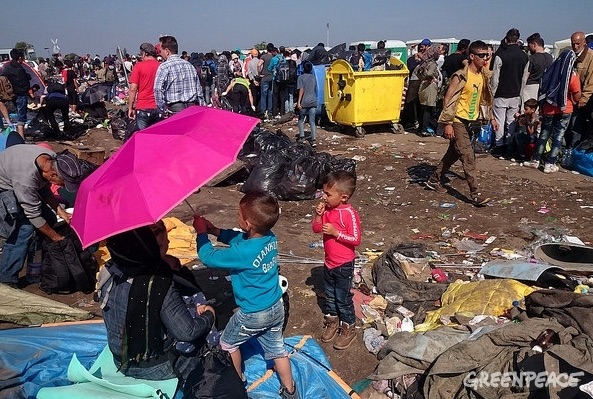
The refugee crisis across Europe is growing worse by the day as thousands flee war and chaos.
Many have died in the most terrible circumstances, suffocating in lorries or drowning during dangerous crossings of the Mediterranean.

They are being treated terribly by many of the government’s of Europe, including our own. The majority of these refugees are the victims of war, many of them fleeing the disasterous conflict in Syria.

David Cameron’s statement yesterday aims to justify further war and bombing rather than helping the refugees. He is refusing to take any refugees in Britain, one of the world’s richest countries.

Stop the War has come together with many other organisations to call for a national demonstration in London. We are also urging our members, supporters and groups to take any action they can on that day where they live, alongside anti-racist and refugee groups.

Successive British governments have spent billions on wars in Iraq, Afghanistan and Libya, plus on covert intervention in Syria. The outcome has been destruction of infrastructure across the Middle East, the growth of terrorism in the region, and the displacement of millions.

Their only solution is further war, even though it is increasingly obvious that this option is only creating yet more chaos. Just as we oppose wars, we try to show solidarity with its victims.

Please do everything you can to support this day of solidarity with refugees. If you want any help or further information, please contact the Stop the War national office. Email: office@stopwar.org.uk | Tel: 020 7561 4830

Letter of appreciation to the Palestinian Youth Orchestra

EDUCATION FOR PEACE .

by Phyllis Kotite

“Music is the language of the spirit” –Khalil Gibran
 
May I express profound appreciation for the magnificent and outstanding performance of the PYO in Paris.  Having followed the evolution of these talented young musicians, ‘grace’ a Lena Saleh, have been astonished at the performances in the major European and Arab countries.  As a Lebanese Arab, and former United Nations staff inspired by classical music, am deeply proud of these creative young Palestinians whose talent enhances our great Arab heritage.  They were one of the best symphony orchestra’s I have ever heard !!  And the guest conductor was excellent also with his lively and harmonious style.

kotite

You and your colleagues are to be congratulated on this brilliant initiative which has brought joy and pride to our beleagured region.  It is indeed remarkable that such beauty emerges from the oppression of occupation and sorrow.  Recalling the great poet Mahmoud Darwish:
 
   “I have found an opening to inscribe the national into the universal,so that Palestine does not limit itself to       Palestine, but finds her legitimate esthetics in a more vast human space.  The Middle East is the birthplace of mazcivilizations.Sumerian, Egyptian, Canaanian,…Mediterranean identity is universal”.
 
Indeed, this universal spirit was skillfully demonstrated by the PYO’s superb performance of composers from different cultures.  Having cooperated with numerous international development projects for Palestine, am certain that your future, your civic values and manner of governance will be a model for our region.
 
Mabruk mitte murra, bravo and sincerest gratitude for this moment of beauty, during this dreadful times for our region.   I hope we will meet one day.


Question related to this article:

Curitiba, Brazil: Military police discuss culture of peace

DISARMAMENT & SECURITY .

Un article from the Instituto Mundo Melhor (translation by CPNN)

On 25 August, the Instituto Mundo Melhor (IMM) brought together police officers from Curitiba to discuss the culture of peace. The activities put an emphasis on values ​​education and pedagogy of coexistence. The project involved about 30 professionals from the 12th and 13th Battalions of the Paraná Military Police and trained police officers from the Units of Paraná Seguro.

curitiba

The President of the IMM, Jeroslau Pauliki, commented on the pilot experience of working with public outside the areas of education, welfare and health in which they already have expertise. “This pioneering initiative brings us to an important reflection. Even if their professions are diametrically opposed, the work environment, their conflicts and challenges are similar in many ways and this contributes to an open discussion and development for all,” he said.
 
The initiative is evaluated favorably by the commander of the 12th Battalion, Colonel Antonio Zanatta Neto. “It is an excellent opportunity to integrate the military police in society and to seek new knowledge. Our expectations are good, because I know the platform crafted by the IMM. The contents have been adapted to the military police and we are the pioneers. We want to break paradigms and further advance community policing and citizen services, “he added.
 
The next meeting of Education for Peace by the IMM with the 12th Military Police Battalion will take place on September 16. In all, there will be four meetings. The contents will be taught by the Center for Studies and Teacher Training in Education for Peace and Coexistence of the Ponta Grossa State University.

(Click here for the original version in Portuguese)

Questions for this article: