Category Archives: East Asia

Conference of the Asia-Pacific Peace Research Association

EDUCATION FOR PEACE .

Excerpts from website of the Asia-Pacific Peace Research Association

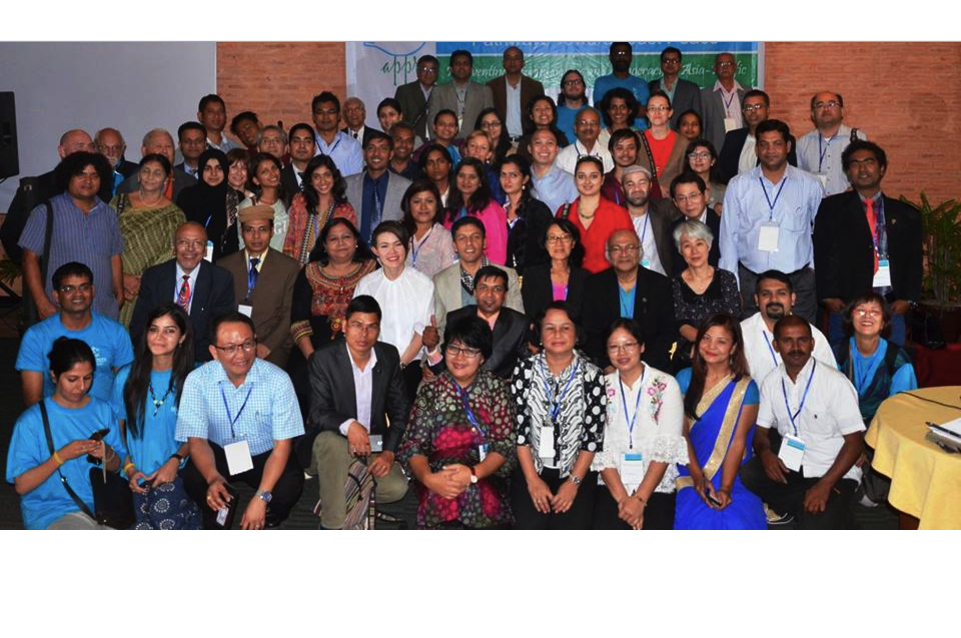
The Centre for Policy Research and International Studies (CenPRIS), Universiti Sains Malaysia in collaboration with its conference partners will be hosting the Asia Pacific Peace Research Association (APPRA) Conference from 23 to 25 August, 2017 at Universiti Sains Malaysia, Penang, Malaysia. Theme: ‘Promoting Peace and Upholding the Transcendent Dignity of the Human Person in the Asia-Pacific Region’ Dates: August 23-25, 2017 Venue: Dewan Persidangan Universiti, Universiti Sains Malaysia, Penang, Malaysia

(Click on photo to enlarge)

There will be several special lectures but the highlight will be the Keynote Address on the theme of “Promoting Peace and Upholding the Transcendent Dignity of the Human Person in the Asia-Pacific Region”.

Confirmed Keynote Speakers:

Tan Sri Dato Professor Dzulkifly Abdul Razak, former Vice-Chancellor of Universiti Sains Malaysia and current Chairman, Board of Directors, Universiti Sains Islam Malaysia,Malaysia “Peace Starts with Me – Lessons from a hibakusha”

Dato’ Prof. ( Dr.) Anwar Fazal, Right Livelihood College, Penang, Malaysia “Streets of Harmony: Building Bridges, Crossing Them: The Penang Experience”

Professor Dr. Kevin Clements, Chair and Director, The National Centre for Peace and Conflict Studies,University of Otago, New Zealand “The Current State of Peace Research in the Asia-Pacific Region”

Professor Dr. Katsuya Kodama, Secretary-General, International Peace Research Association (IPRA) “ Hiroshima – Nagasaki Process”, Japan

Professor Dr. Chaiwat Satha-Anand, Peace Information Centre, Thammasat University, Thailand “Nonkilling: Asia as a Peace Research Agenda”

Here are some of the confirmed panels:

Peace Education at Peace Museums -convened by Prof. Yamane Kazuyo, Ritsumeikan University

“US military vs Asian lands and people” – convened by Patrick Hiller, Oregon Institute of Peace

Kampung Mizan : Re-thinking the idea of development- convened by Associate Professor Dr. Mahazan, Malaysian Islamic Science University [USIM]

(continued in right column)

Question for this article:

Can peace be guaranteed through nonviolent means?

(continued from left column)

Aging with Dignity- convened by Associate Prof. Dr. Saidatulakmal Mohd, USM-RIKEN International Centre for Aging Science , URICAS, Universiti Sains Malaysia

Religion, Spirituality and Peace – convened by Chetalanaya Institute, Nepal

Mother Earth convened by Sahabat Alam Malaysia

Challenges of Peace Building in the Deeply Polarized societies: The Case of Identity, Ethnicity and Territory based Conflicts in Deep South of Thailand and Arakan State of Myanmar –AMAN

Gandhian non-violent action – Prof. Dr.Vidya Jain

Multi-national/ethnic federalism as a framework of peacemaking – Prof. Dr. Tatsushi Arai

Transforming the inter-communal and Buddhist/Muslim conflict in Western Myanmar, Eastern Bangladesh, and ASEAN- Prof. Dr. Tatsushi Arai.

Education for Social Healing & Reconciliation-Professor Dr. Roy Tamashiro of Webster University, USA, Dr. Chang Ku Do, in Korea, Prof. Yang Shanyou, China, Prof. Kazuyo Yamane, Ritsumeikan University, Japan.

“Populism in Asia and its non-violent responses”-Dr. Janjira Sombatpoonsiri Faculty of Political Science, Thammasat University (Panel Coordinator), Panelists: Dr. Ajay Gudavarthy, Politics Department, Jawaharlal Nehru University, India, Dr. Aries Arugay, Faculty of Political Science, University of the Philippines, Diliman, the Philippines and Dr. Luky Djani, Executive Director, Institute for Strategic Initiatives, Indonesia

“Nonkilling Asia” Prof. Chaiwat Satha-Anand, Thammast University (moderator) The panelists are Pradeep (Nepal), Emma Leslie (Cambodia), Jose Abueve (Philippines), Siwach Sripokangkul (Thailand).

Conflict Early Warning and Agro-terrorism, Dr. Ali Maksum and Surwandono, Universitas Muhammadiyah and Ms. Zuliana, CenPRIS.

For information about the registration, abstract submission and general questions about the conference, please contact

Conference Secretariat:
Centre for Policy Research and International Studies (CenPRIS)
Universiti Sains Malaysia
11800 USM, Penang
Malaysia
Tel: +604-653 2456
Fax: +604-658 4820
Website: appra.net , cenpris.usm.my/index.php/appra2017
E-mail: appra.usm2017@gmail.com or omarufaruku@gmail.com

Korea: 500 Global Students to Hold Peace March near DMZ

DISARMAMENT & SECURITY .

An article from KBS radio

About 500 students from around the world plan to hold a peace march near the Demilitarized Zone(DMZ) separating the two Koreas.


(Click on image to enlarge)

Gangwon Province Office of Education said on Tuesday that it will hold the 2017 world peace education festival from May 27th to 31st in Gangneung and Goseong.

About 500 middle and high school students as well as teachers from seven countries including Japan, China, Russia and Indonesia plan to participate. 

The event is jointly sponsored by the organizing committee of the 2018 Pyeongchang Winter Olympics and the Asia-Pacific Center of Education for International Understanding under UNESCO.

Participants plan to hold a debate on ways to make a better and peaceful world in Gangneung.

They are then schedule to visit the Unification Observatory located in Goseong and hold a peace march to the nearby DMZ museum. 

(Editor’s note: It is not clear if this is the same initiative as the peace march by 300 youth in the demilitarized zone scheduled for June 23 and sponsored by the U.S.-based International Cooperation of Environmental Youth (ICEY), led by Korean-American environmentalist Jonathan Lee – see article in the Yonhap News Agency).

(Thank you to the Global Campaign for Peace Education for calling this article to our attention.)

The Mindanao-Sulu Peace and History Education Project (Philippines)

FREE FLOW OF INFORMATION

An article by Gail Ilagan for Minda News

Republic Act No. 10908 was signed into law on 21 July 2016, mandating the integration of Filipino-Muslim and Indigenous Peoples history, culture and identity in the study of Philippine History in both Basic and Higher Education. The law recognizes the ultimate objective of creating an inclusive history that accounts for all Filipinos, thus the need to integrate the history, culture and identity studies of Filipino-Muslims and Indigenous People in the grand narrative of Philippine history.


(Click on photo to enlarge)

Earlier in March 2016, the Transitional Justice and Reconciliation Commission (TJRC) released its main report and recommended among others to “integrate in the curricula at all educational levels… subjects on Bangsamoro history, indigenous peoples’ history, and corresponding lessons in art, literature, and language by promoting intercultural exchange and cultural diversity.”

There is however a dearth of resources on Bangsamoro and Lumad history, art, literature, and language. Many Philippine History textbooks for Basic Education are largely silent, misrepresentative, confused, or vague on these topics. Teachers have been known to decry that they don’t know what to teach about Mindanao and its peoples and that they haven’t been given authoritative sources on Mindanao history. There is a need, therefore, to generate educational materials that Basic Education teachers of Philippine History can use in the implementation of RA 10908.

The Mindanao-Sulu History and Peace Education Project seeks to respond to this need. Funded by the World Bank and implemented through the Catholic Education Association of the Philippines (CEAP), the project was conceived by Fr. Albert E. Alejo, SJ, one of the staunchest advocates for the Writing Mindanao, Righting Mindanao campaign.

(Article continued in right column)

Question for this article:

Can peace be achieved in Mindanao?

(Article continued from left column)
 
For this project, however, writing about Mindanao was not about turning out lengthy expositions, such as were attempted in the past. The Timeline project sought instead to introduce Mindanao through bite-size pieces intended to raise initial interest. It used no more than 50-word blurbs crafted by professional writers to introduce political, economic, cultural, and ecological events identified by reputable academics such as Patricio Abinales, Macario Tiu, and Karl Gaspar to be highlights in Mindanao history.

These blurbs, accompanied by pictures from the MindaNews archives, were laid out in an infographic  that could theoretically be mounted on the classroom wall and referred to during history classes. The infographic, printed on tarpaulin, does not require an LCD player – thus it has particular utility in schools where there is no electricity.

Towards the end of 2016, the infographic was reviewed by the National Historical Institute, the National Commission on Indigenous Peoples, the Office of Muslim Affairs and, more recently, by the Jesuit Basic Education Council. At each stop in the review process, more items of interest were added, such that the final product consists of 211 items plotted on a 7-meter stretch of canvas.

In March 2017, a full year after the Mindanao Timeline project was conceived, the Department of Education and the CEAP invited Basic Education teachers in Regions V, VII, and IX to pilot workshops on the utility of the tarp as instructional resource. Project Manager Pauline S. Bautista put together a multi-disciplinary team – consisting of Pauline, Fr. Alejo,Bagong Lumad artist  Joey Ayala, ADDU Psychology Department chair Dr. Nelly Limbadan, and myself – to deliver on a design that introduced the timeline in a fun and interactive manner.

Dr. Limbadan designed the tools to measure the cognitive reframing impact of the infographic workshop on the participants. The results indicate that the material did indeed expand the associations the participants now have of Mindanao and its people and generated the interest to visit the southern islands to learn more about it. Moreover, the participants were now more ready to account for a sense of multicultural awareness in the way they would handle instruction on Mindanao history in the future.

Every school that was represented in the pilot will receive a copy of the final Timeline tarp accompanied by a bound compilation with a page dedicated to each item on the infographic.  It is hoped that Philippine History teachers in grade school and high school would use these materials to complement the textbooks they are using.

(Thank you to the Peace Education News for sending us this article)

Philippines: Theater, a tool for international understanding

… EDUCATION FOR PEACE …

An article from the Manila Buletin

World Theater Day, instituted by the International Theater Institute (ITI) on March 27, 1962, to mark the opening of the Theater of Nations in Paris, France, has since been annually celebrated on March 27 to focus on the importance of theater as a diverse and complex art form that taps the creative work of the playwright, director, actors, artists, and composers. In musical theater, acting is combined with music, song, and dance.2

ITI, the world’s largest organization for the performing arts established in 1948 by UNESCO during the first world congress in Prague, Czech Republic, has a network of 100 national centers worldwide, including the Philippines, that promotes international exchange of knowledge and practice in theater arts, aiming to consolidate peace and friendship among peoples, deepen mutual understanding, and increase creative cooperation among people in the theater arts. An ITI center is made up of professionals active in the theater life of a country and representative of all branches of the performing arts.

The Philippines celebrates UNESCO-ITI World Theater Week every year on March 21-27, pursuant to Proclamation 1262 in 2007. The National Commission for Culture and Arts leads the weeklong celebration, in coordination with ITI-affiliated Philippine Center of the International Theater Institute. Events in Metro Manila and in the regions include the presentation of short plays, dance troupe performances, puppet shows, art exhibits and singing. NCCA encourages artists and culture enthusiasts to partner with the government towards the full flowering of theater arts among Filipinos.

On World Theater Day, events are held by theater communities all over the world, the most important of which is spreading an international message by a renowned personality on the theme of theater and a culture of peace. The first international message was written by French poet-novelist Jean Cocteau in 1962. For 2017, French theater and cinema actress Isabelle Huppert will deliver the World Theater Day message at a special show at the UNESCO in Paris.

Each year, the message is translated into more than 20 languages, read for tens of thousands of spectators before performances in theaters worldwide, released throughout the ITI network, and printed in newspapers.

(For an article on World Theater Day in Mexico, click here)

Question for this article:

Philippine Catholics march against Duterte’s deadly war on drugs

…. HUMAN RIGHTS ….

An article from Deutsche Welle

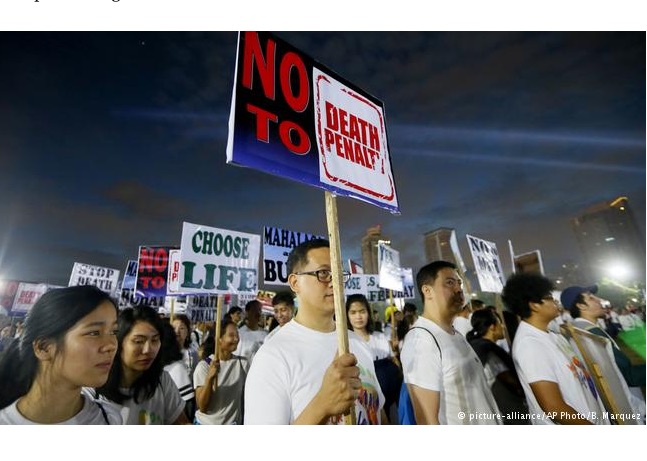
Thousands of demonstrators marched alongside Catholic Church leaders in the Philippines capital of Manila on Saturday [February 18] to protest President Rodrigo Duterte’s deadly war on drugs and attempts to reinstate the death penalty.


(c) picture-alliance/AP photo/B.Marquez
(click on image to enlarge)

According to police estimates, at least 10,000 people joined the “Walk for Life” march, making it the largest rally yet against Duterte’s brutal crackdown against drug dealers and users. It also marked the largest show of opposition from the Roman Catholic Church against the government’s anti-drugs campaign, which has seen more than 7,600 mostly poor people killed in the past seven months.

“We have to stand up. Somehow this is already a show of force by the faithful that they don’t like these extrajudicial killings,” Manila bishop Broderick Pabillo said. “I am alarmed and angry at what’s happening because this is something that is regressive. It does not show our humanity.”

The Catholic Church is one of the Philippines oldest and most influential institutions in a country where about 80 percent of the population identifies as Catholic, a legacy of the country’s time as a Spanish colony.

(Article continued in the right column)

Questions related to this article:

How effective are mass protest marches?

(Article continued from the left column)

Duterte on a collision course with Catholic Church

As one of the nation’s most powerful institutions, the Catholic Church has in the past played a crucial political role in the Philippines. In 1986, it helped lead a revolution that toppled dictator Ferdinand Marcos. Then, in 2001, it supported an uprising against then- president Joseph Estrada before he was subsequently ousted over corruption charges.

The Church initially refused to voice its opposition to Duterte’s anti-drugs campaign but its opposition has grown increasingly vocal since the end of last year, with the number of casualties continuing to rise.

“It is obvious that there is a spreading culture of violence. It is saddening to see, sometimes it drives me to tears how violent words seem so natural and ordinary,” the country’s highest-ranking Church official, Manila Cardinal Luis Tagle, said. “In your surroundings, in your neighborhood, there are so many lives that must be saved. They will not be saved by mere discussion.”

Duterte was elected president in May on the back of a strong anti-crime and anti-drug platform, claiming he would save generations of Filipinos from the drug menace. Since being elected to office, he has often attacked the church, once describing it as “the most hypocritical institution” for speaking out against his campaign. The President has also scolded a number of local bishops, accusing them of corruption and sexual abuse.

Duterte has also asked Congress to revive the death penalty by public hanging, which has also put him on a collision course with the Church. “Execution is murder,” Archbishop Socrates Villegas, who heads the country’s bishops, said. “We cannot teach that killing is wrong by killing those who kill.”

World Culture Forum 2016 Concludes with Bali Declaration Launched

.. . SUSTAINABLE DEVELOPMENT .. .

A press release from the Indonesian Ministry of Education and Culture published by ACN News Wire

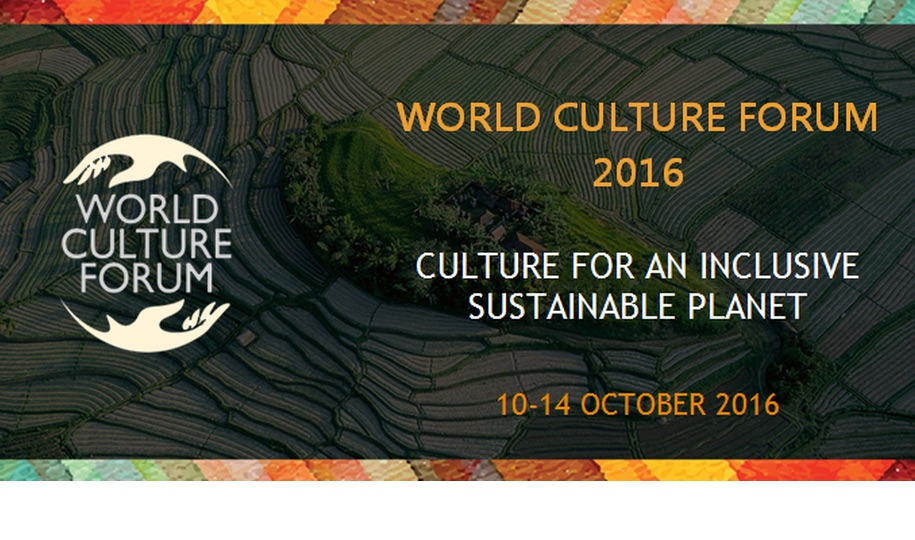
World Culture Forum (WCF) 2016 concluded on October 14 in Bali, Indonesia, with the issuance of the Bali Declaration, consisting of 10 points of commitment, which enable culture to be the driver of sustainable development and urge the UNESCO state members and civil societies to accomplish the 2030 Sustainable Development Agenda.

bali
(Click on image to enlarge)

Read by the Head of WCF 2016 Steering Committee, Ananto Kusuma Seta in the closing ceremony, the Declaration emphasized that all participating countries should incorporate culture at the heart of future development frameworks.

The Bali Declaration contains following issues:

1. Commitment of the UNESCO state members and civil society to work for the 2030 Sustainable Development Agenda

2. Promote the culture of peace in order to make an inclusive, just, and tolerable society

3. Implement the points of recommendation from WCF symposiums series

4. Strengthen the role and involvement of the youth in economics, culture, and socio-politics in respect of promoting mutual understanding and equality

(Article continued on right side of page)

(Article continued from left side of page)

5. Recognize the role of intergovernmental and nongovernmental organizations to enable culture to contribute to sustainable inclusive development

6. Increase the investment in human capital and empowerment of the local community in developing solutions to the world’s most demanding issues

7. Partner with all the elements of stakeholders to ensure that the effort to address the 2030 Sustainable Development Agenda is culture-oriented

8. Support from UNESCO to protect cultural heritages from various forms of threats, including wars and social conflicts

9. Drive the implementation of cultural values into a report mechanism at every stage of Sustainable Development Goals

10. Develop an action framework to be launched at the 39th UNESCO General conference in October 2017

Director General of Culture, Indonesian Ministry of Education and Culture, Hilmar Farid, stated that the Declaration will soon be followed-up in the general meeting to be held in 2017.

In the same occasion, the representative of the youth group from 39 countries also declared the point of recommendation of IYF 2016, one of which was to develop and make benefit from open source technology to improve education, social, and culture over three years.

For further information, please contact:

Ministry of Education of Culture, Republic of Indonesia
Jalan Jenderal Sudirman Senayan, Jakarta 10270
Phone: +62 21 5711144
Website: www.kemdikbud.go.id

Solomon Islands: Malaita and Guadalcanal support peace education

EDUCATION FOR PEACE .

An article by George Manford in The Island Sun

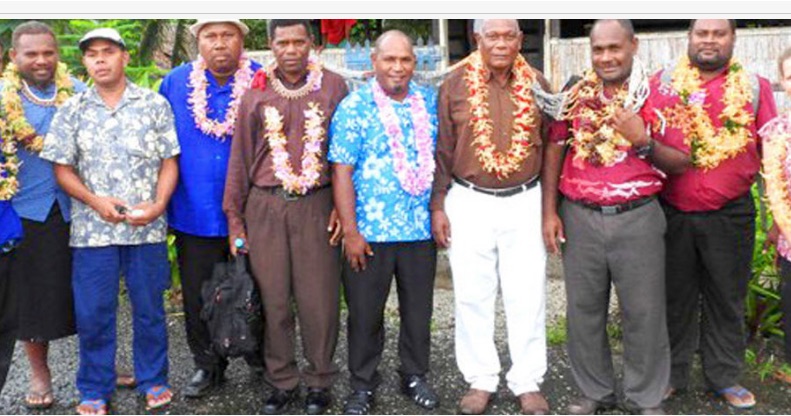
MALAITA and Guadalcanal provincial governments have supported the idea of peace education for both province’s education authorities.

Solomon
Click on photo to enlarge

Deputy Premier of Guadalcanal Hon Peter Aroanisaka said this is a step forward to find lasting peace through education.

“We could find links for our students to have access through attending our various high schools in our two respective provinces.

“This initiative is much important for both education authorities (EA’s) to build relationship for malaita and Guadalcanal provinces.

“It also creates a goal which is peace through education within these two EAs and for the rest of Solomon Islands.

“We want to see true peace and true education among our students and leaders.

“They are time bombs in the future if we don’t create this kind of initiatives for these future generations.”

Speaking on behalf of Malaita provincial government, deputy and the acting premier of Malaita province Hon Alick Maeaba said, “We have to come up with re-creative ideas to contribute on the values of our education.

“The Malaita provincial government see this importance to build this relationship not only through education but through political levels.

“The Malaita provincial government will stand and support the initiative for the betterment of our children in the future.

“We are looking forward for the idea to be implemented Maeaba revealed.”

The delegation also visited Aligegeo PSS and Kware community high school in west Fataleka north Malaita.

(Thank you to the Global Campaign for Peace Education for calling this to our attention.)

Question for this article:

Philippines: Fostering a culture of peace through art

… EDUCATION FOR PEACE …

An article from the Manila Bulletin (slightly abbreviated)

Mindanao has . . . been through decades of armed conflict, which has claimed countless lives and displaced some 30,000 to 50,000 persons annually. Children and adolescents are among those who have suffered the most, caught in the midst of violence, displacement, poverty, and the loss of loved ones. It is for this reason that civil society groups have taken initiatives in introducing the culture of peace among the children in Mindanao’s conflict-affected communities through the promotion of their own traditional, cultural, and artistic abilities.

Philippines
(Click on image to enlarge)

One of these groups is the 13-year-old Kalimudan Culture and Arts Center, a non-profit organization based in Gen. Santos City. It is currently undertaking the Fostering Culture of Peace and Child Protection program, in collaboration with the United Nations Children’s Fund (UNICEF).

Coined from the Maguindanaon term for gathering, Kalimudan is composed of artists and advocates for social reforms, backed by their experiences as cultural and community workers, trainers, researchers, and teachers.

In recent months, Kalimudan has been conducting the Adolescent Development and Participation-Peace building program in the provinces of Maguindanao, Sarangani, Sultan Kudarat, Zamboanga Sibugay, and Lanao del Sur.

According to Al Nezzar Ali, the project uses culture and arts as tools to assist communities in creating a violence-free home environment, and helps children promote a culture of peace.

Among the strategies used in the workshops are play production dance drama and choral narration, peace tiles and peace totems, interactive storytelling, dance, music, and visual workshops, which enhance participants’ coping mechanisms.

(Article continued in right column)

Question for this article:

Do the arts create a basis for a culture of peace?

(Article continued from left column)

“The program also helps develop children’s creativity, appreciation of tradition, and culture to foster peace, which get them more engaged in sports and recreational activities, instead of getting involved in armed activities,” Ali enthuses.

He said that the project hopes to contribute to the attainment of strengthened mechanisms for promoting the rights of children in peace process and situations of armed conflict and supporting children’s participation.

During the International Day of Peace held last Sept. 21 at the Mindanao State University Gymnasium in Maguindanao, children and adolescents representing the different Moro Islamic Liberation Front (MILF) areas in Sarangani, Sultan Kudarat, Maguindanao, Zamboanga Sibugay, and Lanao del Sur will be the highlight of the celebration. These children and adolescents took part in the ADAP workshops and #ChildrenNotSoldiers campaign traditional cultural performance showcase, which were exhibited on the same day.

Ali said that peace building measures should address the root causes of the conflict, enhance social cohesion, build trust in governments, and build capacity of individuals, communities, and institutions to manage conflict and deliver appropriate services.

He noted that under the UNICEF framework, programs create space for young people and enhance their capacity to participate in the decision-making on the peace process, especially between the Government of the Republic of the Philippines and the MILF, while promoting pro-peace knowledge, attitudes, and lifestyle.

He pointed out that the quest for peace is integral to the fulfillment of the rights of children to safety and wellbeing, since young people have distinct capacities in contributing to peace-building due to their diverse experiences in armed conflict.

Founded in 2003, Kalimudan Culture and Arts Center seeks to raise awareness, advocate basic social issues through culture and arts as its tool, as it links with local and national movements for social and cultural development

It specializes in Mindanao cultural dances and music, contemporary arts (music, film, and video), and collaborates with national agencies like the National Commission for Culture and the Arts, the Department of Social Welfare and Development, as well as NGOs such as the SOCSARGEN Peace Network, and Mindulani, a Mindanao-wide network of theater workers.

Papua New Guinea: Thousands march to ‘make a stand for peace’

. HUMAN RIGHTS .

An article from Nonviolent Conflict News

As many as 10-thousand people walked for peace in the Papua New Guinea capital over the weekend [of September 10-11]. The governor of Port Moresby says the Sunday morning event was planned as a stand against violence in the country following a brawl at a rugby league match which left an innocent bystander dead.

png

Powes Parkop tells Dominic Godfrey the death of Joe Pidik was a tragedy that he and others are ashamed of.

POWES PARKOP: We don’t condone this type of activity and we want to make a statement. It is not something that we accept and we want the public to come out to make that statement, to ourselves more particularly. Also, it’s leading up to our anniversary of our 41st year’s independence. We want to also make a statement for peace and unity in our country.

DOMINIC GODFREY: Next year of course PNG is co-hosting the Rugby League World Cup. Has there been any reaction to this outbreak of violence from your co-host countries?

PP: Yes. We had a grave concern expressed, especially by the Rugby League World Cup secretariat down in Australia. They rightfully expressed to us concerns that the games that we are going to host might be addressed. But we have given them the assurance that this is only a minority activity. This doesn’t represent all our people in Papua New Guinea and especially in Pt Moresby and so I hope they put their fears to rest and we are looking forward to hosting the three games for the Rugby League World Cup.

We will be hosting the Under 20 FIFA Women’s World Cup too in November and December of this year. That’s 16 countries coming from five continents of the world. Young leaders of tomorrow will be coming to our city and our country and it’s also important that we send that message loud and clear to the participating countries in particular but to the world generally that this type of behaviour is not acceptable, not tolerated. It’s why we came out in big numbers on Sunday with our minister for sport and rugby league board and chairman, and some of our rugby league teams and other sport teams.

Everybody came out in a very strong powerful way to send a message, especially going to our own people. It’s a problem that we have with our own people and we need to get our people to change their behaviour, change their habits and that’s essentially the main purpose we marched for yesterday. We need our people, the majority of whom reject violence, and if many more of people come out and make these type of statements, then it will get this minority to change their behaviour and attitudes so I’m very pleased with the outcome yesterday.

DG: What would the message be to the people of Papua New Guinea and Pt Moresby?

PP: Violence is an impediment to prosperity and development of our people.

(Thank you to Janet Hudgins, the CPNN reporter for this article.)

Questions related to this article:

India: Buddhist nuns bike Himalayas to oppose human trafficking

. . WOMEN’S EQUALITY . .

An article by Nita Bhalla for Nonviolent Conflict News with credit to Thomson Reuters Foundation,

– Clad in black sweatpants, red jackets and white helmets, the hundreds of cyclists pedaling the treacherously steep, narrow mountain passes to India from Nepal could be mistaken for a Himalayan version of the Tour de France. The similarity, however, ends there. This journey is longer and tougher, the prize has no financial value or global recognition and the participants are not professional cyclists but Buddhist nuns from India, Nepal, Bhutan and Tibet.

Five hundred nuns from the Buddhist sect known as the Drukpa Order, on Saturday complete a 4,000-km (2,485 mile) bicycle trek from Nepal’s Kathmandu to the northern city of Leh in India to raise awareness about human trafficking in the remote region.

nepal
Photo Credit: Live To Love International / Handout via Reuters

“When we were doing relief work in Nepal after the earthquakes last year, we heard how girls from poor families were being sold because their parents could not afford to keep them anymore,” 22-year-old nun Jigme Konchok Lhamo told the Thomson Reuters Foundation.

“We wanted to do something to change this attitude that girls are less than boys and that it’s okay to sell them,” she said, adding that the bicycle trek shows “women have power and strength like men.”

South Asia may boast women leaders and be home to cultures that revere motherhood and worship female deities, but many girls and women live with the threat of violence and without many basic rights.

From honor killings in Pakistan to foeticide in India and child marriage in Nepal, women face a barrage of threats, although growing awareness, better laws and economic empowerment are bringing a slow change in attitudes.

“KUNG FU” NUNS

The bicycle trek, from Nepal into India, is nothing new for the Drukpa nuns.

This is the fourth such journey they have made, meeting local people, government officials and religious leaders to spread messages of gender equality, peaceful co-existence and respect for the environment.

They also deliver food to the poor, help villagers get medical care and are dubbed the “Kung Fu nuns” due to their training in martial arts.

Led by the Gyalwang Drukpa, head of the Drukpa Order, the nuns raise eyebrows, especially among Buddhists for their unorthodox activities.

“Traditionally Buddhist nuns are treated very differently from monks. They cook and clean and are not allowed to exercise. But his Holiness thought this was nonsense and decided to buck the trend,” said Carrie Lee, president of Live to Love International, a charity which works with the Drukpa nuns to support marginalised Himalayan communities.

(Article continued in right column)

Question related to this article:

Protecting women and girls against violence, Is progress being made?

(Article continued from left column)

“Among other things, he gave them leadership roles and even introduced Kung Fu classes for the nuns after they faced harassment and violence from the general public who were disturbed by the growing shift of power dynamics,” she said.

Over the last 12 years, the number of Drukpa nuns has grown to 500 from 30, said Lee, largely due to the progressive attitudes of the 53-year-old Gyalwang Drukpa, who was inspired by his mother to become an advocate for gender equality.

The Gyalwang Drukpa also participates in the bicycle journeys, riding with the nuns as they pedal through treacherous terrain and hostile weather and camp out in the open.

“PRAYING IS NOT ENOUGH”

The Drukpa nuns say they believe they are helping to change attitudes.

“Most of the people, when they see us on our bikes, think we are boys,” said 18-year-old nun Jigme Wangchuk Lhamo.

“Then they get shocked when we stop and tell them that not only are we girls, but we are also Buddhist nuns,” she said. “I think this helps change their attitudes about women and maybe value them as equals.”

South Asia, with India at its centre, is also one of the fastest growing regions for human trafficking in the world.

Gangs dupe impoverished villagers into bonded labour or rent them to work as slaves in urban homes, restaurants, shops and hotels. Many girls and women are sold into brothels.

Experts say post-disaster trafficking has become common in South Asia as an increase in extreme events caused by global warming, as well as earthquakes, leave the poor more vulnerable.

The breakdown of social institutions in devastated areas creates difficulties securing food and supplies, leaving women and children at risk of kidnapping, sexual exploitation and trafficking.

Twin earthquakes that struck Nepal in April and May 2015, which killed almost 9,000 people, left hundreds of thousands of families homeless and many without any means of income, led to an increase in children and women being trafficked.

More than 40,000 children lost their parents, were injured or were placed in precarious situations following the disaster, according to Nepali officials.

The Drukpa nuns said the earthquakes were a turning point in their understanding of human trafficking and that they felt a need to do more than travel to disaster-hit mountain villages with rice on their backs.

“People think that because we are nuns, we are supposed to stay in the temples and pray all the time. But praying is not enough,” said Jigme Konchok Lhamo.

“His Holiness teaches us that we have go out and act on the words that we pray. After all, actions speak louder than words,” she said.

(Thank you to Janet Hudgins, the CPNN reporter for this article.)