. HUMAN RIGHTS .
An article from Jacobin (abridged to half of the original which, as you can see by clicking here, is over 10,000 words)
Interview with Eric Blanc , Waleed Shahid , Leah Greenberg.
How the socialist left and the anti-Trump Resistance are slowly but surely learning to work together.
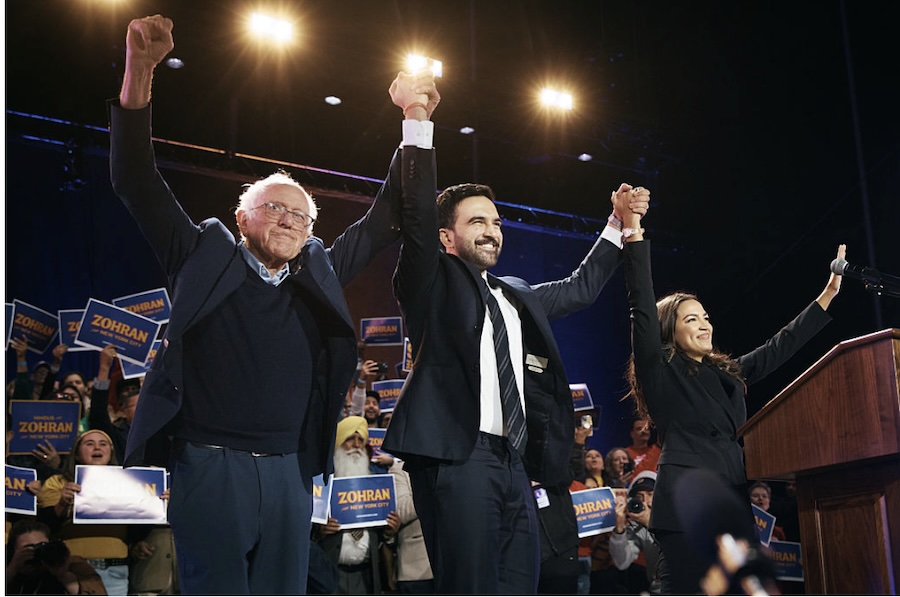
“Welcome to the Resistance.” During the first Trump administration, socialists loved to invoke this as a joke. The liberal resistance, socialists charged, was interested only in performative displays of opposition, blaming Russia for everything, and naively hoping Democratic Party adults in the room would take charge and turn back the clock to pre-2016 business as usual. Everything though has changed pretty dramatically since Donald Trump took office for a second time.
Again, much of the liberal base is in open revolt against a leadership that has so clearly failed to stop the inexorable march of far-right politics. But this time, liberals are voting for Zohran Mamdani, shifting left on Palestine, and becoming increasingly favorable to socialism as the solution to the problem of MAGA.
Daniel Denvir, host of the Jacobin Radio podcast The Dig, spoke to organizer and New York City Democratic Socialists of America (NYC-DSA) activist Eric Blanc, progressive political strategist Waleed Shahid, and co–executive director of the Indivisible Project Leah Greenberg about how and why liberals and “the Resistance” have radicalized. This transcript has been edited for length and clarity.
DANIEL DENVIR
A big part of what the socialist left has been trying to do is to make the case to the liberal Democratic base that the only way to address the root causes of MAGA and of Trump is by confronting neoliberalism and the forever wars, and by overthrowing the Democratic establishment.
And what seems really significant right now is that these left-populist, democratic socialist politics — the kind we see in Zohran Mamdani’s coalition as well as in Bernie’s Fighting Oligarchy Tour — are breaking through in a really powerful way. How did the liberal base, which had placed their faith in the Democratic establishment to protect them from Trump, become so radicalized over the last twelve months?
LEAH GREENBERG
I don’t think you can separate the reaction that the liberal base has had in this moment from the broader societal dynamics that we have been seeing unfold. In Trump 1.0, there was at least a pretty solid pretense by corporate actors, by a lot of different institutions across society, that they were attempting to hold some set of things around the norms of liberal democracy, protect some set of vulnerable populations, and so on.
We can all be really clear that was not out of the goodness of their hearts. But it did create a pretty significant contrast. And what we’ve seen this time around is just a total elite institutional collapse in the face of Trumpism starting, basically, immediately after he was elected.
So I think for folks who believed what the Democratic leadership was telling them — that this was an “oncoming fascism,” that it was going to be a direct personal threat to them and their communities and their neighbors — to watch this combination of Democratic leadership fecklessness going quiet to the extent that they were having really internal circular arguments about blaming the groups instead of any kind of meaningful accounting about what had happened, and then simultaneously watching a bunch of other institutions across society — everybody from Jeff Bezos and Mark Zuckerberg to Target and basically every corporation you could name — immediately rush to bend the knee, created a much more clear illustration that the project to consolidate MAGA political power and the project to consolidate corporate power were one and the same. That set the stage for a lot of what has unfolded since.
WALEED SHAHID
If you look at universities, law firms, the federal government, media, and employees of organizations affected by Big Tech consolidation, there’s a tangible difference between 2017 and 2025 in terms of the kinds of upper-middle-class or middle-class white-collar workers that are probably ideologically or effectively liberal — but are really being squeezed by this administration, being attacked by this administration. Not just in terms of rhetoric but also in terms of policy.
J. D. Vance, Donald Trump, and Elon Musk really hate this liberal class. They have fan fiction about replacing the liberal class with robots and artificial intelligence. And I just think that there’s a way in which that class is being squeezed, and the party and the elected representatives who are supposed to represent that class not really having the fight in them to represent that in a big way.
ERIC BLANC
I agree with Leah that the main thing is that not only is Trump way worse this time, but also institutions are fighting way less. That contradiction is a deeply radicalizing dynamic.
It does, I think, predate the election though. For instance, the inability of the Democratic Party establishment to push out Joe Biden and the whole age debacle, which we’ve sort of forgotten all about, really did expose to a lot of the liberal base that, contrary to the rhetoric, the motivations of the people on top seem to be much more about ego and career than about fighting fascism. That really was a very eye-opening experience.
Then there’s just a general dynamic where, because the authoritarian drive of this new administration is so deep, liberals for positive and maybe limited reasons really feel the attack on democracy as core to their politics in a way that maybe other segments of the population don’t to the same extent.
So there’s a radicalizing in response to events, in a way that if you don’t actually think that the system was working as well, as many leftists or maybe like non-college-educated workers do, maybe even attacks on democracy aren’t as at the forefront in your mind. But if you really do believe, and I think liberals are right to believe, in the importance of defending liberal democracy, then it just seems like an all-hands-on-deck moment to them more than any other part of the population.
DANIEL DENVIR
Joshua Cohen had an interesting post recently where he described the liberal revolt against the Democratic Party establishment as a relatively autonomous revolt that the organized socialist left is in a good position to channel, organize, and help lead — but does not, and maybe cannot, actually control. What do you make of this argument, and what are its implications for how the socialist left should think about building bridges with this liberal insurgency?
WALEED SHAHID
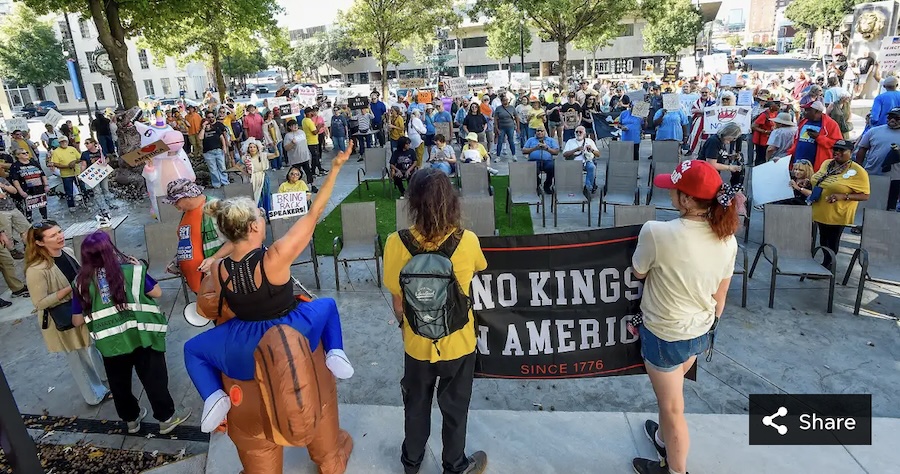
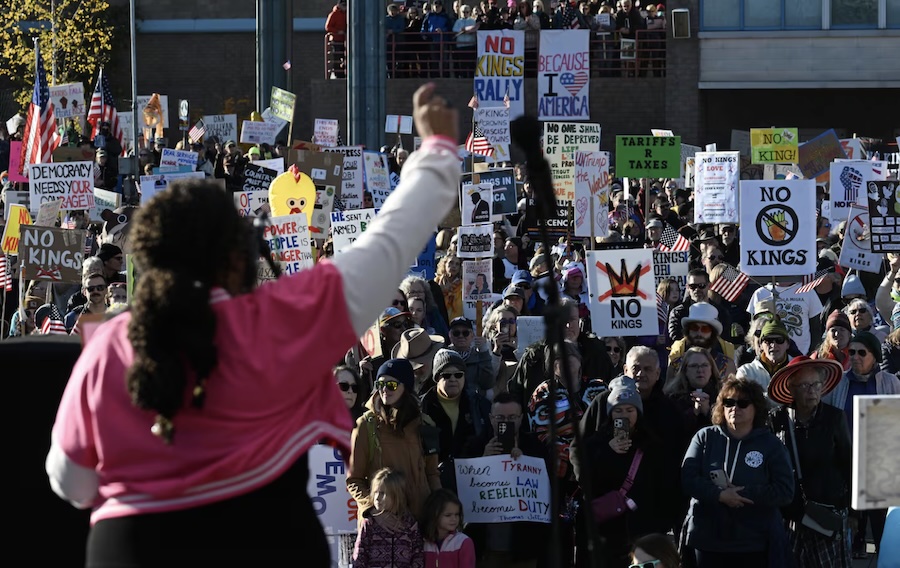
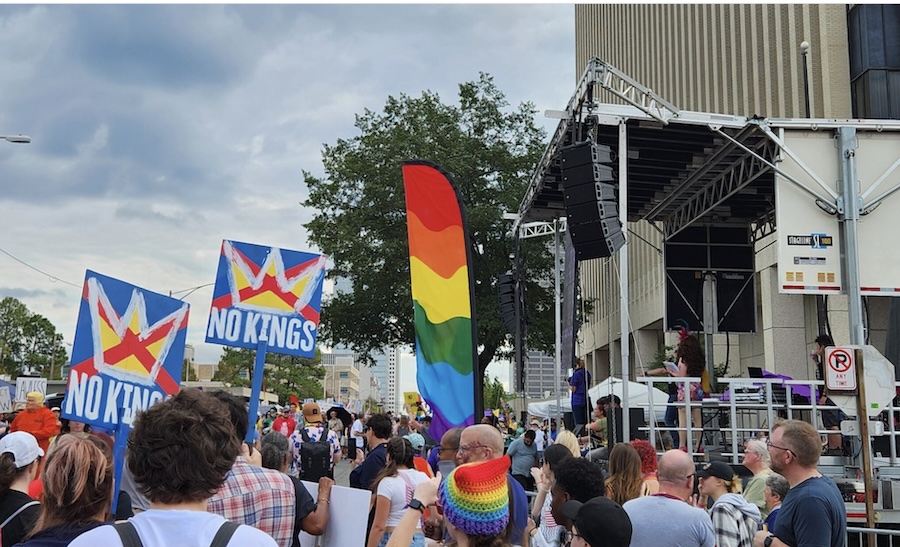
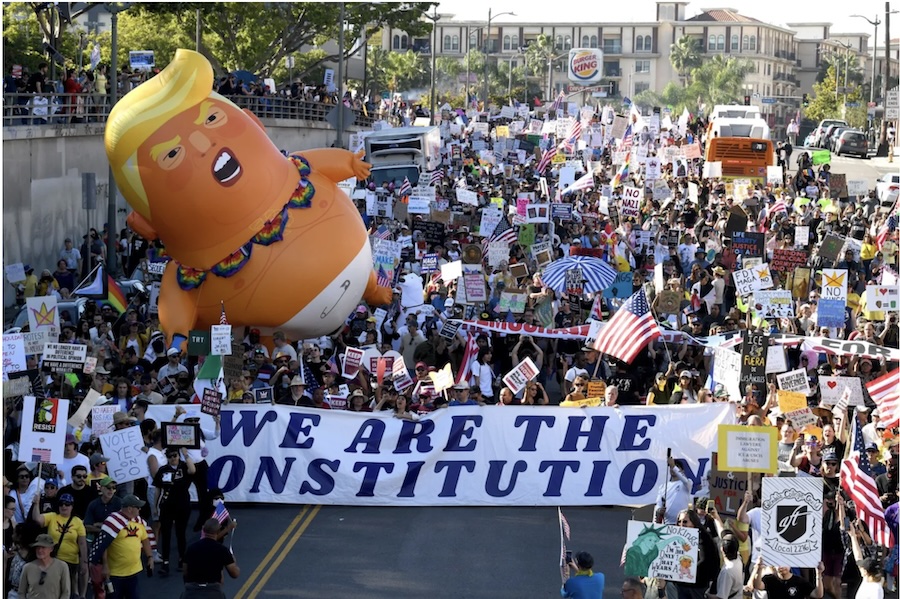
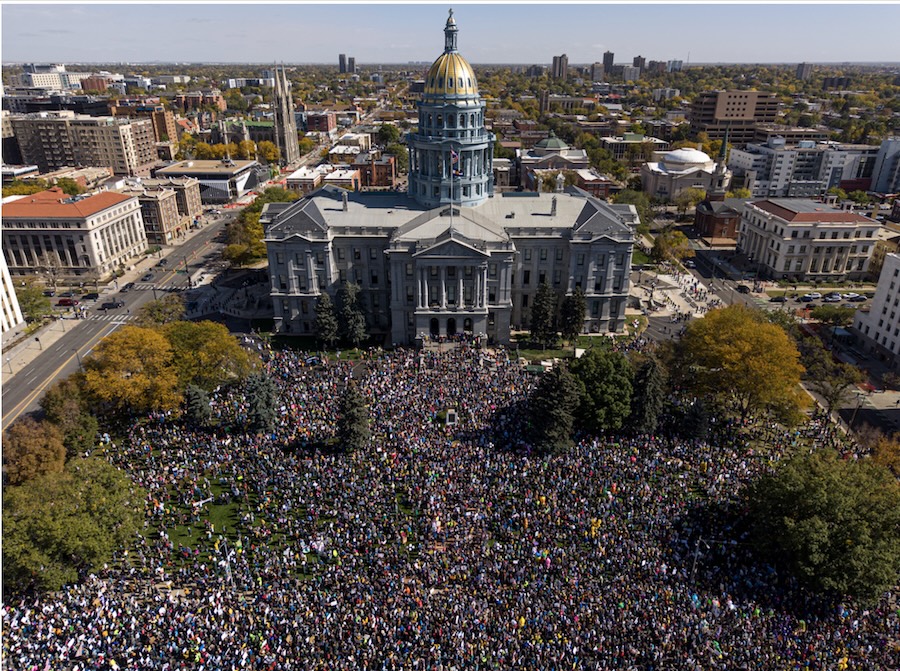
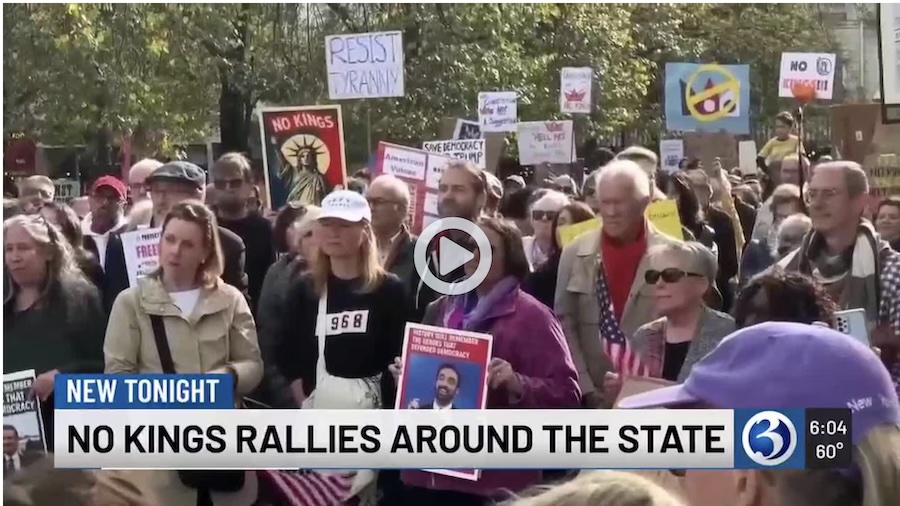
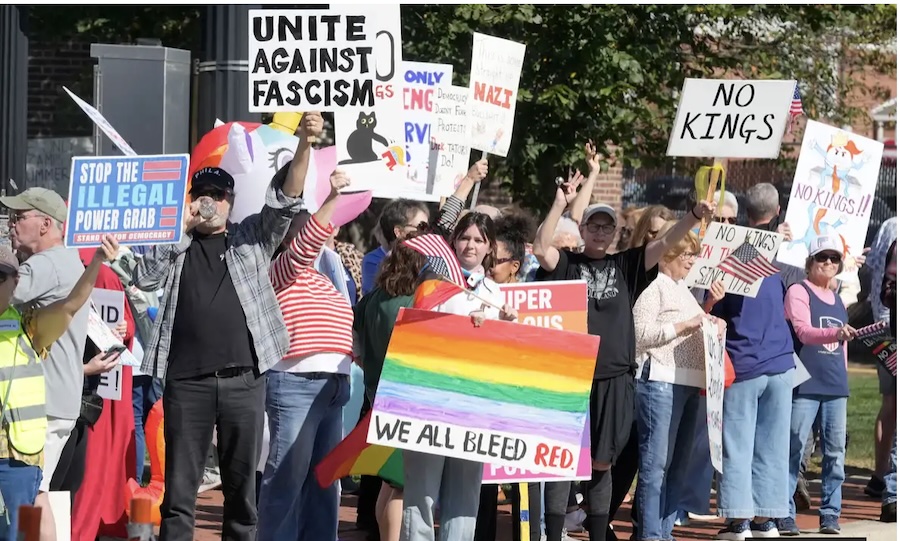
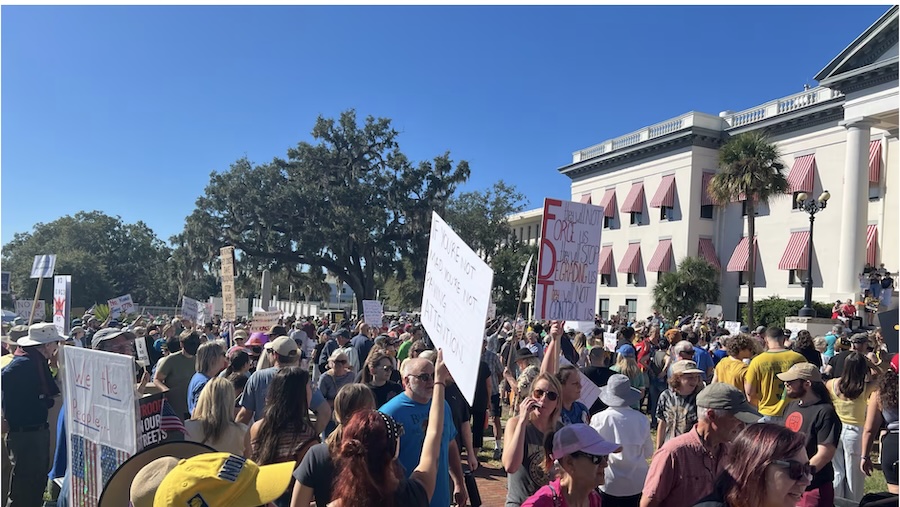
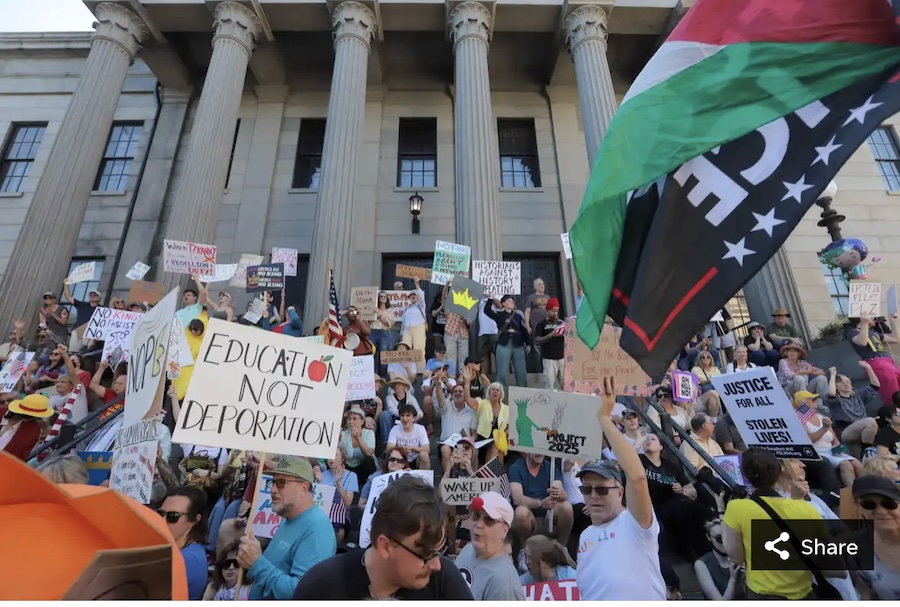
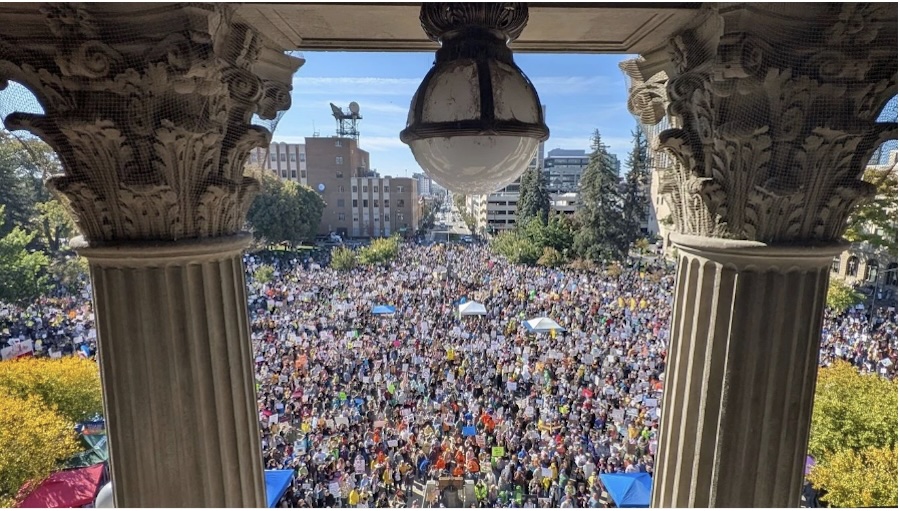
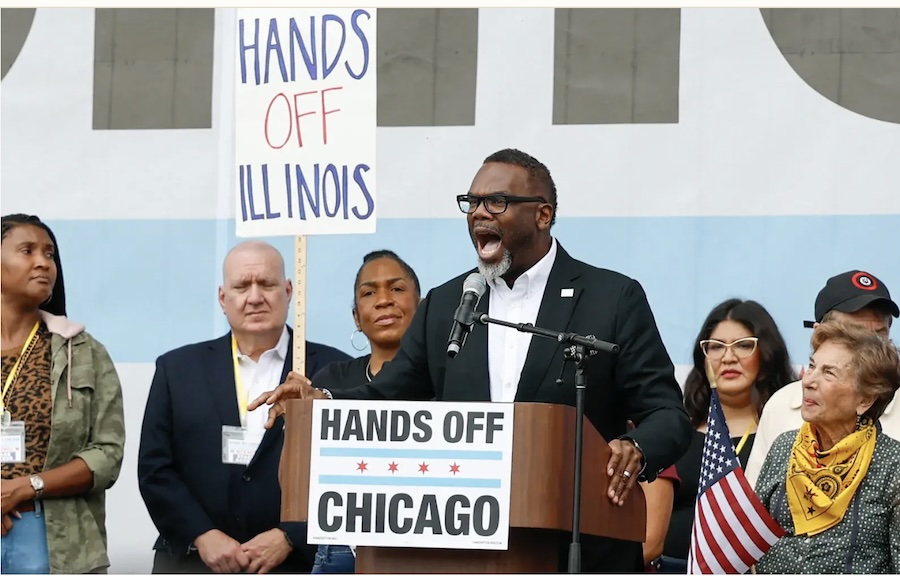
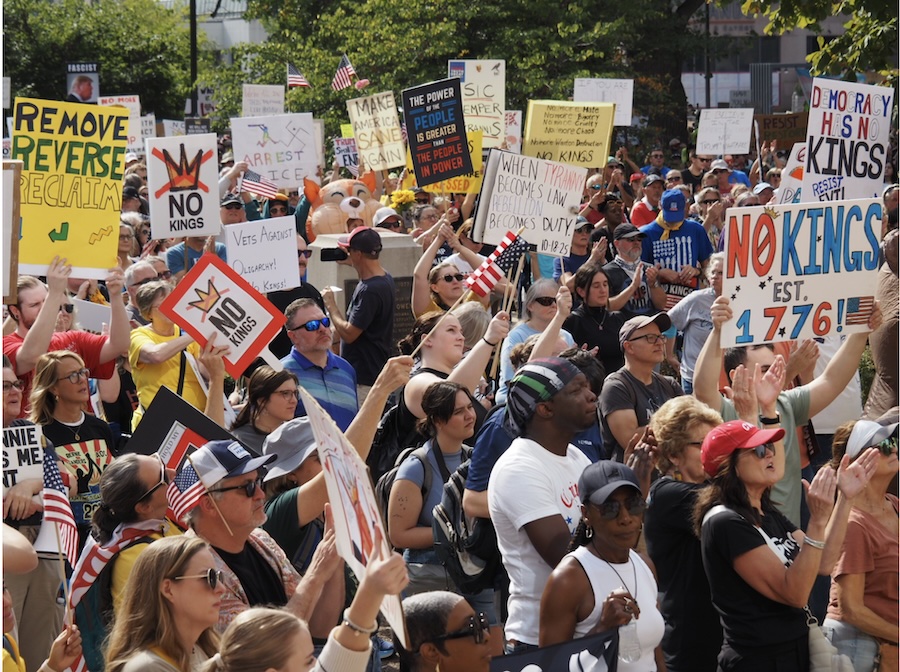
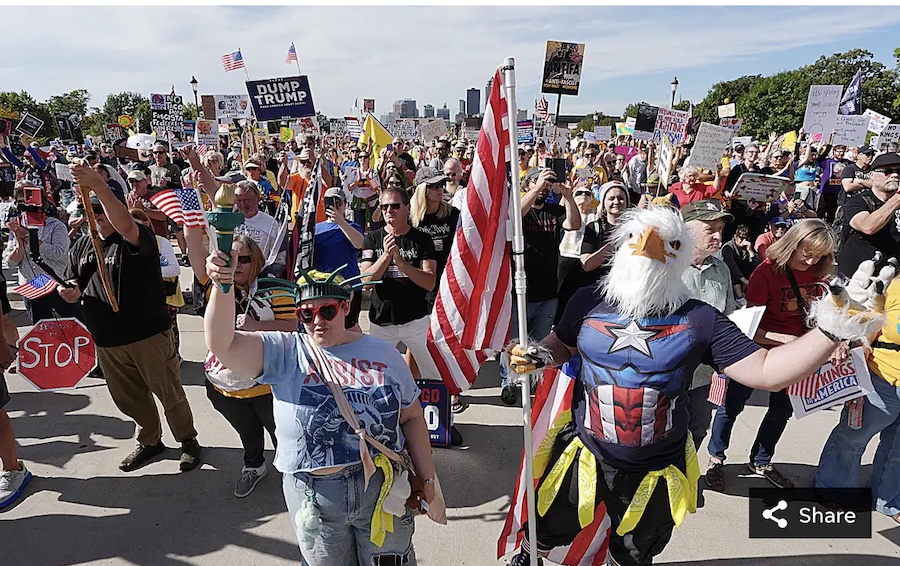
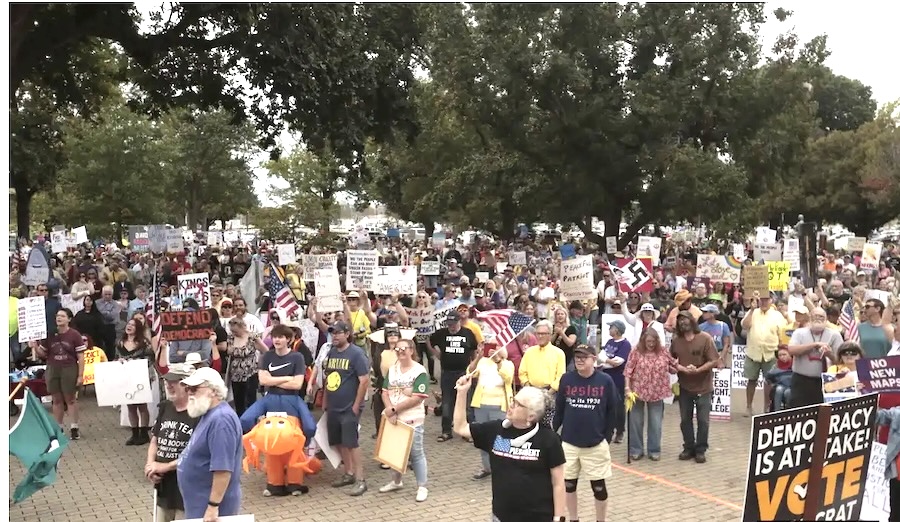
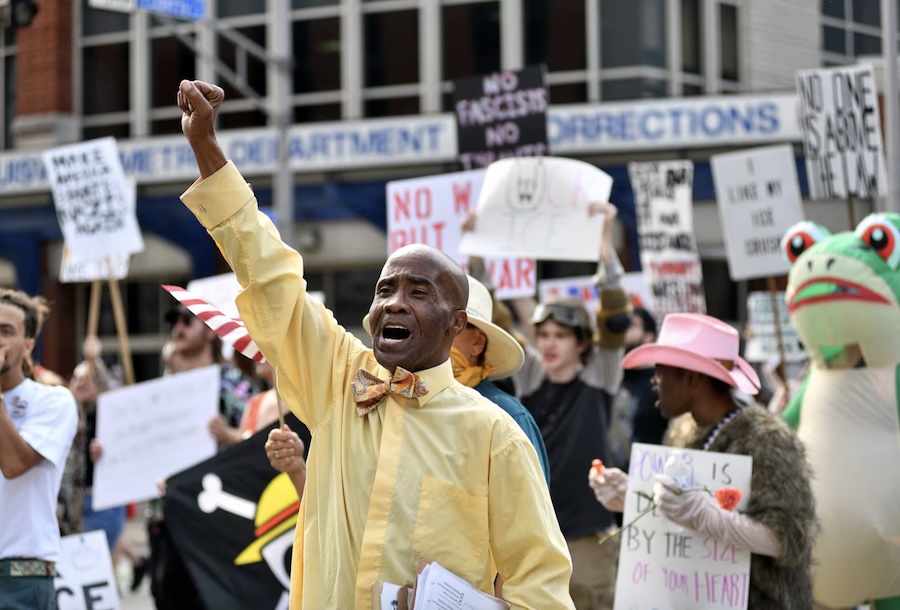
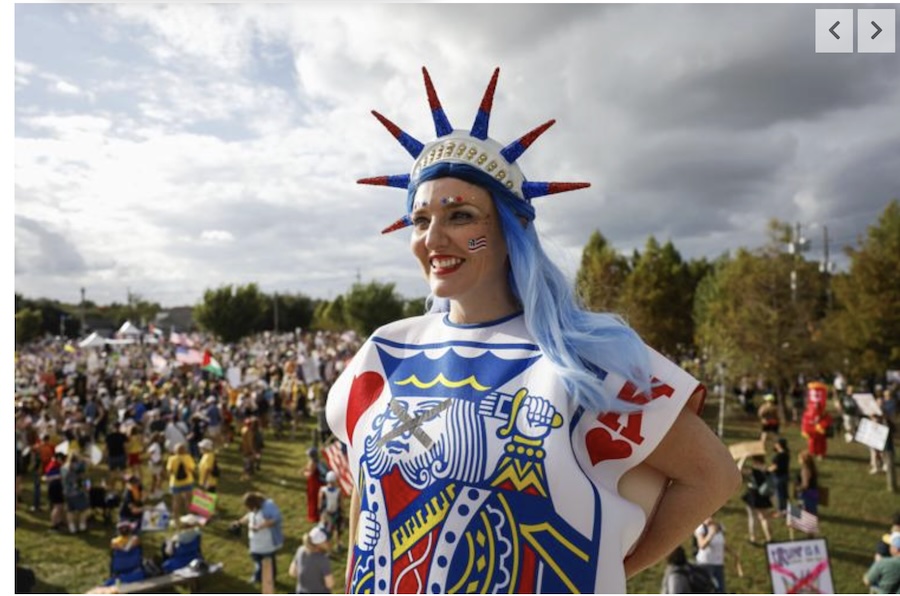
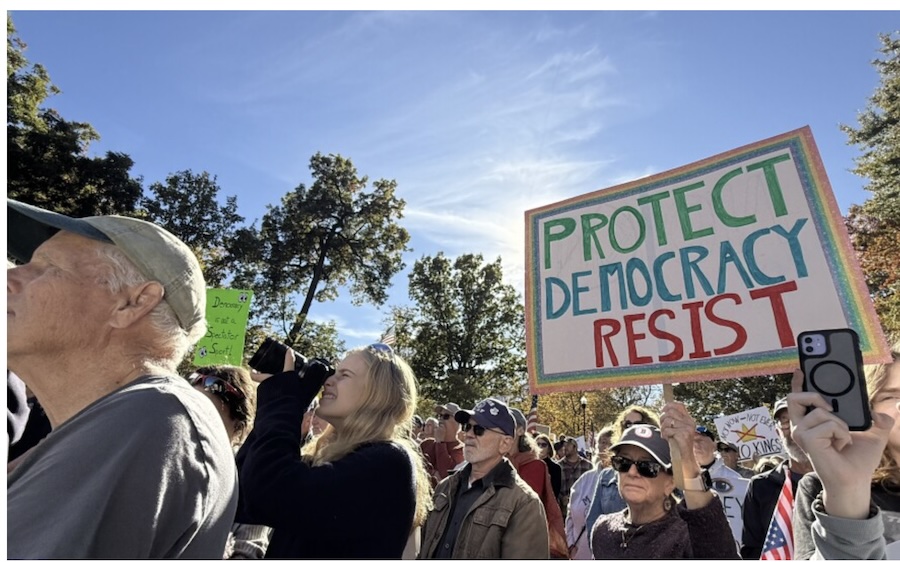
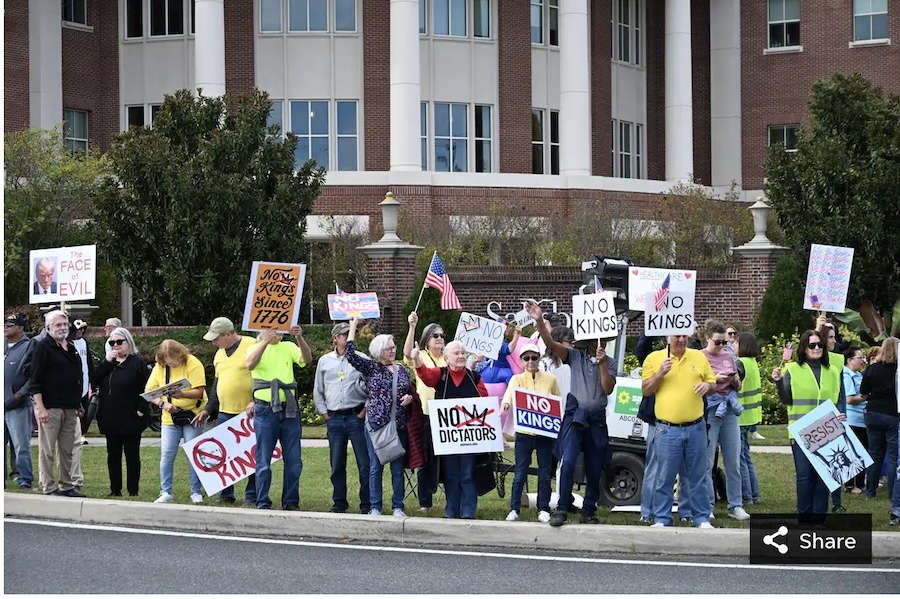
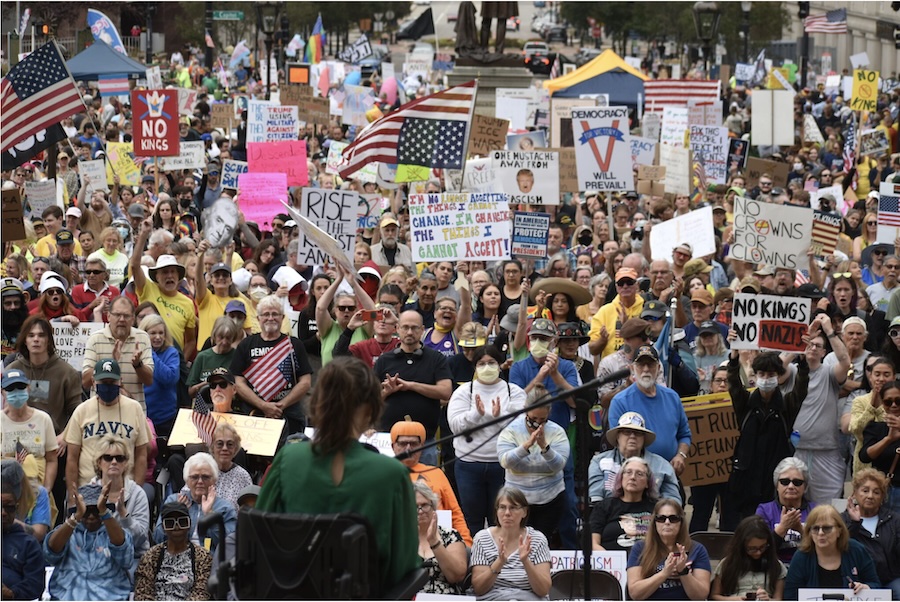
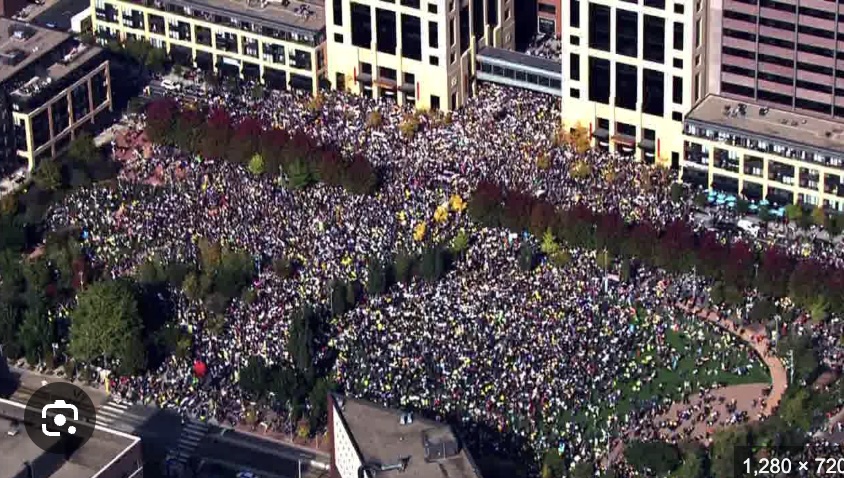
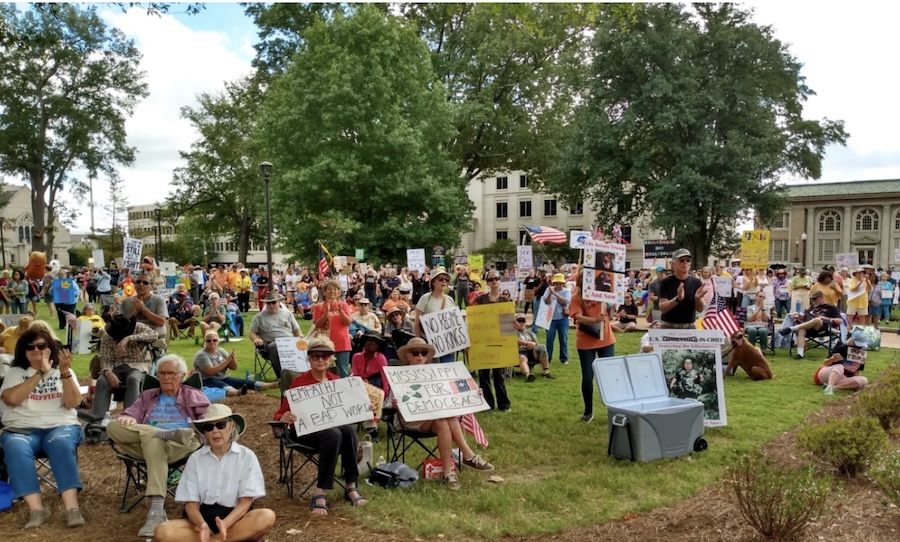
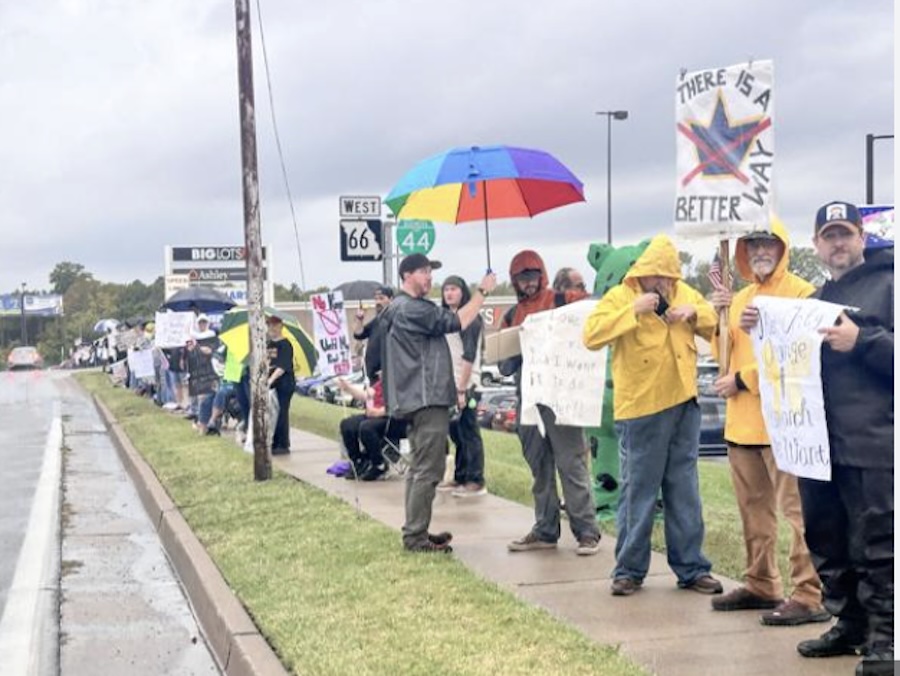
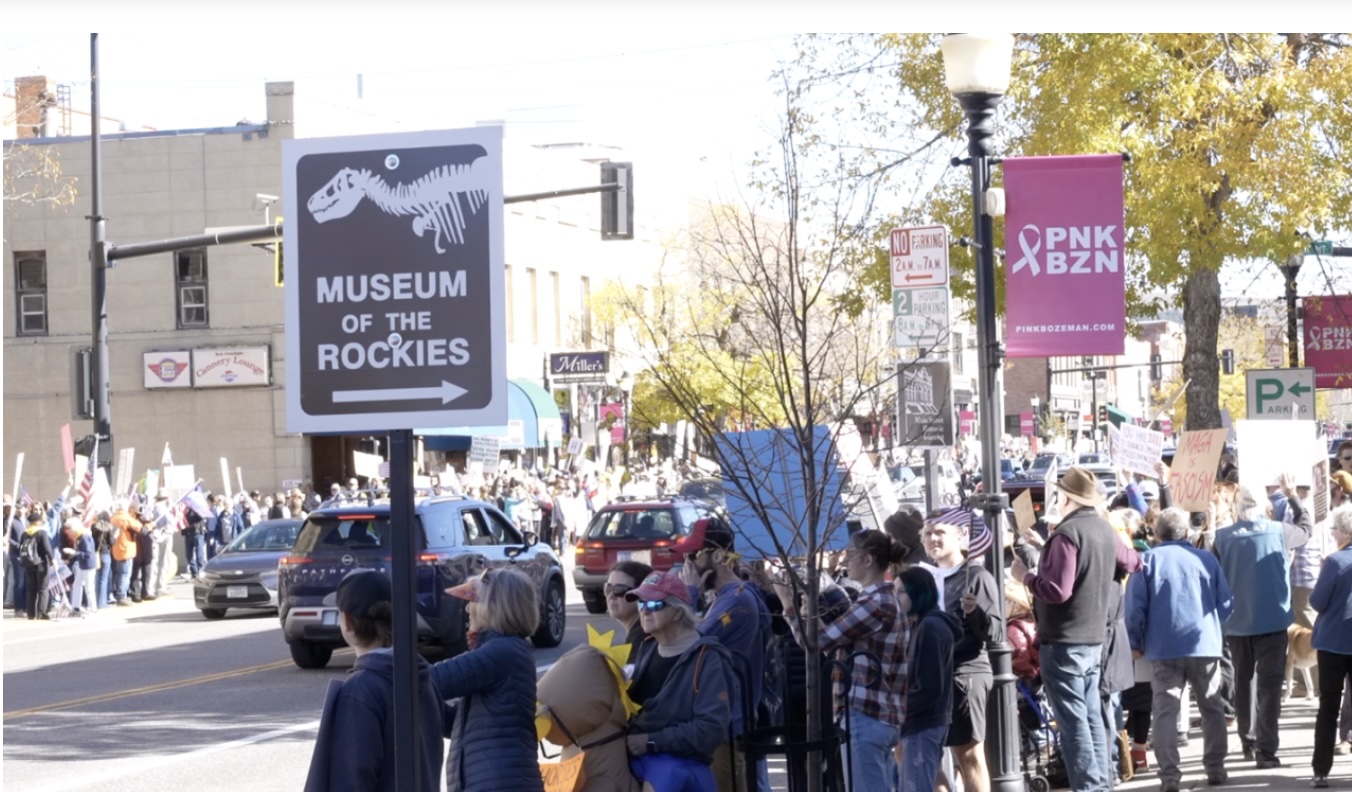
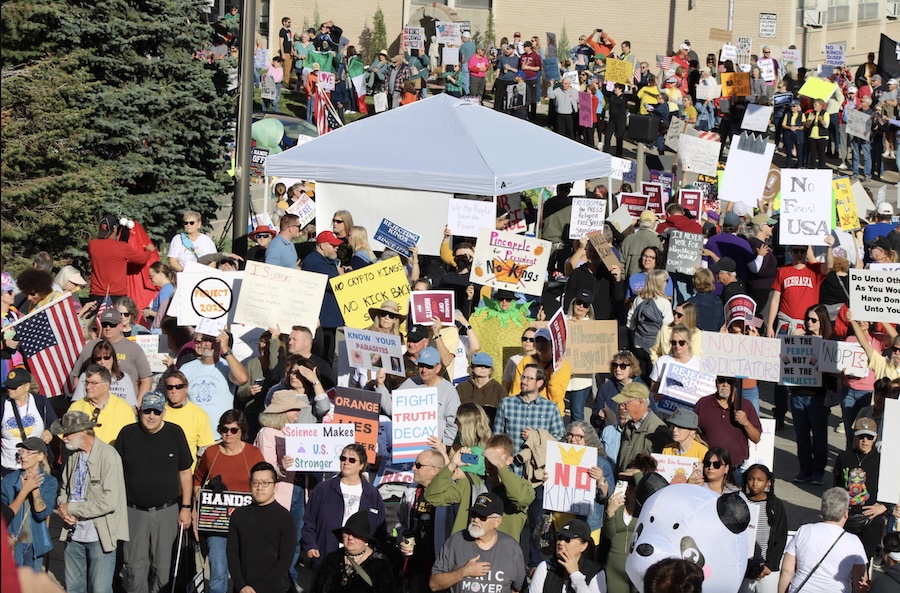
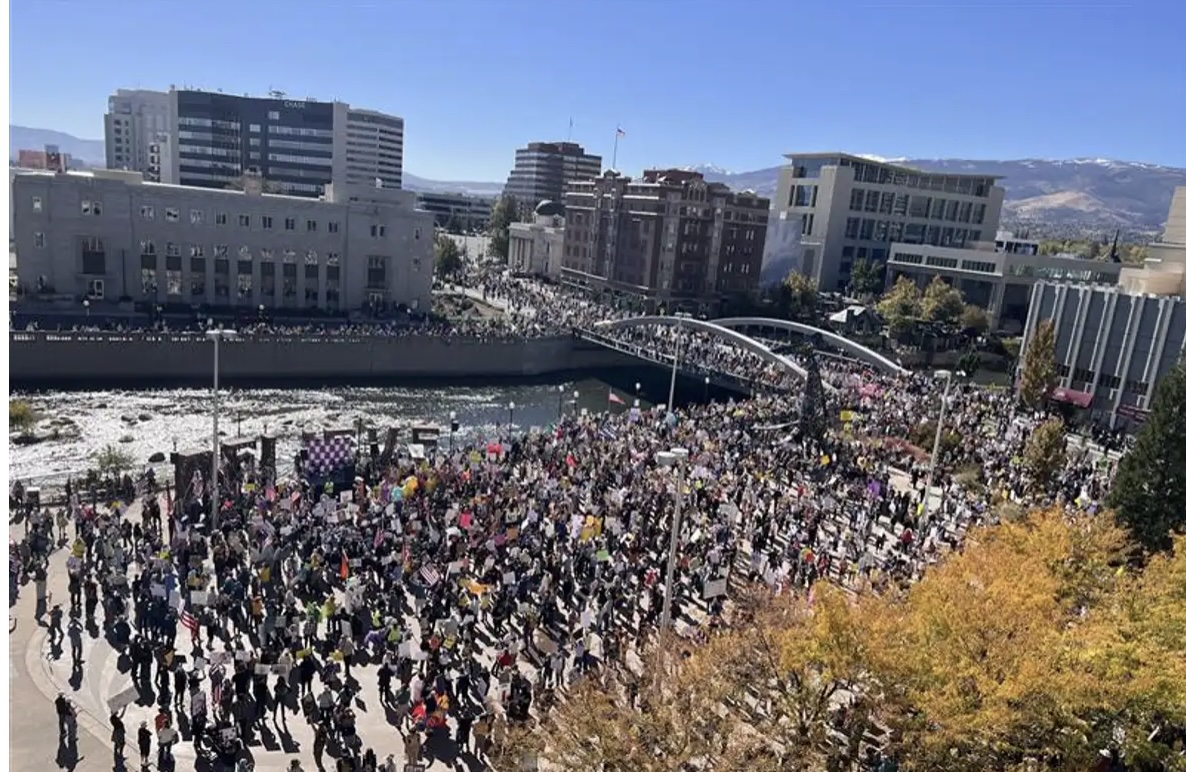
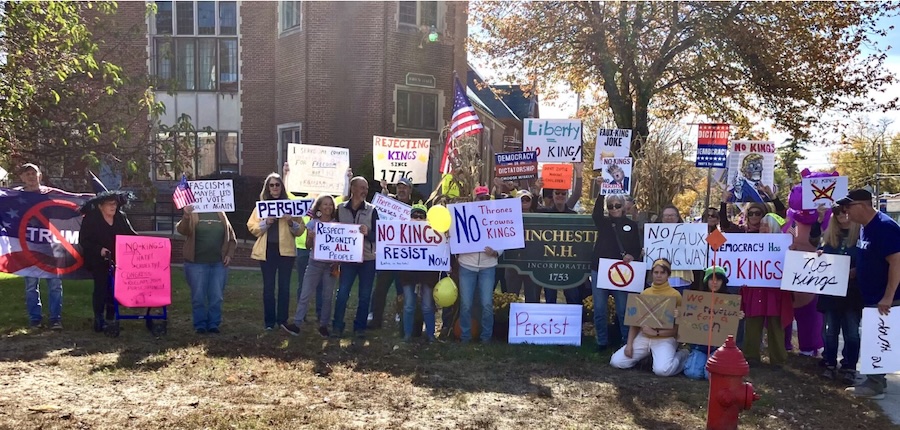
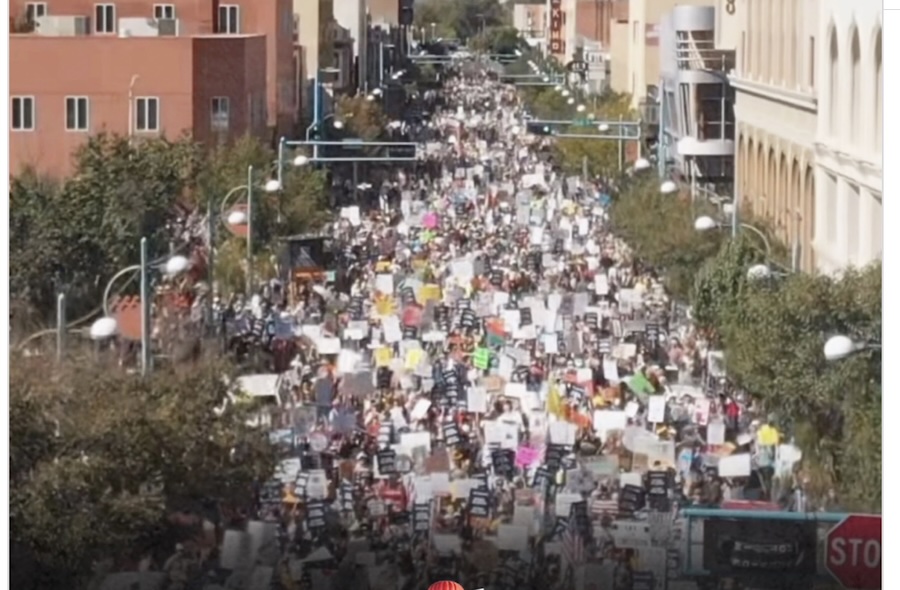
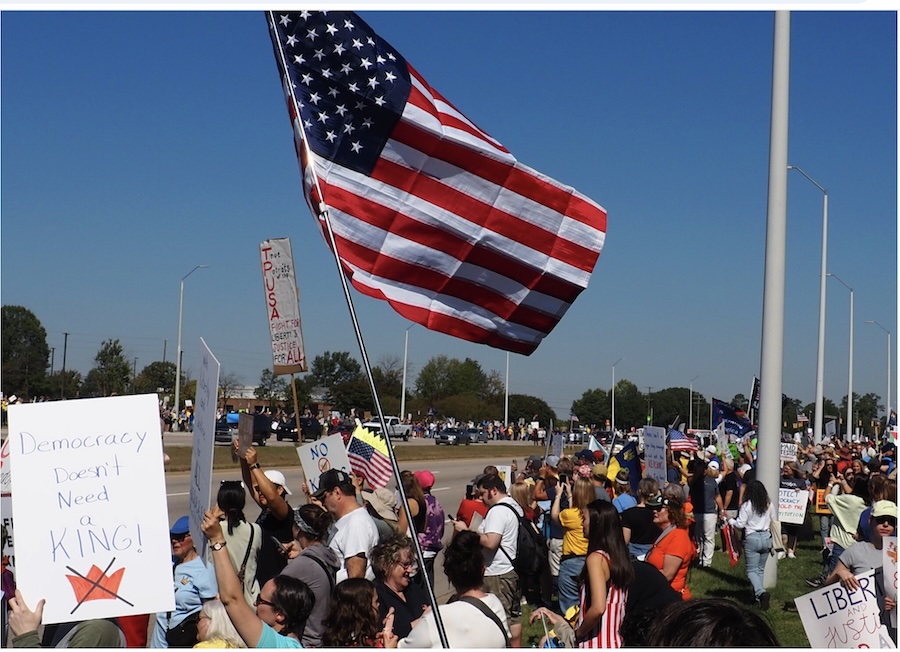
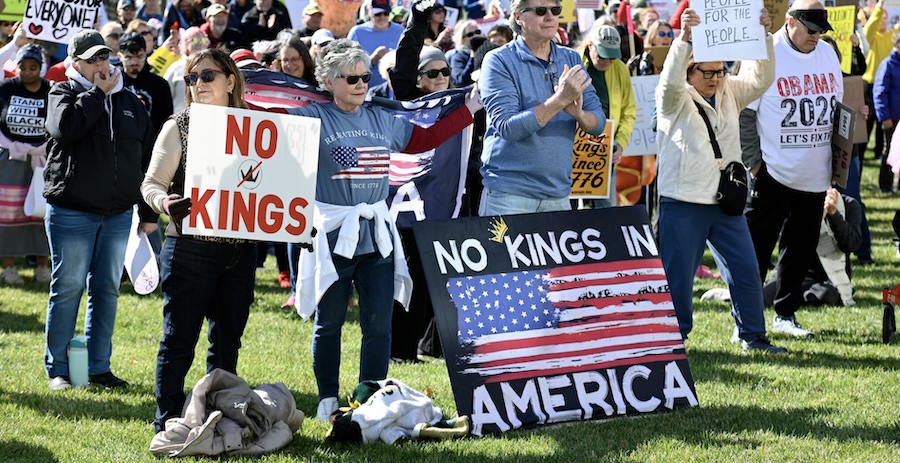
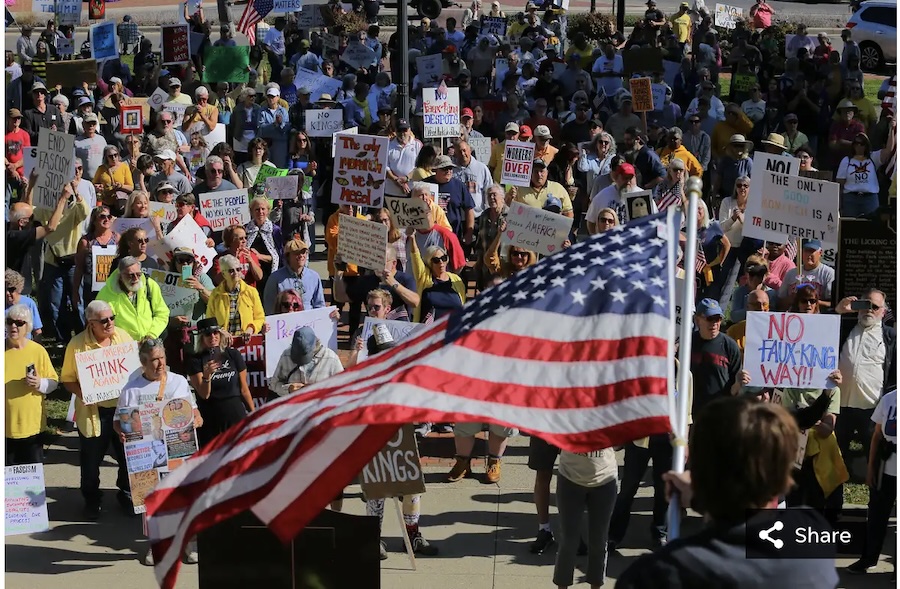
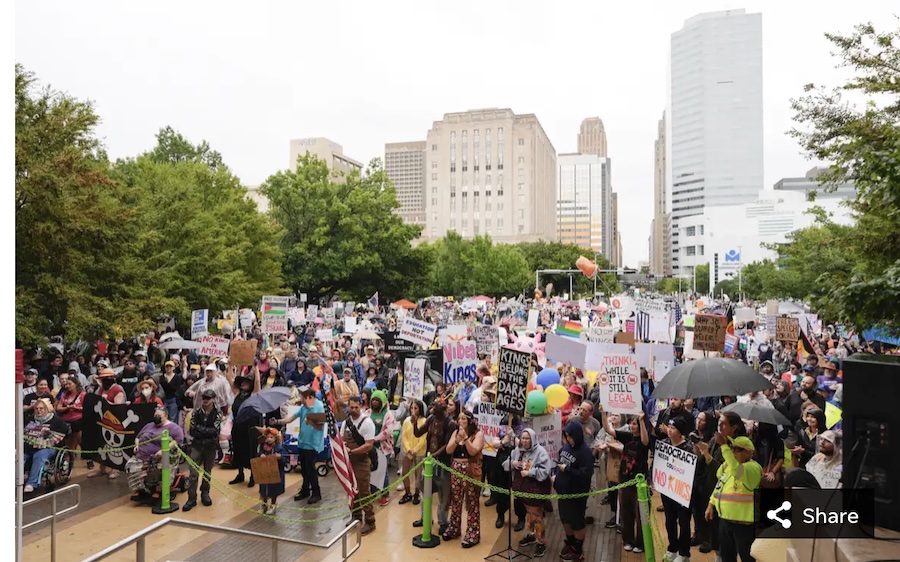
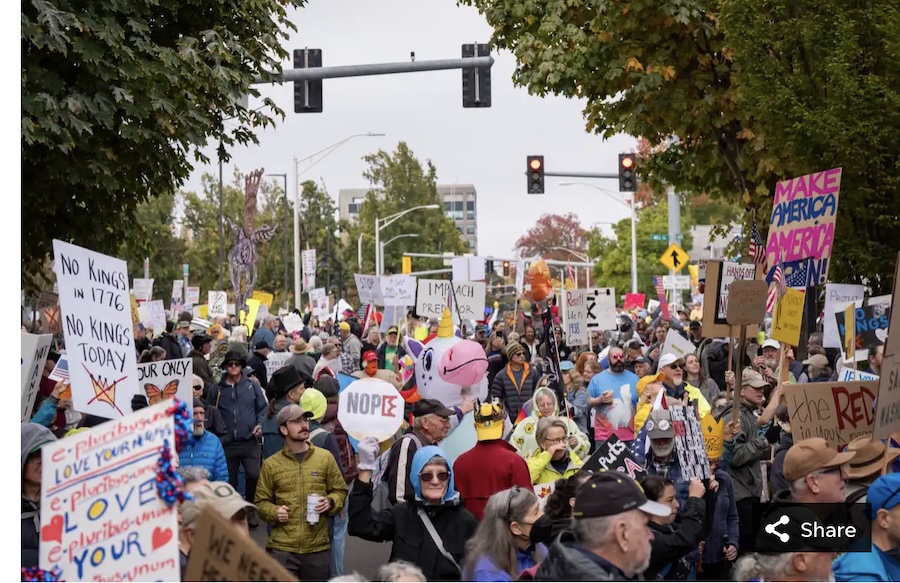
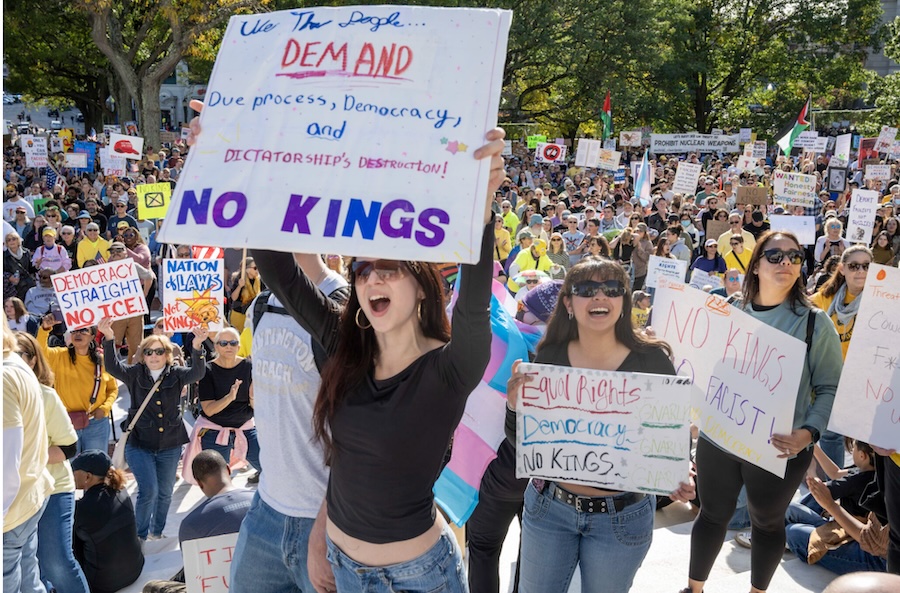
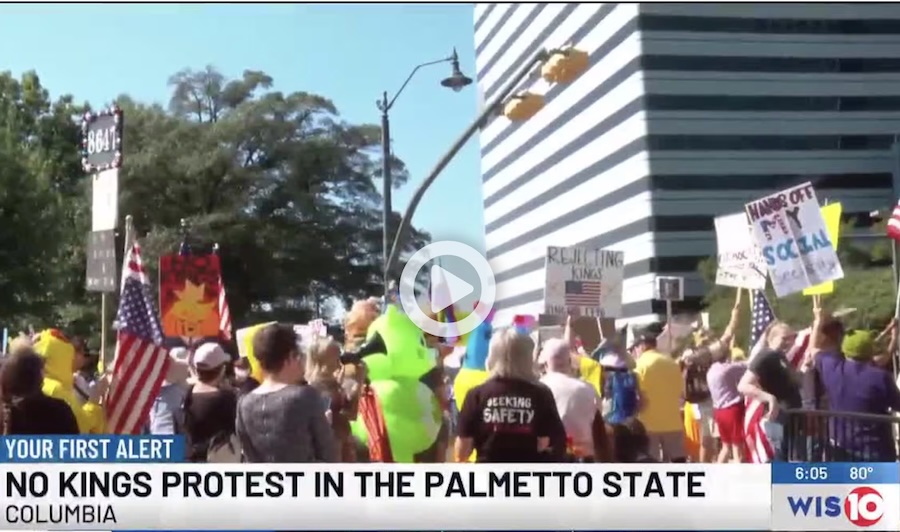
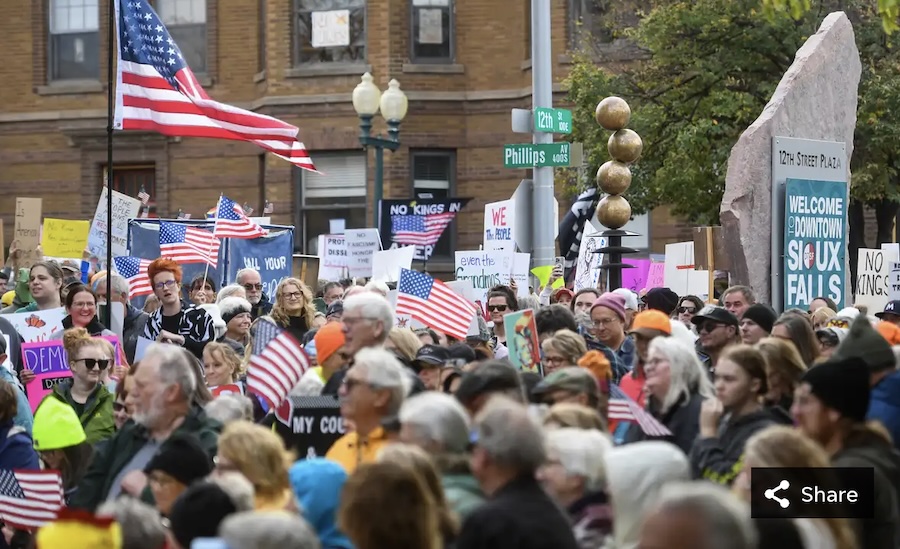
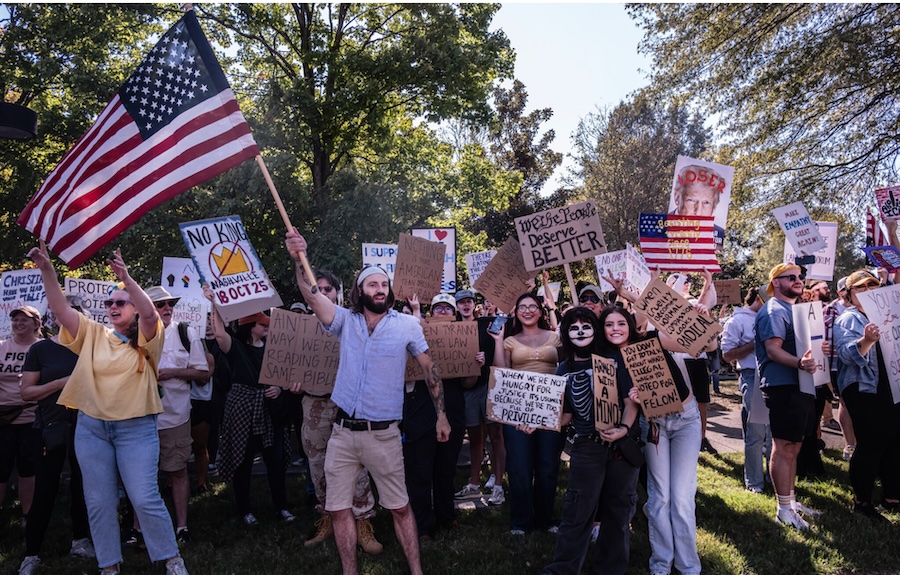
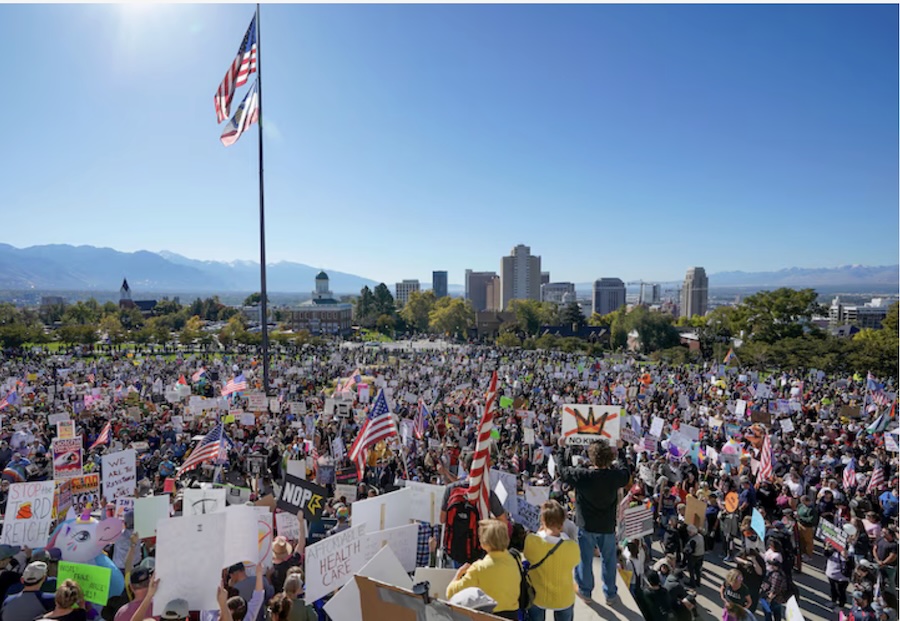
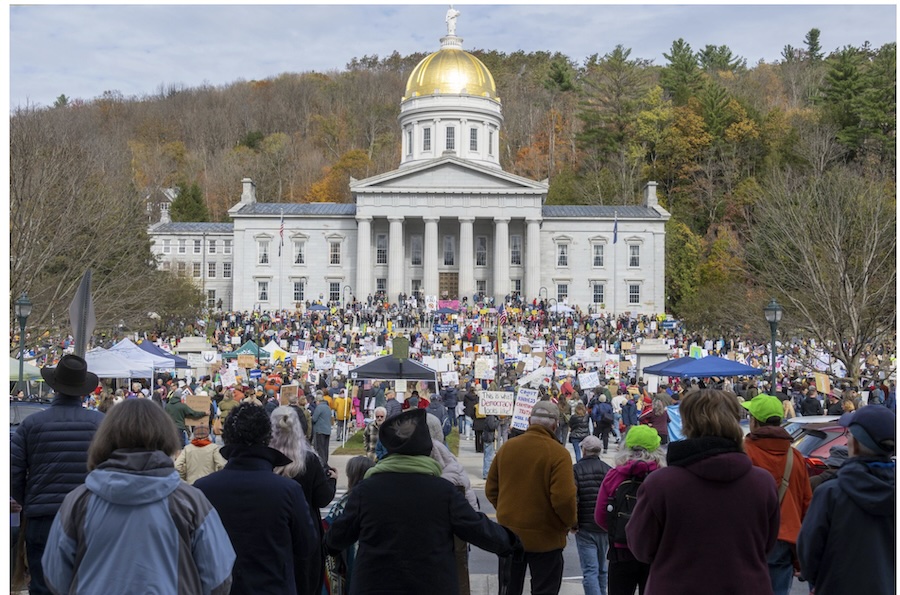
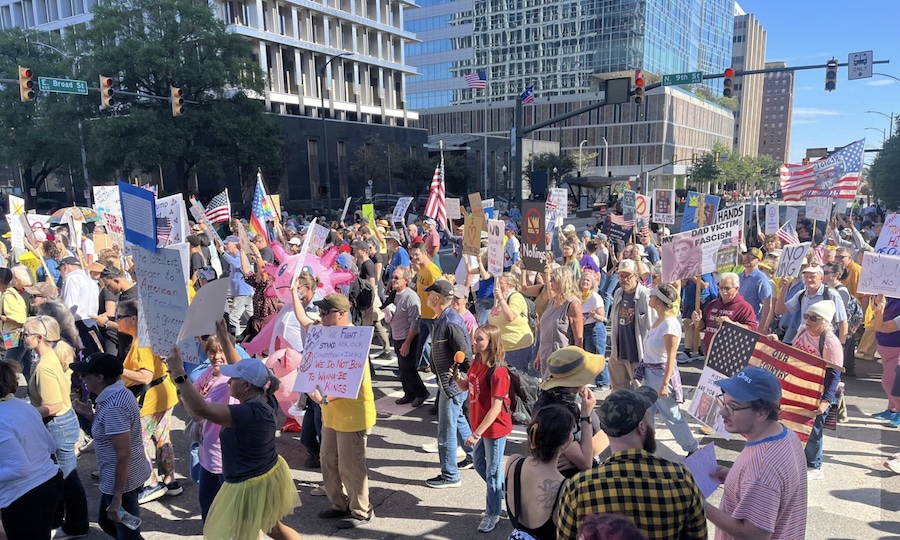
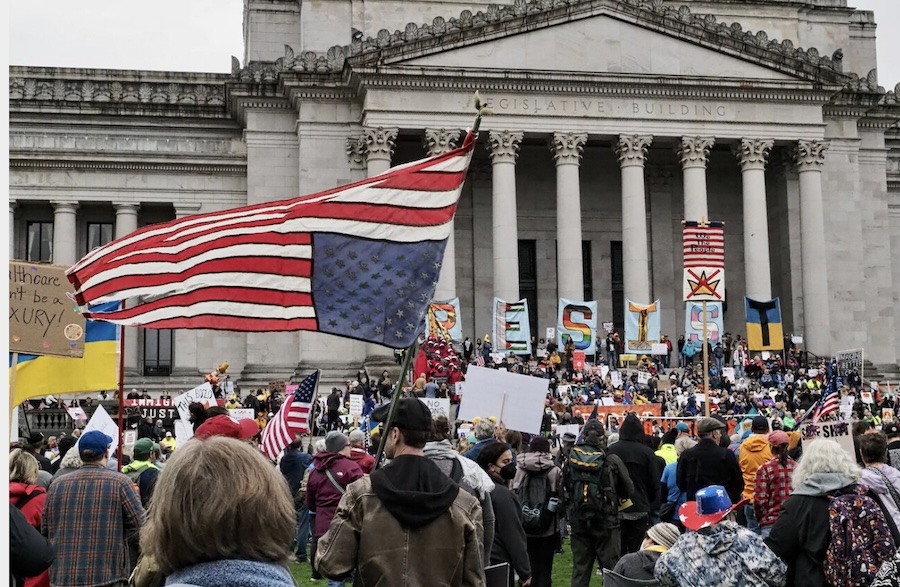
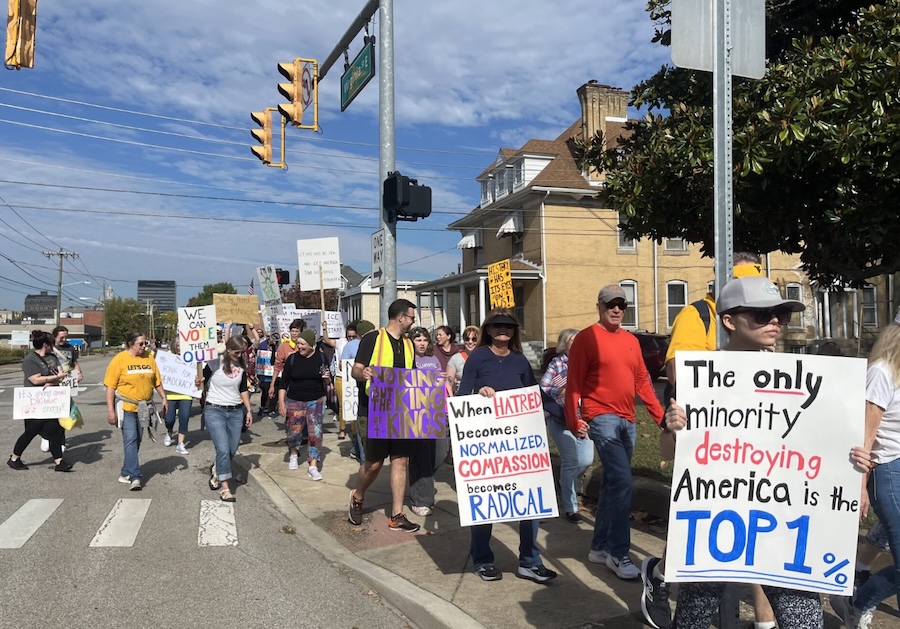
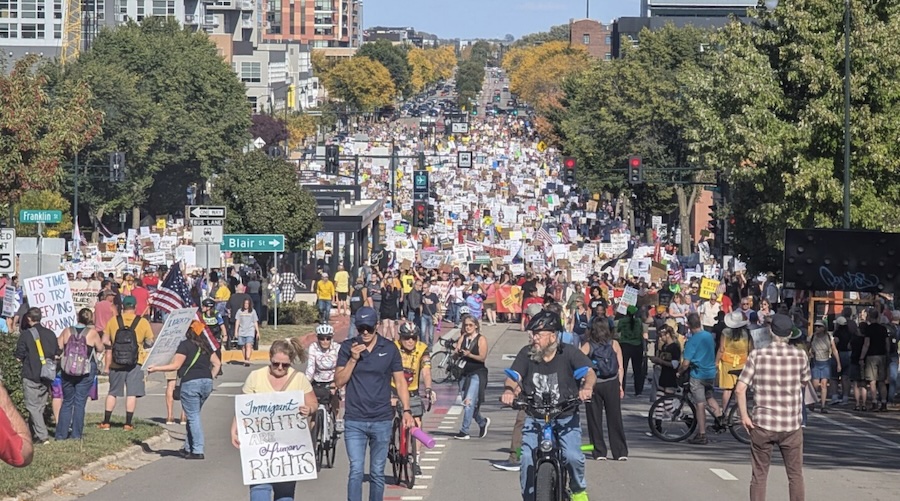
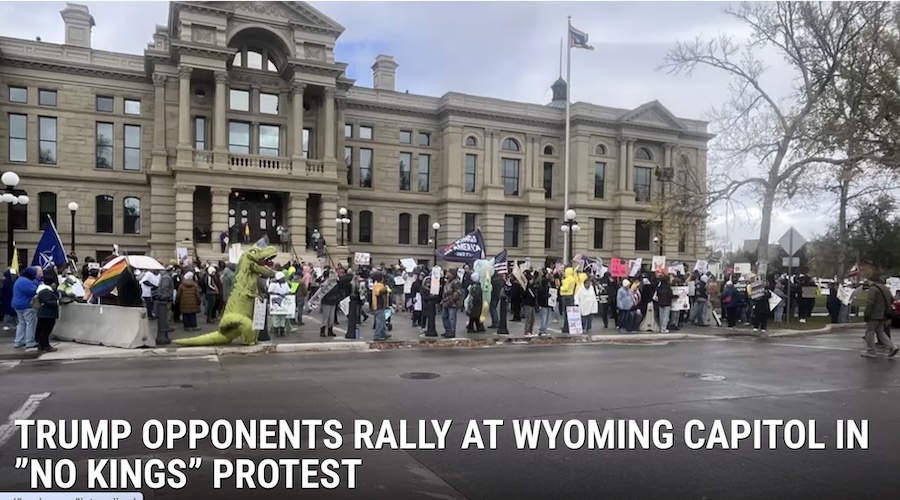
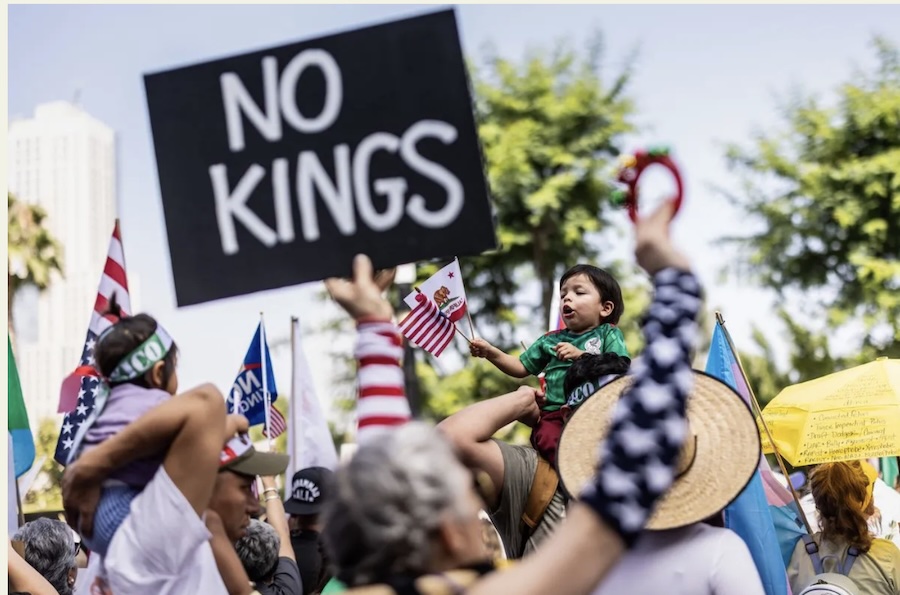
Two of the main mass mobilizations that have been successful in the past year have been the Tesla takedown protests and No Kings, which to me are two different iterations of what maybe is called “the autonomous liberal revolt.” I think that these efforts show that people are looking to express their anger and frustration and want to be able to do it in a way that feels not necessarily ideological or even socialist, but as a part of a fight against Donald Trump and fascism.
I think that the third most successful mobilization that had national impact was Zohran’s election. Where the rubber meets the road is obviously in elections because there are very few places where people who are socialists or even social democrats can win an election with just people who identify with those terms. You have to build a coalition across ideology and across demographics. Often the people — some of the younger populist socialist candidates — embody that fight against authoritarianism much better than the Democratic establishment.
LEAH GREENBERG
Pulling from that argument, around why there’s this crisis of faith right now, the fundamental proposition of Biden 2020 was that Trumpism was a temporary insanity that could be fixed by electing the most run-of-the-mill, most persuasive candidate. You’d get him in, the adults would be back in charge, things would be okay, and this fever would break. That was the promise. And a lot of people went for it or even grudgingly went for it. And so I think the basic issue that is happening right now is that there is no follow-on proposition or no follow-on promise from Democratic elected leadership that explains this moment.
It’s clearly not a temporary fever. MAGA is a force in American politics, and it is going to be a force for an extended period of time. How do you actually fundamentally get out of this situation where every four years, every election is a referendum on democracy and is a threat of authoritarian consolidation? I don’t think Democratic leadership has offered a meaningful theory that replaces the “this is a temporary fever” framing. Someone being able to successfully make a convincing proposition about this is actually how we shift our politics in a direction that doesn’t involve constant confrontations with the worst 30 percent of American society — I think that’s going to be the way that you break through.
ERIC BLANC
What I’d add to that is that this is in many ways a surprising dynamic for the Left, which is to say that the liberal vote is in many ways a surprising development for the socialist left. I don’t think that people were exactly prepared to see not just a repeat of Resistance 1.0, and it’s part of the reason we’re having this conversation today. There has been a shift toward trying to make sense of it, but I think we probably have to go further to be really concrete. For instance, DSA only just recently joined the No Kings coalition and I think that’s a good sign that people are trying to figure out how we work with this sort of broader liberal resistance movement.
But there was also a tendency sometimes to be a little bit condescending toward the No Kings protest, for instance. So when we’re thinking about how we relate to the liberal resistance, I think this is a good thing to keep in mind. Our major task right now isn’t only to differentiate ourselves from liberals — especially liberals who are out there fighting — but to engage with them and to be the best builders for No Kings rallies.
WALEED SHAHID
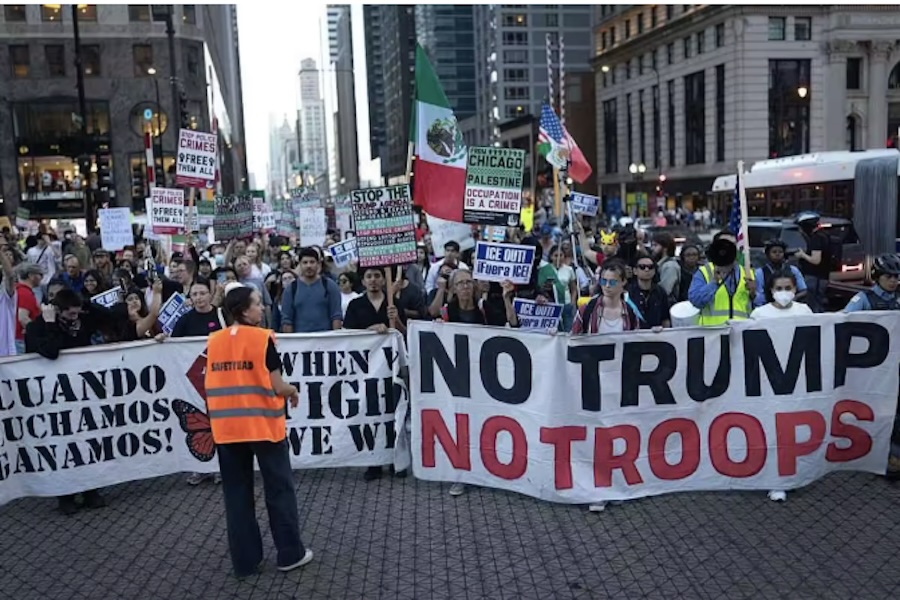
One other thing I’d add to the trajectory of Democratic Party liberalism: the Democratic Party establishment warning liberals about the threat of fascism is where immigration becomes a huge issue in the story, where, contrary to popular belief, white liberals tend to be a very big demographic in favor of immigrant rights in this country.
Just this past week from the right and left wing of Democratic Party liberalism, both David Brooks and Michelle Goldberg in the New York Times had columns about immigrant rights. Goldberg’s column was about immigrant rights groups that you should donate to for the holidays. David Brooks had a column about a church in Connecticut that’s helping undocumented immigrants and people seeking asylum from combating ICE [Immigration and Customs Enforcement].
I think that now, because the elected officials aren’t leading the fight on immigration as much, that creates such a huge opening for this class of people who really care about inclusion and pluralism and protecting the vulnerable to have autonomous ways of engaging that are filling a vacuum that isn’t being provided by the leadership class of their party.
LEAH GREENBERG
If I may offer the reverse, mirror image of that, I think the two early signs of the disjuncture between the base and elected leadership were H. R. 9495, the nonprofit-killer bill, which they tried to move in a bipartisan fashion immediately after the election, and then the Laken Riley Act in January. A very firm memory I have is trying to communicate to Democratic electeds that our base was genuinely alarmed and upset and did not understand why we would be offering Donald Trump more power around enforcement, on nonprofits, more power to go after immigrants and consolidate a secret police force — and getting somewhere between dismissal and contempt in reaction. And people saying, you know, not only do we disagree, but we disagree and this is why we lost the election.
Then by mid-February, when the calls and the volume and the anger was boiling over, having a lot of those people be like, “Why is everyone so mad?” Our reaction was, “We’ve been telling you this has been building. There’s actually just a consistent gap between the communications you’ve made to people about what you care about and the things you’re doing. And that’s coming back to attack you.” . . . .
DANIEL DENVIR
One really remarkable thing is that for the recent No Kings protest, there was a breakthrough agreement to have a Palestinian speaker and have a whole Palestinian liberation contingent in the No Kings protest. I think this was debated and decided among a group of grassroots liberal Resistance organizers in Rhode Island, and there was some dissension. But they ultimately came to a solid decision to coalesce with specifically Jewish Voice for Peace. That represents not just this breakthrough between the socialist left and left-liberal Resistance, but it was also a fundamentally intergenerational coalition because it was much more gray-haired people sitting on one side and much more millennial and Zoomer on the other.
(Article continued in the right column)
Questions related to this article:
The struggle for human rights, is it gathering force in the USA?
(Article continued from the left column)
LEAH GREENBERG
I think that mirrors a lot of where we’ve ended up in terms of the national framing. In the first No Kings march in June, I marched next to Ruwa Romman of Georgia who was one of the speakers. And we have tried to be really intentional about balancing the fact that No Kings is not an entity that has a platform — it doesn’t have a set of policy ideas that it’s advancing; it is a broad front against authoritarianism — and also being really clear about inclusion of voices that recognize the Palestine movement.
So there is a continued negotiation, and there’s a continued process of building together at the local level that has been ongoing, and it’s in different places, in different contexts. I do really think that that knitting together of the intergenerational context and the broad front is really important.
There are so many different threads that I want to respond to here. First, in terms of the 2020 cycle, we had a really extended conversation with our leaders in 2020 around whether we were we going to endorse in a presidential cycle. Should we endorse? Who are we for?
We have some data out of that that suggests that the top candidate among our folks was Warren, very strong. There was a strong but smaller Bernie faction. There were some folks who were kind of scattered around the different moderate candidates. Things shaped up in the later stages pretty quickly in a way that limits our ability to say who went where as different candidates came in and dropped out. But the bigger dominant feeling for folks was that they didn’t really think that a presidential endorsement was the top priority for locally based organizing hubs that often had a very strong foot in a local race or a congressional race or a broader suite of activism that they couldn’t disrupt in order to have some effect on the presidential race.
That was where people ended pretty consistently. We respected that very much on a national level after having that conversation. And so we have some sense of where people’s optimal politics are.
Also, people had a really different take on primaries overall during the first Trump term than they do this time around. That’s where people were, just practically speaking, on abundance. I think this has been one of the places where there is just a huge gap, as you put it, between the conversation that is preoccupying elite commentators and the conversation that is happening among grassroots activists and rank-and-file folks.
Because immediately after the election, I think there’s this very confusing moment where Abundance, which is a book that was intended for a Kamala Harris term or a second Biden term, gets kind of rebranded as an answer to why we lost and gets sucked into this super toxic discourse around the recriminations post-2024 and this extended set of arguments and discussions around remaking the party.
I can’t stress enough how much none of that was of interest to people who were freaking out about fascism — which is actually unfortunate in a lot of ways. As somebody who has a lot of enthusiasm for abundance politics myself, I think that conflation set the stage for a number of things that were not super healthy. And while I think you’ve done a lot of work trying to untangle those currents and appreciate that, the functional impact was that I think a lot of people who might well have been open to various parts of that argument mostly perceived it as kind of irrelevant to the questions of the day, which were, “What are we actually going to do to protect fundamental rights, to fight back against this massive onslaught?”
ERIC BLANC
The depth of youth radicalization that’s continued really puts a lie to one of the major talking points that happened after Trump’s reelection in 2024, which you might remember when there was this move from the establishment to fight against the groups and to say, “We need to pivot to the center, drop fighting for immigrants and trans people.” Part of the argument was, young people are making this dramatic shift to the center — if we don’t meet them — . . . . .
DANIEL DENVIR
One big shift that I’ve noticed between the first and second Trump administrations in terms of ordinary members of the liberal Resistance is a stronger emphasis on fighting the Trump regime, rather than derogatorily speaking about or demonizing ordinary Trump voters.
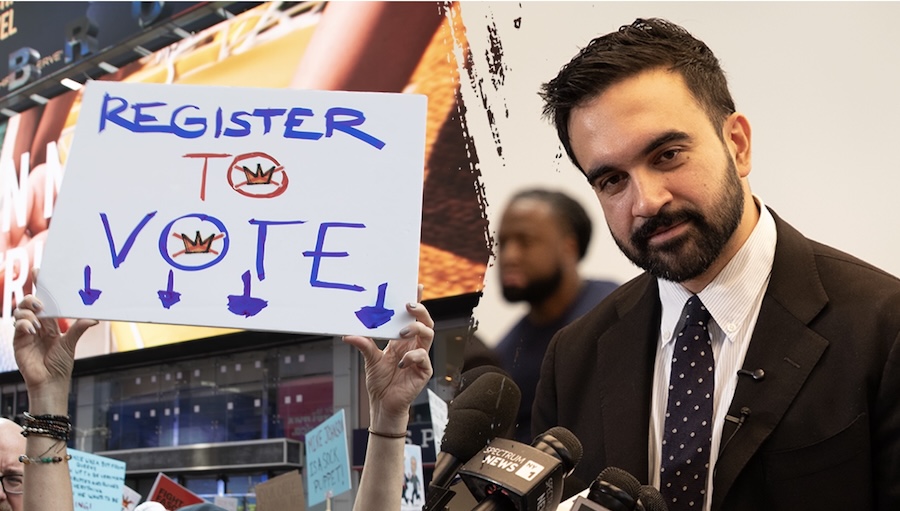
Notably, Zohran launched his campaign by standing on a street corner and asking people why they’d given up on Democrats and why they voted for Trump. And he went on about a year later to win those neighborhoods back.
Leah, you’ve touched on this, but we’re seeing this really powerfully right now through the anti-oligarchy framing, which was first put forward by Bernie and then AOC and these rallies and has become the dominant left and liberal way to interpret what’s happening right now. What it’s doing, I think very powerfully, is connecting the dots between economic and political authoritarianism.
But that really wasn’t part of the mainstream discussion or liberal Resistance discourse during Trump 1.0. What is it about the conditions of Trump’s second administration that have allowed for this anti-oligarchy framework to become perhaps the dominant one? And what sort of political work does that framing do?
LEAH GREENBERG
There are two pieces. First, the mask is fully off. You have a bunch of corporations that had a frame around corporate social responsibility, a frame around, for example, doing meaningful work to protect the 2020 election from sabotage. If you go and you look at the list of corporations that tried to donate to protect that election compared to who has donated to the Trump ballroom, I think the degree to which corporations have been very visibly avid and enthusiastic collaborators with the Trump and MAGA agenda — how even the corporations that people ostensibly think of as “good corporate citizens” have behaved, have gotten rid of their DEI policies, have trashed their climate policies, have donated to the Trump ballroom or to the inauguration — there is no meaningful, credible argument that delinks the consolidation of corporate power in this country from the consolidation of right-wing white Christian nationalist power. I think that is a revealing reaction.
The other thing is that there was no meaningful Democratic leadership interpretation of what was happening in the first four months. There was this powerful Fighting Oligarchy tour with Bernie and AOC making a really clear connection between what was happening on the corporate power side and what was happening in Washington. I think the fact that the act of stepping into that leadership vacuum was very important for linking those two things together.
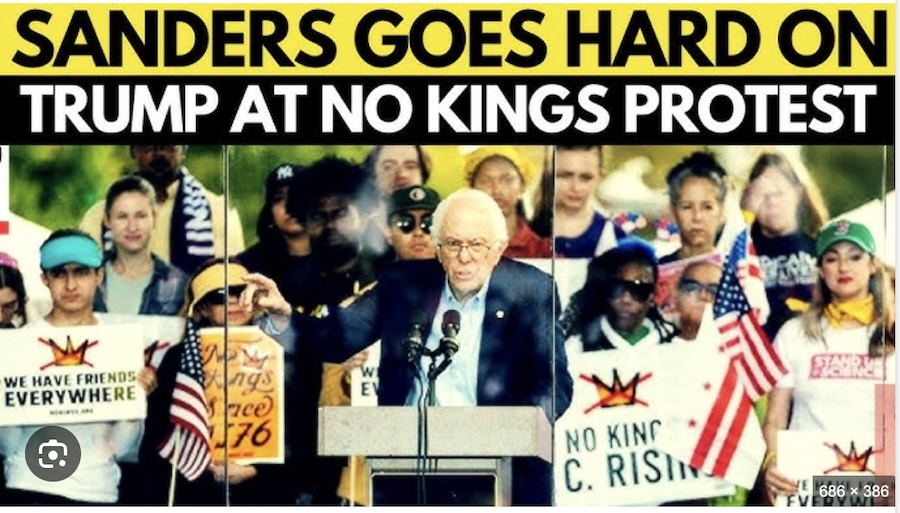
Now, there’s sometimes a framing that suggests that there’s a lot of daylight between a No Kings and a “No Oligarchs” frame. I think that that’s not particularly valid on the ground. What we’ve experienced is that there’s a lot of openness to an overarching story about corporate power. Bernie spoke at our most recent No Kings in Washington; he was the headliner. We do see people really making those connections. We see a lot of enthusiasm among our own folks for corporate campaigns, for theories of how you actually dissuade this kind of corporate collaboration and enablement. . . .
DANIEL DENVIR
Just look at Zohran — a huge victory — and at the way, generally speaking, NYC-DSA has been able to effectively build out their organization as a party-like formation with power and political independence, which is the gold standard for what the socialist left has been trying to do for a decade.
On the other hand, this proliferation of left insurgent campaigns is, by necessity, larger and broader than DSA and thus beyond its full control. Eric, how can DSA simultaneously stick to its focus and also help lead this broader set of currents? How does DSA help guide this broader front without liquidating its own identity and independence, which has been really important for the revival of left politics in this country?
ERIC BLANC
It was an overall huge step forward that after Bernie 2016, DSA started moving toward a new type of left politics electorally, which was different than really what was the dominant trend before then, which was just to support any progressive and sort of anything goes.
The reason that that was limited was not just about the politics, although that’s part of it, but it also just didn’t build your organization. It didn’t build an independent identity. It didn’t build power from below. You couldn’t get volunteers to be excited time and time again afterward. So New York City DSA in particular, but also [chapters] elsewhere throughout the country, were right to build a socialist wing and to develop a huge amount of volunteer infrastructure out of that.
I would flag that it’s still quite uneven across the country. There are a lot of DSA chapters that still just do progressive endorsements.
DANIEL DENVIR
Katie Wilson — who is a more than sufficiently left-wing challenger, she’s a socialist as far as I can tell — did not get Seattle DSA’s endorsement for reasons I don’t know about.
ERIC BLANC
I think there’s a difficulty in DSA now in how you respond to new terrain, where there are genuine left fighters who certainly aren’t DSA cadre, maybe they call themselves socialists or don’t, but they’re not necessarily sharing our politics.
There are also a lot of good and hard debates that need to be happening right now to figure out how we relate to someone like Graham Platner in Maine. How could you not want to go all in in Maine around someone like Graham Platner? My response in the internal debates in DSA on this stuff is — keep in mind, DSA arose out of, and we’re still basically in, the Bernie moment, right? Bernie was not a DSA cadre member. Our growth came largely out of, and in response to, Trump’s election but then also the Bernie moment, which was much bigger than DSA.
I think that there’s a possibility and necessity to walk and chew gum at the same time. What I mean by that is it makes sense for an organization like DSA to primarily focus on running socialist candidates. But particularly when there’s high-profile, very important battles in which you have essentially a Berniecrat running, I do think you need to be more flexible.
WALEED SHAHID
I was someone who worked hard to get DSA to endorse Cynthia Nixon and also, on the other side, to get Cynthia Nixon to be open to the DSA endorsement. Same with AOC; same with Jamaal Bowman. Endorsements go both ways.
I think it’s a genuinely difficult problem in the American political system because elected officials in this country are much bigger than any organization or even party. We have a uniquely individually driven political system where every elected official ultimately ends up becoming their own small business owner and running their own brand.
DANIEL DENVIR
Following up on some points that Waleed made earlier, why is the Democratic establishment the way that it is? Why do it and its favorite media mouthpieces so stubbornly cling to convention even as conditions become so clearly entirely unconventional? Why are they so resolutely in denial of or hostile to their base? Why do they insist on concepts like “popularism” when they just mean moderation and triangulation?
WALEED SHAHID
I was recently on a panel with someone from the WelcomePAC, which is one of these PACs that are political outfits attempting to elect “heterodox Democrats.” So what they mean by heterodox is anti-trans, often pro-life Democrats, anti-choice Democrats, pro-fossil-fuel Democrats, people who are a little bit more right-wing on immigration.
The moderator asked me and this other person, “Do either of you feel welcome in the Democratic Party?” Both of us said no. Then she asked, who is the Democratic Party for then? It was a challenging question where I’m like, I think that who the Democratic Party is for is embodied in the politics of the leadership of the party, which is, how do you create the math equations that will get you to 50 percent? How do I manage the coalition in a way and manage the groups and manage the message in such a polished way so that adds up to 50 percent — rather than just being a person a leader in the world and trying to mold a consensus?
It reminds me of the Whig Party in the nineteenth century where it doesn’t really add up. . . . The politics of the leadership and the politics of the establishment class is vote for me, because what else are you gonna do?
ERIC BLANC
I would add that I think Trump winning is not an existential threat to them, but the left insurgents taking over the Democratic Party is an existential threat to that establishment class. That explains a lot of their behavior, because the reality is if we can both defeat Trump and do that in a way that is closer to Bernie politics than to fifty years of neoliberalism, all of them just lose their jobs. But it also proves them wrong about saying that the way you win is pivoting to the center.
LEAH GREENBERG
The vast majority of Democratic elected are lawyers with degrees from Ivy League institutions or business owners. They are not themselves in any meaningful way credible representatives of the working class. The fact that that was often not even part of the conversation suggests some of the deeper problems.
CONTRIBUTORS
Eric Blanc is an assistant professor of labor studies at Rutgers University. He blogs at the Substack Labor Politics and is the author of We Are the Union: How Worker-to-Worker Organizing is Revitalizing Labor and Winning Big.
Waleed Shahid is the director of the Bloc and the former spokesperson for Justice Democrats. He has served as a senior adviser for the uncommitted campaign, Alexandria Ocasio-Cortez, and Jamaal Bowman.
Leah Greenberg is co–executive director of the Indivisible Project.
Daniel Denvir is the author of All-American Nativism and the host of The Dig on Jacobin Radio.
– – – – – –
If you wish to make a comment on this article, you may write to coordinator@cpnn-world.org with the title “Comment on (name of article)” and we will put your comment on line. Because of the flood of spam, we have discontinued the direct application of comments.

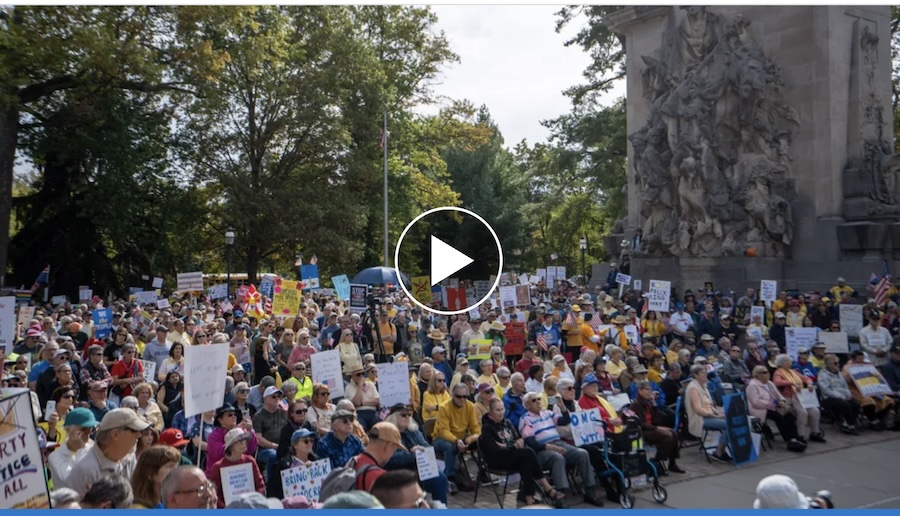
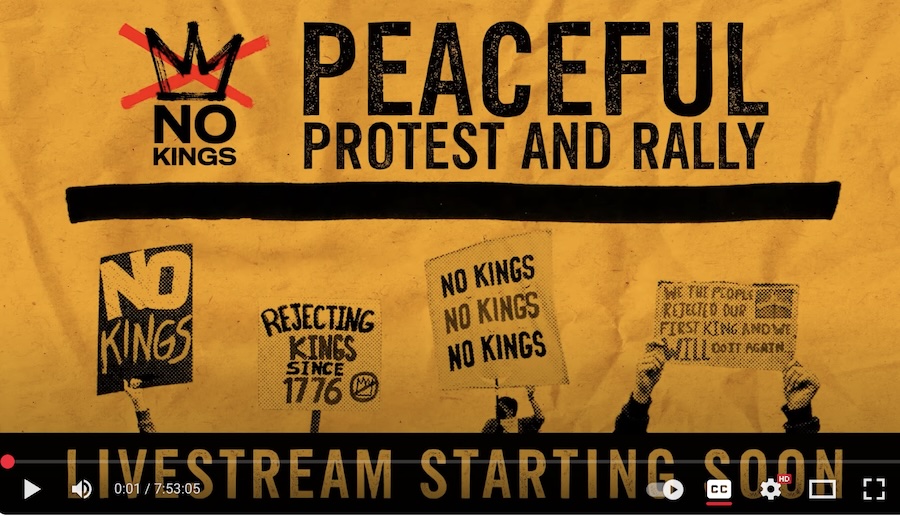 Video of No Kings Day