Tag Archives: Africa

African Union: Interview with Special Envoy for Women Peace & Security

. WOMEN’S EQUALITY .

An article from The African Union

In line with the implementation of various programs by the African Union marking 2019 as the year dedicated to refugees, returnees and internally displaced people and galvanizing global visibility on the issues of forced displacements in Africa, the AU Special Envoy on Women, Peace and Security Mme. Bineta Diop shares the findings of her visit to the “Triangle of Death. In the first of a two-part series of “the plight of women and girls as forcibly displaced persons; deliberate actions towards sustainable solutions”,’ she also gives insights into why women and girls are worst affected in the appalling situation of forcibly displaced persons.

1. The adverse effects of forced displacement are more pronounced for women and girls, who ordinarily are less advantaged even in stable communities. 
What unique challenges confront women and girls who are refugees, returnees and IDPs

Migration is the fabric of more inclusive, tolerant and diverse societies. Migration has over the years, enriched cultures and civilizations, with migrants contributing to major advancements in their host societies, hence, the African Union’s call for ease of regional trade, free movement and the introduction of the African Passport, all of which are flagship projects of Agenda 2063. The migration of persons then, only becomes an issue of concern in the context where people are forced to flee their homes. Forced displacement is the worst kind of people’s movement as it means not only losing a home, but entails a disruption of one’s dreams, plans, identity and moving to unfamiliar territories with hopelessness and fear.

The adverse effects of forced displacement are more pronounced for women and girls, who ordinarily are less advantaged even in stable communities. There is a pervasive culture of discrimination, and sexual and gender-based violence are a daily reality. These vices destroy the lives of our women and girls and has devastating consequences to the society at large. As you know, rebuilding a psychologically broken person is not as easy as rebuilding infrastructure. Often times these scars remain for life thereby affecting future generations as women are the nurturers of the young.

Moreover, women, children and family members of actors in the conflict situations are more prone to becoming targets and weapons of war. The Chibok girls are a case in point. In many cases this happens to a whole community of wives and children who are left behind by their husbands and sons.

In 2017 July, I was part of the UN-AU high level Solidarity Mission to the Republic of Nigeria and the Democratic Republic of Congo (DRC). In both countries, the delegation met grass root women leaders, and the Chibok Girls, who have been rescued from Boko Haram.  There are big camps for IDP’s including the Dalori camp in Nigeria, and the Mugunga IDP camp in the Democratic Republic of Congo. We held a focus group discussion with women IDPs to further gain understanding and learn from their experiences: which are very similar. The women end up trading sex for food, or end up being raped. It is not only sexual violence that they face.

(Article continued in right column)

Questions for this article

Can the women of Africa lead the continent to peace?

(Article continued from left column)

During the same mission we visited an area commonly known as -‘Triangle of Death’- i.e. Beni, Ouicha and Bunia, where we met women refugees living in the most atrocious situations. They had settled, built their huts and were looking after their kids. Earlier that week, they had gone out to fetch firewood and water, and upon their return they saw from afar smoke and the ruins of their huts. Militia men had come and destroyed the whole camp and moved on. This is not uncommon in camps. Women are double victims and the cycle goes on, which is really tragic.

2. Geographically, which areas face these challenges and why?

It is important to note that the issue of refugees and IDPs rarely remains a national issue, it also adversely affects the whole region.

In Africa, recent data shows that the continent hosts at least 6.2 million refugees and asylum seekers. Moreover, the number of IDPs is ever increasing and currently stands at over 16 million. These people are distributed throughout Africa, but mostly in the Sahel, Central Africa, in the Horn of Africa and other volatile places on the continent, such as Libya.  One unfortunate fact is that the trend of people’s displacement and sexual violence worsens as the conflict goes on. It is important to note that the issue of refugees and IDPs rarely remains a national issue, it also adversely affects the whole region. Currently, the G5 is suffering from violent extremism, with the Boko Haram and other violent extremist groups finding their breeding ground and transferring their terrorist activities into neighboring countries thereby destabilizing the region.  

3. Why should forcibly displaced African women and girls residing outside the continent look forward to returning back home?

Despite the common perception and depiction that African migrants and refugees move mostly to Europe, statistics indicate that more than half of migrants and refugees remain on the continent. At the global scale, Africa hosts a third of the world’s refugees and IDPs. This fact has to be interrogated in view of the fact that the host countries host them at great cost to their fragile economies. Moreover, there seems to be fatigue on the part of partners who are not so willing to support the host governments financially, or take on refugees as third country hosts.  Therefore, it is imperative that our solutions be inward looking.

These movements are not necessarily, motivated by pull factors but rather by the push factors. These are mainly insecurity- conflict, poverty and climate change. Devastating droughts have led to refugees crossing onto neighboring countries. This understanding helps us to prioritize our strategy. Women and children are running away in search of safety and security. Therefore, the best way to secure the women and children is to ensure sustainable peace, which in turn will assure development.

It is important to keep in mind that the other face of a migrant and or refugee is that of the youth. The youth, and here I’m referring specifically to the migrants, leave their home countries aspiring for better socio-economic conditions and the potential for access to education and job opportunities. Creating a peaceful environment therefore needs an all-inclusive cross cutting peace building and reconciliatory process where women, youth and other victims are represented. Such dialogue and reconciliation platforms and infrastructure, as well as youth employment has to be prioritized at all levels, including under the AU-UN Joint framework. 

In the second part of this series, Mme. Bineta Diop shares her insights into the synergy in interventions to address the challenges that remain, and how to avert an emergence of new crises. The second part will be published in the July edition of the AU Monthly Newsletter.

A reflection contributions by African women to peace and security agenda in the continent

. WOMEN’S EQUALITY .

An article from The African Union

The African Union (AU) advocates for the meaningful participation and leadership of women and their efforts towards silencing the guns, enhancing good governance, democracy, respect for human rights, justice, the rule of law towards a peaceful and secure Africa as outlined in Agenda 2063. In recognition of African women who have exceptionally advanced the women, peace and security agenda in Africa, the African Union and the United Nations will publish a commemorative book to celebrate the contribution of women in achieving Aspiration 4 of Agenda 2063 and as part of the activities for the 20th anniversary of the United Nations Security Council Resolution 1325 on women, peace and security

In July 2019, The African Union Commission (AUC) and the United Nations Office to the African Union (UNOAU) launched the call for nominations of African women who have exceptionally advanced the women, peace and security agenda in Africa. The selected women will be featured in an upcoming commemorative book set to be launched in the year 2020. View the Nominations Page Here

Twenty (20) African women will be featured in the book. A chapter will be dedicated to each woman to share her story or contribution to either of the four pillars of Resolution 1325 namely; prevention, protection, participation and/or relief and recovery as part of the peace and security activities.

The book aims to send a message of encouragement to women across our continent and in the rest of the world, by reflecting the exceptional stories and contributions of women to peace and security on the continent and serve as a learning experience and motivation to other women, especially young women involved in mediation, peacebuilding and peacekeeping activities.

(Article continued in right column)

Questions for this article

Can the women of Africa lead the continent to peace?

(Article continued from left column)

The commemorative book will be launched at the margins of the 33rd Ordinary Session of the Assembly of State and Government of the African Union (AU Summit), scheduled for February 2020 at the African Union headquarters in Addis Ababa, Ethiopia. This will also align with the launch of the African Union theme of the year 2020 on Silencing the Guns: Creating Conducive conditions for Africa’s Development.

The AU’s commitment to promoting women’s participation in the peace and security agenda and in Africa’s overall development is demonstrated in its policy formulation and allocation of resources – human, institutional and financial- towards attaining gender equality and women’s empowerment, as a critical goal and strategy in the realisation of Aspiration 6 of Agenda 2063 that recognises the centrality of women in Africa’s development. These efforts also act as a catalyst the achievement of the goals of UN  Security Council Resolution 1325 to further drive the women agenda in the peace and security architecture.

In 2014, Mme. Bineta Diop  was appointed as the AU Special Envoy on Women, Peace and Security mandated to promote and elevate the voices of women in conflict prevention, management and resolution, as well as advocate for the protection of their rights, including putting an end to sexual and gender-based violence. Her efforts are also complemented by other mechanisms such as the Network of African Women in Conflict Prevention and Mediation – commonly known as FemWise-Africa. FemWise-Africa has vigorously mobilised women and girls from all over the continent and the Diaspora as it aims to promote and professionalise the role of African women in mediation processes, conflict prevention and peace-making efforts. 

Over the years, Africa has also developed strong, progressive and articulate policies to support the commitment towards the realisation of real transformation for gender equality and women’s empowerment. To ensure effective assessment of, and reporting on the delivery of the commitments at the continental, regional and national levels in Africa, the AU Continental Results Framework (CRF) for Monitoring and Reporting on the Implementation of the WPS Agenda in Africa is a key reference tool and it provides twenty-eight (28) indicators for tracking and reporting on the implementation of the WPS Agenda. 

Read- Continental Results Framework (CRF) for Monitoring and Reporting on the Implementation of the WPS Agenda in Africa.
 
For More Information, read : CONTINENTAL RESULTS FRAMEWORK

Women from several African countries trained in the culture of peace

. WOMEN’S EQUALITY .

An article from Abidjan News (translation by CPNN)

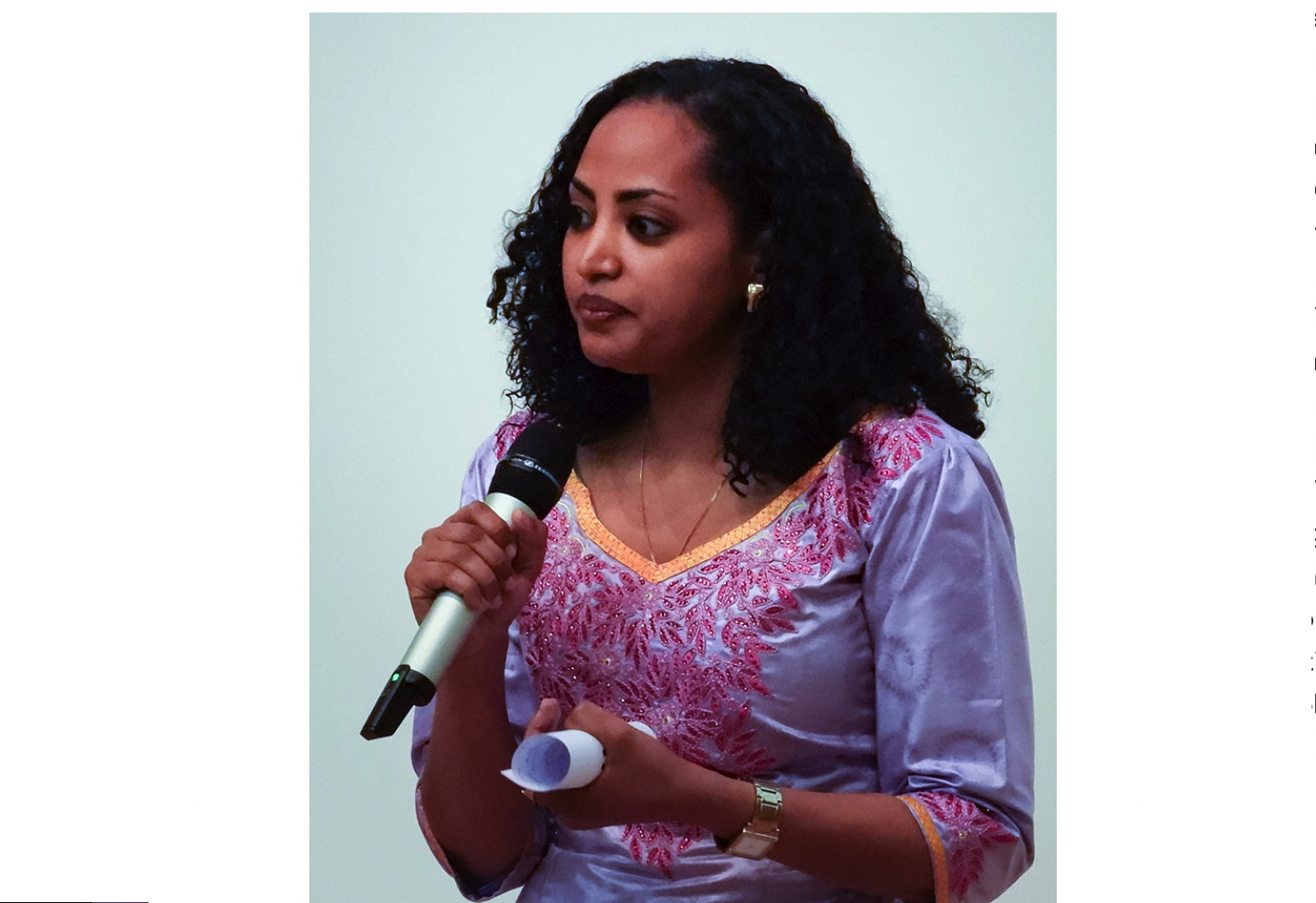
Delegations of women from several African countries have been participating, since Tuesday, June 29, 2021, in Yamoussoukro, in a training workshop in peace education and socioeconomic empowerment. The workshop is organized by the Houphouët-Boigny foundation for the search for peace, the conference of ministers of youth and sports of the Francophonie (CONFEJES) and the organization of the Islamic world for education, science and culture (ICESCO).


Dr Diénéba Doumbia at the microphone

(Article continued in right column)

(Click here for the original in French)

Questions for this article

Can the women of Africa lead the continent to peace?

The Houghouët-Boigny Foundation of Yamoussoukro: what is its contribution to the culture of peace?

(Article continued from left column)

“This workshop is an opportunity for training, and also a space for sharing experiences and actions carried out in our countries”, noted the secretary general of the Houphouët-Boigny Foundation, Prof. Jean-Noël Loucou. He affirmed the determination of his institution to follow it up “to increase efficiency on the ground.”

The training is provided by the regional center for education and the culture of peace (CRECP), a structure housed at the Houphouët-Boigny foundation with the vocation of strengthening the capacities of educational executives and others in the political, administrative and economic spheres of French-speaking African states that are members of ICESCO.

CRECP has thus already trained educational executives, communication professionals, human rights advocates and youth associations, it was recalled.

“Women cannot remain on the sidelines of our priorities. For this, we need to take into account the issue of gender and education for a culture of peace as a new and promising theme allowing everyone to truly play the role of mediators, educators, actors. of peace and reconcilers,” underlined the director of CRECP, Dr Diénéba Doumbia.

Mentoring: around fifty women at the WANEP-GUINEA school

. WOMEN’S EQUALITY .

An article by Abdoulaye Barry in RTG Koloma (translation by CPNN)

In order to allow women to further develop the culture of peace, the Wanep-Guinea network through its project called “Mentoring of Young Women” under funding from USAID, opened a training workshop on Tuesday, June 29, 2021with the participation of about fifty women. The training enables a sharing of experiences between women with strong experience in their professional career and young women at the start of their careers.

According to the Chairman of the Board of Directors of Wanep-Guinea, Joseph Togna Doré, “the development of a mentoring process for the promotion of young women in our country through meetings for exchange and sharing of experience is at the heart of the major concerns of the Wanep-Guinea network and its member organizations. It is for this reason that we initiated this project which was funded by USAID with our partners the CRS in order to allow the communities of Conakry and those of Upper Guinea to develop the culture of peace. The goal is to develop greater prosperity and coherent development for these young women, ”said the Chairman of the Board of Directors of the Wanep-Guinea network.

(Article continued in right column)

Questions for this article

Can the women of Africa lead the continent to peace?

(Article continued from left column)

While inviting the participants to redouble their efforts for a Guinea of ​​peace and prosperity, the President of the Board of Directors of WANEP-GUINEE “hopes that this day of training” will lead to the commitment of each of the participants for the achievement of the expected results of this project ”.

Coming to share her experiences with these young women, Madame Fatou Souaré ANN Executive Director of the NGO Wafrica-Guinée (Femmes Afriques) finds this training very important. ”It will allow us the elders to make available to young women our experiences and knowledge. It’s a sharing of experience, because there are girls among you who have knowledge that our elders do not know being of the digital generation. This workshop will allow you to go through paths where you will not be faced with great difficulties like us. We are here to tell you to take advantage of this training. And you invite each of you to find a mentor who is a guide. People to whom you must go and who will guide you on the right path. We who share our experiences with you today are always looking for mentors to guide us and assist us in our various actions.”

For Batouly Kaba Deputy National Director of the Ministry of Women’s Rights and Empowerment, “The question of the protection and promotion of the rights of young women, in the management, prevention and consolidation of peace in professional bodies is one of the government’s priorities ”.

This is why, she adds. “It is undeniable that our country will continue to be sick if we do not change the paradigm of excluding women who make up 52% ​​of the population. The objectives of the project are noble and perfectly match those of the department of women’s rights issues.”

(Click here for the original in French)

Nigeria: Osun, Kaduna First Ladies emerge leaders of governors’ wives forum

. WOMEN’S EQUALITY .

An article from Priscilla Ediare, Ado-Ekiti in The Sun

The First Ladies of Osun and Kaduna States, Mrs Kafayat Oyetola and Mrs Hadiza El-Rufai have been elected chairpersons of the Southern Governors’ Wives Forum and Northern Governors’ Wives Forum respectively.

Their election was contained in a Statement signed by the Wife of the Governor of Ekiti State and Chairperson of the Nigerian Governors’ Wives Forum (NGWF), Erelu Bisi Fayemi and made available to journalists on Thursday.

Erelu Fayemi congratulated the duo, stressing that she was optimistic that their emergence as new leaders will further help the Forum to work together “in solidarity across boundaries” in addressing issues of mutual concerns.

Mrs Fayemi who noted that the Wives of Governors have always played discreet but active roles in providing support for their husbands, stated that members of the Forum can contribute in their little ways towards the development needs of the country.

(Article continued in right column)

Questions for this article

Can the women of Africa lead the continent to peace?

(Article continued from left column)

She noted that the Forum had succeeded in ensuring increased participation of women in governance, building a culture of peace in communities across the country and advocating access to education for girls.

The Ekiti State First Lady identified other efforts of the Forum to include provision of women healthcare needs, economic empowerment, advocating against drug abuse and responding to curb sexual and gender-based violence.

She commended the First Lady, Dr Aisha Buhari for all her encouragement and support for the works handled by the Governors’ Wives.

“On behalf of the Nigerian Governors’ Wives Forum, I hereby congratulate Mrs Kafayat Oyetola, First Lady of Osun State, the newly elected Chair of the Southern Governors’ Wives Forum and Mrs Hadiza El-Rufai, First Lady of Kaduna State and new Chair of the Northern Governors’ Wives Forum. Wives of Nigerian Governors have always played a discreet, yet active role to support the efforts of their husbands. By working together in solidarity across boundaries, we can address issues of mutual concern to us.”

“Through our collective work in responding to sexual and gender-based violence, access to education for girls, women’s healthcare needs, economic empowerment of women, advocacy against drug abuse, increased numbers of women in public life and building a culture of peace in our communities, we can contribute in our own small way towards the development needs of our country. I also thank HE (Dr) Aisha Buhari, First Lady Federal Republic of Nigeria, for all her encouragement and support for the work that we do as Governors’ Wives”, she said.

African women propose a 10-year plan for gender equality in Africa at the Generation Equality Forum in Paris

. WOMEN’S EQUALITY .

A press release from APO reprinted by Africa Newsroom

The proposed Kinshasa Declaration, launched today at the Generation Equality Forum [Paris, July 2], outlines concrete actions for African Union member countries to advance gender equality in Africa by 2030; The proposed Kinshasa Declaration calls for doubling the number of women’s organizations that can access funds from national economic stimulus programs and external funding.

A delegation of African women led by Her Excellency Madame Gisèle Ndaya, Minister of Gender, Family and Children of the Democratic Republic of the Congo and Madame Julienne Lusenge, gender expert on the Panel of Experts in charge of accompanying President Félix-Antoine Tshisekedi Tshilombo during his presidency of the African Union for 2021/2022 shared the proposed Kinshasa Declaration on the sidelines of the Generation Equality Forum (bit.ly/3wdRHDZ)  being held in Paris from June 30 to July 2.

The proposed Kinshasa Declaration, drafted during the Conference on Gender Equality held in Kinshasa on June 10, is the result of a large mobilization of pan-African groups including youth, civil society, researchers, government officials, activists and international organizations. One of the main objectives of the conference was to show the collective capacity of the participants and organizers  to foster a more just world, where gender equality is no longer a struggle but a reality for future generations.

(Article continued in right column)

(Click here for a version in French)

Questions for this article

Can the women of Africa lead the continent to peace?

(Article continued from left column)

The proposed Kinshasa Declaration builds on existing texts on gender equality in Africa and a series of new recommendations. Its goal is to encourage the member states of the African Union to expand their actions in favor of gender equality and to put in place strong systems to evaluate progress.

For the Minister of Gender, Family and Children of the DRC, Ms. Gisèle Ndaya, this declaration offers concrete proposals for the member countries of the African Union. She highlighted that “one of the key recommendations of the declaration is to campaign for a quota system of at least 40% of women, including 10% of young women under 35 years of age in national government bodies, and in elective and nominative positions, by 2030, in order to increase the rate of women’s participation in decision-making bodies on the African continent. ”

Julienne Lusenge, member of the Panel of Experts in charge of accompanying the DRC during its chairmanship of the African Union for the year 2021/2022 said: “This proposed declaration makes a crucial contribution to the AU Strategy for Gender Equality and Women’s Empowerment by proposing concrete actions and tools for measuring success towards gender equality in Africa by 2030. Through this proposed Declaration, we call for, among other measures, the development and strengthening of human rights and culture of peace curricula in at least 50% of primary and secondary schools, including the integration of age-appropriate information on existing laws, conventions, and action plans with a focus on gender equality and positive masculinity by 2030. ”

According to the delegation, the proposed Kinshasa Declaration will be shared with African Union stakeholders, member states, civil society, international organizations and relevant bodies within African governments after the Generation Equality Forum. The objective is to the adoption of this Declaration at the next meeting of the African Union in 2022.

Gabon: Youth for the Culture of Peace

. TOLERANCE & SOLIDARITY .

An article by Jerry Bibang, special to CPNN

The Pan-African Youth Network for the Culture of Peace, Gabon section (PAYNCoP Gabon) recently launched, in Libreville, a project to promote the culture of peace and fight against violence in schools.


(Click on image to enlarge)

In Gabon, violence in schools has reached worrying proportions, according to a recent study conducted by UNICEF in partnership with the Gabonese government. Approximately, 79% of the actors of the education system are victims of verbal or psychological violence; 59% are victims of physical violence and 50% are victims of sexual violence. Aware of this state of affairs, the Government has drawn up a national strategy to strengthen the response to violence in schools.

(continued in right column)

(Click here for the original French version of this article)

Question related to this article:
 
Youth initiatives for a culture of peace, How can we ensure they get the attention and funding they deserve?

Can a culture of peace be achieved in Africa through local indigenous training and participation?

(continued from left column)

The project to promote the culture of peace and fight against violence in schools, initiated by PAYNCoP Gabon and supported by the French Development Agency (AFD) is part of this national strategy to strengthen response to violence in schools.

The initiative will sensitize key actors (supervisory staff, students, parents of students) on the effects of violence in schools, train them on the culture of peace and peaceful conflict resolution. In order to engage students in the continued promotion of the culture of peace within the school, the project also plans to create a club of young peacemakers within the school.

For Jerry Bibang, the coordinator of this initiative, “this is a pilot experience that is part of our activities to promote the culture of peace, in connection with government action. If the experience is positive, we plan to extend this project to other establishments in the capital but also to the interior of the country ”

The project involves several key players, including supervisory staff, students, teachers and parents, in an inclusive and participatory process.

Young African Feminists Demand Action From World Leaders Ahead of UN Women Generation Equality Forum in Paris

. WOMEN’S EQUALITY .

A press release from the Nala Feminist Collective (Nalafem)

Twenty six years after the unanimous adoption of the Beijing Declaration and Platform for Action  as a global agenda for women’s empowerment and gender equality by world leaders including Hilary Rodham Clinton, H.E. Joyce Banda, H.E. Ruth Cardosa and H.E Nana Konadu Agyeman Rawlings, the Nala Feminist Collective (Nalafem); a  Pan African group of 17 young feminists with a mission to foster and mobilize young women from Africa and the diaspora, advocate for Africa Young Women B+25 Manifesto; a groundbreaking political document that sets out ten critical issues of concern for young African women. The manifesto calls on world leaders to scale up action for progressive gender inclusion and will be presented at the upcoming Generation Equality Forum in Paris.

Ahead of the Generation Equality Forum, the Nala Feminist Collective, chaired by Aya Chebbi, will be officially launched at a virtual press conference on Wednesday, June 23rd, 2021 at 2:00PM GMT. The press conference will introduce the 17 young women from across Africa who make up the Nala Council, as well as the outcome of the mobilization achieved for the Africa Young Women B+25 Manifesto, to the public.

Nala Feminist Collective will also be hosting a high-level side event during the GEF Paris Forum  on July 1st, 2021 at 9:20 AM GMT called the “Africa Young Women United for the Decade of Action”. Speakers at this event include  H.E. Filsan Abdulahi; Minister of Women, Children and Youth of the Federal Republic of Ethiopia, Hon. Emma Theophelus; Deputy Minister of Communication, Information and Technology of the Republic of Namibia and Vanessa Nakate; Climate Justice Advocate from Uganda.

According to Aya Chebbi, Chair of the Nala Council, “The manifesto demands progress, not promises, for gender equality. Enough is enough, we are not waiting 108 more years to receive what should already be ours. We will seize the momentum to leave our mark at the Paris Forum in two weeks’ time because generation equality cannot afford to move forward without Africa.”

(Article continued in right column)

Questions for this article

Can the women of Africa lead the continent to peace?

(Article continued from left column)

Aya Chebbi is the chair of the Nala Council who served as the first ever African Union (AU) Special Envoy on Youth and is the youngest diplomat at the Africa Union Commission Chairperson’s Cabinet. In an attempt to bring Young African Women and African Women’s issues closer to the global forum, Aya, in her capacity as AU Special Envoy on Youth, convened over 1,500 young people from across 44 African countries in five regional Barazas  and a Global Intergenerational Dialogue which culminated in the Africa Young Women Beijing+25 Manifesto.

The Manifesto has received groundswell and political support with over 10,000 signatures from young people across Africa and beyond, as well as leaders such as H.E. Mme Phumzile Mlambo-Ngcuka, UN Women Executive Director who stated that “the Africa Young Women Beijing+25 Manifesto is the part of the actions that we are going to take in Generation Equality as we need African youth energy and dynamism”, H.E. Mme Bineta Diop; the AU Special Envoy on Women, Peace and Security, and Amb. Delphine O; Ambassador-at-large and Secretary General for the Generation Equality Forum (Beijing+25), who said “I am impressed by the number of the young women who have participated from 44 Countries, and by the demands. I am glad to see that the demands overlap and contribute to the Action coalitions of Gender Based Violence, the Economic Justice and Rights, and Sexual and Reproductive Health and Rights”.

This is an opportunity for young women to articulate their concerns and secure a clear and unreserved commitment by the Generation Equality Forum and Action Coalitions Leadership. The Generation Equality Forum is convened by UN Women and will be held in Paris from June 30 to July 2, 2021  to drive urgent action and accountability for gender equality. 

Show support for the progress of young Africa women towards equality by signing the Africa Young Women Beijing+25 Manifesto here

Register to attend the press conference here

And learn more about the Nala Council Members here.

* * * * *

About Nala Feminist Collective

Nala Feminist Collective aka Nala is a Pan-African group of 17 feminists with a mission to foster, enable and mobilize young women from Africa and Diaspora, while bridging the gap between policy and implementation, intergovernmental and grassroots, as well as generational spaces. Nala is guided by the Africa Young Women Beijing+25 Manifesto targeting the political, digital and offline spaces, and works in the areas of Advocacy, Research and Fellowships. Learn more about NalaFem by visiting www.nalafem.org  

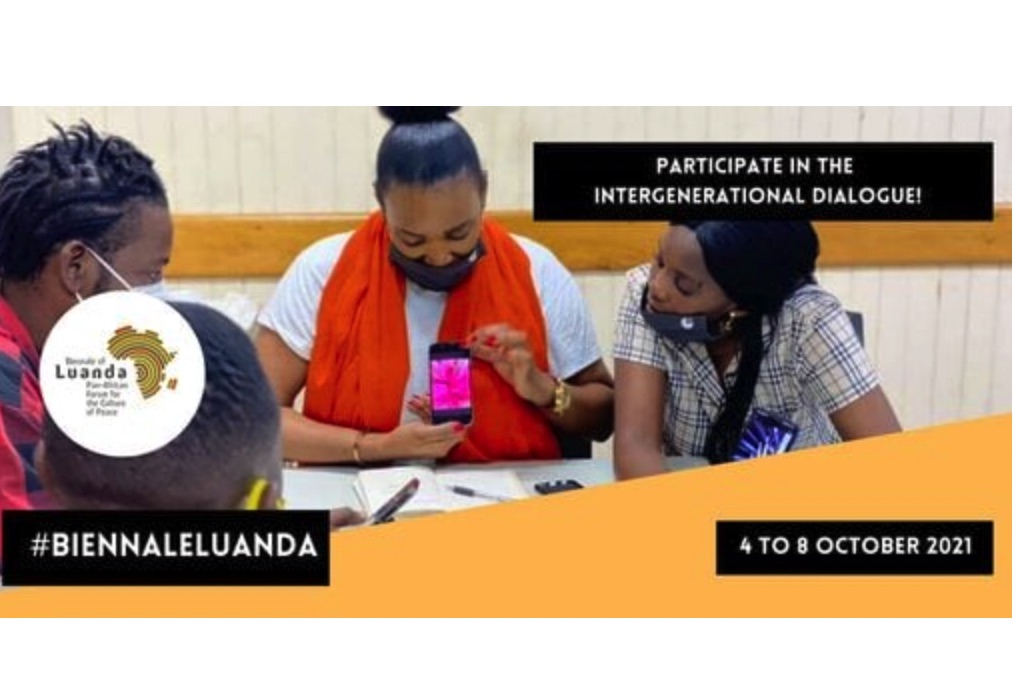
Involving the African Youth in the Biennale of Luanda!

. TOLERANCE & SOLIDARITY .

An article from UNESCO

An Intergenerational Dialogue will open the second edition of the Biennale of Luanda on October 4, and will provide an opportunity for participants to discuss the following theme: “Cultural and heritage diversity of Africa and its Diasporas: firebrand of conflicts or breeding ground for peace?.” 


© Emily Pinna

An Intergenerational Dialogue

150 young people (from all AU countries and the Diaspora) will be invited to take part in this Dialogue. These young people will be selected from among members of National Youth Councils, National Coordinating Bodies of the Pan-African Youth Network for a Culture of Peace (PAYNCOP) and other youth leaders and organizations, through a call for applications. 

(continued in right column)

Question related to this article:
 

The Luanda Biennale: What is its contribution to a culture of peace in Africa?

Youth initiatives for a culture of peace, How can we ensure they get the attention and funding they deserve?

(continued from left column)

The young participants will discuss with Heads of State and Government, Ministers in charge of Youth / Culture, Commissioners of the AU and Regional Economic Communities in charge of Youth, representatives of the United Nations, international organizations and technical and financial partners invited to the Biennale. 

An Online Dialogue!

In addition to these 150 selected young people, other young people will also participate virtually from their respective countries; decentralized participation, scaled up through digital platforms such as social networks, will be facilitated by UNESCO Field Offices, AU Liaison Offices, National Commissions for UNESCO, in partnership with Universities and Schools, digital campuses of the University Agency of the Francophonie, French Institutes and any other interested structure or entity. 
 
In connection with the Theme of the year of the African Union, the participants will assess the state of peace and security through the prism of the coexistence of multiple cultural identities of Africa; and, secondly, to question the relationship of young people to their culture and how they build their cultural identity in their relationship to otherness.  

The selection campaign of the candidates will open on 30 June 2021!

Mali National Restitution Conference: Women propose possible solutions

. WOMEN’S EQUALITY .

An article from Mali Web

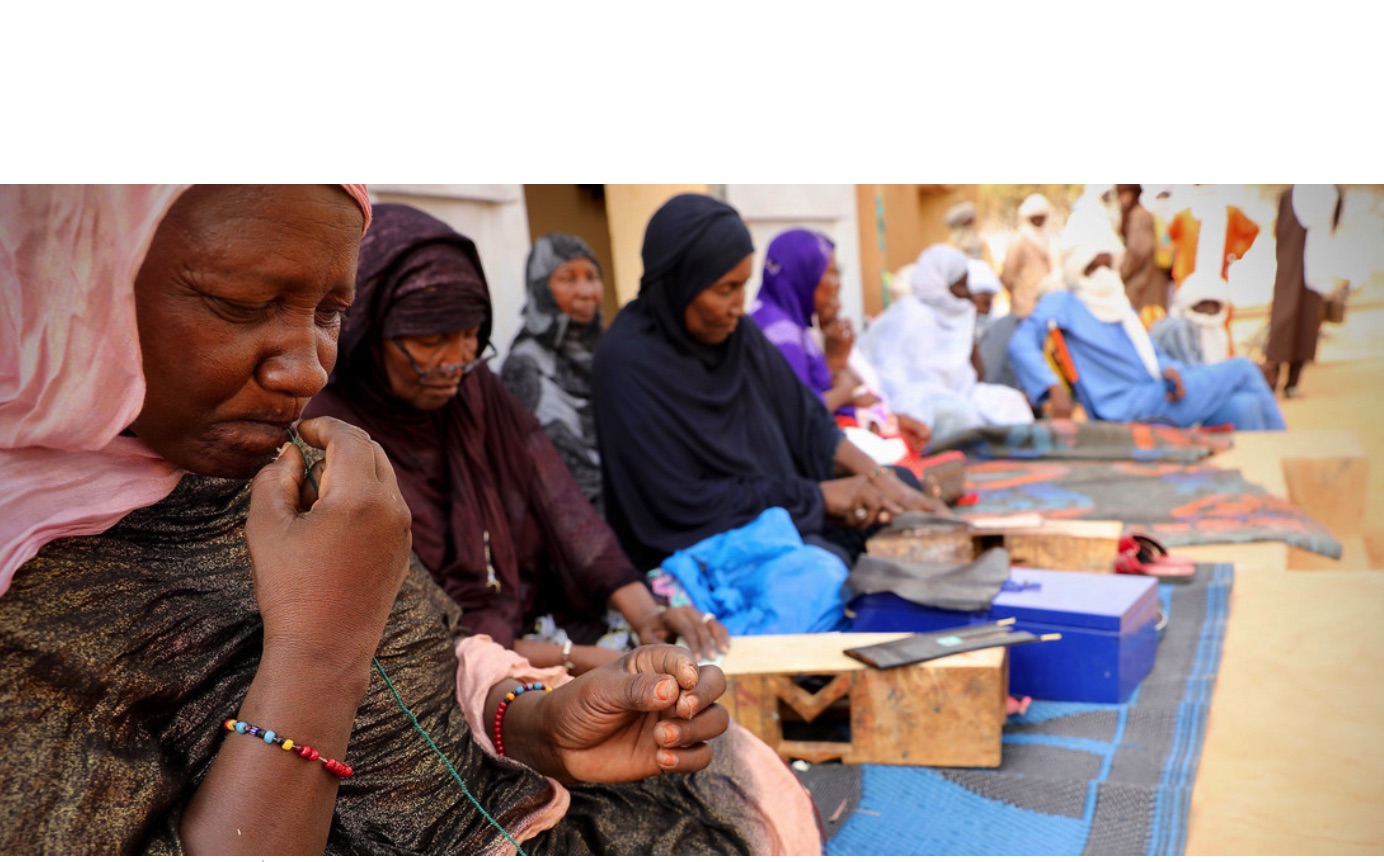
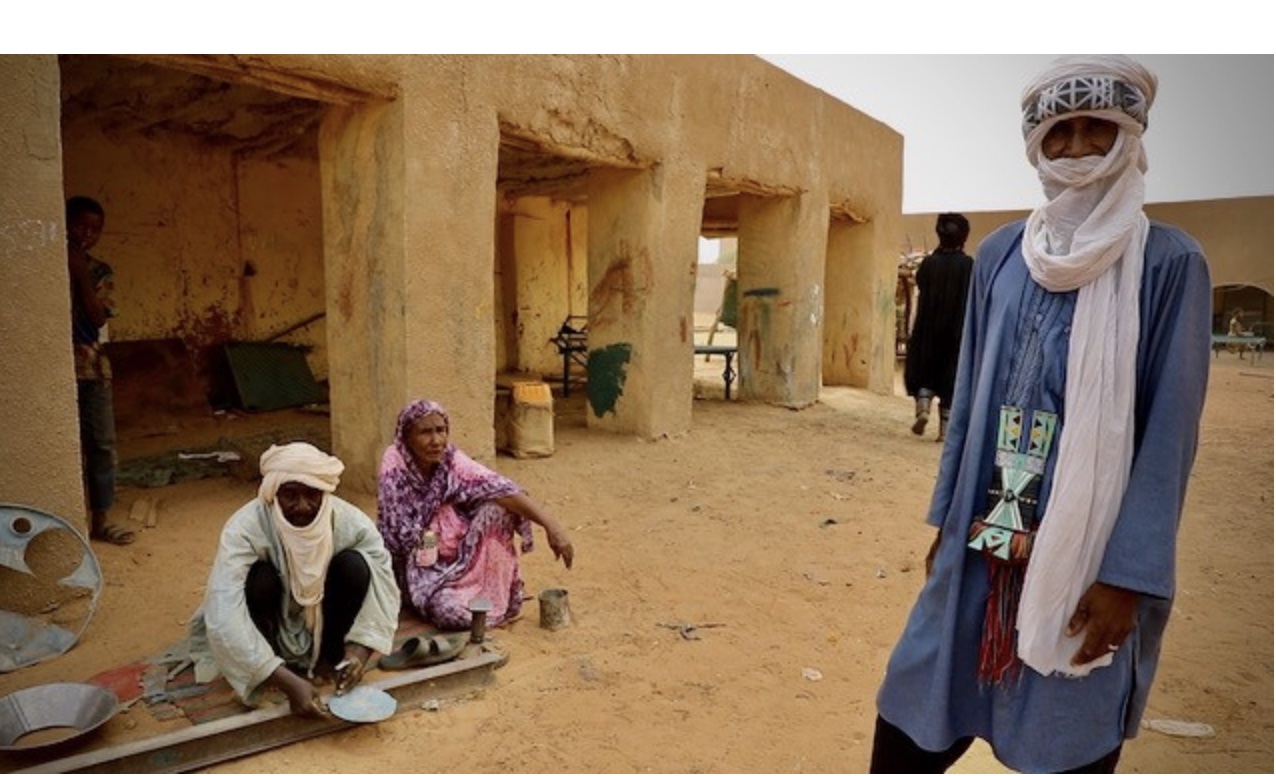
The national restitution conference “Palabre trees of Timbuktu and Gao” was held on June 15 in the banquet hall of the Bamako International Conference Center in the presence of eminent personalities like the former Prime Minister Modibo Sidibé. The participants made several recommendations such as the redeployment of the army in all regions of the North, breaking with the feeling of abandonment of the population of the North, the re-reading of the Algiers accord and national reconciliation. They were more than a hundred women from the north, some of whom are on their first trip to the capital.


(Click on image to enlarge)

The National Restitution conference is an initiative of the Africa, Caribbean, Europe Council Mali Cabinet (ACE Conseil-Mali) with the technical and financial support of the United Nations Multidimensional Integrated Mission for the Stabilization of Mali (MINUSMA). It is the pilot phase of ‘a project called “Palabre trees when the women of Mali take the floor”.

The concept “Arbres à Palabre” is an original idea based on a citizen and participatory action research approach by the women of Mali. The initiative, which now lays the groundwork for a return to lasting peace and cohesion, has a dual objective:

– to restore and make available to all participants the diagnosis of the Mali situation by women in the regions;

– and to give a voice to the representatives of women from the municipalities for the implementation of structuring projects for local community development.

(Article continued in right column)

(Click here for the original French version)

Questions for this article

Can the women of Africa lead the continent to peace?

Can a culture of peace be achieved in Africa through local indigenous training and participation?

(Article continued from left column)

Based on the function of social mediation of African palabre, the experimental device “Palabre Trees” aims to promote:

– the promotion of women’s political participation and the implementation of the National Action Plan of the Resolution 1325 (2000) and related from the United Nations Security Council on Women, Peace and Security;

– the effective participation of Malians in the process of prevention, mediation, conflict resolution, consolidation and promotion of the culture of peace at the national, regional and local level

– and finally support for the empowerment of women and their full participation to the management of the city as a citizen.

The initiative places women at the heart of crisis exit strategies

According to Mrs. Coumba Traoré, Director of ACE Conseil Mali, initiator of this National Restitution conference, this “Palabres trees” project is an action-research in favor of the effective participation of Malian women in the process of prevention, mediation, settlement of conflicts, consolidation and promotion of a culture of peace at national, regional and local level.

“Our country is sick and there are simple solutions today for the country to heal these wounds. We must go out to meet women, give them a voice so that they can make concrete proposals for exiting the crisis, “said Ms. Coumba Traoré.

For the head of the Gender Unit of the gender division of MINUSMA, Ms. Catherine Andela, the presence of all these women from various backgrounds symbolizes their dedication to the cause of the homeland and especially their commitment to peace and stability, pledge of development. “The positioning of women must first start from the base to influence the electoral process and the palaver tree is a formidable initiative which today participates in the consolidation of peace and living together”, she said. highlighted.

Ms. Diarra Fatoumata Touré, representative of the Minister of State Refoundation, in charge of relations with institutions, fully appreciated this initiative. She said “This initiative by ACE Conseil Mali and its partners places women at the heart of the various crisis exit strategies. Nowadays, it helps to pave the way for a way out of the crisis towards lasting peace.”

Ms. Bintou Djitteye is one of the participants at this conference. She came from Bourem to preach the word of peace. She thanked the director of ACE Conseil Mali for this initiative which allows women to talk about their concerns in the search for peace. She testifies that her children are Arabs even though she is of the Bambara ethnicity. The problem in the north, Ms. Bintou Djitteye explained, is not ethnic but rather economic with a lack of basic social services. According to her, there is a lack of water and above all a lack of support for local initiatives.

The participants made several recommendations for the redeployment of the army in all regions