In this dark period of history, as we said in this bulletin last July, “Fed up with the wars and militarism of their countries, the people of Europe, North America and the Middle East have taken to the streets in protest.” As we headlined in November, the movement keeps growing. And we see this month, it continues to grow.
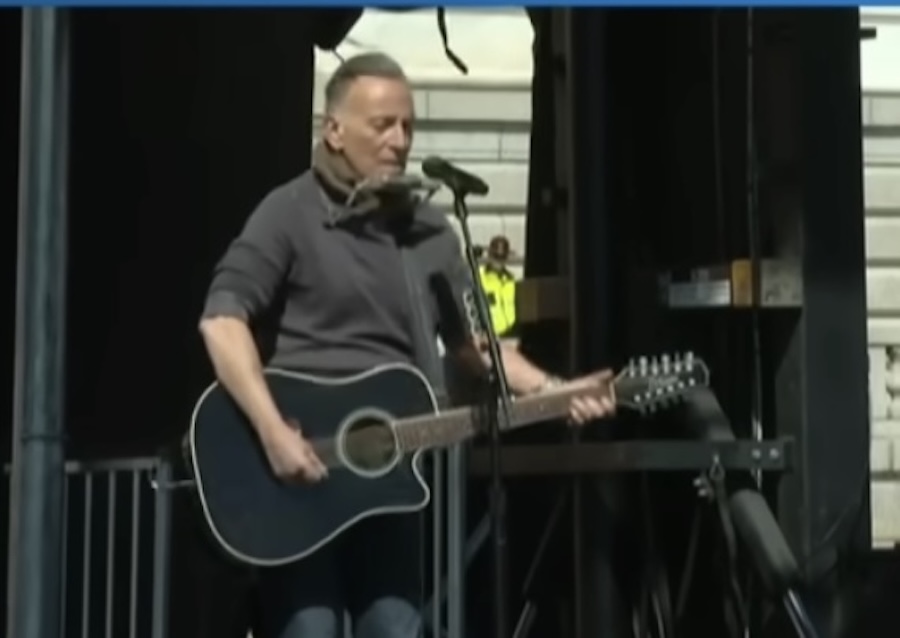
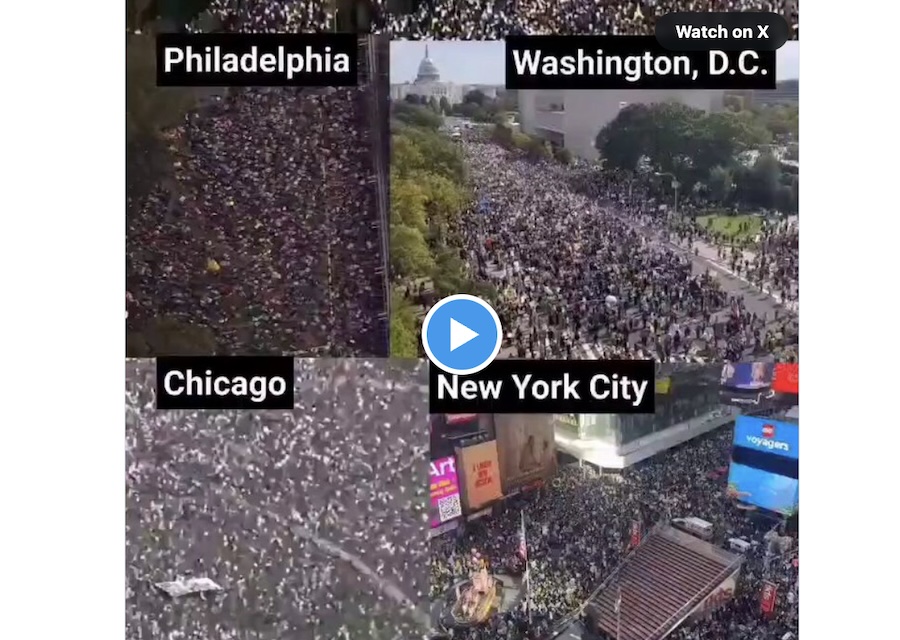
In the United States, over 8 million people took to the streets on March 28 in the latest No Kings rally against Trump. It was the largest single-day protest in American history. As reported in the CPNN articles this March and last October and June, the No Kings rallies take place in all 50 states, and continue to increase in the number of communities, from 1,800 in June, 2025 to 2,700 in October, 2025, and to 3,300 this month. The flagship rally this month took place in Minneapolis and was addressed by Bernie Sanders and by Bruce Springsteen.
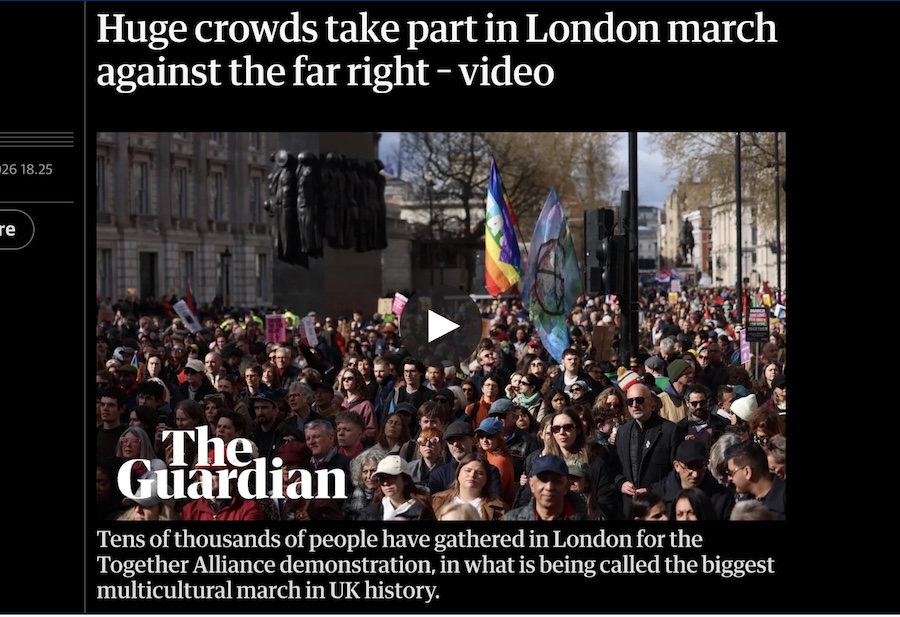
In the UK on March 28, the biggest ever multicultural protest took place in London with organizers claiming half a million participants.
In France, around 150,000 people took to the streets in many cities and towns on March 14th, to protest against racism, fascism, and war.
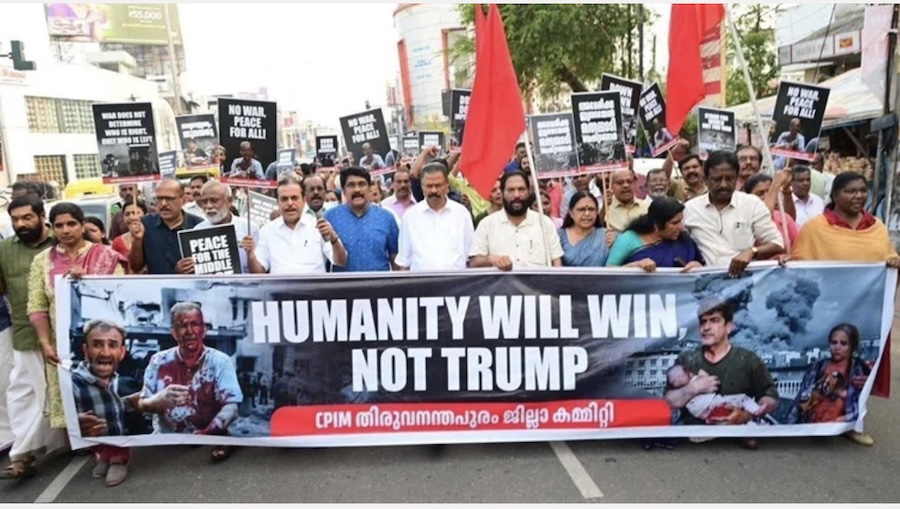
Throughout the Global South, demonstrators took to the squares and streets to condemn the war of imperialist aggression waged against Iran by US President Donald Trump and Israeli Prime Minister Benjamin Netanyahu.
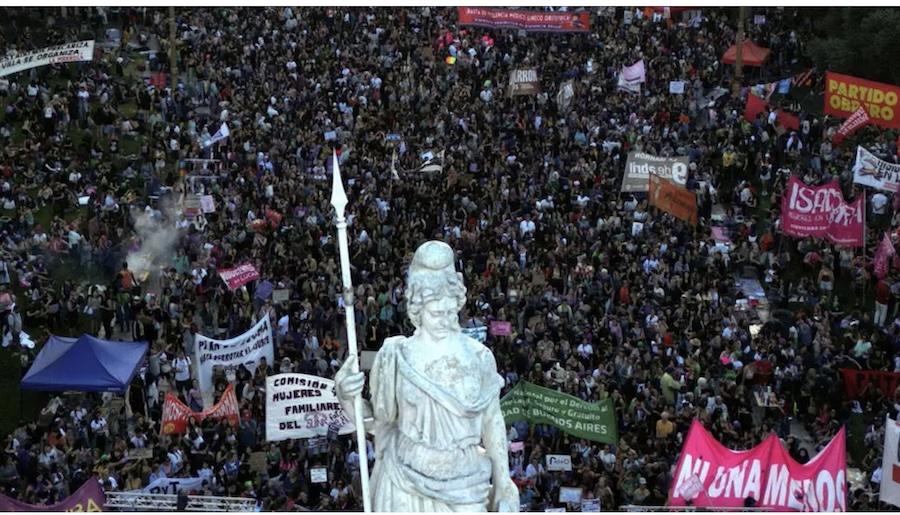
And as we see on March 8 every year, women took to the streets for the International Women’s Day. The themes of their celebration differ from country to country, as we have documented this month in CPNN, but most of them join the protest against violence and militarism.
The most dominant theme throughout Latin America was to condemn femicide and other violence against women and to call for protection and equality. In Mexico city, demonstrators called for an end to the femicidal violence that claims the lives of eight women every day in their country. The slogan “Not one less” was displayed in Buenos Aires, Argentina. Photos of women victims or their attackers were displayed in La Paz, Bolivia. The banner “our cry comes from of a heart tired of living with pain and fear” was displayed in Bogota, Colombia. Women demanded shelters for victims of gender-based violence in Caracas, Venezuela. Freedom from gender violence was similarly the theme of demonstrations in Montevideo, Uruguay, Lima, Peru and Quito, Ecuador.
In Argentina, Belarus, Chile and Indonesia, women protested against their right-wing governments that attack women’s rights. The US demonstrations in Chicago, New York and San Francisco specifically denounced the policies of Trump.
In addition to protesting physical violence, demonstrators protested the violence of workplace discrimination and lower wages for women and called for economic equality. This was a dominant theme in the demonstrations in Helsinki, Finland, in Athens, Greece and in Vancouver, Canada.
In Europe, there was protest against the American/Israeli attack on Iran and other wars in general. This was the case in Brussels, Belgium, Barcelona, Madrid, Merida, Toledo and Valencia in Spain, as well as Milan and Rome in Italy. In Ljubljana, Slovenia, their banner read “We will not work for your wars.” In many of these cities, as well as Helsinki, Bordeaux, Valletta (Malt, London and Amsterdam the theme was the demand for equality and freedom from violence.
Banners denouncing fascism and patriarchy were displayed at the demonstrations in Budapest, Istanbul and Berlin and Erfurt in Germany.
In some countries, government leadership used the occasion to rally women to their support. This was the case in Russia, Serbia, Ukraine and several countries of Africa, including Benin and Senegal, and the three countries where military governments are trying to free their countries from neo-colonial domination: Burkina Faso, Mali and Niger.
In other countries, especially those with a socialist history, the day was a celebration of progress towards women’s equality. This was the case in China, North Korea, Cambodia and Vietnam. In Russia, there was at least one traditional event of this nature that took place in Dagestan. In Bangladesh, also, the day was one of celebration of women’s empowerment, rights and social contributions. Rwanda, home to the world’s highest share of women in parliament, celebrated with a walk and run. In Mozambique, the event was addressed by Graça Machel, who was the organizer of the women’s organizations of that country prior to going to South Africa to marry Nelson Mandela.
Popular musicians and celebrities took to the radio and television to promote women’s rights in the Ukraine and in Kenya. In Los Angeles and Hollywood, the Alliance of Women Directors held a salon to support women directors across the entertainment industry.
The African Union held a celebration to highlight the vital roles women play in sustaining the Union’s work and the United Nations Secretary-General published a message proclaiming “It is time to make justice a reality for women and girls, everywhere.”
Perhaps the most unique celebration was that of Ethiopian Airlines that announced all-women crews for all of their flights on March 8.
As discussed in this month’s blog, the demands of women correspond to the demands for a culture of peace.
|
HUMAN RIGHTS |
SUSTAINABLE DEVELOPMENT |
DEMOCRATIC PARTICIPATION |
WOMEN’S EQUALITY |
|
TOLERANCE & SOLIDARITY |
EDUCATION FOR PEACE |
FREE FLOW OF INFORMATION |
DISARMAMENT & SECURITY |