Category Archives: d-information

English bulletin June 1, 2020

. LINK GLOBAL, EAT LOCAL . .

As we have seen in this bulletin in recent months, the global health and economic crisis has inspired many to envisage and prepare for radical change believing that “another world is possible.”

This month we feature two aspects of this movement: 1) towards local food production and consumption, known as food sovereignty; and 2) global rlinkage of activists via webinars and online courses and conferences. Hence a new variation on the old slogan that we should “Think global, act local.”

Food sovereignty

As pointed out by The People’s Coalition on Food Sovereignty , the disconnect between food supply and demand has never been this huge. While almost a billion people around the world sleep hungry at night, tons of food are wasted across fields caused by transportation and market bottlenecks. Every year, a third of the world’s food – amounting to as much as USD 1.2 trillion – is lost or goes to waste. With today’s pandemic, lockdowns and supply chain failures have put this problem into overdrive. To meet this crisis, The People’s Coalition on Food Sovereignty, has issued 9 demands, including priority to local food production and local markets. One of their demands is to lift sanctions and cease all military aggressions which are exacerbated the crisis of hunger.

Another coaltion, the Planetary Coalition, also based in Asia and including partners around the world, calls for “a new earth Democracy” with a wide range of actions including “local biodiverse food systems.” They remind us that “Contrary to what we are made to believe, it is not globalisation that protects people from famines, which it produces and aggravates, but peoples food sovereignty, where people at the community level have the right to produce, choose and consume adequate, healthy and nutritious food, under fair price agreements for local production and exchange.”

A leader in the food sovereignty movement has long been the international peasant’s movement La Via Campesina, a global coalition of 182 organisations in 81 countries. Now they remind us that “As the world reels under the fallout of a pandemic, now is the time to start building an equal, just and liberal society that embraces food sovereignty and solidarity.”

The North African Network for Food Sovereignty has put forward a series of demands and urgent measures in response to the health emergency including support to subsistence farming activities, subsistence stockbreeding, and coastal subsistence. As well as encouraging the consumption of their products through the creation of direct markets and fighting illegal and monopoly speculation.

The Alliance for Food Sovereignty in Africa is working to establish food sovereignty and agroecology as a key policy response to the climate crisis that is negatively impacting Africa. “Agroecology is a reverse response rejecting the industrial monoculture agriculture that contributes more than 90% of greenhouse gas emissions, degrades the environment, depletes biodiversity, erodes diverse cultures, and only feeds less than 30 percent of the world population.”

In the United States there is a rebirth of the Food Sovereignty Movement. This is illustrated by the increased use of urban farms and gardens in the city of Detroit and the program Seeds and Sheep by the Navajo Nation in Utah.

Examples from France, Thailand and Singapore are cited in the article “Grow your own: Urban farming flourishes in coronavirus lockdowns.”

Webinars, online courses and conferences

Increasingly, conferences are taking the form of Webinars so that people can take part from around the world.

The world conference “No Nukes, Climate Justice, Peace” originally scheduled for New York City in April was held instead online with up to 500 people joined by Internet and with simultaneous live streaming so anyone could join by listening in simultaneously or later on a YouTube publication. The conference was sponsored by hundreds of leading nuclear disarmament, peace, climate and justice organizations. Speakers came from the United States, Japan, Germany, Costa Rica, Iran and Australia.

The Webinar “Youth Actions for Climate, Nuclear Disarmament and Sustainable Development” was held on May 14 and 19 sponsored by Abolition 2000 Youth Network, World Future Council, Parliamentarians for Nuclear Non-Proliferation and Disarmament and the Basel Peace Office. Speakers came from Switzerland, United States, Canada, Kenya, Morocco, Czech Republic, Philippines, Bangladesh, South Korea and Japan.

The Webinar “How Young People Can Lead Climate Change Action, sponsored by the International Youth Foundation took place in November 2019 and was made available as a video this month on a website called Youthlead.

Nonviolence International has a weekly Webinar series. “Young Women Fighting for Our Planet” took place on April 22 and the video is available online via Facebook. Speakers are from Kenya, United Arab emirates, Canada and South Korea.

Campaign Nonviolence is holding a Weekly Nonviolence Community Course online for six weeks from May 28 through July 2. There are places for 50 participants. Advanced registration is required.

Movimento por la Paz (Spain) is holding an online course “Five paths for peace” beginning on May 18, with places for 20 participants filled in order of registration.

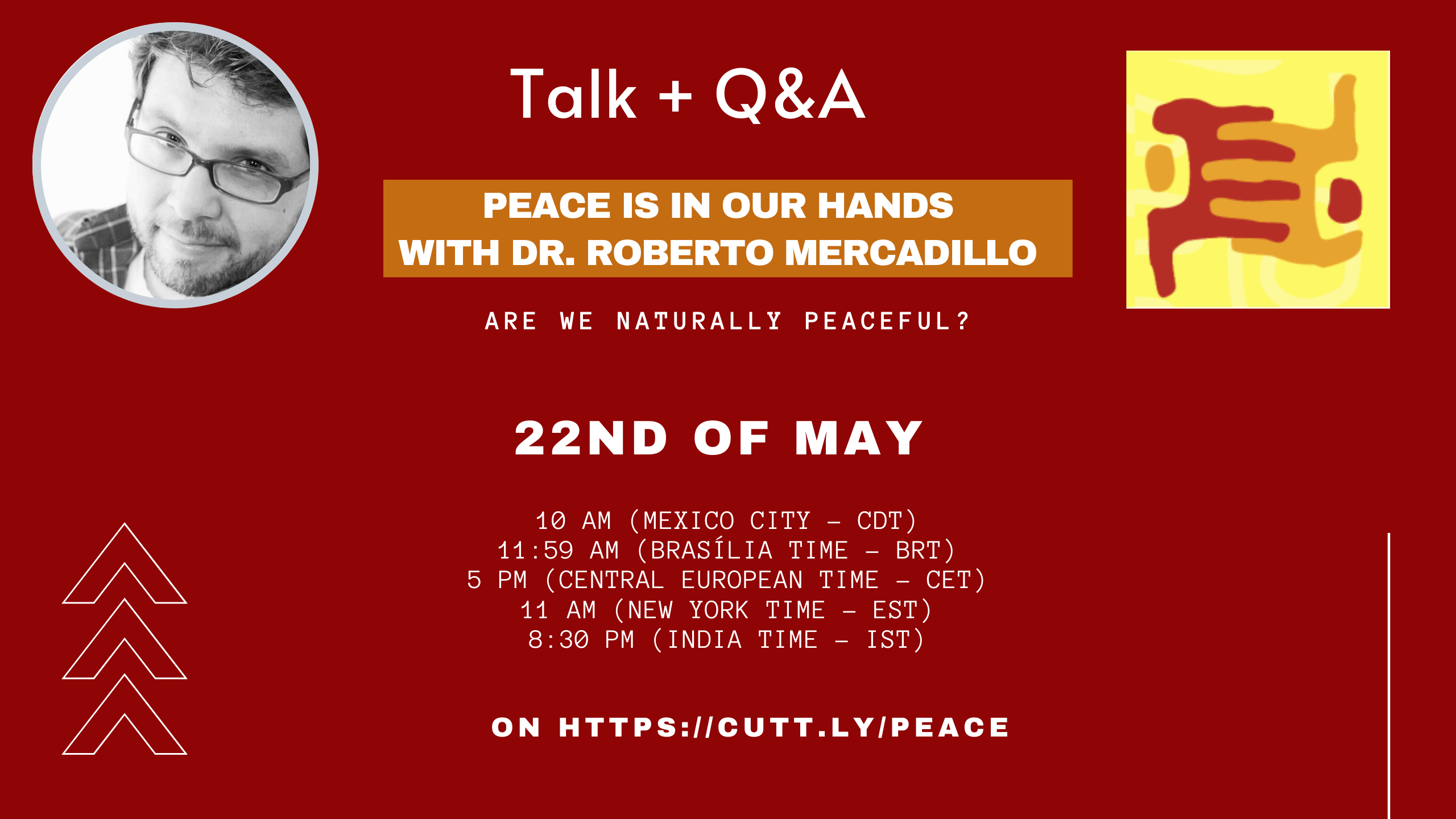
Finally, here at the Culture of Peace News Network, Mirian Castello, based in Brazil, is hosting a weekly Webinar interviewing activists for a culture of peace. Registration is open for people around the world to access the webinar live and submit their questions to the person interviewed. The first three interviews are now available as online videos.

Now we see that the technology is available and is being used for the “global movement for a culture of peace . . . promoted through sharing of information” that was envisaged in 1999 by the United Nations Declaration and Programme of Action.

SUSTAINABLE DEVELOPMENT


Earth Day Communiqué – 22nd April 2020 Making Peace with the Earth

FREE FLOW OF INFORMATION


If Culture of War was a human choice and invention, what if we choose a culture of peace?

HUMAN RIGHTS


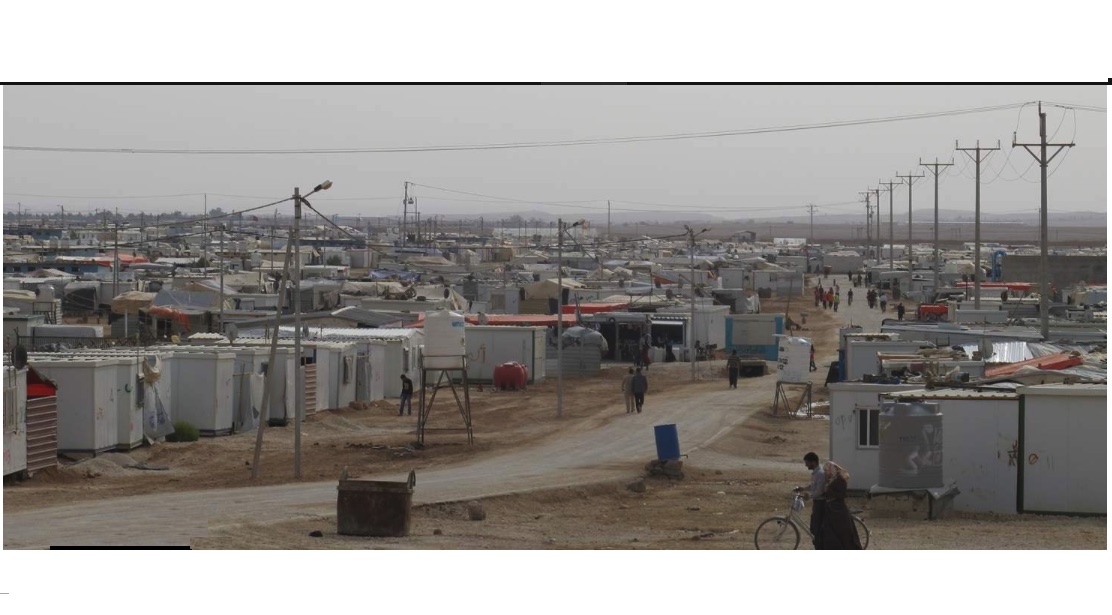
Amnesty International: Ignored by COVID-19 responses, refugees face starvation

DEMOCRATIC PARTICIPATION


Mexico: Universities of ANUIES to share best practices on culture of peace


EDUCATION FOR PEACE


Campaign Nonviolence: Weekly Nonviolence Online Community Course

WOMEN’S EQUALITY


Webinar and Video: Young Women Fighting for Our Planet

TOLERANCE & SOLIDARITY


The New World Citizen Laboratory, Yali Gabon and PAYNCoP Gabon join forces to raise awareness about Covid 19

DISARMAMENT & SECURITY


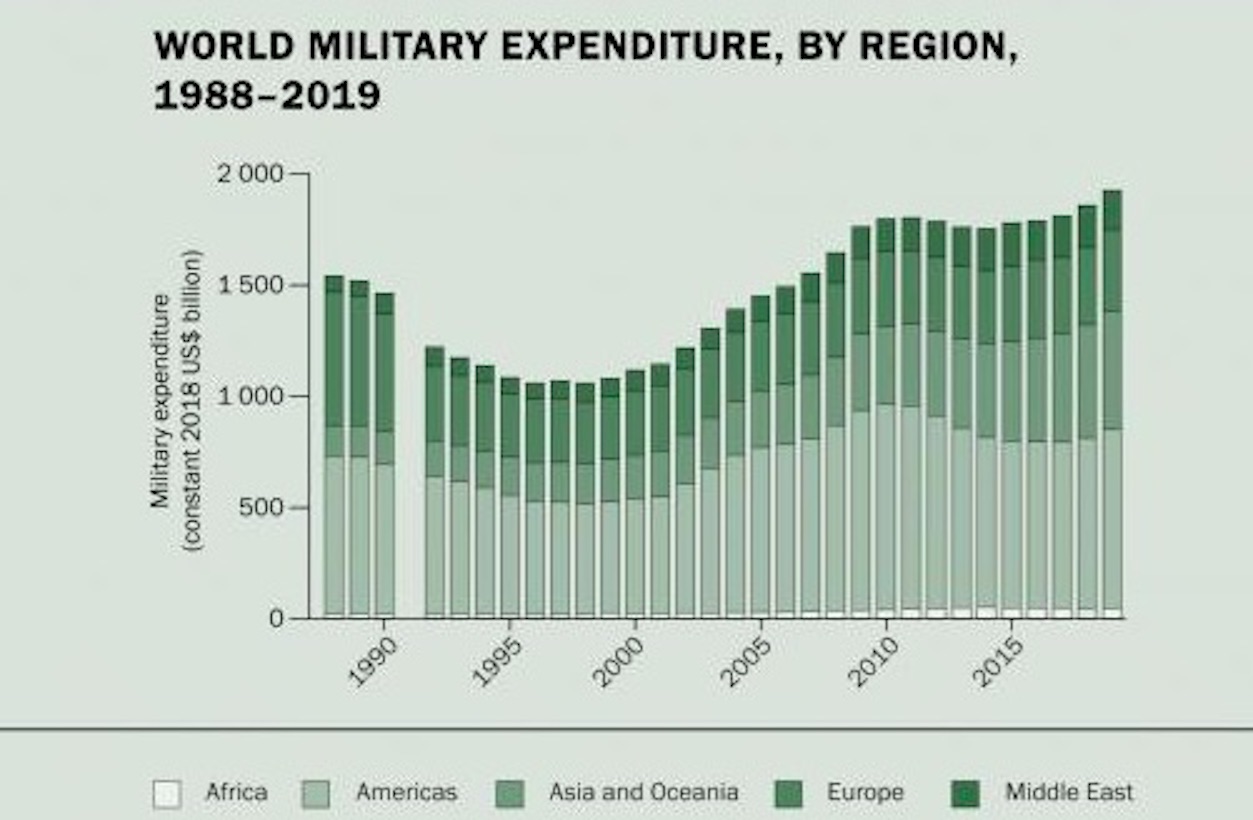
Global military expenditure sees largest annual increase in a decade—says SIPRI

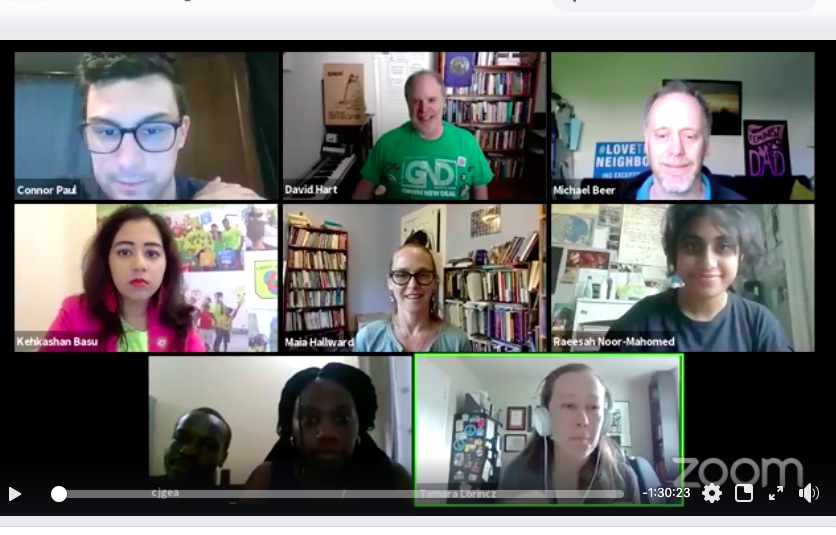
Global meetings, conferences, assemblies, What is the best way for delegates to interact afterwards?

Awaiting comment

Here are the CPNN articles on this subject:

What has happened this year (2019) for the International Day of Peace

FREE FLOW OF INFORMATION
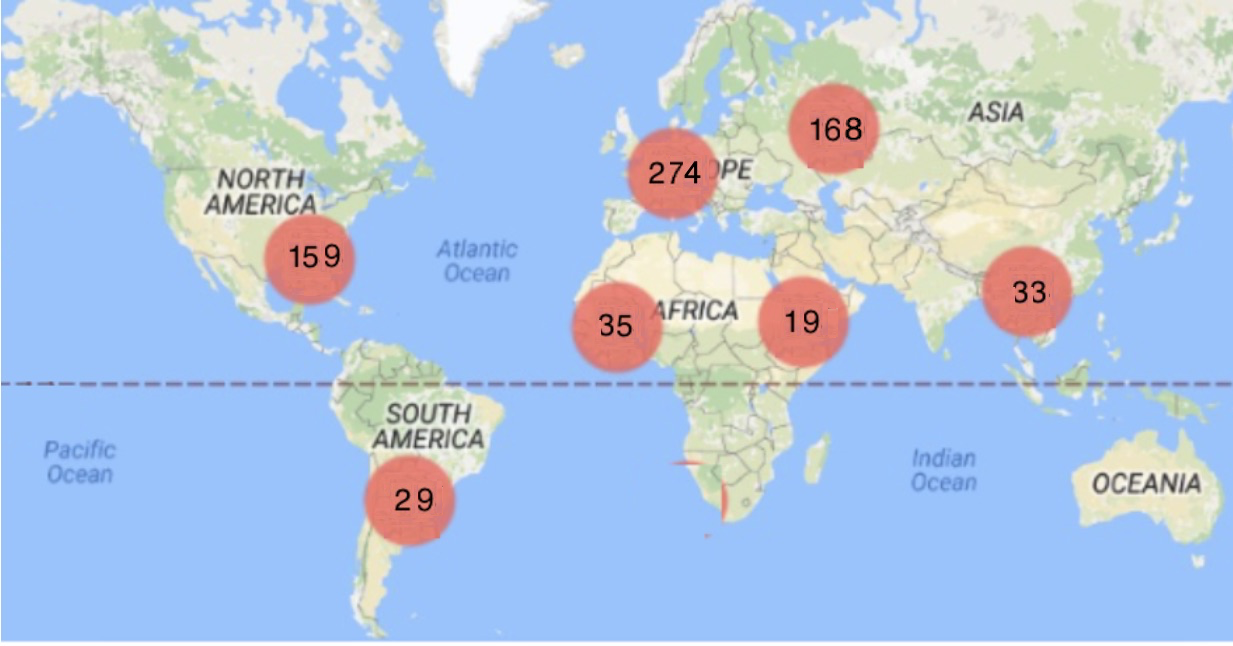
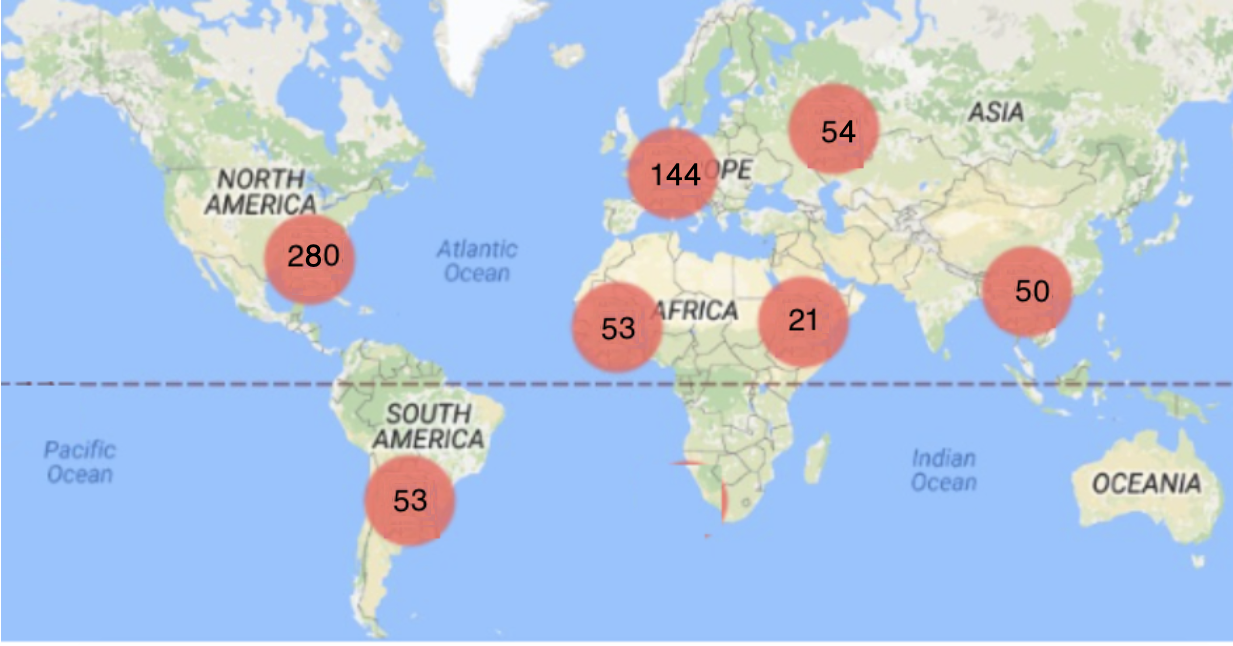
This year we give links to 280 actions carried out in most of the provinces and all the states in Canada and the USA. Next is Europe with 144 actions in 21 countries. There are 50 actions cited in 16 Asian countries, 53 from 17 Latin American and Caribbean countries, 54 from 6 countries formerly part of the Soviet Union, 53 from 27 African countries, and 21 from 14 Arab and Middle Eastern countries. See the CPNN bulletin for October for a synopsis.

Detailed data may be found on the following CPNN articles:

United States and Canada: International Day of Peace

Europe: International Day of Peace

Asia and Pacific: International Day of Peace

Ex-Soviet Countries: International Day of Peace

Arab and Middle Eastern States: International Day of Peace

Latin America and Caribbean: International Day of Peace

Africa: International Day of Peace

What is really happening in Venezuela?

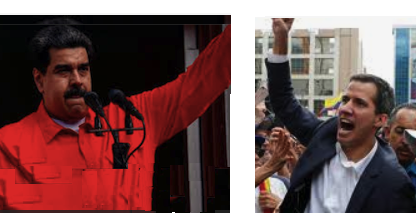
The commercial media almost without exception continues to support the United States and dozens of its allies in its attacks on Venezuela. Hardly a culture of peace!

In order to present an alternative to this “war propaganda,” we have published some articles that give the other side.

We began with critiques of the commercial media coverage in the monthly bulletin for March, 2019.

Here are the CPNN articles about this question.

UN human rights expert urges to lift unilateral sanctions against Venezuela

Who to Believe about Venezuela’s Election: Firsthand observation or PBS Newshour?

Despite destabilizing actions Venezuela lives a peaceful Christmas

Venezuela. The construction of peace must have the quality of feminism

Latin America and the Caribbean need a culture of peace

Statement on Escalating Tensions in Venezuela Issued by the Thirtieth Inter-Sessional Meeting of the Conference of Heads of Government of the Caribbean Community

Red Cross, UN Slam ‘Politicised’ USAID Humanitarian Assistance to Venezuela

What do the people of Venezuela want?

What the Press Hides from You about Venezuela — A Case of News-Suppression

US Media Ignore—and Applaud—Economic War on Venezuela

Venezuela: An Open Letter to the People of the United States from President Nicolás Maduro

Bolivia: Evo Morales says the United States seeks to “devastate and impoverish” Venezuela as did to Iraq and Libya

Jamaica: Tek Sleep an Mark Death with the Venezuela Situation

US attack on Venezuela: alternative media coverage

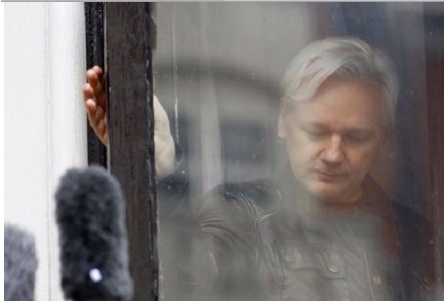
Julian Assange, Is he a hero for the culture of peace?

Here is what Nobel Peace Laureate Mairead Maguire wrote in nominating Julian Assange for the 2019 Nobel Peace Prize.

“Julian Assange and his colleagues in WikiLeaks have shown on numerous occasions that they are one of the last outlets of true democracy with their work for freedom of speech.  Their work for true peace by making public our governments’ actions at home and abroad has enlightened us to their atrocities carried out in the name of so-called democracy around the world.  This included:

* Footage of carnage perpetrated by NATO/US military

* Release of email correspondence revealing conspiracy for regime change in Middle Eastern countries

* Elected officials paid to deceive the public

“This is a huge step in our work for disarmament and nonviolence worldwide. Julian Assange, fearing deportation to the U.S. to stand trial for treason, sought out asylum in the Ecuadorian embassy in 2012.   Selflessly, he continues his work from there increasing the risk of his prosecution by the American government. 

“In recent months the U.S. has increased pressure on the Ecuadorian government to take away what remains of his freedom.  He is now prevented from having visitors, telephone calls or other electronic communications, thereby removing his basic human rights.  This has put a great strain on Julian’s mental and physical health.  It is our duty as citizens to protect Julian’s human rights and freedom of speech as he has fought for ours on a global stage.

“It is my great fear that Julian, who is an innocent man, will be deported to the U.S. where he will face unjustified imprisonment.  We have seen this happen to Chelsea (Bradley) Manning who allegedly supplied WikiLeaks with sensitive information from NATO/US Middle Eastern wars and subsequently spent multiple years in solitary confinement in an American prison.   If the US succeeds in their plan to extradite Julian Assange to US to face a grand jury, this will silence journalists and whistle-blowers around the world in fear of dire repercussions.

“Julian Assange meets all criteria for the Nobel Peace Prize.   Through his release of hidden information to the public we are no longer naïve to the atrocities of war, neither oblivious to the connections between big business and the acquisition of resources and spoils of war.

“As his human rights and freedom are in jeopardy, the Nobel Peace Prize would afford Julian much greater protection from governments’ forces.

“Over the years there have been controversies over the Nobel Peace Prize and some of those to whom it has been awarded.  Sadly, I believe it has moved from its original intentions and meaning.  It was Alfred Nobel’s will that the prize would support and protect individuals at threat from government forces in their fight for nonviolence and peace, by bringing awareness to their precarious situations.  Through awarding Julian Assange the Nobel Peace Prize, he and others like him will receive the protection they truly deserve.

“It is my hope that by this we can rediscover the true definition of the Nobel Peace Prize.

“I also call on all people to bring awareness to Julian’s situation and support him in his struggle for basic human rights, freedom of speech, and peace.”

Here are the CPNN articles on this subject:

Australian MPs react to Julian Assange’s release

Amnesty International: Julian Assange’s five-year imprisonment in the UK is unacceptable

RSF launches global “Collateral Damage” campaign highlighting the danger of the Assange prosecution to media and the public’s right to know

Tribunal in Washington Calls on President Biden to End Prosecution of Julian Assange and to Defend Rights of Journalists and Whistleblowers

Because ‘Publishing Is Not a Crime,’ Major Newspapers Push US to Drop Assange Charges

López Obrador and the offer of asylum to Julian Assange: honest politics in a time of double standards

Peace and Justice Organizations call for Freedom for Julian Assange

Afghanistan and Julian Assange

Key witness in Assange case admits to lies in indictment

Germany: Collateral Crucifixion – Pressuring for Julian Assange’s Release!

Groundswell of support for WikiLeaks publisher Julian Assange

Daniel Ellsberg Speaks Out on the Arrest of Julian Assange

Remembering the Crimes of the Powerful Exposed by Wikileaks’ Julian Assange

Chomsky: Arrest of Assange Is “Scandalous” and Highlights Shocking Extraterritorial Reach of U.S.

Nobel Peace Laureate Maguire Requests UK Home Office for Permission to Visit Her Friend Nobel Peace Nominee Julian Assange ln Prison in London[

UN experts warn Assange arrest exposes him to risk of serious human rights violations

Mairead Maguire Nominates Julian Assange for the 2019 Nobel Peace Prize

Free Julian Assange!

– – – – Links for the following articles published prior to 2015 do not work because they were made by a version of PERL programming that is no longer supported. With three easy steps, you can find the article by its number. First, click on it before returning to this page. Your browser will say that the article is not available but in the address listed you can see that it was located at ViewArticle=xxxx where xxxx is the number of the article. Returning to this page, then click here for the listing of all years. Then click on the year that contains the number for the article you seek. It will send you to the page where you can easily search for the article by its title. – – – –

Statement by Julian Assange after Six Months in Ecuadorian Embassy

WikiLeaks: The Latin America Files

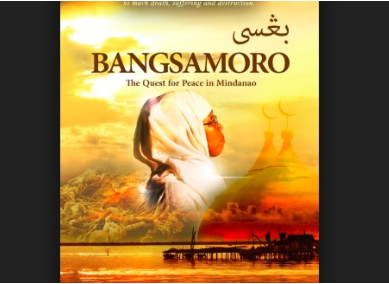
Can peace be achieved in Mindanao?

It would seem from the following excerpt from the CPNN bulletin of September 2018 that peace is possible in Mindanao:

On July 27, Philippine President Duterte signed into law the Bangsamoro Basic Law (BOL) which aims to complete the peace agreement between the government and the Moro Islamic Liberation Front (MILF) in the Southern Philippines. The agreement gives the Moro people greater autonomy in ruling their homeland in Mindanao.

Following the ratification of both the Senate and the House of Representatives. Senator Juan Miguel “Migz” Zubiri, who chairs the Senate subcommittee on the BOL said “It’s a new dawn for Bangsamoro in Mindanao.” “The MILF and the MNLF (Moro National Liberation Front) are ready to work with the Philippine Government especially in the conduct of the plebiscite that will be held around November.”

Four years of lobbying for the inclusion of peace education in the BOL was crowned with success. Under Article IX, the Education provision of the BOL, second paragraph says: “The Bangsamoro government shall institutionalize peace education in all levels of education” Some 6,000 new teachers are deployed in five southern provinces and they are now actively helping propagate interfaith solidarity among schoolchildren in support of the government’s Mindanao peace efforts.

Putting the new law into practice, in an historic solidarity event, the Philippine military and the Moro Islamic Liberation Front (MILF) gathered together to celebrate the muslim holiday of Eid Al-Adha.

Here are the CPNN articles on this subject:

Peace Education among top priorities in the new Bangsamoro Government

“Peace through dialogue: Our destiny” is theme of Mindanao Week of Peace 2018

A ‘new dawn’ for Mindanao’s Bangsamoro

6,000 teachers deployed to promote peace in Mindanao (Philippines)

Philippines: Hope, compassion reign over at the peace month culmination in Iligan

The Mindanao-Sulu Peace and History Education Project (Philippines)

Philippines: Local Bangsamoro films show peaceful, harmonious side of Mindanao

– – – – Links for the following articles published prior to 2015 do not work because they were made by a version of PERL programming that is no longer supported. With three easy steps, you can find the article by its number. First, click on it before returning to this page. Your browser will say that the article is not available but in the address listed you can see that it was located at ViewArticle=xxxx where xxxx is the number of the article. Returning to this page, then click here for the listing of all years. Then click on the year that contains the number for the article you seek. It will send you to the page where you can easily search for the article by its title. – – – –

Philippines: Mindanao mayors back Bangsamoro Basic Law

Interfaith dialogue vs. ‘spoilers’ of Mindanao peace set in Cotabato

Nonviolent Peaceforce opens protection site in Lanao del Norte (Philippines)

Philippines: Schools of Peace: Antidote to culture of war, violence

Philippines: Bangsamoro peace pact a major contribution to country, world

Nonviolent Peaceforce Statement On Framework Agreement On The Bangsamoro (FAB) Signing (Philippines)

One Step Closer to Peace in the Philippines

Why peace has a foothold in the Philippines

Peace Initiatives in SOCSARGEN-Philippines

Thousands call on UN to prevent massive war in Philippines

How can we be sure to get news about peace demonstrations?

It has been argued that over the past century the control of information, especially through the mass media, has become the most important characteristic of the culture of war. Why?

It is because there has been such an advance over the past century in democratic participation that the modern state is forced to justify its culture of war. Since people in general do not want war, the state and its military-industrial complex must convince them that military preparations are necessary in the face of external enemies. This is a major change from earlier history when the state was not subject to election by the people and it could pursue its policies regardless of their attitudes.

In fact, we see that the mass media in countries with the most powerful military forces, such as the United States, are pro-military and continually publish propaganda against external enemies and give priority to news about unavoidable violence and disaster. They do not give place to peace initiatives.

If the commercial mass media will not give us news about peace demonstrations, how can we be sure to get it?

The answer is in the alternative media like CPNN that do not rely on advertising and support from the military-industrial-financial complex.

Here are comments in this regard from a recent meeting during Independent Media Week, now in its 13th year in Oregon.

Citing the “unprecedented antagonism of the Trump administration to media,” Jeff Golden, producer of “Immense Possibilities” on Southern Oregon Public TV, said our challenges didn’t start Jan. 20, because, years ago, much of the media abandoned its role in public service and became driven by profit.

This trend greatly increases the need for independent media, he notes, and much of it can flower on the internet.

“We’d be in much deeper trouble than we are now if not for independent media.”

(Click here for earlier discussion on this question.)

Here are the CPNN articles on this subject:

Hundreds of Thousands March Against US-Backed Israeli Aggression in Tehran

Global Day of Action to Close Bases

Peace Wave 2024

Austrian Censorship of Peace Conference Is An Outrage

More examples available of Russian opposition to the war against Ukraine

March 17: The struggle for free flow of information about the Russian war against Ukraine

Russian anti-war movement takes shape on the streets – and on screens

Russian regulator censors Ukraine war coverage, reporters told to toe Kremlin line

Over a Million Mobilize for International Women’s Day in Latin America

United States: Who Is Clare Grady and Why Should We Care that She is in Federal Prison?

USA: Patriots for Peace fighting the good fight

Launch of the Second World March for Peace and Nonviolence

2nd Walk for the Culture of Peace in Cotia, Brazil, receives support from the World March for Peace and Nonviolence

The Americas are preparing for the second World March for Peace and Nonviolence

Peacecamp Steinwenden, Germany, 28 June

UK: Nationwide Public Meeting Tour: Stop Bombing Yemen, Stop Arming Saudi

Peace and disarmament on the streets of Germany

UK: Protests: Trump & May – No More Bombs on Syria, 13-16 April, Nationwide

Global Anti-war Protests Against US-led Aggression in Syria[

London: International Peace Congress April 7

United Kingdom: Thousands call for Britain’s nuclear deterrent Trident to be scrapped

– – – – Links for the following articles published prior to 2015 do not work because they were made by a version of PERL programming that is no longer supported. With three easy steps, you can find the article by its number. First, click on it before returning to this page. Your browser will say that the article is not available but in the address listed you can see that it was located at ViewArticle=xxxx where xxxx is the number of the article. Returning to this page, then click here for the listing of all years. Then click on the year that contains the number for the article you seek. It will send you to the page where you can easily search for the article by its title. – – – –

Protest to Stop Western Intervention in Syria

International Conference: Confronting War Ten Years On

Thousands march in London for Gaza and freedom for Palestine

October 27 Anti-War Marches in US

Peace Rally in Helena, Montana “>

Demonstrations around the World

What has happened this year (2018) for the International Day of Peace


FREE FLOW OF INFORMATION

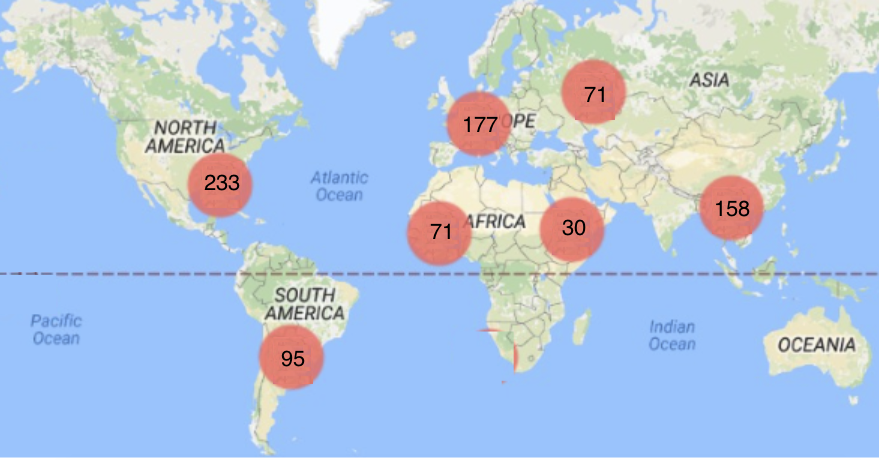
This year we gave links to 233 events coming from most of the provinces and states in Canada and the USA. Next was Europe with 177 events in 32 countries. There were 158 events cited in 22 Asian countries, 95 from 24 Latin American and Caribbean countries, 71 from 9 countries formerly part of the Soviet Union, 71 from 25 African countries, and 30 from 15 Arab and Middle Eastern countries. See the CPNN bulletin for October for a synopsis.

Detailed data may be found on the following CPNN articles:

United States and Canada: International Day of Peace

Europe: International Day of Peace

Asia and Pacific: International Day of Peace

Ex-Soviet Countries: International Day of Peace

Arab and Middle Eastern States: International Day of Peace

Latin America and Caribbean: International Day of Peace

Africa: International Day of Peace

Peace Boat: Building a Culture of Peace around the World

Peace Boat has sailed on voyages around the world since 1983 under the slogan “Building a Culture of Peace around the World.”

Here are some excerpts from their website.

Peace Boat is a Japan-based international non-governmental and non-profit organization that works to promote peace, human rights, equal and sustainable development and respect for the environment.

Peace Boat seeks to create awareness and action based on effecting positive social and political change in the world. We pursue this through the organization of global educational programmes, responsible travel, cooperative projects and advocacy activities. These activities are carried out on a partnership basis with other civil society organizations and communities in Japan, Northeast Asia, and around the world.

Peace Boat carries out its main activities through a chartered passenger ship that travels the world on peace voyages. The ship creates a neutral, mobile space and enables people to engage across borders in dialogue and mutual cooperation at sea, and in the ports that we visit. Activities based in Japan and Northeast Asia are carried out from our eight Peace Centers in Japan.

Please explore our website to learn more about our voyages, activities and projects. You can also download a web version of our introductory pamphlet “Across Borders” here in English, Spanish or French. Other pamphlets and brochures can also be viewed as a PDF on our issuu.com page here.

A variety of videos of Peace Boat's activities can also be viewed here.

Principles

Travel for Peace and Sustainability

Peace Boat believes that travel in itself can be a tool for positive social and political change, and seeks to create and implement best practices in responsible travel and what we call travel for peace and sustainability. Socio-political considerations rather than commercial interests largely determine our choice of destinations. Our partnerships with local organizations and travel agencies reflect our effort to utilize tourism in a progressive and educational form so as to contribute to global sustainability and peace.

Peace Boat's use of the ship as a vehicle for our activities has allowed the development of a unique range of tools for our work.

  • Forums on board: the ship as a neutral and mobile meeting space
  • Using the ship's media appeal
  • The power of people to people contact
  • Bringing back the world's reality: beyond conventional media
Here are the CPNN articles on this subject:

Venezuela: President Maduro Meets with the Activists of Peace Boat

Peace Boat returns to Cuba with a message of peace and global solidarity

10th Annual Japan-Korea “Peace & Green Boat” Joint Statement

– – – –The link for the following article published prior to 2015 does not work because it was made by a version of PERL programming that is no longer supported. With three easy steps, you can find the article by its number. First, click on it before returning to this page. Your browser will say that the article is not available but in the address listed you can see that it was located at ViewArticle=xxxx where xxxx is the number of the article. Returning to this page, then click here for the listing of all years. Then click on the year that contains the number for the article you seek. It will send you to the page where you can easily search for the article by its title. – – – –

Peace Boat Launches Fukushima Youth Project

Journalism in Latin America: Is it turning towards a culture of peace?


It was the publishers and editors of Latin American newspapers meeting with the Director-General of UNESCO in Puebla, Mexico, on 27 May, 1997, that first called for an International Year for the Culture of Peace. Perhaps, it is in the same tradition that we see more and more in the past few years that the journalists of Latin America, in particular Colombia, Mexico and Ecuador are turning towards a culture of peace. They join their counterparts in Africa to lead the world in this direction.

Readers are encouraged to add their comments below.

ARTICLES IN ENGLISH

New book: Nonviolent Journalism, a humanist approach to communication

Mexico: Guanajuato as the epicenter of the culture of peace

Five new digital media platforms for uncensored news from Colombia

Punta del Este (Uruguay): Ismael Cala will present the America Business Forum, considered «the Davos of Latin America»

Colombia’s rural radio stations are a key to peace

Mexico: Zacatecan Radio and Television System to introduce “the culture of peace” as a transversal theme

Mexico: Journalism for a Culture of Peace

Ecuador: ‘Dedicated Lives’ at the Casa Carrión

Mexico: Cristina Ávila-Zesatti and peace journalism

The European Union gives voice to peace in Colombia

The European Union, the Colombian Government and the civil society work together in “Community Radios for Peace and Coexistence”

Why radio is proving the best medium to promote Colombia’s peace process

ARTICLES IN SPANISH