This month we feature articles from Asia, Africa and Europe.
In South Asia, there is important movement in India and Pakistan.
Activists from India and Pakistan have launched a virtual conversation that transcends the culture of war that divides the two countries. As described by author and participant Nawal Amjad, the virtual dialogue had enthusiastic participation from young changemakers from both countries. What was originally envisioned as a two-hour event went on almost four hours. They call it “A Conversation that Refused to End.” Having heard about the new events in India, Nawal says she is a “cockroach in Pakistan.”
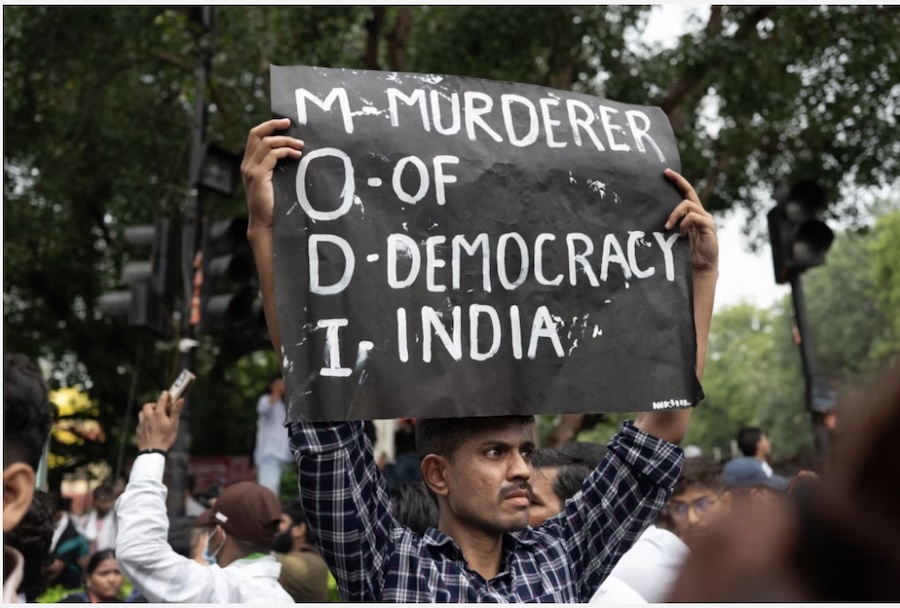
The new “cockroach” movement in India is described by author Arundhati Roy. As she says, the student-led protests hae convulsed the Indian capital, showing a different future for India, and spreading to other cities. The movement began when Chief Justice of India, Surya Kant, called some unemployed young Indians cockroaches, Abhijeet Dipke, a student living in Boston, posted a comment on Instagram: “What if all cockroaches come together?” Millions responded. And thus was born the Cockroach Janta Party. Arundhati Roy says,, “For the first time in years, it feels wonderful to be Indian. Just when hope seemed lost, they came.”
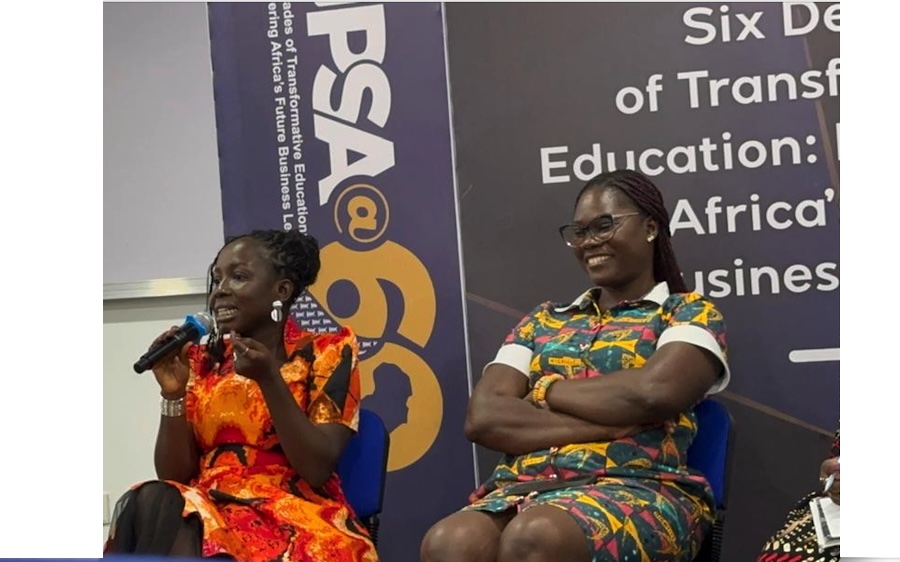
From Africa, Winner Ogogo describes how young leaders, policymakers, innovators, and development practitioners from across the continent gathered to advance conversations on sustainable development and the aspirations of the African Union’s Agenda 2063. Beyond the formal sessions, the summit fostered collaboration among delegates from across Africa, creating opportunities for cross-border partnerships, cultural exchange, and shared learning. These interactions reflected the spirit of Pan-Africanism envisioned in Agenda 2063 – an Africa driven by its people, where collaboration, innovation, and unity become the foundation for sustainable progress.
CPNN has been followiing the difficult attempts of three African countries, Niger, Mali and Burkina Faso, to break free from neo-colonial domination. The task is not only military, economic and linguistic, but also cultural. In this regard we published this month the news that the the Burkina Ministry of Culture has suspended all beauty contests pending a review of how they are managed.
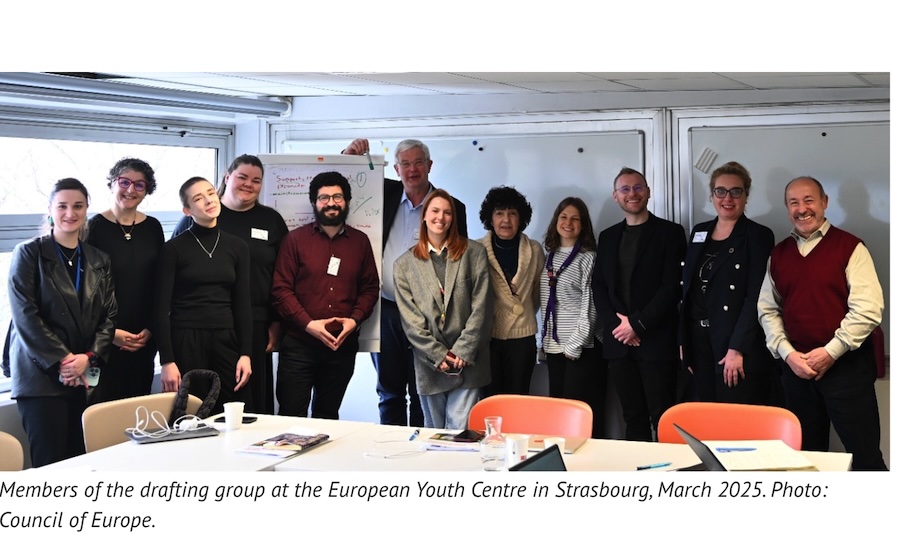
The Council of Europe has adopted a Recommendation on Peace Education by, with and for Young People. Dr. Phill Gittins explains the process of consultation by which the recommendation was elaborated. Young people and non-governmental youth representatives contributed to discussion, drafting and revision alongside governmental representatives, experts and Council of Europe colleagues. He discusses how it can be put into practice.
Peace educators from around the world (the International Institute of Peace Education) met in Granada, Spain, from July 19-26, for a rich exchange of experiences, ideas and culture. They welcomed the Peace Manifesto that we have described in previous bulletins and added many useful proposals for its elaboration.
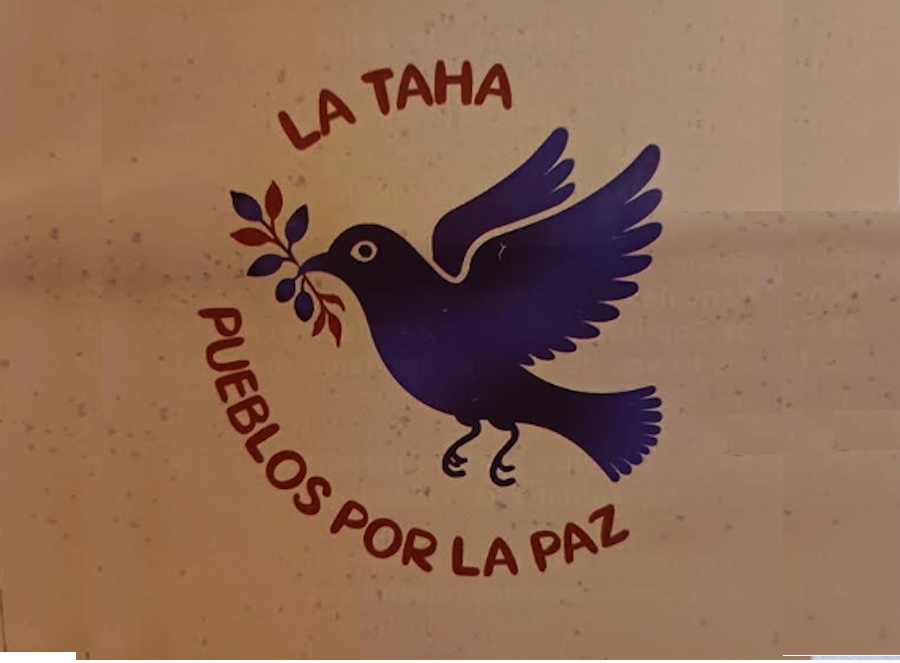
The Granada meeting visited the seven villages of La Taha in the mountains nearby to receive the “Manifest Pueblos por la Paz” that was written and endorsed by the town council. The Manifest is not only a beautiful document, but it also serves as a model for local peace manifestos that we hope will be developed around the world.
|
DISARMAMENT & SECURITY |
SUSTAINABLE DEVELOPMENT |
DEMOCRATIC PARTICIPATION |
WOMEN’S EQUALITY |

|
TOLERANCE & SOLIDARITY |
EDUCATION FOR PEACE |
FREE FLOW OF INFORMATION |
HUMAN RIGHTS |