All posts by CPNN Coordinator

About CPNN Coordinator

Dr David Adams is the coordinator of the Culture of Peace News Network. He retired in 2001 from UNESCO where he was the Director of the Unit for the International Year for the Culture of Peace, proclaimed for the Year 2000 by the United Nations General Assembly.

Benin encourages interfaith dialogue against Boko Haram

TOLERANCE AND SOLIDARITY .

An article from La Croix (translated by CPNN)

“International Symposium of the Pan-African Centre for Social Prospects for Peace and Development through Interfaith and Intercultural Dialogue”. This is the title of the conference organized in Cotonou, Benin, from Tuesday 26 to Thursday, May 28, for a “general mobilization against the danger of Boko Haram.”
benin

This conference is a followup to the one devoted to interreligious dialogue, held in Cotonou in March 2014, under the presidency of Cardinal Jean-Louis Tauran, president of the Pontifical Council for Interreligious Dialogue. It had focused on the factors promoting violent Islamic extremism: tensions between ethno-religious communities, illiteracy, weak governance, inadequate justice systems and lack of interreligious dialogues, especially Islamic-Christian.

Announced by the Beninese president himself, Boni Yayi, last November, the symposium is in the context of peace education and the fight against religious extremism in Africa (Boko Haram, AQMI , etc..).

“Military force will not be enough to annihilate the jihadist movement that flourished in the fertile soil of a population deprived of access to education and health,” according to the new Nigerian President Mohammadu Buhari, in the press conference of Benin.

“This symposium will be based on inter-religious and intercultural dialogue to build peace around practical concerns of fight against poverty,” said Albert Tevoedjre, former Ombudsman of Benin and President of the Pan-African Social Prospects Centre, during a meeting with the press on May 20 The initiative is to establish “trust between followers of different religions to build together a better society with development and peace and to mobilize the enthusiasm around concrete tasks whose priority is recognized by all”, he explained.

Sponsored by the government of Benin, this African initiative has many supporters, including the United Nations Development Programme (UNDP), UNESCO, the ECOWAS (Economic organization created by the Treaty of Lagos in 1975 by fifteen States of West Africa) … By offering its availability to become “peace advocate another way,” the Benin also wants to generate a network of African parliamentarians to “ensure that every State makes avalilable the resources needed to achieving these objectives. ”

Among the 200 participants from all continents are various academics from Egypt, Lebanon and Indonesia, and personalities such Abderhamane Sissako, director of the film Timbuktu, Nassir Abdulaziz Al-Nasser, UN representative, William F. Vendely, Secretary General of Religions for Peace and Francis Kagema Kuria, secretary general of the African Council of Religious Leaders.

Many African leaders are also present, starting with Nigerian President Olusegun Obasanjo, as well as many African and European Muslim leaders Muhammad Saa Abubakar III, Sultan of Sokoto in Nigeria; Shaban Mujabe, Grand Mufti of Uganda; the Algerian Sheikh Khaled Ben Tounès, world president of the association “Friends of Islam”; the imam of Banguy (Central); Azzedine Gaci, and the rector of the mosque in Villeurbanne (France) …

Also announced are leading figures of the Catholic Church, Cardinal Philippe Ouédraogo of Burkina Faso, Archbishop of Ouagadougou; Nigerian Cardinal John Onaiyekan, Archbishop of Abuja; Archbishop Jean Zerbo, Archbishop of Bamako (Mali); Bishop Paul Simon Ahouanan, Archbishop of Bouaké (Ivory Coast) and president of the new National Reconciliation Commission and compensation of victims (Conariv); Bishop Jean-Marc Aveline, Auxiliary Bishop of Marseille …

(Click here for the original French version of this article.)

Question for this article

Inician construcción de Asamblea por la Paz en el caribe colombiano

. LIBERTAD DE INFORMACIÓN .

Un articulo de Colombia Informa

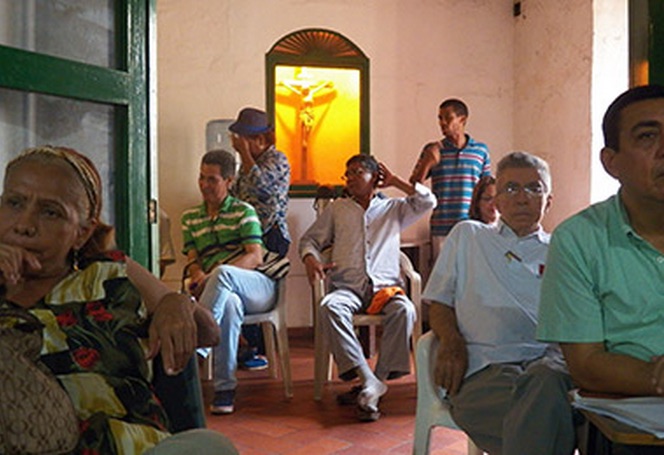
El pasado sábado [30 maio] en la ciudad de Cartagena, con el apoyo de la unión sindical obrera -USO- y la empresa Ecopetrol, se llevó a cabo el primer encuentro regional de delegados y delegadas de diversos sectores y luchas del Caribe para proyectar la Asamblea Regional por la Paz. A la cita asistieron delegados de Atlántico, Bolívar, Sucre, Córdoba, Cesar y Guajira.

cartegana

El espacio tuvo como objetivo principal la planeación y coordinación de equipos dinamizadores de impulso en cada departamento para desarrollar asambleas departamentales previas a una gran Asamblea Regional Por la Paz. Los coordinadores del encuentro aseguraron que todos los propósitos planteados para este encuentro se cumplieron con éxito.

La Asamblea se realiza en el marco de los diálogos entre grupos insurgentes y el gobierno, resaltando el que se lleva a cabo en La Habana entre las Fuerzas Armadas Revolucionarias de Colombia -FARC- por su importancia para el país. Las organizaciones convocantes esperan que la segunda Asamblea Regional sea un espacio de participación “muy amplio en el que confluyan todos los sectores sociales presentes en los territorios para así recoger la ruta de acciones hacia la paz con justicia social, la paz con cambios que tanto anhela el país”.

Agregaron que en cada departamento de la región caribe existirá un equipo coordinador al que se pueden acercar las organizaciones que quieran participar de la iniciativa. Los temas a trabajar en la mencionada Asamblea serán la política minero-energética, el desarrollo Regional y de la mano a la educación. Finalmente la cultura de paz y los posacuerdos.

La USO históricamente ha trabajado en la construcción de la paz a partir de iniciativas regionales, especialmente en la ciudad de Barrancabermeja. También ha impulsado propuestas nacionales como la Asamblea por la Paz, realizada en conjunto con Ecopetrol en 1996. El sindicato ha liderado el desarrollo de múltiples iniciativas como la Asamblea de Trabajadores y Trabajadoras por la Paz como un espacio autónomo en el que se construyeron propuestas desde diferentes sectores para el país con relación a las transformaciones necesarias para la paz.

En el 2012 la USO y Ecopetrol firmaron en un acuerdo para la realización de la II Asamblea Nacional por la Paz que, por varios factores, solo hasta este año se materializará.

El equipo USO-Ecopetrol, encargado de la realización de la Asamblea, contara con un grupo de expertos para la consulta permanente entre quienes se destacan los académicos Alejo Vargas, Víctor de Currea, Francisco de Roux y Hernando Salazar.

La gran conclusión del espacio es que “la paz es un camino, un proceso de diálogos donde se reconstruye un orden justo, se mejoran las condiciones de vida y existe solidaridad. El horizonte es un país nuevo que exige esfuerzos en varios niveles: personal, familiar, comunitario, local, regional y nacional”.

( Clickear aquí para la version inglês.)

Question(s) related to this article:

What is happening in Colombia, Is peace possible?

This discussion question applies to the following articles:

Colombian villagers practice non-violent resistance
Legacy of a Nonviolent Political Leader: Governor Guillermo Gaviria of Colombia
Working for a Culture of Peace in the Valley of the Cauca, Colombia
Remise des Prix de la Fondation Chirac pour la prévention des conflits
Chirac Foundation Prize for Conflict Prevention
The University and the Peace Process in Colombia
La paz supera coyunturas y fronteras (Colombia y Venezuela)
Peace is not stopped by borders (Colombia and Venezuela)
Campesinos colombianos celebran primer acuerdo agrario de paz
Colombian Govt and FARC Reach Agreement on First Stage of Peace Talks
Colombia Campaña de la ONU “La Paz es mía”
UN Campaign in Colombia:
Presidente colombiano reactivará la Comisión Nacional de Paz
Colombian President to Reactivate National Peace Commission
FARC-EP y Gobierno colombiano avanzan en acuerdos para la paz
FARC-EP and Colombia Government advance in their peace accords
Colombia debe ser también la Nación más educada en derechos humanos: Presidente Santos
Colombia should also be the most educated nation in human rights : President Santos
Gabriel García Márquez and the peace process in Colombia
Colombia amanece con un presidente reelecto, esperanzada en la paz
Colombia awakens to hopes for peace with the re-election of their president
Mujer, ruralidad y memoria, entre los temas del congreso de paz (Bogotá, Colombia)
Women, rurality and historical memory among the themes of the Peace Congress (Bogotá, Colombia)
Sonia Ines Goéz Orrego on a speaking tour in the U.S. to share her experience building peace in Colombia
Pax Christi International Peace Award 2015: Women Collective for Reflection and Action (Colombia)
FARC-EP y Gobierno colombiano crearán Comisión de la Verdad
Planning for a Peace Assembly in the Colombian Caribbean
Inician construcción de Asamblea por la Paz en el caribe colombiano

Planning for a Peace Assembly in the Colombian Caribbean

FREE FLOW OF INFORMATION

An article from Colombia Informa (translated by CPNN)

The first regional meeting of delegates from various sectors and struggles in the Caribbean to construct a Regional Peace Assembly was held on Saturday [May 30] in the city of Cartagena,. The meeting was supported by the workers’ labor union -USO- and the company Ecopetrol. It was attended by delegates from Atlantico, Bolivar, Sucre, Córdoba, Cesar and Guajira.

cartegana

The main objective was the planning and coordination of facilitator teams in each department to develop departmental assemblies prior to a Regional Assembly for Peace. The organizers of the meeting consider that the meeting met with full success.

The Assembly takes place in the framework of the dialogue between the government and insurgent groups, which takes place in Havana between the Revolutionary Armed Forces -FARC- of Colombia which is of great importance for the country. The convening organizations expect the second Regional Assembly to have a wide participation “in which converge all social sectors present in the territories in order to collect the path of actions towards peace with social justice, peace with changes the country is yearning for. ” They added that in every department of the Caribbean region will have a coordinating team that can approach organizations that wish to participate in the initiative.

Themes considered in the Assembly included mining and energy policies, regional development and assistance to education. Finally, the culture of peace and followup of the agreements.

The USO has historically worked on building peace through regional initiatives, especially in the city of Barrancabermeja. It has also promoted national proposals and the Assembly for Peace, held in conjunction with Ecopetrol in 1996. The union has led in the development of multiple initiatives such as the Assembly of Workers for Peace as an autonomous space in which proposals were collected from different sectors for the country in relation to the transformations necessary for peace.

In 2012, the USO and Ecopetrol signed an agreement for the implementation of the Second National Assembly for Peace, which for various reasons, could not take place until this year. The USO-Ecopetrol team, responsible for conducting the Assembly will feature an expert panel for permanent consultation including professors Alejo Vargas, Victor Currea, Francisco de Roux and Hernando Salazar.

The grand conclusion of the meeting was that “peace is a journey, a process of dialogue in which a just order is reconstructed, living conditions are improved and there is solidarity. The challenge for a new country requires efforts at various levels: personal, family, community, local, regional and national. ”

(Click here for the orignal Spanish of this aricle.)

Other articles related to this one:

Truth and Reconciliation Commission: Canada guilty of cultural genocide against Indigenous peoples

… HUMAN RIGHTS …

An article from APTN National News

Canada is guilty of committing cultural genocide against Indigenous people, the Truth and Reconciliation Commission said in a summary of its final report released Tuesday.

trc-canada

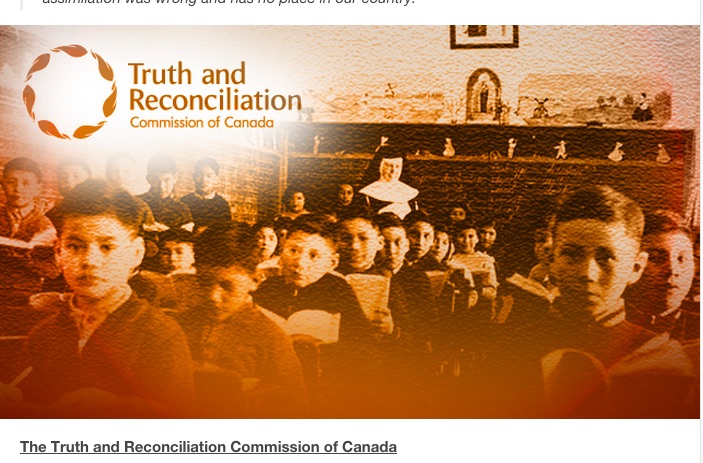
The TRC builds a case that leads it to conclude Canada committed cultural genocide against Indigenous peoples and used Indian residential schools used as its main weapon.

“These measures were part of a coherent policy to eliminate Aboriginal people as a distinct peoples and to assimilate them into the Canadian mainstream against their will,” said the TRC report. “Residential schooling quickly become a central element in the federal government’s Aboriginal policy.”

The TRC unveiled two volumes and a summary of its final report which is expected to be released later this year. One volume was titled, What We Have Learned, and the other was titled, The Survivors Speak.

The TRC was created as part of the multi-billion dollar settlement agreement between Ottawa, the churches and survivors. About 150,000 Indigenous children went through Indian residential schools throughout the systems over century-long existence.

The TRC’s report said cultural genocide is defined as the “destruction of those structures and practices that allow the group to continue as a group.”

States that engage in cultural genocide aim to destroy political and social institutions by seizing land, persecuting spiritual leaders, banning languages, outlawing cultural practices, restricting movement and disrupting families so cultural values can’t be passed on to successive generations, said the report.

“In its dealing with Aboriginal people, Canada did all these things,” said the report.

The TRC report said Canada’s negotiation of treaties with First Nations were “marked by fraud and coercion.” The report said the federal government continues to stall on the implementation of treaties to this day.

The TRC suggests the only reason Canada bothered to enter treaties was because it couldn’t afford to subdue the Indigenous population through war. In 1870, the total of Canada’s budget was about $19 million. Across the border during the same time period, the U.S. was spending $20 million just to fight its “Indian Wars,” said the report.

Early post-Confederacy Canada had one goal in mind when it began negotiating treaty, said the TRC.

“The intent of the government’s policy…was to assimilate Aboriginal people into broader Canadian society,” said the report. “At the end of this process, Aboriginal people were expected to have ceased to exist as a distinct people with their own governments, cultures and identities.”

Canada’s first prime minister, Sir John A. Macdonald told the House of Commons in 1883 that residential schools would be one of the main weapons used to eliminate the “savage” before it grew to become incorrigible.

“When the school is on the reserve the child lives with its parents, who are savages, he is surrounded by savages, and though he may learn to read and write his habits and training and mode of thought are Indian,” said Macdonald, in a passage quoted by the report. “He is simply a savage that can read and write.”

(Article continued in right column)


Question related to this article:

Truth Commissions, Do they improve human rights?

(Article continued from left column)

The policy persisted into the 20th Century and was supported by Church leaders of all denominations running residential schools, the report said.

Supreme Court Justice Beverley McLachlin echoed the TRC’s findings in a speech delivered last Thursday when she said Canada committed cultural genocide.

The Harper government, however, has stated it does not support the view.

Canada’s attempts to wipe out Indigenous culture failed, but not without leaving deep wounds, said the report.

“Despite coercive measures that the government adopted, it failed to achieve its policy goals. Although Aboriginal peoples and cultures have been badly damaged, they continue to exist,” said the report. “Aboriginal people have refused to surrender their identity.”

The TRC report said Canada is getting another chance at reconciliation. The report notes that the 1996 Royal Commission on Aboriginal Peoples called on Canada to begin a process of reconciliation. That commission was triggered by the 1990 Oka crisis that saw armed Mohawks face down the Canadian military to protect a burial site from being turned into a golf course.

“In 2015, as the Truth and Reconciliation Commission of Canada wraps up its work, the country has a rare second chance to seize a lost opportunity for reconciliation,” said the report. “The urgent need for reconciliation runs deep in Canada. Expanding public dialogue and action on reconciliation beyond residential schools will be critical in the coming years.”

The TRC report said the relationship between Canada and Indigenous peoples is “deteriorating.” The report lists First Nations education, child welfare and justice as sources of “divisive conflicts” and “barriers” to reconciliation.

Prime Minister Stephen Harper has failed to live up to the promise of the 2008 apology, the report said.

“The promise of reconciliation, which seemed so imminent back in 2008 when the prime minister, on behalf of all Canadians, apologized to survivors, has faded,” said the report.

The report said too many Canadians are still ignorant of First Nations, Inuit and Metis history and it bleeds into the government sphere.

“In the public realm, it reinforces racist attitudes and fuels civic distrust between Aboriginal peoples and other Canadians,” said the report. “Too many Canadians still do not know the history of Aboriginal peoples’ contributions to Canada, or understand that by virtues of the historical and modern Treaties negotiated by our government, we are all Treaty people.”

The TRC lays out 94 recommendations it believes help mark the path toward reconciliation. The recommendations include:

Ottawa, the provinces and territories should fully adopt the UN Declaration on the Rights of Indigenous peoples.

Ottawa, in conjunction with Indigenous peoples, should develop a new Royal Proclamation on Reconciliation.

Ottawa should repudiate the Doctrine of Discovery and the concept of terra nullius.

Ottawa and Treaty nations should renew the Treaty relationship.

Ensure Indigenous peoples are full partners in Confederation by reconciling Crown and Indigenous legal orders.

The parties to the Indian residential school settlement agreement should sign a Covenant of Reconciliation.

A National Council for Reconciliation should be created.

The Pope should issue an apology to survivors of Indian residential schools.

Canada should mark the 150th anniversary of the country by creating a fund for reconciliation commemoration projects.

Ottawa should commit $10 million for the funding the National Centre for Truth and Reconciliation over the next seven years.

The Oath of Citizenship should be changed to include the following passage, “I will faithfully observe the laws of Canada including Treaties with Indigenous peoples, and fulfill my duties as a Canadian citizen.

(Thank you to Janet Hudgins, the CPNN reporter for this article.)

Edward Snowden: “Two Years On, The Difference Is Profound”

FREE FLOW OF INFORMATION

An article by Edward Snowden published in the New York Times and excerpted in the Amnesty International Blog

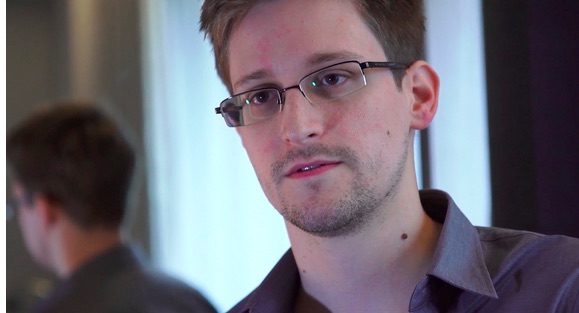
Two years ago today, three journalists and I worked nervously in a Hong Kong hotel room, waiting to see how the world would react to the revelation that the National Security Agency had been making records of nearly every phone call in the United States. In the days that followed, those journalists and others published documents revealing that democratic governments had been monitoring the private activities of ordinary citizens who had done nothing wrong.

snowden

Within days, the United States government responded by bringing charges against me under World War I-era espionage laws. The journalists were advised by lawyers that they risked arrest or subpoena if they returned to the United States. Politicians raced to condemn our efforts as un-American, even treasonous.

Privately, there were moments when I worried that we might have put our privileged lives at risk for nothing — that the public would react with indifference, or practiced cynicism, to the revelations.

Never have I been so grateful to have been so wrong.

Two years on, the difference is profound. In a single month, the NSA’s invasive call-tracking program was declared unlawful by the courts and disowned by Congress. After a White House-appointed oversight board investigation found that this program had not stopped a single terrorist attack, even the president who once defended its propriety and criticized its disclosure has now ordered it terminated.

This is the power of an informed public.

Read the full opinion piece at the New York Times.

Learn more about global surveillance and take action at http://amnestyusa.org/NSA/a>.

Question for this article:

The courage of Mordecai Vanunu and other whistle-blowers, How can we emulate it in our lives?

Latest comment:

Whistle-blowers may be considered as very important actors for a culture of peace.  As described on the CPNN page for values, attitudes and actions for a culture of peace, the culture of war is characterized by propaganda, secrecy, government control of media, militaristic language and censorship while the culture of peace is characterized by the free flow and sharing of information.  Whistle-blowers break the back of secrecy directly and dramatically.

Mordecai Vanunu’s courage continues the tradition of Daniel Ellsberg, who made known the Pentagon Papers during the Vietnam War and Karen Silkwood, who exposed nuclear pollution in the United States.  Ellsberg was persecuted by President Nixon and Karen Silkwood was murdered, as described some years ago in a very fine film starring Meryl Streep.

As the amount of government secrecy continues to increase, we may expect that the number of whistle-blowers will also tend to increase in the years to come.

FARC-EP y Gobierno colombiano crearán Comisión de la Verdad

. LIBERTAD DE INFORMACIÓN .

Un articulo Prensa Latina

Las insurgentes FARC-EP y el Gobierno colombiano acordaron hoy [4 jun] aquí poner en marcha una Comisión de la Verdad, la Convivencia y la No repetición, una vez que se alcance el acuerdo final de paz.

trc-colombia

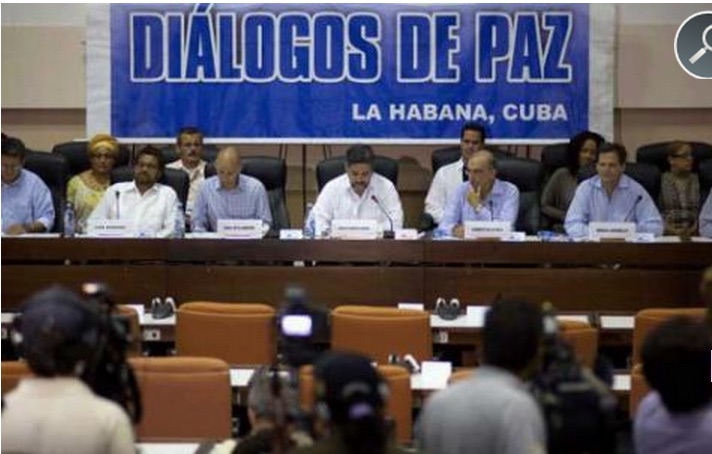
Tal Comisión tendrá tres objetivos fundamentales, informó en conferencia de prensa Rodolfo Benítez, garante de Cuba en la Mesa de Diálogo establecida en esta capital desde 2012 entre las Fuerzas Armadas Revolucionarias de Colombia-Ejército del Pueblo (FARC-EP) y el Gobierno del presidente Juan Manuel Santos.

El primero de estos objetivos, es contribuir al esclarecimiento de lo ocurrido (…) y ofrecer una explicación amplia de la complejidad del conflicto (que por más de medio siglo ha afectado a Colombia), explicó Benítez, acompañado al cierre de la 37 ronda de pláticas por las delegaciones de paz gubernamental e insurgente.

La Comisión, agregó, deberá contribuir al reconocimiento de las víctimas como ciudadanos que vieron sus derechos vulnerados y el reconocimiento voluntario de responsabilidades individuales y colectivas.

Igualmente, dijo, deberá promover la convivencia en los territorios, por medio de un ambiente de diálogo y la creación de espacios en los que las víctimas se vean dignificadas.

Según precisó Benítez, la Comisión será un mecanismo independiente, imparcial, de carácter extrajudicial, que formará parte del sistema integral de verdad, justicia, reparación y no repetición que se ha de acordar en la mesa de negociaciones para satisfacer los derechos de las víctimas, terminar el conflicto y alcanzar la paz.

El garante cubano en estos Diálogos recordó que “el Acuerdo logrado sobre esta Comisión no puede entenderse ni definitivamente cerrado ni aislado del sistema que estamos comprometidos a construir y que aún no se ha concluido”.

También refirió que se continuará trabajando para acordar “otros mecanismos que permitan garantizar los derechos de las víctimas a la verdad, la justicia y la reparación, además de contribuir a garantizar a los colombianos la no repetición del conflicto”.

Por su parte, el jefe de la delegación guerrillera de paz, Iván Márquez, celebró la creación de la Comisión de la Verdad como mecanismo de justicia y reparación, al tiempo que pidió la apertura de los archivos del Estado sobre el conflicto para el esclarecimiento de la verdad en torno a esta larga confrontación.

¿Por qué reclamamos que se abran los archivos? Porque la paz necesita la verdad, identificar a los responsables supremos del conflicto social y armado para, a partir de la verdad histórica, acordar fórmulas de solución ya sean políticas, ya sean jurídicas, afirmó Márquez.

Asimismo, el líder guerrillero reiteró su rechazo a normas penales diseñadas para un solo destinatario (la insurgencia) y presentadas unilateralmente por el Gobierno.

( Clickear aquí para la version inglês.)

Question(s) related to this article:

What is happening in Colombia, Is peace possible?

This discussion question applies to the following articles:

Colombian villagers practice non-violent resistance
Legacy of a Nonviolent Political Leader: Governor Guillermo Gaviria of Colombia
Working for a Culture of Peace in the Valley of the Cauca, Colombia
Remise des Prix de la Fondation Chirac pour la prévention des conflits
Chirac Foundation Prize for Conflict Prevention
The University and the Peace Process in Colombia
La paz supera coyunturas y fronteras (Colombia y Venezuela)
Peace is not stopped by borders (Colombia and Venezuela)
Campesinos colombianos celebran primer acuerdo agrario de paz
Colombian Govt and FARC Reach Agreement on First Stage of Peace Talks
Colombia Campaña de la ONU “La Paz es mía”
UN Campaign in Colombia:
Presidente colombiano reactivará la Comisión Nacional de Paz
Colombian President to Reactivate National Peace Commission
FARC-EP y Gobierno colombiano avanzan en acuerdos para la paz
FARC-EP and Colombia Government advance in their peace accords
Colombia debe ser también la Nación más educada en derechos humanos: Presidente Santos
Colombia should also be the most educated nation in human rights : President Santos
Gabriel García Márquez and the peace process in Colombia
Colombia amanece con un presidente reelecto, esperanzada en la paz
Colombia awakens to hopes for peace with the re-election of their president
Mujer, ruralidad y memoria, entre los temas del congreso de paz (Bogotá, Colombia)
Women, rurality and historical memory among the themes of the Peace Congress (Bogotá, Colombia)
Sonia Ines Goéz Orrego on a speaking tour in the U.S. to share her experience building peace in Colombia
Pax Christi International – Peace Award 2015: Women, Peace and Security Collective for Reflection and Action (Colombia)

Colombia: FARC and the Government Will Create a Truth Commission

FREE FLOW OF INFORMATION

An article from Ahora Cuba

The FARC-EP and the Colombian government closed the 37th cycle of peace talks with the decision to establish a Commission for Clarification of Truth, Coexistence and Non-Repetition.

trc-colombia

Such a Commission will be set up after the Final Peace Agreement, and will have three main objectives, Rodolfo Benitez, Cuba guarantor at the negotiation table established in this capital since 2012, said yesterday in a news conference.

Representatives of the Revolutionary Armed Forces of Colombia-People’s Army (FARC-EP) and the government of President Juan Manuel Santos are attending this roundtable discussion.

The first of those objectives is to contribute to the clarification of what happened (…) and provide a full explanation of the complexity of the conflict, said Benitez, accompanied by the government and insurgent peace delegations.

The Commission should contribute to the recognition of the victims as citizens who saw their rights violated and the voluntary recognition of individual and collective responsibilities.

It should also promote coexistence in the territories, by means of an atmosphere of dialogue and the creation of spaces in which the victims are dignified, he said.

According to Benitez, the Commission will be an independent, impartial and extrajudicial mechanism, a part of the comprehensive system of truth, justice, reparation and non-repetition that has to agree to satisfy the rights of victims, end the conflict, and achieve peace.

On the other hand, Ivan Marquez, head of the guerrilla delegation, praised the establishment of the truth Commission as a mechanism of justice and reparation, and requested the opening of the State’s files on the conflict for the clarification of what happened regarding this long confrontation.

(Click here for an article in Spanish on this subject.)

Other articles related to this one:

L’UNESCO s’associe au Projet Aladin pour une conférence internationale sur la prévention des génocides, la promotion de la culture de la paix et l’enseignement de la Shoah en Afrique

LIBERTÉ DE L’INFORMATION

Un article de la Service de Presse de la UNESCO

Au lendemain des commémorations du 70e anniversaire de la fin de la Deuxième Guerre Mondiale et la libération des camps nazis de concentration et d’extermination, le Projet Aladin et l’UNESCO organisent la première conférence internationale en Afrique sur la prévention des génocides, la promotion de la culture de la paix et l’enseignement des leçons historiques de la Shoah. Les délégations de plusieurs ministères de l’éducation des pays de l’Afrique de l’Ouest participeront à cette conférence.

aladin

La conférence sera ouverte le lundi 1er juin 2015 par Son excellence Monsieur Sidiki KABA, Garde des Sceaux, Ministre de la Justice du Sénégal, Président de l’Assemblée des États Parties de la Cour Pénale Internationale, en présence des hauts fonctionnaires, diplomates, représentants des organisations internationales et des universitaires africains, américains et européens. Par ailleurs, le discours inaugural sera prononcé par M. Adama Dieng, Conseiller spécial du Secrétaire général de l’ONU pour la prévention du génocide.

D’éminents historiens de la Shoah et du génocide de 1994 au Rwanda, des universitaires, des militants des Droits de l’Homme d’Afrique, d’Amérique du Nord et d’Europe interviendront lors de cette conférence dont l’objectif est d’encourager le partage d’expériences entre éducateurs et décideurs politiques de la région et de proposer des stratégies concrètes pour l’introduction d’enseignements relatifs à la prévention des génocides, la culture de la paix et l’histoire de l’Holocauste dans les programmes scolaires des pays africains, en soutien des projets lancés par l’UNESCO dans la région sur ces différentes thématiques.

La conférence de Dakar fait partie d’une série de six conférences internationales organisée par le Projet Aladin et l’UNESCO sous le même thème en Afrique, Asie et au Moyen-Orient. La première conférence a eu lieu à Istanbul en octobre 2013.

Le Projet Aladin est une ONG internationale basée à Paris et créée en 2009 sous les auspices de l’UNESCO. Les trente personnalités de son Conseil d’administration sont issues de différents pays d’Europe, du Moyen-Orient et d’Afrique et appartiennent à toutes les religions et à toutes les cultures, dédiées à la recherche du dialogue, de la compréhension mutuelle, de la justice et de la fraternité humaine. Partenaire officiel de l’UNESCO, l’organisation œuvre pour promouvoir le rapprochement interculturel fondé sur la connaissance mutuelle, l’éducation et le respect de l’Histoire, le refus du négationnisme et des conflits de mémoire, la primauté du dialogue et de la recherche de la paix sur la culture de l’affrontement et de la guerre.

(Cliquez ici pour une version anglaise de cet article.) )

Question for this article:

UNESCO partners with the Aladdin Project for an International Conference on Genocide Prevention, Culture of Peace and Education about the Holocaust in Africa

FREE FLOW OF INFORMATION

An article by UNESCO media services

In the aftermaths of 70th anniversary commemorations of the end of the Second World War and the liberation of Nazi concentration and of extermination camps, the Aladdin project and UNESCO organize the first international conference in Africa on the prevention of genocide, the promotion of a culture of peace and the historical lessons of the Holocaust. Delegations of several ministries of education of Western Africa will participate.

aladin

The conference will involve eminent historians of the Holocaust and of the 1994 genocide in Rwanda as well as human rights expert with a view to encourage sharing of experience amongst education stakeholders of the region and explore further strategies to introduce education about the history of genocides and a culture of peace in education policies of African countries, notably in support of UNESCO’s related activities in the region.

The Dakar conference is part of a larger series of 6 conferences on the same theme organized by the Aladdin Project in cooperation with UNESCO in Africa, Asia and the Middle East. The first such event took place in Istanbul in 2013.

The Aladdin Project is an international organization based in Paris and created in 2009 under the auspices of UNESCO. The 30 members of its international board, representing different countries of Europe, the Middle-East and Africa, different faiths and cultures, are dedicated to promoting dialogue, mutual understanding, justice and fraternity. The organization strives to enhance intercultural exchanges based on mutual knowledge, education, respect of history, rejection of Holocaust denial and memorial conflicts through the search for peace over the culture of conflict and war.

(Click here for a version of this article in French)

Question for this article:

Boletín español, el 01 de junio 2015

HACIA SOBERANÍA ALIMENTARIA

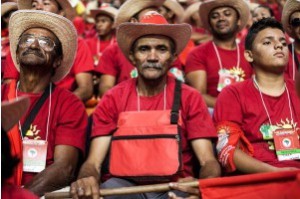
Este mes presentamos artículos sobre los movimientos campesinos por la soberanía alimentaria, empezando por el VI Congreso de la Coordinadora Latinoamericana de Organizaciones del Campo-Vía Campesina (CLOC-VC) realizado en Buenos Aires. Tras una semana de debates en talleres y asambleas, los más de mil delegados de toda América Latina y el Caribe, junto a delegados de África, Asia y Europa, acordaron defender “la Soberanía Alimentaria sustentada en la concreción de Reformas Agrarias Integrales y Populares, (que) nos devuelva la alegría cuidando la madre tierra, para producir los alimentos que nuestros pueblos y la humanidad necesita para garantizar su desarrollo”.

Aquí hay una cita tomada de su declaración final:

“La CLOC, es el fuego, la luz y la acción de la Vía Campesina en Latinoamérica. Surgimos del corazón mismo del proceso de los 500 años de Resistencia Indígena, Campesina, Negra y Popular, que unió al movimiento campesino histórico y los nuevos movimientos que surgían como respuesta a los procesos de desmantelamiento impuestos por las políticas neoliberales. Unimos fuerza, experiencia y lucha, y construimos propuestas organizativas y programáticas de acuerdo a los nuevos momentos políticos, afirmando que la cuestión agraria compete a toda la sociedad y como tal debemos abordarla dentro de una estrategia de poder alternativo y popular.”

A pesar de que los pequeños agricultores (campesinos) producen la mayor parte de los alimentos consumidos por la humanidad, ellos que se ven amenazados por la agricultura industrial y las empresas multinacionales que buscan imponer la producción de monocultivos para la exportación y establecer un monopolio de las semillas. Estas multinacionales son apoyadas por leyes gubernamentales y por las subvenciones que cada vez más van a nivel internacional.

Un defensor particularmente elocuente para del pequeño agricultor es Vandana Shiva de la India, como lo vemos en una entrevista con ella en Suiza: “La razón por la que las granjas se están convirtiendo en menos y más grandes es una economía muy retorcida que castiga a los pequeños agricultores y premia a la agricultura industrial. Una recompensa es los $ 400 mil millones en subsidios globales para las granjas a gran escala. La otra recompensa es que cada nivel de la legislación, tales como los reglamentos relativos a la normalización de los alimentos, para las cadenas de tiendas y las leyes sobre propiedad intelectual, se puso una pesada carga para los pequeños agricultores. Para 10.000 años los pequeños agricultores han hecho el trabajo. ¿Por qué sólo a partir de este siglo que las pequeñas granjas no ha vuelto viable? Es porque el modelo económico-empresarial, impulsado por el comercio ha sido diseñado para la agricultura a gran escala, ha sido diseñado para que las pequeñas explotaciones desaparezcan. Alrededor del 70% de los alimentos consumidos a nivel mundial hoy es producido por los pequeños agricultores. Aun así, hay una mitología que nos quieren hacer creer que la agroindustria es la respuesta al hambre mundo.”

Los pequeños agricultores (campesinos) se están movilizando cada vez más en todo el mundo. En Guatemala, por ejemplo, hay un fuerte movimiento campesino para apoyar una ley de Desarrollo Integral Rural que obligaría al Estado a ayudar a las personas que viven en zonas rurales. Los campesinos han continuado para mantener la presión sobre el gobierno para proporcionar una solución mediante a través de protestas regulares, el bloqueo de carreteras, y ocupando espacio en la Ciudad de Guatemala, exigiendo que el gobierno de aprobar la ley.

Los tratados llamados “de libre comercio,” negociado a nivel internacional por los países más ricos, incluyen el apoyo institucionalizado para la agricultura industrial a costo de la pequeña agricultura, y por esta razón los movimientos campesinos se opusieron a los tratados. Se han designado 17 de abril como ” el día mundial de acción global por las Luchas Campesinas contra las Transnacionales y los Tratados de Libre Comercio.” Entre sus acciones están las ocupaciones de tierras, los intercambios de semillas, demostraciones, sesiones de promoción de la soberanía alimentaria, eventos culturales, acciones directas y debates.

Los intercambios de semillas son importantes porque algunas empresas transnacionales como Monsanto están tratando de establecer monopolios mundiales en semillas. En Uruguay, el séptimo Encuentro Nacional de Productores de Semillas criollas y el sexto Festival Nacional de la Semilla Criolla y la agricultura familiar, se reunió bajo el lema “semillas nativas y la tierra como patrimonio de los pueblos al servicio de la humanidad”. Otros ejemplos de resistencia de los pequeños agricultores contra los monopolios de semillas se citan de Ghana, Mozambique, Níger, Brasil, Chile, Colombia, Costa Rica, México, Venezuela, India, Filipinas, Corea del Sur, Tailandia, Austria, Francia, Alemania, Grecia e Italia.

A pesar del hecho de que están dirigidos por los países que apoyan la agricultura industrial, las organizaciones pertinentes de las Naciones Unidas, se han reunido recientemente para hacer sonar la alarma contra la destrucción de las pequeñas explotaciones. Según la Organización para la Agricultura y la Alimentación ,”A pesar de significativa migración rural-urbana, la pobreza extrema es cada vez más concentrada en las zonas rurales, donde hay menores niveles de inversión pública y privada, la infraestructura más pobre y menos servicios dirigidos a los más vulnerables. El crecimiento en la agricultura es más eficaz en la reducción de la pobreza que el crecimiento en otros sectores. Necesitamos más y mejor inversión en la agricultura”.

Según el Fondo Internacional de Desarrollo Agrícola, “La mayoría de la comida que la gente de todo el mundo consumen proviene de las pequeñas explotaciones agrícolas. Ellos no son el problema, sino parte de la solución. Vemos la necesidad de los pequeños agricultores a tener acceso a los mercados y tener acceso al crédito”.

A pesar de los beneficios de que goza la agricultura industrial, una nueva generación de agricultores en Europa y América del Norte, así como en el Sur, está volviendo a la pequeña agricultura. Para entender su motivación, entrevistamos este mes un joven agricultor francés.


DESAROLLO SUSTENTABLE

argentina

Argentina: Congreso de la CLOC-VC por la soberanía alimentaria

IGUALDAD HOMBRES/MUJERES


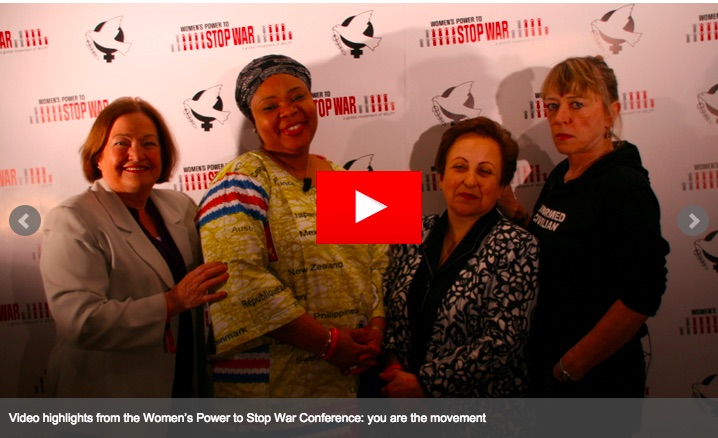
A Century of Women Working for Peace

DESARME Y SEGURIDAD


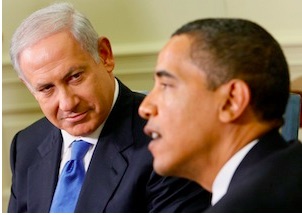
US Kills Nuclear-Free Mideast Conference, Citing Israel

DERECHOS HUMANOS


5 brave ways activists are fighting for LGBTI rights worldwide

LIBERTAD DE INFORMACIÓN


6 sencillas herramientas para proteger tu privacidad online (y ayudarte a combatir la vigilancia masiva)

PARTICIPACIÓN DEMOCRATICA


Women in Parliament: 20 years in review

TOLERANCIA Y SOLIDARIDAD


Ecuador-Perú: Vínculo interinstitucional encaminado al fomento de la cultura de paz

EDUCACIÓN PARA PAZ


Premios de educación concedidos a líderes de Irak y Filipinas